Top 20 Natural Monuments around Bischofswerda
Natural monuments around Bischofswerda offer diverse landscapes in Saxony, Germany. The region is characterized by its Lusatian highlands, river valleys, and significant natural features. These areas provide opportunities for nature observation and appreciating local flora and geological formations. The town and its surroundings are known for their unique ecological significance and scenic views.
Best natural monuments around Bischofswerda
- The most popular natural monuments is Hochstein (Sibyllenstein) – Highest Point of Westlausitz, a summit that is the highest elevation in…
Last updated: June 25, 2026
Schwedenstein Tower and Restaurant
Highlight • Monument
Translated by Google •
Tip by

Hochstein (Sibyllenstein) – Highest Point of Westlausitz
Highlight • Summit
Translated by Google •
Tip by

Sign up now to discover places like this
Get recommendations on the best single tracks, peaks, & plenty of other exciting outdoor places.
Sign up for free
Butterberg Observation Tower and Mountain Inn
Highlight • Viewpoint
Translated by Google •
Tip by

Wesenitz Spring
Highlight • Natural Monument
Translated by Google •
Tip by

Stolpen Castle
Highlight • Castle
Translated by Google •
Tip by

Sign up for free to discover even more natural monuments around Bischofswerda.
Sign up for free
Already have an account?
Start today with a free account
Your next adventure awaits.
Login or Signup
Popular around Bischofswerda
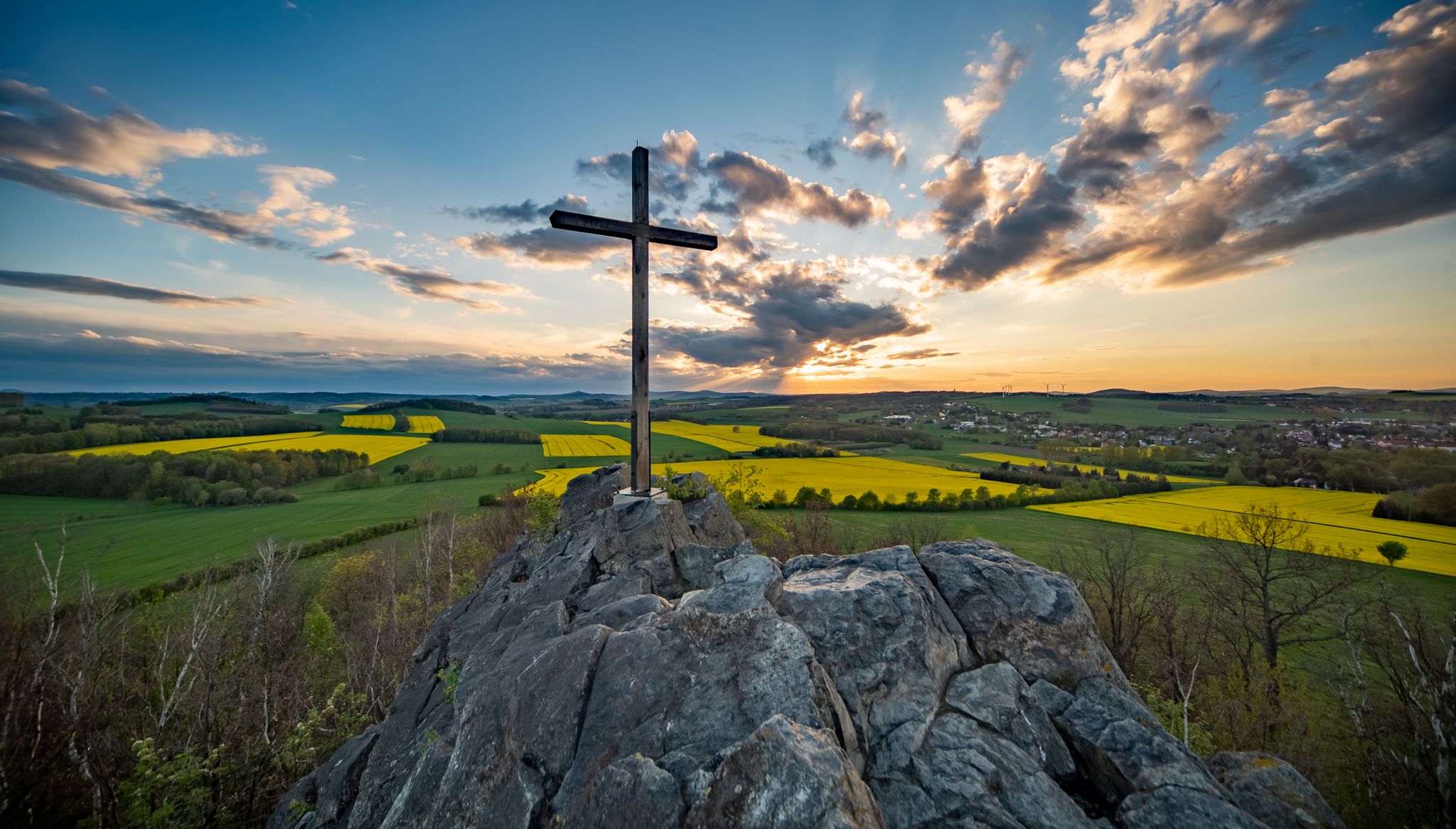
Legendary views on the Upper Lusatia Mountain Trail
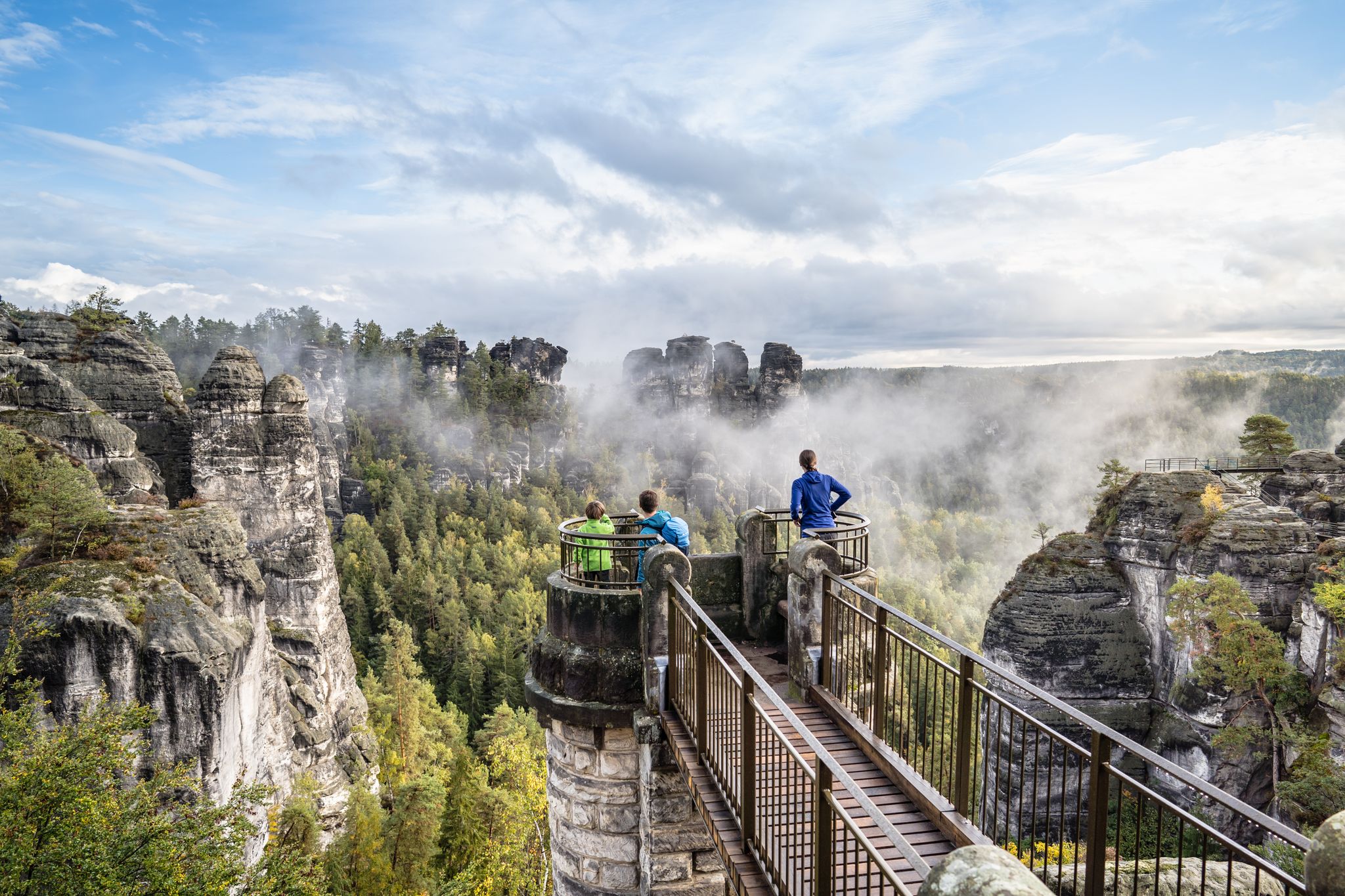
Natural wonders of Saxony – hiking with the wow factor
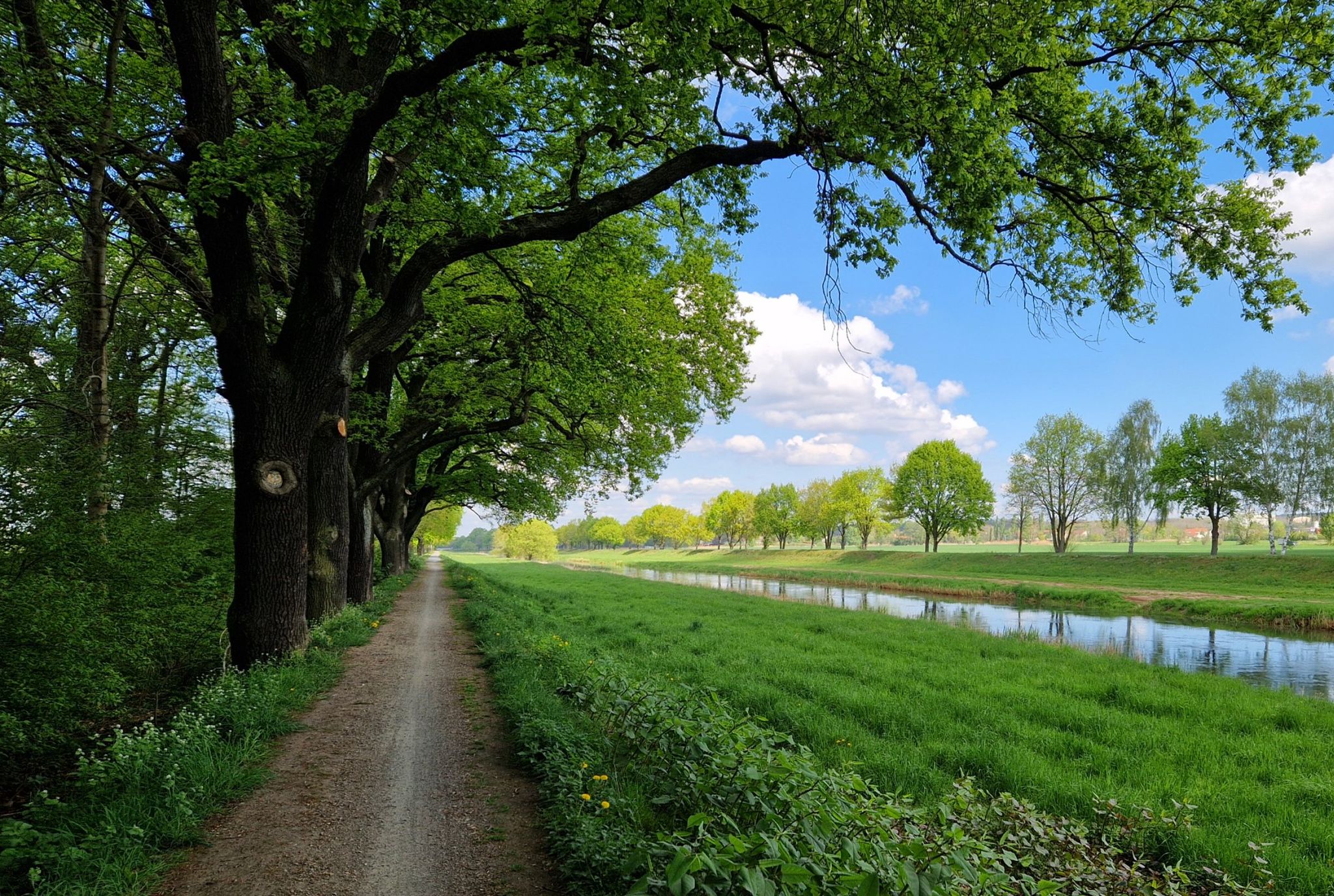
Pure nature – cycle the Schwarze-Elster Cycle Route
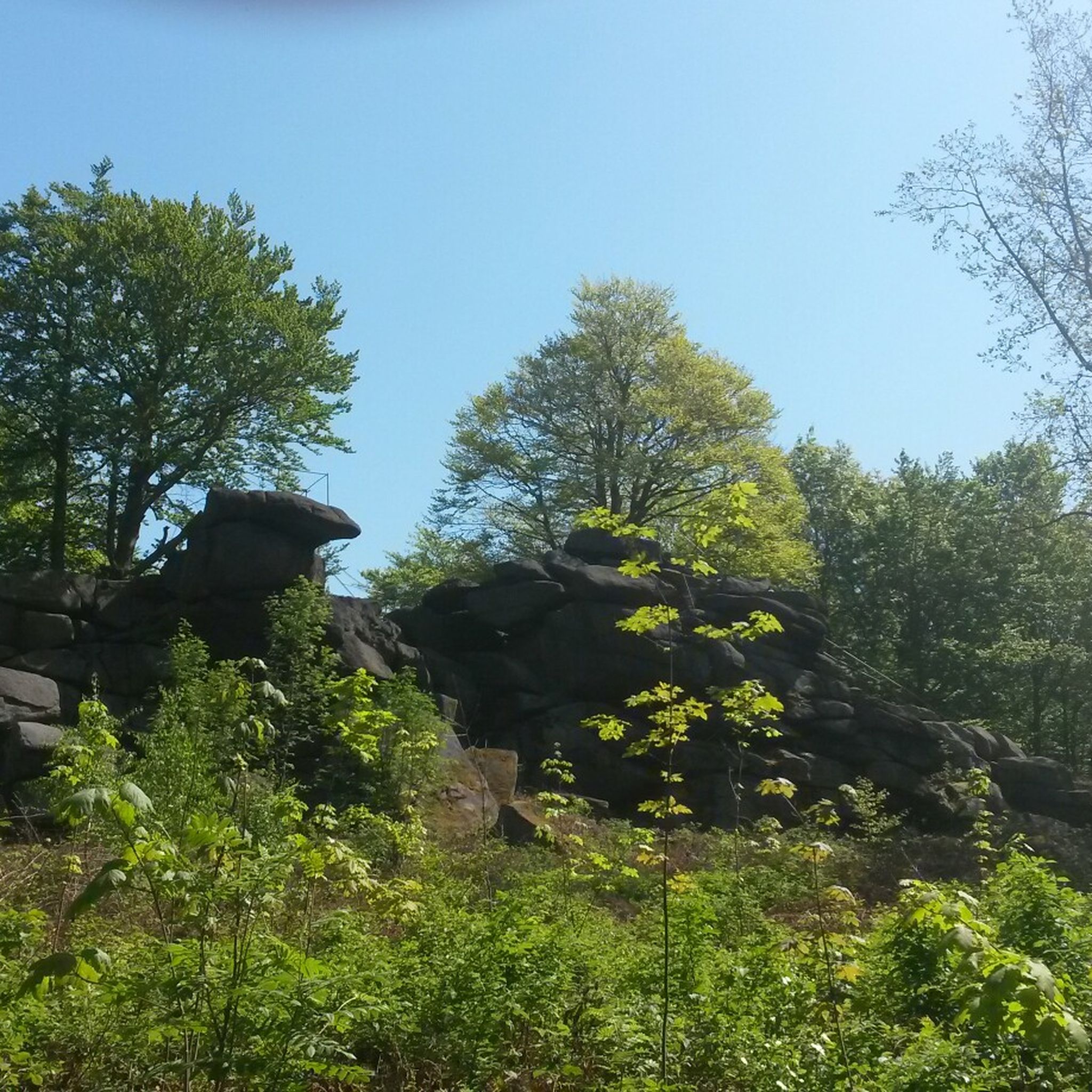
Hiking around Bischofswerda
Cycling around Bischofswerda
Road Cycling Routes around Bischofswerda
Running Trails around Bischofswerda
MTB Trails around Bischofswerda
Gravel biking around Bischofswerda
Other adventures around Bischofswerda


Tips from the Community

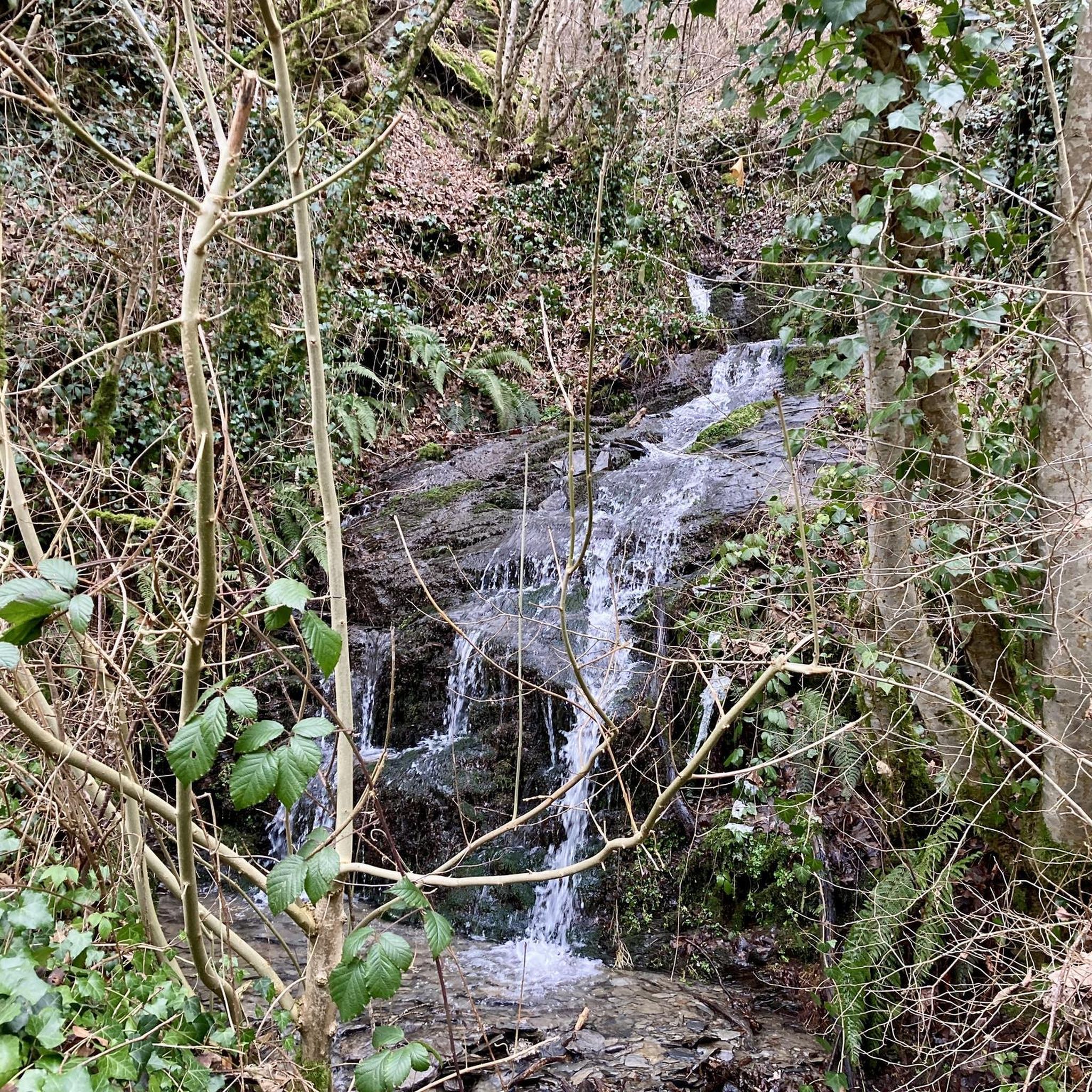
Wesenitz Spring and Valentin Adit Information The Wesenitz River originates at an elevation of 515 meters above sea level on the southeastern slope of the Valtenberg mountain, emerging from the entrance of a 60-meter-long mine adit known as the "Goldbergwerk" (Gold Mine). The Wesenitz was first documented in 1213. Valentin Adit at the Wesenitz spring on the southern slope of the Valtenberg mountain.
2
0

Stolpen Castle, a culturally and historically significant monument, was over the centuries a residence of the bishops of Meissen, a fortress and later a castle, which is now open to visitors as a ruin and museum. With its long history, which is marked by strategic reconstructions, military importance and the imprisonment of Countess Cosel, the castle attracts around 100,000 guests every year and offers a varied program of events. You can find the opening times and prices here: https://www.burg-stolpen.org/de/gaesteservice/.
3
0

The Hochstein, also called Sibyllenstein (Sibinnen-Stein, Sibillenstein or Sybillen-Stein), Upper Sorbian Žiwiny, is a 449-metre-high mountain in Upper Lusatia in the Saxon district of Bautzen. It is the highest elevation in the Northwest Lusatian Uplands and the highest mountain in Upper Lusatia north of the A4.
4
0
The Butterberg is almost 384 meters high and is located just a few kilometers from the center of Bischofswerda. At the summit there is an inn in historic walls with a 21 meter high observation tower. You can find more information and opening times here: http://www.butterberg.com/.
3
1

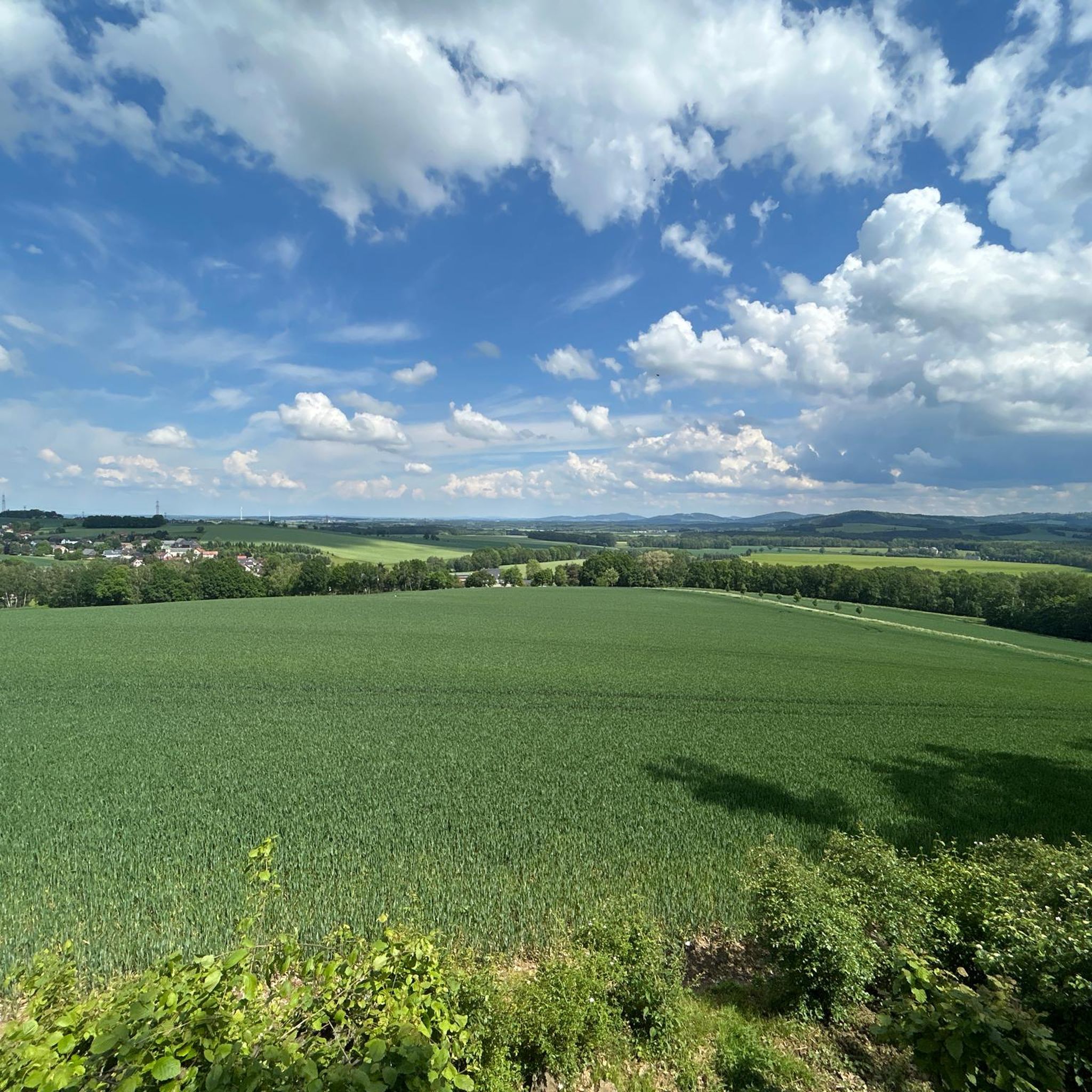
There is a beautiful panoramic view from up here
5
0
The Schwedenstein is a 419.7 m above sea level[1] high mountain in West Lusatia...with a lookout tower and restaurants
7
0
If the trees around weren't so high then there would definitely be a great view :) otherwise a nice place to collect information and to rest
5
1

Frequently Asked Questions
What are some of the most popular natural monuments to visit around Bischofswerda?
Visitors frequently enjoy the unique geological formation of Hochstein (Sibyllenstein) – Highest Point of Westlausitz, which is the highest elevation in the Northwest Lusatian Uplands. Another favorite is the Butterberg Observation Tower and Mountain Inn, offering expansive views from its twenty-one meter high tower. In spring, the Spring Snowflake Meadow is a must-see for its vibrant blooms.
When is the best time to visit the natural monuments in the Bischofswerda region?
The best time to visit depends on what you wish to see. For the spectacular bloom of the spring snowflakes at the Spring Snowflake Meadow, early March to early April is ideal. For panoramic views from mountain peaks like Valtenberg or Schwedenstein, clear days in spring, summer, or autumn are recommended. The mountain lodges and observation towers are generally open year-round, with some closures on Mondays and Fridays.
Are there family-friendly natural monuments or activities in the area?
Yes, several natural monuments are suitable for families. The Butterberg Observation Tower and Mountain Inn is a great option, featuring a mountain inn and an observation tower that children often enjoy. The Wesenitz Spring is also considered family-friendly, offering a pleasant spot to rest and explore the source of the river.
What kind of views can I expect from the natural monuments around Bischofswerda?
The region offers stunning panoramic views, especially from its higher elevations. From the Butterberg Observation Tower and Mountain Inn, you can enjoy expansive vistas of the surrounding landscape. The Valtenberg, the highest peak in the Lusatian highlands, also features a lookout tower with views extending to the Elbe Sandstone Mountains and the Giant Mountains on clear days. The Schwedenstein Observation Tower similarly provides beautiful panoramic views.
Are there any historical or cultural sites integrated with the natural monuments?
Yes, some natural monuments have historical significance. The Butterberg Observation Tower and Mountain Inn was part of the Royal Saxon Triangulation, a historical land survey. Additionally, while not strictly a natural monument, Stolpen Castle is a culturally and historically significant monument located near natural features, offering a glimpse into the region's past.
What outdoor activities can I do near the natural monuments?
The area around Bischofswerda is excellent for various outdoor activities. You can find numerous routes for hiking, cycling, and running. For example, there are several hiking trails like the 'View of the Lusatian Highlands – Butterberg Playground loop' and cycling routes such as the 'Putzkau Viaduct – Putzkau Railway Viaduct loop'. You can explore more options on the Hiking around Bischofswerda, Cycling around Bischofswerda, and Running Trails around Bischofswerda guide pages.
Are there any unique geological features or specific flora to observe?
The region is home to unique geological features and significant flora. The Hochstein (Sibyllenstein) – Highest Point of Westlausitz is a notable summit. The Märzenbecherwiesen im Polenztal (Spring Snowflake Meadows in the Polenz Valley) are renowned for hosting one of the largest wild occurrences of spring snowflakes in Saxony. Other natural monuments like the Frankenthaler Moorwiese and Großer Horkaer Teich represent important wetland and aquatic ecosystems.
Can I find any ancient or particularly interesting trees in the area?
Yes, the region protects notable botanical heritage. One such example is the 120-year-old Zerr-Eiche (Contorted Oak), which is designated as a natural monument due to its age and unique, unusually shaped form.
What are some lesser-known natural gems around Bischofswerda?
Beyond the most popular spots, you might explore areas like the Frankenthaler Moorwiese, a significant wetland, or the Großer Horkaer Teich, a large pond important for its aquatic ecosystem. Rochs Busch is another categorized natural monument, suggesting a noteworthy wooded area. These offer quieter opportunities for nature observation.
Are there facilities like mountain inns or restaurants near the natural monuments?
Yes, some natural monuments offer facilities. The Butterberg Observation Tower and Mountain Inn, for instance, has a mountain inn right on the summit. The Valtenberg also features a mountain lodge, generally open year-round, providing a place to rest and refuel.
What kind of natural water features can be found?
The region features several natural water elements. The highly meandering Polenz river flows through the Polenztal, providing essential moisture to the Märzenbecherwiesen. You can also visit the Wesenitz Spring, the source of the Wesenitz river, which is a beautifully designed spot for rest. The Großer Horkaer Teich is another significant aquatic natural monument.
Most popular routes around Bischofswerda
Most popular attractions around Bischofswerda

Get inspired with the komoot mobile app


Explore more
Extend your search for the best caves by checking out these guides of the top ones around Bischofswerda:
