Top 20 Natural Monuments around Eilsleben
Best natural monuments around Eilsleben are found in a region characterized by forests, fields, and rivers, providing varied natural landscapes. The area offers extensive natural scenery suitable for outdoor activities like hiking and cycling. Saxony-Anhalt, where Eilsleben is located, features national parks and nature parks that preserve unique environments. These Eilsleben natural features provide opportunities for experiencing nature and outdoor recreation.
Best natural monuments around Eilsleben
- The most popular natural monuments is Captain Rose’s Robber’s Cave, a cave located in the middle of a forest. It serves as a notable hiding place and a photo motif, often combined with a tour of Harbke.
- Another must-see spot is Bullerspring Sacred Spring and Church Ruins, a natural monument and historical site. This location features a spring where the Wirpke river originates and foundations of an ancient church, offering a mystical atmosphere and seating for rest.
- Visitors also love Marienborn Chapel and Spring, a religious building and natural monument. This site provides a spring for refreshment before prayer and is appreciated for its historical significance.
- Eilsleben is known for springs, caves, and historical sites. The region offers a variety of natural monuments to see and explore, including both natural formations and historically significant locations.
- The natural monuments around Eilsleben are appreciated by the komoot community. There are more than 130 upvotes and over 120 photos shared by visitors for these highlights.
Last updated: August 4, 2026
Marienborn Chapel and Spring
Highlight • Religious Site
Translated by Google •
Tip by

Captain Rose’s Robber’s Cave
Highlight • Cave
Translated by Google •
Tip by

Sign up now to discover places like this
Get recommendations on the best single tracks, peaks, & plenty of other exciting outdoor places.
Sign up for free
Bullerspring Sacred Spring and Church Ruins
Highlight • Natural Monument
Bullerspring – Spring Sanctuary and Kirchberg of the Twelven Desert
The Wirpke river springs from the stone wall of a small hill and meanders through the Harbker forest. At the time of Germanic settlement, there was probably a sacred place here. A little above you come across the foundations of a church, which are still there and are overgrown with grass. Possibly from the time of Charlemagne, when pagan places of worship were replaced by sacred buildings in the course of Christianization. First mentioned in writing in 1200, this belonged to the former village of Twelven, which fell desolate during the Peasants' Wars. The last remnant to this day is the Twölftemühle, about 300 meters north-west.
The term "Holy Grove" describes this mystical extraordinary place absolutely aptly. Various seating options invite you to take a break and unwind.
Translated by Google •
Tip by

Langer Stein (Menhir of Seehausen)
Highlight • Monument
Source: State Office for Monument Preservation and Archeology - Saxony-Anhalt - State Museum for Prehistory
Translated by Google •
Tip by

Himmelsteich Sommerschenburg
Highlight • Lake
Translated by Google •
Tip by
Sign up for free to discover even more natural monuments around Eilsleben.
Sign up for free
Already have an account?
Start today with a free account
Your next adventure awaits.
Login or Signup

Tips from the Community

Very beautiful and very interesting
0
0

Bullerspring stamping site, holy grove with spring below and above is the foundation of the church.
0
1

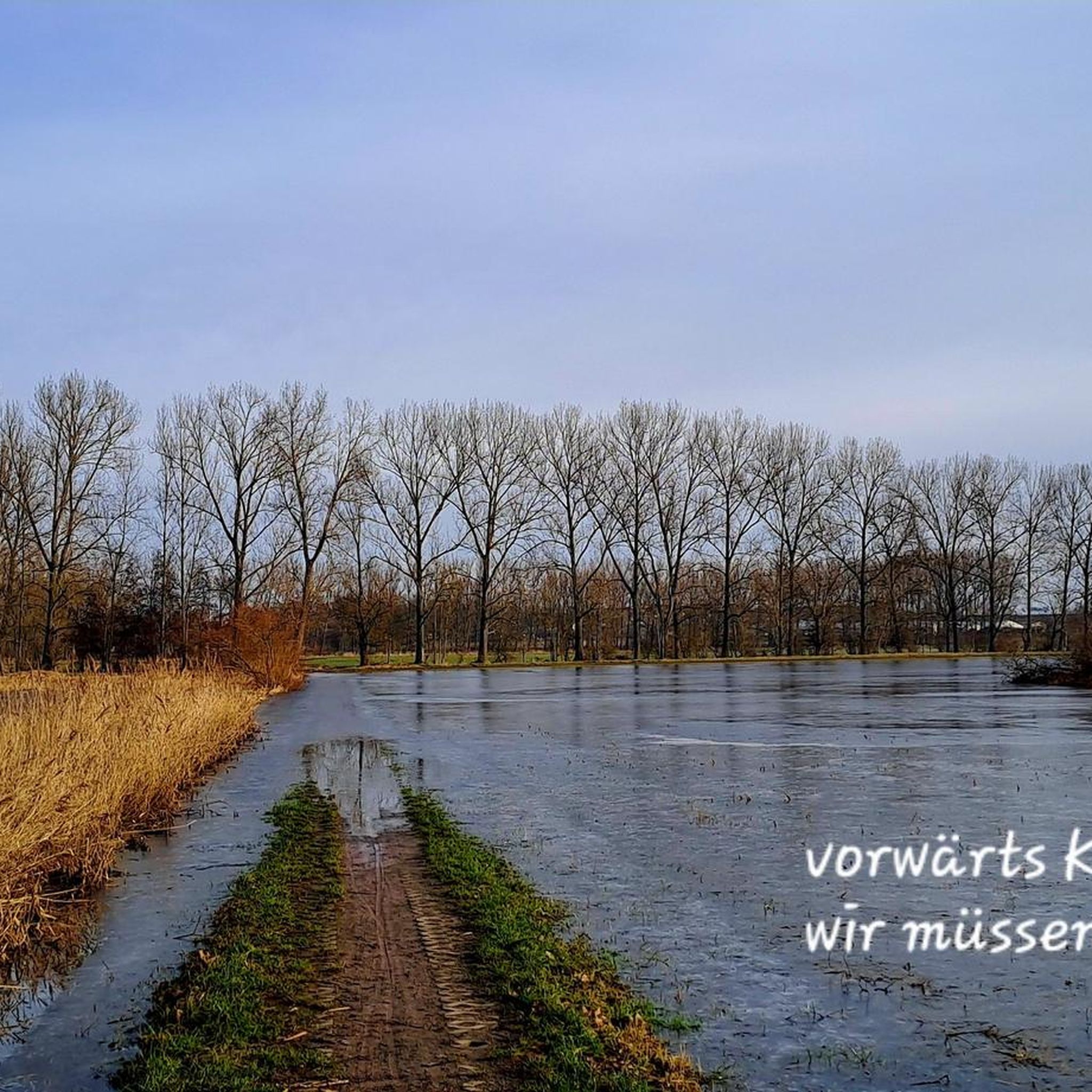
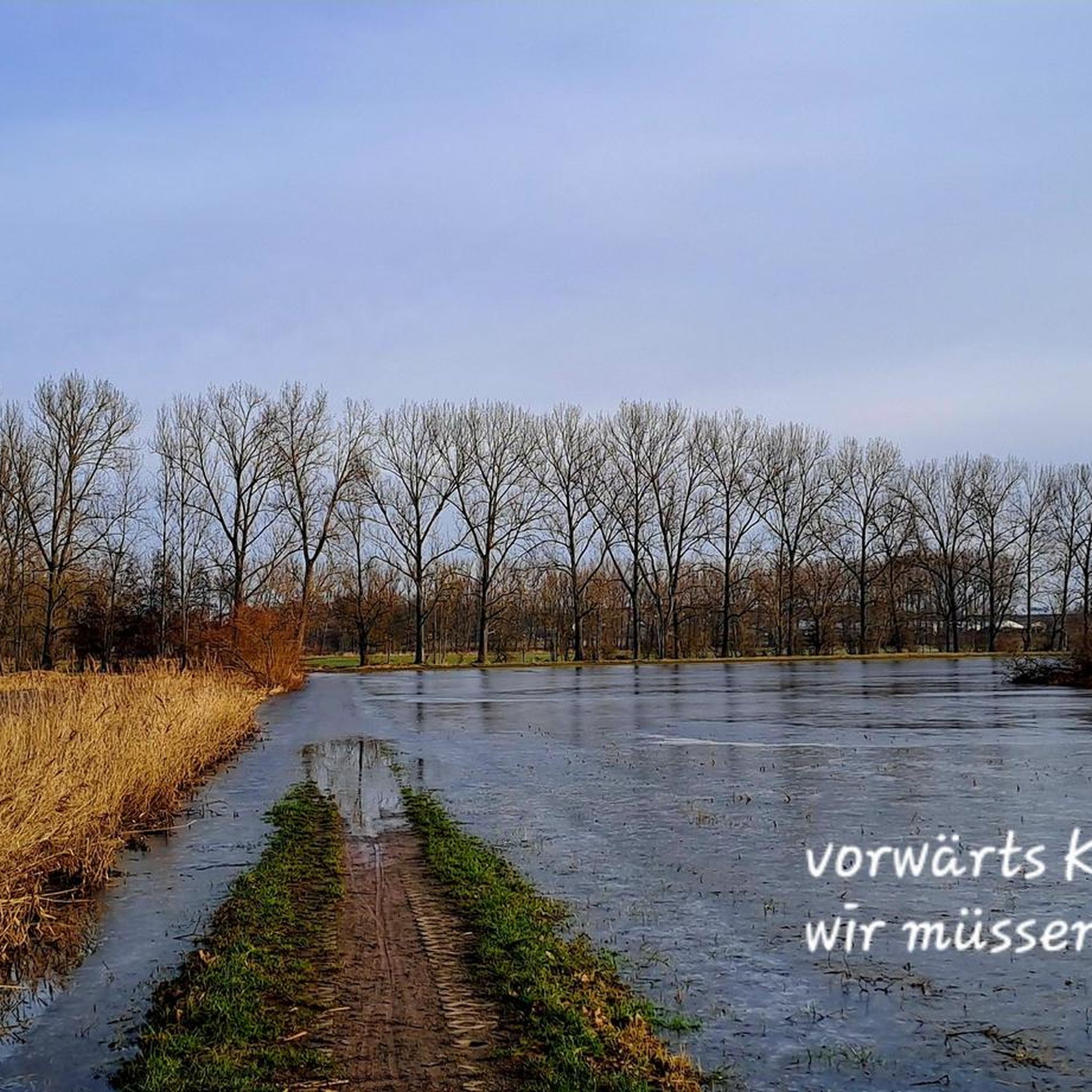
The Himmelsteich in Sommerschenburg with an area of approx. 11,100 m² is part of the “Harbke - Allertal” landscape protection area. A heavenly pond or heavenly pond is a still body of water that is not fed by any surface inflow and draws water exclusively from precipitation and groundwater. Aside from groundwater-fed ponds, they are found only in areas where annual rainfall exceeds evaporation. At this point in time, after extensive rainfall, the "wild" pond is definitely there.
2
0

Source: Wikipedia The Seehausen menhir (also called "Götterstein" or "Langer Stein") is a menhir in Seehausen, a district of the town of Wanzleben-Börde in the Börde district in Saxony-Anhalt. It stands in the direction of Eggenstedt, on an uphill dirt road, one kilometer from the lake and is the northernmost statue menhir in Germany. The stone was stored in January 2017 in the depot of the Saxony-Anhalt State Office for Monument Preservation and Archeology in Halle (Saale). A copy was set up at the original location.[1] Other menhirs of this quality have also been taken to museums as a precaution. A thing site is said to have been located on the 2.4 m high semi-anthropomorphic standing stone. The heavily weathered stone with an oval cross-section has petroglyphs, of which very accurate images exist. They show a circle, a broad ax with handle and a sash. The older drawings still show parts of a decorated belt. Urn finds indicate that burials took place at the site. The representation is interpreted in the scientific literature as a human-like figure. Comparisons suggest an interpretation as a fertility goddess. Since incised motifs are not common in German archeology, the comparison material can be easily compiled. It becomes clear that this motif belongs to the Bernburg culture. The area on the Hoher Holz can be identified as the northern fringe zone of this culture.
0
0

Unfortunately there is no longer a lake.
1
0

The highlight is already there. Double is not so nice.
6
0

It's still fine in early summer, but when the temperatures rise, the pond grows over and starts to stink. In the past, ABMs were used for desludging, but today climate change is to blame for the development. 🤔
2
0

The 12th station of the Archaeological-Historical Hiking Trail Marienborn: Bullerspring – Spring Sanctuary and Kirchberg of the Twelven Desert The Wirpke river springs from the stone wall of a small hill and meanders through the Harbker forest. At the time of Germanic settlement, there was probably a sacred place here. A little above you come across the foundations of a church, which are still there and are overgrown with grass. Possibly from the time of Charlemagne, when pagan places of worship were replaced by sacred buildings in the course of Christianization. First mentioned in writing in 1200, this belonged to the former village of Twelven, which fell desolate during the Peasants' Wars. The last remnant to this day is the Twölftemühle, about 300 meters north-west. The term "Holy Grove" describes this mystical extraordinary place absolutely aptly. Various seating options invite you to take a break and unwind.
5
1
Frequently Asked Questions
What types of natural monuments can I explore around Eilsleben?
The region around Eilsleben offers a diverse range of natural monuments, including unique geological formations like Captain Rose’s Robber’s Cave, historical springs such as Bullerspring Sacred Spring and Church Ruins and Marienborn Chapel and Spring, and tranquil lakes like Himmelsteich Sommerschenburg. You can also find ancient historical sites like the Langer Stein (Menhir of Seehausen), which is a man-made monument with natural significance.
Are there family-friendly natural monuments near Eilsleben?
Yes, several natural monuments around Eilsleben are suitable for families. Marienborn Chapel and Spring offers a refreshing stop with historical significance. Bullerspring Sacred Spring and Church Ruins provides a mystical atmosphere with seating for rest. Additionally, Himmelsteich Sommerschenburg is an idyllic lake where you can watch waterfowl, perfect for a relaxed family outing.
What historical sites are integrated with the natural monuments?
Many natural monuments in the Eilsleben area have significant historical connections. Bullerspring Sacred Spring and Church Ruins features foundations of an ancient church, possibly dating back to Charlemagne's time. Marienborn Chapel and Spring is a religious building with a long history. Captain Rose’s Robber’s Cave is known as a historical hiding place. The Langer Stein (Menhir of Seehausen) is a unique ancient standing stone with petroglyphs, interpreted as a thing site or even a fertility goddess.
What outdoor activities can I do near these natural monuments?
The region around Eilsleben is ideal for various outdoor activities. You can find numerous routes for cycling and hiking. For cycling, explore options like the 'Ferkeltaxenradweg' or routes around Seehausen. Hikers can enjoy easy trails such as those leading to the Menhir of Eilsleben or around Ummendorf Castle. You can find detailed routes and guides for these activities on komoot, for example, in the Cycling around Eilsleben or Easy hikes around Eilsleben guides.
Are there any caves to explore in the Eilsleben area?
Yes, one notable cave in the area is Captain Rose’s Robber’s Cave. It's located in the middle of a forest and is known as a historical hiding place and a popular photo motif. It's often combined with a tour of Harbke.
What is the best time to visit the natural monuments around Eilsleben?
The summer months are particularly excellent for exploring the natural monuments around Eilsleben, as the weather is conducive to hiking and cycling. The region's forests, fields, and rivers are vibrant during this time, offering beautiful scenery for outdoor activities.
Can I find viewpoints among the natural monuments?
Yes, some natural monuments offer scenic viewpoints. Captain Rose’s Robber’s Cave is noted as a viewpoint, and Himmelsteich Sommerschenburg provides an idyllic setting to observe waterfowl and the surrounding nature.
Are there any natural monuments with water features like springs or lakes?
Absolutely. The area features several natural monuments with water elements. Bullerspring Sacred Spring and Church Ruins is where the Wirpke river originates. Marienborn Chapel and Spring offers a spring for refreshment. Additionally, Himmelsteich Sommerschenburg is a beautiful lake known for its waterfowl.
What do visitors enjoy most about the natural monuments near Eilsleben?
Visitors frequently appreciate the unique blend of natural beauty and historical significance. Highlights like Bullerspring Sacred Spring and Church Ruins are praised for their mystical atmosphere and interesting history, while Captain Rose’s Robber’s Cave is popular as a photo motif and a hidden gem in the forest. The tranquil settings and opportunities for refreshment at springs are also highly valued.
Are there any specific natural monuments directly within Eilsleben?
While Eilsleben is surrounded by extensive natural landscapes, specific, officially designated 'natural monuments' directly within the town itself are not explicitly highlighted. However, the broader region of Saxony-Anhalt, where Eilsleben is located, is rich in natural attractions and protected areas, offering ample opportunities to experience nature.
Can I find information about the geology or unique rock formations in the area?
While the region is known for its general natural beauty, specific unique geological features or rock formations are not widely documented for Eilsleben itself, apart from Captain Rose’s Robber’s Cave. The appeal of the area lies more in its diverse landscapes, including forests, fields, and rivers, which are conducive to outdoor recreation.
Are there any natural monuments that are also considered ancient or prehistoric sites?
Yes, the Langer Stein (Menhir of Seehausen) is a significant prehistoric site. This 2.25-meter-high column menhir is the only figuratively decorated menhir in Central Germany that stands freely in the area, dating back to approximately 2,800-2,200 BC. It features engraved lines and petroglyphs, and is interpreted as a human-like figure, possibly a fertility goddess, linked to the Bernburg culture.
Most popular routes around Eilsleben
Most popular attractions around Eilsleben

Get inspired with the komoot mobile app


Explore more
Extend your search for the best caves by checking out these guides of the top ones around Eilsleben:
