Top 15 Natural Monuments around Burgstall
Best natural monuments around Burgstall are found in South Tyrol, Italy, a region characterized by the Etschtal Valley. This area historically featured marshes, ponds, and forests, with remnants of this original landscape still present. The municipality is home to notable natural features, including the Burgstaller Auen biotope. These natural monuments offer insights into the region's ecological heritage and provide accessible outdoor experiences.
Best natural monuments around Burgstall
- The most popular natural monuments is Kalimandscharo Zielitz Spoil Tip, an other…
Last updated: June 24, 2026
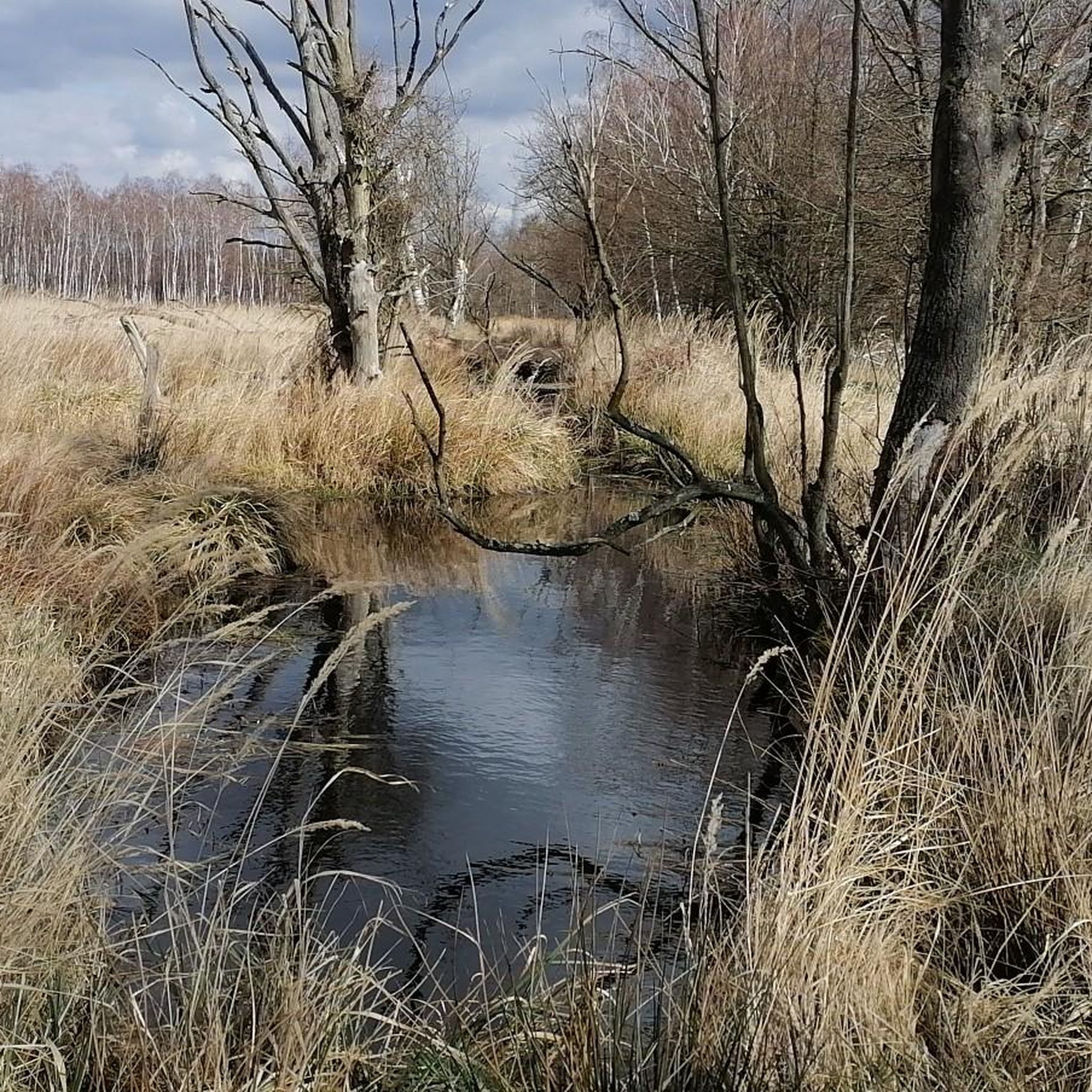
Water treading spot at the Uchte springs
Highlight • Natural
Translated by Google •
Tip by

Kalimandscharo Zielitz Spoil Tip
Highlight • Structure
Translated by Google •
Tip by

Sign up now to discover places like this
Get recommendations on the best single tracks, peaks, & plenty of other exciting outdoor places.
Sign up for free
Milde Spring (Source of the Milde River)
Highlight • River
Translated by Google •
Tip by

Old Oak Tree Near Schricke
Highlight • Natural Monument
baumkunde.de/baumregister/5187-eiche_bei_schricke
Translated by Google •
Tip by

Great Stone
Highlight • Natural Monument
Translated by Google •
Tip by

Sign up for free to discover even more natural monuments around Burgstall.
Sign up for free
Already have an account?
Start today with a free account
Your next adventure awaits.
Login or Signup

Tips from the Community

...almost like in the Harz Mountains 😀
0
0

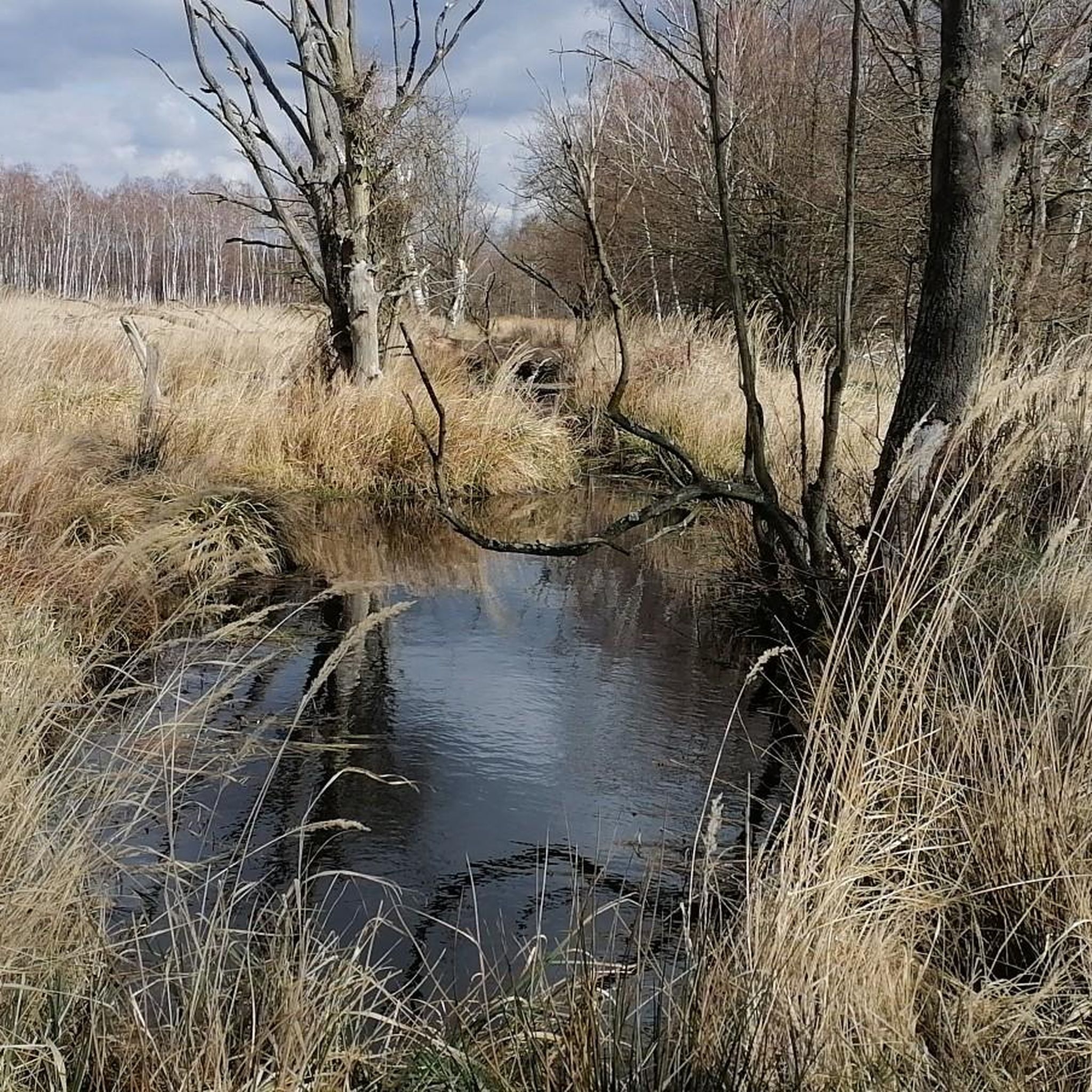
The Uchte is a 49 km long tributary of the Biese in Saxony-Anhalt. The source area in Uchtspringe, which is part of the “Uchte-Tangerquelle” landscape protection area, is located on the northern edge of the Colbitz-Letzlinger Heide at around 75 m above sea level. NHN. Most of the water comes from the headwaters south of Uchtspringe, at the foot of the Springberg hill. However, the longest arm of the spring (around 1.6 km) rises west of Uchtspringe. In the first ten kilometers the gradient is around 40 m.
0
0

Idyllic landscape with a hidden water treading area
0
0

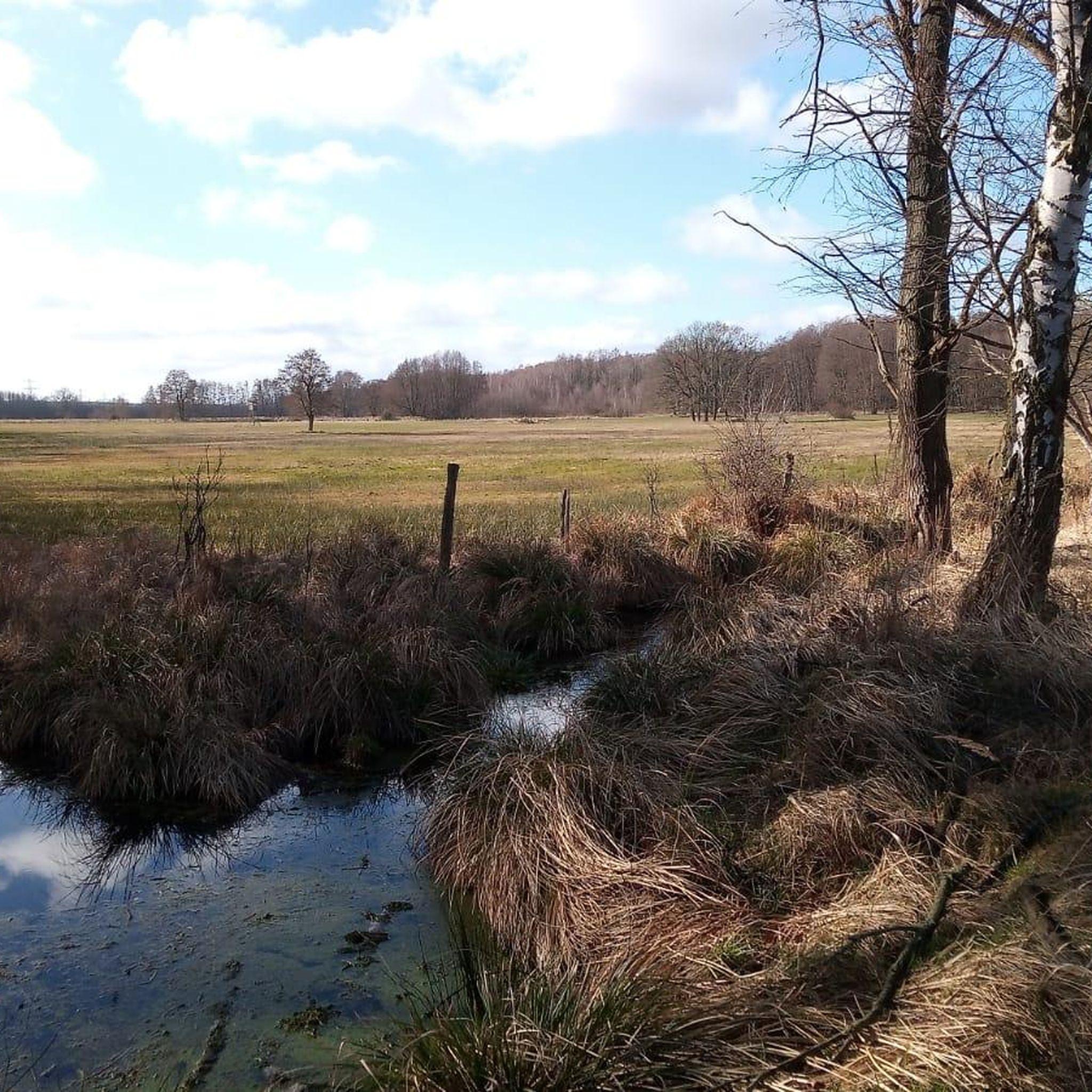
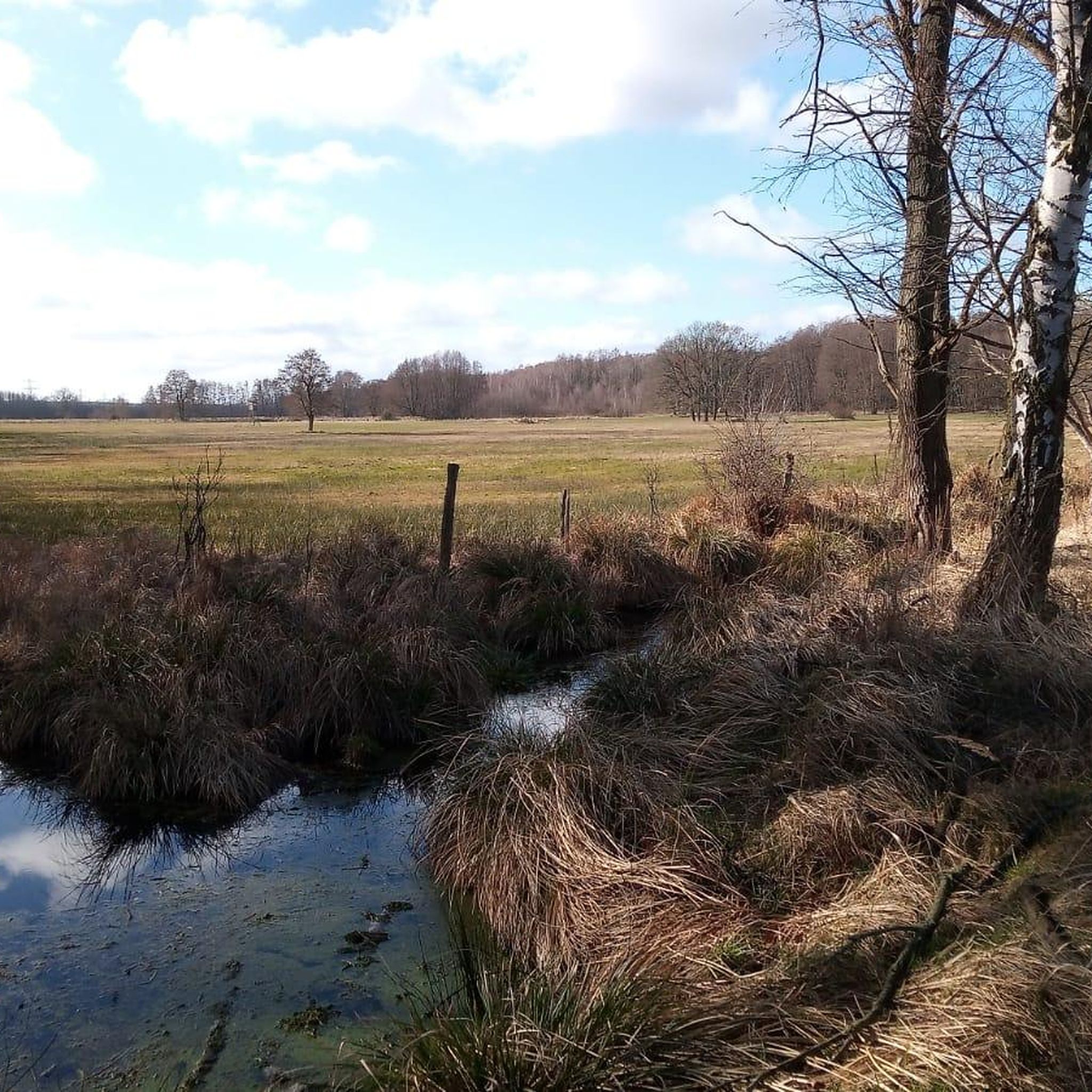
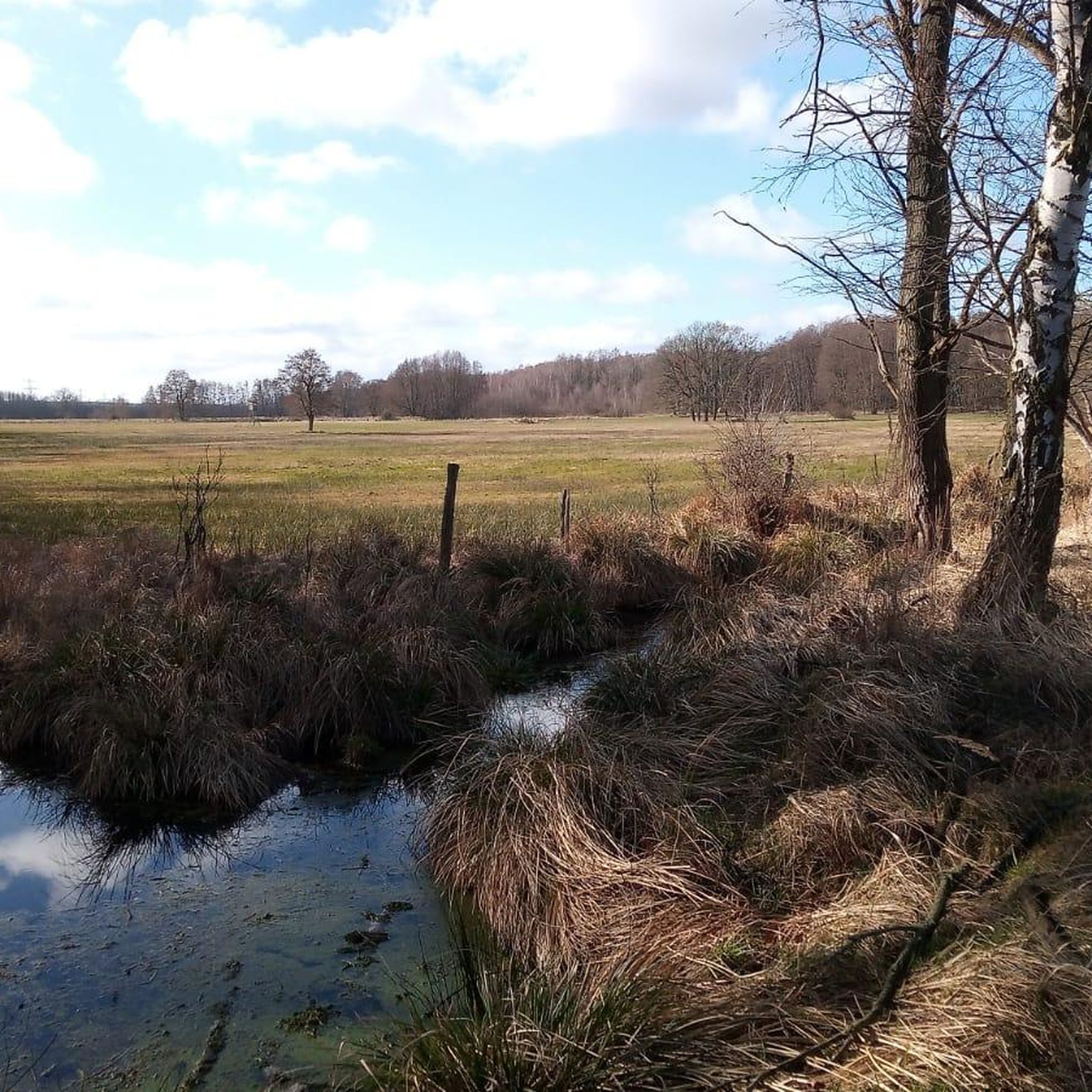
The Milde rises on the Letzling plateau in the moor area north of Letzlingen and is around 39 km long. Around 15 kilometers downstream from Kalbe, from the village of Beese, the river changes its name. First it will be the Biese and later the Aland.
0
0

The old oak near Schricke, a tree veteran. https://www.baumkunde.de/baumregister/5187-eiche_bei_schricke/
2
0
These are the spoil heaps of the Zielitz potash mine. These heaps are popularly called “Kilimanjaro” due to their white color. Zielitz is the largest German potash mine and one of the largest in the world with a total of five shafts.
1
0

Not very spectacular but interesting how a river is created. 🌊
0
0

Basically just a few ponds that feed a stream. If you're already there anyway, you can do the dangling. Otherwise not really spectacular.
5
0
Frequently Asked Questions
What is the most notable natural monument directly within Burgstall?
The most significant natural monument in Burgstall, South Tyrol, is the Burgstaller Auen biotope (Biotopo Ontaneti di Postal). This biotope is a protected nature reserve, preserving a remnant of the Etschtal Valley's original marsh and forest landscape.
What can I expect to see at the Burgstaller Auen biotope?
The Burgstaller Auen biotope is a biodiversity hotspot, home to over 200 species of birds, making it an excellent spot for birdwatching and nature observation. It offers a peaceful atmosphere for leisurely strolls amidst a unique ecosystem.
Are there family-friendly activities at the natural monuments in Burgstall?
Yes, the Burgstaller Auen biotope features an easy, accessible 1.9 km route with minimal elevation change, perfect for families. The serene environment is ideal for leisurely strolls and picnics, offering a pleasant outdoor experience for all ages.
What kind of wildlife can be observed in the natural areas around Burgstall?
The Burgstaller Auen biotope is particularly rich in avian life, hosting over 200 species of birds. It's a crucial habitat for various endangered species, offering excellent opportunities for birdwatching and observing local fauna in their natural environment.
What are the best outdoor activities to do near Burgstall's natural monuments?
Beyond exploring the biotope, the broader Etschtal Valley offers numerous opportunities for cycling and hiking. You can find various routes, including easy hikes and cycling tours, to explore the scenic surroundings. For specific route ideas, check out the easy hikes around Burgstall or cycling routes around Burgstall.
Are there any specific hiking trails near the natural monuments?
The Burgstaller Auen biotope itself has an easy 1.9 km trail. For more extensive hiking, the nearby Tschögglberg area, accessible via cableway, offers picturesque larch forests and extensive hiking trails, such as those in the Meran 2000 hiking area and Salten. You can find more options in the easy hikes around Burgstall guide.
What is the general terrain like around Burgstall's natural monuments?
The Burgstaller Auen biotope is characterized by flat, easy terrain, reflecting its historical marshland origins. The broader Etschtal Valley is generally flat, ideal for cycling, while areas like Tschögglberg offer more varied, mountainous terrain with larch forests and meadows.
When is the best time to visit the natural monuments in Burgstall?
The natural monuments, especially the Burgstaller Auen biotope, can be enjoyed throughout the warmer months for leisurely strolls and birdwatching. The Tschögglberg area is particularly appealing during warmer months for hiking. The region's beauty can be appreciated across different seasons, depending on your preferred activity.
Are there any other significant natural attractions near Burgstall, apart from the biotope?
While the Burgstaller Auen biotope is the designated natural monument within the municipality, other nearby natural attractions include the expansive Prati di Ganda meadows, perfect for walks and picnics, and the scenic Etschtal Valley, offering numerous outdoor opportunities. The Tschögglberg area, with its larch forests, is also easily accessible.
What makes the Burgstaller Auen biotope ecologically important?
The biotope is ecologically significant as it preserves a unique ecosystem that was once widespread in the Etschtal Valley. It serves as a vital habitat for a diverse range of plant and animal communities, including over 200 bird species, contributing to the region's natural heritage and biodiversity.
Can I find cafes or restaurants near the natural monuments in Burgstall?
Burgstall and its surrounding villages offer various cafes and restaurants where you can enjoy local South Tyrolean cuisine. While the biotope itself is a natural reserve, you'll find dining options conveniently located in the nearby communities.
What kind of natural features are preserved as monuments in South Tyrol?
South Tyrol's provincial administration designates various natural monuments, including geological formations, significant trees, and hydrological features like river sources. These designations aim to protect unique and valuable elements of the region's natural landscape.
Most popular routes around Burgstall
Most popular attractions around Burgstall

Get inspired with the komoot mobile app


Explore more
Extend your search for the best caves by checking out these guides of the top ones around Burgstall:
