Top 20 Natural Monuments around Am Großen Bruch
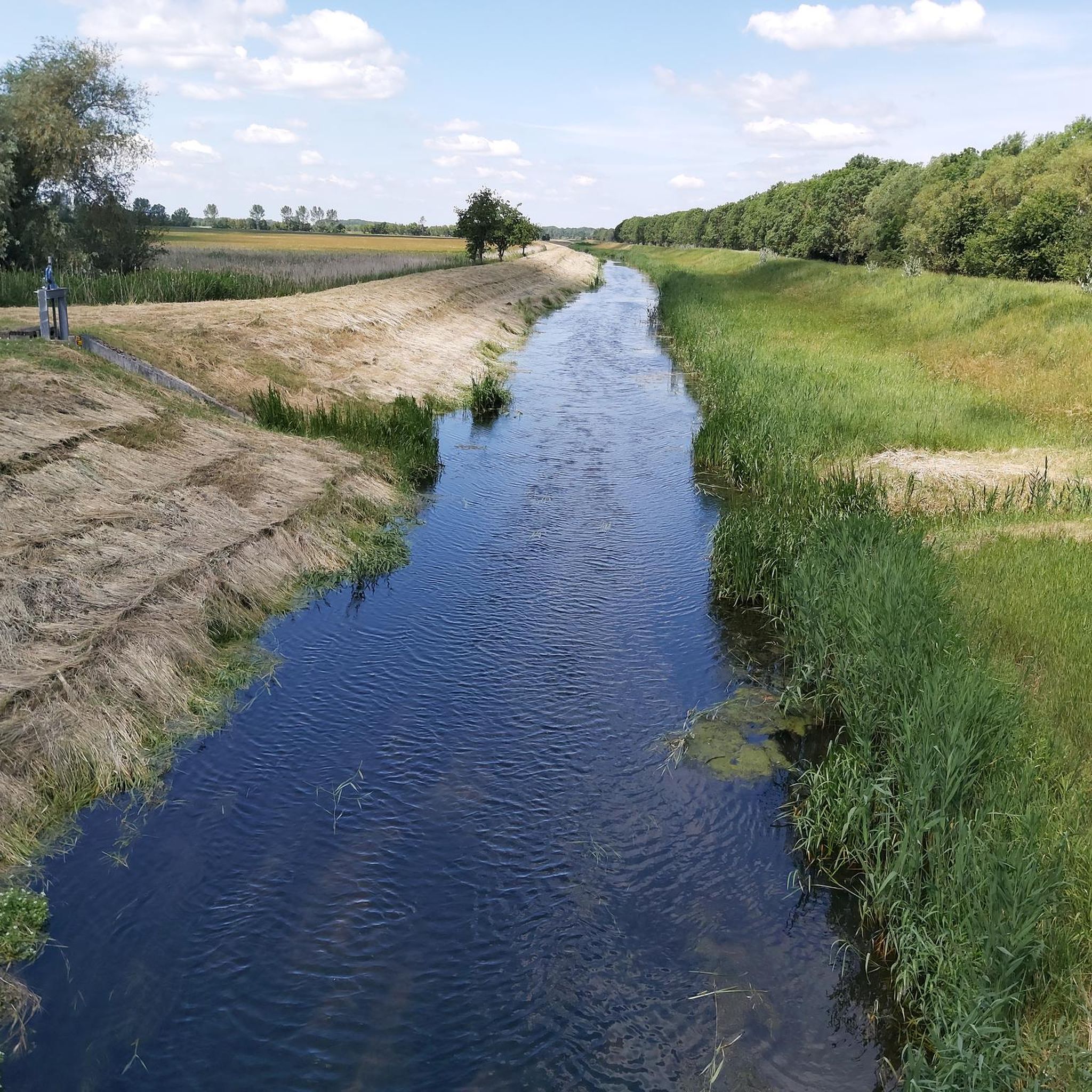
Best natural monuments around Am Großen Bruch are found within a significant natural landscape spanning 45 kilometers. This region, once a low moor, is now characterized by extensive meadows, pastures, and intricate water landscapes. It is a large nature reserve known for its diverse ecosystems and protected status, making it a crucial habitat for a wide array of plant and animal species. The area offers opportunities for observing diverse wildlife and experiencing natural beauty.
Best natural monuments around Am Großen…
Last updated: October 11, 2026
Daneil's Cave
Highlight • Cave
Translated by Google •
Tip by

Röderhöfer Pond
Highlight • Lake
Translated by Google •
Tip by

Sign up now to discover places like this
Get recommendations on the best single tracks, peaks, & plenty of other exciting outdoor places.
View of the Schöningen open-cast mine
Highlight • Viewpoint
Translated by Google •
Tip by

Spring Trail
Highlight • Trail
Translated by Google •
Tip by
Trees of the Year at Huysburg
Highlight • Natural Monument
Translated by Google •
Tip by

Sign up for free to discover even more natural monuments around Am Großen Bruch.
Already have an account?
Start today with a free account
Your next adventure awaits.
Tips from the Community

There is a lawn here where the trees of the year from previous years have been planted.
1
0

Abbot Jasper Bernwinkel of the Huysburg monastery had the pond dug out at the end of the 14th century. It was a fish pond. Source: Wikipedia
11
0
According to legend, the robber Daneil lived here. The three hollow spaces were artificially expanded and may have once been storage rooms.
11
1

The Way of St. James (Spanish Camino de Santiago, Galician: Camiño de Santiago) describes a number of pilgrimage routes through Europe, all of which have the alleged grave of the Apostle James in Santiago de Compostela in Galicia (Spain) as their destination. First and foremost, this means the Camino Francés, the high medieval main traffic axis in northern Spain that leads from the Pyrenees to Jacob's Tomb and connects the royal cities of Jaca, Pamplona, Estella, Burgos and León. This route, as it is still used today, was created in the first half of the 11th century. A pilgrim guide from the 12th century, which is contained in the Book of James (Latin Liber Sancti Jacobi), the main source for the veneration of James in the High Middle Ages, named four other paths for the French region, which unite in one strand in the vicinity of the Pyrenees. After the revival of the pilgrimage to Santiago de Compostela in the 1970s and 1980s, the main Spanish route was inscribed on the UNESCO World Heritage List in 1993. In 1998 the four French paths described in the Liber Sancti Jacobi also received this title. Before that, in 1987, the Council of Europe had elevated the routes taken by pilgrims in Europe to the European cultural route and recommended their identification. (Source: Wikipedia)
0
0

In total, around 280 million cubic meters of overburden were moved in the Schöningen opencast mine by 2016 and around 46 million tons of coal were extracted. The Elmsee is created to fill in the remaining opencast mine.
10
1

A tree is traditionally planted here on the occasion of the Huyburgenlauf
1
0

History to touch here and to look at
7
1

If you want to visit a big hole, this is the place for you. The former opencast mine will be renatured and can be used as a local recreation area and protected area in the future. But that still takes a long time!
10
0
Frequently Asked Questions
What are some of the most popular natural monuments to visit around Am Großen Bruch?
Among the most popular natural monuments are Daneil's Cave, known for its impressive sandstone formations and local legends. Another favorite is Röderhöfer Pond, a historic fishing pond with shady banks. Visitors also frequently enjoy the View of the Schöningen open-cast mine, which offers a unique perspective on a former lignite mining area undergoing renaturation.
What kind of wildlife and natural features can I expect to see in the Am Großen Bruch region?
Am Großen Bruch is a significant nature reserve, an 'Eldorado' for nature enthusiasts. It's home to over 200 bird species, with about 100 breeding regularly, and more than 300 plant species, many of which are endangered. You can also spot numerous amphibians like grass frogs and newts, over 300 beetle species, 60 spider species, and 25 dragonfly species. The landscape features extensive meadows, pastures, and intricate water bodies, making it ideal for birdwatching and botanical studies.
Are there any historical or culturally significant natural monuments in the area?
Yes, several natural monuments have historical significance. Daneil's Cave is steeped in local legend, said to be the hideout of the robber Daneil. Röderhöfer Pond was originally dug as a fish pond in the 14th century by the Abbot of Huysburg monastery. Additionally, the View of the Schöningen open-cast mine provides insight into the region's industrial past and its ongoing transformation into a natural recreation area. The ancient pollarded willows near Wulferstedt also represent historical land management practices.
Are there family-friendly natural monuments suitable for children?
Many natural monuments in Am Großen Bruch are suitable for families. Daneil's Cave offers an exciting exploration opportunity with its legendary tales. Röderhöfer Pond provides a pleasant setting for a relaxed outing with shady banks. The View of the Schöningen open-cast mine can be an educational experience, showing the scale of landscape transformation. The Trees of the Year at Huysburg also offer a gentle, natural setting for a family walk.
What outdoor activities can I do near the natural monuments in Am Großen Bruch?
The region around Am Großen Bruch offers various outdoor activities. You can explore numerous cycling routes, with options ranging from easy to difficult, such as those found in the Cycling around Am Großen Bruch guide. For runners, there are several scenic trails, including moderate loops from Oschersleben (Bode) and Ausleben, detailed in the Running Trails around Am Großen Bruch guide. Gravel biking is also popular, with routes like the 'Lübbensteine Megalithic Tombs – 1st Walbeck Watchtower loop' available in the Gravel biking around Am Großen Bruch guide.
Are there specific hiking trails that connect to or feature natural monuments?
Yes, the Spring Trail is a notable route that connects important springs of the Huy region on an approximately 35 km long circular path. It leads through beautiful beech forests and passes by several natural features, including the Fröschbach spring, Marienspring, and eventually near Daneil's Cave and Röderhöfer Pond. This trail offers a comprehensive way to experience the natural beauty and hydrological significance of the area.
Where can I find scenic viewpoints among the natural monuments?
For scenic views, the View of the Schöningen open-cast mine provides a dramatic panorama of the vast former mining area. Additionally, the Trees of the Year at Huysburg, while primarily a natural monument celebrating trees, is situated in a location that can offer pleasant views of the surrounding forest and landscape.
What is the best time of year to visit the natural monuments in Am Großen Bruch?
The best time to visit Am Großen Bruch largely depends on your interests. Spring and summer are ideal for observing the rich biodiversity, including blooming plants and numerous bird species. The extensive meadows and water landscapes are particularly vibrant during these seasons. Autumn offers beautiful foliage, while winter can provide a serene, quiet experience, though some areas might be less accessible depending on conditions.
Are there any unique or lesser-known natural monuments worth discovering?
Beyond the well-known spots, the ancient pollarded willows near Wulferstedt are a unique natural monument. These trees, shaped by traditional pruning techniques, are living testaments to historical land management and provide vital habitats for local wildlife. Information boards are often present to explain their significance. The Spring Trail also leads to several lesser-known springs and natural features, offering a deeper dive into the region's hydrology and forest ecosystems.
What facilities, like cafes or restaurants, are available near the natural monuments?
While the natural monuments themselves are primarily natural sites, some are located near amenities. For instance, Röderhöfer Pond is noted to have a restaurant and cafe nearby, making it a convenient stop for refreshments during your visit. For other locations, it's advisable to check local towns and villages in the Am Großen Bruch region for dining options.
How long should I plan for a visit to the natural monuments?
The duration of your visit can vary. For individual highlights like Daneil's Cave or Röderhöfer Pond, you might spend 1-2 hours. If you plan to explore the Spring Trail or combine multiple sites, a half-day or full-day trip would be more appropriate to fully appreciate the diverse landscapes and natural beauty of Am Großen Bruch.
Most popular routes around Am Großen Bruch
Most popular attractions around Am Großen Bruch

Get inspired with the komoot mobile app


Explore more
Extend your search for the best caves by checking out these guides of the top ones around Am Großen Bruch:
