Top 20 Natural Monuments around Eisenschmitt
Best natural monuments around Eisenschmitt are found within the Eifel region, known for its diverse natural beauty and extensive hiking opportunities. Eisenschmitt is situated in a landscape characterized by forests, hills, and unique geological formations. The area offers a variety of natural attractions, including volcanic craters, river gorges, and distinctive water features. These sites provide opportunities for nature observation and exploration.
Best natural monuments around Eisenschmitt
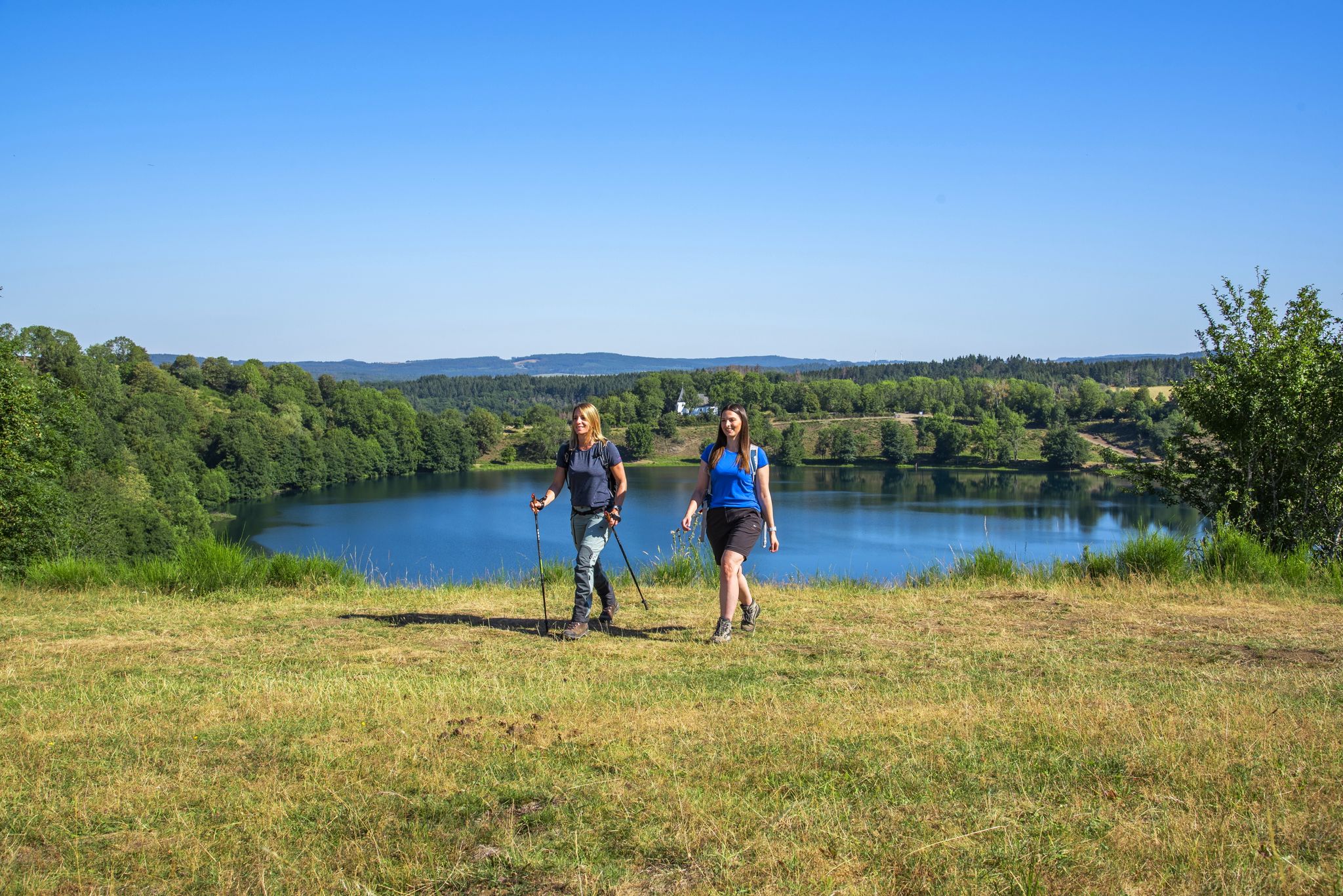
- The most popular natural monuments is Windsborn Crater summit, a viewpoint that offers…
Last updated: October 11, 2026
Windsborn Crater summit
Highlight • Viewpoint
Translated by Google •
Tip by

Wolfsschlucht (Vulkaneifel)
Highlight • Gorge
Translated by Google •
Tip by

Sign up now to discover places like this
Get recommendations on the best single tracks, peaks, & plenty of other exciting outdoor places.
Whirlpools of the Kleine Kyll
Highlight • Natural Monument
Translated by Google •
Tip by

Lieser Valley
Highlight (Segment) • Gorge
It is only a stream that flows into the Moselle at the place Lieser but it meanders through fantastic nature! A highlight!
Translated by Google •
Tip by

Meerfelder Maar
Highlight (Segment) • Lake
Translated by Google •
Tip by

Sign up for free to discover even more natural monuments around Eisenschmitt.
Already have an account?
Start today with a free account
Your next adventure awaits.
Popular around Eisenschmitt

Other adventures around Eisenschmitt

Tips from the Community

As beautiful as the Wolfsschlucht is, you should always be careful when hiking through it. If it has rained, the rocky path can be very slippery. Sturdy, well-profiled shoes are therefore strongly recommended.
4
0

Very interesting hiking trail, recommended
3
0

Great view from up here and an ideal place for a break
4
0

The Wolfsschlucht with its basalt columns can be crossed via, among other things, the Kleine Kyll mindfulness path. A beautiful, narrow path leads up the gorge, you have to wear proper shoes, the rocky path is wet and slippery. Going up is - at least for my taste - more comfortable than going down. At one point there is a wooden railing and steps help up the mountain. The gorge is incredibly beautiful and mystical. The moss-covered boulders create a very interesting atmosphere.
4
0
The Wolfsschlucht with its basalt columns can be crossed via, among other things, the Kleine Kyll mindfulness path. A beautiful, narrow path leads up the gorge, you have to wear proper shoes, the rocky path is wet and slippery. Going up is - at least for my taste - more comfortable than going down. At one point there is a wooden railing and steps help up the mountain. The gorge is incredibly beautiful and mystical. The moss-covered boulders create a very interesting atmosphere.
7
2

You feel like you're in another world here. It just looks beautiful. This is an absolute place of power!
3
0

The stony paths are great... good shoes to recommend
2
0

The delightfully bumpy climb through the Wolfsschlucht is part of the VulkaMaar trail. From the former Moseberg volcano above, the lava made its way down the mountain, through the Horngraben and the Wolfsschlucht into the valley of the Kleine Kyll. We hiked through the gorge on a wintry Monday and didn't meet a soul.
3
0
Frequently Asked Questions
What unique geological formations can I explore near Eisenschmitt?
The Eifel region around Eisenschmitt is rich in geological wonders. You can visit the Gerolsteiner Dolomiten, impressive rock formations that were once a coral reef 380 million years ago, featuring peaks like Munterley. Another unique site is the Windsborn Crater summit, offering views of the only permanently water-filled crater lake north of the Alps formed within a volcanic cinder cone. Additionally, the Wolfsschlucht (Vulkaneifel) features striking basalt columns.
Are there any natural monuments with water features around Eisenschmitt?
Yes, several natural monuments near Eisenschmitt are defined by their unique water features. The Dreimühlen-Wasserfall, located near Nohn, is a fascinating 'growing waterfall' formed by the continuous deposition of calcium carbonate. You can also discover the Whirlpools of the Kleine Kyll, where the erosive power of water has created distinctive 'strudel pots' in the riverbed. The Meerfelder Maar is another notable water-filled volcanic crater lake.
What are some family-friendly natural attractions in the Eisenschmitt area?
For families, the Whirlpools of the Kleine Kyll offer an exciting and engaging experience, perfect for little mountaineers. The Dreimühlen-Wasserfall also has a family-friendly 10-kilometer 'Waterfall Loop' hiking trail. The Meerfelder Maar is also considered family-friendly, offering a refreshing swim after a hike.
Where can I find scenic hiking trails near these natural monuments?
Many natural monuments are integrated into scenic hiking routes. The Gerolsteiner Dolomiten can be explored via the 'Gerolsteiner Dolomiten Acht,' an almost eight-kilometer circular trail. The Lieser Valley is home to the Lieserpfad, a beautiful hiking trail offering diverse impressions along the river. For more options, you can explore various hiking routes around Eisenschmitt, including easy and moderate trails like the HeimatSpur Mühlenpfad.
Are there circular hiking trails that visit natural monuments?
Yes, there are several circular hiking trails that allow you to experience the natural monuments. The 'Gerolsteiner Dolomiten Acht' is an almost eight-kilometer circular trail offering geological insights and scenic views. Near the Dreimühlen-Wasserfall, you can find the 10-kilometer 'Waterfall Loop.' Additionally, the Meerfelder Maar offers a worthwhile circuit that takes about an hour to complete.
What is the best time of year to visit the natural monuments around Eisenschmitt?
The natural monuments offer different experiences throughout the year. Spring and summer are ideal for lush greenery and vibrant moss at sites like the Dreimühlen-Wasserfall. The Windsborn Crater summit and Gerolsteiner Dolomiten offer panoramic views that are particularly clear in warmer months. In winter, the Dreimühlen-Wasserfall can transform into an impressive icy formation, offering a unique photographic opportunity.
Can I spot any wildlife or unique flora at these natural sites?
Absolutely. The Gerolsteiner Dolomiten nature reserve is home to diverse flora and fauna, including bats, juniper, and various orchid species. The Windsborn Crater summit, with its slowly silting lake, provides a special habitat for rare plant species like fever clover and endangered dragonflies. These areas are excellent for nature observation.
Are there options for mountain hikes or more challenging routes near Eisenschmitt's natural monuments?
For those seeking more challenging routes, the region offers mountain hikes that incorporate natural monuments. For example, the 'Whirlpools of the Kleine Kyll – Windsborn Crater summit loop from Manderscheid' is a moderate mountain hike. You can find more options for mountain hikes around Eisenschmitt, some of which are rated as difficult.
Where can I find parking for natural monuments like the Dreimühlen-Wasserfall?
For the Dreimühlen-Wasserfall, parking is available approximately 1 km from the waterfall itself, allowing for a short walk to reach this unique natural monument. For other sites, parking availability can vary, but many popular natural attractions in the Eifel region typically have designated parking areas nearby.
What do visitors particularly enjoy about the natural monuments in this area?
Visitors frequently praise the unique geological features and tranquil atmosphere. The Windsborn Crater summit is often highlighted for its beautiful and interesting hiking experience and panoramic views. The Wolfsschlucht (Vulkaneifel) is appreciated for its mystical atmosphere with moss-covered rocks and rare ferns. The Lieser Valley is celebrated as one of the most beautiful hiking areas with fantastic nature.
Can I find information about the formation of these natural monuments?
Yes, many sites offer insights into their geological origins. The Gerolsteiner Dolomiten are remarkable for their history as an ancient coral reef. The Windsborn Crater summit was formed approximately 80,000 years ago within a volcanic cinder cone. The Whirlpools of the Kleine Kyll are a result of the erosive power of water creating 'strudel pots' over many years. The Dreimühlen-Wasserfall is a 'growing waterfall' due to calcium carbonate deposition, and you can learn more about it at rlp-tourismus.com.
Are there road cycling routes that pass by or near these natural monuments?
Yes, the Eifel region offers various road cycling opportunities. Some routes, like the 'Viewpoint Meerfelder Maar – Meerfelder Maar loop from Meisburg,' allow you to cycle near significant natural features. You can explore more road cycling routes around Eisenschmitt, which often provide scenic views of the diverse landscape, including volcanic formations and valleys.
Most popular routes around Eisenschmitt
Most popular attractions around Eisenschmitt

Get inspired with the komoot mobile app


Explore more
Extend your search for the best caves by checking out these guides of the top ones around Eisenschmitt:
