Top 20 Natural Monuments around Igel
Best natural monuments around Igel are found within the picturesque Moselle Valley, a region characterized by its gently rolling hills, dramatic river bends, and terraced vineyards. The area's geology, shaped over millions of years, features varied rock types and formations. While Igel itself is known for historical sites, its surroundings offer natural landscapes and riverine environments. The confluence of the Saar and Moselle rivers in nearby Konz is a notable natural attraction, where the two rivers have sculpted a distinctive…
Last updated: October 11, 2026
Confluence of the Saar and Moselle
Highlight • River
Translated by Google •
Tip by

View of the confluence of the Sauer and Moselle at Wasserbillig
Highlight • Viewpoint
Translated by Google •
Tip by

Sign up now to discover places like this
Get recommendations on the best single tracks, peaks, & plenty of other exciting outdoor places.
Old arm of the Saar near Kanzem
Highlight • River
Tip by
Sirzenich Waterfall
Highlight • Waterfall
Translated by Google •
Tip by

Fountain at Kornmarkt
Highlight • Monument
It is located …
Translated by Google •
Tip by
Sign up for free to discover even more natural monuments around Igel.
Already have an account?
Start today with a free account
Your next adventure awaits.
Tips from the Community

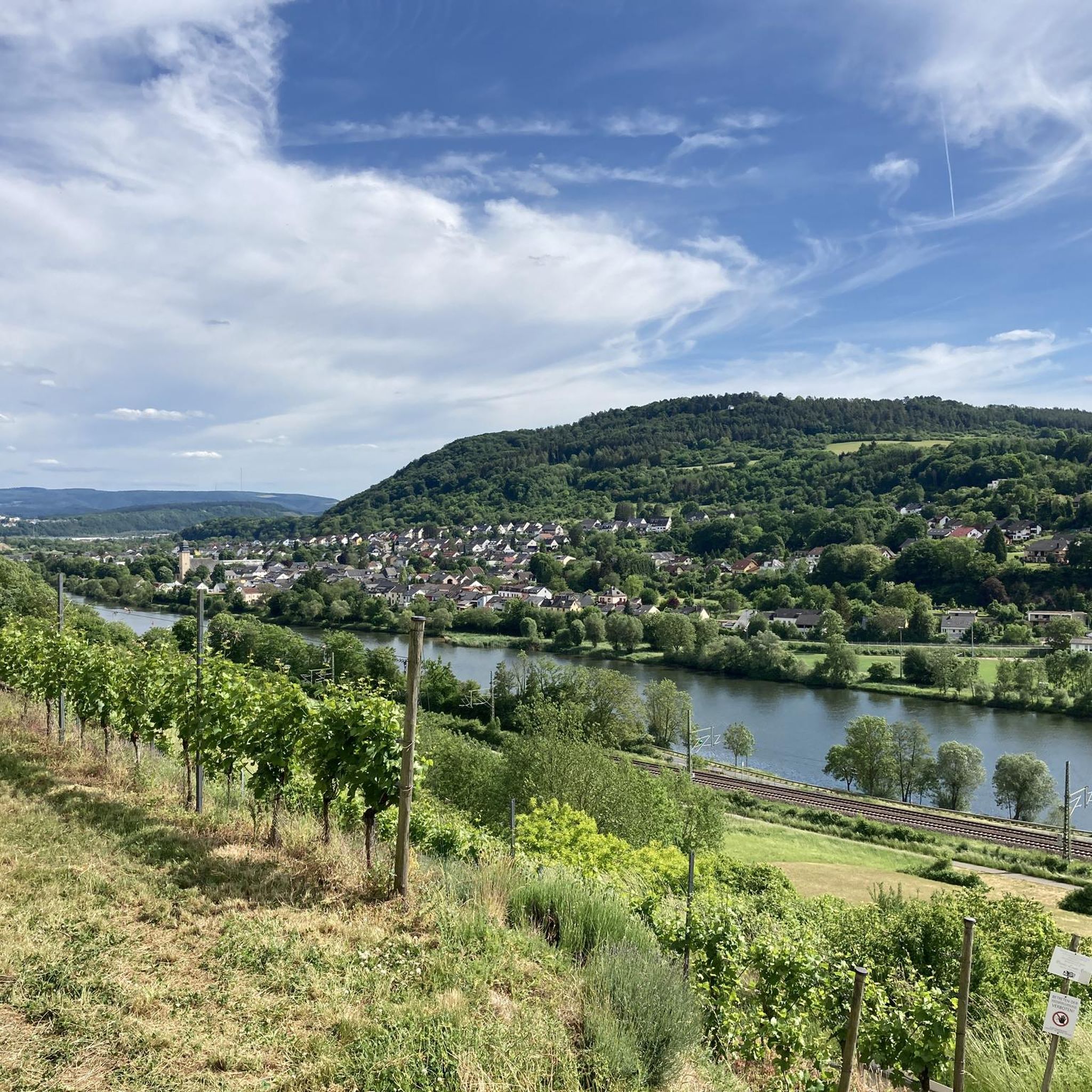
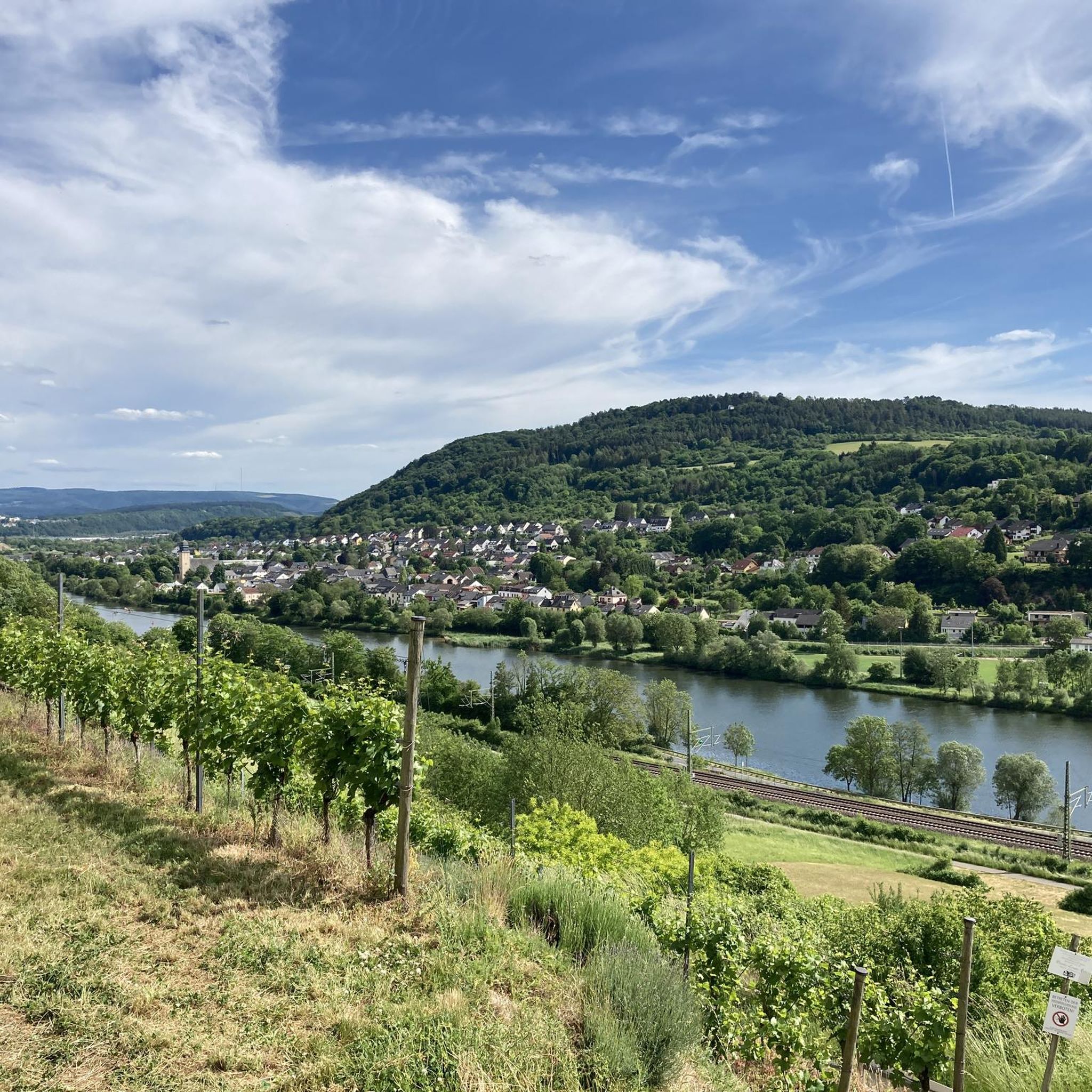
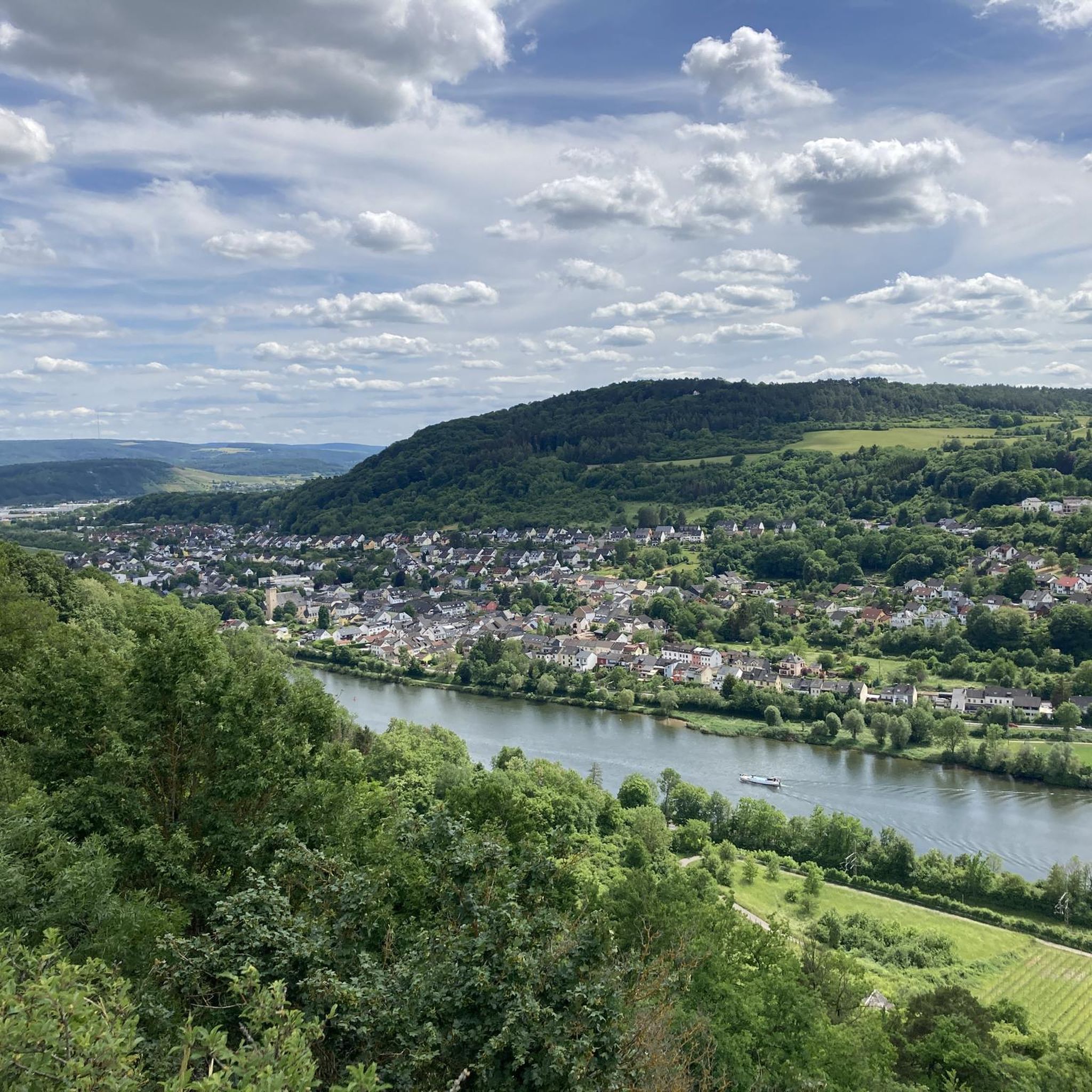
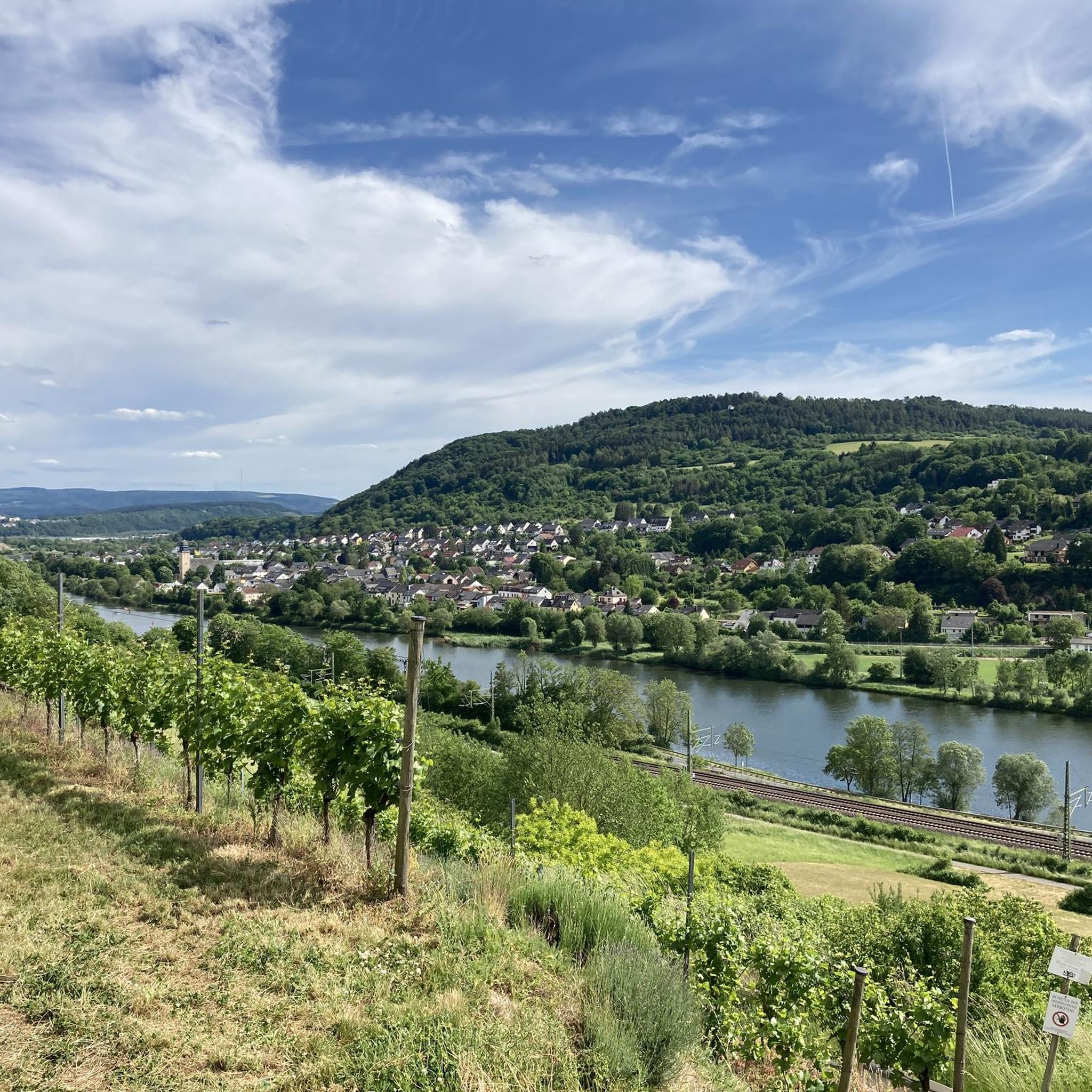
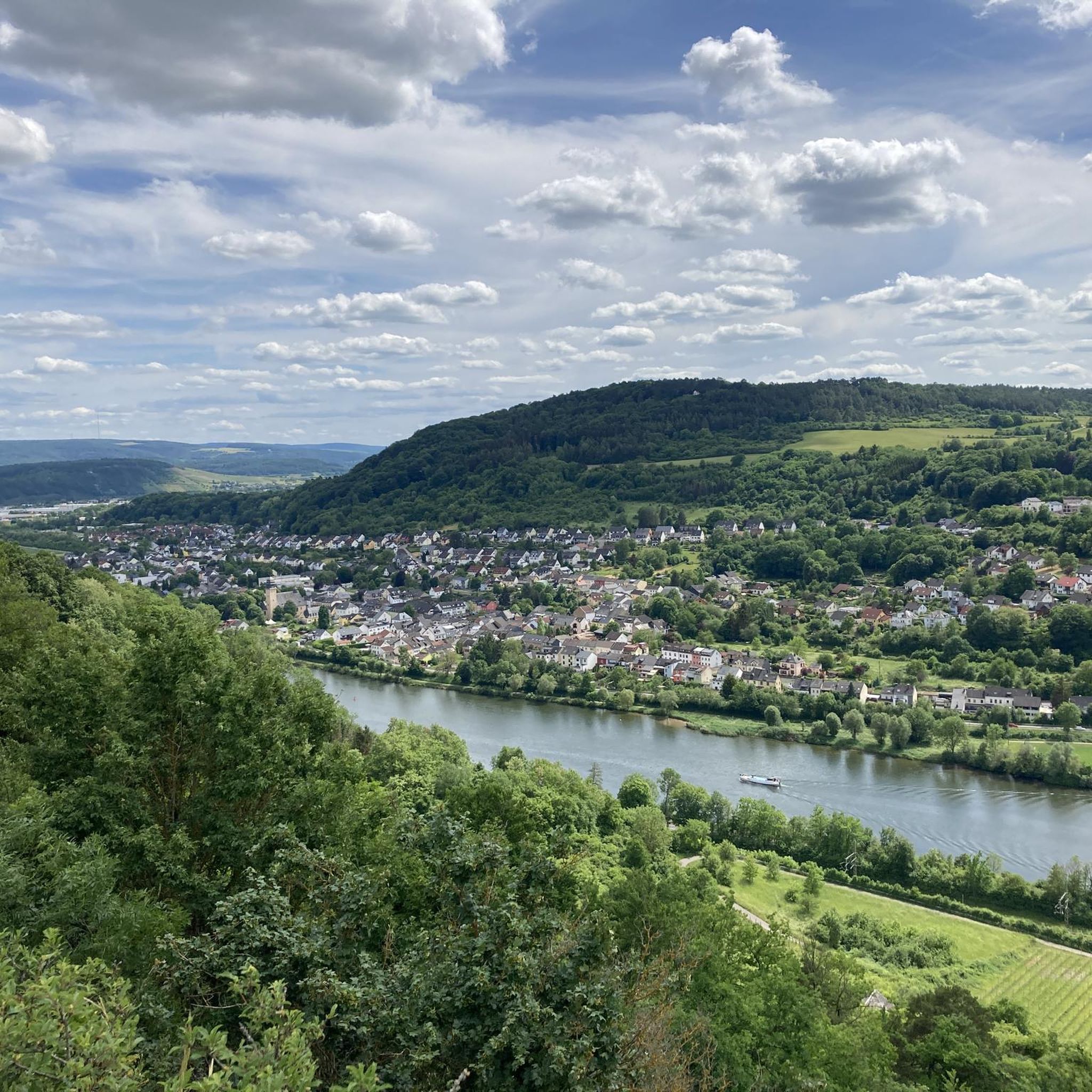
Impressive vineyards and a very beautiful course of the Saar.
2
0

The Sauermündung is the place where the river Sauer flows into the Moselle. The Sauer is the largest left tributary of the Moselle and is approximately 170 km long. The river originates in the Belgian Ardennes and forms the border between Germany and Luxembourg for approximately 50 km between Wallendorf and Wasserbillig. In Wasserbillig the Sauer flows into the Moselle. The area around the Sauermündung is a popular destination for cyclists and nature lovers. There are many cycle paths and the area is rich in flora and fauna. There are also many birds to see, including swans and storks.
9
0
"The Sauermündung is the place where the river Sauer flows into the Moselle. The Sauer is the largest left tributary of the Moselle and is approximately 170 km long. The river originates in the Belgian Ardennes and is approximately 50 km long between Wallendorf and Wasserbillig the border between Germany and Luxembourg. In Wasserbillig the Sauer flows into the Moselle. The area around the Sauermündung is a popular destination for cyclists and nature lovers. There are many cycle paths and the area is rich in flora and fauna. There are also many birds to see, including swans and storks."
13
0

The St. George's Fountain on the Kornmarkt is conspicuously visible - no one can miss it here. The fountain was built by the city in 1750 in honor of Archbishop Franz Georg von Schönborn. The fountain was designed by Johannes Seiz, a student of Balthasar Neumann. The sculptural work comes from Amlinger. Surrounded by the allegorical figures of the four seasons, the fountain column in the shape of an obelisk rises in the wide basin. On his platform, St. George finally the dragon. The other dragons at the base, on the other hand, are condemned to spew water. The fountain is almost eleven meters high in total, the dragon slayer George alone measures almost two meters. (https://www.brunnenturmfigur.de/index.php?cat=Brunnen%20und%20Wasserspiele%2Fin%20Deutschland&page=Trier)
11
0

A great bike path runs along the Sauer. Wasserbillig is quite nice for shopping
13
0
Brilliant bike path on the Saar, Saarburg is well worth seeing!
3
0

The Saint George Fountain (Georgsbrunnen for short) is a fountain in the Mitte/Gartenfeld district of Trier. It is considered one of the most beautiful rococo fountains in Germany. It is located on the Kornmarkt in the old town. The Sankt Georgsbrunnen was built between 1750 and 1751 according to plans by the court architect Johannes Seiz, the builder of the Electoral Palace, in honor of the sovereign Elector Franz Georg von Schönborn with depictions of the seasons and Saint George. Like the Petrusbrunnen on the main market, it was fed by the Heiligkreuzer Daufborn, known today as the Herrenbrünnchen, until the 19th century. The top of the fountain is about eleven meters high. The numerous, now empty cartouches at the fountain probably originally bore the painted coat of arms of the Trier councillors. In order to avoid contamination of the water, the fountain was surrounded by an iron grating, which was removed in the early 20th century. When it was erected, the fountain stood further east on the square, in front of the old town hall, which was destroyed in World War II. Like this, the fountain was also badly damaged by air raids, so that the restoration after the war was very expensive and large parts of the fountain had to be reconstructed. On this occasion, the fountain was moved to its current location. It was last restored as part of the renovation of the Kornmarkt in 2003, and a move back to the original location was also considered. For financial reasons and because the buildings around the old site had been modernized after the Second World War, which did not necessarily improve the effect of the fountain, the plan was ultimately abandoned. Source: Wikipedia.de
12
0

Two border rivers (Germany, Luxembourg) meet here, the Sauer and the Moselle.
9
0
Frequently Asked Questions
What natural features can I explore around Igel?
The region around Igel, nestled in the Moselle Valley, offers a variety of natural features. You can explore the impressive gorge of Schlammbachtal, known for its rare plants and rock formations. The Sirzenich Waterfall provides a beautiful Bachtal to discover, especially after rain. Don't miss the Confluence of the Saar and Moselle in nearby Konz, where the two rivers meet, creating a distinctive landscape.
Are there any unique natural areas or 'hidden gems' near Igel?
Beyond the well-known spots, the region boasts unique natural areas. The “Manternacher Fiels” nature reserve, which encompasses Schlammbachtal, is a hidden gem with cool, shady forests and impressive rock layers. The broader Moselle Valley itself, with its terraced vineyards and dramatic river bends, offers countless scenic viewpoints and tranquil spots away from the main paths.
What kind of wildlife and flora can I expect to see?
The natural areas around Igel are rich in biodiversity. At the Old arm of the Saar near Kanzem, you have a good opportunity to observe waterbirds and other wildlife. The “Manternacher Fiels” nature reserve is home to rare plants, and the nearby 'Orchid Paradise Wasserliesch' is known for various orchid species like the lady orchid and lady's slipper, showcasing the region's unique flora.
What are some popular hiking trails near the natural monuments around Igel?
For hiking enthusiasts, the Moselsteig Trail offers routes through vineyards, forests, and meadows. You can find various hiking options, including the 'Grutenhäuschen – Moselle View at Igeler Sprung loop' or the 'Igeler Säule – Igel Fountain loop'. Explore more hiking routes in the area on our Hiking around Igel guide.
Are there easy or beginner-friendly walking routes available?
Yes, there are several easy walking routes. For instance, the 'Schaftkreuz Wayside Cross – Roman Roads Information Board loop from Wasserliesch' is an easy option. Many paths along the Moselle and Saar rivers, such as those leading to the Confluence of the Saar and Moselle, are relatively flat and suitable for beginners. Check our Hiking around Igel guide for more details on route difficulties.
Can I go cycling or mountain biking near these natural monuments?
Absolutely! The Moselle Valley is excellent for cycling. The Saar cycle path provides access to spots like the Confluence of the Saar and Moselle. For more challenging rides, there are mountain biking trails available. Discover various cycling routes in our Cycling around Igel guide and MTB Trails around Igel guide.
Are the natural monuments around Igel suitable for families with children?
Many natural monuments and areas are family-friendly. The Confluence of the Saar and Moselle offers meadows with benches, perfect for a family picnic. The Old arm of the Saar near Kanzem is also noted as family-friendly, providing opportunities to observe nature. Some trails, like those in the Sirzenich Waterfall area, might involve crossing creeks, which can be an adventure for older children.
Are there any dog-friendly trails or areas?
Generally, the natural trails and open spaces around Igel are dog-friendly, provided dogs are kept on a leash and owners clean up after them. The extensive network of hiking and walking paths along the rivers and through vineyards offers plenty of opportunities for walks with your dog. Always check local signage for specific restrictions in nature reserves.
What is the best time of year to visit the natural monuments around Igel?
The Moselle Valley is beautiful year-round, but spring (April-May) and autumn (September-October) are particularly popular. In spring, the flora, including orchids, is in bloom, and the weather is pleasant for hiking. Autumn offers stunning colors in the vineyards and forests, along with wine festivals. Summer is also great for outdoor activities, though it can be warmer.
Are there places to eat or drink near the natural monuments?
While Igel itself has dining options, many natural monuments are in more secluded areas. However, towns and villages along the Moselle and Saar rivers, such as Konz or Trier, offer numerous cafes, restaurants, and traditional taverns (Straußwirtschaften) where you can enjoy local cuisine and Moselle wines. It's advisable to pack snacks and drinks for longer excursions into nature.
How long do walks around the natural monuments typically take?
The duration of walks varies greatly depending on the specific natural monument and your chosen route. Short, leisurely strolls along the riverbanks, like at the Confluence of the Saar and Moselle, might take an hour or less. More adventurous hikes through gorges like Schlammbachtal or along sections of the Moselsteig Trail can range from 2-5 hours or even longer for full-day excursions. Always check route descriptions for estimated times.
Most popular attractions around Igel

Get inspired with the komoot mobile app


Explore more
Extend your search for the best caves by checking out these guides of the top ones around Igel:
