Top 20 Natural Monuments around Selchenbach
Best natural monuments around Selchenbach are found within the picturesque Palatinate Mountains, a region characterized by forests, valleys, and diverse landscapes. Selchenbach provides access to various hiking and cycling routes that traverse these scenic areas. The local environment offers opportunities to experience natural beauty and geological features. This area is known for its natural sites and historical features.
Best natural monuments around Selchenbach
- The most popular natural monuments is Tiefenbach Trail, a trail that leads around the Bosenberg and…
Last updated: June 24, 2026
Tiefenbach Trail
Highlight • Trail
The Tiefenbach path is around 15 km long and leads around the Bosenberg in St Wendel. It is characterized by many small valleys that are crossed by rustic …
Translated by Google •
Tip by

Urweiler Quarry
Highlight • Natural Monument
This part of the Bosenberg is called Bruchwald because there were several hard stone quarries here. The quarry, through which the Tiefenbachpfad leads, belonged to today's forest …
Translated by Google •
Tip by
Sign up now to discover places like this
Get recommendations on the best single tracks, peaks, & plenty of other exciting outdoor places.
Sign up for free
Miners' Spring
Highlight • Natural Monument
The first evidence of coal mining in this area comes from 1780. The coal was close to the surface and could be extracted in open-cast mining. From 1820, …
Translated by Google •
Tip by
Leitersweiler Beeches
Highlight • Forest
The striking group of trees was first mentioned in 1618 at the beginning of the Thirty Years War. The beeches, some of which are more than 450 …
Translated by Google •
Tip by
Diana Spring
Highlight • Natural Monument
Translated by Google •
Tip by

Sign up for free to discover even more natural monuments around Selchenbach.
Sign up for free
Already have an account?
Start today with a free account
Your next adventure awaits.
Login or Signup
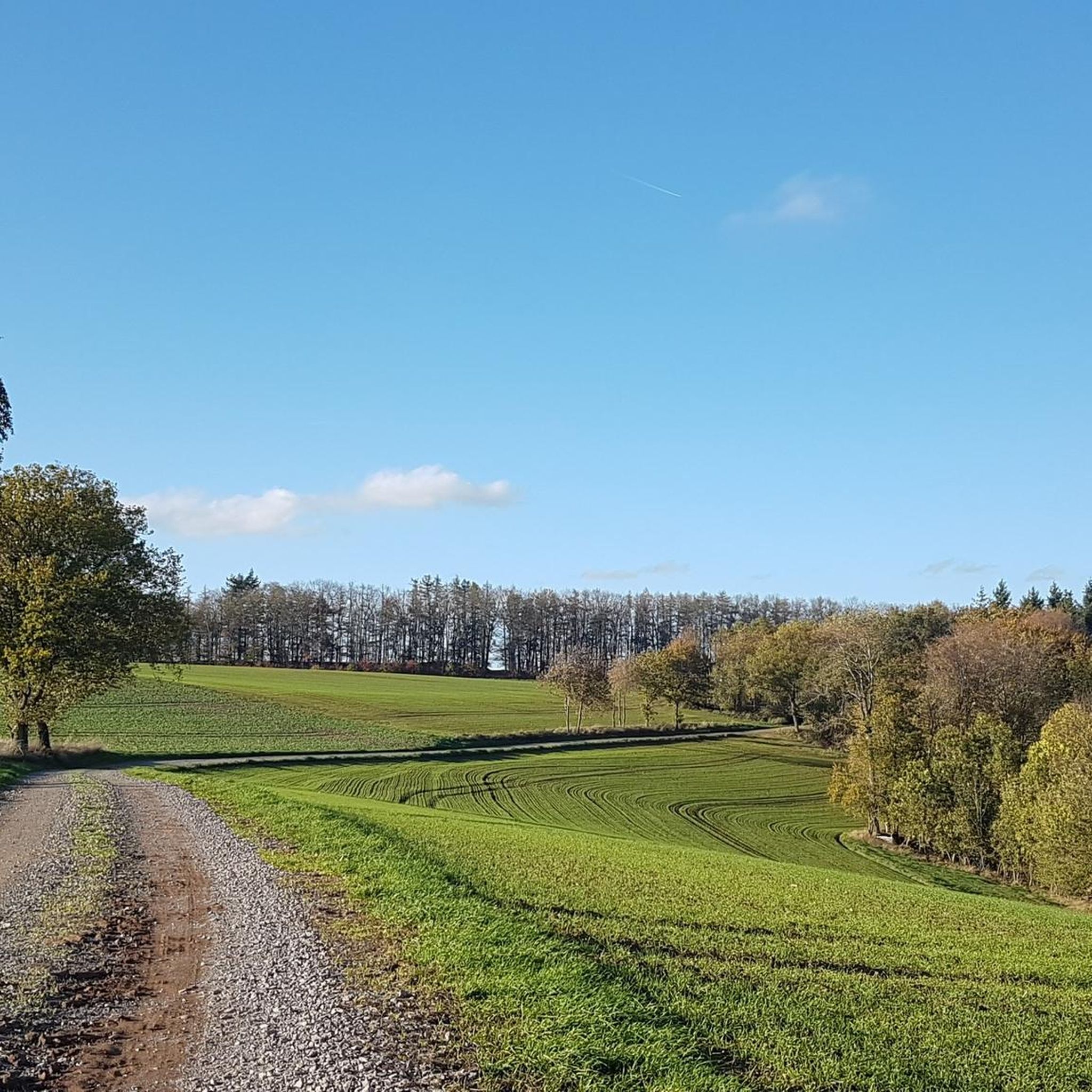
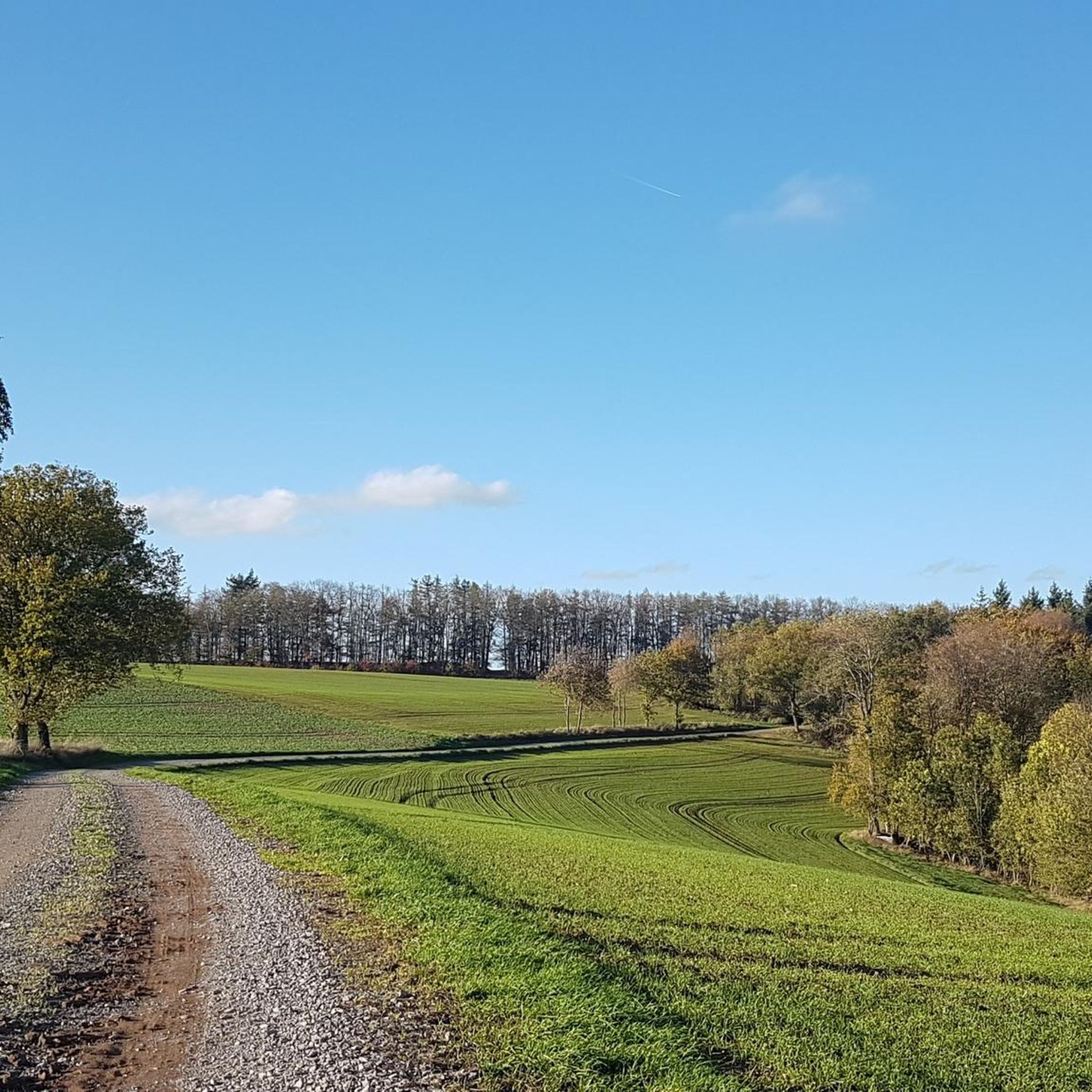
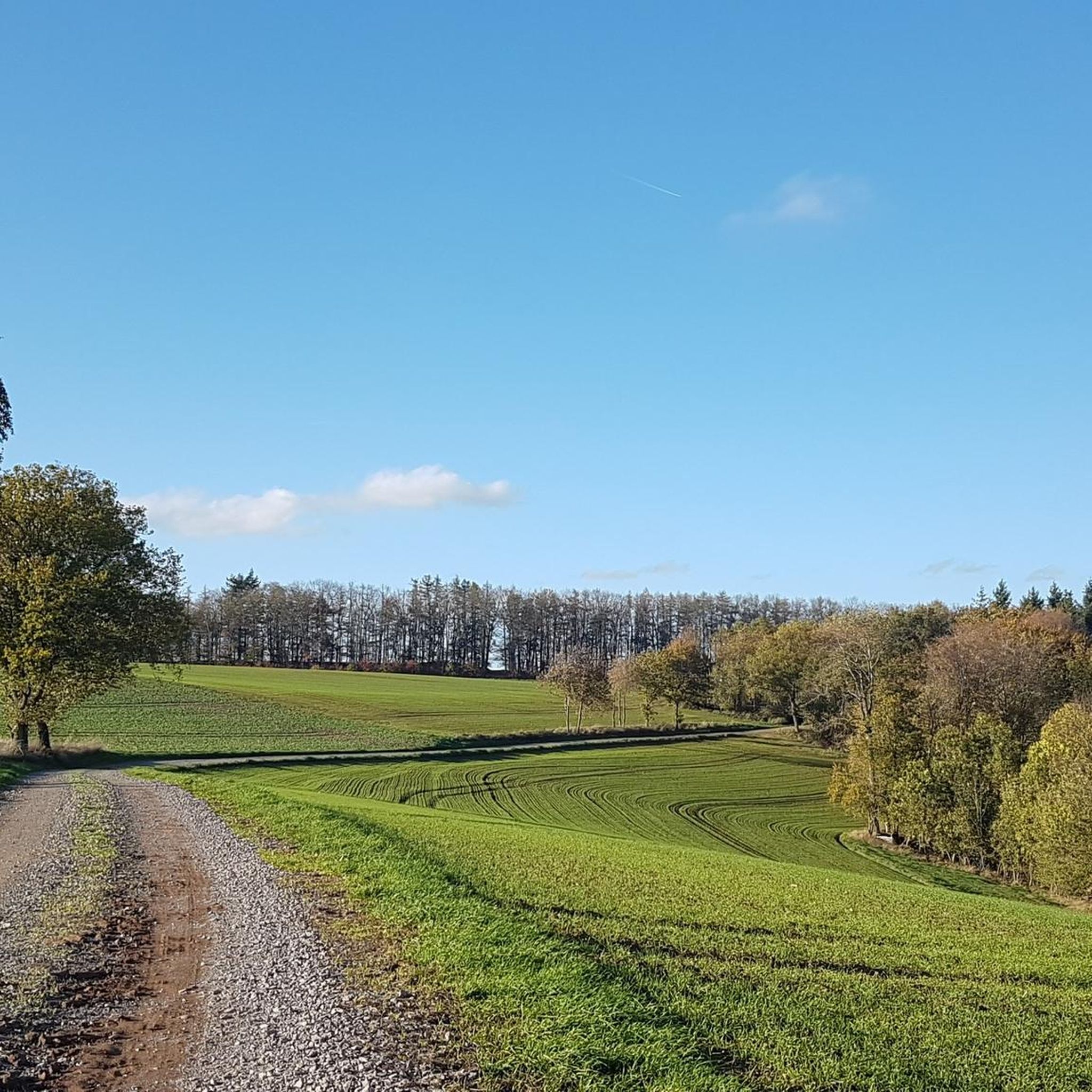
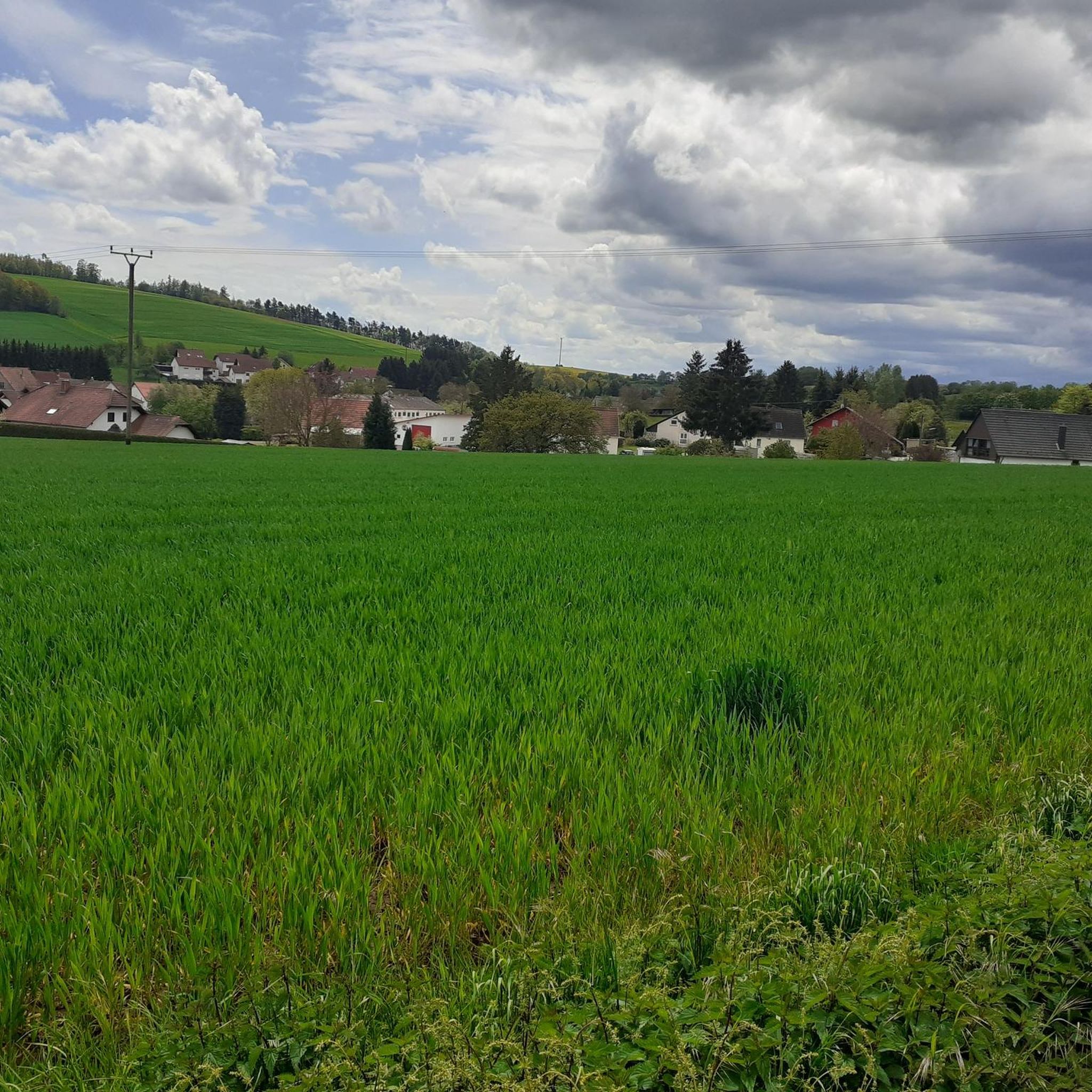
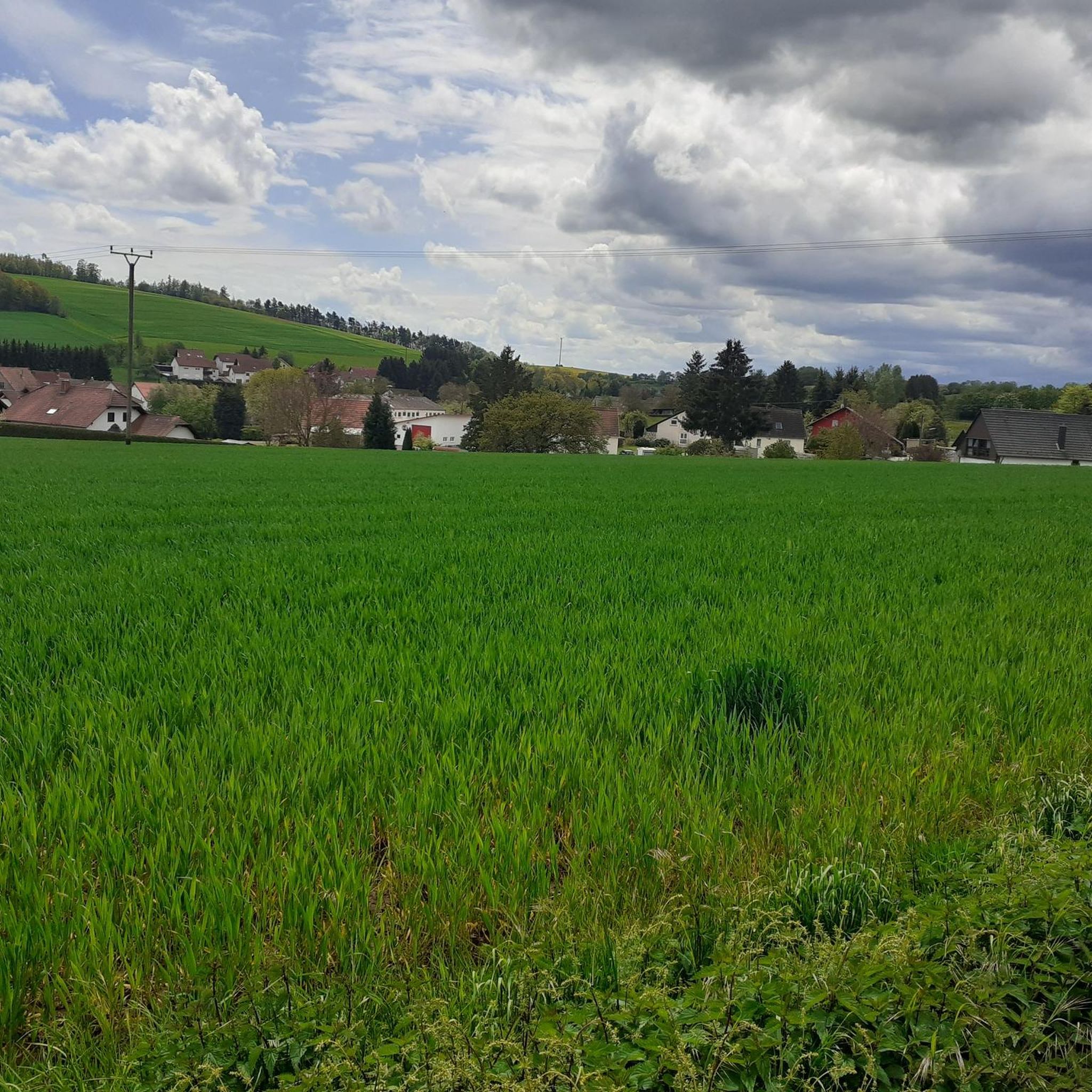

Tips from the Community

💧 Diana Spring at Höcherberg An idyllic spring hidden in the forest, integrated into the Nordfeld Historic Mine Trail. At this point, the clear spring water bubbles from the hillside, reminiscent of the region's ancient mining history—an oasis for hikers and explorers. Tip: Ideal as a refreshing stopover—pack a small bottle, listen to the gentle rippling sound, and feel the deep green surroundings. A perfect complement to a Höcherberg tour or a visit to the Höcherberg Tower.
0
0

Some of the Leitersweiler beeches are over 300 years old, but unfortunately their lifespan is also limited and some of these impressive trees have fallen in recent years.
1
0


You really have to hike.
3
0


𝐍𝐚𝐭𝐮𝐫𝐬𝐜𝐡𝐮𝐭𝐳𝐠𝐞𝐛𝐢𝐞𝐭 𝐋𝐞𝐢𝐭𝐞𝐫𝐬𝐰𝐞𝐢𝐥𝐞𝐫 𝐁𝐮𝐜𝐡𝐞𝐧 / 𝐓𝐢𝐞𝐟𝐞𝐧𝐛𝐚𝐜𝐡𝐭𝐚𝐥 / 𝐎𝐬𝐭𝐞𝐫𝐰𝐢𝐞𝐬𝐞𝐧 The gnarled shapes of the old "Leitersweiler beeches" open up this nature reserve in the north on a side knoll of the Bosenberg. From the source in the forest at over 400 m, this 110 hectare nature reserve then accompanies the Tiefenbach, which runs through the forest in its natural bed, to its confluence with the Oster. This nature reserve belongs to the European nature reserve system NATURA 2000 and offers e.g. habitats for the birds in need of protection: red kite, kingfisher and black woodpecker. In the valley of the Oster, there is still something very special to see: a "human-made biotope design" planned at the beginning of the 80s, which can be considered one of the first realized facilities of this objective. The wet meadows there were in the 30s by straightening the former Meandering Easter emerged and should be drained in the 70s as part of a land consolidation. However, the resistance of the then strengthening nature conservation movement arose successfully. The meadows were not simply left to nature, but by the nature conservation authority to a pond landscape with islands, shallow water After 25 years it can be said that a considerable pioneering work on the subject of "habitat design" has been achieved, which also gained experience for other measures of water renaturation or biotope design. Source: Text information board
7
0
𝐃𝐞𝐫 𝐁𝐞𝐫𝐠𝐦𝐚𝐧𝐧𝐬𝐛𝐫𝐮𝐧𝐧𝐞𝐧 The first evidence of coal mining in this area comes from 1780. The coal was close to the surface and could be extracted in open-cast mining. From 1820, four pits (called Prinzengrube) in the Tiefenbachtal were also mined in tunnels. The concession holders were the brothers Karl and Philipp Cetto from Langenfelderhof, today Wendelinushof. During this period there are talk of 136 employees who extracted almost 14,000 quintals of hard coal. In 1860 the operation was stopped because larger coal seams had meanwhile been discovered on the Saar and Blies. The miners reached the tunnel via the “miners' path”, which is now part of the Tiefenbach path. On their way they passed the source in the Tiefenbachtal and filled up their drinking water here. This spring is still known today as the miner's well. Source: Text information board
8
0
𝐃𝐢𝐞 𝐋𝐞𝐢𝐭𝐞𝐫𝐬𝐰𝐞𝐢𝐥𝐞𝐫 𝐁𝐮𝐜𝐡𝐞𝐧 The striking group of trees was first mentioned in 1618 at the beginning of the Thirty Years War. The beeches, some of which are more than 450 years old, have been under nature protection since 1913. The natural monument is a popular viewpoint and excursion point. At the beginning of the 19th century, next to the beech trees, there was an optical telegraph pole, which belonged to the telegraph line from Metz to Mainz and which made it much easier to transmit messages over long distances. The individual stations were set up on hills around 10 kilometers apart. When the mast was put into operation, the people of Leitersweiler rumored that all important information was now being sent over their heads. Source: Text information board
7
0
Frequently Asked Questions
What kind of natural beauty can I expect around Selchenbach?
Selchenbach is nestled within the picturesque Palatinate Mountains, offering a landscape rich in forests, valleys, and diverse natural features. While there aren't specific, named natural monuments directly within the municipality, the surrounding region provides ample opportunities to experience breathtaking nature through scenic hiking and cycling routes.
Are there any notable natural monuments or unique geological sites to explore?
Yes, you can explore several interesting sites. For instance, the Hellerberg Quarry – Historic Agate Mining offers a glimpse into the region's geological past with its lava flows and agate deposits. It's a fascinating spot for those interested in geology and history.
What outdoor activities are available near these natural monuments?
The area around Selchenbach is excellent for various outdoor activities. You can find numerous routes for gravel biking, road cycling, and running. These routes often traverse scenic areas, offering views of the Palatinate Mountains and valleys.
Are there any historical natural sites in the area?
Absolutely. The Urweiler Quarry is a natural monument with significant historical value. This former hard stone quarry, active until 1975, is known for its unique vegetation and its role in the region's stone extraction history. Another historical spot is the Miners' Spring, which has ties to the area's coal mining past.
What is the best time of year to visit the natural monuments around Selchenbach?
The natural monuments and trails around Selchenbach are enjoyable throughout the year. Spring and autumn offer pleasant temperatures for hiking and cycling, with vibrant foliage or blooming nature. Summer is ideal for longer days outdoors, while winter can provide a serene, snow-covered landscape, though some trails might be less accessible after heavy rain or snow.
Are there family-friendly options among the natural monuments?
While specific 'family-friendly' categories aren't always assigned, many of the trails and natural areas are suitable for families. The general hiking and cycling routes in the Palatinate Mountains offer varying difficulties, allowing families to choose paths that match their children's abilities. The Hellerberg Quarry, with its historical agate mining, can be an educational and engaging visit for families.
What do visitors enjoy most about the natural monuments in this region?
Visitors frequently appreciate the tranquility and natural beauty of the area. Many highlight the well-maintained trails, the rustic footbridges crossing small valleys, and the scenic views. The unique historical context of sites like the quarries and springs also adds an interesting dimension to the natural experience.
Are there any natural springs or water features to see?
Yes, the region features beautiful natural springs. The Diana Spring is a lovely fountain nestled in the middle of the forest on the Nordfeld path, offering a peaceful spot for a break. Additionally, the Miners' Spring, mentioned earlier for its historical significance, still has clear water bubbling today.
How difficult are the trails associated with these natural monuments?
The trails vary in difficulty. For example, the Tiefenbach Trail is generally considered medium difficulty, with a length of about 15 km and significant elevation gain. Some sections might be challenging, especially after rain. It's always advisable to check route details for specific difficulty levels before heading out.
Can I bring my dog to the natural monuments and trails?
Generally, the natural areas and hiking trails around Selchenbach are dog-friendly, allowing you to enjoy the outdoors with your canine companion. However, it's always recommended to keep dogs on a leash, especially in nature reserves or near wildlife, and to respect local regulations.
Are there places to eat or stay near the natural monuments?
While specific cafes or accommodations aren't directly at every natural monument, the town of Selchenbach and surrounding villages offer options for dining and lodging. Many trails, like the Tiefenbach Trail, start near places like the Wendelinushof, which offers regional products and a restaurant.
What kind of views can I expect on the trails?
The trails around Selchenbach offer diverse and picturesque views. From the Tiefenbach Trail, you can enjoy great views of Leitersweiler and the surrounding Hunsrück heights, and even catch glimpses of the Schaumberg, one of the region's highest peaks. Other viewpoints offer expansive vistas over the Palatinate Mountains and valleys.
Most popular routes around Selchenbach
Most popular attractions around Selchenbach

Get inspired with the komoot mobile app


Explore more
Extend your search for the best caves by checking out these guides of the top ones around Selchenbach:
