Top 20 Natural Monuments around Herchweiler
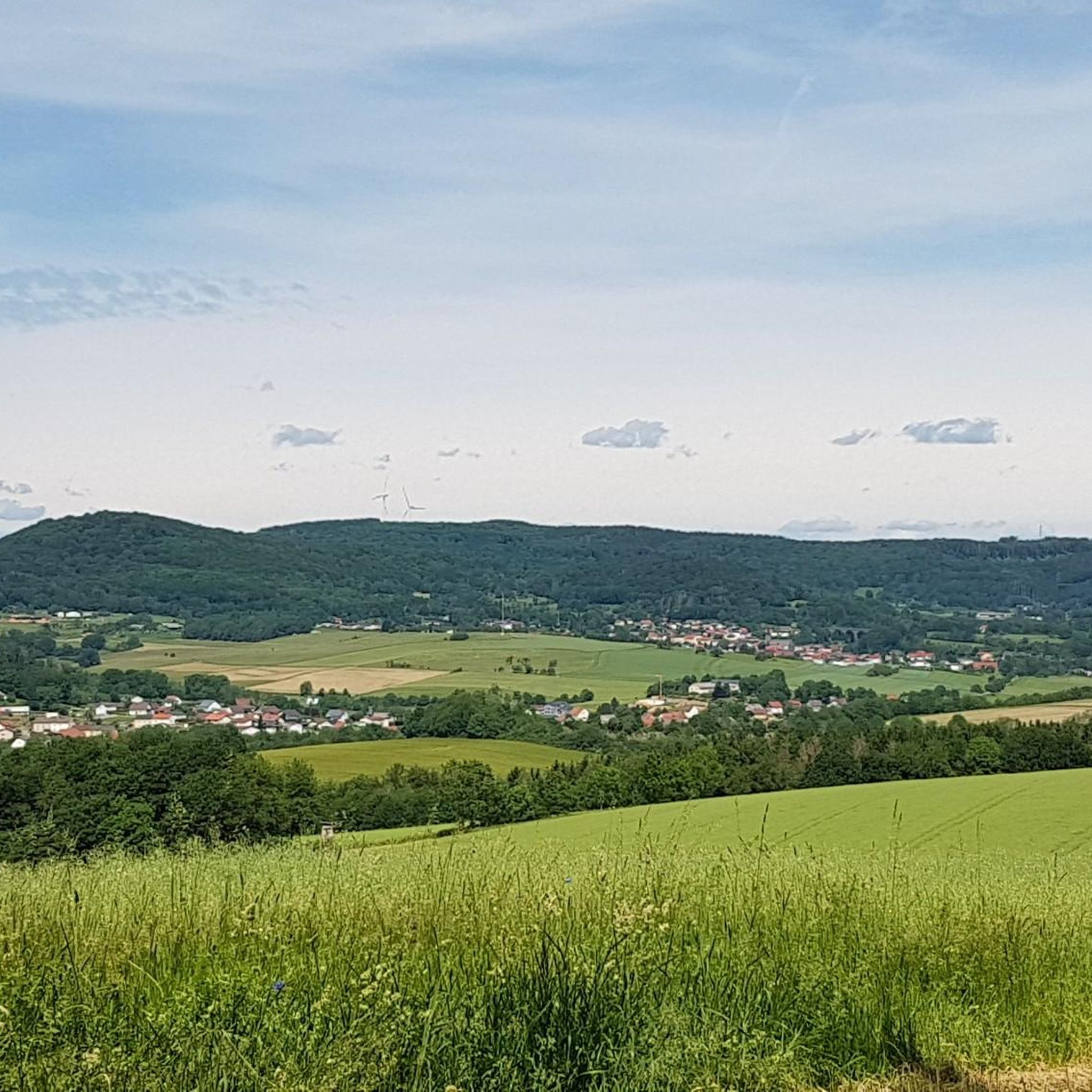
Best natural monuments around Herchweiler include scenic rolling hills and lush forests, offering diverse natural experiences in the broader Kusel district. The region is characterized by varied landscapes, from rock formations and historical quarries to unique ecosystems. These natural features provide opportunities for exploration and observation of local geology and biodiversity. The area's natural monuments are integrated into hiking routes, allowing visitors to experience the landscape firsthand.
Best natural monuments around Herchweiler
- The most popular natural monuments is Tiefenbach Trail…
Last updated: June 24, 2026
Tiefenbach Trail
Highlight • Trail
The Tiefenbach path is around 15 km long and leads around the Bosenberg in St Wendel. It is characterized by many small valleys that are crossed by rustic …
Translated by Google •
Tip by

Urweiler Quarry
Highlight • Natural Monument
This part of the Bosenberg is called Bruchwald because there were several hard stone quarries here. The quarry, through which the Tiefenbachpfad leads, belonged to today's forest …
Translated by Google •
Tip by
Sign up now to discover places like this
Get recommendations on the best single tracks, peaks, & plenty of other exciting outdoor places.
Sign up for free
Miners' Spring
Highlight • Natural Monument
The first evidence of coal mining in this area comes from 1780. The coal was close to the surface and could be extracted in open-cast mining. From 1820, …
Translated by Google •
Tip by
Leitersweiler Beeches
Highlight • Forest
The striking group of trees was first mentioned in 1618 at the beginning of the Thirty Years War. The beeches, some of which are more than 450 …
Translated by Google •
Tip by
Hellerberg Quarry – Historic Agate Mining
Highlight • Historical Site
Agate mining in the Freisen and Oberkirchen area was first documented in the 14th century. The banded chalcedony was initially sold to agate cutters in Freiburg and Venice, …
Translated by Google •
Tip by
Sign up for free to discover even more natural monuments around Herchweiler.
Sign up for free
Already have an account?
Start today with a free account
Your next adventure awaits.
Login or Signup

Tips from the Community

Great rock formations. However, I wouldn't go too close, as rocks can still break off and fall down.
0
0

📍 Agate Trail Freisen Right on the edge of the quarry stands a simple bench – overlooking what was once an active mining site. Today, silence reigns here. The contrast between the rugged rock faces and the tranquility of the moment makes this place special. Ideal for a short rest – with a panoramic view of space and time. 💡 Tip: A beautiful spot for a second breakfast, a deep photo, or simply for reflection. Those who sit here tend to stay a little longer.
0
0

Some of the Leitersweiler beeches are over 300 years old, but unfortunately their lifespan is also limited and some of these impressive trees have fallen in recent years.
1
0

Very interesting former agate quarry.
1
0


You really have to hike.
3
0
This quarry is impressive
0
0

𝑯𝒊𝒔𝒕𝒐𝒓𝒊𝒔𝒄𝒉𝒆𝒓 𝑨𝒄𝒉𝒂𝒕𝒂𝒃𝒃𝒂𝒖 Agate mining in the Freisen and Oberkirchen area was first documented in the 14th century. The banded chalcedony was initially sold to agate cutters in Freiburg and Venice, before their own loops were made in Idar and Oberstein (documented from 1520). According to a document from 1853, "the agate stone-rich Freisen and Oberkirchen were the main places where the agate loops get the raw stones". Agates were collected in fields or broken from the rock. Not only on Weiselberg, where pingen and tunnels are still in today Terrain are visible, agate mining is historically documented in Freisen. Poverty in the early 19th century drove many into emigration. Oberkirchen emigrants discovered Brazilian agates, which they had delivered to their old homeland from 1834. The Idar-Oberstein grinding industry experienced an economic one Soon the number of water loops had increased from 31 in 1827 to over 150 in 1867. Since deliveries from Brazil did not always work smoothly, farmers and craftsmen found work and bread again in local agate mining Agate diggers not rich, but helped them through times of dire need When the rough stones from overseas became more reliable around 1870, the 500-year-old mining in Oberkirchen and Freisen ended. Source: Text information board 𝑺𝒕𝒆𝒊𝒏𝒃𝒓𝒖𝒄𝒉 𝑯𝒆𝒍𝒍𝒆𝒓𝒃𝒆𝒓𝒈 The main mining period in the Becker am Hellerberg quarry was closely linked to the construction of the motorway (A62), which reached the Freisen area in 1972. At the end of construction in 1981, the quarry also closed. The last blast was in 1980. In the quarry, several lava flows are exposed, which are separated by almond stone zones and volcanic loose masses. In the bladder cavities of the almond stone structure, duct agates and drusen with zeolite and goethite, smoky quartz and amethyst have developed. To this day, mineral collectors from near and far are looking for the stone treasures. During the construction of the motorway in the 1970s, the entire range of great agates and druses was found in Freisen. Even after that, every major construction site lured stone seekers out. In addition to a few other localities, they found what they were looking for on Füsselberg and Freisener Höhe. Source: Text information board
10
0
Frequently Asked Questions
What unique geological features can I explore around Herchweiler?
The region offers fascinating geological sites. You can visit the Hellerberg Quarry – Historic Agate Mining, where you'll find lava flows and learn about the area's agate mining history. Another remarkable spot is the Basalt Rose (Andesite Spheroid) on the Achatweg, a unique rock formation with concentric shells formed by geological processes.
Are there any natural monuments with historical or legendary significance near Herchweiler?
Yes, the Wildfrauenloch (Wild Women's Cave) is a rock cave steeped in local legends, said to have been inhabited by a woman of unusual size. It's accessible via the 'Traumschleife Bärenbachpfad' circular path, offering a blend of nature and folklore.
Where can I find diverse ecosystems and observe wildlife around Herchweiler?
The Wartekopf Nature Reserve is an excellent choice. Covering 122 hectares, it features diverse ecosystems like oak dry forests, dry grasslands, and red beech forests. It's home to numerous heat and drought-loving animal and plant species, including the brown fire butterfly and various woodpecker species, making it ideal for nature enthusiasts and wildlife observation.
What kind of panoramic views can I expect from natural monuments in the area?
For spectacular panoramic views, head to the Potzberg Tower. While a man-made structure, its location atop the 562-meter-high Potzberg mountain offers expansive vistas of the Palatinate landscape. The Potzberg area also includes a wildlife park, combining natural beauty with an engaging experience.
Are there any natural monuments that showcase the region's industrial history?
The Erdesbach Weir on the Glan, located in the neighboring municipality of Erdesbach, provides picturesque views and reflects the regional history of water management and industry. It's a peaceful spot to appreciate the interplay of natural landscape and historical engineering.
What are some recommended hiking trails to explore the natural monuments?
The Tiefenbach Trail is a popular option, leading past ancient Leitersweiler beeches and the historic Miners' Spring. For a more extensive experience, consider the 'Traumschleife Bärenbachpfad' which passes the Wildfrauenloch. You can find more hiking opportunities in the running trails around Herchweiler guide.
Are there family-friendly natural monuments or activities near Herchweiler?
The Potzberg area, with its tower offering panoramic views and an adjacent wildlife park, is a great family-friendly destination. The 'Traumschleife Bärenbachpfad' leading to the Wildfrauenloch also offers an engaging walk for families interested in nature and local legends.
What outdoor activities, besides hiking, can I do near these natural monuments?
Beyond hiking, the area around Herchweiler is excellent for cycling and gravel biking. You can explore various routes like the 'Ostertal Cycle Path' or trails around Bostal Lake. Find detailed routes and guides for cycling around Herchweiler and gravel biking around Herchweiler.
What is the best time of year to visit the natural monuments around Herchweiler?
The natural monuments are beautiful year-round. Spring and autumn offer pleasant temperatures for hiking and vibrant foliage. Summer is ideal for longer days outdoors, while winter can provide a serene, snow-covered landscape, though some trails might be less accessible after heavy rain or snow.
Are there any natural monuments that are particularly good for photography?
The Erdesbach Weir on the Glan offers picturesque scenes, especially with its historical context. The panoramic views from the Potzberg Tower are also highly photogenic, capturing the vastness of the Palatinate landscape. The unique rock formations at the Hellerberg Quarry and the Basalt Rose also provide interesting subjects.
What should I wear when visiting the natural monuments?
Comfortable hiking shoes with good grip are essential, as many sites involve walking on natural trails. Layered clothing is recommended to adapt to changing weather conditions, and a waterproof jacket is advisable, especially during spring and autumn. Don't forget sun protection and a hat during warmer months.
Most popular routes around Herchweiler
Most popular attractions around Herchweiler

Get inspired with the komoot mobile app


Explore more
Extend your search for the best caves by checking out these guides of the top ones around Herchweiler:
