Top 20 Natural Monuments around Breitenbach
Natural monuments around Breitenbach offer diverse natural features within the Grand-Est region of France, situated in the foothills of the Vosges mountains. The area provides opportunities to explore forested landscapes, valleys, and unique geological formations. This region is known for its natural heritage, including varied flora and fauna. Visitors can find numerous trails and natural sites for outdoor exploration.
Best natural monuments around Breitenbach
- The most popular natural monuments is Tiefenbach Trail, a trail that leads around the Bosenberg…
Last updated: October 11, 2026
Tiefenbach Trail
Highlight • Trail
Showing Translation
Tip by

Urweiler Quarry
Highlight • Natural Monument
Showing Translation
Tip by

Sign up now to discover places like this
Get recommendations on the best single tracks, peaks, & plenty of other exciting outdoor places.
Steinbach Waterfall
Highlight • Waterfall
Translated by Google •
Tip by

Miners' Spring
Highlight • Natural Monument
The first evidence of coal mining in this area comes from 1780. The coal was close to the surface and could be extracted in open-cast mining. From 1820, …
Translated by Google •
Tip by
Spickel Pond
Highlight • Lake
Translated by Google •
Tip by

Sign up for free to discover even more natural monuments around Breitenbach.
Already have an account?
Start today with a free account
Your next adventure awaits.
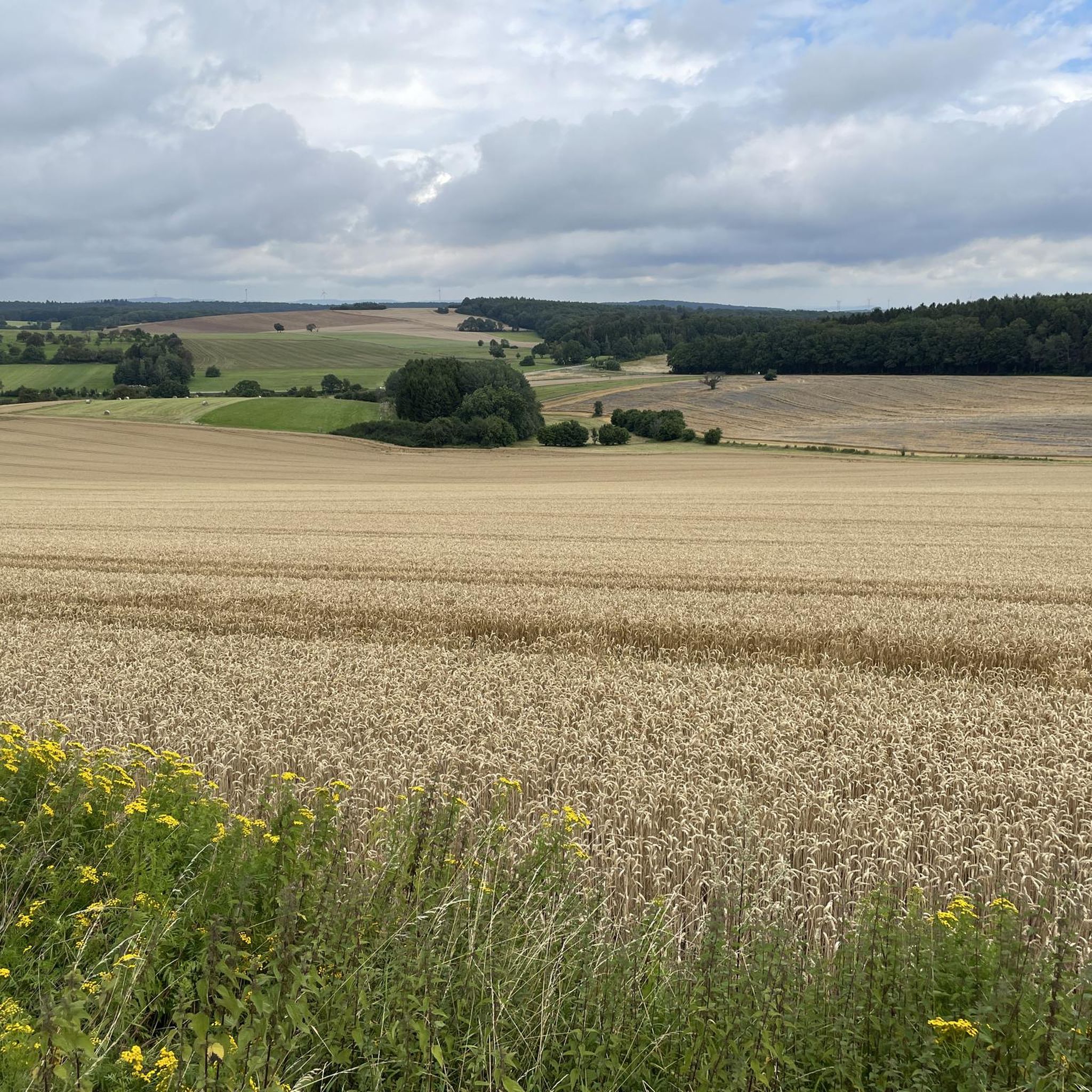
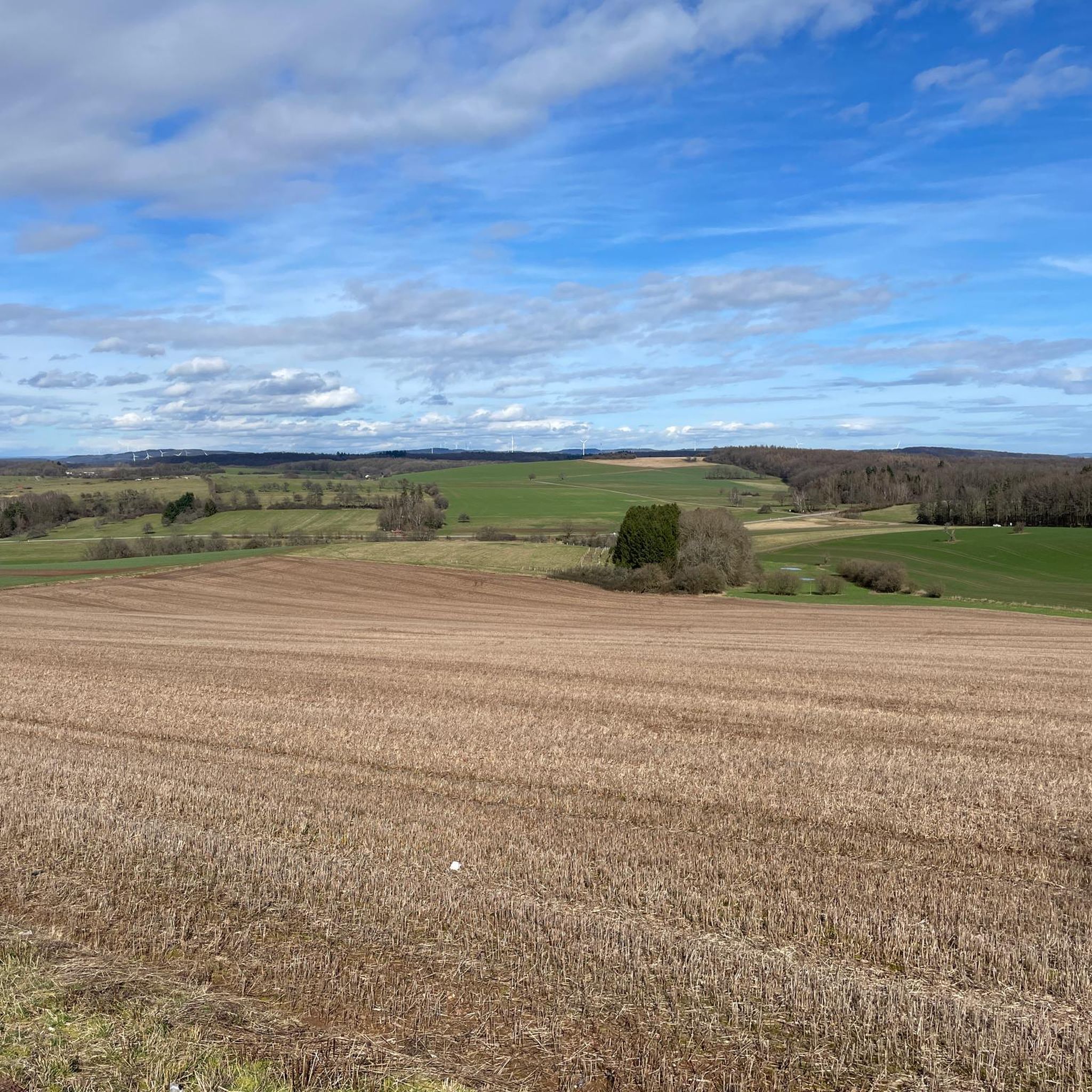
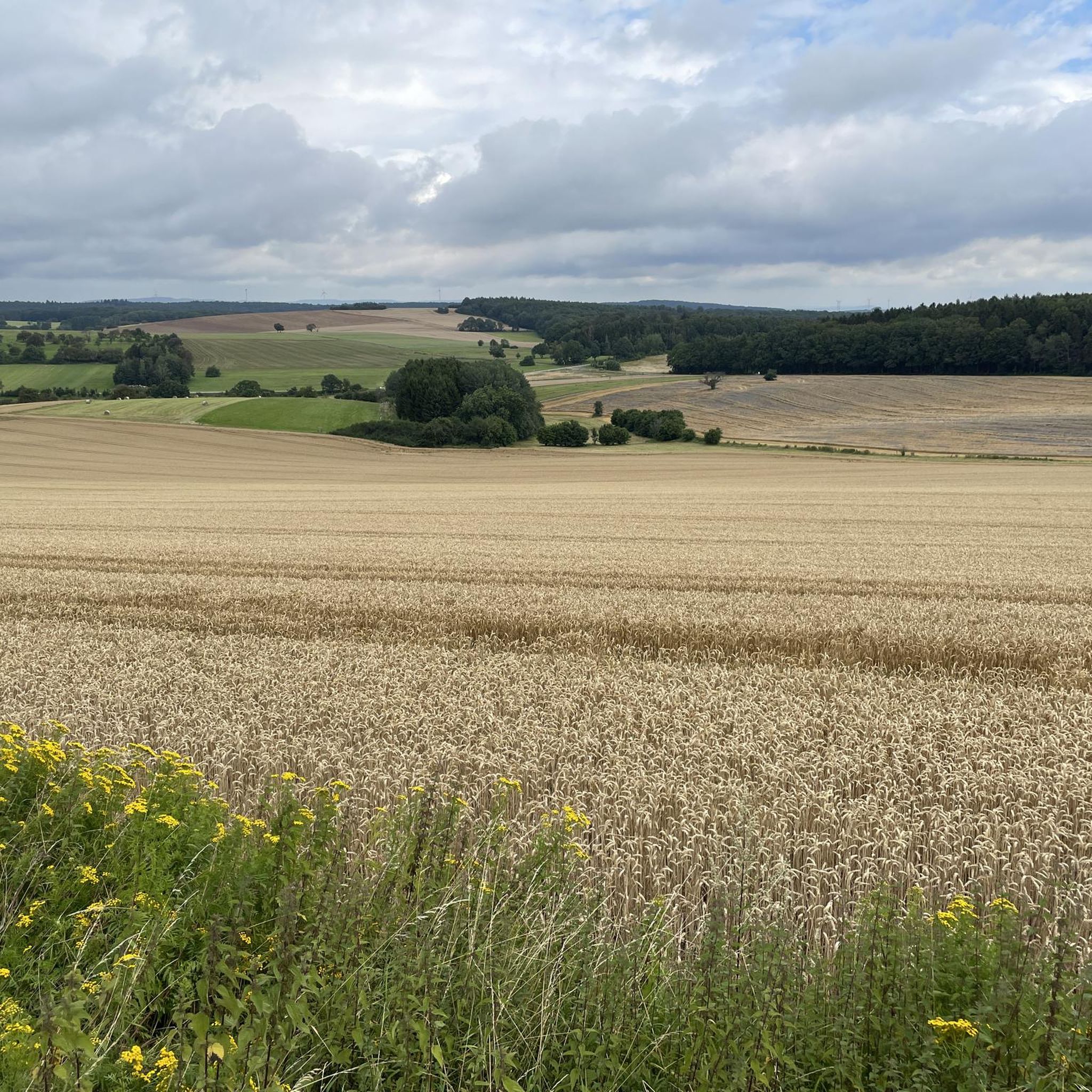

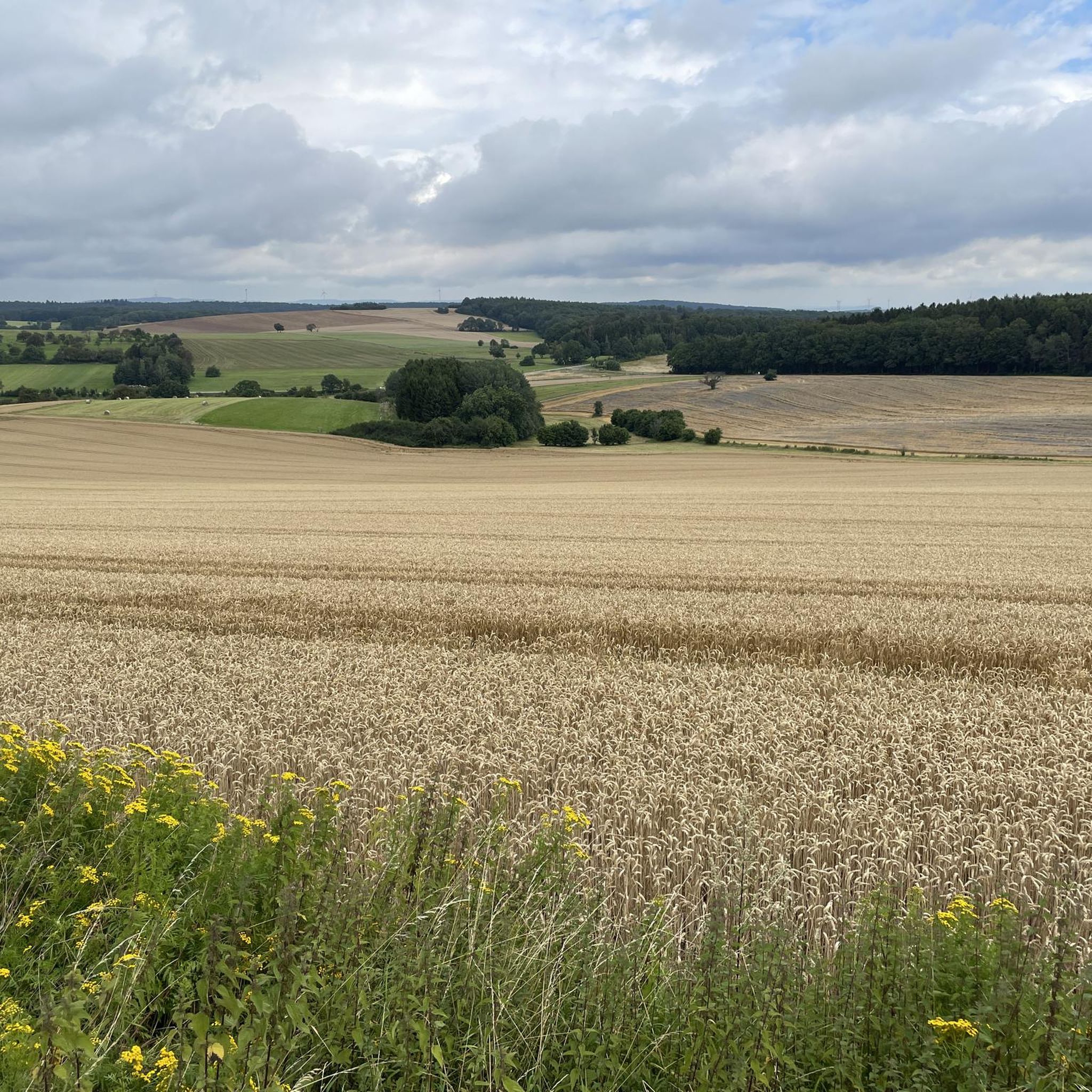
Tips from the Community

The trail to the west towards Jägersburg train station is recommended.
4
0

Although the pond is a few meters away from the Glan-Blies cycle path, the detour there is worth it. Absolute peace, a nice shelter and only a few visitors allow you to distance yourself from the hustle and bustle of everyday life.
4
0

There is also a shelter here
5
0
You really have to hike.
3
0

A large and idyllic pond in the middle of the forest. For bathers, there is a bathing island in the middle.
10
0


𝐃𝐞𝐫 𝐁𝐞𝐫𝐠𝐦𝐚𝐧𝐧𝐬𝐛𝐫𝐮𝐧𝐧𝐞𝐧 The first evidence of coal mining in this area comes from 1780. The coal was close to the surface and could be extracted in open-cast mining. From 1820, four pits (called Prinzengrube) in the Tiefenbachtal were also mined in tunnels. The concession holders were the brothers Karl and Philipp Cetto from Langenfelderhof, today Wendelinushof. During this period there are talk of 136 employees who extracted almost 14,000 quintals of hard coal. In 1860 the operation was stopped because larger coal seams had meanwhile been discovered on the Saar and Blies. The miners reached the tunnel via the “miners' path”, which is now part of the Tiefenbach path. On their way they passed the source in the Tiefenbachtal and filled up their drinking water here. This spring is still known today as the miner's well. Source: Text information board
9
0
This part of the Bosenberg is called Bruchwald because there were several hard stone quarries here. The quarry through which the Tiefenbachpfad leads belonged to the current forest estate of the "Urweiler Erben". The first known lease dates from the mid-19th century. Stones were quarried here until 1975. Loosening the stones from the rock layers was the job of the stonemasons. Until the 20th century, this was extremely strenuous and dangerous work, only carried out with the help of wedges, hammers, and black powder. Day laborers and farmers from Urweiler were hired as auxiliary workers, supplementing their income through transport work from spring to autumn. In winter, working in the quarry was not possible due to snow, ice, and the risk of slipping. Source: Text information board
7
0
Frequently Asked Questions
What unique natural features can I discover around Breitenbach?
The region around Breitenbach, nestled in the Vosges mountains, offers diverse natural features. You can explore impressive rock formations like the Tiefenbach Trail, which features ancient giant trees and small valleys. The Urweiler Quarry showcases unique geological formations from its past as a hard stone quarry. Additionally, you'll find water features such as the Steinbach Waterfall and the historic Miners' Spring, known for its clear water.
Are there any natural monuments with historical significance near Breitenbach?
Yes, several natural monuments around Breitenbach have historical connections. The Urweiler Quarry is a former hard stone quarry that operated until 1975, with stones from here even used in Paris. The Miners' Spring provided drinking water for miners in the 19th century and is still a notable site along the Tiefenbach path. Regionally, the Rocher des Celtes in the Grand-Est is recognized for its connection to Celtic history and legends.
What kind of hiking trails can I find near the natural monuments?
Many natural monuments are integrated into hiking trails. For instance, the Tiefenbach Trail is a 15.3 km medium-difficulty path that leads around the Bosenberg, featuring rustic footbridges and ancient trees. The Miners' Spring is also located along this path. For more hiking options, you can explore various running trails around Breitenbach, which often pass through scenic natural areas.
Are there family-friendly natural monuments or activities around Breitenbach?
Yes, the Spickel Pond is a family-friendly natural monument. It's an idyllic spot in the forest with a bathing island, perfect for relaxing, hiking, or biking. The broader Vosges region also offers diverse natural environments suitable for outdoor adventures with families.
What do visitors enjoy most about the natural monuments in this area?
Visitors appreciate the diverse natural beauty and the opportunities for outdoor exploration. The komoot community has given the natural monuments around Breitenbach over 400 upvotes and shared more than 60 photos, highlighting the scenic landscapes, unique geological formations, and tranquil forest paths. The clear water of the Miners' Spring and the ancient trees along the Tiefenbach Trail are particularly popular.
Are there any dog-friendly trails or natural monuments?
Yes, the Spickel Pond is noted as a dog-friendly natural monument, offering a great environment for walks with your canine companion. Many of the forest paths and trails in the region are also suitable for dogs, but always ensure they are kept on a leash where required.
What are the best times to visit the natural monuments around Breitenbach?
The natural monuments around Breitenbach are enjoyable throughout much of the year. For hiking, it's recommended to visit during dry periods, especially for trails like the Tiefenbach Trail, as some passages might be less accessible after heavy rain. Spring and autumn offer pleasant temperatures and beautiful scenery, while summer is ideal for enjoying spots like the Spickel Pond.
Can I go cycling near the natural monuments?
Yes, the region around Breitenbach is well-suited for cycling. The Spickel Pond area is described as very nice terrain for biking. You can find various road cycling routes and gravel biking trails around Breitenbach, ranging from easy to difficult, allowing you to explore the natural landscapes on two wheels.
What is the Rocher des Géants (Giants' Rock)?
The Rocher des Géants, or Giants' Rock, is an impressive 16-meter high rock formation located in the Grand-Est region, near Breitenbach. Also known as the 'rock of the fairies,' it features natural cup-shaped depressions and is associated with folklore about cosmo-telluric energy. Its unique geological features and mystical legends make it a captivating site.
Are there any natural monuments with waterfalls or significant water features?
Yes, the Steinbach Waterfall is a notable natural monument, featuring a small waterfall within a gorge in a forested area. Additionally, the Miners' Spring provides clear, fresh water and has historical significance. The Spickel Pond is also a large, idyllic water body in the middle of the forest.
What are the Leitersweiler beeches mentioned on the Tiefenbach Trail?
The Leitersweiler beeches are a very special natural monument found along the Tiefenbach Trail. These are ancient giant trees, estimated to be about 250 to 300 years old, that line the path into the Tiefenbachtal. They offer a magnificent view of Leitersweiler and the surrounding Hunsrück heights, adding to the trail's natural beauty.
What is the difficulty level of exploring these natural monuments?
The difficulty varies depending on the specific site. The Tiefenbach Trail is rated as medium difficulty, requiring 4-5 hours to complete its 15.3 km. The Urweiler Quarry is considered challenging due to its terrain. However, other spots like the Spickel Pond offer easier access for a more relaxed experience. It's always advisable to check specific trail details before heading out.
Most popular routes around Breitenbach
Most popular attractions around Breitenbach

Get inspired with the komoot mobile app


Explore more
Extend your search for the best caves by checking out these guides of the top ones around Breitenbach:
