Top 20 Natural Monuments around Wustermark
Best natural monuments around Wustermark are found within the Havelland district of Brandenburg, Germany, offering diverse ecological value and recreational opportunities. The region features expansive natural areas that function as important conservation sites. Key natural landscapes include the Döberitzer Heide – Sielmann Natural Landscape and the scenic Havel Cycle Route. These areas provide opportunities to explore varied terrain and observe local flora and fauna.
Best natural monuments around Wustermark
- The most popular natural monuments is Döberitzer Heide, a nature…
Last updated: June 24, 2026
Döberitzer Heide
Highlight (Segment) • Natural
Translated by Google •
Tip by

Döberitzer Heide Nature Reserve
Highlight • Natural
Translated by Google •
Tip by

Sign up now to discover places like this
Get recommendations on the best single tracks, peaks, & plenty of other exciting outdoor places.
Sign up for free
Döberitz Heath
Highlight • Natural
The Heinz Sielmann Foundation has once again established wildlife on the former military training area "Döberitz" just outside Berlin and Potsdam.
The area is 3,600 ha …
Translated by Google •
Tip by

Bredower Forst Nature Reserve
Highlight • Forest
Translated by Google •
Tip by

Nymphensee Brieselang
Highlight • Lake
The water is clean, the location is pure idyll and the area is well maintained!
And it's open all year round. …
Translated by Google •
Tip by

Sign up for free to discover even more natural monuments around Wustermark.
Sign up for free
Already have an account?
Start today with a free account
Your next adventure awaits.
Login or Signup



Tips from the Community

Great tip. The path is easy to drive on with normal tires.
1
0

Finally, I went there spontaneously today. It was okay for a small lake. There's also a nudist area. Since I didn't swim, I can't comment on the water quality. It looked clear, though. Unfortunately, there were also broken glass by the water, like dog poop. 🤷♂️
0
0

Beautiful tour, just don't drive through the Bredower Forest when it's wet
0
0

There are worse bike paths, but pure nature.
4
0

A former military site has been fenced off, is no longer accessible and is now an area for wildlife. Very nice complex near the big city. Excellent
0
0


There's even a Flkk beach here.
1
0

Beautiful nature, clean water.
1
0
Frequently Asked Questions
What unique natural features can I explore in Wustermark?
Wustermark offers a diverse range of natural features. The most prominent is the Döberitzer Heide – Sielmann Natural Landscape, characterized by open heathland, sandy areas, dry grasslands, wetlands, and mixed deciduous forests. You can also find tranquil lakes like Nymphensee Brieselang and expansive forest areas such as the Bredower Forst Nature Reserve.
What kind of wildlife can I expect to see in the natural areas around Wustermark?
The Döberitzer Heide is a haven for wildlife, with approximately 5,000 plant and animal species identified. It's particularly known for its success in reintroducing large herbivores like European bison, Przewalski's horses, and red deer, which roam freely in the wilderness core zone. Birdwatchers can spot around 200 species, including rare ones like the hoopoe. You might even see Galloway cattle, Heck cattle, sheep, goats, and Konik horses in the surrounding 'Nature Experience Ring Zone'.
Are there any viewpoints offering panoramic views of the natural landscapes?
Yes, the Finkenberg observation tower, located on the highest point of the Döberitzer Heide, provides magnificent panoramic views that can extend as far as Berlin. It's an excellent spot to appreciate the vastness of the natural landscape.
Does the Döberitzer Heide have a unique history?
Absolutely. For nearly 300 years until 1991, the Döberitzer Heide served as a military training ground. This past inadvertently prevented agricultural development, allowing a mosaic of diverse habitats to flourish and preserving an original, hilly landscape. Since 1997, much of it has been demilitarized and is now under conservation, showcasing how nature can reclaim and thrive in unexpected environments.
Are there family-friendly natural monuments around Wustermark?
Yes, several natural areas are suitable for families. Nymphensee Brieselang is a popular choice, offering clean water for swimming and well-maintained surroundings. The Döberitzer Heide also has designated trails and observation points, such as the area near the European bison in the Döberitzer Heide wilderness core zone, where families can observe wild animals from a safe distance.
Are there dog-friendly trails or areas in Wustermark's natural monuments?
The Döberitzer Heide is generally dog-friendly, with many designated trails where dogs are permitted, usually on a leash. It's a great place for long walks with your canine companion amidst diverse natural scenery. Always check local signage for specific rules regarding dogs in nature reserves.
What is the best time to visit the natural monuments in Wustermark?
The natural monuments around Wustermark can be enjoyed year-round. Spring and summer are ideal for wildlife observation and activities like swimming at Nymphensee Brieselang. Autumn offers beautiful foliage, while winter provides a serene landscape for walks. The gorse blooming in the Döberitzer Heide turns the landscape yellow, creating a spectacular sight.
How can I get to the Döberitzer Heide by public transport?
A bus stops at Havelpark, which is just a few minutes' walk from an entrance to the Döberitzer Heide. This makes it accessible for visitors relying on public transportation to explore this unique natural area.
Are there places to swim near Wustermark's natural monuments?
Yes, Nymphensee Brieselang is a very popular swimming lake known for its clean water and well-maintained surroundings. The Havel Canal Cycle Path also offers spots where you can cool your legs in the water during summer, and the Havel Bike Path at Trebelsee has designated swimming areas.
What outdoor activities can I do near these natural monuments?
The region around Wustermark offers excellent opportunities for outdoor activities. You can enjoy various hikes, including easy and moderate trails in the Döberitzer Heide. For cycling enthusiasts, the Havel Cycle Route and Havel Canal Cycle Path provide well-maintained paths through scenic riverine landscapes. Mountain biking is also popular, with trails ranging from easy to difficult. You can find more details on routes in the easy hikes around Wustermark, hiking around Wustermark, and MTB trails around Wustermark guides.
Can I cycle through the natural landscapes of Wustermark?
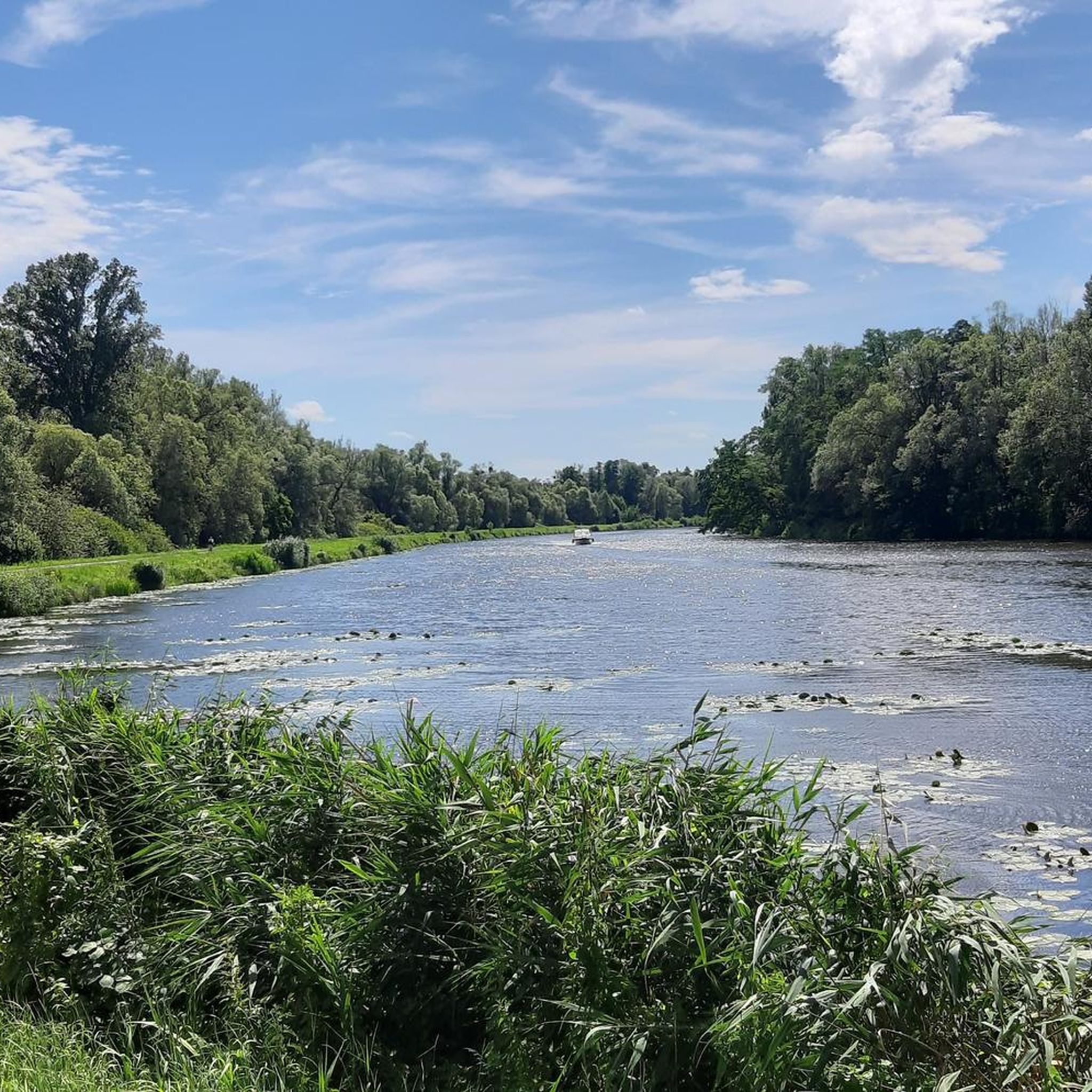
Absolutely! The Havel Cycle Route and Havel Canal Cycle Path are excellent for exploring the natural beauty of the Havelland region by bike. These routes wind through wide floodplains, offering views of the Havel River, alluvial forests, and opportunities to observe local flora and fauna. They are well-maintained and suitable for a wide range of cyclists.
What do visitors particularly enjoy about the natural monuments in Wustermark?
Visitors frequently praise the tranquility and natural beauty of the area. Many appreciate the clean water and well-maintained surroundings of Nymphensee Brieselang. The Döberitzer Heide is highly valued for its unique wilderness experience, the chance to observe rare wild animals like European bison, and its diverse habitats. The well-maintained gravel paths through the Bredower Forst Nature Reserve are also a highlight for nature observation.
Are there any specific tips for visiting Döberitzer Heide?
When visiting the Döberitzer Heide, it's advisable to stay on the designated paths, as there may be underground hollows or unexploded ordnance from its past as a military training area. For wildlife viewing, patience is key, especially when trying to spot the European bison or Przewalski's horses in the wilderness core zone. The Finkenberg observation tower is a great spot for a comprehensive view. You can learn more about the area's conservation efforts on Wikipedia.
Is there a geographical landmark in Brandenburg near Wustermark?
Yes, the Geographical Center of Brandenburg is located nearby. Marked by a stainless steel stand in Fahrländer See, it's situated on a small hill offering a nice view of the surrounding nature and is considered a unique highlight by many visitors.
Most popular routes around Wustermark
Most popular attractions around Wustermark

Get inspired with the komoot mobile app


Explore more
Extend your search for the best caves by checking out these guides of the top ones around Wustermark:
