Top 20 Natural Monuments around Perscheid
Best natural monuments around Perscheid are found within a region known for its dramatic natural beauty, particularly the Upper Middle Rhine Valley, a UNESCO World Heritage site. This area is characterized by powerful geological formations, including the iconic Loreley rock, a 132-meter-high slate formation on the Rhine River. The landscape features steep, 200-meter-high walls carved by the Rhine over millions of years, creating a unique microclimate that supports diverse flora and fauna. These natural features are often intertwined with cultural…
Last updated: October 11, 2026
View of the Loreley Rock
Highlight • Viewpoint
Translated by Google •
Tip by

View of the Loreley Rock and the Rhine
Highlight • Viewpoint
Translated by Google •
Tip by

Sign up now to discover places like this
Get recommendations on the best single tracks, peaks, & plenty of other exciting outdoor places.
View of the Loreley from Maria Ruh
Highlight • Viewpoint
Translated by Google •
Tip by

Loreley Statue on the Rhine
Highlight • Monument
Translated by Google •
Tip by

Felsenkanzel Viewpoint Overlooking the Rhine and the Loreley
Highlight • Viewpoint
Translated by Google •
Tip by

Sign up for free to discover even more natural monuments around Perscheid.
Already have an account?
Start today with a free account
Your next adventure awaits.
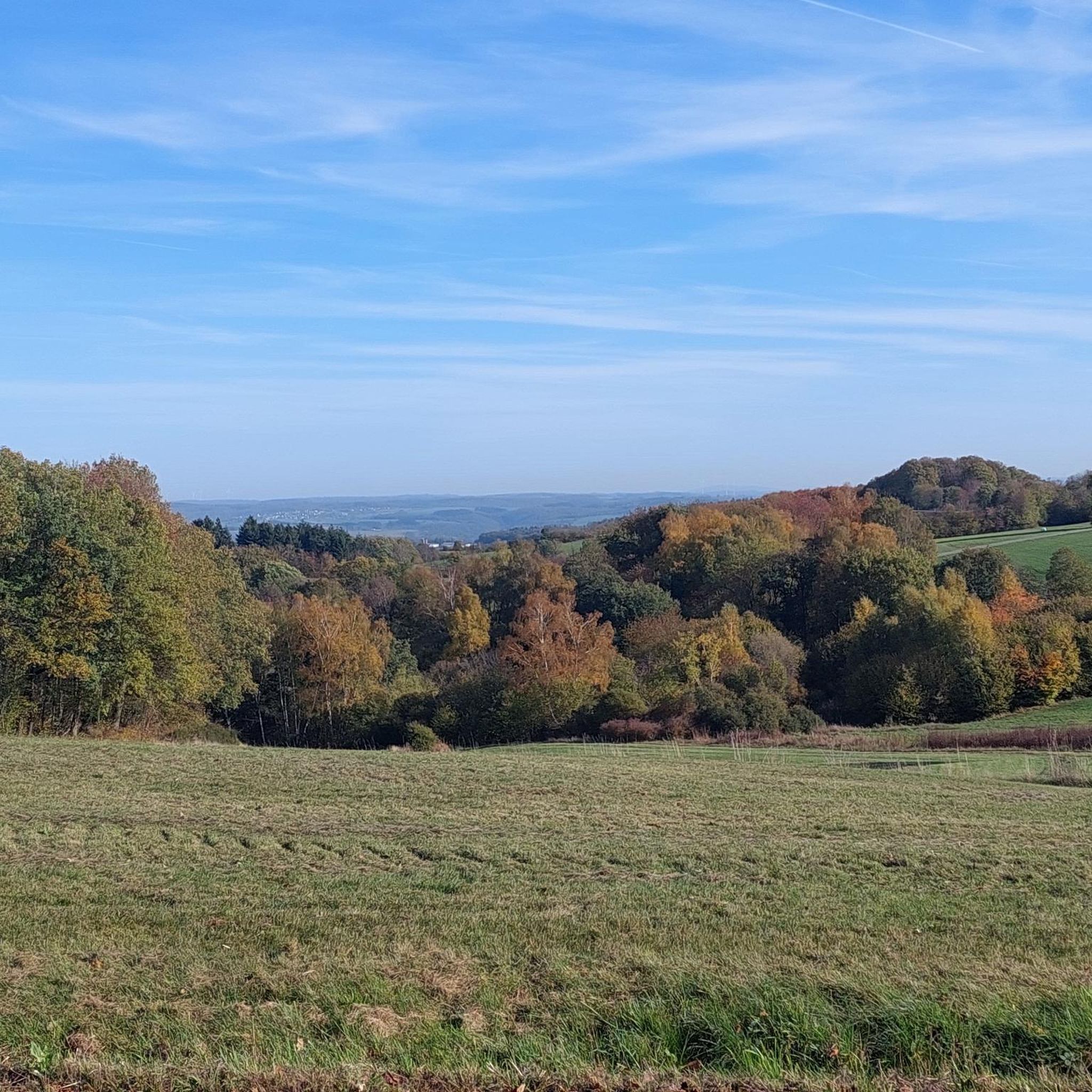
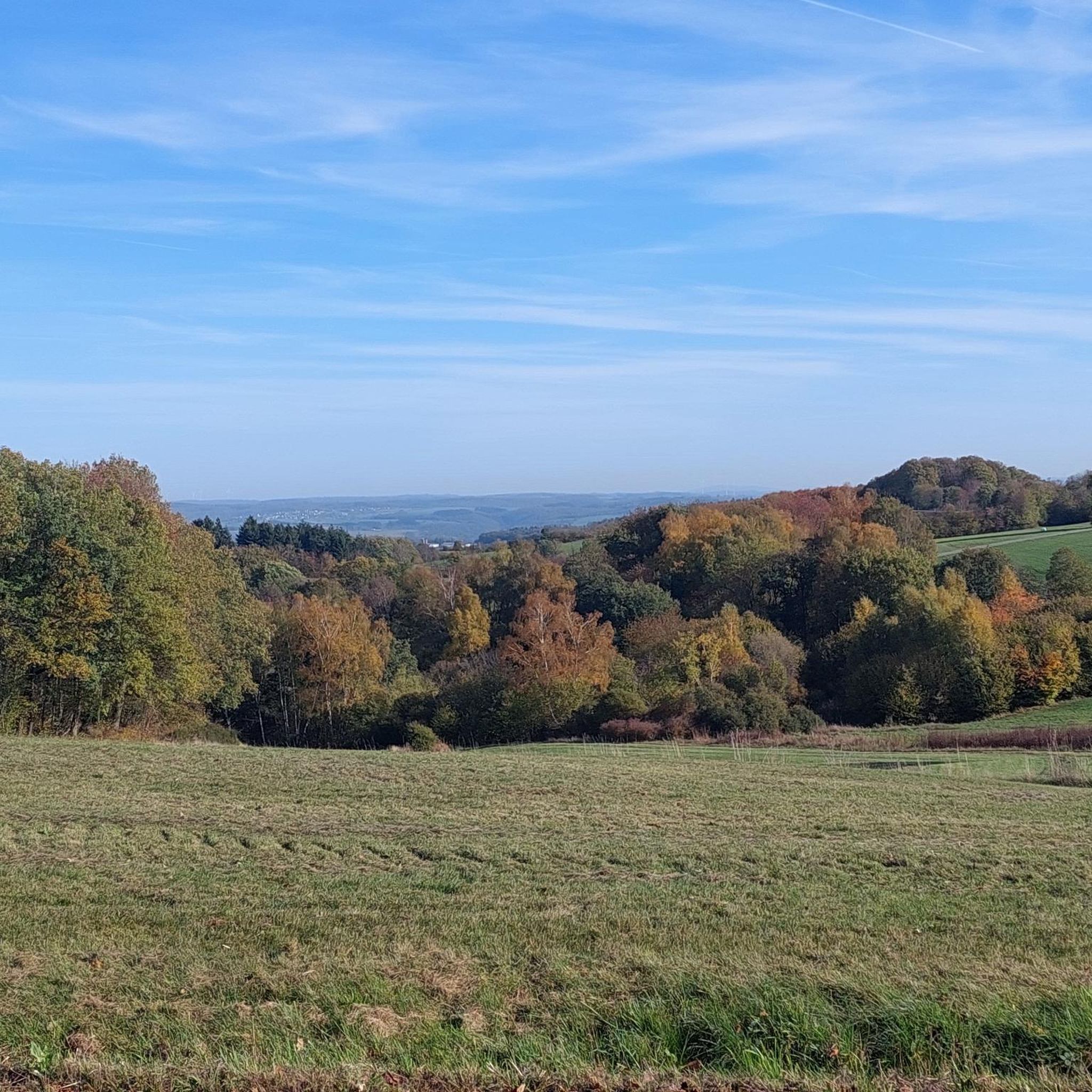
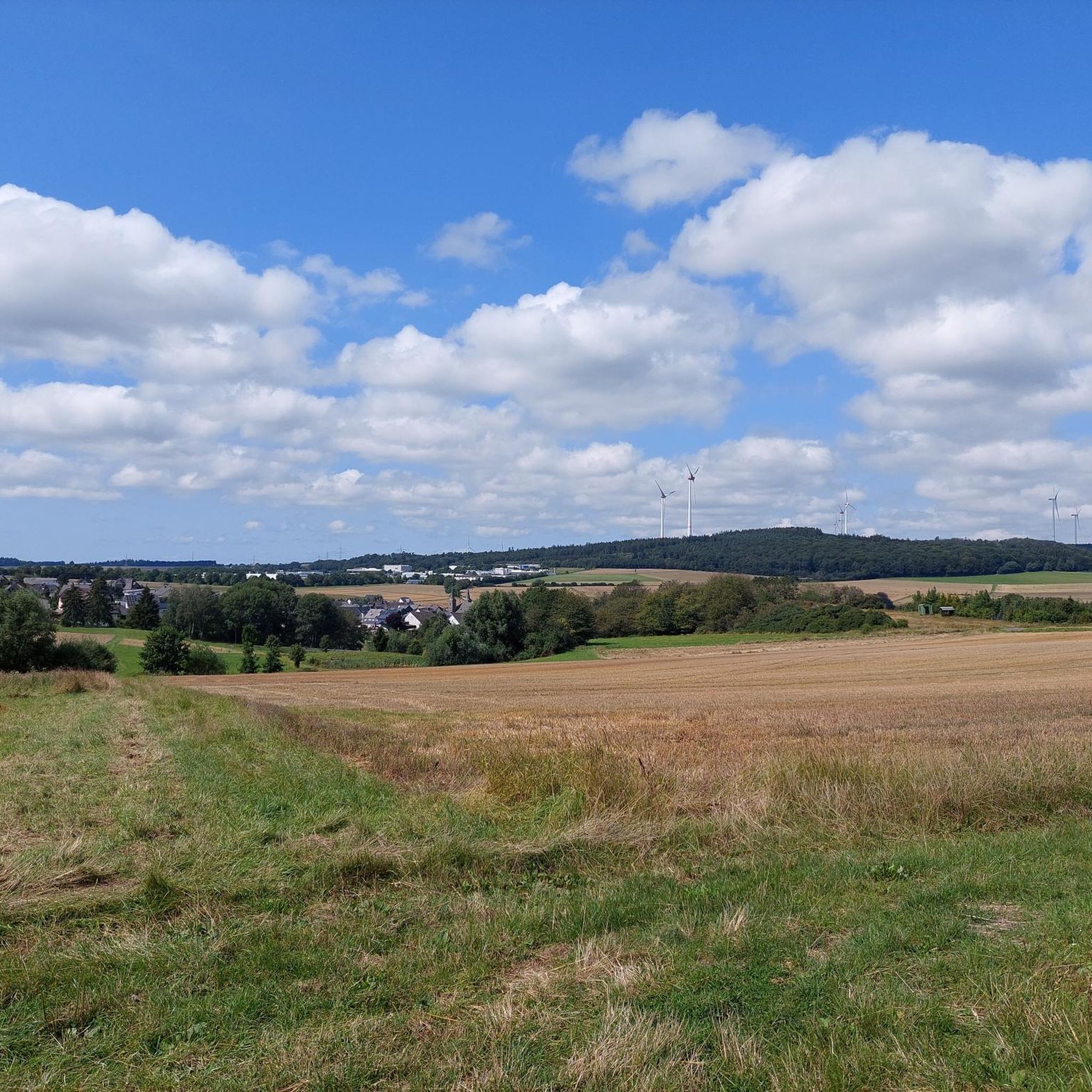
Tips from the Community

Again a beautiful point, with many opportunities for a beautiful photo.
8
0

There is really a great view at every point here, with the most beautiful photo motifs.
9
0
Great view of the Rhine Valley. Please plan some time, it's worth it.
10
1
We continue to work hard here. Certainly already preparatory work for the BUGA 2029. Then it will certainly be great up here. But even so, a visit is definitely a super nice experience.
10
1

From here you have a great view of the Rhine Valley. Beautiful!
9
1
Fantastic view of the Rhine Valley
9
1

Great view of the Rhine Valley.
12
0

The way down the stairs and then along the bank to get to the old town, super chilled. Atmosphere²
9
1
Frequently Asked Questions
What are some of the most notable natural monuments to visit around Perscheid?
The region around Perscheid is renowned for its dramatic natural beauty, particularly the Upper Middle Rhine Valley. Key natural monuments include the iconic View of the Loreley Rock, a 132-meter-high slate formation offering expansive panoramic views of the Rhine River. Another must-see is the Felsenkanzel Viewpoint Overlooking the Rhine and the Loreley, which provides magnificent vistas along the Rhine towards Oberwesel. The Spitzenstein Observation Tower also offers wide views and features a replica of a Napoleonic wing telegraph.
What unique geological features can I observe in the natural monuments near Perscheid?
The natural monuments around Perscheid are primarily characterized by the dramatic geology of the Rhine Gorge. This area features rocks laid down during the Devonian period, consisting mainly of fossil-bearing sedimentary slate. The gorge itself was carved out by a major uplift, leaving the Rhine contained within steep, 200-meter-high walls. The Loreley rock is a prime example of these imposing slate cliffs, showcasing millions of years of geological forces.
Are there any family-friendly natural monuments around Perscheid?
Yes, several natural monuments in the area are suitable for families. The View of the Loreley Rock and the Spitzenstein Observation Tower are both categorized as family-friendly, offering accessible viewpoints and engaging experiences for all ages. The Loreley Statue on the Rhine is also a family-friendly spot, combining natural beauty with cultural history.
What kind of biodiversity can be found in the Rhine Gorge's natural monuments?
The steep slopes and varied topography of the Rhine Gorge create a unique microclimate that supports diverse flora and fauna. Visitors can observe a rich variety of plant life, including rare orchids, and wildlife such as the checkered blue butterfly, which thrives on the steep, rocky slopes. This makes the area an excellent location for nature enthusiasts.
What cultural or historical significance do the natural monuments around Perscheid hold?
The natural monuments in this region are deeply intertwined with cultural significance. The Loreley rock, for instance, is steeped in legend, most famously associated with a siren who lured sailors. This blend of natural grandeur and romantic folklore, along with the historical dangers of the Rhine's currents, adds a unique layer to the visitor experience. Additionally, sites like the Loreley Statue on the Rhine and the Nollig Castle Ruins highlight the historical presence and stories within the natural landscape.
What outdoor activities can I do near these natural monuments?
The Upper Middle Rhine Valley offers numerous opportunities for outdoor activities. You can explore scenic hiking trails that allow you to get up close to the natural beauty and enjoy breathtaking vistas. For those interested in cycling, there are various routes available. You can find more information on gravel biking, running trails, and cycling routes around Perscheid.
Are there hiking trails near the Loreley Rock?
Yes, the area around the Loreley Rock and the broader Rhine Gorge offers numerous scenic hiking trails. These trails provide opportunities to explore the region's unique ecosystems and enjoy breathtaking vistas of the river valley. You can find various hiking options by exploring the running trails around Perscheid, which often include sections suitable for hiking.
What kind of views can I expect from the viewpoints in the area?
From viewpoints like the View of the Loreley Rock and the Felsenkanzel Viewpoint, you can expect expansive panoramic views of the Rhine River as it carves its way through the valley. The river here is particularly narrow and deep, adding to the dramatic scenery. You can observe passing ships and picturesque villages nestled along the riverbanks, with views extending towards Oberwesel and the Middle Rhine Valley.
What is the best time to visit the natural monuments around Perscheid?
The Upper Middle Rhine Valley, where these natural monuments are located, offers stunning scenery throughout the year. Spring brings blooming flora, while summer provides lush green landscapes perfect for outdoor activities. Autumn is particularly beautiful with vibrant fall foliage. The dramatic geological formations and panoramic views are impressive in any season, though weather conditions can vary.
What makes the Loreley Rock a significant natural monument?
The Loreley is a 132-meter-high slate rock formation that is a central feature of the Rhine Gorge. Its significance lies in its dramatic geology, being a prime example of the imposing slate cliffs formed over millions of years. It also offers unparalleled panoramic views of the Rhine River and is deeply embedded in German folklore, most famously associated with the legend of a siren. This combination of natural grandeur, geological history, and cultural narrative makes it a truly unique and significant site.
Are there any historical ruins integrated into the natural landscape?
Yes, the region features historical sites that are often integrated into the natural landscape. For example, the Nollig Castle Ruins, a habitable watchtower, is perched high on a mountain. While the building itself is privately owned and not open for visits, the Rheinsteig trail leads right past it, offering a beautiful photo motif and a glimpse into the region's past fortifications amidst the natural surroundings.
Most popular routes around Perscheid
Most popular attractions around Perscheid

Get inspired with the komoot mobile app


Explore more
Extend your search for the best caves by checking out these guides of the top ones around Perscheid:
