Top 20 Natural Monuments around Sande
Natural monuments around Sande, Germany, are characterized by diverse landscapes, including coastal areas, forests, and wetlands. Located near the Lower Saxon Wadden Sea National Park, a UNESCO World Natural Heritage site, the region offers unique intertidal zones and significant natural habitats. The area features a mix of ancient forests, restored wetlands, and scenic coastal views. These natural features provide opportunities to explore varied ecosystems.
Best natural monuments around Sande
- The most popular natural monuments is Douglas fir avenue Upjever and…
Last updated: June 24, 2026
Jever Castle and Park
Highlight • Castle
If you do not have enough time for the castle museum, you should at least go through the beautifully landscaped castle park. Especially worth seeing are of course …
Translated by Google •
Tip by

Hunting lodge in the Neuenburg Primeval Forest
Highlight • Mountain Hut
Opposite the …
Translated by Google •
Tip by

Sign up now to discover places like this
Get recommendations on the best single tracks, peaks, & plenty of other exciting outdoor places.
Sign up for free
Douglas fir avenue Upjever and swamp moor Dose
Highlight • Forest
Translated by Google •
Tip by

Krickmeere Wetlands Restoration
Highlight • Natural Monument
Translated by Google •
Tip by

Friesendom Memorial in Dangast
Highlight • Monument
Old Church (Pellworm), see also the organ of the Old Church
St. John's (Nieblum)
and the memorial of the same name in Dangast by Eckart Grenzer
Translated by Google •
Tip by

Sign up for free to discover even more natural monuments around Sande.
Sign up for free
Already have an account?
Start today with a free account
Your next adventure awaits.
Login or Signup


Tips from the Community

The "Frisian Cathedral" is a sculpture commemorating the victims of past storm surges and a memorial to the constant threat to our coast from the sea. Its floor plan forms a cross aligned with the four cardinal directions (cloister). The bronze bell (The Frisian Woman) in the center begins to ring during hurricane-force winds, warning people of the storm and the sea—as it has done for centuries. More information: https://www.eckartgrenzer.de/2004/der-friesendom-in-dangast/
4
0

You can read useful and interesting information here.
0
1
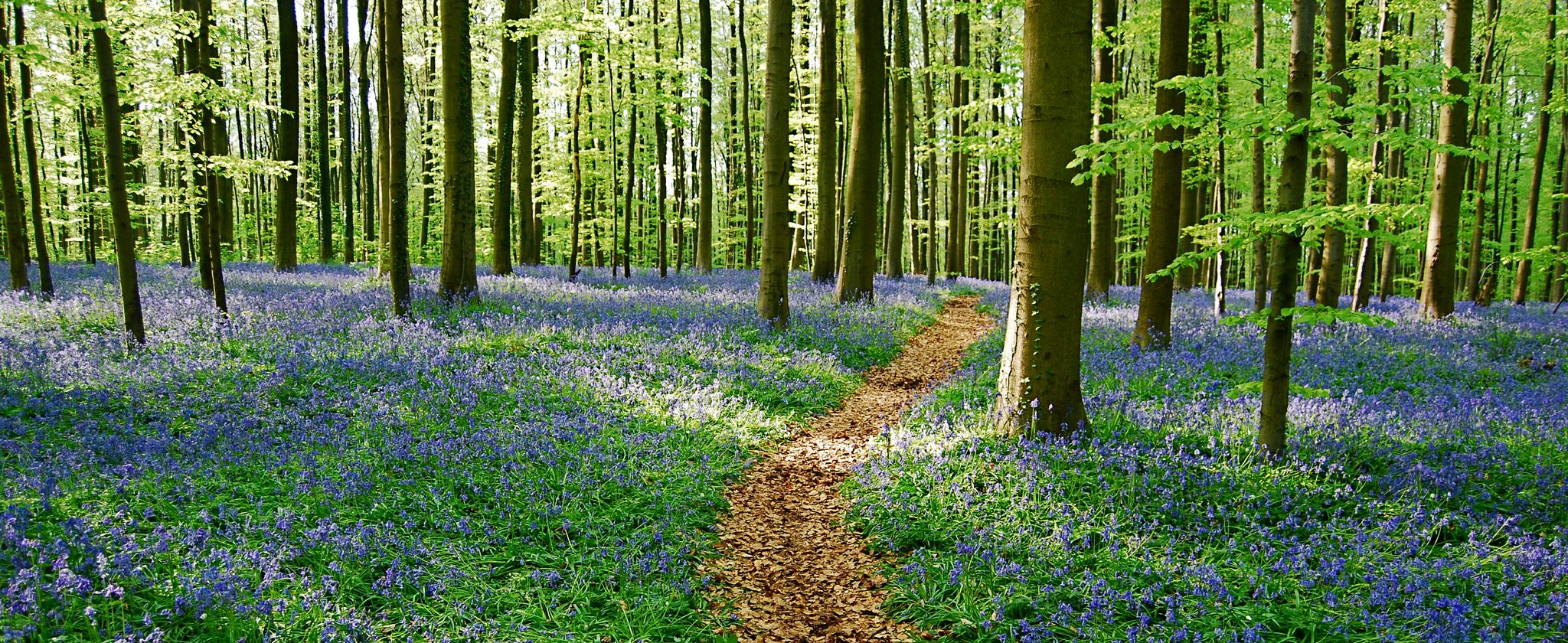
Very nice paths. The direct route through the forest is the shorter connecting route to some of the nearby villages.
3
0

Nature reserve "Upjever and Sumpfmoor Dose" The area comprises two sub-areas: the Upjever forest, a historic forest site created in the 16th century, and the Sumpfmoor Dose, a partially mined raised bog that has been protected as a nature reserve since 1984. The area contains several biotope types and habitats that are worthy of protection, including woodrush and woodruff beech forests, old oak forests or hornbeam forests, as well as moor forests, quaking moors and extensively managed wet grassland. These habitats are generally at risk, particularly from nutrient input and changes in water levels. The habitats should be kept in a favorable condition through appropriate care and management measures. The NSG serves to protect the FFH areas 184 "Upjever and Sumpfmoor Dose" and 180 "Pond bat habitats in the Wilhelmshaven area".
3
0

Original nature restored Renaturation Krickmeer has existed again for five years It is what is called a “win-win situation” in modern German. Everyone involved has reason to celebrate. The renaturation of the Krickmeer in the Upjever Forest has become a success story that goes far beyond the forest. The Krick Seas have been restored to their original form as a moor for about five years. https://hv-schortens.de/tag/krickmeere/
4
0

Here's a nice break spot. Benches and table are suitable for a break with a snack... or just to enjoy the silence!
3
0

Property located in the rustic Bockhorn primeval forest, directly on the cycle path…
4
0

The Frisian Cathedral in Dangast Created in my head in 1999. Was made possible by sponsors and funding from the EU in 2004. Inauguration of the Friesendom on August 24, 2005. Guests: e.g. Lower Saxony Prime Minister Christian Wulff. The sculpture is made out of a 100 ton granite block and stuff split so that the 4 elements could be rejoined, so that the visitor to the Friesendom is told that they are inside a granite block. (SOURCE: www.eckart Grenzer.de)
6
0
Frequently Asked Questions
What types of natural monuments can I expect to find around Sande?
Around Sande, you'll discover a diverse range of natural monuments, including unique intertidal zones of the Wadden Sea, ancient forests, and restored wetlands. The region offers a mix of coastal views, dense woodlands, and significant natural habitats.
Are there any significant coastal natural monuments or viewpoints?
Yes, a prominent coastal natural monument is the View of the Jade Bight. This viewpoint offers expansive views over the Wadden Sea, which is part of the UNESCO World Heritage Site. It's an excellent spot to observe the changing tides and the unique coastal landscape.
Where can I experience ancient forests or unique woodland areas?
You can explore the Douglas fir avenue Upjever and swamp moor Dose, which encompasses a historic forest site and a protected raised bog with old oak forests and moor forests. Another notable area is the Neuenburg Primeval Forest, where you can find the Hunting lodge and numerous hiking trails through ancient woodlands.
Can I see wetlands or areas with restored natural habitats?
Absolutely. The Sumpfmoor Dose, part of the Douglas fir avenue area, is a partially mined raised bog protected as a nature reserve. Additionally, the Krickmeere Wetlands Restoration offers insights into recultivation efforts and provides a quiet place in the forest to learn about habitat restoration.
What makes the Wadden Sea near Sande special?
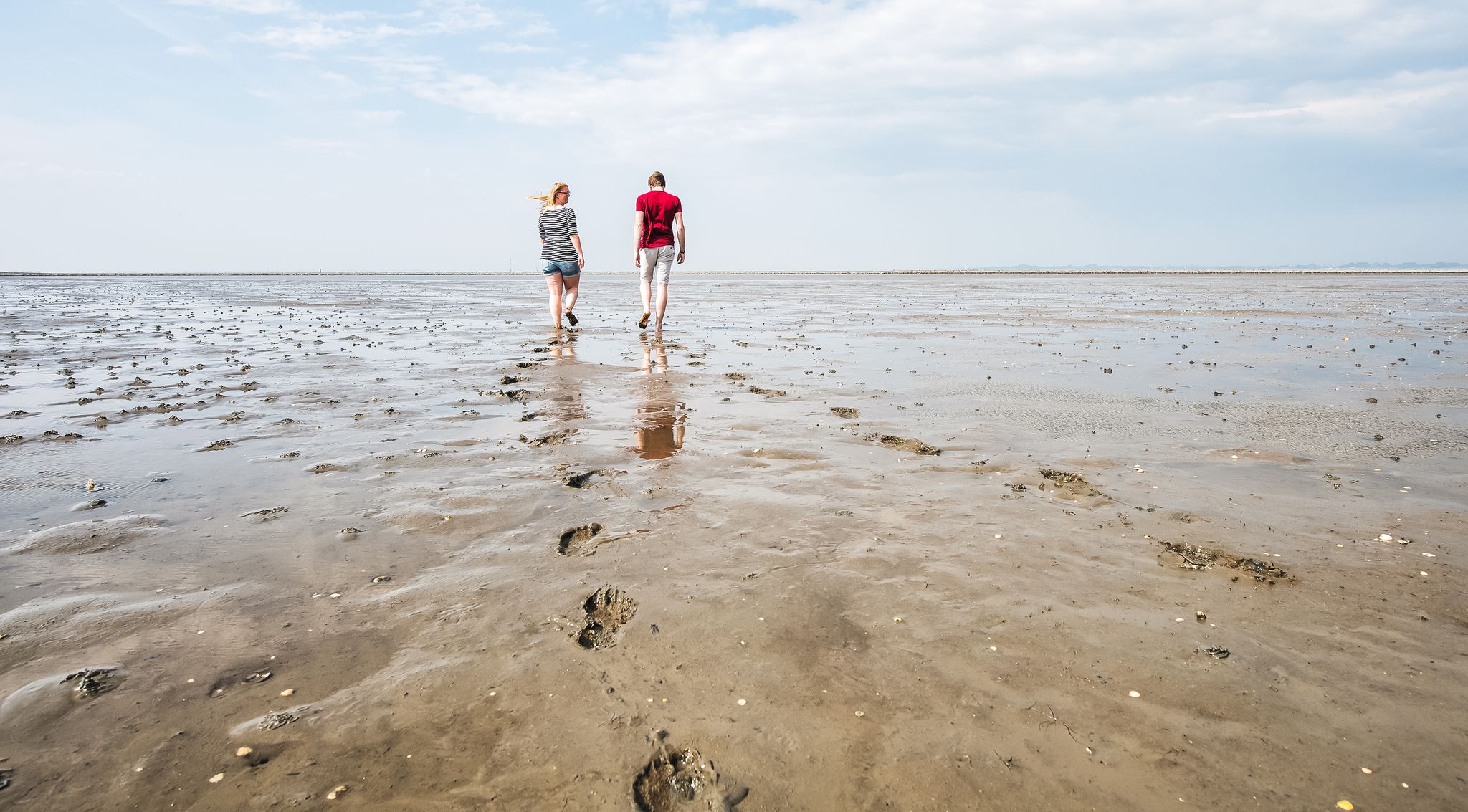
The Wadden Sea, accessible near Sande, is a UNESCO World Natural Heritage site. It's a unique intertidal zone characterized by mudflats, sand, and salt marshes, rich in biodiversity. It serves as an essential habitat for migratory birds and marine life, offering unparalleled ecological significance.
Are there hiking opportunities near the natural monuments?
Yes, there are many hiking opportunities. For example, you can find trails around the Neuenburg Primeval Forest. For more options, check out the Hiking around Sande guide, which includes routes like the 'Sander See Beach loop' and 'View of the Jade Bight – View from the Banter Seawall loop'.
Can I go cycling around the natural monuments in Sande?
Yes, cycling is a popular way to explore the area. The Douglas fir avenue Upjever offers nice bike paths through the forest. For more routes, refer to the Road Cycling Routes around Sande guide or the MTB Trails around Sande guide.
Are there family-friendly natural monuments or activities?
Many natural monuments around Sande are family-friendly. The View of the Jade Bight, Hunting lodge in the Neuenburg Primeval Forest, and Douglas fir avenue Upjever are all suitable for families. The Krickmeere Wetlands Restoration also has information boards that can be interesting for all ages.
Are the natural monuments around Sande dog-friendly?
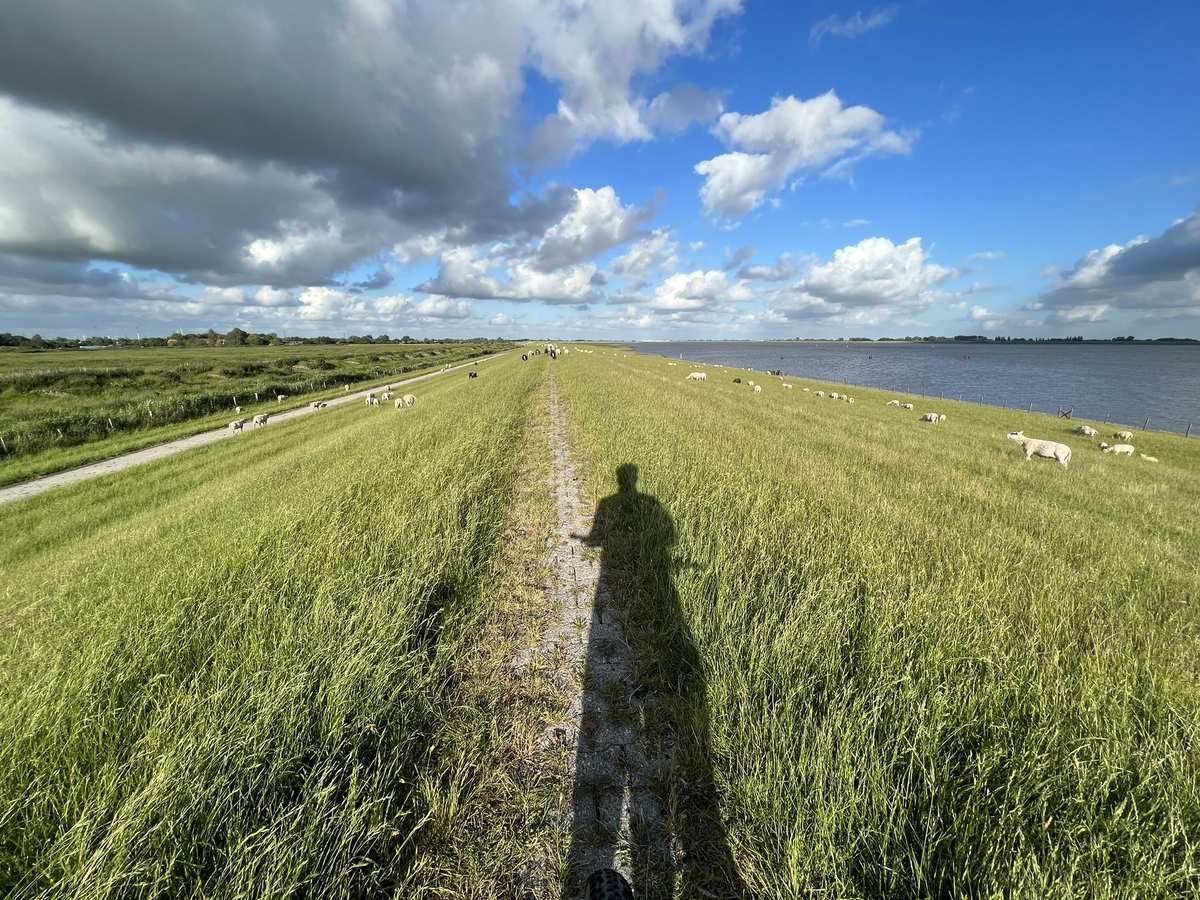
Generally, dogs are welcome on trails and in natural areas around Sande. However, it's important to keep dogs on a leash, especially in nature reserves and near livestock like the dyke sheep around the Jade Bight, to protect wildlife and ensure safety.
What is the best time of year to visit the natural monuments around Sande?
The natural monuments around Sande can be enjoyed year-round. Spring and summer are ideal for hiking and cycling, with lush greenery and active wildlife. Autumn offers beautiful foliage, while winter can provide a unique, tranquil experience, especially in the forests. The Wadden Sea's dynamic tides are a constant spectacle.
Are there any natural monuments that are wheelchair accessible?
The Friesendom Memorial in Dangast, while a man-made monument, is located in a scenic area and is noted as wheelchair accessible. For other natural monuments, accessibility can vary, so it's advisable to check specific trail conditions.
Are there any natural monuments with historical significance?
Yes, the Hunting lodge in the Neuenburg Primeval Forest is situated in a historic forest and was once home to an 850-year-old oak tree. Additionally, the Friesendom Memorial in Dangast commemorates historical events related to storm surges and the region's constant battle with the sea.
What do visitors enjoy the most about the natural monuments around Sande?
Visitors particularly appreciate the expansive views over the Wadden Sea from spots like the Jade Bight, the peaceful and scenic bike paths through forests like the Douglas fir avenue Upjever, and the opportunity to explore ancient woodlands and unique ecosystems.
Most popular attractions around Sande

Get inspired with the komoot mobile app


Explore more
Extend your search for the best caves by checking out these guides of the top ones around Sande:
