Top 20 Natural Monuments around Helgoland
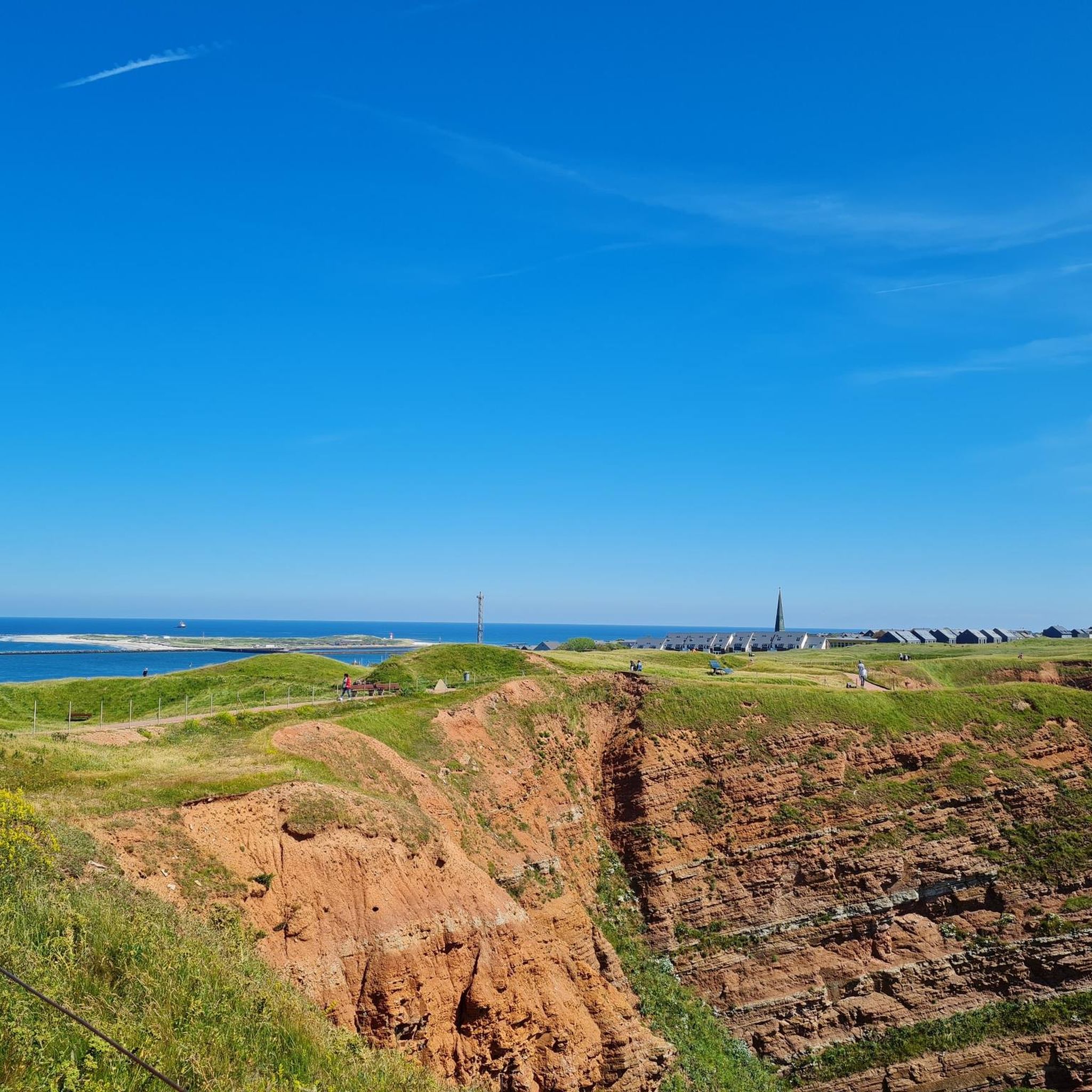
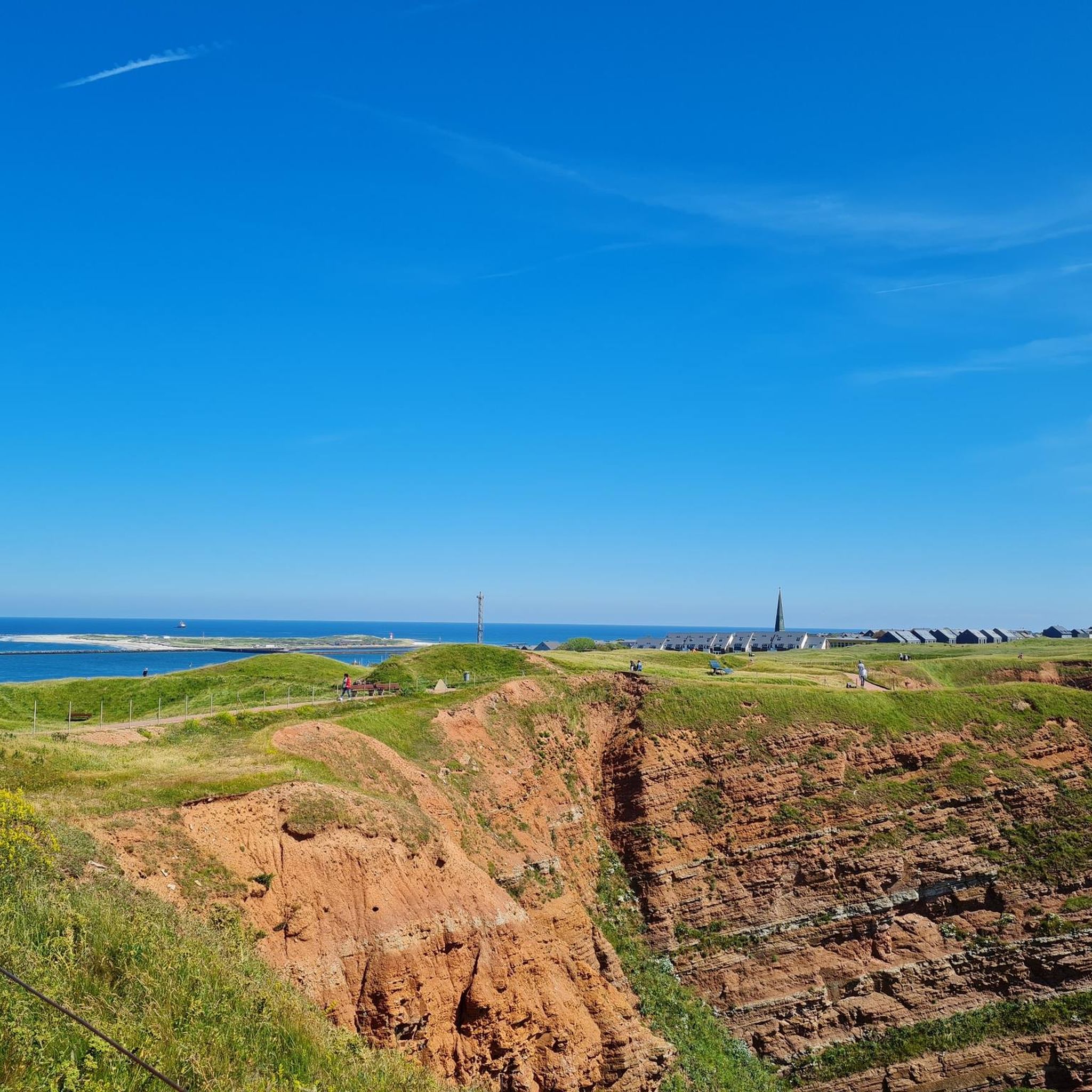
Best natural monuments around Helgoland feature a unique natural landscape on Germany's only offshore island. These sites showcase striking geological formations and diverse wildlife. The island's red sandstone cliffs and sandy beaches provide varied environments for exploration. Visitors can observe significant natural spectacles and unique ecosystems.
Best natural monuments around Helgoland
- The most popular natural monuments is Heligoland Upper Land Circular Trail, a trail that offers a fascinating natural landscape. This route provides a comprehensive view of the island's…
Last updated: August 18, 2026
Heligoland Upper Land Circular Trail
Highlight • Trail
Translated by Google •
Tip by

Heligoland
Highlight • Natural
Translated by Google •
Tip by
Sign up now to discover places like this
Get recommendations on the best single tracks, peaks, & plenty of other exciting outdoor places.
Sign up for free
Northern Gannet Colony, Lummenfelsen (Heligoland)
Highlight • Natural Monument
Translated by Google •
Tip by
Lummenfelsen (Guillemot Rock), Heligoland
Highlight • Natural Monument
Translated by Google •
Tip by
View of Lange Anna
Highlight • Natural Monument
Translated by Google •
Tip by
Sign up for free to discover even more natural monuments around Helgoland.
Sign up for free
Already have an account?
Start today with a free account
Your next adventure awaits.
Login or Signup
Popular around Helgoland
Tips from the Community

The symbol of the island of Heligoland. The little sister, the short Anna, is also very beautiful.
24
0
The symbol of the island of Heligoland. The little sister, the short Anna, is also very beautiful.
25
0
Gannets are exceptionally good fliers and divers. They also attract attention because of their size and coloration. In Germany they only breed on Heligoland and have been since 1991. These pretty seabirds can be observed there every year in their breeding colonies.
22
0
Fascinating natural landscape, exciting cultural history or just shopping - Helgoland is always worth a trip! Germany's offshore island is rich in great excursion and leisure opportunities.
31
1
The red Buntsandsteinfels in the North Sea is the only offshore island in Germany and has many peculiarities to offer.
20
0
There are hardly any predators lurking on Heligoland, but the wall that frames the west side of Heligoland for reasons of coastal protection is an insurmountable obstacle for the young guillemots. If they don't end up directly in the water but behind the wall, they need help to get to their parents.
22
0

A wonderful path that I walked several times in one afternoon. The weather changed constantly, from fog to sun. Fascinating views of the rocks and the sea, great atmosphere. Magnificent at sunset on the Lange Anna.
18
0
A truly fascinating experience to observe the gannets up close and follow their spectacle. I could have watched for hours.
9
0
Frequently Asked Questions
What makes Helgoland's natural monuments unique?
Helgoland, Germany's only offshore island, boasts a unique natural landscape. Its natural monuments feature striking red sandstone geological formations, such as the iconic Lange Anna, and are crucial breeding grounds for diverse seabirds, including guillemots and gannets. The nearby island of Düne also offers Caribbean-like sandy beaches and seal observation opportunities.
What are some of the most popular natural monuments to visit on Helgoland?
Visitors frequently explore the Heligoland Upper Land Circular Trail, which offers comprehensive views of the island's features. The View of Lange Anna is a must-see landmark, and the Lummenfelsen (Guillemot Rock) is highly popular for its seabird colonies.
What is the Lange Anna and why is it a significant natural monument?
The Lange Anna is a striking 47-meter-high red sandstone sea stack at the northern tip of Helgoland, weighing over 26,000 tons. It's an iconic symbol of the island, shaped by the North Sea, and offers fantastic views. The areas around it are also used as breeding grounds by seabirds like gannets, making it a significant natural spectacle and a popular spot for nature enthusiasts.
What can I see and do at Lummenfelsen (Guillemot Rock)?
The Lummenfelsen, or Guillemot Rock, is Germany's only bird cliff and a vital breeding ground for thousands of seabirds, including guillemots, gannets, and kittiwakes. It's a paradise for birdwatchers, offering close-up observation opportunities. In June, you can witness the spectacular 'guillemot jump' when young, flightless birds leap from the cliffs. For more information, you can visit visitacity.com.
What can I experience on the island of Düne?
Düne is a smaller, flat island near Helgoland, known for its sandy, Caribbean-like beaches and abundant wildlife. It's a prime location for observing seals, including grey seals and common seals, often at close quarters. Visitors can also witness newborn seal pups. Beyond wildlife, Düne's tranquil beaches are ideal for sunbathing and swimming.
Are there hiking trails to explore Helgoland's natural monuments?
Yes, Helgoland offers several hiking opportunities to explore its natural monuments. For instance, you can find routes like the 'Cliffs of Heligoland – Long Anna loop' which is an easy 4.2 km trail. You can discover more hiking options on the Hiking around Helgoland guide page.
What kind of wildlife can I observe around Helgoland's natural monuments?
Helgoland is a haven for wildlife. At the Lummenfelsen (Guillemot Rock) and the Northern Gannet Colony, you can observe thousands of breeding seabirds like guillemots, gannets, kittiwakes, and fulmars. On the island of Düne, you can get close to grey seals and common seals in their natural habitat.
Is Helgoland suitable for family visits?
Yes, Helgoland is very family-friendly. Many natural monuments, such as the Lummenfelsen (Guillemot Rock) and the Northern Gannet Colony, are highlighted as family-friendly. The island of Düne with its seals and beaches also offers great experiences for all ages.
When is the best time to visit Helgoland's natural monuments, especially for birdwatching?
The best time to visit Helgoland for birdwatching, particularly to see the breeding seabirds at Lummenfelsen, is from May to July. June is especially spectacular for witnessing the 'guillemot jump'. Generally, the warmer months offer pleasant conditions for exploring the island's natural beauty.
Are there good viewpoints for observing Helgoland's natural landmarks?
Absolutely. The Heligoland Upper Land Circular Trail and the View of Lange Anna are excellent viewpoints offering panoramic vistas of the sea stack and the North Sea. The Klippenrandweg (cliff-edge path) around Lummenfelsen also provides various spots for observing the vibrant birdlife.
How can I get to the island of Düne from Helgoland's main island?
The island of Düne is located about one kilometer from Helgoland's main island and is easily accessible by ferry. These ferries run regularly, making it convenient for visitors to enjoy Düne's unique landscape, beaches, and seal banks.
What outdoor activities can I do near Helgoland's natural monuments?
Besides exploring the natural monuments, you can enjoy various outdoor activities. There are numerous hiking trails, including easy and moderate options, such as the 'Seal Viewing Dune – Seal Beach loop'. For runners, there are dedicated running trails like the 'Lange Anna Sea Stack – View of the Helgoland Lighthouse loop'. More details can be found on the Hiking around Helgoland and Running Trails around Helgoland guide pages.
Most popular routes around Helgoland
Most popular attractions around Helgoland

Get inspired with the komoot mobile app


Explore more
Extend your search for the best caves by checking out these guides of the top ones around Helgoland:
