Top 20 Natural Monuments around Feuerscheid
Best natural monuments around Feuerscheid are found within the Eifel region, which borders Luxembourg. This area is characterized by diverse geological features, including ancient rock formations and deep gorges. The landscape offers a blend of forests, valleys, and unique natural landmarks. Visitors can explore a variety of natural features that showcase the region's geological history and biodiversity.
Best natural monuments around Feuerscheid
- The most popular natural monuments is Mariensäule Waxweiler, a man_made_monument that offers impressive views of Waxweiler. This…
Last updated: June 24, 2026
Mariensäule Waxweiler
Highlight • Monument
Translated by Google •
Tip by

Wild Garlic Fields in Naturpark Hohes Venn-Eifel
Highlight • Forest
We were just amazed at the wild garlic blossom, now it really knocks us off the pedestal: …
Translated by Google •
Tip by

Sign up now to discover places like this
Get recommendations on the best single tracks, peaks, & plenty of other exciting outdoor places.
Sign up for free
Hohl-Ley Cave
Highlight • Cave
Translated by Google •
Tip by

Krausbuche (Süntelbuche) near Fleringen
Highlight • Natural Monument
Translated by Google •
Tip by

Dolomite Cliffs in the Schönecker Schweiz
Highlight • Natural Monument
Translated by Google •
Tip by

Sign up for free to discover even more natural monuments around Feuerscheid.
Sign up for free
Already have an account?
Start today with a free account
Your next adventure awaits.
Login or Signup
Tips from the Community

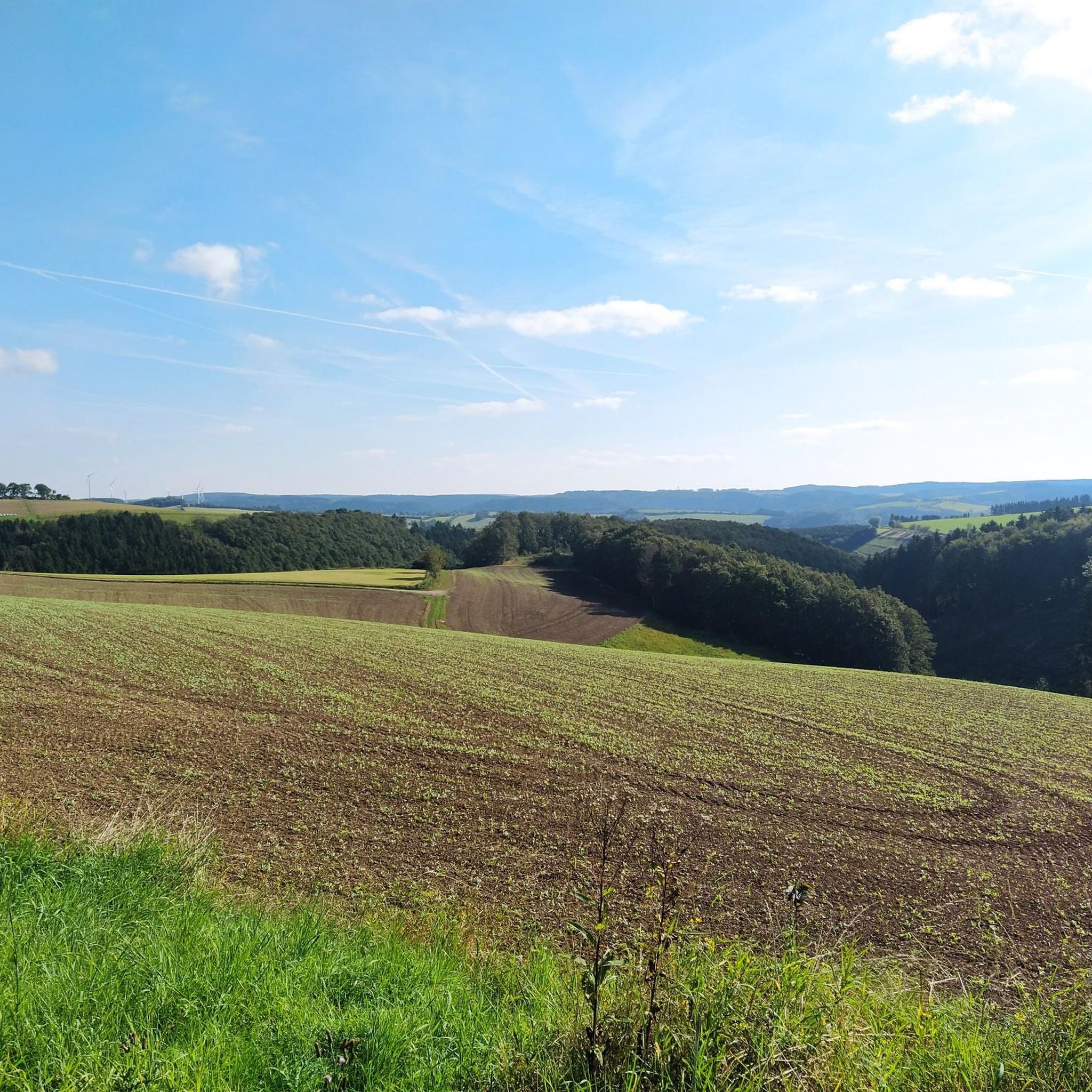
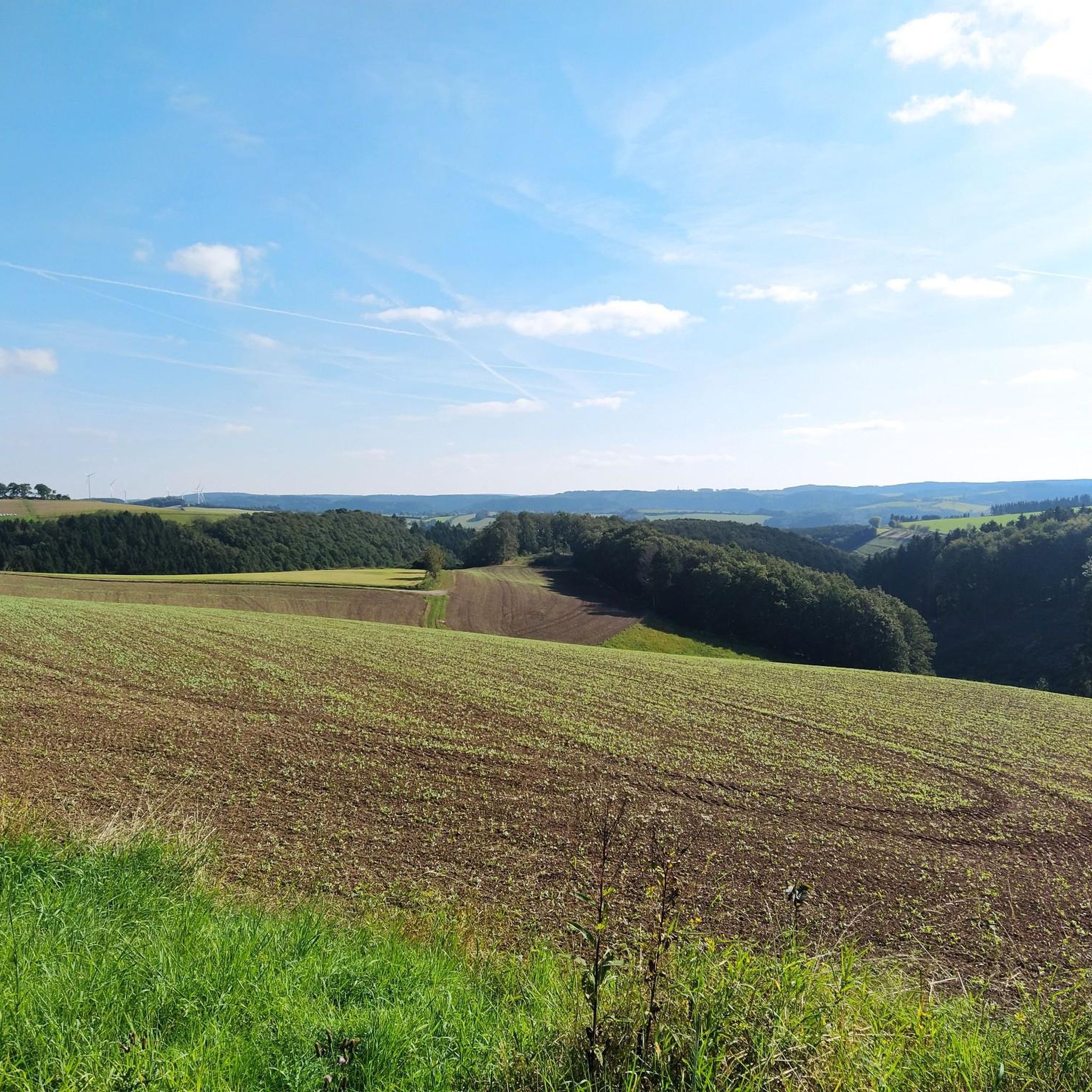
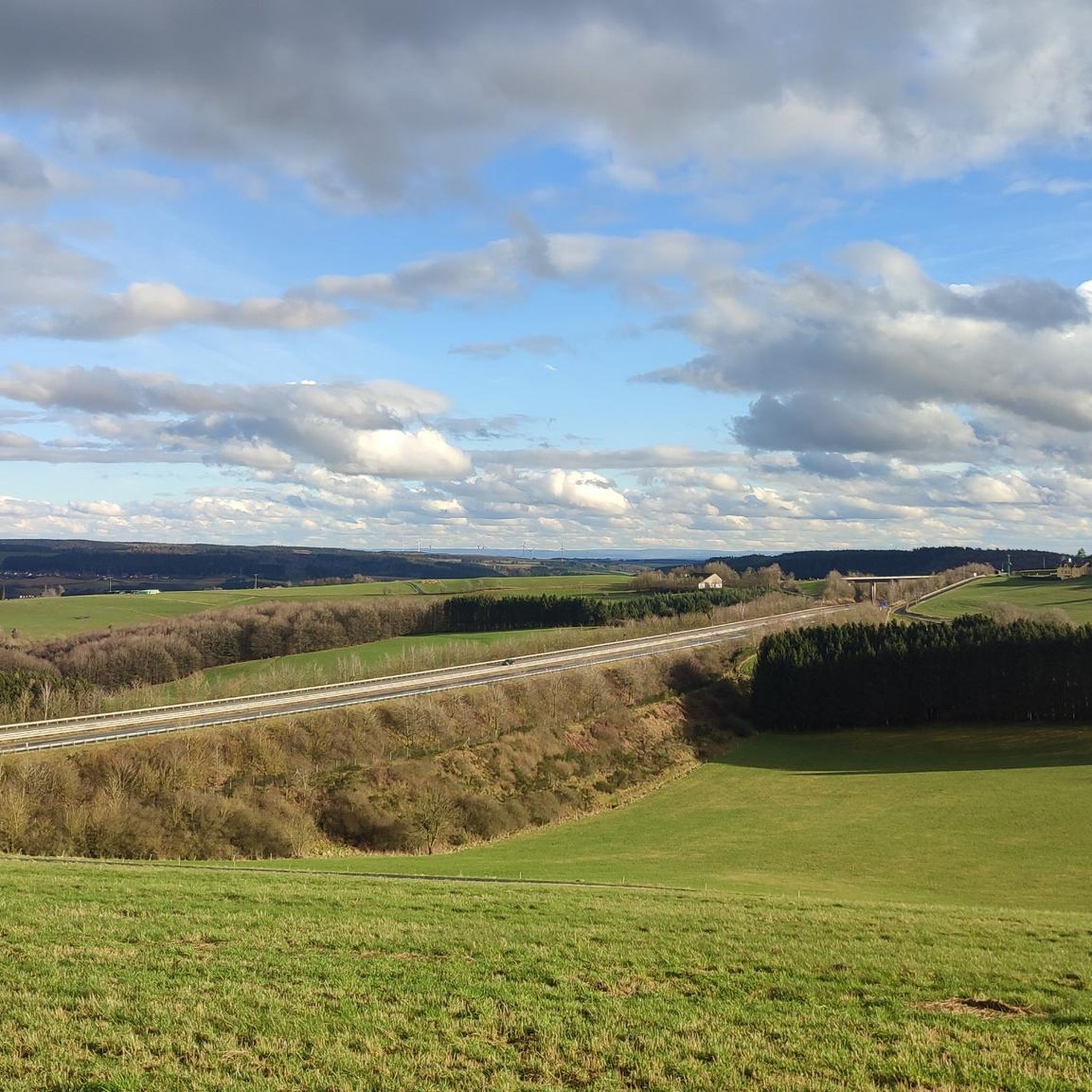
Wild garlic as far as the eye can see. But be careful: in nature reserves, special regulations apply to wild garlic, which you should inquire about. You can usually take a handful of leaves for your own use. That way, you can look forward to your next walk or next spring, right?
0
0

I would recommend just reading the information board and not climbing up to the rock with the small caves. You can catch a glimpse of the barred cave entrances, but that's all.
3
0

The scent of wild garlic accompanies you permanently
0
0

The Hohl-Ley Caves, the gateway to the underworld, as the informative sign on site calls these bat caves and informs about the biodiversity that is found there. The climb is steep, and the cave entrances have a grille to protect the animals. Still, it's worth taking a look inside.
2
0

In season it smells wonderfully of wild garlic
0
0

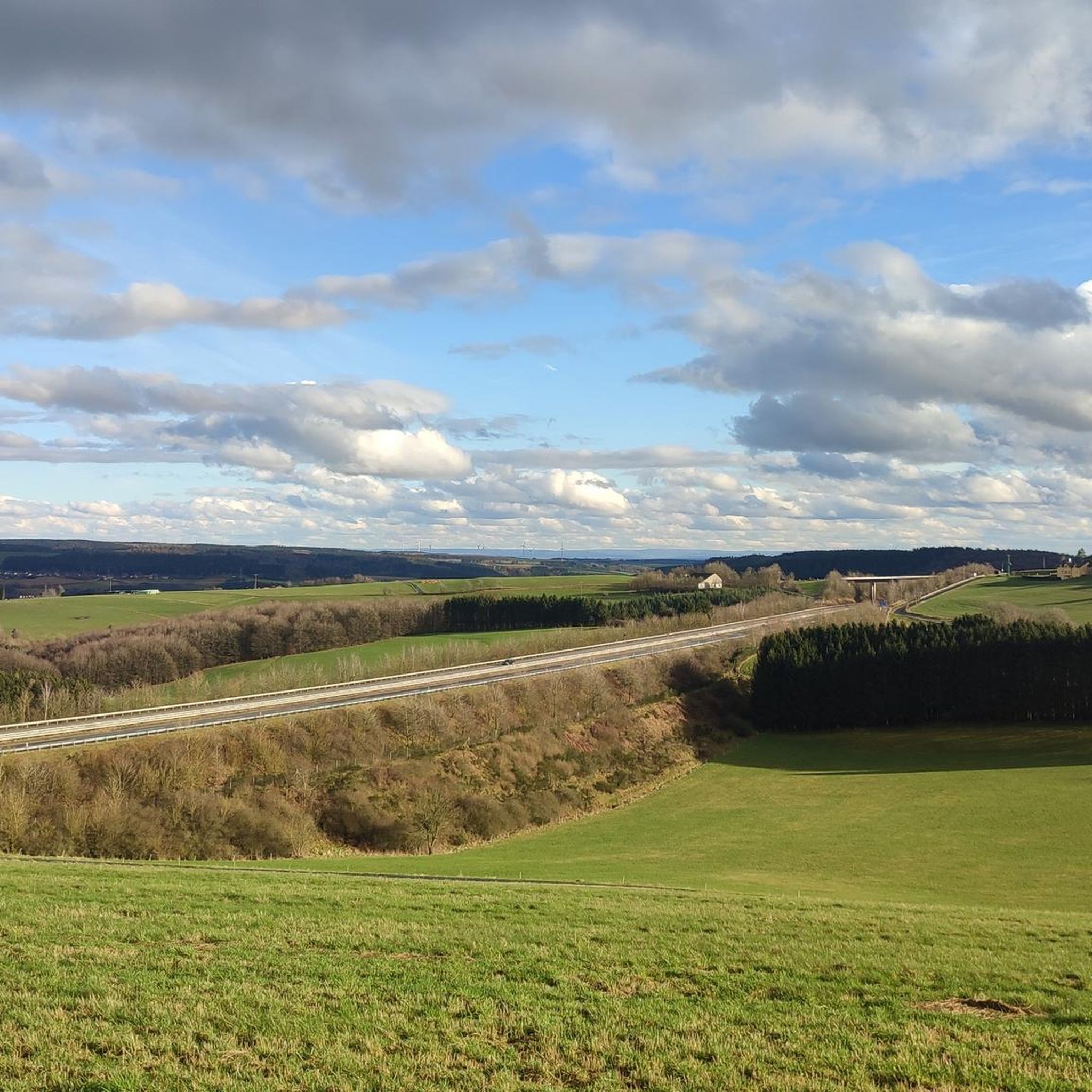
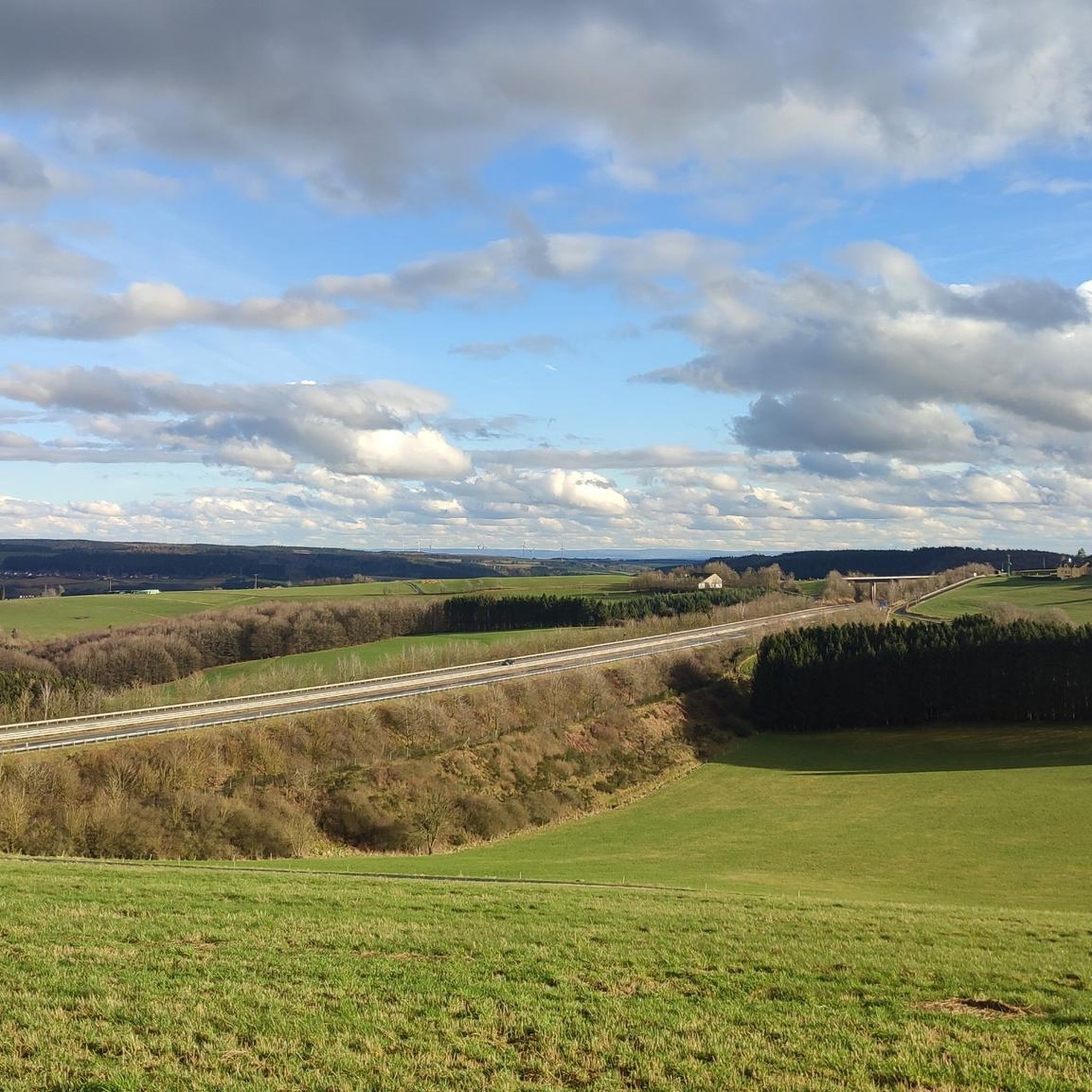
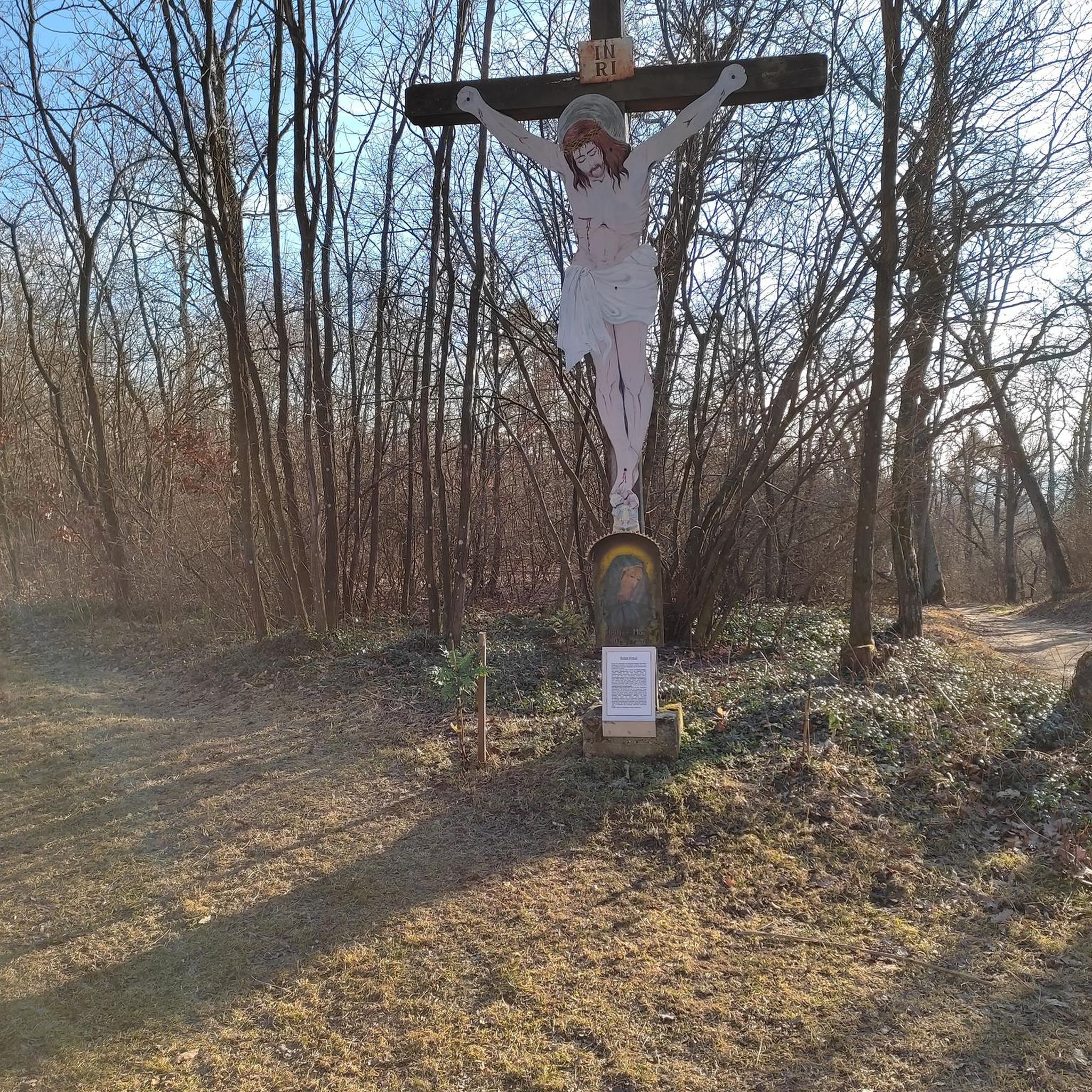
The memorial with its many thank you plaques is always a popular place of worship. Every year on a May Sunday there is a procession from the parish church to the Marian column. In 1998 the parish community celebrated the 50th anniversary of the Marian Column with several hundred believers. In recent years, the taller trees have increasingly blocked the view of the Marian Column. In 2004, the Board of Trustees of today's Gerhard Faber Foundation took on the task of redesigning the entire complex. In cooperation with the local population, the square around the Marian Column was completely renovated. Source: https://www.naturpark-suedeifel.de/a-mariensaeule
5
0

From here the wild garlic starts...in April and May you can find wild garlic as far as the eye can see
0
0

Just nice to hike here
2
0
Frequently Asked Questions
What are some unique natural monuments to explore near Feuerscheid?
Near Feuerscheid, you can discover several unique natural monuments. The Hohl-Ley Cave is a fascinating cave system known for sheltering bats and cross spiders, offering a glimpse into a hidden underground world. Another geological marvel is the Dolomite Wall – Felsenmeer Am Walbert, which features impressive rock formations and fossilized evidence of ancient marine life from the Devon Age. For a botanical rarity, visit the Krausbuche (Süntelbuche) near Fleringen, a unique curly beech tree.
Are there any natural monuments with historical significance around Feuerscheid?
Yes, the Mariensäule Waxweiler, while a man-made monument dedicated to the Virgin Mary, is also considered a natural monument due to its prominent location and the impressive views it offers of Waxweiler. It holds historical significance as a pilgrimage site and was built in gratitude for the town's preservation during WWII.
What kind of natural features can I expect to see in the Eifel region near Feuerscheid?
The Eifel region around Feuerscheid is characterized by diverse geological features. You can expect to see ancient rock formations, deep gorges, and extensive forest areas. Highlights include the dramatic sandstone formations of the Teufelsschlucht (Devil's Gorge) with its narrow crevices and towering rock walls, and the unique geological landscapes of the Natur- & Geopark Mëllerdall, often called 'Luxembourg's Little Switzerland,' known for its spectacular sandstone and dolomite rock formations.
Are there family-friendly natural attractions near Feuerscheid?
Absolutely! Many natural monuments in the area are suitable for families. The Wild Garlic Fields in Naturpark Hohes Venn-Eifel offer a beautiful and fragrant experience, especially in spring. The Krausbuche (Süntelbuche) near Fleringen is also a great spot for a family picnic. Additionally, the Teufelsschlucht area has a nearby Dinosaurierpark, which is an added attraction for families interested in Earth's prehistory.
What outdoor activities can I do near the natural monuments around Feuerscheid?
The region offers a variety of outdoor activities. Hiking is very popular, with numerous trails weaving through the natural landscapes. For example, the Teufelsschlucht provides a labyrinth of hiking trails, including the 17-kilometer 'Felsenweg 6' and shorter circular routes. The Mullerthal Trail in the Natur- & Geopark Mëllerdall is another excellent option for hikers. You can also find cycling routes, such as those listed in the Cycling around Feuerscheid guide, and running trails, detailed in the Running Trails around Feuerscheid guide.
Where can I find impressive viewpoints among the natural monuments?
Several natural monuments offer impressive viewpoints. The Mariensäule Waxweiler provides a great view of Waxweiler. The Dolomite Wall – Felsenmeer Am Walbert also serves as an excellent viewpoint to appreciate the unique rock formations. The Teufelsschlucht area features trails that offer breathtaking views as they weave through steep cliffs and deep ravines.
What is the best time to visit the natural monuments around Feuerscheid?
The best time to visit depends on your interests. Spring (April-May) is ideal for seeing the Wild Garlic Fields in Naturpark Hohes Venn-Eifel in full bloom. Summer offers pleasant weather for hiking and exploring the gorges and rock formations. Autumn brings beautiful foliage to the forest areas. Note that for the Hohl-Ley Cave, bat protection measures prohibit entry from October 1st to March 31st.
Are there any natural monuments that are part of a larger nature park?
Yes, the Teufelsschlucht (Devil's Gorge) is part of the Southern Eifel Nature Park. Additionally, the Natur- & Geopark Mëllerdall, located nearby in eastern Luxembourg, is a UNESCO Global Geopark, recognized for its geological heritage and diverse scenery, including spectacular sandstone and dolomite rock formations.
What geological history is evident in the natural monuments of this region?
The natural monuments around Feuerscheid reveal a rich geological history. The Teufelsschlucht, for instance, was formed towards the end of the last Ice Age by frost and thaw periods, exposing an ancient seabed that solidified over 190 million years ago. The Dolomite Wall – Felsenmeer Am Walbert showcases fossilized evidence of diverse marine life from the Devon Age, when the area was part of the Rheic Ocean. The Mëllerdall Nature & Geopark's impressive rock formations were sculpted over millions of years by rivers that replaced an ancient sea.
What do visitors particularly enjoy about the natural monuments around Feuerscheid?
Visitors frequently praise the impressive views, unique geological formations, and the tranquil atmosphere. The Mariensäule Waxweiler is appreciated for its panoramic outlook. The Wild Garlic Fields are loved for their beauty and 'olfactory treat.' The Dolomite Wall – Felsenmeer Am Walbert is noted for its 'very beautiful rock formations' and being a 'worthwhile photo opportunity.' The overall appeal lies in the opportunity to immerse oneself in nature and discover ancient landscapes.
Can I find information about hiking trails that connect to these natural monuments?
Yes, the natural monuments are often integrated into hiking networks. The Teufelsschlucht area offers a labyrinth of trails, including the 17-kilometer 'Felsenweg 6' and shorter circular routes. The 'Teuflische Acht' hiking route connects the gorge with the Irreler Wasserfälle. In the Natur- & Geopark Mëllerdall, the 112-km Mullerthal Trail is divided into three routes, showcasing varied landscapes and rock formations. You can find more hiking options in the Natural Monuments around Feuerscheid guide.
Are there any specific natural monuments known for unique flora or fauna?
Yes, the Wild Garlic Fields in Naturpark Hohes Venn-Eifel are a prime example of unique flora, with vast expanses of blooming wild garlic, including rare red-violet varieties. The Hohl-Ley Cave is known for sheltering bats and cross spiders, especially during winter. The Mëllerdall Nature & Geopark is also home to unique fern and moss flora due to its specific geological conditions.
Most popular routes around Feuerscheid
Most popular attractions around Feuerscheid

Get inspired with the komoot mobile app


Explore more
Extend your search for the best caves by checking out these guides of the top ones around Feuerscheid:
