Top 20 Natural Monuments around Schnabelwaid
Natural monuments around Schnabelwaid offer diverse natural landscapes within the picturesque Franconian Switzerland region. The area is characterized by verdant hills, forests, and unique geological formations. These natural features provide opportunities for outdoor exploration and are easily accessible from the municipality. The region's natural heritage includes significant caves, river sources, and striking rock formations.
Best natural monuments around Schnabelwaid
- The most popular natural monuments is The beautiful Upper Püttlach Valley, a gorge that features a narrow path through the…
Last updated: June 24, 2026
Upper Püttlach Valley
Highlight • Gorge
Translated by Google •
Tip by

Hohe Nase Climbing Wall
Highlight • Climb
Translated by Google •
Tip by

Sign up now to discover places like this
Get recommendations on the best single tracks, peaks, & plenty of other exciting outdoor places.
Sign up for free
Viertelstein Rock Formation near Mistelbach
Highlight • Natural Monument
Translated by Google •
Tip by

Rotmain Spring
Highlight • River
Translated by Google •
Tip by

The beautiful Upper Püttlach Valley
Highlight (Segment) • Gorge
Translated by Google •
Tip by

Sign up for free to discover even more natural monuments around Schnabelwaid.
Sign up for free
Already have an account?
Start today with a free account
Your next adventure awaits.
Login or Signup

Tips from the Community

Like most river sources, it's rather unspectacular, but if you're planning to cycle the Main cycle path anyway...
2
0

Hard to believe that this will become the Main
2
0

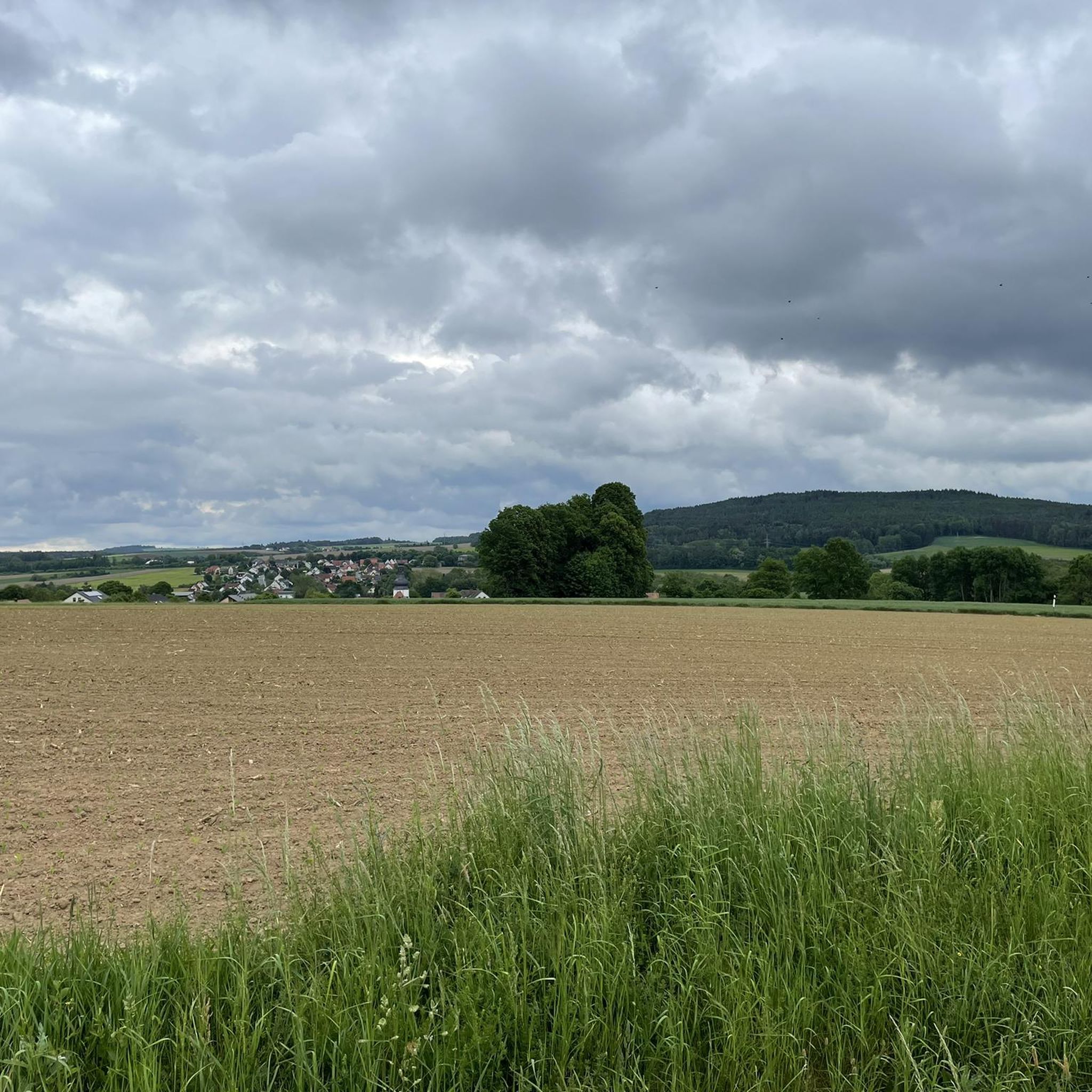
Near the center of Mistelbach there are several rock formations made of Rätholias sandstone, including the Viertelstein, which stands in the middle of a field.
15
0

The Rotmainquelle, beautifully situated and beautifully framed.
2
0

Impressive rock formation on the hiking trail to the right of the Püttlach towards Pottenstein
2
0

I think the source is beautifully prepared and does credit to the Main. Compared to other river sources, such as the Lahn, one source can be clearly seen here. No one can say exactly which rivulets that flow together somewhere eventually form the Main. Thank God it was set that way in the past and that's a good thing.
4
0

Not accessible as it is in a field.
2
1

The source of the Rotmain is located about ten kilometers south of Bayreuth, at an altitude of 581 m above sea level. NN, near Hörlasreuth, in the unincorporated area Lindenhardter Forst-Südost. The source is in the forest area of the same name, Lindenhardter Forst, on the southern slope of the Tannenberg (596 m). Although the Red Main is a few kilometers longer than the White Main, the White Main spring, which usually pours more heavily, is considered to be the Main spring. The Rotmainquelle was set in stone in 1907, from where the water flows out through a narrow wooden pipe. The headwaters are in the Franconian Switzerland-Veldenstein Forest Nature Park. It belongs geologically to the Brown Jura. The river gets its name from the boggy-red subsoil and the sediment it carries, which makes it appear reddish. Source: Wikipedia
3
0
Frequently Asked Questions
What are some of the most impressive natural monuments near Schnabelwaid?
Beyond the immediate area, you'll find remarkable natural monuments like the Upper Püttlach Valley, known for its romantic path alongside the Püttlach river. Other significant sites include the Sophienhöhle, an exquisite dripstone cave, and the Binghöhle, Germany's longest dripstone gallery cave, both offering unique underground experiences. The Rotmain Spring, the source of the Red Main river, is also a notable landmark.
What unique geological formations can be found around Schnabelwaid?
The region is rich in geological wonders. You can explore impressive rock formations like the Hohe Nase Climbing Wall in the Püttlachtal, a 35-meter high rock face. The Viertelstein Rock Formation near Mistelbach is another striking example, showcasing unique honeycomb weathering on its sandstone surface. Additionally, the Sophienhöhle and Binghöhle caves feature breathtaking stalagmites, stalactites, and sinter formations.
Are there hiking trails near these natural monuments?
Yes, the area offers numerous hiking opportunities. For instance, you can find various trails around the Rotmain Spring in the Lindenhardt Forest. Komoot offers a dedicated guide for Hiking around Schnabelwaid, featuring routes like the 'Craimoosweiher Lake loop' and the 'Bühl Castle – Upper Rotmain Valley Nature Trail loop'.
What outdoor activities can I do near these natural monuments?
Besides hiking, the region is excellent for cycling and gravel biking. The Rotmain Spring is a key starting point for the Main Cycle Path. You can find routes for Gravel biking around Schnabelwaid and Cycling around Schnabelwaid, including routes that pass by natural features like the 'Great Lochstein'.
Are there family-friendly natural monuments suitable for children?
Absolutely. The Upper Püttlach Valley is noted as a beautiful and easy hike suitable for children. The Binghöhle cave is also considered family-friendly, even allowing dogs on a leash, and provides a cool escape on hot days. The Viertelstein Rock Formation near Mistelbach is also accessible for families.
Can I visit these natural monuments with my dog?
Yes, the Binghöhle cave near Streitberg is known for being dog-friendly, permitting dogs on a leash during visits. Many outdoor trails and natural areas, such as those around the Upper Püttlach Valley and the Rotmain Spring, are also suitable for walks with dogs, though leash rules should always be observed.
When is the best time of year to visit the natural monuments around Schnabelwaid?
The natural monuments can be enjoyed throughout the year. Spring and autumn offer pleasant temperatures for hiking and cycling, with vibrant foliage or blooming nature. Summer provides a cool respite in the caves like Sophienhöhle and Binghöhle. Even winter can be beautiful for crisp walks, though some paths might be challenging depending on snow and ice conditions.
Are there any accessible natural monuments for visitors with limited mobility?
While many natural monuments in the region involve trails and uneven terrain, some areas might offer better accessibility. For specific information on accessibility for individual sites like the Sophienhöhle or Binghöhle, it's recommended to check their official websites or contact them directly for details on pathways and facilities.
What makes the Sophienhöhle cave a special natural monument?
The Sophienhöhle, near Burg Rabenstein, is renowned as one of Germany's most exquisite active dripstone caves. It features breathtaking stalagmites, including the 'Millionär,' and stalactites up to three meters long. Beyond its stunning formations, it holds significant paleontological importance, housing one of the most complete cave bear skeletons globally and archaeological discoveries from prehistoric times.
What is unique about the Binghöhle cave?
The Binghöhle, located near Streitberg, is celebrated as Germany's longest dripstone gallery cave, carved by a former underground river. It showcases striking limestone banks, delicate sinter formations, and calcite crystals, with a notable 'Crystal Grotto.' It also gained scientific fame for the discovery of ancient Bathynella crustaceans in an underground lake.
What is the significance of the Rotmain Spring?
The Rotmain Spring is the source of the Red Main river, located in the Lindenhardt Forest. Its name comes from the reddish sediments that give its waters a unique hue. It's an important natural landmark and serves as a key starting point for cyclists embarking on the Main Cycle Path, offering peaceful hiking routes from Schnabelwaid.
Are there any natural monuments that offer good viewpoints?
Yes, several natural monuments provide excellent views. The Hohe Nase Climbing Wall, while primarily a climbing spot, offers impressive perspectives of the Püttlachtal. The Viertelstein Rock Formation near Mistelbach is also situated in a way that allows for scenic views of the surrounding landscape.
Most popular routes around Schnabelwaid
Most popular attractions around Schnabelwaid

Get inspired with the komoot mobile app


Explore more
Extend your search for the best caves by checking out these guides of the top ones around Schnabelwaid:
