Top 20 Natural Monuments around Gnarrenburg
Best natural monuments around Gnarrenburg feature a landscape shaped by glacial erratics, diverse forests, and significant moorlands. The region is characterized by its natural beauty, offering insights into its geological past. Situated between the Wümme and Oste rivers, it provides a variety of natural settings for exploration. These sites are notable for their ecological value and the tranquil recreational opportunities they offer.
Best natural monuments around Gnarrenburg
- The most popular natural monuments is Franzhorn Forest, a forest area known…
Last updated: October 11, 2026
Vörder Lake and Nature & Adventure Park Bremervörde
Highlight • Lake
Translated by Google •
Tip by

Teufelsmoor Village and Nature Trail
Highlight • Trail
Translated by Google •
Tip by

Sign up now to discover places like this
Get recommendations on the best single tracks, peaks, & plenty of other exciting outdoor places.
Huvenhoopsmoor Viewing Tower
Highlight • Viewpoint
Translated by Google •
Tip by

Franzhorn Forest
Highlight • Forest
Translated by Google •
Tip by

Mergelkuhle Pond
Highlight • Lake
Translated by Google •
Tip by

Sign up for free to discover even more natural monuments around Gnarrenburg.
Already have an account?
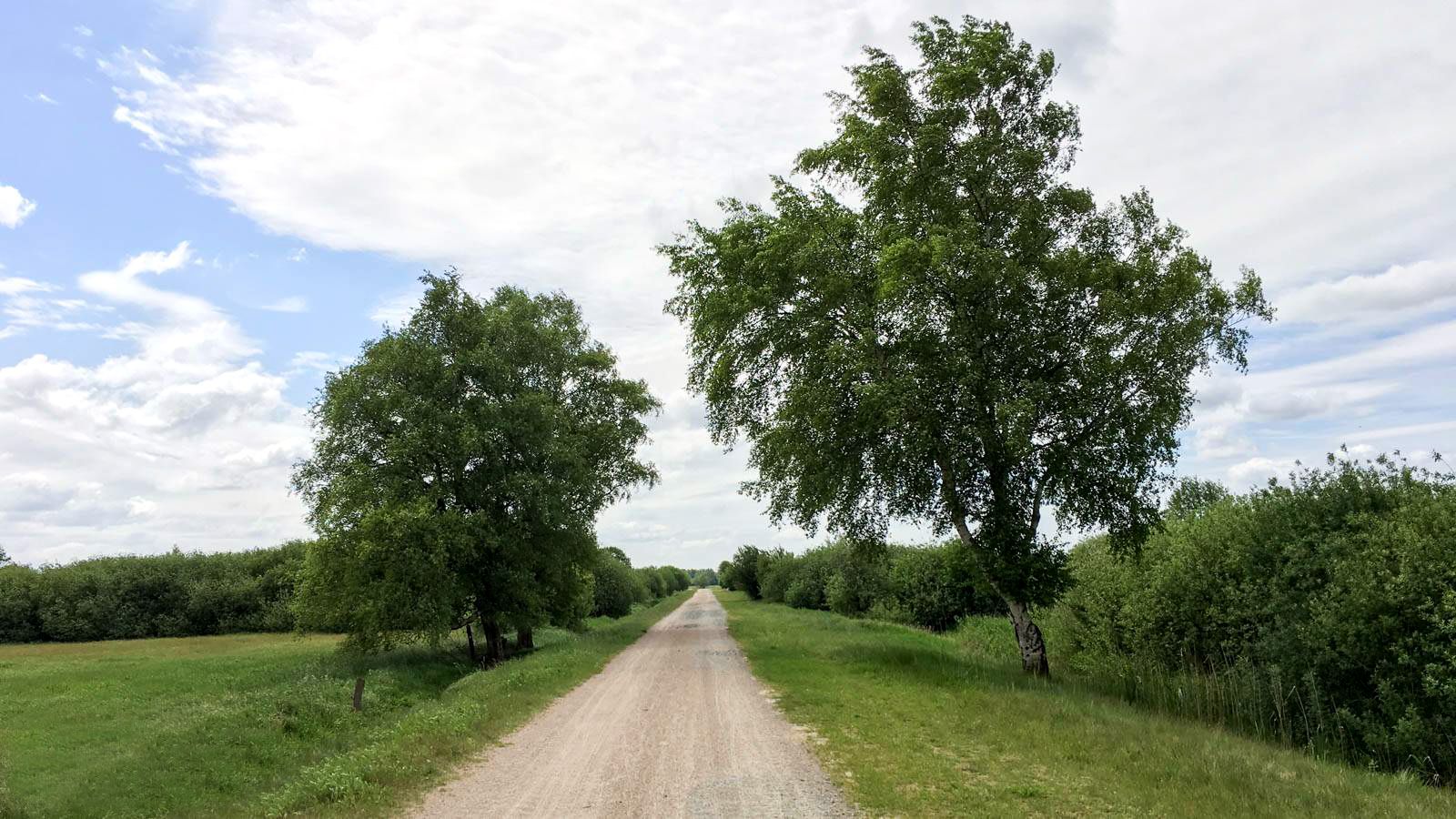
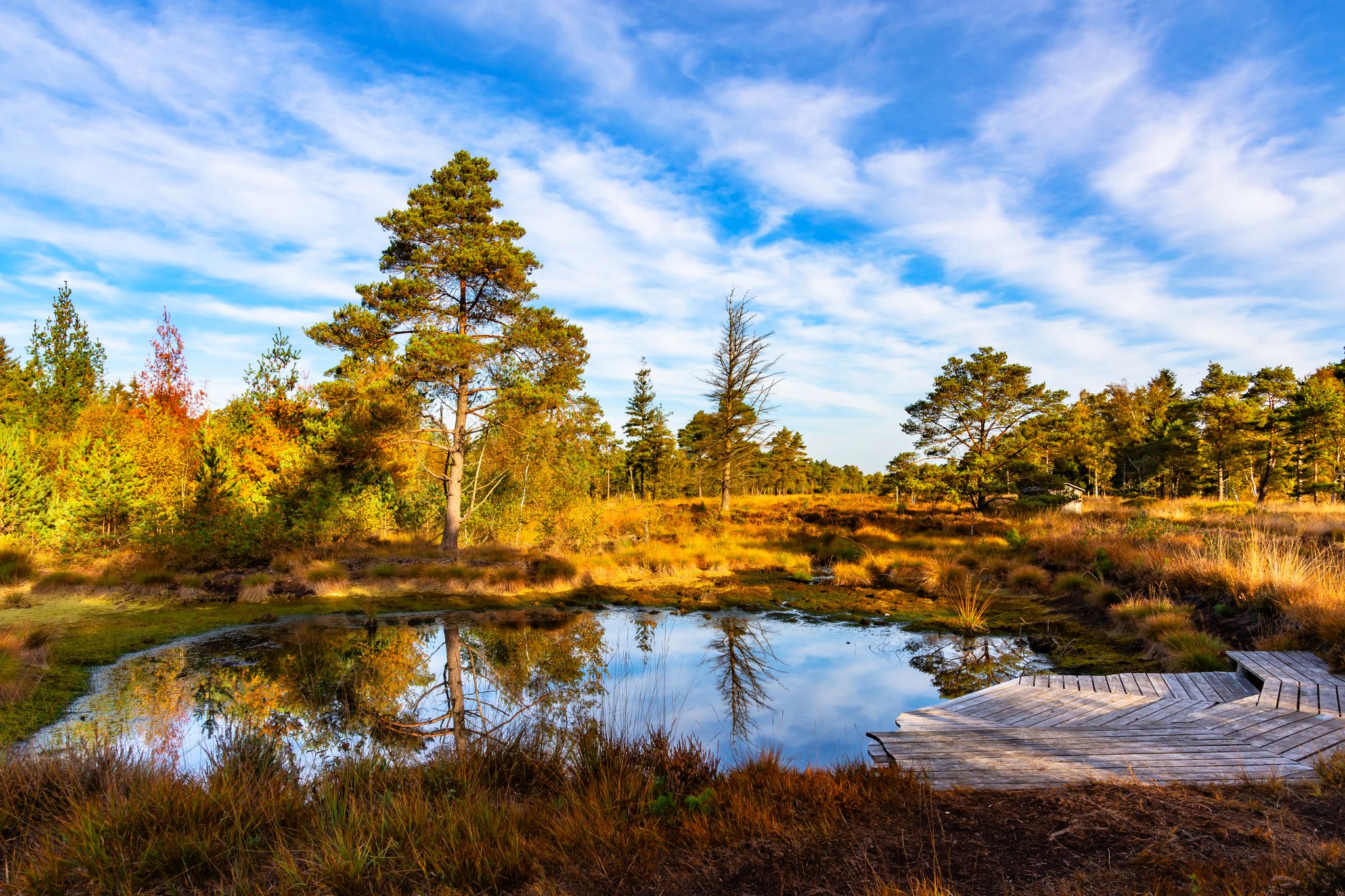
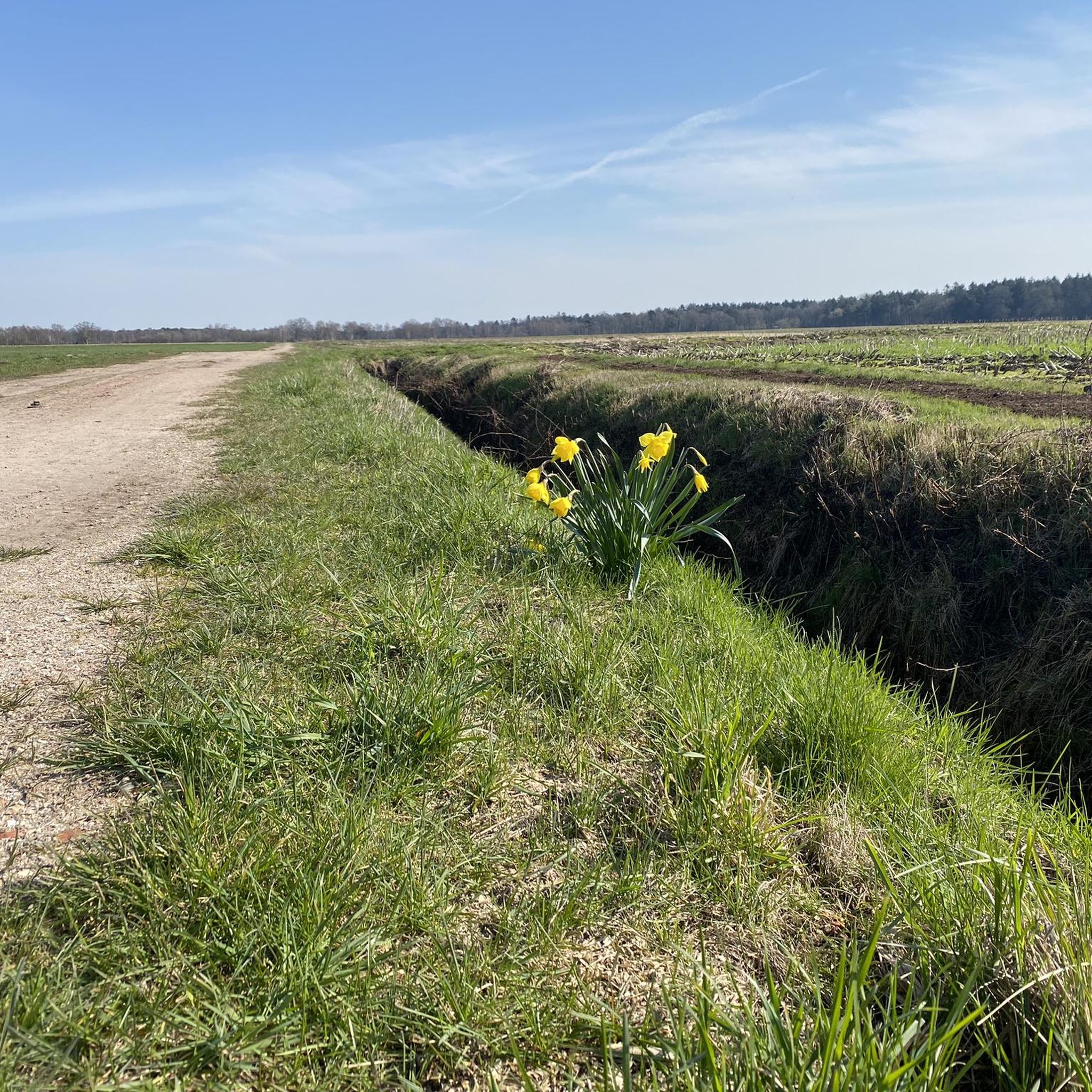
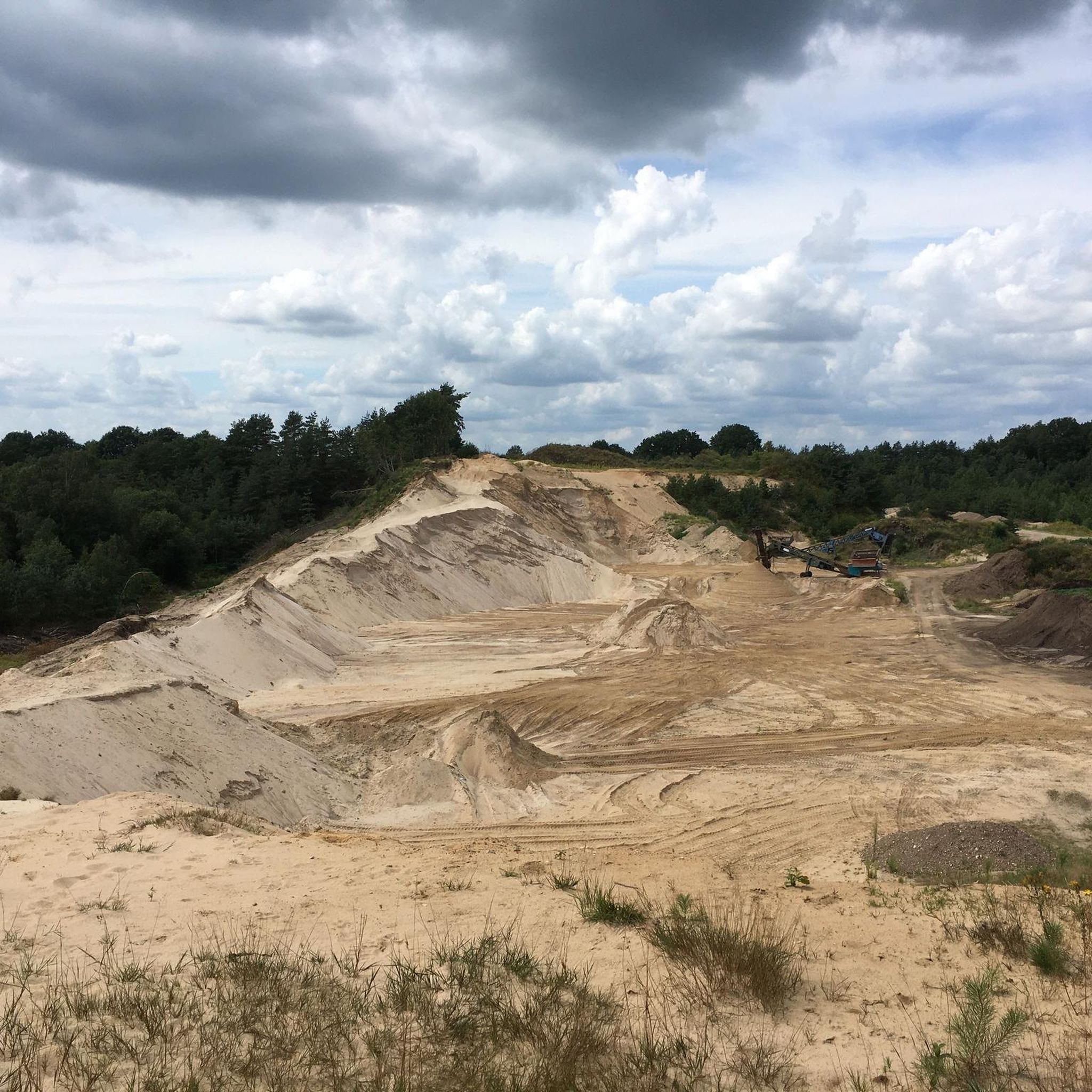
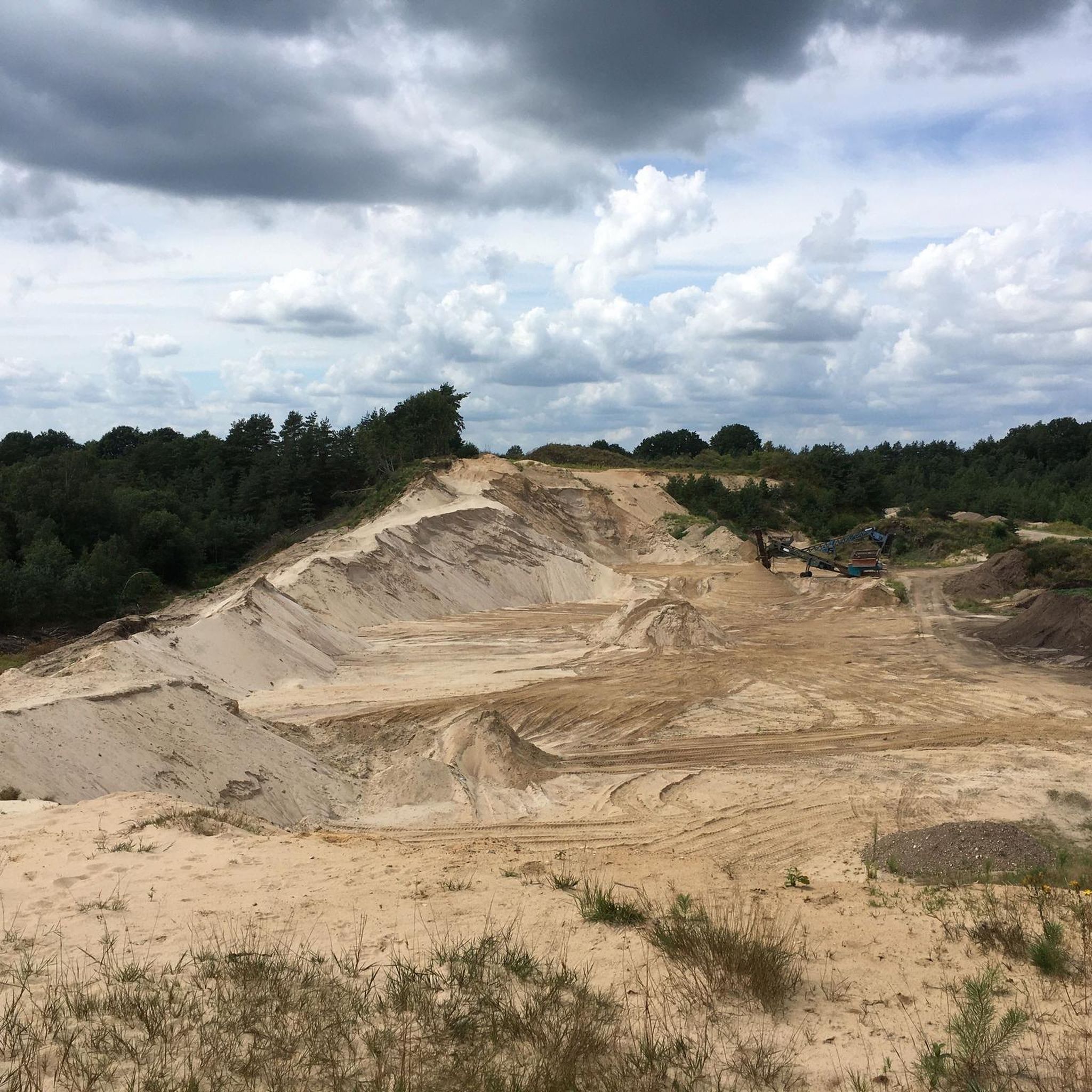
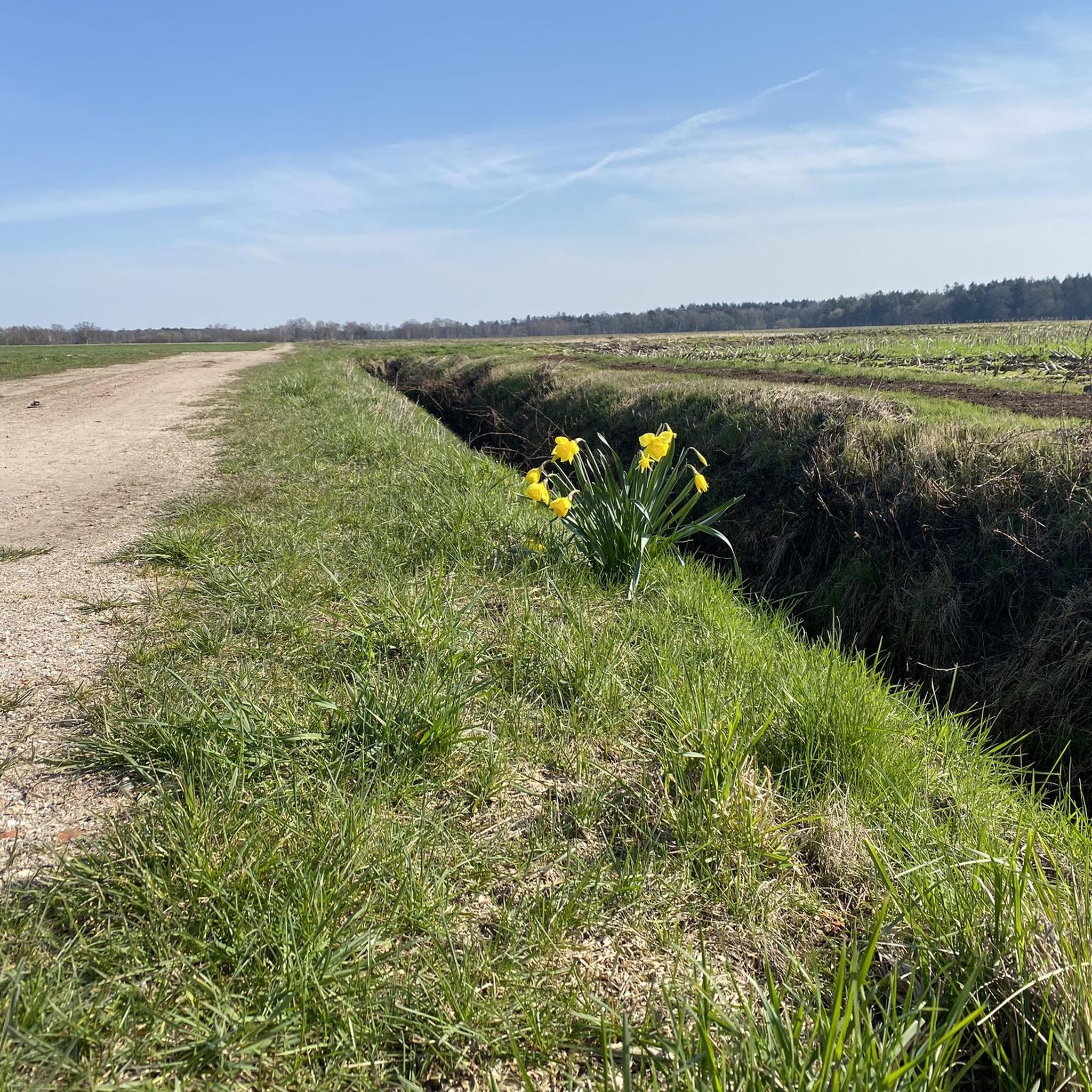
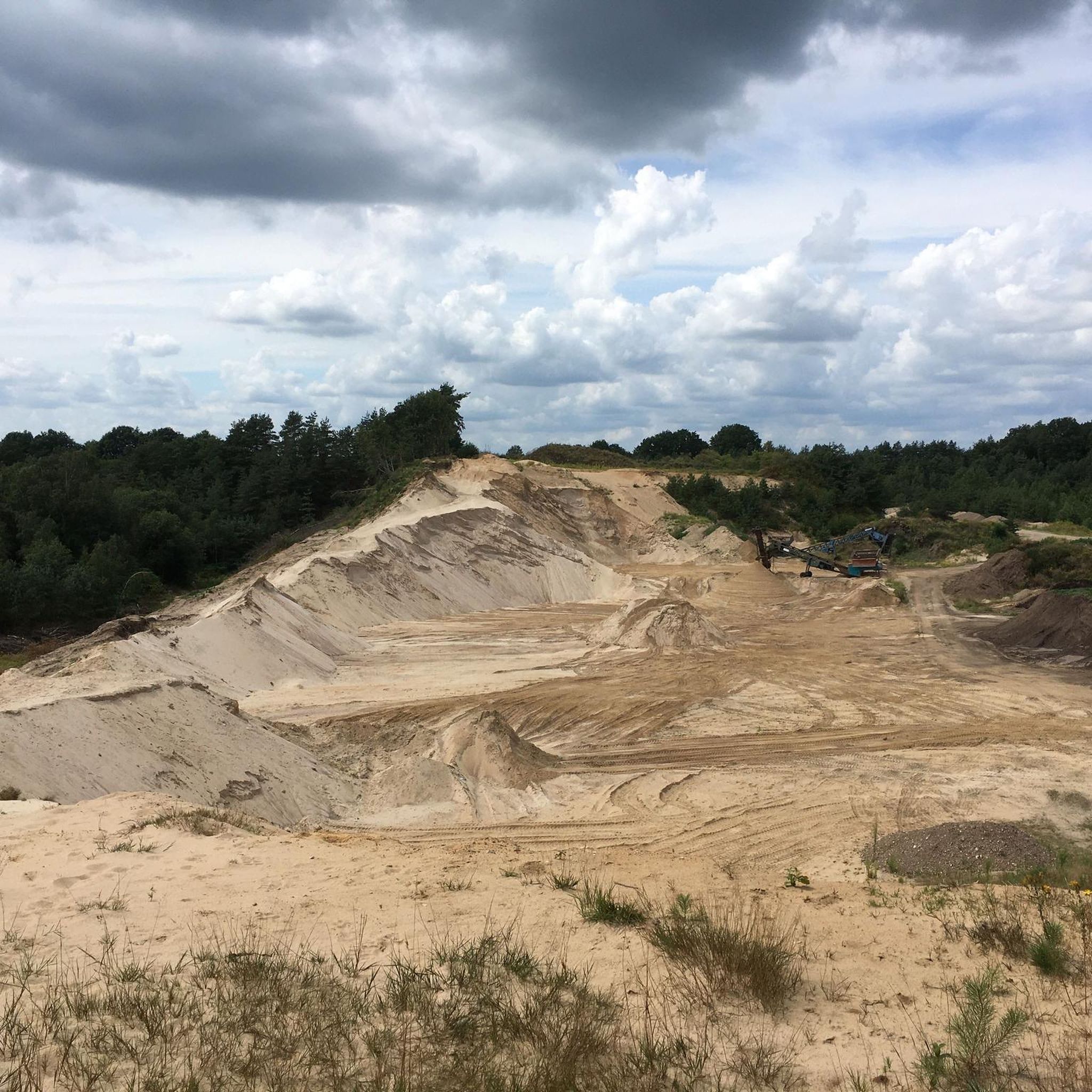



Tips from the Community

A haven of relaxation. A small lake/pond that invites you to enjoy the peace and quiet, complete with a small shelter and benches/chairs. Very pristine and natural.
1
0

If the devil sneaks through the moor, the swamp is almost at my ear.
1
1

Very beautiful lake, with toads, blue frogs, snakes and other creatures and one or two mammoth tusks :-)
0
0

A detour to Günnemoor is always worthwhile!
1
0

One of two observation towers overlooking the Huvenhoopsmoor, which can only be seen from these two towers. The tower has rows of benches at the top. They're there for a reason, as Huvenhoopsmoor is one of the most famous resting places for cranes. Even during the day or outside of migration, you can take a wonderful break here and enjoy the atmosphere of the intact moor.
4
0

It's said to be very crowded here during the crane migration period. My tips for spotting cranes: https://www.tberg.de/kraniche-fotografieren-kranichzug-beobachtungstipps/
3
0

Nice little lake with a small auxiliary hut and fireplace. Since I haven't seen any signs, I suspect that both can be freely used.
1
0

A forest with mostly paved paths. Nature is left to its own devices. Undergrowth grows where there's enough light. Fallen trees are left to be decomposed over time by insects, beetles, etc. A forest just the way I like it.
1
0
Frequently Asked Questions
What kind of natural features can I expect to see around Gnarrenburg?
The Gnarrenburg region is rich in diverse natural features, primarily shaped by the Ice Age. You'll find impressive glacial erratics, such as the colossal "Dicker Stein" in Kuhstedter Wald and the erratics in Brilliter Moor and Franzhorn Forest. The landscape also features dense forests like Franzhorn Forest, unique moorlands like Teufelsmoor, and charming tree-lined avenues, such as the Summer Lime Tree Alley near Brillit. There are also tranquil lakes, including Vörder Lake and Mergelkuhle Pond.
Are there family-friendly natural monuments in the Gnarrenburg area?
Yes, many natural monuments around Gnarrenburg are suitable for families. For instance, Vörder Lake and Nature & Adventure Park Bremervörde offers a pleasant 6 km path around the lake with benches, and the park itself is lovingly decorated with art and information. The Teufelsmoor Village and Nature Trail is also family-friendly, featuring information boards and a path through the moor. Franzhorn Forest and Mergelkuhle Pond are also noted as family-friendly spots.
What outdoor activities can I do near the natural monuments?
The Gnarrenburg area offers a variety of outdoor activities. You can enjoy gravel biking on routes like the 'Bademühlen Watermill – Zeven Mills Trail loop' or road cycling on routes such as the 'Eichholz Forest – Paulus Church Gnarrenburg loop'. For those who prefer walking, there are numerous running and hiking trails, including a 'Running loop from Gnarrenburg' and routes through Eichholz Forest. You can find more details on these activities and routes in the Gravel biking around Gnarrenburg, Road Cycling Routes around Gnarrenburg, and Running Trails around Gnarrenburg guides.
Are there specific hiking trails to explore the natural monuments?
Yes, there are several trails that allow you to explore the natural monuments and surrounding landscapes. The Teufelsmoor Village and Nature Trail offers insights into the moorland. For the glacial erratics in Franzhorn Forest, you can follow paths within the forest. The Heilsmoor Nature Reserve Information Board provides a map of hiking trails leading to the moor lake. The region also features NORDPFAD trails like Huvenhoopsmoor and Eichholz and Franzhorn, which are excellent for hiking.
What is the best time of year to visit the natural monuments in Gnarrenburg?
The Gnarrenburg region offers beauty throughout the year. Spring is vibrant, especially in the Teufelsmoor nature reserve, where rare plant and animal species thrive. Autumn is particularly scenic, with colorful leaves in areas like the Wildeshauser Geest Nature Park. Summer provides refreshing walks in varied forest areas like Franzhorn Forest. Even winter hiking can be an option, offering a different perspective of the natural landscapes.
Where can I find the largest glacial erratic in the Gnarrenburg region?
The largest glacial erratic in the region is the "Dicker Stein" (Fat Stone) located in Kuhstedter Wald. It boasts a maximum diameter of 5.50 meters. To reach it, follow signs from the federal highway, then a path for about 2 kilometers with further signage. Be prepared for potentially muddy conditions on the final stretch and consider wearing waterproof shoes.
Are there any unique tree formations or avenues to see?
Yes, the Summer Lime Tree Alley near Brillit is a notable natural monument. It stretches approximately 400 meters along the K104, creating a distinctive tunnel-like appearance due to its dense tree population. Additionally, the Solitary Beech in Brillit-Osterwede is an imposing copper beech tree that divides into several trunks, standing as a prominent and beautiful individual tree in the landscape.
Is parking available at the natural monuments?
Parking is generally available at or near many of the natural monuments. For example, the Teufelsmoor Village and Nature Trail has a large parking lot. For the "Dicker Stein" in Kuhstedter Wald, there are signs directing visitors to a path, implying nearby parking. When visiting specific sites, it's advisable to look for local signage for designated parking areas.
What do visitors enjoy most about the natural monuments around Gnarrenburg?
Visitors frequently appreciate the tranquil recreational opportunities and the natural beauty of the region. Many enjoy the varied landscapes, from the intertwining geest and moorland in Franzhorn Forest to the idyllic setting of Mergelkuhle Pond. The well-maintained paths around Vörder Lake and the informative displays at the Heilsmoor Nature Reserve Information Board are also highly rated.
Can I bring my dog to the natural monuments and trails?
While many natural areas in Gnarrenburg are dog-friendly, it's always recommended to keep dogs on a leash, especially in nature reserves like Teufelsmoor, to protect local wildlife and plants. Specific leash requirements may vary by location, so look for local signage. Generally, trails and open forest areas are suitable for walks with dogs.
Are there any historical or geological points of interest related to the natural monuments?
Absolutely. The glacial erratics, such as the "Dicker Stein" and those in Brilliter Moor and Franzhorn Forest, are significant geological remnants from the Ice Age, offering a tangible connection to the forces that shaped the landscape. Mergelkuhle Pond is also historically interesting, as marl was once mined there, and a fossilized mammoth tooth was discovered during mining, highlighting the area's ancient past.
Most popular routes around Gnarrenburg
Most popular attractions around Gnarrenburg

Get inspired with the komoot mobile app


Explore more
Extend your search for the best caves by checking out these guides of the top ones around Gnarrenburg:
