Top 20 Natural Monuments around Ludwigsstadt
Best natural monuments near Ludwigsstadt are found in a region characterized by the Thuringian-Franconian Highlands, nestled between the Thuringian Slate Mountains and the Franconian Forest. This area's unique geological history, particularly its rich slate deposits, has shaped its notable landmarks and natural features. The landscape is further defined by the Loquitz River valley and ancient Silurian shale rock formations. Visitors can explore sites where industrial heritage meets natural recovery, offering insights into both geology and ecology.
Best natural monuments around…
Last updated: October 11, 2026
Lehesten Slate Quarry Industrial Heritage Site
Highlight • Monument
Translated by Google •
Tip by

Altvaterturm
Highlight • Viewpoint
A circular hiking trail to Staatsbruch Lehesten also runs here.
Translated by Google •
Tip by

Sign up now to discover places like this
Get recommendations on the best single tracks, peaks, & plenty of other exciting outdoor places.
Spechtsbrunn Nature Park Information Center with snacks
Highlight • Rest Area
Translated by Google •
Tip by

Border Stones and Rennsteig Memorial
Highlight • Historical Site
Translated by Google •
Tip by
Former Slate Quarry Ramsthal
Highlight • Structure
Translated by Google •
Tip by

Sign up for free to discover even more natural monuments around Ludwigsstadt.
Already have an account?
Start today with a free account
Your next adventure awaits.
Popular around Ludwigsstadt
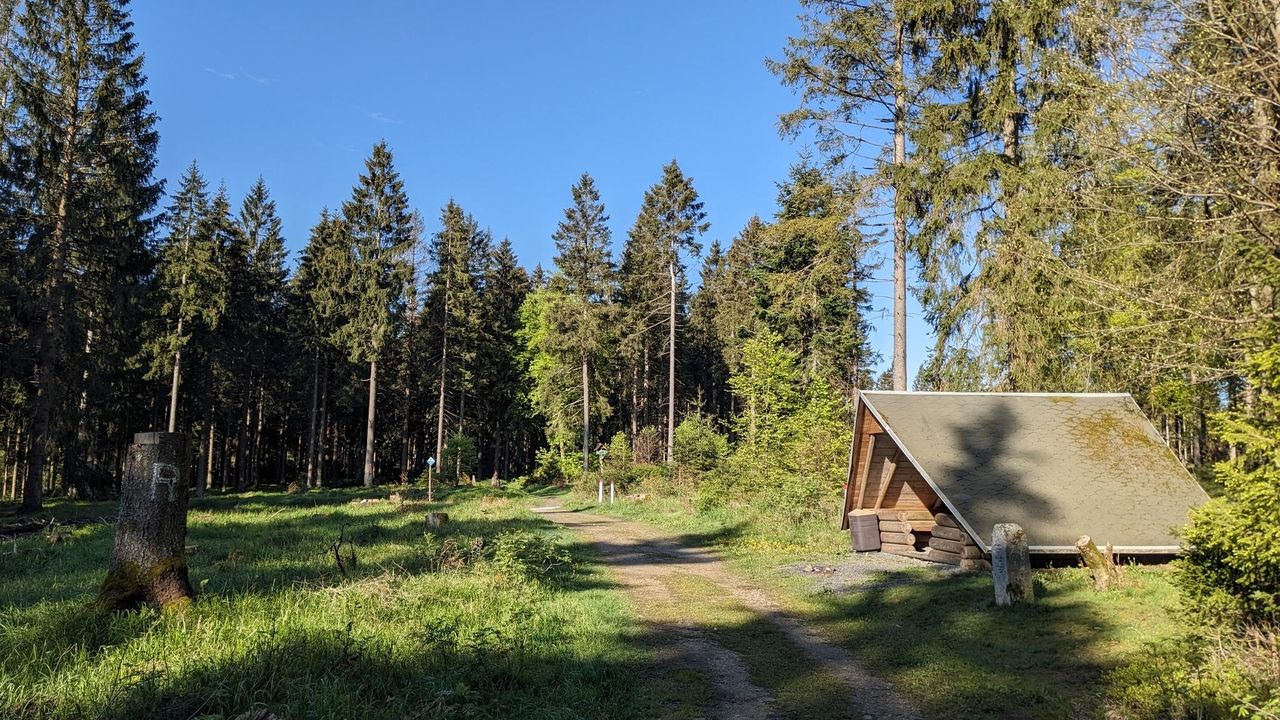
Zwei Tage raus! – Rad-Micro-Adventures in Thüringen
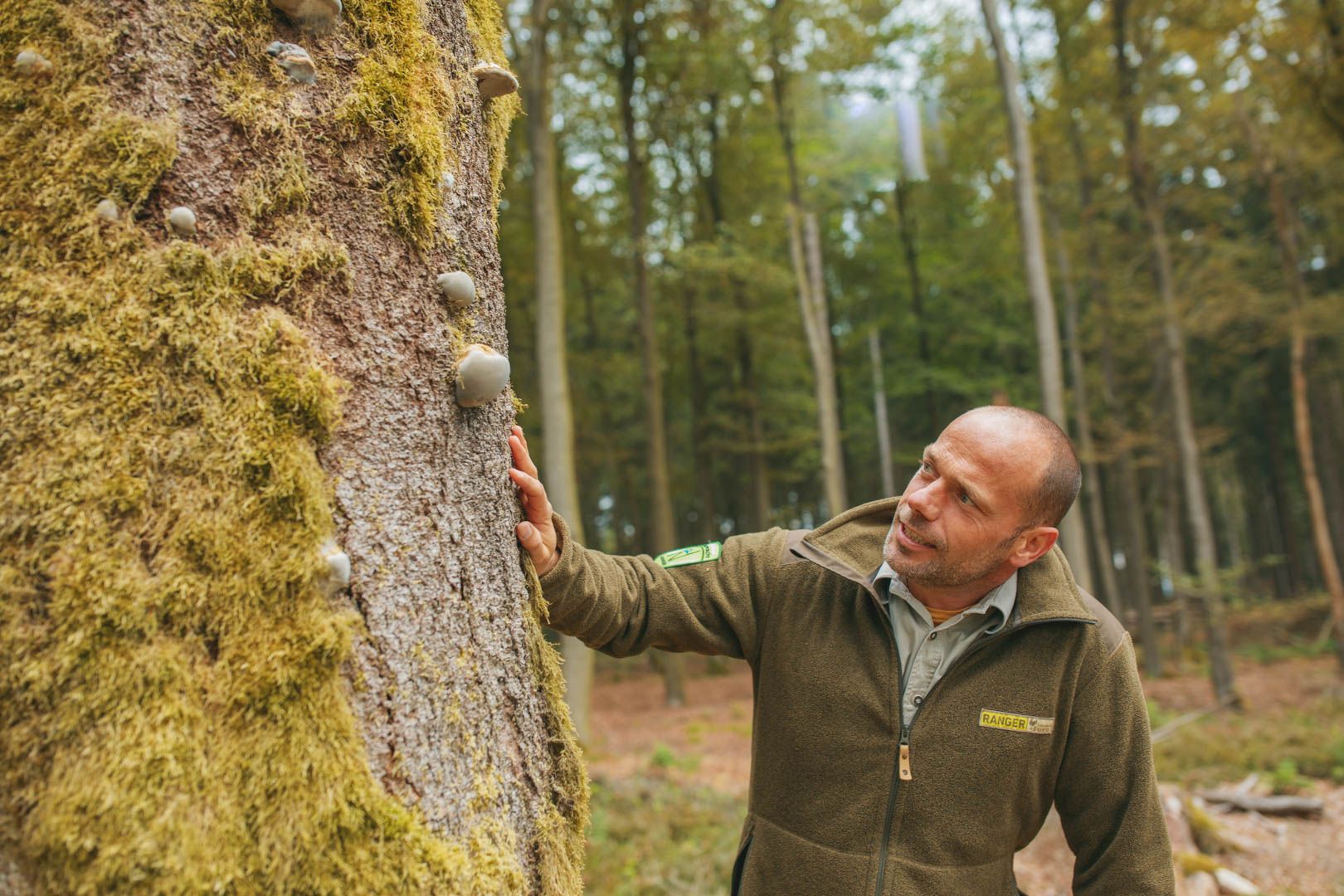
Tipps der Naturpark-Ranger
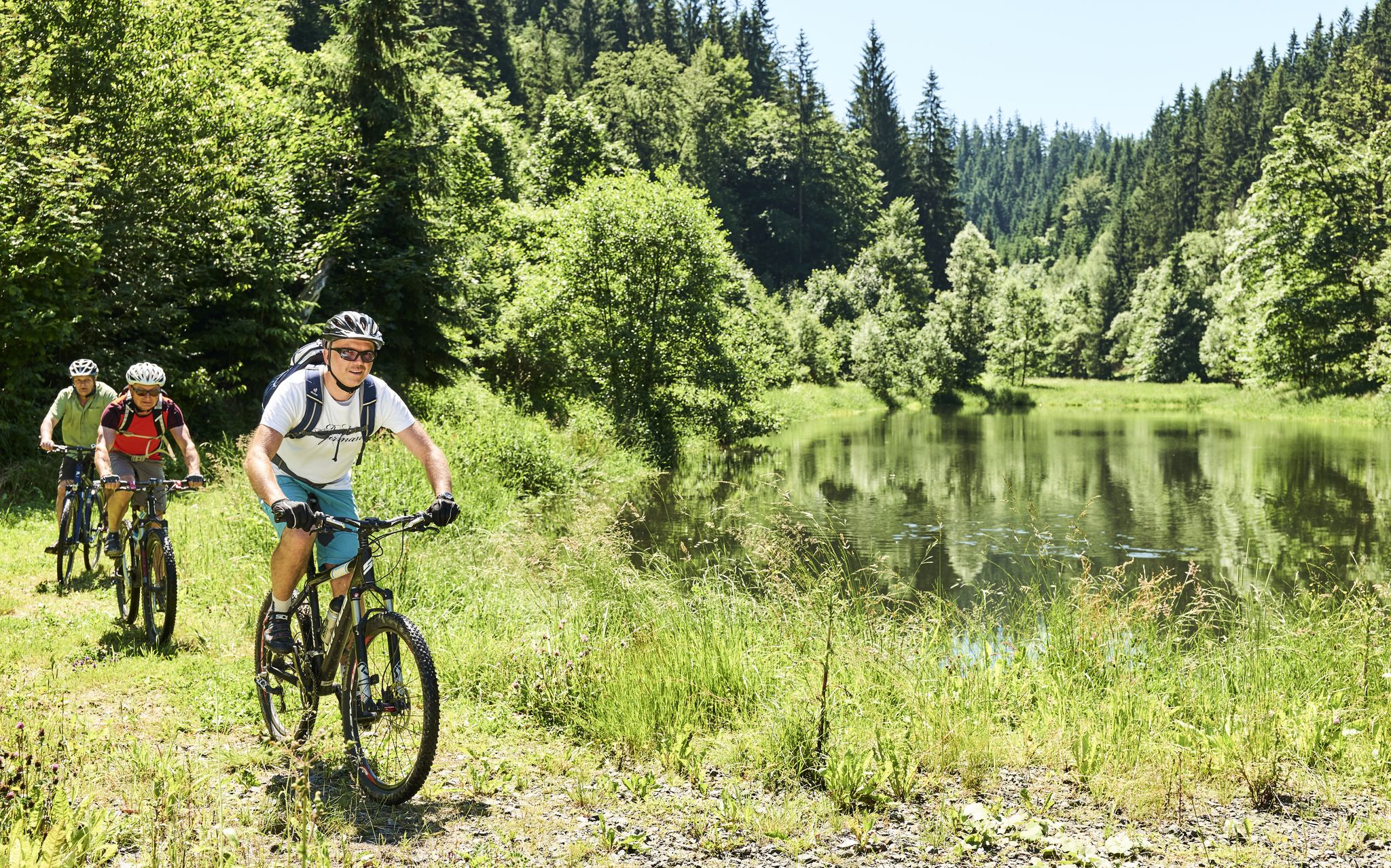
Mountainbiking im Frankenwald
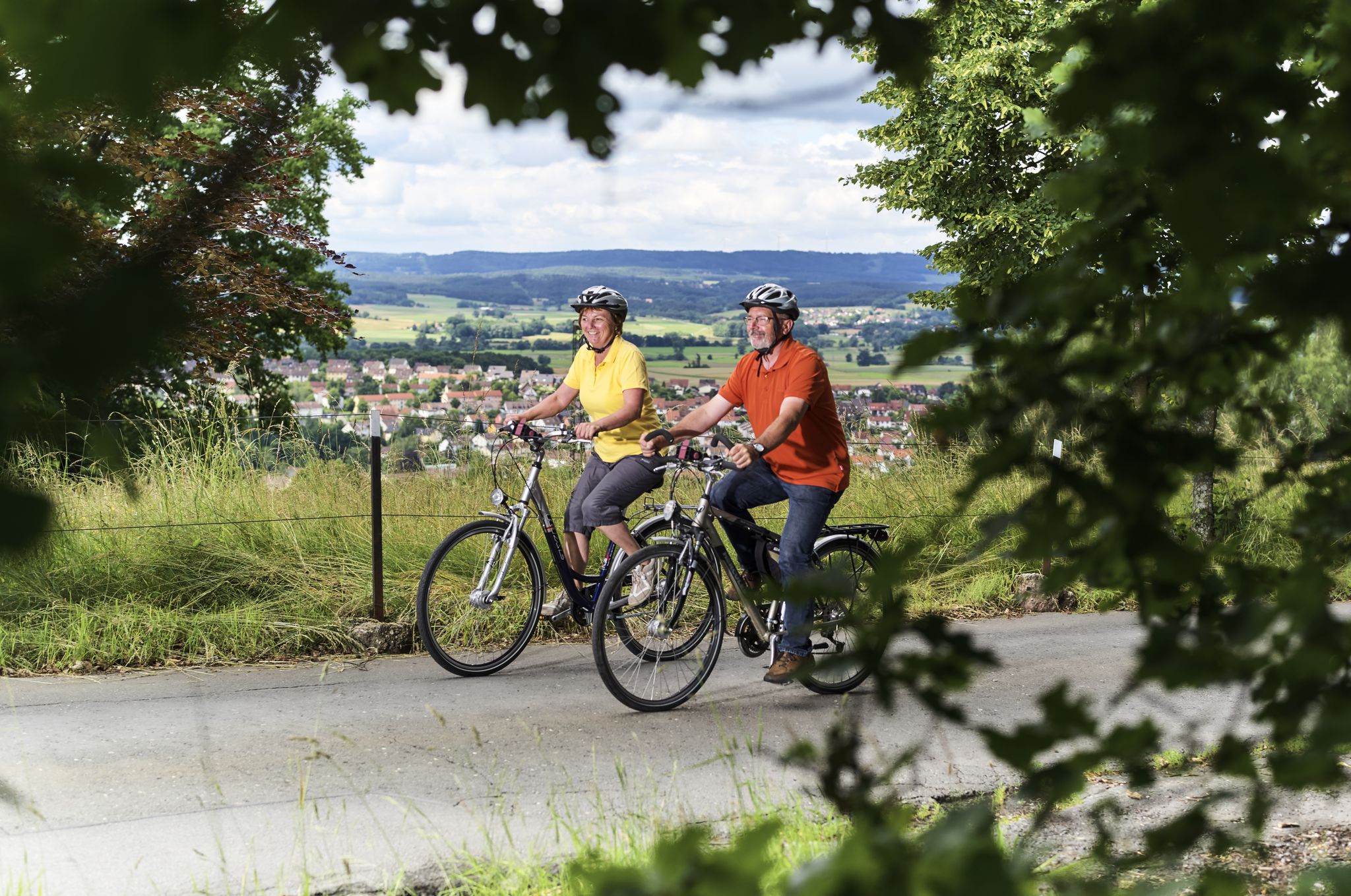
Unsere schönsten Radtouren im Frankenwald
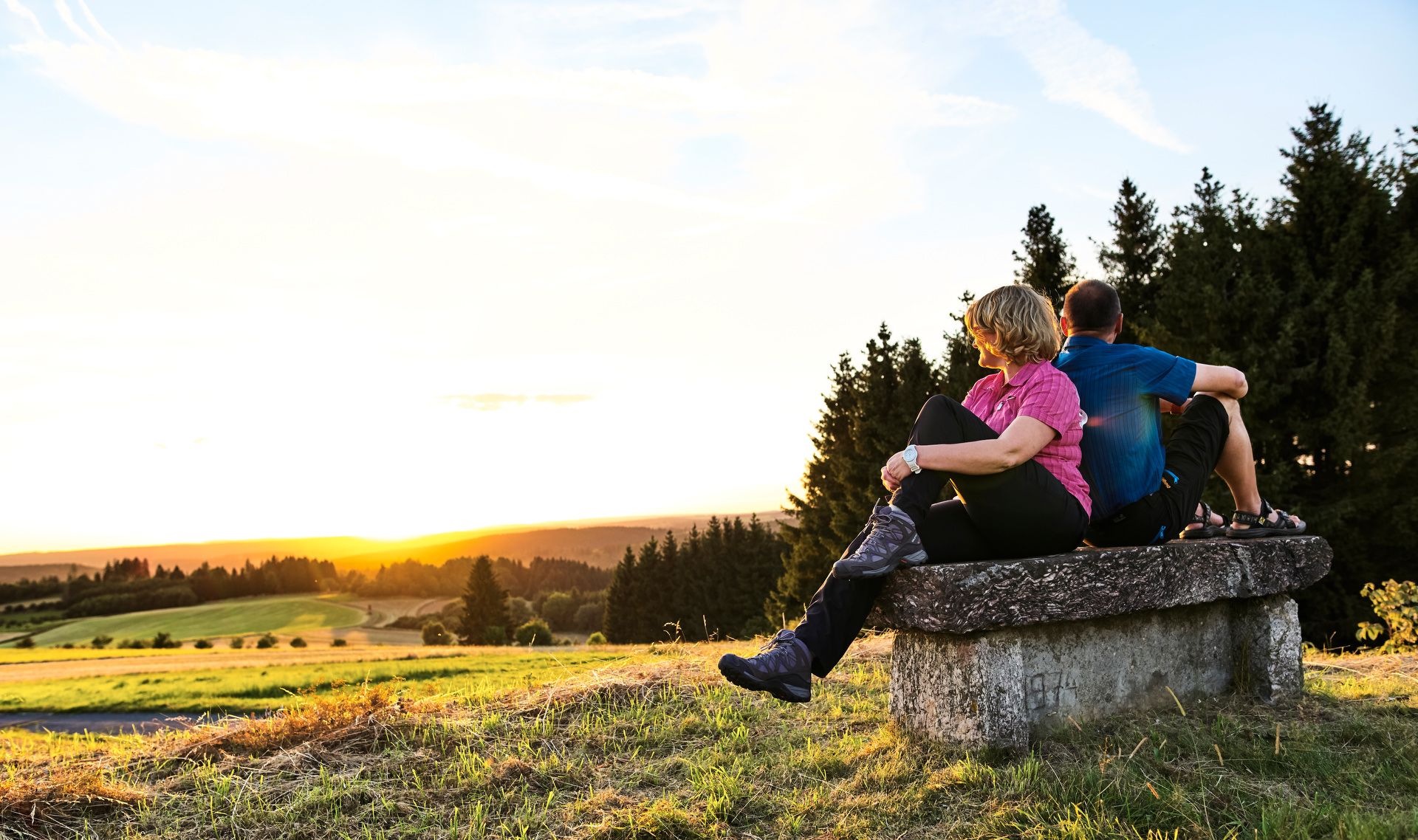
Unsere FrankenwaldSteigla
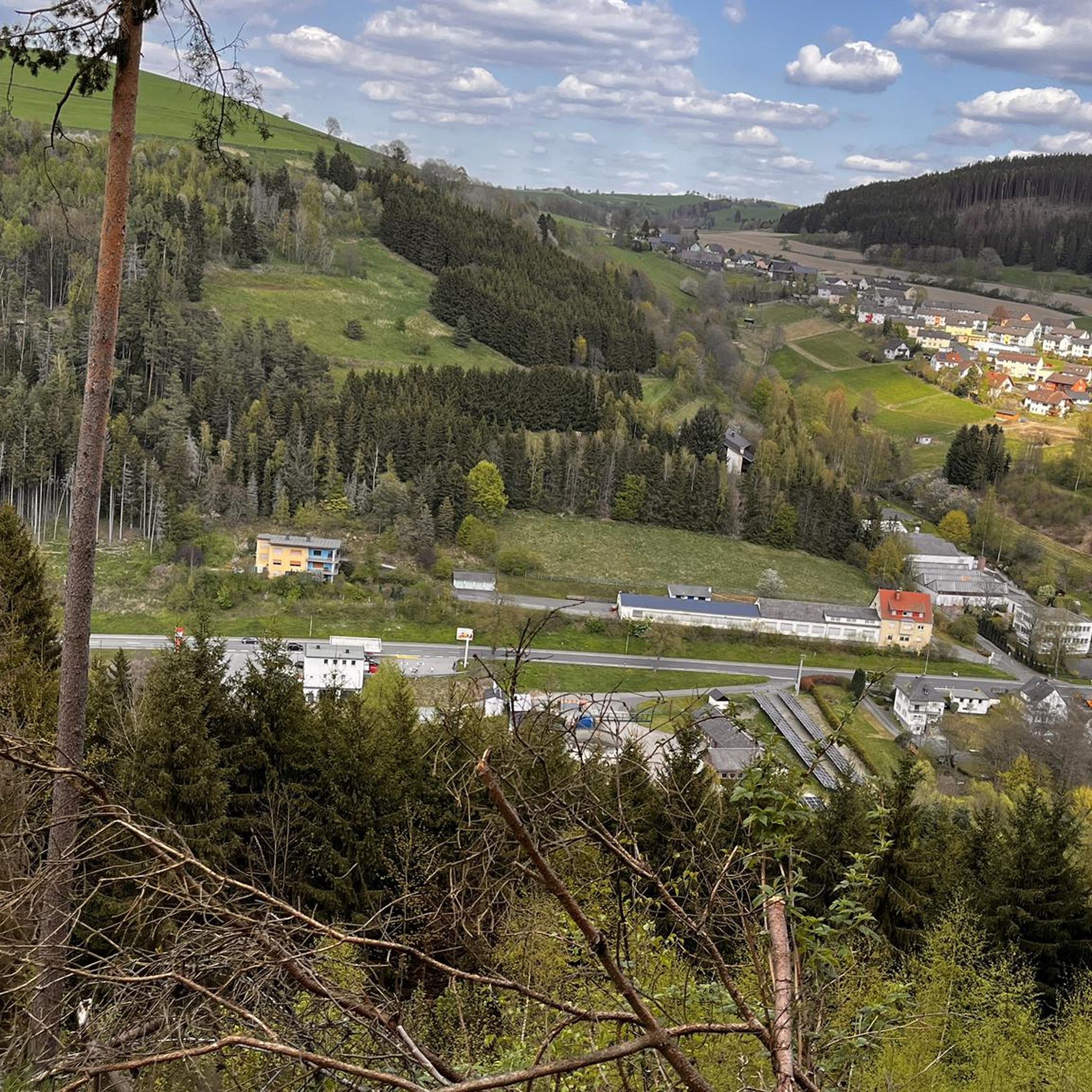
Hiking around Ludwigsstadt
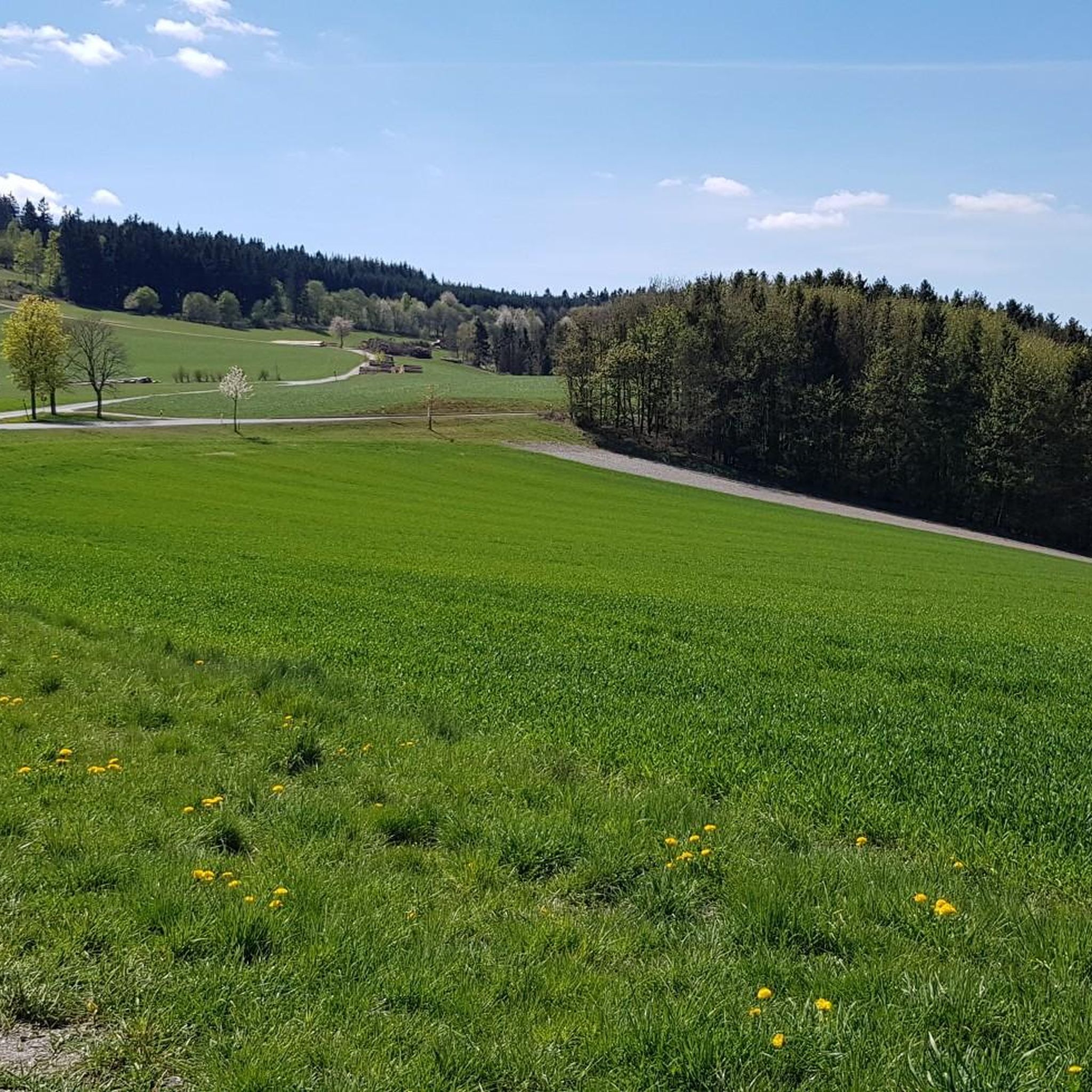
Cycling around Ludwigsstadt
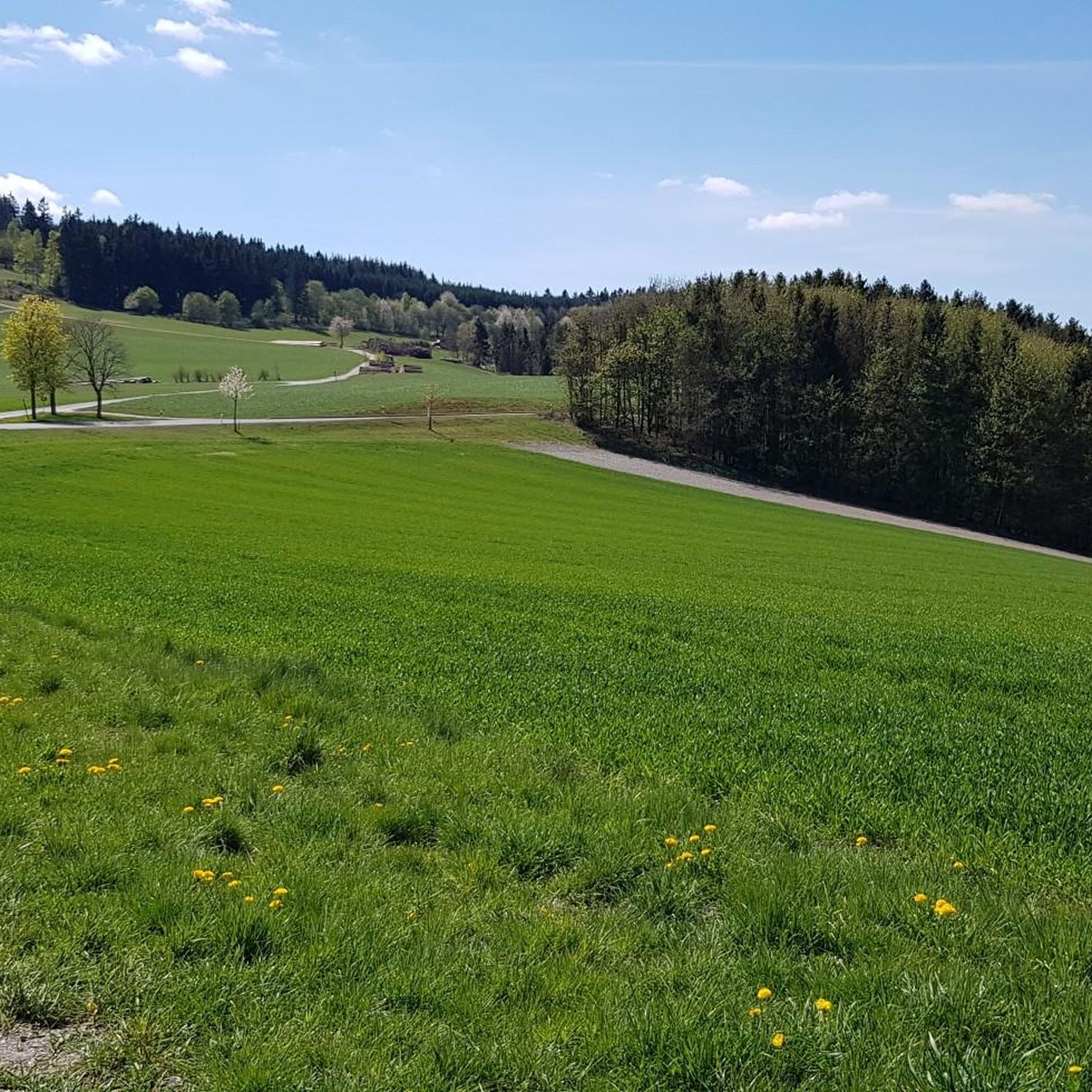
MTB Trails around Ludwigsstadt
Road Cycling Routes around Ludwigsstadt
Running Trails around Ludwigsstadt
Other adventures around Ludwigsstadt


Tips from the Community

At the Nature Park Information Center „Kalte Küche“ on the Rennsteig, not only three nature parks meet, but also the three districts of Sonneberg, Kronach and Saalfeld/Rudolstadt. Here you will find information about the landscape, crafts and German-German history, as well as numerous free hiking maps. If you need a break, you can refresh yourself at the Rennsteig snack bar with small meals, drinks, coffee and cake. Opening hours: April to October: Tuesday to Friday 10 am - 4 pm, Saturday and Sunday 11 am - 4 pm. November to March: Tuesday to Friday 10 am - 3:30 pm. Monday is a rest day.
9
0

An interesting place, this tip.
1
2
It's a great place to take a break and the restaurants offer a wide range of food at reasonable prices.
8
0


This is the former Lehesten roofing slate opencast mine. Its dimensions alone are impressive; along with the nearby Oertelsbruch, it was one of the largest slate quarries on the continent (approximately 800 m long, 300 m wide, and up to 80 m deep). Source: Wikipedia
10
1

The tower is located on the Wetzstein hill. A circular hiking trail to Staatsbruch Lehesten also runs here.
23
0
A beautiful region 🤩 If you like, you can also take a detour to the Alvater Tower.
20
2

The Kleintettauer Zipfel extends from Bavaria into Thuringia, which causes a complicated border.
6
0
Frequently Asked Questions
What are some other notable natural monuments to explore around Ludwigsstadt?
Beyond the prominent sites, you can discover the unique Slate Cliff at Schieferpark Lehesten, where you can observe the diverse colors and structures of slate rock. Another interesting location is the Former Slate Quarry Ramsthal, which provides information panels detailing the region's slate mining history and geological formations. The broader region also features wetlands like the "Feuchtgebiet bei der Neumühle" and serene lakes such as the "Schwarzer See" and "Schöner See," which are protected for their ecological value.
What kind of natural features can I expect to see in the Ludwigsstadt area?
The natural monuments around Ludwigsstadt are primarily shaped by its unique geological history, particularly its rich slate deposits. You'll encounter former slate quarries that have undergone natural regeneration, showcasing distinct rock formations and colors. The landscape also includes significant wetlands, lakes, and moors, which are crucial for biodiversity. The region is nestled within the Thuringian-Franconian Highlands, offering scenic views shaped by the Thuringian Slate Mountains and the Franconian Forest.
Are there family-friendly natural monuments around Ludwigsstadt?
Yes, several natural monuments are suitable for families. The Lehesten Slate Quarry Industrial Heritage Site is listed as family-friendly, offering an engaging blend of industrial history and natural recovery. Additionally, the Spechtsbrunn Nature Park Information Center is a great starting point, often featuring facilities and information suitable for all ages.
What is the best time to visit the natural monuments around Ludwigsstadt?
The natural monuments around Ludwigsstadt are beautiful year-round, but spring, summer, and early autumn offer the most pleasant conditions for outdoor exploration. During these seasons, the weather is generally mild, making it ideal for hiking, cycling, and observing the natural regeneration of the former quarries and the diverse flora and fauna in wetlands and forests. Winter can offer a unique, serene experience, especially if you enjoy quiet, snow-covered landscapes, but some paths might be less accessible.
What outdoor activities can I do near these natural monuments?
The region around Ludwigsstadt offers a variety of outdoor activities. You can find numerous running trails, including moderate to difficult routes like the 'Rennsteig Memorial – Schildwiese Toll House loop'. For cyclists, there are road cycling routes and gravel biking options, such as the 'Schildwiese Toll House – Slate architecture in Lehesten loop'. These routes often pass by or are close to the natural monuments, allowing you to combine sightseeing with your sport.
Are there hiking trails near the natural monuments?
Yes, the area is rich in hiking opportunities. Many trails weave through the Thuringian Slate Mountains and Franconian Forest, often leading to or past natural monuments. For example, the Lehesten Slate Quarry Industrial Heritage Site itself is within a nature reserve with paths to explore. You can find various running and hiking trails in the vicinity, ranging from moderate to difficult, perfect for exploring the unique geology and recovering ecosystems.
Can I bring my dog to the natural monuments or trails?
While specific rules for each natural monument may vary, generally, dogs are welcome on trails and in natural areas around Ludwigsstadt. It's always recommended to keep your dog on a leash, especially in nature reserves like the Lehesten Slate Quarry Industrial Heritage Site, to protect local wildlife and ensure a pleasant experience for all visitors. Please remember to clean up after your pet.
What makes the geology of Ludwigsstadt's natural monuments unique?
The geology of Ludwigsstadt is profoundly shaped by its rich slate deposits, earning it the nickname 'Land of Blue Gold.' The region is known for its Silurian shale rock, with layers dating back 443 million years. This ancient geological history is evident in sites like the Slate Cliff at Schieferpark Lehesten, where you can observe slate in various colors—black, gray, black-blue, and even red and green—resulting from iron-rich water deposits and carbon inclusions. The former quarries provide a unique insight into these geological formations.
What do visitors enjoy most about the natural monuments in Ludwigsstadt?
Visitors frequently appreciate the unique blend of industrial history and natural beauty. Many are fascinated by the opportunity to experience the history of slate mining firsthand, particularly at sites like the Lehesten Slate Quarry Industrial Heritage Site, which is now a thriving nature reserve. The clear waters, diverse rock structures, and the presence of numerous Red List species in these reclaimed areas are often highlighted as particularly enjoyable and educational aspects of their visit.
Are there any historical sites intertwined with the natural monuments?
Yes, the region's industrial past is deeply intertwined with its natural monuments. The Lehesten Slate Quarry Industrial Heritage Site is a prime example, showcasing the Göpelschacht Shaft Complex from around 1850, a European rarity for lifting mined slate. The Former Slate Quarry Ramsthal also features information panels on the region's mining history. Additionally, the Cook's Grave is a historical site with a local legend, located on a former border between Bavaria and Thuringia.
Where can I find parking facilities near the natural monuments?
Parking facilities are generally available near major natural monuments and popular trailheads. For instance, the Spechtsbrunn Nature Park Information Center often serves as a good starting point with parking. Specific parking areas are usually signposted at the entrances to nature reserves and former quarry sites like the Lehesten Slate Quarry. It's advisable to check local signage upon arrival for designated parking zones.
How can I reach the natural monuments by public transport?
While some natural monuments might be more easily accessible by car, public transport options exist to get you into the general vicinity of Ludwigsstadt. From there, local buses or walking/cycling routes might connect you to specific sites. The Spechtsbrunn Nature Park Information Center, for example, is located at a significant crossroads, suggesting some level of accessibility. For detailed public transport information, it's best to consult local bus schedules or regional transport websites for routes serving Ludwigsstadt and its surrounding villages.
Most popular routes around Ludwigsstadt
Most popular attractions around Ludwigsstadt

Get inspired with the komoot mobile app


Explore more
Extend your search for the best caves by checking out these guides of the top ones around Ludwigsstadt:
