Top 20 Natural Monuments around Weisendorf
Best natural monuments around Weisendorf include protected wetland areas and individual ancient trees designated for their ecological or historical significance. The region features the Dechsendorfer Weiher, a large pond recognized as a Landscape Protection Area and European bird sanctuary, offering recreational opportunities. Additionally, several individual trees within the municipality are officially designated as natural monuments, contributing to the unique character of the Weisendorf landscape. These sites provide opportunities for connection with local flora and fauna.
Best natural monuments around Weisendorf
…Last updated: April 26, 2026
Great Bishop's Pond
Highlight • Lake
Translated by Google •
Tip by

Small Bishop's Pond
Highlight • Lake
Translated by Google •
Tip by

Sign up now to discover places like this
Get recommendations on the best single tracks, peaks, & plenty of other exciting outdoor places.
Sign up for free
Stork Nests in Uehlfeld
Highlight • Natural Monument
Translated by Google •
Tip by

Kosbacher Altar
Highlight • Historical Site
Translated by Google •
Tip by

Celtic burial mound from the Hallstatt period
Highlight • Historical Site
Translated by Google •
Tip by

Sign up for free to discover even more natural monuments around Weisendorf.
Sign up for free
Already have an account?
Start today with a free account
Your next adventure awaits.
Login or Signup
Tips from the Community

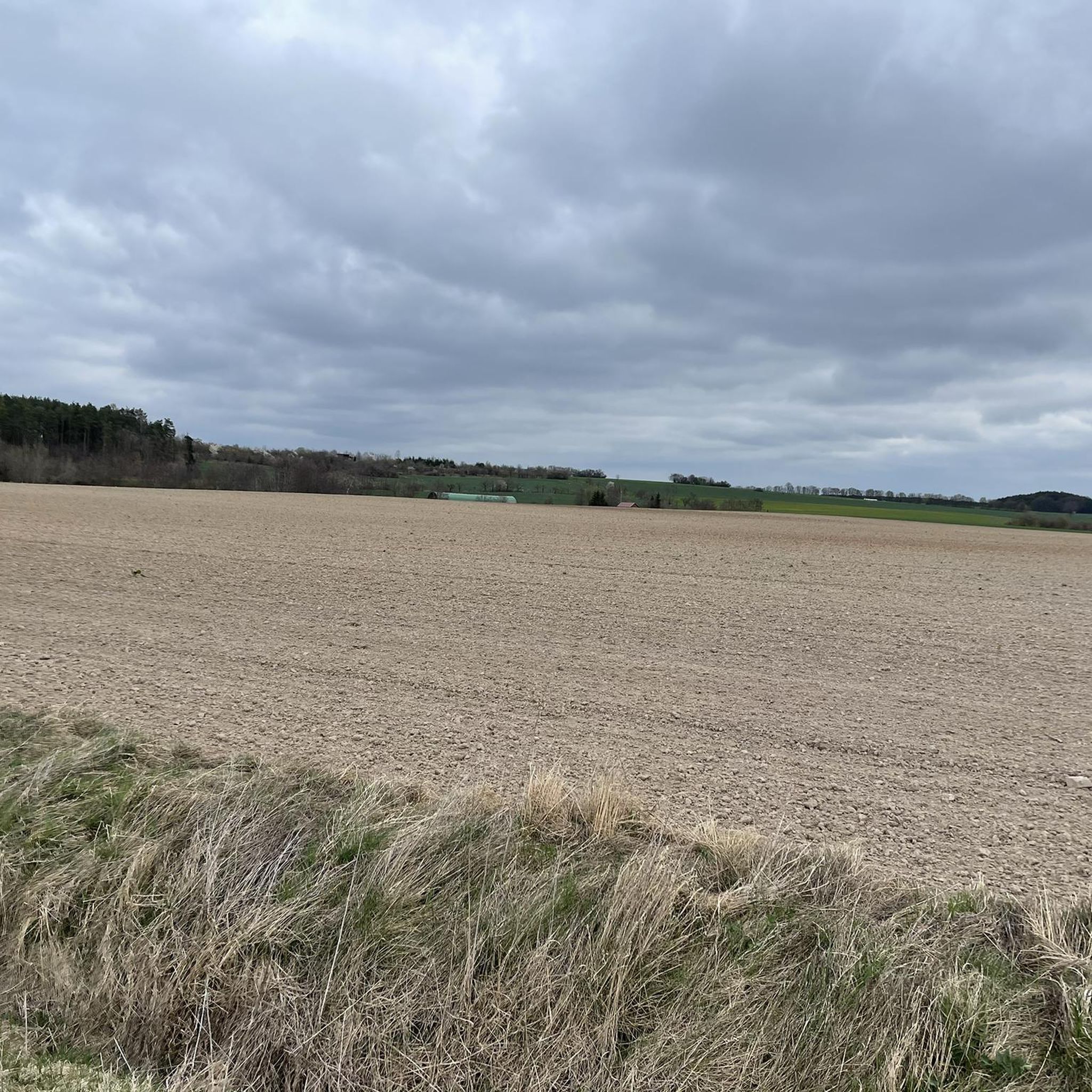
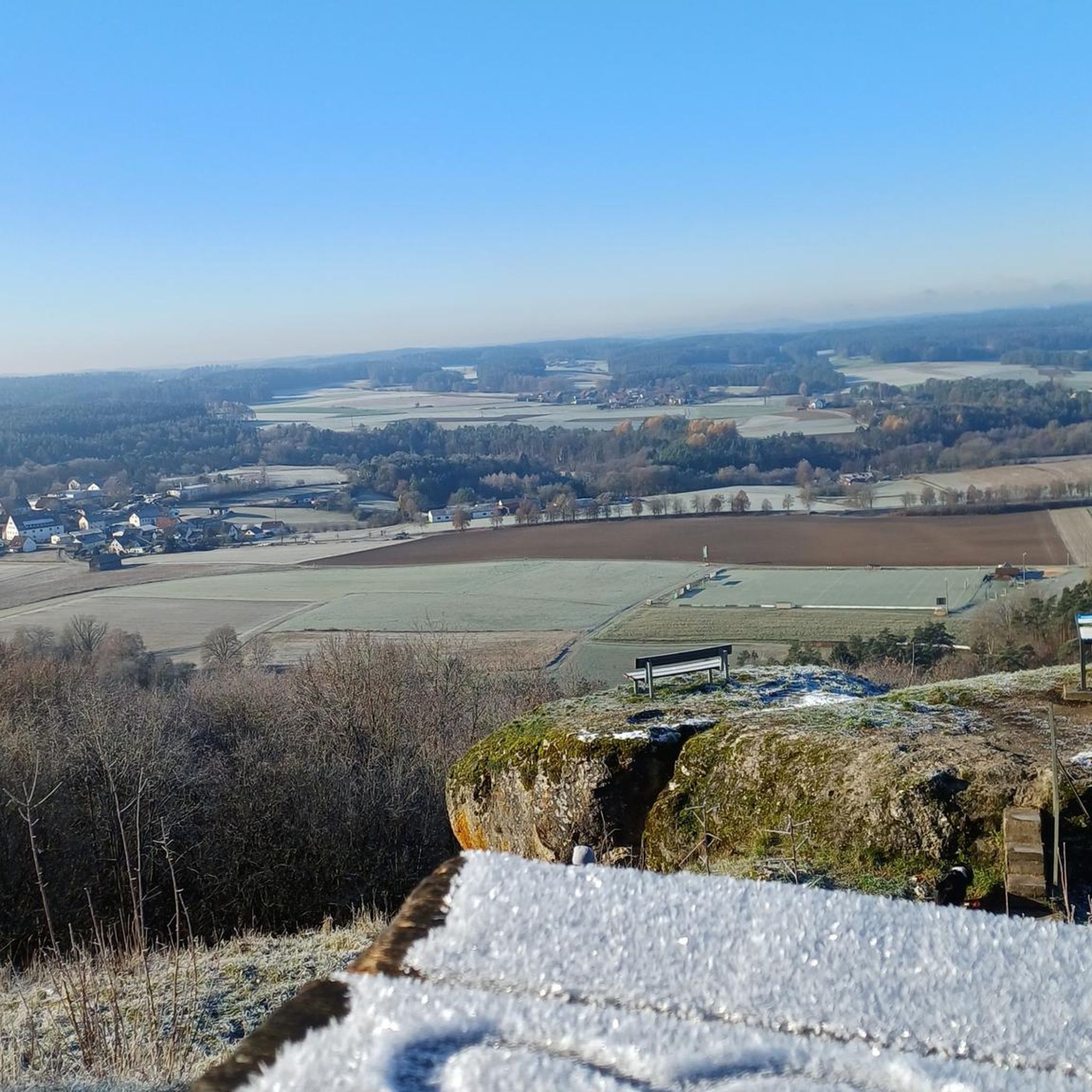
A barrow from the Late Hallstatt Period (c. 750–450 BC) is a prehistoric burial site in the form of an earthen mound containing the burial of an individual or a group of deceased. These graves often contain rich grave goods such as jewelry, weapons, and ceramics, indicating the social status of the deceased, especially for the ruling class, who could also be buried with ceremonial carriages. The graves demonstrate an increasing social hierarchy and bear witness to the burial customs of the time.
1
0

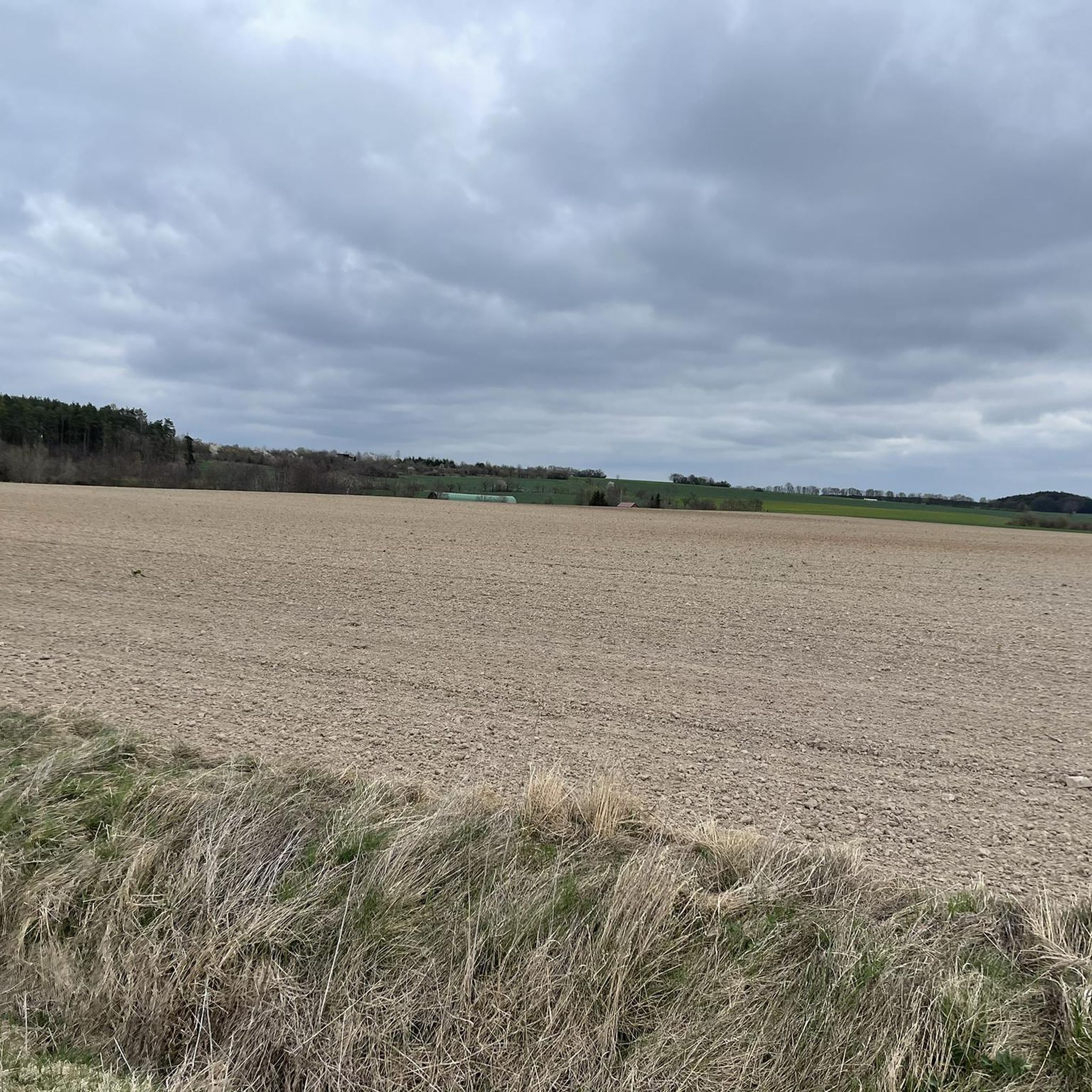
In the main town of Uehlfeld alone, there are said to be about 49 nests on the roofs, sensational.
0
0

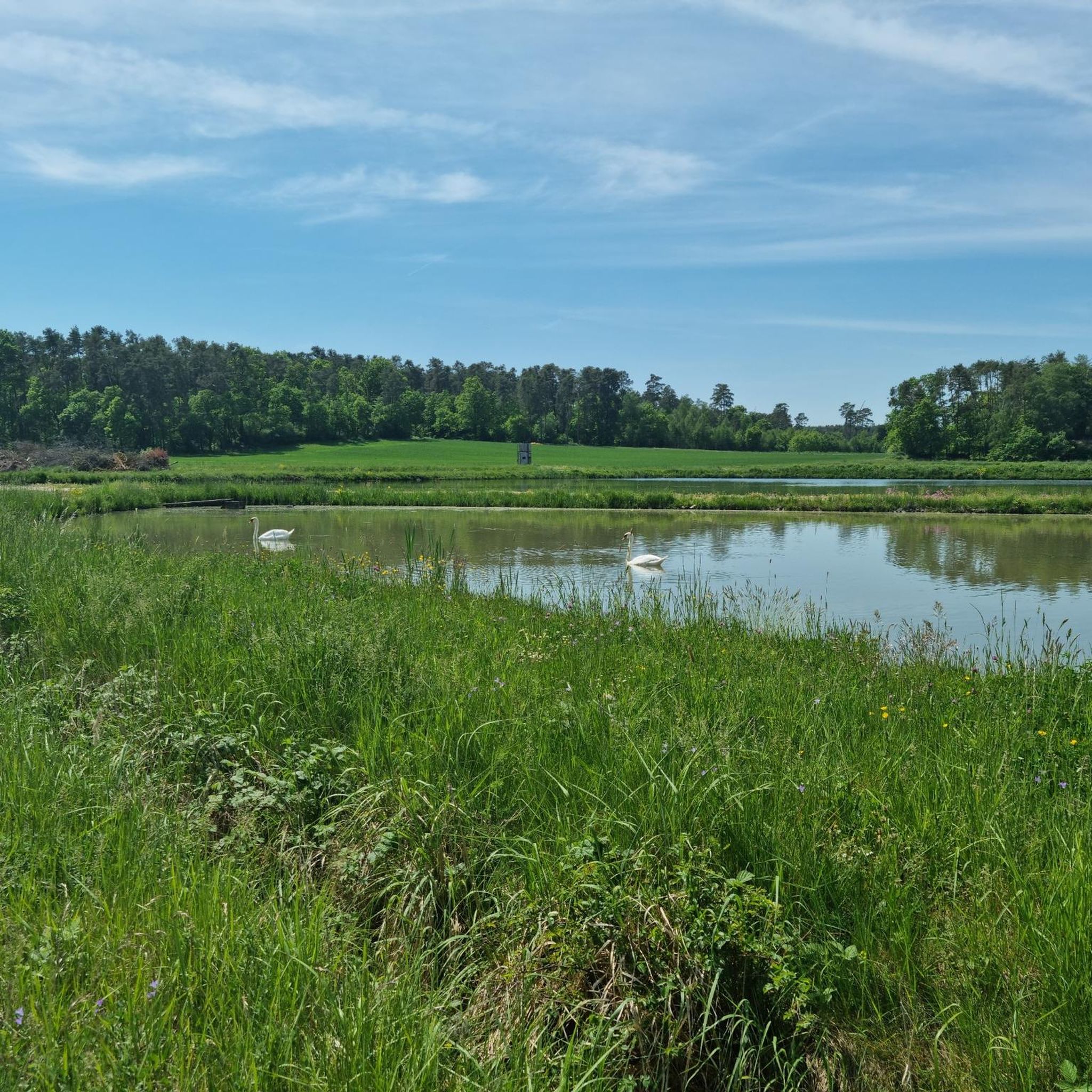
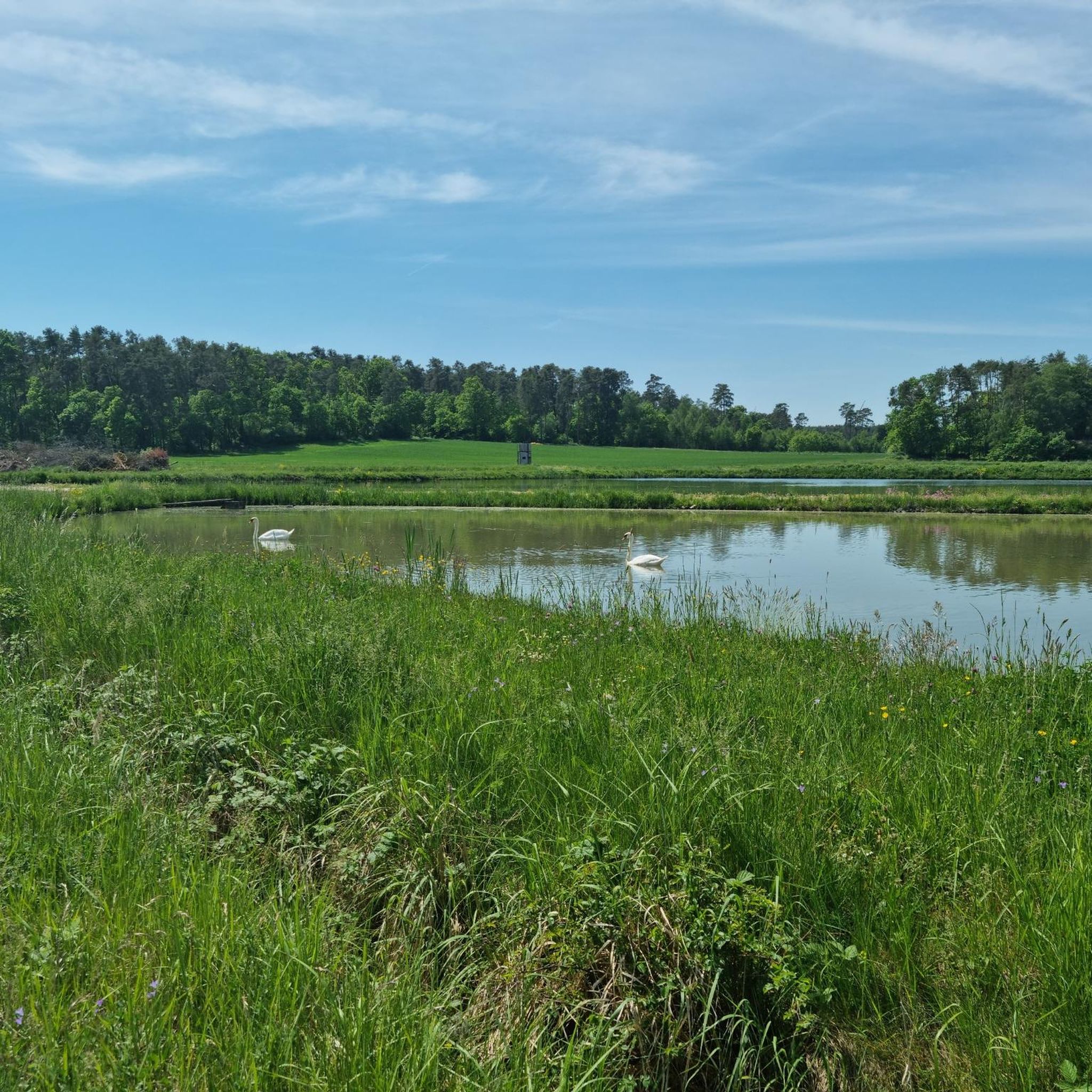
The Dechsendorfer Weiher (Großer Bischofsweiher) and the almost equally large Kleiner Bischofsweiher were created in the Middle Ages by the Bamberg bishops as carp ponds. Due to the large water surfaces and the immediate surroundings, both ponds are of great importance for species and biotope protection, especially for water birds. The Dechsendorfer Weiher are a popular destination for those seeking local recreation due to their proximity and closeness to nature. The pond is used as a bathing pond; however, use was restricted by the algae problem. The bathing ban is also announced locally and by clearly visible signs or signs at the bathing area. The fields to the west of the ponds are in the Sandachse Franken nature conservation project and the forest areas of the Markwald directly adjacent to the east are protected forest. The entire area is a landscape conservation area. The Dechsendorfer Weiher was previously flowed through by the Röttenbach. This has now been created as a new Röttenbach over a length of 1.6 km from the intermediate dam inlet area to the downstream area of the Dechsendorfer Weiher. A near-natural watercourse is intended to improve the previously moderate water structure and create new habitats for the ecological diversity of nature. The lack of passability of the Röttenbach was restored. In the new Röttenbach, nutrients, sediments and also fish from the catchment area of the Dechsendorfer Weiher can be diverted around it into the downstream area of the pond. The pond is no longer in the main tributary but in the bypass and can therefore be managed in terms of the quality and quantity of the incoming water. With the targeted planting of aquatic plants, the pond was returned to a plant-dominated state. [ Source: https://erlangen.de/aktuelles/gewaesserschutz-dechsendorfer-weiher ]
0
0

The storks can be observed here for months, from breeding to the first flight of the young storks!
0
0

So many occupied nests with young birds
1
0

It was a great experience to see so many storks on the roofs of Ühlfeld, flying fearlessly through the streets, often just above people's heads.
1
0

Because "smaller" is sometimes more.....
1
0

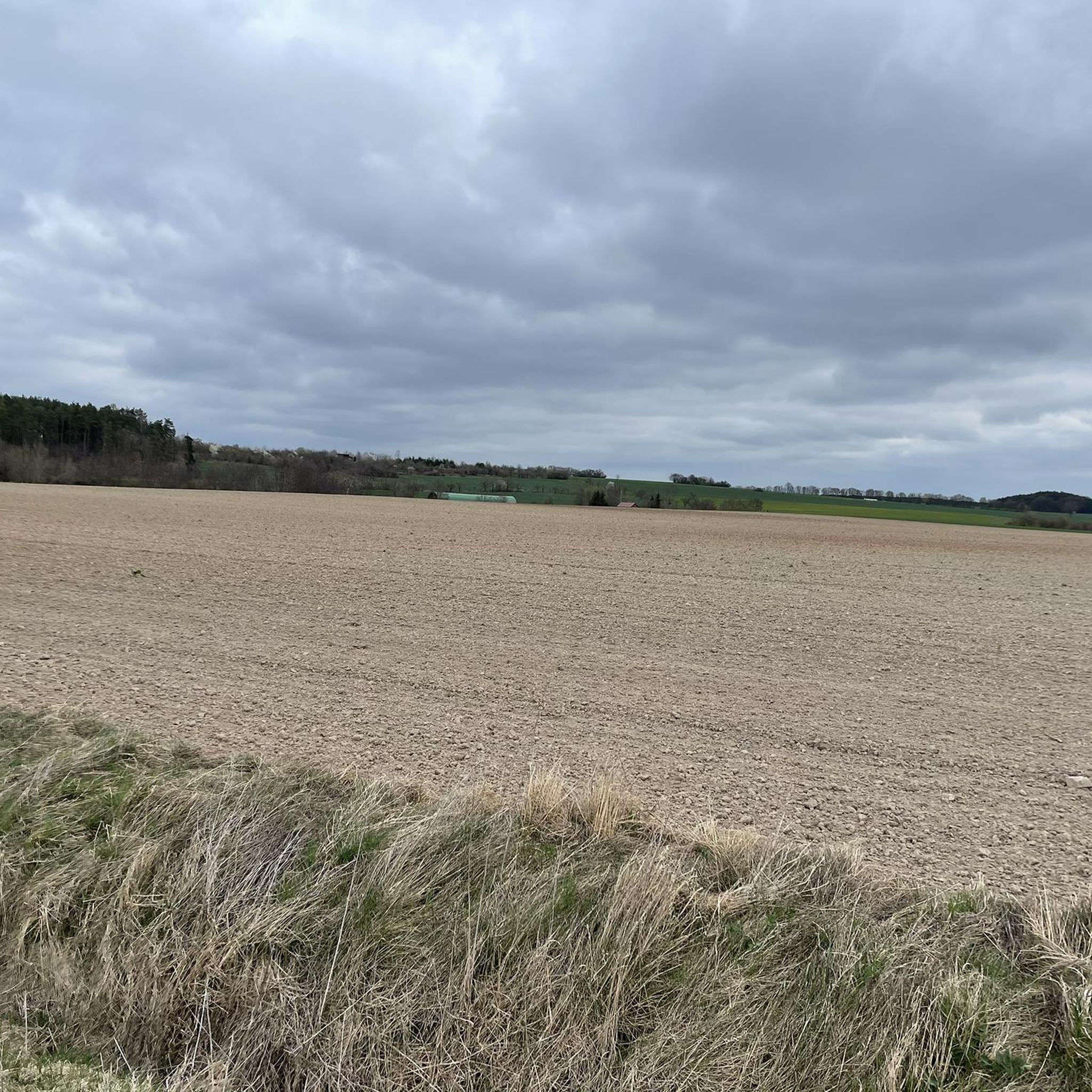
Pure nature - only hikers and cyclists find their way here. The majority of those seeking relaxation have long since found their place.
1
0
Frequently Asked Questions
What are the main types of natural monuments found around Weisendorf?
The natural monuments around Weisendorf primarily consist of protected wetland areas, such as the Great Bishop's Pond and Small Bishop's Pond, and several individual ancient trees designated for their ecological or historical significance. The region also features historical sites like the Kosbacher Altar, which is recognized as a natural monument due to its ancient origins.
Are there any family-friendly natural monuments in the Weisendorf area?
Yes, the Great Bishop's Pond is highly recommended for families. It offers facilities for swimming and barbecuing, a kiosk, and a small playground for children. The Small Bishop's Pond is also family-friendly, offering a peaceful natural setting for relaxation. Additionally, the Neuhaus Rainbow Memorial Forest provides a reflective and calm environment suitable for families.
What outdoor activities can I do near the natural monuments?
The area around Weisendorf offers various outdoor activities. You can enjoy hiking on routes like the 'Rosenkeller Beer Garden View – Church of Kästl ⛪️ loop' or the 'Aischgrund Pond Landscape – Mohrweiher loop'. Cycling is also popular, with routes such as the 'Weisendorf Bathing Pond – Old House in Herzogenaurach loop'. For more options, explore the hiking guide or the cycling guide for Weisendorf.
What is the best time of year to visit the natural monuments around Weisendorf?
The natural monuments can be enjoyed year-round. Spring and summer are ideal for recreational activities at the ponds, such as swimming and boating, and for observing wildlife. Autumn offers vibrant foliage, especially around the designated maple and oak trees. In winter, if conditions allow, the Dechsendorfer Weiher transforms into a spot for ice skating and curling.
Are there historical natural monuments in the region?
Yes, the Kosbacher Altar is a significant historical natural monument. It features a mysterious rectangular arrangement of larger stones on a Celtic burial ground, dating back to the Iron Age. Another notable site is the Celtic burial mound from the Hallstatt period, located in the forest, offering an atmospheric glimpse into ancient history.
Can I bring my dog to the natural monuments?
While specific regulations for each site may vary, generally, natural areas like the ponds and forest paths are suitable for dogs, provided they are kept on a leash and owners clean up after them. Always check local signage for any specific restrictions, especially in protected bird sanctuary areas.
What kind of natural features can I expect to see at the Dechsendorfer Weiher?
The Dechsendorfer Weiher (Great Bishop's Pond) is a large pond within a Landscape Protection Area and a European bird sanctuary. You can expect to see diverse waterfowl species, expansive lawns for relaxation, and scenic paths around the water. The area is also known for its carp, a regional culinary specialty.
Are there any designated ancient trees in Weisendorf?
Yes, several individual trees within the municipality of Weisendorf have been officially designated as natural monuments. These include an ancient Oak at the Forest Edge south of Weisendorf, another Oak in Rezelsdorf along a hollow way, a protected Maple in Sauerheim, and an Oak in Sintmann. These trees are valued for their age, size, and ecological significance.
What do visitors enjoy most about the natural monuments around Weisendorf?
Visitors particularly enjoy the peaceful natural settings, the opportunities for relaxation, and the variety of recreational activities. The Great Bishop's Pond is praised for its swimming and barbecue facilities, while the Small Bishop's Pond is appreciated for its quiet beauty. Historical sites like the Kosbacher Altar offer a unique blend of nature and history.
Are there any viewpoints among the natural monuments?
Yes, several natural monuments offer pleasant viewpoints. Both the Great Bishop's Pond and Small Bishop's Pond provide scenic views of the water and surrounding nature. The Kosbacher Altar, while historical, is also situated in a location that offers a viewpoint within the forest.
Is there public transport available to reach the natural monuments?
While specific public transport routes directly to every individual natural monument might be limited, the Dechsendorfer Weiher, being a popular recreational area, is generally accessible via public transport connections to Erlangen's Dechsendorf district. For other, more secluded natural monuments like the designated trees or forest burial mounds, reaching them often involves a combination of public transport to nearby villages and then walking or cycling.
Are there cafes or restaurants near the natural monuments?
Yes, particularly around the more popular sites. The Great Bishop's Pond has a kiosk that is well-stocked with food and drinks. In the broader Dechsendorfer Weiher area, and in the villages surrounding Weisendorf, you can find local eateries and pubs, especially known for regional specialties like carp during the season.
Most popular routes around Weisendorf
Most popular attractions around Weisendorf

Get inspired with the komoot mobile app


Explore more
Extend your search for the best caves by checking out these guides of the top ones around Weisendorf:
