Top 20 Natural Monuments around Havelsee
Best natural monuments around Havelsee are found within a landscape characterized by the Havel River's lowlands and extensive wetlands. This region is part of the expansive Westhavelland Nature Park, known for its diverse ecosystems including meadows, forests, and numerous lakes. The park is also recognized as Germany's first Dark Sky Park, offering exceptional stargazing opportunities. Within Havelsee, specific natural monuments like Weißes Fenn Marzahne highlight unique ecological or geological features.
Best natural monuments around Havelsee
- The most popular natural monuments…
Last updated: October 11, 2026
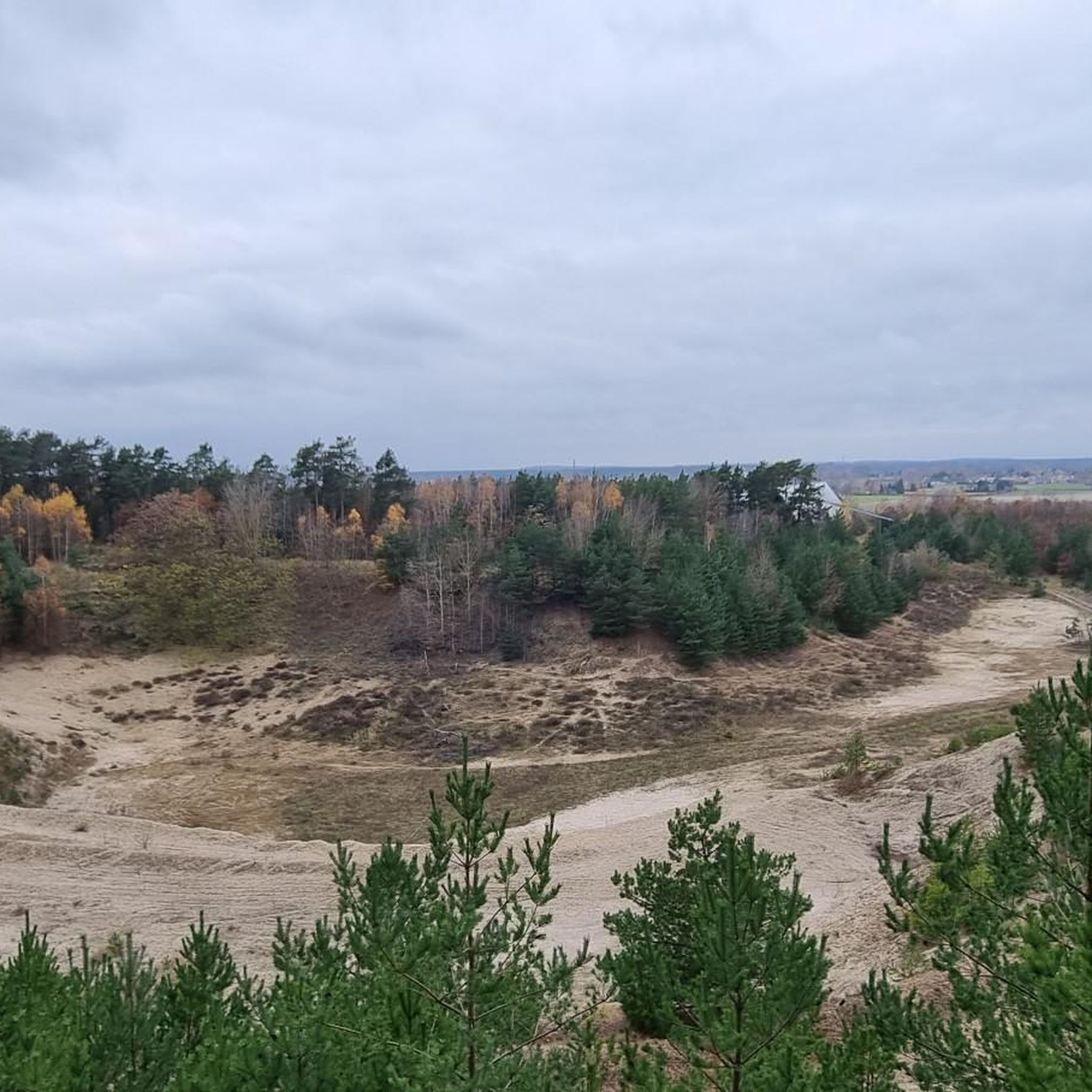
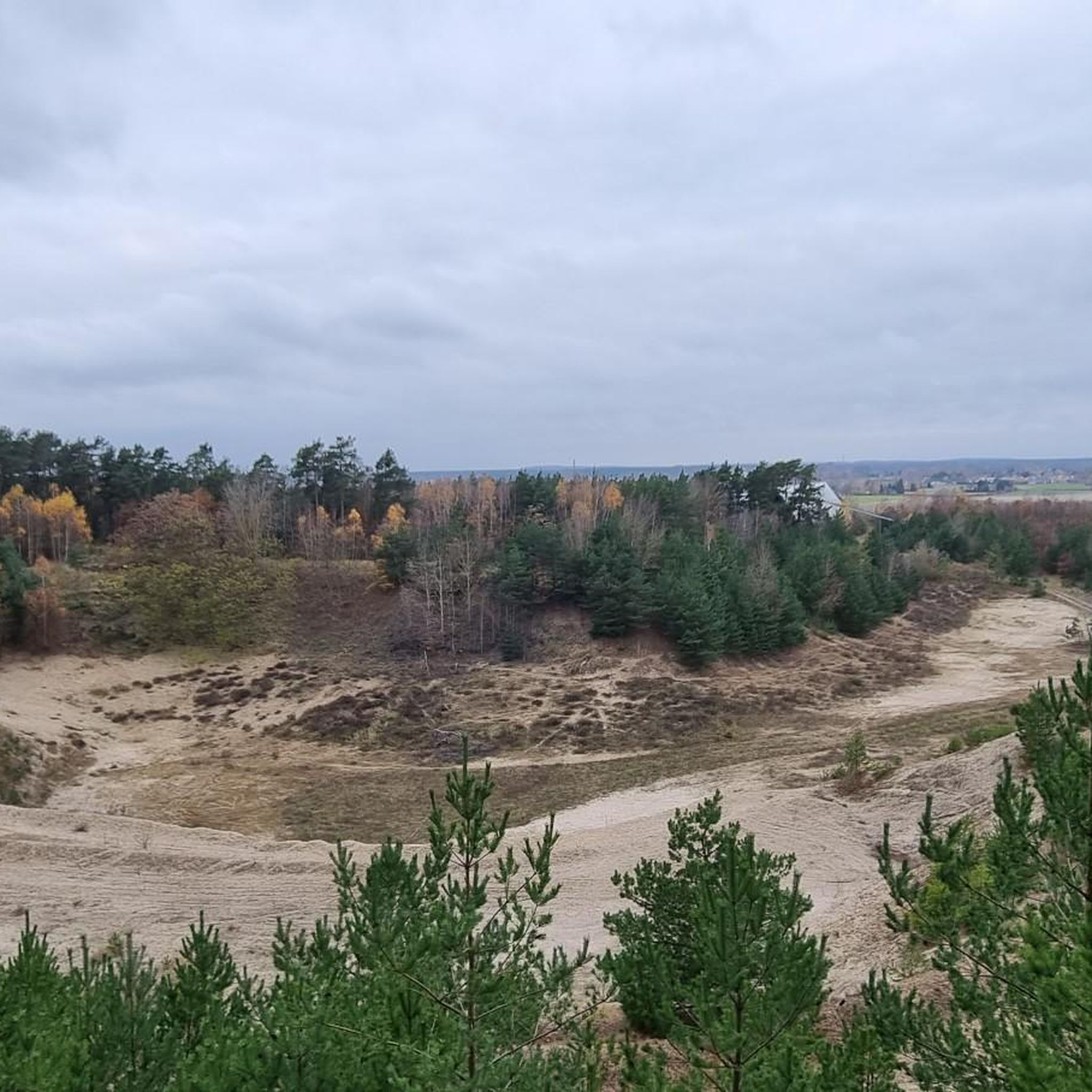
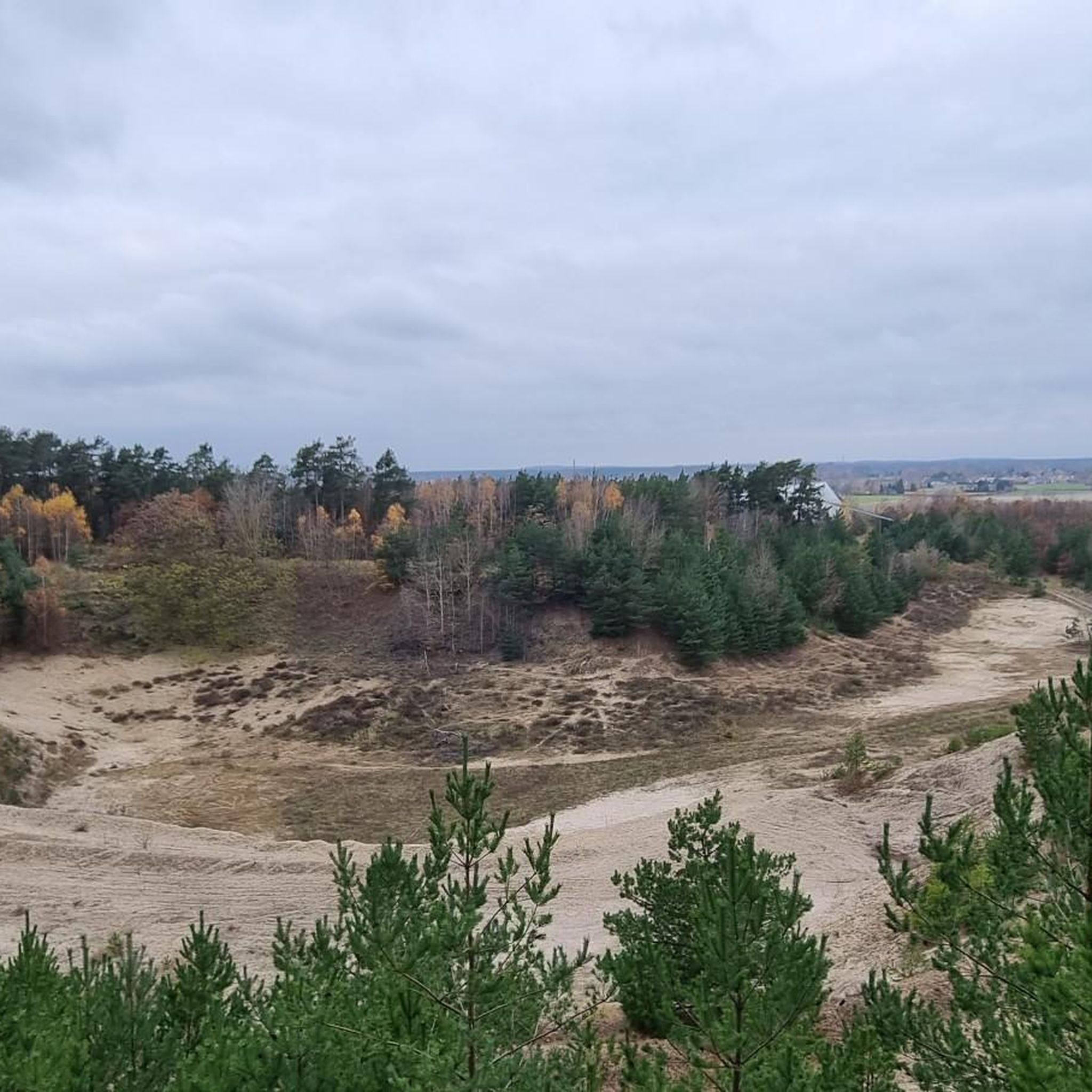
Kranichland Observation Tower
Highlight • Viewpoint
Translated by Google •
Tip by

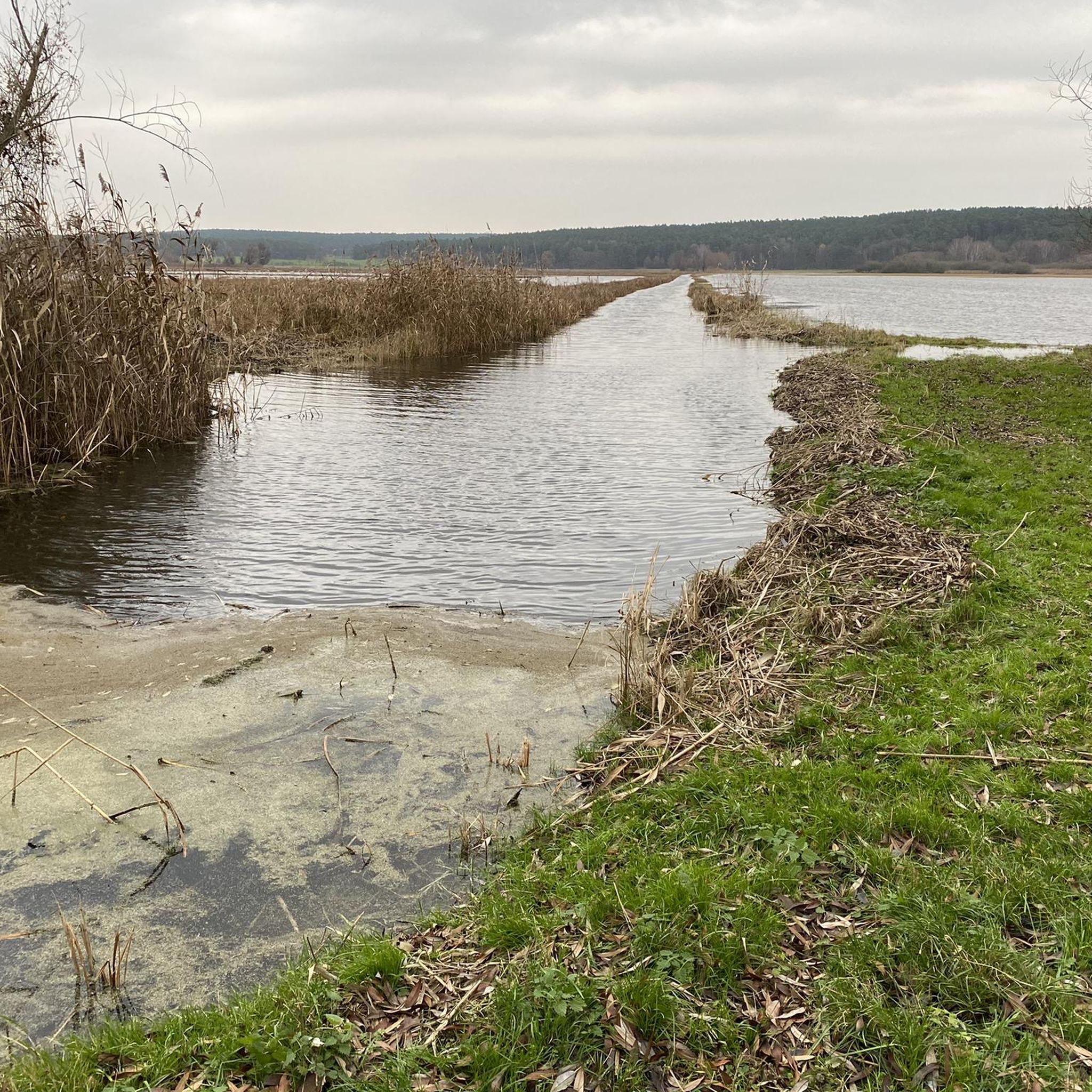
Fauler Lake (Gränert Conservation Area)
Highlight • Lake
Showing Translation
Tip by

Sign up now to discover places like this
Get recommendations on the best single tracks, peaks, & plenty of other exciting outdoor places.
Natural Monument Bald Cypresses at Grillendamm
Highlight • Natural Monument
Translated by Google •
Tip by

Wolzensee, natural swimming spot
Highlight • Lake
Translated by Google •
Tip by

Milow Nature Park Center
Highlight • Rest Area
Showing Translation
Tip by

Sign up for free to discover even more natural monuments around Havelsee.
Already have an account?
Start today with a free account
Your next adventure awaits.
Tips from the Community

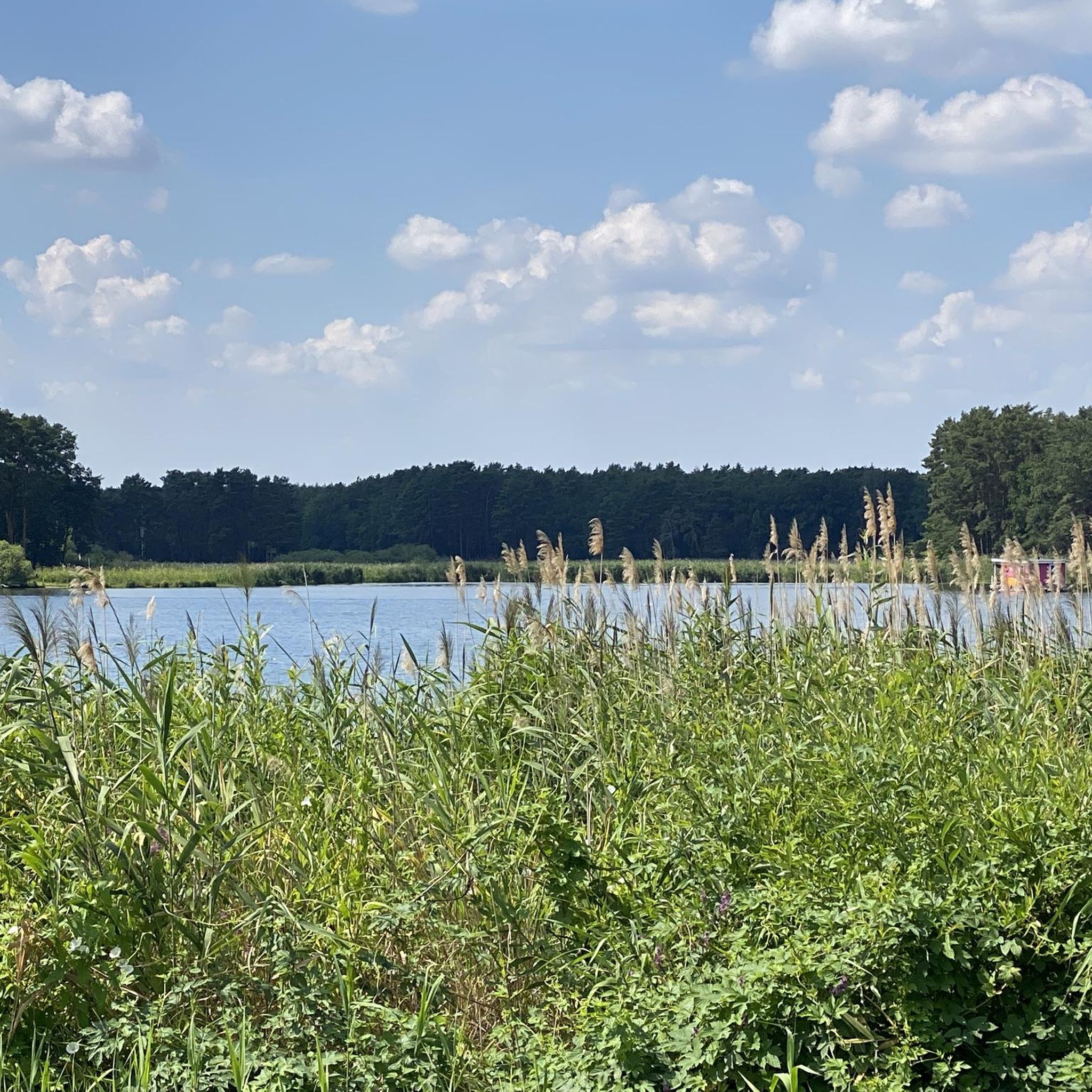
The path to the Fauler See is already very overgrown. Sturdy footwear and a quick look at the map, however, solve the problem wonderfully. If you're lucky, you'll see the trampled path of your predecessor.
1
0

Small tower interesting for ornithologists.
0
0

Pause for a moment and look…
0
1

It is an avenue that is over 170 years old and is planted with bald cypresses (Taxodium distichum), which are native to North America.
2
0

Further information is available at www.stiftung-kranichland.org/kute
1
0

The northernmost bald cypress avenue in Germany.
1
0

Very nice view over lakes and meadows to the Ketzür mill
0
0

Beautiful Lake, Beautiful Lake Access. Can get crowded in the afternoon.
0
0
Frequently Asked Questions
What kind of natural features can I expect to see around Havelsee?
Havelsee is situated within the expansive Westhavelland Nature Park, characterized by the Havel River's lowlands, extensive wetlands, meadows, forests, and numerous lakes. You'll find diverse ecosystems, from tranquil water bodies like Fauler Lake (Gränert Conservation Area) to unique botanical landmarks such as the Natural Monument Bald Cypresses at Grillendamm.
Are there any family-friendly natural monuments or activities in Havelsee?
Yes, several natural monuments around Havelsee are suitable for families. Wolzensee, natural swimming spot, offers a bathing area on its northern shore, perfect for a day out. The Fauler Lake (Gränert Conservation Area) features a path along its shore, ideal for observing birds and insects. The Natural Monument Bald Cypresses at Grillendamm is also a fascinating botanical landmark that families can explore.
Can I go swimming in any of the natural monuments around Havelsee?
Yes, Wolzensee, natural swimming spot, is a designated natural monument with a bathing area on its northern shore, making it a popular choice for swimming and enjoying the water.
What kind of wildlife can I observe in the Havelsee region?
The Havelsee region, particularly within the Westhavelland Nature Park, is a crucial habitat for a variety of animal species. You can observe wading and water birds, beavers, Eurasian otters, white-tailed eagles, and red kites. The park is also home to Germany's last great bustards. Fauler Lake (Gränert Conservation Area) is specifically noted for opportunities to observe birds and insects.
Are there opportunities for stargazing near Havelsee?
Absolutely. The Westhavelland Nature Park, which encompasses Havelsee, holds the distinction of being Germany's first and darkest 'Dark Sky Park' or 'Star Park'. This designation means the park offers exceptionally dark night skies, providing breathtaking views of the Milky Way and making it an ideal destination for stargazing and astrophotography.
What outdoor activities can I do near the natural monuments around Havelsee?
The region offers a variety of outdoor activities. You can explore numerous cycling routes, such as those found in the Cycling around Havelsee guide, or tackle mountain biking trails detailed in the MTB Trails around Havelsee guide. For those who prefer walking, there are running and hiking trails, with options available in the Running Trails around Havelsee guide. The water-rich landscape also provides opportunities for water sports like canoeing and boat tours.
Where can I find more information about the Westhavelland Nature Park?
The Milow Nature Park Center serves as a visitor center for the Westhavelland Nature Park. It offers an exhibition space where you can learn about the region's flora, fauna, and the importance of the Havel River. It's a great starting point for understanding the park's unique landscape and conservation efforts.
Are there any historical sites designated as natural monuments in the area?
Yes, the Grave of Friederike von Bornstedt is recognized as both a historical site and a natural monument. It's located in a forest setting, offering a blend of natural beauty and local history.
What is the best time to visit Havelsee for nature activities?
The Westhavelland Nature Park experiences significant bird migration in spring and autumn, making these seasons excellent for birdwatching. Summer is ideal for water sports and swimming at spots like Wolzensee. For stargazing, clear nights throughout the year are best, especially during new moon phases.
What makes the Natural Monument Bald Cypresses at Grillendamm special?
The Natural Monument Bald Cypresses at Grillendamm is an avenue of bald cypresses that are over 170 years old. Planted in 1841, this collection of deciduous conifers is considered a unique botanical landmark in Europe due to its size and age, offering a striking natural spectacle.
What do visitors enjoy most about the natural monuments around Havelsee?
Visitors appreciate the tranquility and natural beauty of the area. Many enjoy the peaceful paths along lakes like Fauler Lake, where they can observe birds and insects. The bathing opportunities at Wolzensee are also highly rated, especially on warm afternoons. The unique botanical sight of the Bald Cypresses at Grillendamm is also a highlight for many.
Is there a specific natural monument called Weißes Fenn Marzahne in Havelsee?
Yes, within the administrative area of Havelsee,
Weißes Fenn Marzahne
is recognized as a natural monument. Its designation indicates it possesses unique ecological, geological, or aesthetic value that warrants its protection, though specific detailed features are best explored locally.Most popular routes around Havelsee
Most popular attractions around Havelsee

Get inspired with the komoot mobile app


Explore more
Extend your search for the best caves by checking out these guides of the top ones around Havelsee:
