Top 19 Natural Monuments around Wrohm
Best natural monuments around Wrohm are centered around the Eider River and the Nord-Ostsee-Kanal (Kiel Canal), which define the region's natural landscape. The Eider River, Schleswig-Holstein's longest, features ecologically important forelands and wetlands, providing habitats for diverse flora and fauna. The Kiel Canal, a man-made waterway, has developed a range of semi-natural habitats along its 100 km length. These areas offer significant ecological value and recreational opportunities for exploring the natural surroundings of Wrohm.
Best natural monuments around Wrohm
- The…
Last updated: June 24, 2026
Hohner Lake
Highlight • Lake
Translated by Google •
Tip by

Exposed roots of the ancient beech in the Gieselau Valley
Highlight • Natural Monument
Translated by Google •
Tip by

Sign up now to discover places like this
Get recommendations on the best single tracks, peaks, & plenty of other exciting outdoor places.
Sign up for free
Dellstedter Birkwildmoor Nature Reserve
Highlight • Natural Monument
Translated by Google •
Tip by

Heidberg in the Welmbüttel District Forest
Highlight • Natural Monument
Translated by Google •
Tip by
Brutkamp Megalithic Tomb
Highlight • Historical Site
Legends and legends loom around the Burtkamp - just because of the size of the capstone. …
Translated by Google •
Tip by
Sign up for free to discover even more natural monuments around Wrohm.
Sign up for free
Already have an account?
Start today with a free account
Your next adventure awaits.
Login or Signup
Tips from the Community


Be careful, the paths are soft and wet even during prolonged dry periods!
0
0


Really a very interesting root system
1
0

The wooded geest area (Dithmarscher Schweiz) is 72 m above sea level on the Rugebarg. NN the highest point in the community. The well-known “Heidberg” is 46 m above sea level. NN is significantly lower, but is considered a popular destination in the district forest among hikers. The Geest around Welmbüttel is a watershed. The Tielenau rises in the southwestern part of the district forest and flows into the Eider via Tellingstedt. The surface water on the western side of the Geest collects in small streams until it flows into the Miele. The Broklandsau in the north has several springs in town. The Osterau rises in the district forest near the old, now dry ponds, the Wierbek has several springs, one rises on the Bahnhofsberg and feeds several ponds, including on the B 203, before it joins other source streams in Norderwohld. https://de.wikipedia.org/wiki/Welmb%C3%BCttel
2
0

It's always impressive how the trees with such fascinating root systems can hold their own above ground in wind and weather 🌳...
1
0

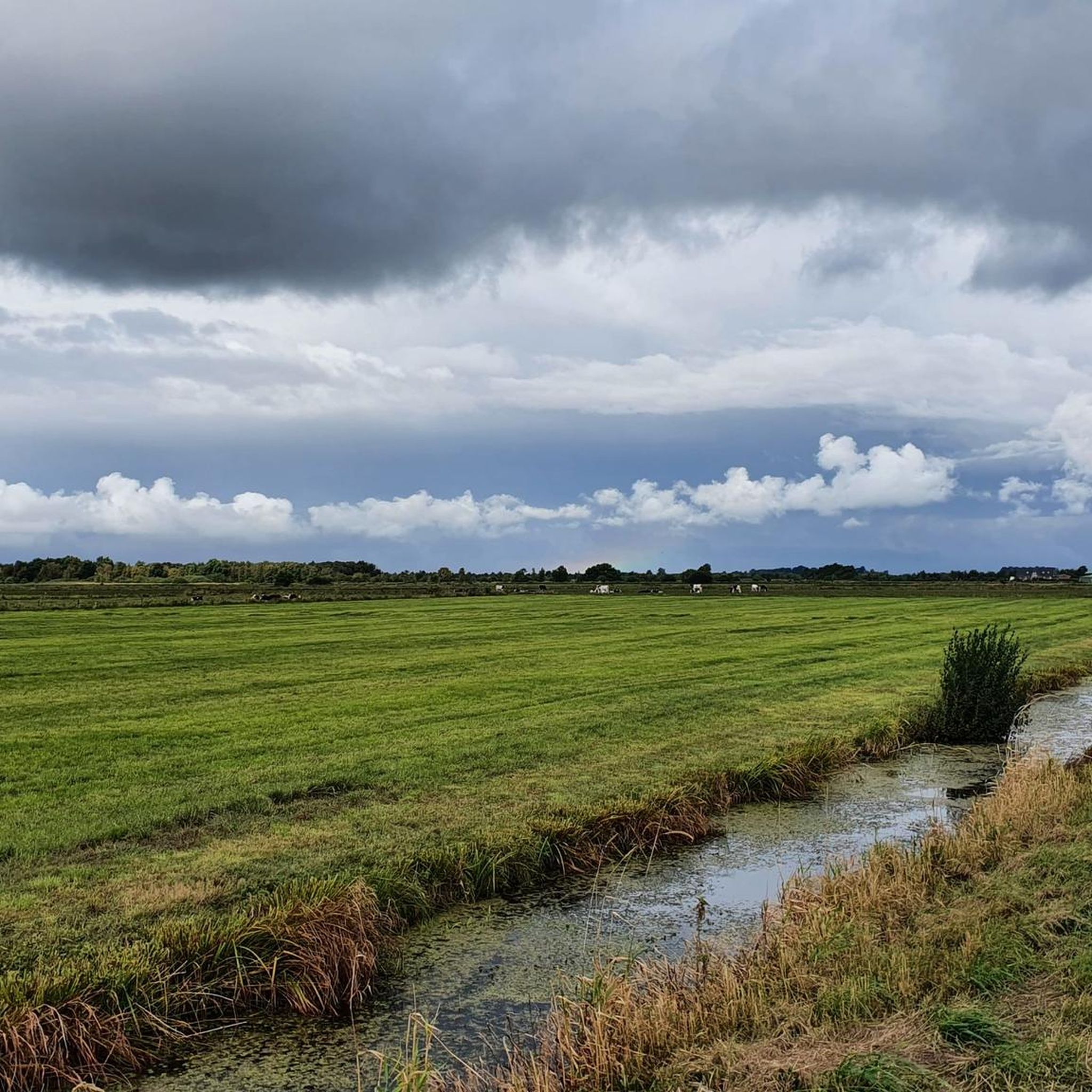
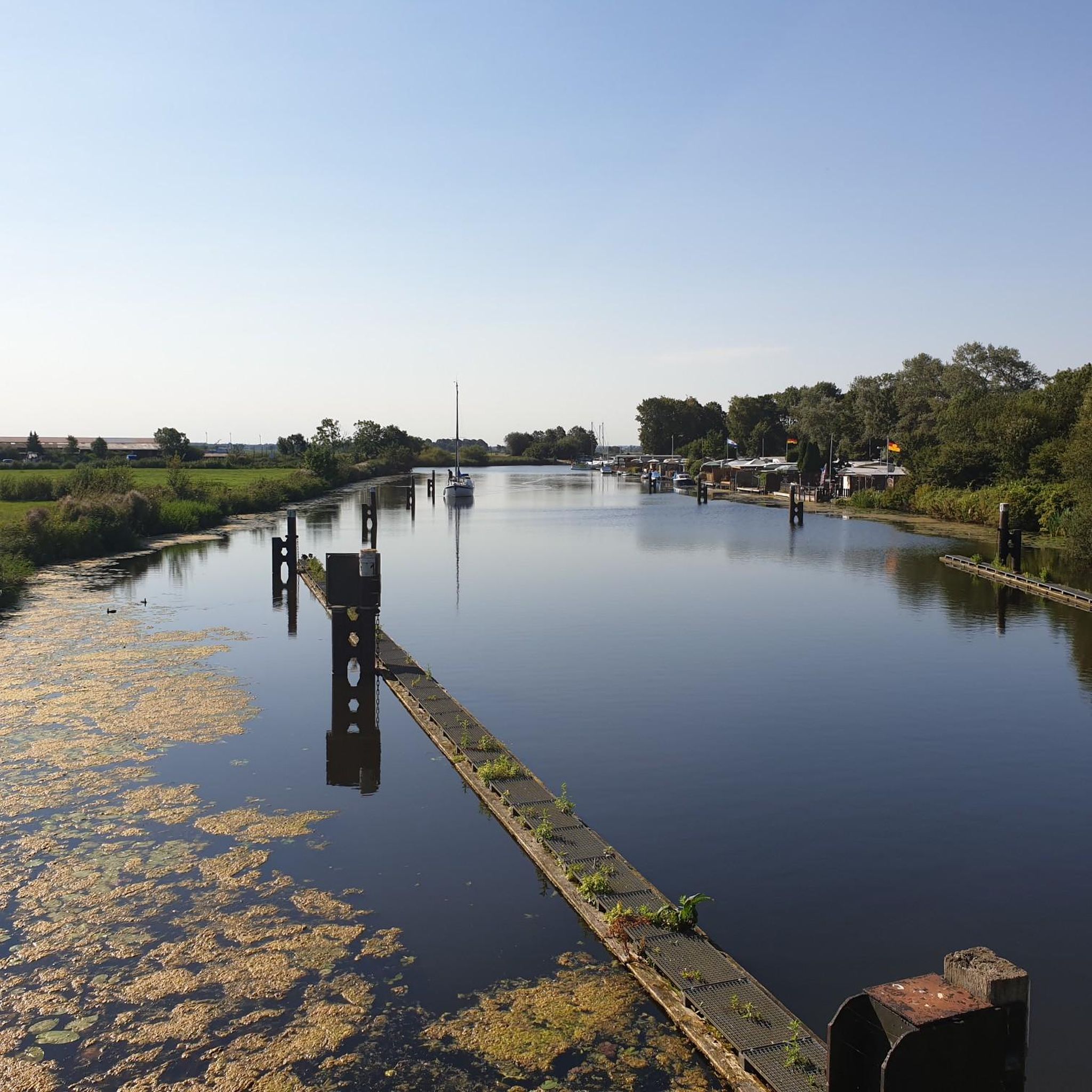
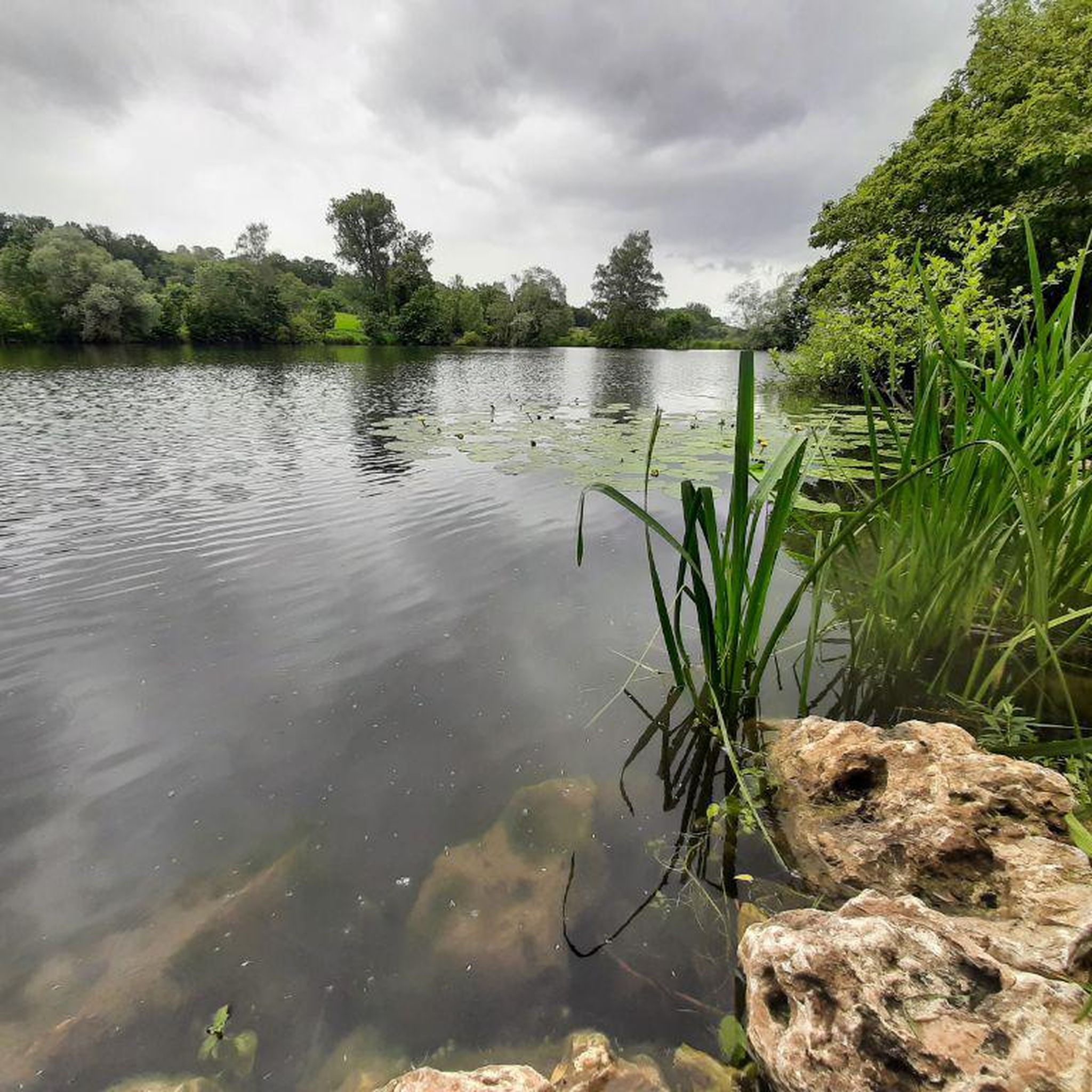
The Hohner See is a lake about 12 km west of the town of Rendsburg in the German state of Schleswig-Holstein near the village of Hohn. The lake is about 71 hectares in size and up to 1.0 m deep. It is the last surviving Geest flat lake in the flooded landscape of the Eider-Treene-Sorge lowlands.
4
0

This stone grave is the one shown in the coat of arms of Albersdorf.
2
0
Frequently Asked Questions
What are the most unique natural monuments to explore around Wrohm?
Wrohm offers several unique natural monuments. One highlight is the Exposed roots of the ancient beech in the Gieselau Valley, where the root system of a more than 200-year-old beech tree provides a fascinating discovery spot and shelter for wildlife. Another significant site is Hohner Lake, the last remaining shallow-water geest lake in the Eider-Treene-Sorge lowlands, known for its endangered animal and plant species, including the white-tailed eagle.
Are there any nature reserves or protected areas near Wrohm?
Yes, the Dellstedter Birkwildmoor Nature Reserve is a significant protected high moor near Wrohm. This approximately 620-hectare reserve is crucial for the Eider-Treene-Sorge region, supporting specialized flora and fauna adapted to its unique conditions, such as moor frogs, adders, and various bird species.
What role do the Eider River and Kiel Canal play in the natural landscape of Wrohm?
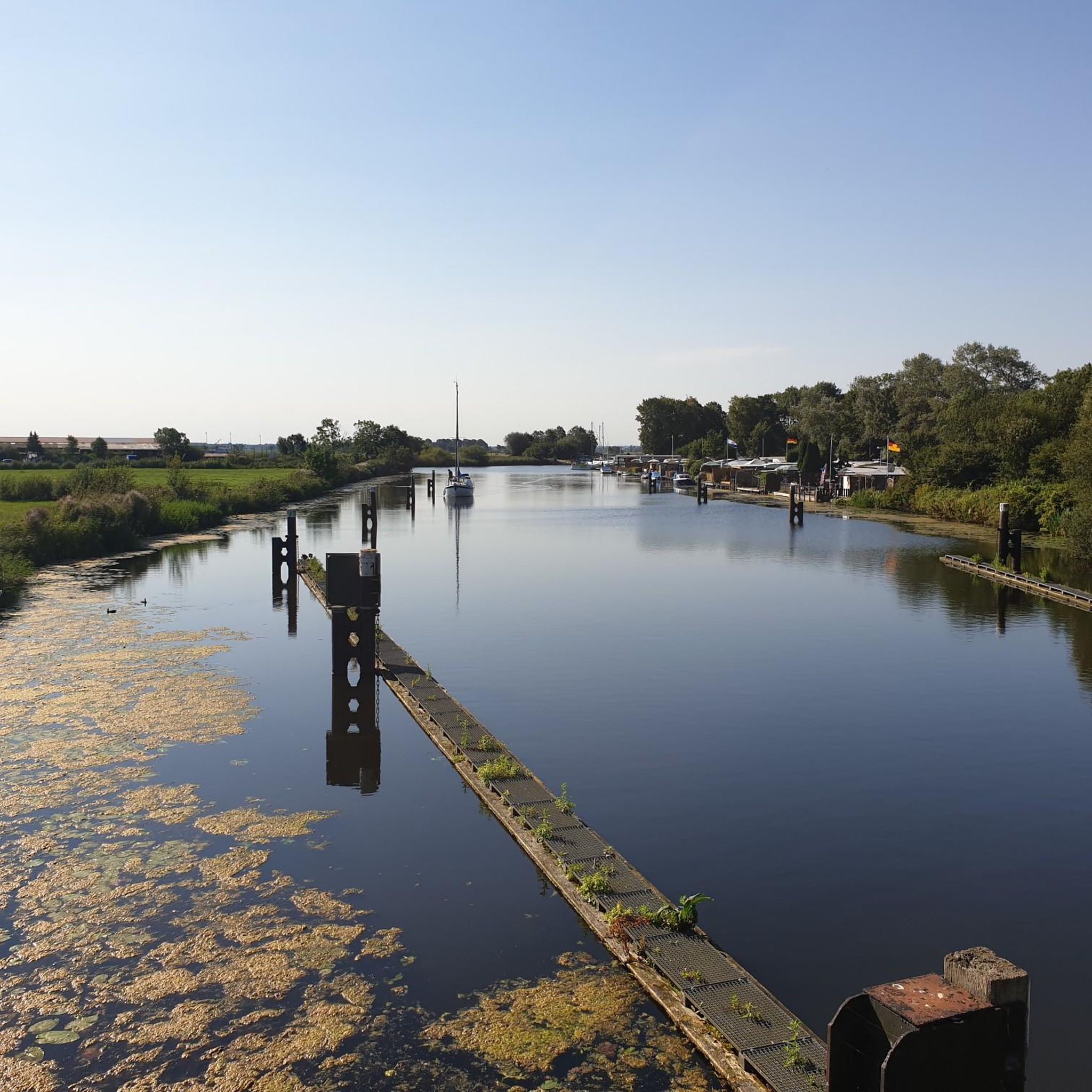
The Eider River and the Nord-Ostsee-Kanal (Kiel Canal) are central to Wrohm's natural landscape. The Eider, Schleswig-Holstein's longest river, features ecologically important forelands and wetlands that are vital habitats for diverse flora and fauna. The Kiel Canal, though man-made, has developed a rich array of semi-natural habitats along its banks, contributing to a system of protected areas and offering unique ecosystems for reptiles and various birdlife. The Gieselau Canal connects the Eider River to the Kiel Canal near Wrohm.
What kind of wildlife can I expect to see in the natural monuments around Wrohm?
The natural monuments around Wrohm are rich in wildlife. At Hohner Lake, you might spot endangered species like the white-tailed eagle. The Eider River's wetlands are a refuge for numerous red-listed species and migratory birds. In the Dellstedter Birkwildmoor Nature Reserve, specialized creatures like moor frogs, adders, snipe, and curlews thrive.
Are there family-friendly natural monuments or activities near Wrohm?
Absolutely! The Exposed roots of the ancient beech in the Gieselau Valley is a popular discovery spot for children. Hohner Lake also offers excellent opportunities for bird observation from a refuge, which can be engaging for families. Additionally, the Dellstedter Birkwildmoor Nature Reserve has information boards that provide easy-to-understand insights into the local flora and fauna, making it educational for all ages.
What outdoor activities can I do near the natural monuments around Wrohm?
The area around Wrohm is excellent for outdoor activities, especially cycling and hiking. You can find numerous routes along the Eider River and the Kiel Canal. For specific cycling routes, check out the Cycling around Wrohm guide, which includes paths along the Gieselau Canal. If you prefer road cycling, the Road Cycling Routes around Wrohm guide offers options like the 'View of the Eider River – Giselau Lock loop'. For hikers, the Hiking around Wrohm guide features trails such as the 'Eider Harbor loop'.
Is there a historical natural monument in the Wrohm area?
Yes, the Brutkamp Megalithic Tomb is a significant historical site near Wrohm. This large stone grave features the heaviest capstone in Schleswig-Holstein, weighing approximately 23 tons. It's a fascinating glimpse into prehistoric times and is even featured in the Albersdorf coat of arms.
Where can I find scenic views or viewpoints of the natural landscape?
For scenic views, the Heidberg in the Welmbüttel District Forest offers a popular destination for hikers, despite being lower than the Rugebarg. The Eider River itself provides picturesque meandering views, and the paths alongside the Kiel Canal offer unique perspectives of both human engineering and natural development.
What is the best time of year to visit the natural monuments around Wrohm?
The best time to visit the natural monuments around Wrohm largely depends on your preferred activities. Spring and summer are ideal for cycling and hiking, with lush landscapes and active wildlife. Autumn offers beautiful colors, especially along the Eider River. Birdwatching at Hohner Lake can be rewarding during migratory seasons.
Are there opportunities for birdwatching near Wrohm?
Yes, the region is excellent for birdwatching. Hohner Lake is particularly noted as a habitat for endangered bird species like the white-tailed eagle, with observation refuges available. The Eider River estuary, though a bit further, is a recognized wetland of international importance, providing refuge for numerous migratory birds and other species.
What are some of the unique geological features in the Wrohm area?
While Wrohm isn't known for dramatic geological formations, the region's uniqueness lies in its hydrological features. The Eider River's tidal sections and its foreland are ecologically significant. Hohner Lake stands out as the last remaining shallow-water geest lake in its lowlands. The Dellstedter Birkwildmoor Nature Reserve is a protected high moor, representing a distinct and important peatland ecosystem.
Most popular attractions around Wrohm

Get inspired with the komoot mobile app


Explore more
Extend your search for the best caves by checking out these guides of the top ones around Wrohm:
