Top 9 Natural Monuments around Glüsing
Best natural monuments around Glüsing are found in the Dithmarschen district of Schleswig-Holstein, Germany. This region is characterized by its proximity to the North Sea coast and the unique landscapes of the Schleswig-Holstein Wadden Sea National Park. The area features diverse natural attractions, including moorlands and tidal flats. Visitors can explore a variety of natural features shaped by historical peat extraction and glacial meltwater.
Best natural monuments around Glüsing
- The most popular natural monuments is Moor pools in the Ostroher-Süderholmer…
Last updated: June 24, 2026
Moor pools in the Ostroher-Süderholmer Moor
Highlight • Natural
Translated by Google •
Tip by

Dellstedter Birkwildmoor Nature Reserve
Highlight • Natural Monument
Translated by Google •
Tip by

Sign up now to discover places like this
Get recommendations on the best single tracks, peaks, & plenty of other exciting outdoor places.
Sign up for free
Heidberg in the Welmbüttel District Forest
Highlight • Natural Monument
Translated by Google •
Tip by

Eidertal Escarpment: Pahlhude to Dörpling-Hohenlieth
Highlight • Natural Monument
Translated by Google •
Tip by
Alte Sorge Loop Nature Reserve
Highlight • Natural Monument
With information board, which you also need, because unfortunately you don't see much of the worry.
Translated by Google •
Tip by

Sign up for free to discover even more natural monuments around Glüsing.
Sign up for free
Already have an account?
Start today with a free account
Your next adventure awaits.
Login or Signup
Tips from the Community

Be careful, the paths are soft and wet even during prolonged dry periods!
0
0


A small place to rest with a beautiful view over the hollows.
0
0

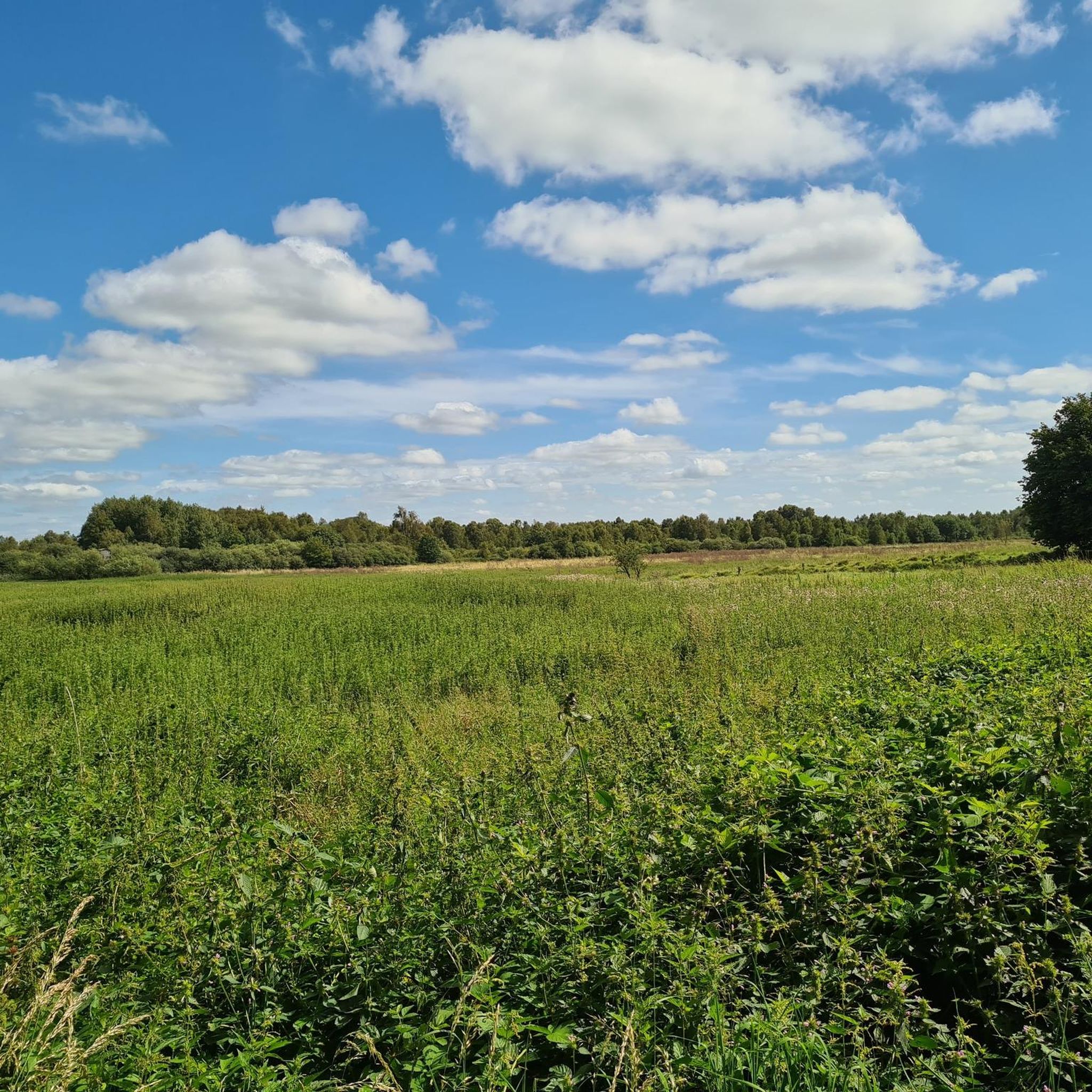
The Scottish Highlanders are a peaceful breed of cattle. Everything is very slow and they don't fixate on them with their eyes. Then they get very curious. I also really liked the view of the birch forest. It may be that I'm spoiled at the moment. So I have to "earn" a hike's stars. The water areas are visited by anglers, and they drive right up to them in their cars. There are also too many tractors driving too fast on the supply routes.
5
0
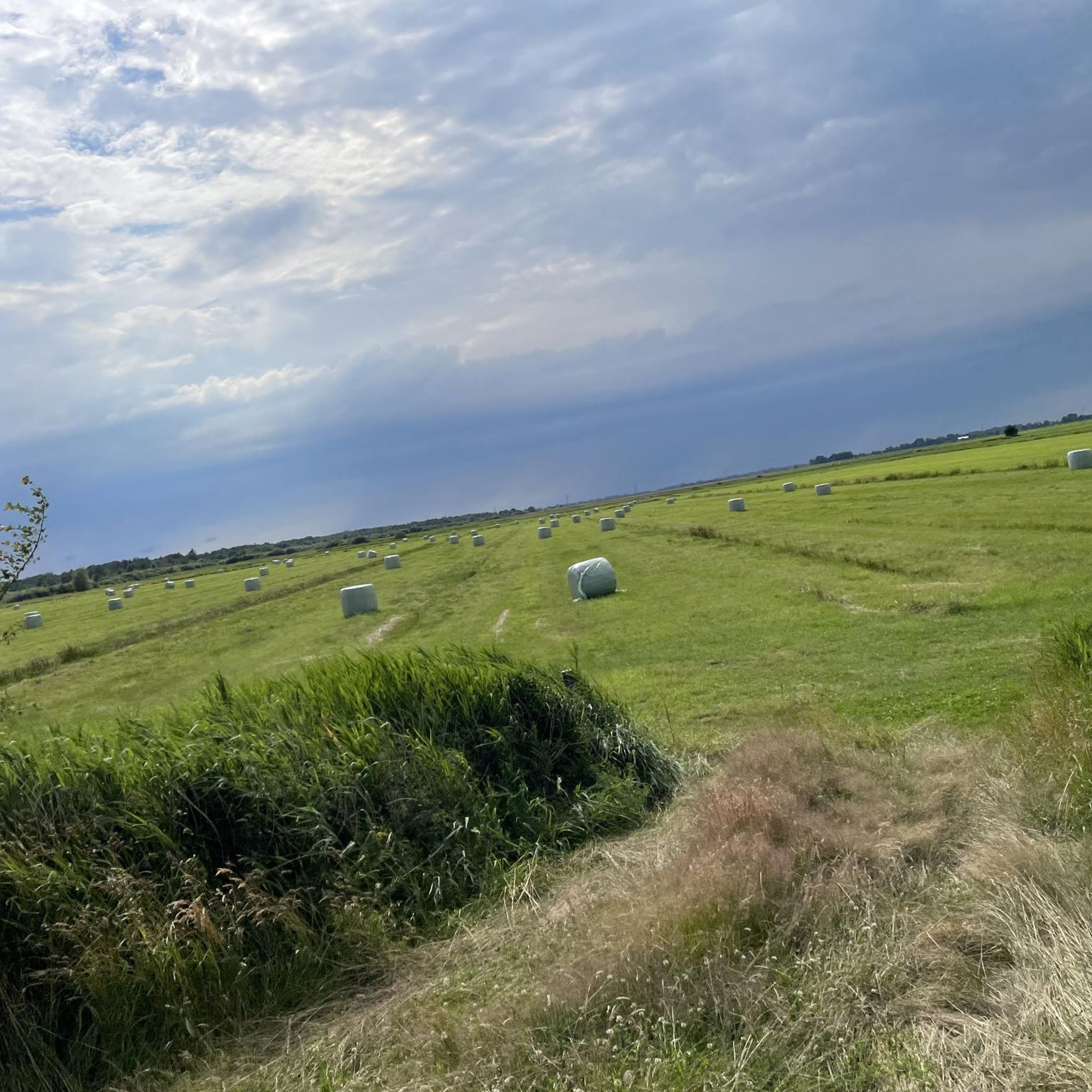
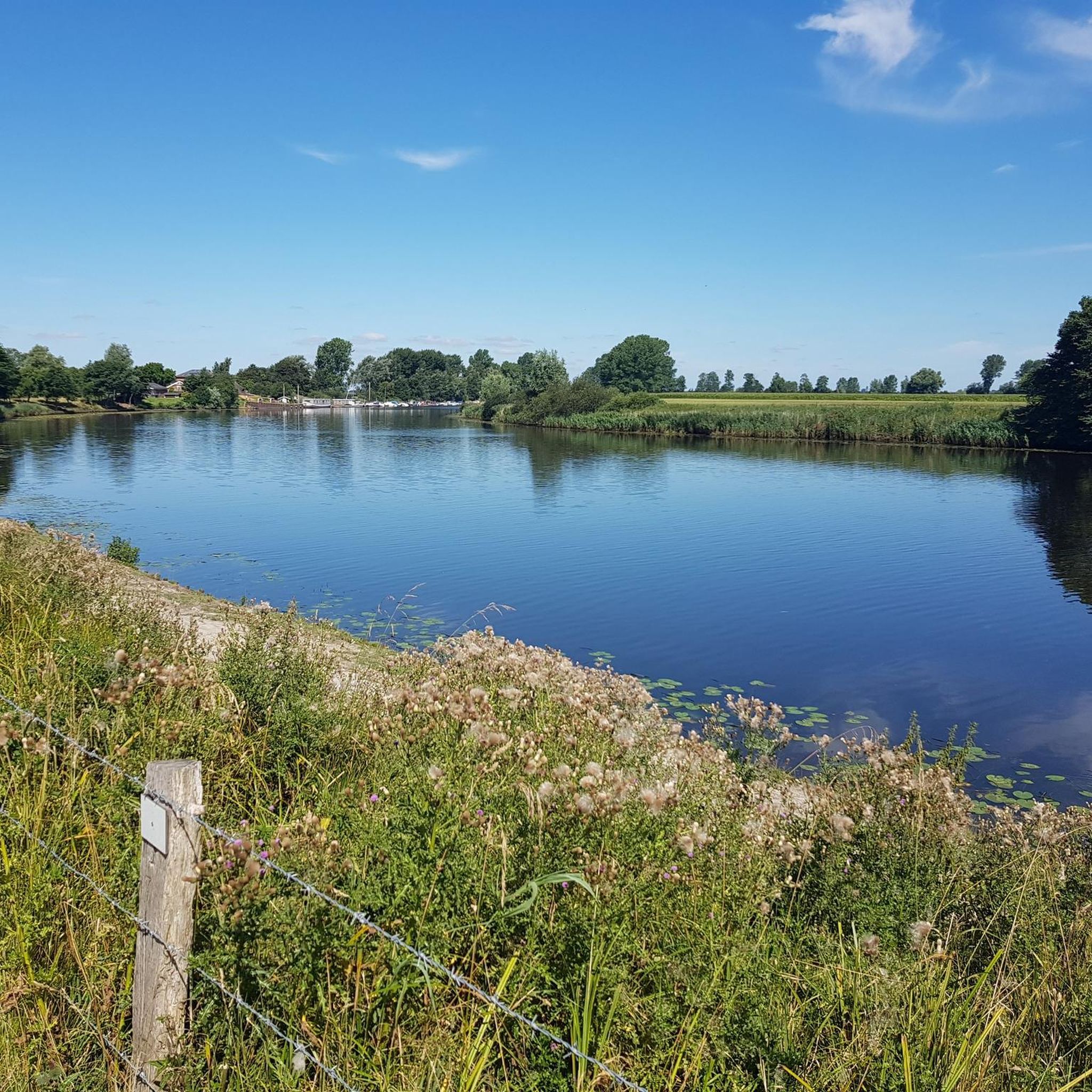
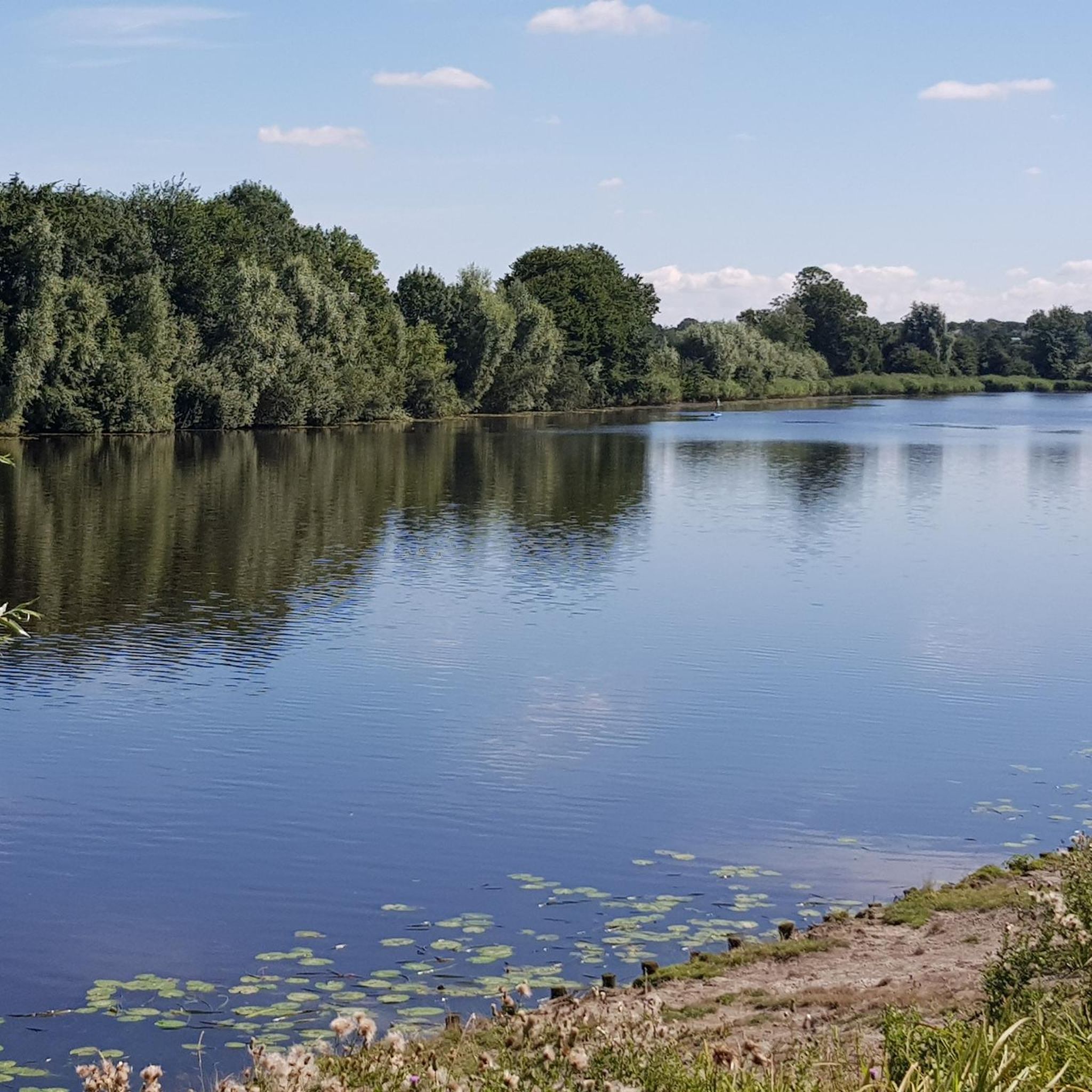
Today, the landscape is characterized by a mosaic of water areas used for sport fishing, between agricultural grassland areas. The area, which is crossed by a network of paths, also includes reed beds and fen-like wet meadows.
5
0
Since 1972, the moor in the valley of the upper Broklandsau northeast of Heide has been designated a protected area covering an area of 283 hectares.
5
0
After the Second World War, peat was mined here on a large scale to a depth of six metres. This is how the peat pits, which are today's water surfaces, were created.
5
0
As the North Sea rose after the last ice age, the groundwater level began to rise, which led to the formation of peatlands, which was accelerated by the region's basin-like valley location. A huge raised bog was created.
6
1
Frequently Asked Questions
What are some notable natural features to explore around Glüsing?
The region around Glüsing offers diverse natural features. You can explore unique moorlands, such as the Moor pools in the Ostroher-Süderholmer Moor, which were formed from extensive peat mining. Another significant feature is the Eidertal Escarpment, a landscape shaped by Ice Age meltwater, offering magnificent views over fields and the steep edge of the Dithmarschen Altmoräne.
Are there family-friendly natural monuments near Glüsing?
Yes, several natural monuments around Glüsing are suitable for families. The Moor pools in the Ostroher-Süderholmer Moor are considered family-friendly, offering a network of paths through a mosaic of water areas and reed beds. The Alte Sorge Loop Nature Reserve also provides a tranquil setting with a nice rest area, making it a good spot for families.
What kind of wildlife can I spot in the natural monuments around Glüsing?
The natural monuments in the Glüsing area, particularly the moorlands, are home to specialized flora and fauna. For instance, the Dellstedter Birkwildmoor Nature Reserve is known for species like narrow-leaved cotton grass, bell heather, bog lily, moor frogs, and adders. Birdwatchers might spot snipe and curlew here. The wider Schleswig-Holstein Wadden Sea National Park, nearby, is a vital habitat for millions of birds, seals, and porpoises.
What is the best time to visit the natural monuments in the Glüsing region?
The best time to visit depends on your interests. Spring and summer offer lush greenery and active wildlife, especially for birdwatching in the moorlands and the Wadden Sea. Autumn provides beautiful colors and cooler temperatures for hiking. The region's natural beauty can be appreciated year-round, but specific activities like mudflat walks in the Wadden Sea are tide-dependent and often best in warmer months.
Are there any historical aspects related to the natural monuments in this area?
Yes, some natural monuments have historical significance. The Moor pools in the Ostroher-Süderholmer Moor were created by extensive peat mining after the Second World War, offering a glimpse into the region's industrial past and subsequent natural regeneration. The Eidertal Escarpment showcases a landscape formed by meltwater during the Ice Age, and historically, clay mined here was used in brickworks in the late 19th and early 20th centuries.
What outdoor activities can I do near the natural monuments around Glüsing?
The area around Glüsing is excellent for various outdoor activities. You can find numerous routes for cycling, mountain biking, and running. For example, there are several cycling routes like the 'St. Secundus Church, Hennstedt loop from Delve', and MTB trails such as the 'Meggerdorf swimming spot – Stork Nests in Bergenhusen loop'. You can also explore running trails, including an 'easy Running loop from Westerborstel'.
Are there viewpoints or scenic spots among the natural monuments?
Many natural monuments in the Glüsing area offer scenic viewpoints. The Alte Sorge Loop Nature Reserve features a viewpoint, and the Heidberg in the Welmbüttel District Forest, though not the highest point, is a popular destination for hikers due to its views. The Eidertal Escarpment provides magnificent views over the fields and the unique geological formations.
What is the Dellstedter Birkwildmoor Nature Reserve known for?
The Dellstedter Birkwildmoor Nature Reserve is a protected high moor and one of the most important raised moors in the Eider-Treene-Sorge region. Spanning approximately 620 hectares, it is characterized by its unique living conditions, supporting specialized flora like narrow-leaved cotton grass and bell heather, and fauna such as moor frogs, adders, snipe, and curlew.
Can I find easy hiking trails near Glüsing's natural monuments?
While specific difficulty levels for trails directly within each natural monument are not always detailed, the region generally offers accessible paths. The Moor pools in the Ostroher-Süderholmer Moor have a network of paths suitable for exploration. For dedicated easy hiking, you can look into the broader network of running trails or cycling routes in the area, many of which are relatively flat and easy to navigate.
What makes the Heidberg in the Welmbüttel District Forest a popular destination?
The Heidberg in the Welmbüttel District Forest is a popular destination among hikers, despite not being the highest point in the community. It's part of a wooded geest area (Dithmarscher Schweiz) and offers a pleasant environment for walks. The area has seen renaturation efforts, including the reintroduction of heather, enhancing its natural appeal.
Are the natural monuments around Glüsing accessible by public transport?
While Glüsing is a small municipality, accessing specific natural monuments often requires personal transport or a combination of public transport and walking/cycling. For detailed information on reaching individual sites by public transport, it's advisable to check local bus schedules or regional transport services for Dithmarschen, as direct routes to all remote natural areas may be limited.
What is the significance of the Schleswig-Holstein Wadden Sea National Park in relation to Glüsing?
While not directly within Glüsing, the Schleswig-Holstein Wadden Sea National Park is a UNESCO World Heritage site and a globally unique natural landscape within easy reach of Glüsing. It's characterized by tidal flats, salt marshes, and sandbanks, supporting over 3,200 wildlife species. Visitors can explore this dynamic ecosystem through guided mudflat walks, seal watching, and birdwatching, offering a broader natural experience beyond Glüsing's immediate vicinity.
Most popular attractions around Glüsing

Get inspired with the komoot mobile app


Explore more
Extend your search for the best caves by checking out these guides of the top ones around Glüsing:
