Top 20 Natural Monuments around Huisheim
Natural monuments around Huisheim are shaped by the Monheimer Alb and the Geopark Ries, offering insights into the region's geological history. The landscape features formations linked to the Ries meteorite impact event. Visitors can explore a variety of natural sites, from geological outcrops to tranquil water bodies. The area provides opportunities to observe unique flora and panoramic views of the surrounding crater landscape.
Best natural monuments around Huisheim
- The most popular natural monuments is Doos Pond, a lake that…
Last updated: August 18, 2026
Doos Pond
Highlight • Lake
Translated by Google •
Tip by

Bockberg: Summit Cross and View over the Ries Crater
Highlight • Summit
Translated by Google •
Tip by

Sign up now to discover places like this
Get recommendations on the best single tracks, peaks, & plenty of other exciting outdoor places.
Sign up for free
Wemding Time Pyramid
Highlight • Monument
Translated by Google •
Tip by

Geotope Kalvarienberg Gosheim
Highlight • Natural Monument
The geotope …
Translated by Google •
Tip by

Lourdes Grotto Near Mündling
Highlight • Religious Site
Translated by Google •
Tip by

Sign up for free to discover even more natural monuments around Huisheim.
Sign up for free
Already have an account?
Start today with a free account
Your next adventure awaits.
Login or Signup
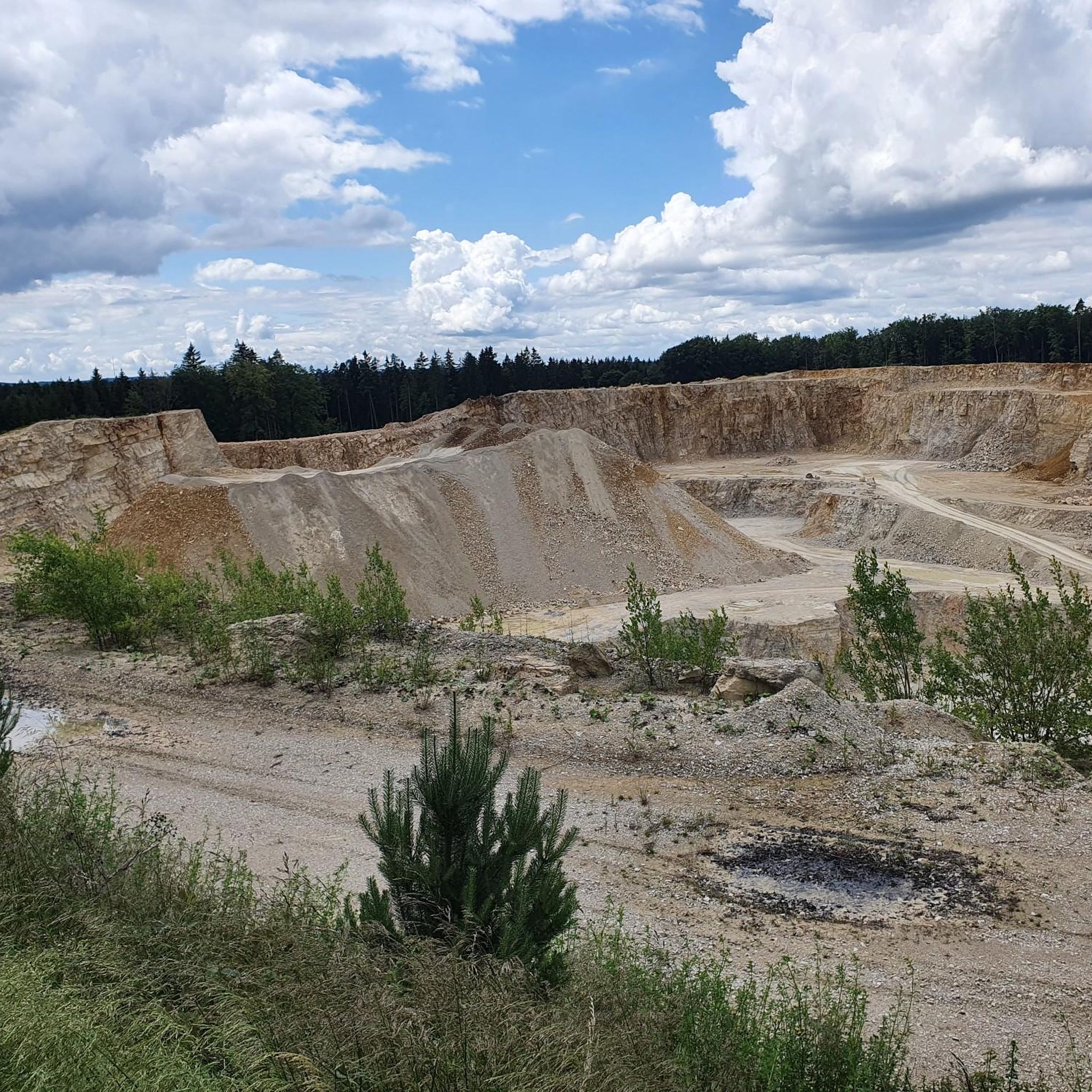
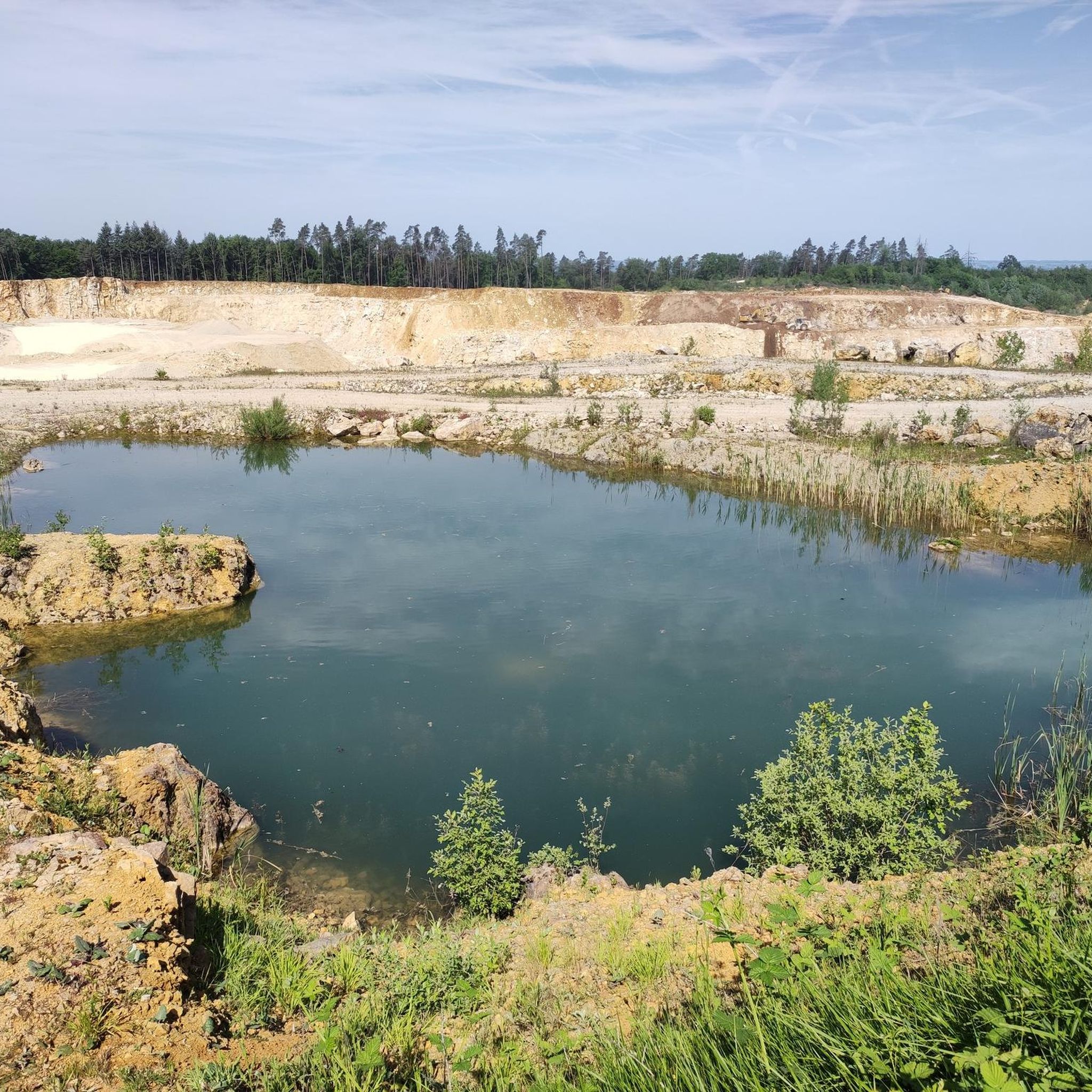
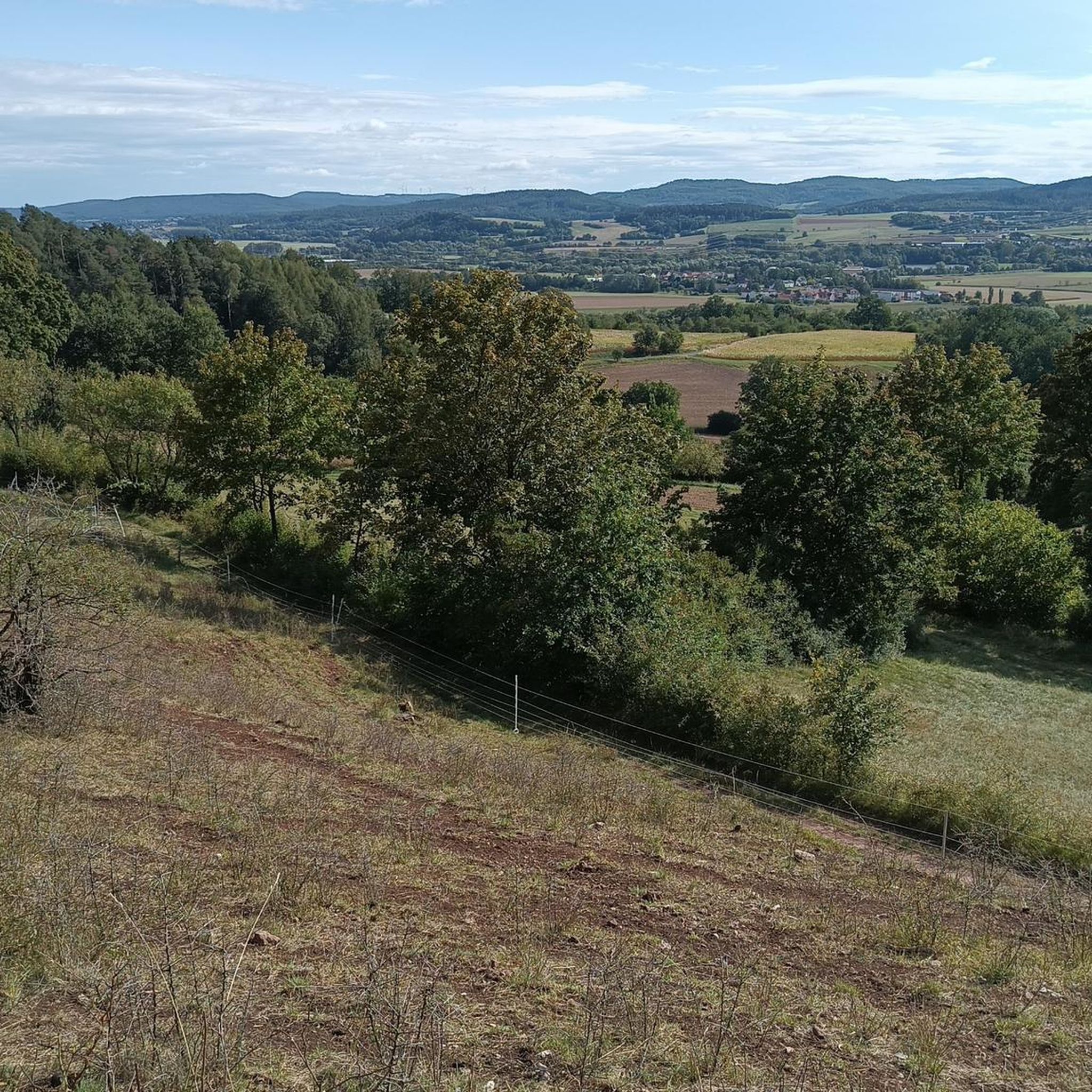
Other adventures around Huisheim

Tips from the Community

A beautiful view of the pond... The roaring water behind the bench drowns out the twittering of the birds. To get there, you have to bridge a canal about a meter wide.
0
0

Coming from Doosweiher, I was missing an arrow today and got lost at the intersection. The path goes across the street and continues there. The arrows were not clear or there were arrows that were not visible due to overgrowth. 🤣
0
0


It is an art object that was started to celebrate the 1,200th anniversary of the city of Wemding. It should not be finished until the year 3183 – 1,200 years after construction began. So a little patience is required to be able to admire the finished work of art.
2
0


A wonderful romantic pond. An ideal beaver area. Signs also warn of this.
0
0

It's almost a little mystical here. It's not for nothing that you meet a little floppy hat man from time to time...
1
0

The Doosweiher was formed by the water that flowed over the Rötebach into the Amerbacher Mühlweiher through a 49 m long and 5 m wide dam. From the dammed pond, the 1328 m long Doos Canal flowed in the direction of Wemding to supply the town's mills with water. From its completion in 1537, the canal supplied drinking and service water. Later, so-called "Brunnenstuben" (fountain rooms) were built at regular intervals, primarily to supply fresh air and to clean the sewers. Today one of the fountain rooms at the end of the canal is still preserved, but it has almost completely grown in and can only be recognized by the roaring of the water. The canal, on the other hand, was still partially used until 1957 and, next to the pond, was a meeting point for lumberjacks, mushroom pickers, field workers and village messengers. According to legend, Huaterle, a little man with a wide-brimmed hat, appears and warns us to leave. The term of the Wemdinger "Doosköpf" also has its origin here. Because the city workers carried out flow tests on the canal and kept shouting at each other: "Doost es scho?" The Doos Spring is a shallow karst dammed spring with a discharge of about 20 l/s, which is followed by a meandering channel two meters wide. A small staircase for access and moss-covered limestone frame the spring system. The tracks left by numerous beavers around the pond are characteristic of the landscape.
2
0
Frequently Asked Questions
What unique geological features can I explore among the natural monuments near Huisheim?
The region around Huisheim is significantly shaped by the Ries meteorite impact. A prime example is the Geotope Kalvarienberg Gosheim, an former limestone quarry where you can witness the immense geological forces of the impact. It showcases overturned rock layers and is located within the 'megablock zone' of the Ries crater. With luck, you might even find 'Ries-Belemniten' fossils there.
Are there natural monuments around Huisheim that offer panoramic views?
Yes, several natural monuments provide excellent vistas. The Bockberg: Summit Cross and View over the Ries Crater offers a wide view into the Ries, over the Wörnitz Valley, and towards Donauwörth. The Mähhorn, a prominent elevation, also provides magnificent panoramic views of the Ries crater, including distant landmarks like the Nördlinger Kirchturm 'Daniel'.
Which natural monuments near Huisheim are suitable for families?
Many natural monuments in the area are family-friendly. The Doos Pond is a quiet place for relaxation, and its surroundings show tracks left by beavers, which can be interesting for children. The Bockberg offers an accessible summit with great views. The Lourdes Grotto Near Mündling and Hülbe and Fish Pond are also noted as family-friendly spots.
What kind of flora and fauna can I expect to see at the natural monuments?
The natural monuments around Huisheim are home to diverse ecosystems. The Mähhorn features valuable calcareous grasslands with specific flora adapted to nutrient-poor, lime-rich soils. The Kohlenbachtal, particularly the Salzberg within it, boasts rich dry grassland flora with rare flowers and plants depending on the season. The Doos Pond is known for beaver activity, with their tracks characteristic of the landscape.
Are there hiking opportunities near these natural monuments?
Absolutely. The region offers numerous hiking trails that often incorporate these natural monuments. For example, you can find routes like 'View from Mähhorn – Silbersee of the Monheim Alb loop' or 'Gosheimer Weiher – Stone Fountain in Geopark Ries loop'. You can explore more hiking options and detailed routes on the Hiking around Huisheim guide page.
What other outdoor activities can I do near the natural monuments around Huisheim?
Beyond hiking, the area is excellent for cycling and gravel biking. You can find routes like 'Sandweiher Gosheim – Da Francesco loop' for cycling or 'Grandiose views, enchanted places and adventurous descents - Graveling in the Naturpark Altmühltal' for gravel biking. Discover more options on the Cycling around Huisheim and Gravel biking around Huisheim guide pages.
What is the significance of the Hülbe and Fish Pond?
The Hülbe and Fish Pond represents an artificially created small body of water. Historically, these 'Hülen' were crucial as watering places for livestock and for producing industrial water on the water-poor plateaus of the Swabian Alb and Franconian Jura. Today, they stand as unique cultural and historical evidence of the region's past.
Can I find tranquil water bodies among the natural monuments?
Yes, the region features several tranquil water bodies. The Doos Pond is described as a quiet place to relax, fed by a shallow karst spring. The Silbersee near Huisheim is also known as an idyllic spot, often integrated into local hiking paths, offering a serene environment.
What do visitors enjoy most about the natural monuments around Huisheim?
Visitors particularly appreciate the unique geological insights, especially those related to the Ries impact event, and the expansive panoramic views. The tranquility of places like Doos Pond and the opportunity for peaceful hikes through varied natural scenery are also highly valued. Many enjoy the chance to discover unique plant species and the overall natural beauty.
Is there a natural monument with historical or cultural significance?
The Lourdes Grotto Near Mündling holds historical and cultural significance. It was built in 1891 by a parish priest as a promise to the Mother of God after he was saved from getting lost in a fog. It's considered a place for reflection and a testament to local history.
What is the best time of year to visit the natural monuments around Huisheim?
The natural monuments can be enjoyed throughout the year, but spring and summer are ideal for experiencing the rich dry grassland flora at places like the Mähhorn and Kohlenbachtal. Autumn offers beautiful colors, and even winter can provide a unique, quiet atmosphere, especially for geological sites like the Geotope Kalvarienberg Gosheim.
Most popular routes around Huisheim
Most popular attractions around Huisheim

Get inspired with the komoot mobile app


Explore more
Extend your search for the best caves by checking out these guides of the top ones around Huisheim:
