Top 12 Natural Monuments around Aholfing
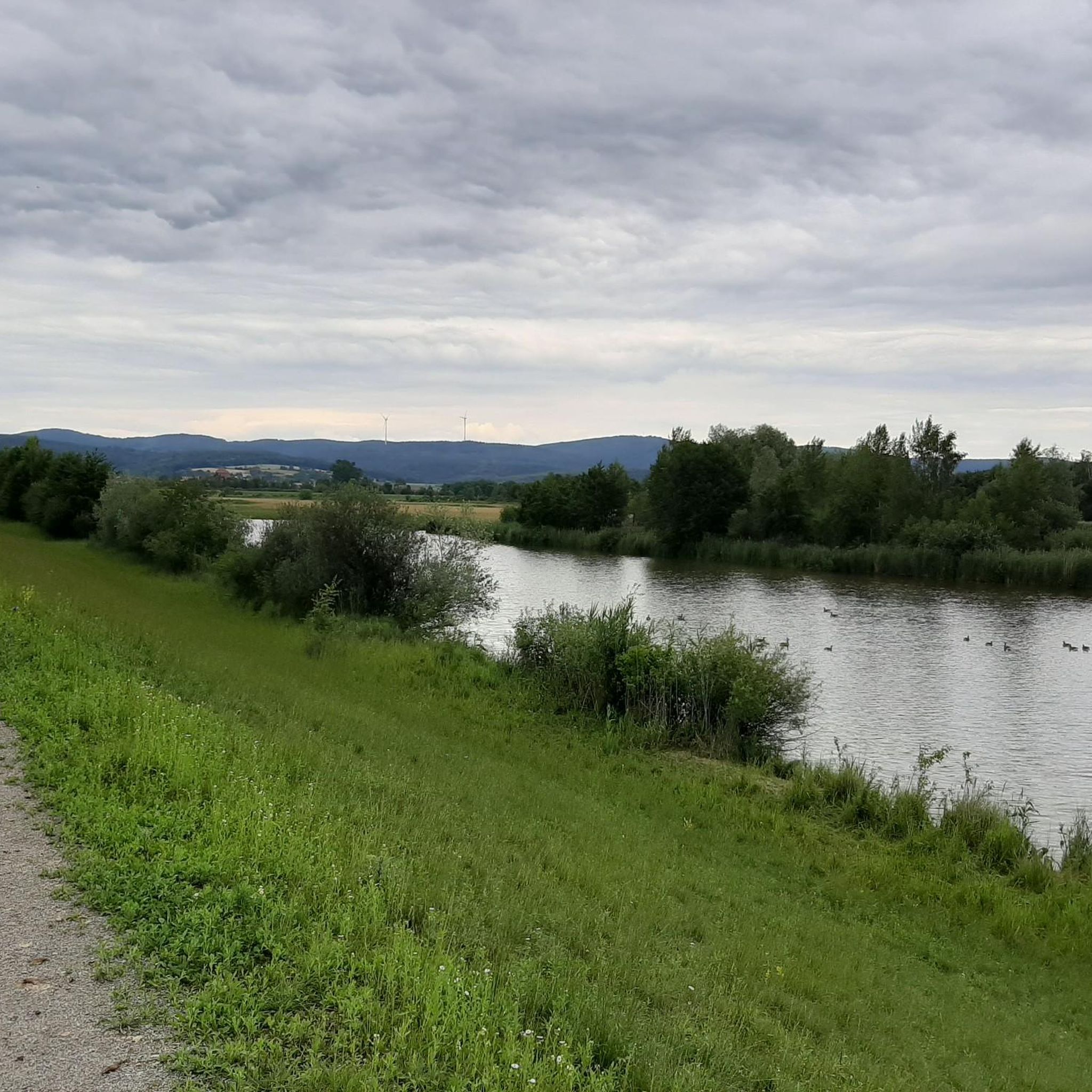
Natural monuments around Aholfing feature a diverse natural landscape, characterized by riverine ecosystems and unique wetland areas. The region is situated in Germany and provides opportunities to explore protected natural reserves and expansive floodplains. These areas are shaped by the Danube River and its tributaries, contributing to a dynamic environment. Visitors can experience distinct habitats and geological formations within this natural setting.
Best natural monuments around Aholfing
- The most popular natural monument is Gmünder Au 🐸 Danube Wetland, an…
Last updated: June 24, 2026
Gmünder Au 🐸 Danube Wetland
Highlight • Natural
Translated by Google •
Tip by

Rainer Forest Nature Reserve
Highlight • Forest
Translated by Google •
Tip by

Sign up now to discover places like this
Get recommendations on the best single tracks, peaks, & plenty of other exciting outdoor places.
Sign up for free
Moss-Covered Stone Basin in Naturpark Bayerischer Wald
Highlight • Natural Monument
Translated by Google •
Tip by

Brandmoos Nature Reserve
Highlight • Natural Monument
Translated by Google •
Tip by

Bschlacht – Former Danube Diversion
Highlight • River
Translated by Google •
Tip by

Sign up for free to discover even more natural monuments around Aholfing.
Sign up for free
Already have an account?
Start today with a free account
Your next adventure awaits.
Login or Signup
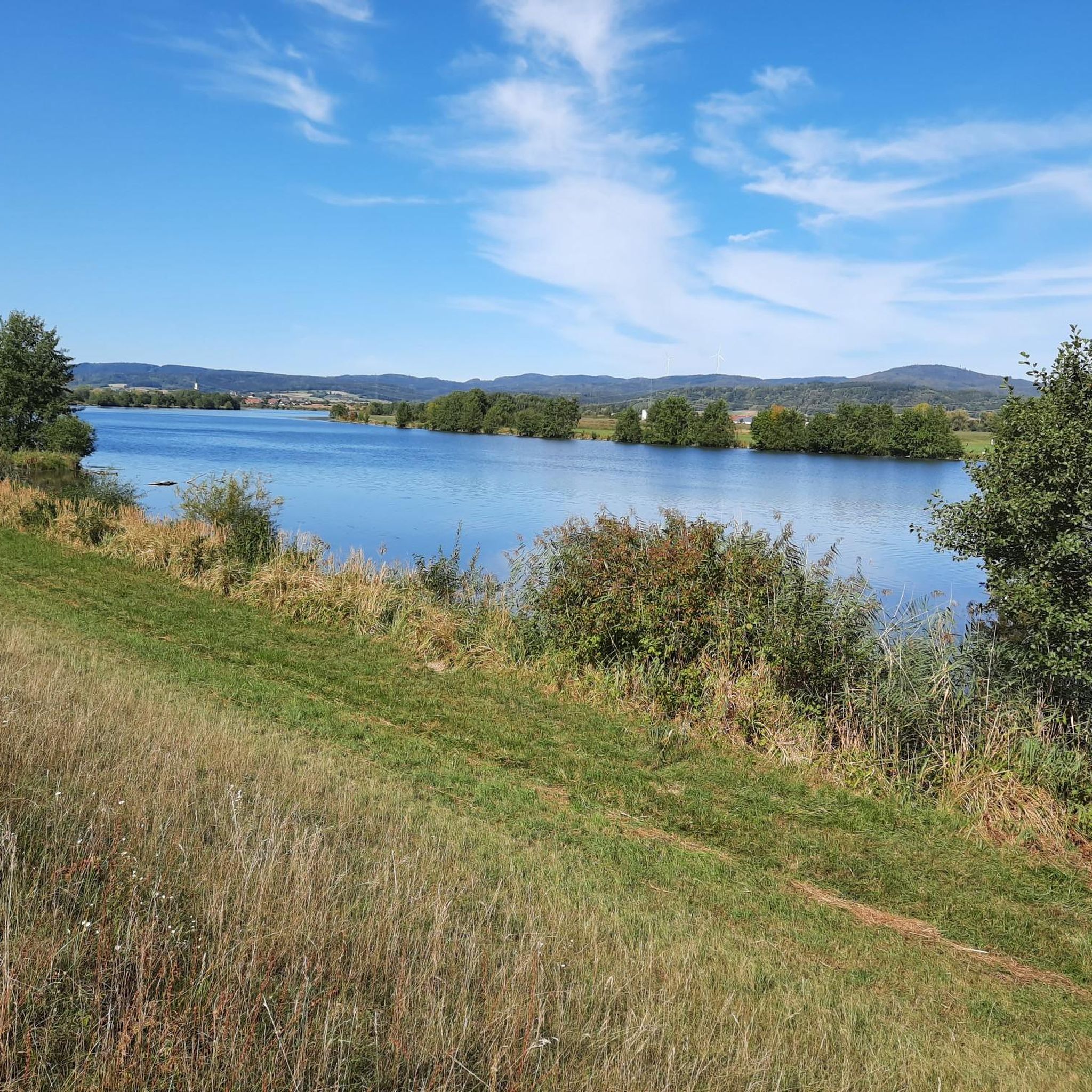
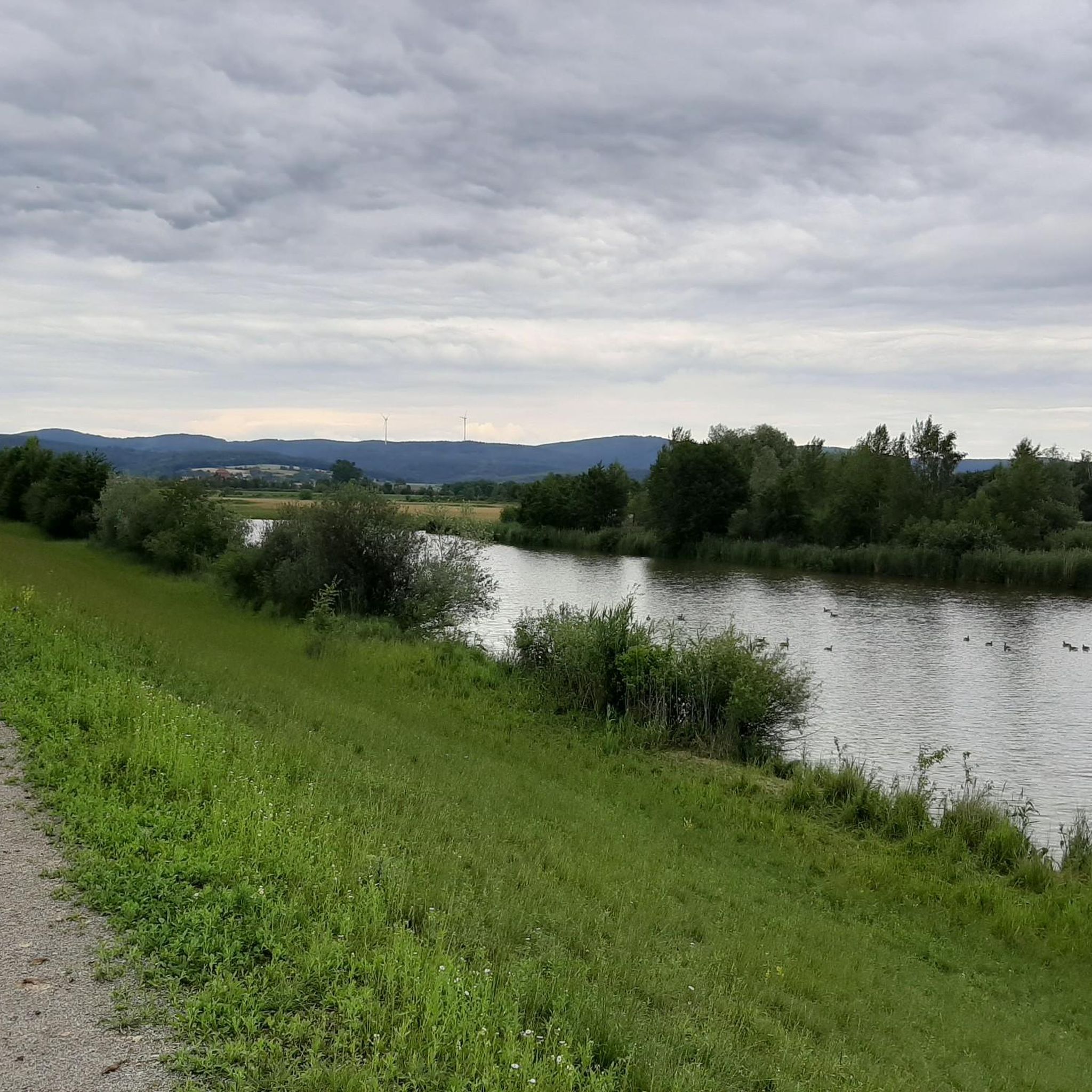
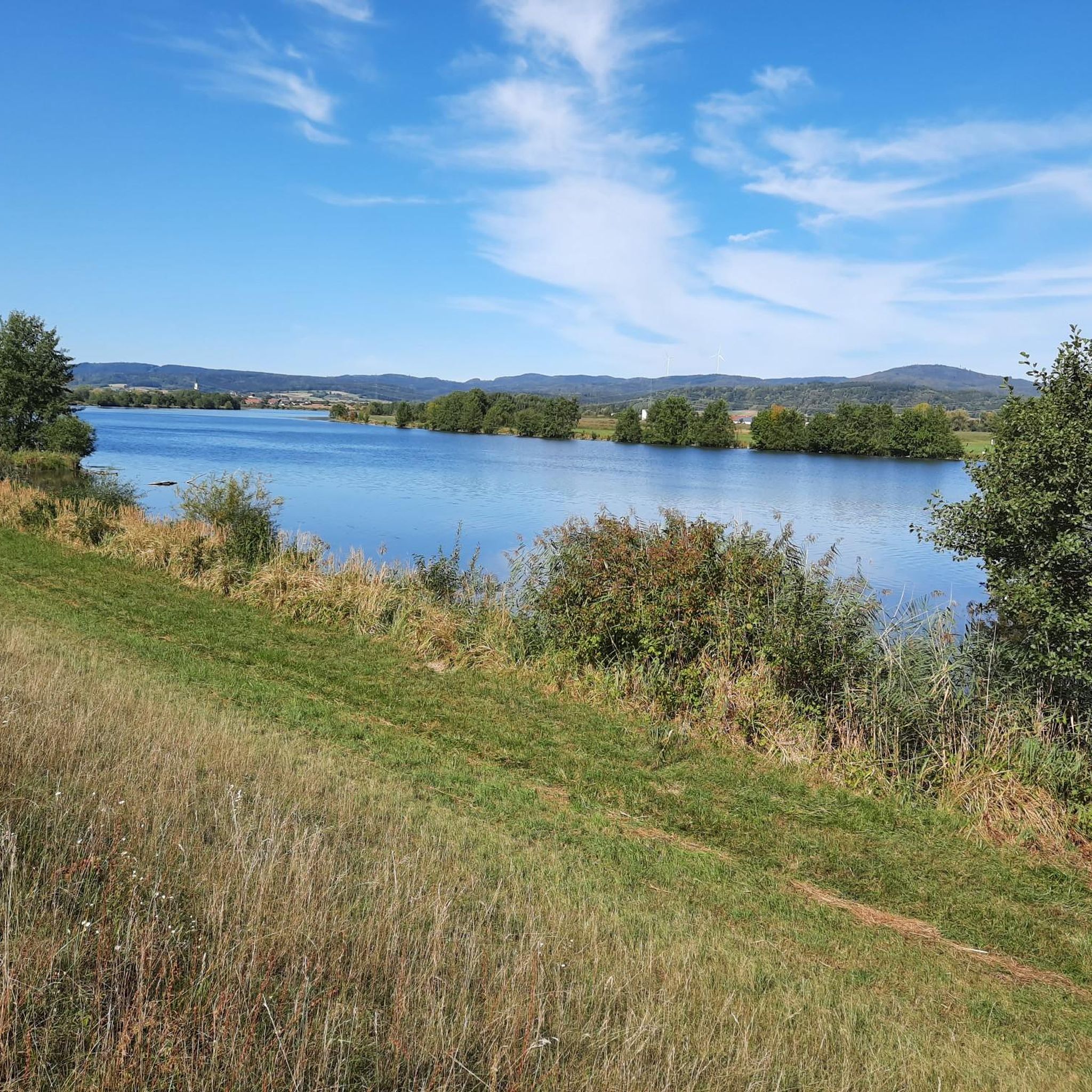
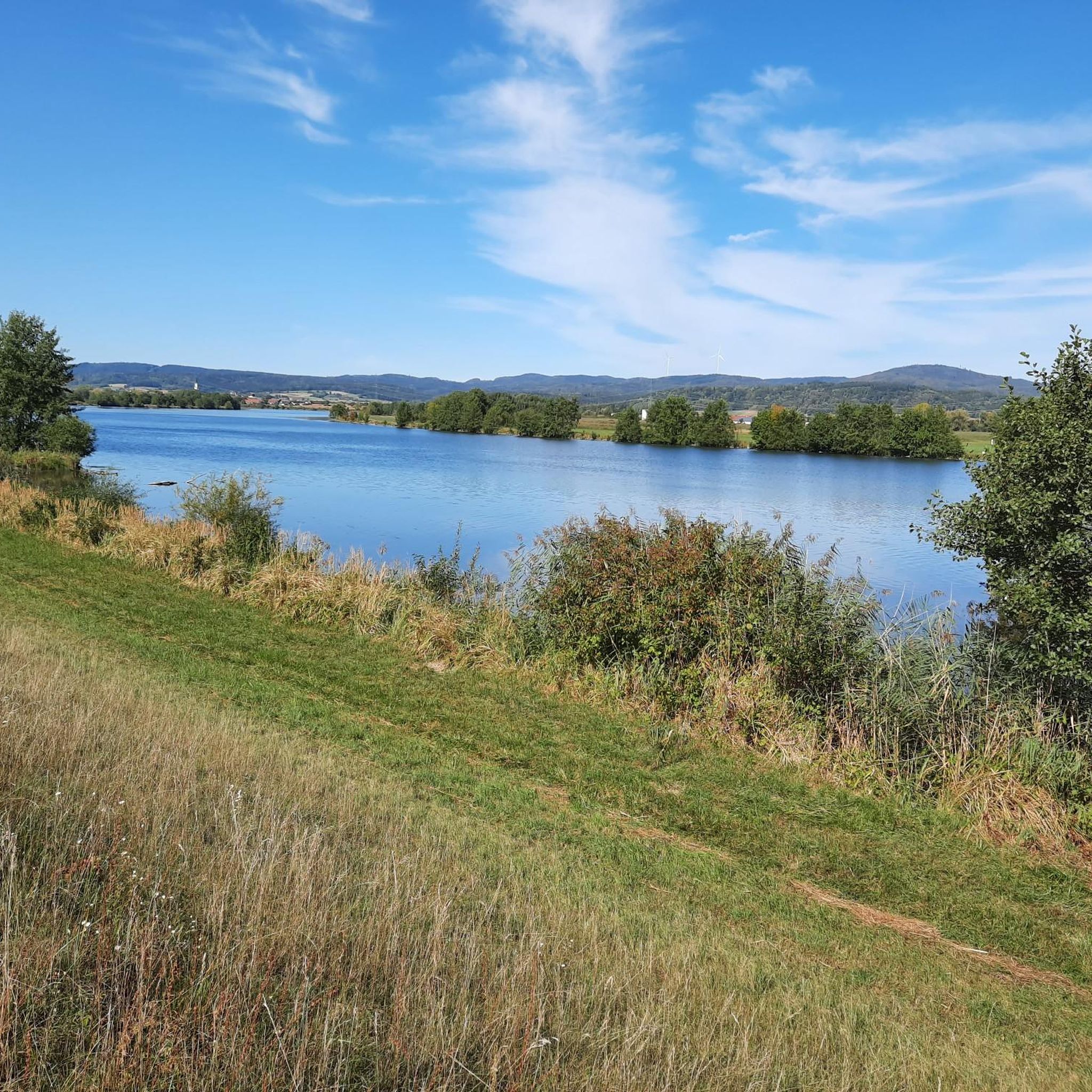
Tips from the Community

Very nice tour, unfortunately I hit a hole in Obermotzing
0
0

Located directly on the Danube
0
0

Stairs on the way but you can also ride up and down the stairs and also push
0
0
Very nice cycle paths along the Danube
0
0

Beautiful forest hiking trail and trail that can be driven well and without special skills. I'm into downhill and can recommend it.
4
0

The Rainer forest is great for walking and the paths are in good condition.
5
0

Great place but don't forget mosquito repellant
3
0

Great bike path on the dam
0
1
Frequently Asked Questions
What are some of the most popular natural monuments around Aholfing?
Visitors frequently enjoy the unique natural areas around Aholfing. Among the most popular are Gmünder Au 🐸 Danube Wetland, an old arm of the Danube protected as a bird sanctuary, and the Brandmoos Nature Reserve, known for its extensive peat areas and distinctive plant life.
What unique natural features can I expect to see in Aholfing's natural monuments?
Aholfing's natural monuments offer diverse features. The Brandmoos Nature Reserve is a high valley with spring and low moor, characterized by peat formations and unique plant species like cottongrass and sundew. The Danube Floodplains, while not a single monument, present a dynamic riverine ecosystem with broad vistas and diverse habitats.
Are there family-friendly natural monuments around Aholfing?
Yes, several natural monuments are suitable for families. The Rainer Forest Nature Reserve is great for walking with well-maintained paths, and the Bschlacht – Former Danube Diversion is also considered family-friendly, located directly on the Danube.
Can I bring my dog to the natural monuments in Aholfing?
While specific dog rules can vary by location, many natural areas around Aholfing, such as the Rainer Forest, are generally accessible for walks. It's always recommended to keep dogs on a leash to protect local wildlife and ensure a pleasant experience for all visitors. Always check local signage for specific regulations.
What kind of outdoor activities can I do near Aholfing's natural monuments?
The region offers a variety of outdoor activities. You can enjoy road cycling with routes like 'Puchhof Castle – St. George's Church in Gmünd loop' (Road Cycling Routes around Aholfing), gravel biking along the Danube Floodplains (Gravel biking around Aholfing), or mountain biking on trails such as 'Danube Near Irling' (MTB Trails around Aholfing).
What is the Brandmoos Nature Reserve known for?
The Brandmoos Nature Reserve is a significant natural monument, designated since 1980. It's a high valley featuring a unique spring and low moor landscape. It's particularly known for its extensive peat areas, which support a distinctive plant community including species like cottongrass, lousewort, butterwort, violet moss, and sundew.
What are the Danube Floodplains like for visitors?
The Danube Floodplains near Aholfing offer a beautiful and tranquil riverine landscape. They are ideal for cycling and walking, with well-maintained paths, including sections of the Danube Cycle Path. Visitors can enjoy picturesque views, expansive meadows, and a dynamic ecosystem shaped by the Danube River, providing a relaxing escape into nature.
When is the best time to visit Aholfing's natural monuments?
The best time to visit Aholfing's natural monuments largely depends on your preferred activities. Spring and summer are excellent for observing the unique plant life in areas like Brandmoos and for cycling along the Danube Floodplains. Autumn offers beautiful foliage, while winter can provide a serene, quiet experience, though some paths might be less accessible.
Are there any hidden natural gems worth discovering in the Aholfing area?
While not widely publicized, the region's smaller, less-trafficked sections of the Danube Floodplains can feel like hidden gems, offering tranquil spots for birdwatching or quiet contemplation. Exploring the various paths within the Rainer Forest Nature Reserve can also lead to peaceful, secluded areas.
What should I know about accessibility for natural monuments in Aholfing?
Many paths, especially along the Danube Floodplains, are well-maintained and often asphalted, making them relatively accessible for various users. However, specific natural reserves like Brandmoos, with its peat formations, might have more challenging terrain. For detailed accessibility information, it's best to check specific trail descriptions or local visitor information centers.
Where can I find amenities like cafes or accommodation near these natural monuments?
While the natural monuments themselves are often in pristine, undeveloped areas, you can find amenities in nearby towns and villages such as Aholfing, Rain, or Straubing. These locations offer a range of cafes, pubs, and accommodation options to support your visit to the region's natural attractions.
What wildlife might I encounter in Aholfing's natural monuments?
The diverse ecosystems around Aholfing support various wildlife. In the Gmünder Au 🐸 Danube Wetland, a protected bird sanctuary, you can expect to see numerous bird species. The Danube Floodplains are home to riverine wildlife, and forest areas like the Rainer Forest Nature Reserve may offer sightings of local forest animals.
What do visitors particularly enjoy about the natural monuments in Aholfing?
Visitors appreciate the serene natural landscapes and the opportunity to connect with nature. Many enjoy the unique plant life in areas like Brandmoos, the scenic views and cycling opportunities along the Danube Floodplains, and the well-maintained walking paths in places like the Rainer Forest. The efforts to re-nature areas like the Gmünder Au are also highly valued.
Most popular routes around Aholfing
Most popular attractions around Aholfing

Get inspired with the komoot mobile app


Explore more
Extend your search for the best caves by checking out these guides of the top ones around Aholfing:
