Top 20 Natural Monuments around Eggstedt
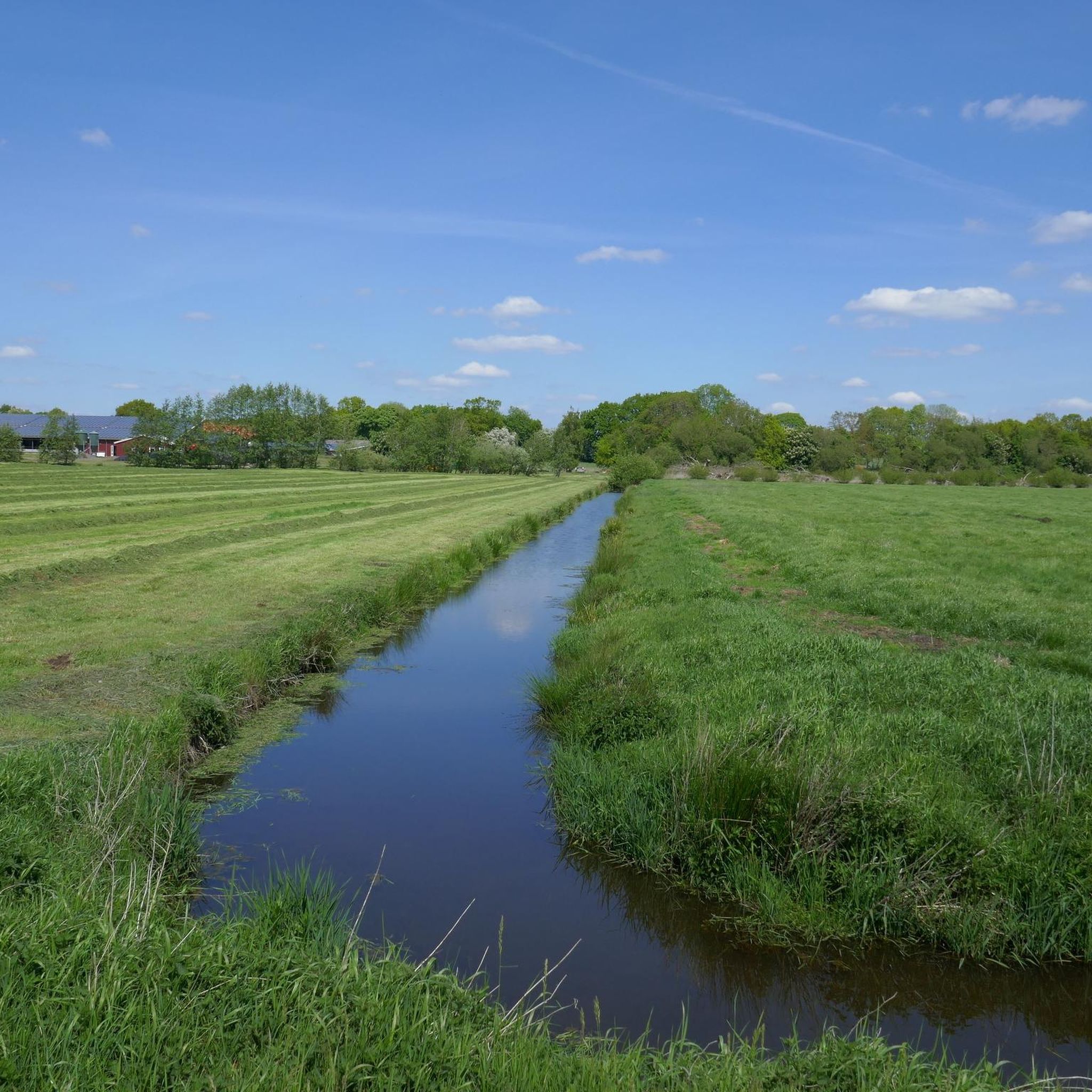
Best natural monuments around Eggstedt are situated within the Dithmarschen district of Schleswig-Holstein, characterized by a gently undulating landscape. This region features moors, heath, forests, meadows, and floodplains, offering a diverse natural environment. The area is influenced by salty sea winds from the North Sea, located approximately 20 kilometers away. Visitors can explore the natural surroundings through many kilometers of marked cycling and hiking trails.
Best natural monuments around Eggstedt
- The most popular natural monuments is Exposed roots of the…
Last updated: October 11, 2026
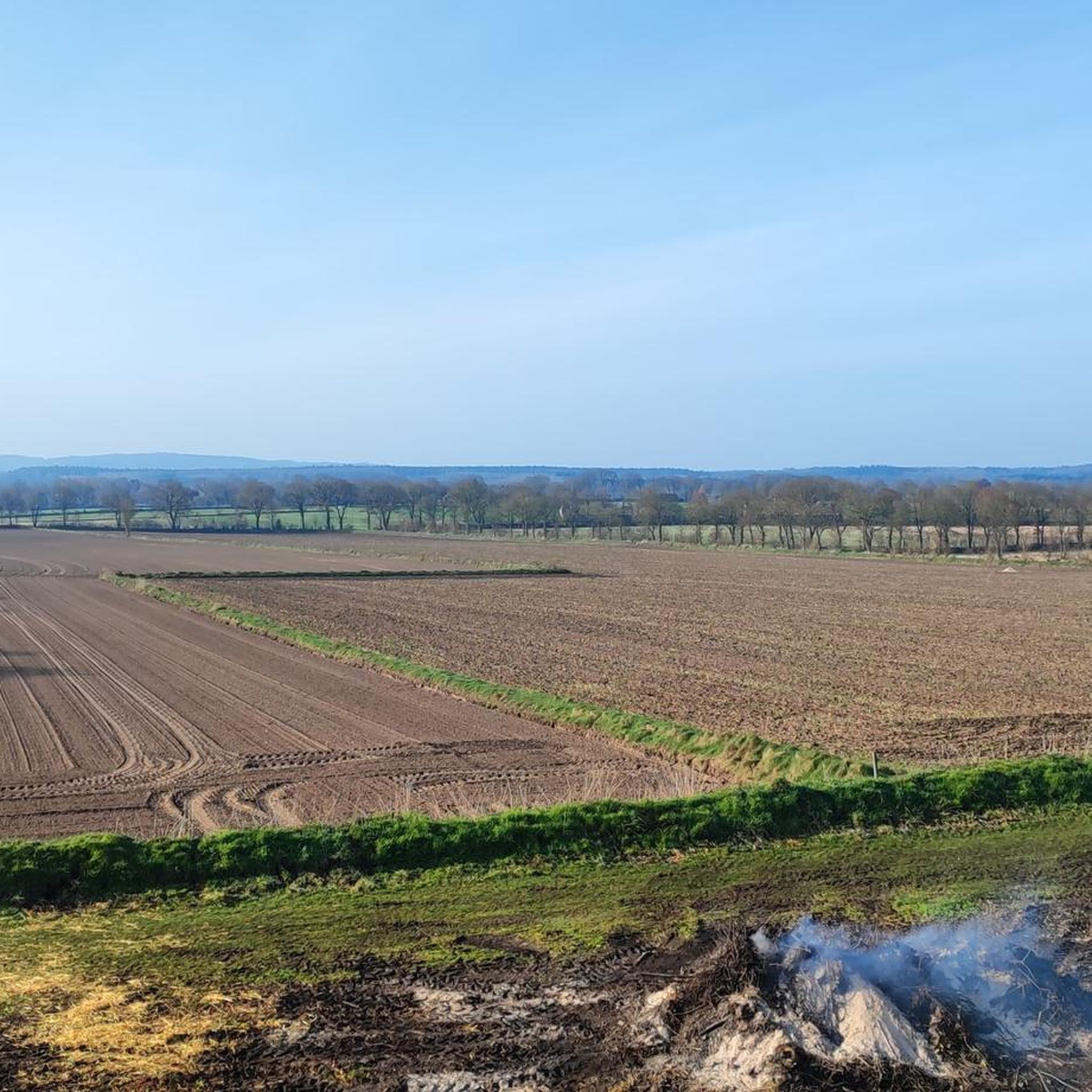
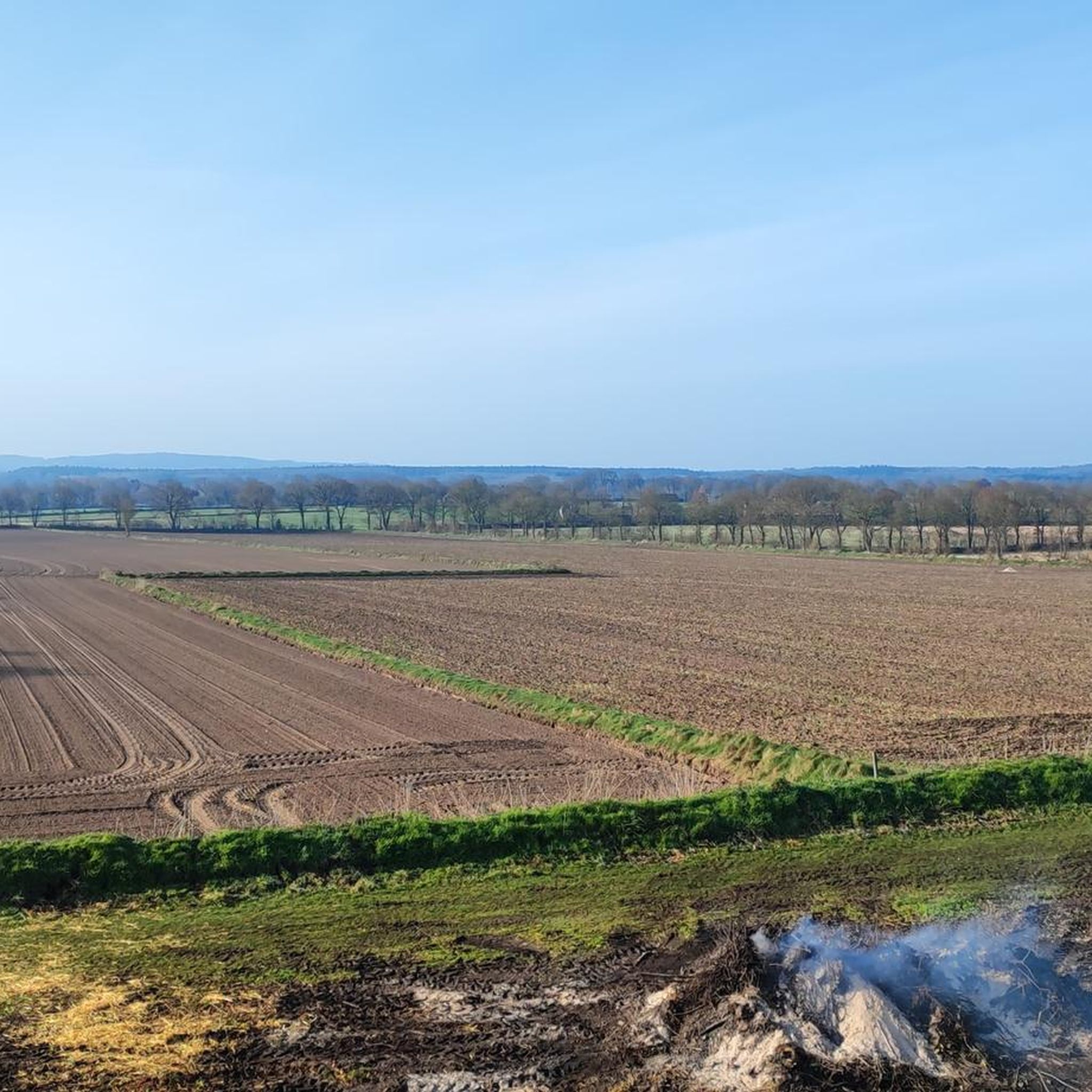
Lowest Point in Germany
Highlight • Natural Monument
Translated by Google •
Tip by

Exposed roots of the ancient beech in the Gieselau Valley
Highlight • Natural Monument
Translated by Google •
Tip by

Sign up now to discover places like this
Get recommendations on the best single tracks, peaks, & plenty of other exciting outdoor places.
Five-Finger Linden
Highlight • Natural Monument
Beautiful forest to hike and cycle. He also has a lot to offer historically.
Translated by Google •
Tip by

Brutkamp Megalithic Tomb
Highlight • Historical Site
Legends and legends loom around the Burtkamp - just because of the size of the capstone. …
Translated by Google •
Tip by

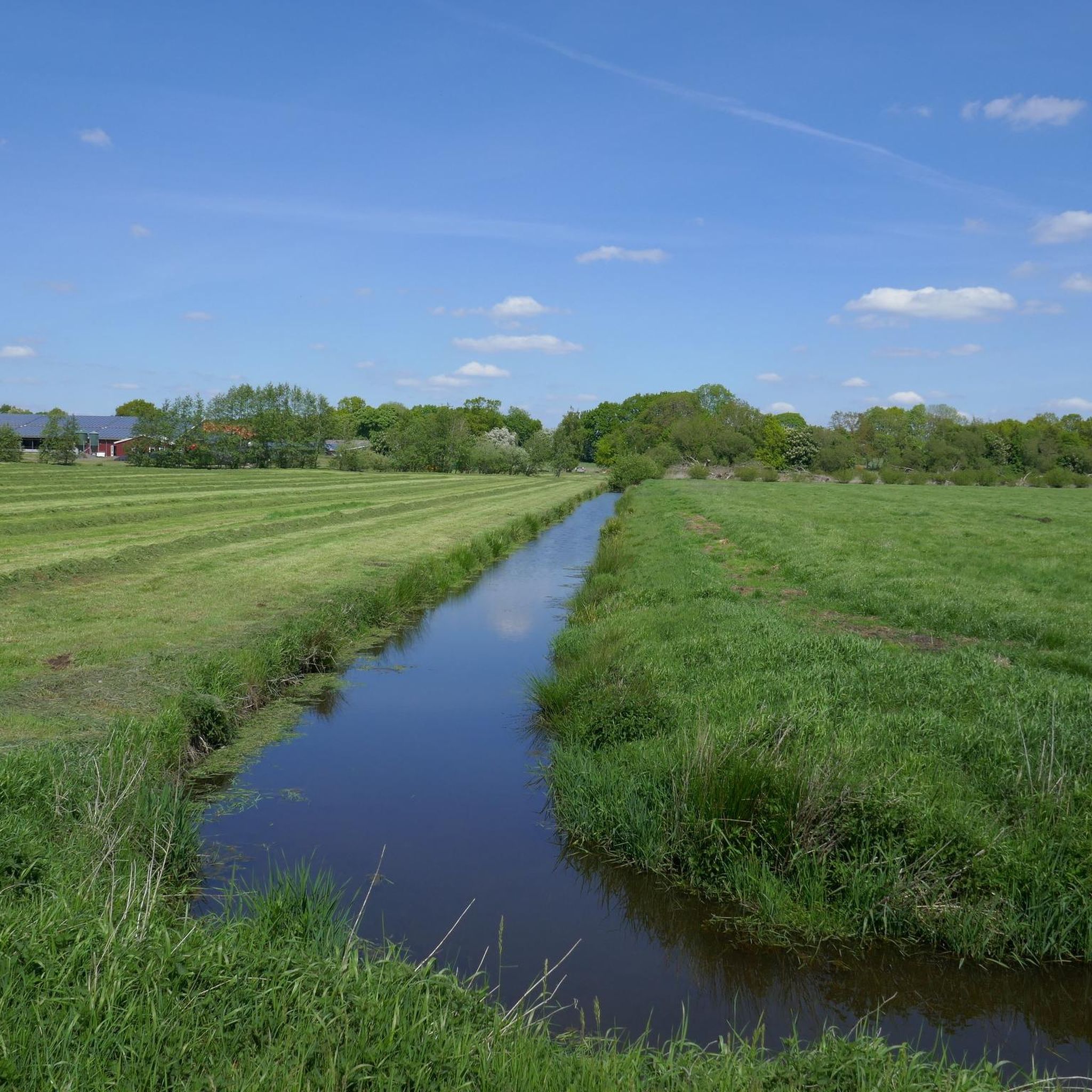
Kudensee Nature Reserve
Highlight • Lake
Translated by Google •
Tip by

Sign up for free to discover even more natural monuments around Eggstedt.
Already have an account?
Start today with a free account
Your next adventure awaits.
Tips from the Community

A little further south! But the Beech Gate has fallen here.
0
0

The tree is still in the place where it belongs. In a beautiful beech forest. With small wooden benches all around. Beautiful, quiet hiking trails.
0
0

Kudensee is a municipality in the Steinburg district in Schleswig-Holstein, and also the name of the largest lake in the Dithmarschen district. The Kudensee, with an area of 38.9 hectares, has been a nature reserve since 1935 and has been expanded to 172 hectares since 1992. The lake is the last shallow-water lake in the Elbe marshes and an important European bird sanctuary. It provides a habitat for numerous bird species, including the rare bittern, and serves as a resting place for many migratory birds. The Kudensee is characterized by its extensive reed beds, remnants of marsh forest and willow bushes. The bottom of the lake consists of both soft mud and hard sand. Due to its shallow depth of a maximum of 1.2 meters, the lake has an almost uniform temperature and oxygen distribution, except when the ice is closed, which can be unfavorable for the fish. The fish species living in the lake include bream, white bream, roach, perch, ruffe, eel, pike and zander.
0
0

Very clean place with shelter and guest book
3
0

The linden tree no longer exists. What a pity
1
1

Really a very interesting root system
1
0

Who can claim that they were once below sea level? Great highlight!
2
0

It's always impressive how the trees with such fascinating root systems can hold their own above ground in wind and weather 🌳...
1
0
Frequently Asked Questions
What unique natural features can I explore around Eggstedt?
The region around Eggstedt is characterized by a gently undulating landscape featuring moors, heath, forests, meadows, and floodplains. You can experience the clear air influenced by salty sea winds from the nearby North Sea. Notable natural features include the unique geographical point of the Lowest Point in Germany, which is 3.54 meters below sea level, and ancient forest landmarks like the Exposed roots of the ancient beech in the Gieselau Valley.
Are there family-friendly natural monuments to visit near Eggstedt?
Yes, several natural monuments around Eggstedt are suitable for families. The Exposed roots of the ancient beech in the Gieselau Valley is a popular discovery spot for children. The Lowest Point in Germany is also considered family-friendly, offering an interesting geographical curiosity. Additionally, the Five-Finger Linden, with its distinctive five trunks, is a fascinating natural landmark for all ages.
What outdoor activities can I do near the natural monuments around Eggstedt?
The area offers many kilometers of marked cycling and hiking trails. You can find various routes for different sports. For hiking, explore trails like the 'Burg Ferry Over the Kiel Canal – Hochdonn Railway Bridge loop' or the 'View of the Kiel Canal loop'. If you prefer running, consider routes such as the 'View of the Kiel Canal loop from Dückerswisch'. Mountain biking enthusiasts can enjoy longer routes like the 'Hohenhörn High Bridge – Grünental High Bridge loop'. For more details, check out the hiking, running, and MTB guides for Eggstedt.
What historical natural sites can I find in the Eggstedt area?
Beyond purely natural formations, the region also features significant historical sites that are considered natural monuments. These include ancient megalithic tombs like the Dellbrücker Chamber Megalithic Tomb, a nearly 5000-year-old cairn from the Stone Age, and the Brutkamp Megalithic Tomb, known for having the largest capstone in Schleswig-Holstein.
Is the Lowest Point in Germany accessible for everyone?
Yes, the Lowest Point in Germany is noted as being wheelchair accessible. It's a unique geographical point that is 3.54 meters below sea level, offering an impressive display of historical storm surge levels and a notable natural curiosity.
What is the best time to visit the natural monuments around Eggstedt?
The natural monuments around Eggstedt can be enjoyed throughout the year, but each season offers a different experience. Spring and summer are ideal for hiking and cycling through the moors, heath, and forests when flora is in full bloom. Autumn brings beautiful colors to the forest areas, while winter, though colder, can offer serene, crisp walks, especially in the clear air influenced by the North Sea.
Are there viewpoints or scenic spots among the natural monuments?
Yes, several natural monuments offer scenic views or are considered viewpoints. The Lowest Point in Germany provides a unique perspective on the landscape's elevation. The Exposed roots of the ancient beech in the Gieselau Valley and the Five-Finger Linden are situated in forests that offer picturesque settings for observation and photography.
What do visitors enjoy most about the natural monuments in the Eggstedt area?
Visitors appreciate the unique blend of natural beauty and historical significance. The Lowest Point in Germany is often described as visually not spectacular but very impressive due to its geographical significance and the storm surge level displays. The ancient beech in the Gieselau Valley is loved for its impressive root system, which serves as a popular discovery spot for children and provides shelter for forest dwellers.
How far is the North Sea and Wadden Sea from Eggstedt, and what can I experience there?
The North Sea is approximately 20 kilometers from Eggstedt, making it accessible by car in about 20 minutes. The North Sea and the Wadden Sea, a UNESCO World Heritage site, offer a major natural draw with tides, mudflats, and beaches. You can experience a unique ecosystem home to thousands of plant and animal species, observe diverse birdlife, and witness the constant change of low and high tide.
Are there nature reserves near Eggstedt worth exploring?
Yes, the broader Dithmarschen region, where Eggstedt is located, includes significant nature reserves. The Eider Estuary is part of a nature reserve designated in 1989, protecting characteristic plant and animal species across approximately 620 hectares. It's a wetland of international importance, providing refuge for numerous red-listed species and offering opportunities for nature observation.
Are there dog-friendly trails around the natural monuments in Eggstedt?
Many of the marked hiking and walking trails through the natural landscapes around Eggstedt are generally dog-friendly, allowing you to explore the moors, heath, and forests with your canine companion. It's always recommended to keep dogs on a leash, especially in nature reserves or areas with wildlife, and to respect local signage.
What kind of terrain and elevation can I expect on trails near Eggstedt's natural monuments?
The landscape around Eggstedt is generally gently undulating, meaning trails will feature moderate changes in elevation rather than steep climbs. You can expect a mix of terrain, including paths through forests, across meadows, and alongside floodplains. Some areas, like the Riesewohld near the Five-Finger Linden, might offer quiet, sometimes impassable hiking trails with ascents and descents, providing a varied experience.
Most popular attractions around Eggstedt

Get inspired with the komoot mobile app


Explore more
Extend your search for the best caves by checking out these guides of the top ones around Eggstedt:
