Top 20 Natural Monuments around Tannhausen
Best natural monuments around Tannhausen include a variety of protected natural sites, primarily valued for their ecological significance and contribution to local biodiversity. The region features unique habitats such as wet meadows and venerable individual trees, offering insights into the area's natural heritage. These sites provide opportunities to observe diverse plant and insect life within protected wetland ecosystems. Tannhausen's natural monuments are crucial for maintaining the region's natural character and supporting various species.
Best natural monuments around Tannhausen
- The most…
Last updated: October 11, 2026
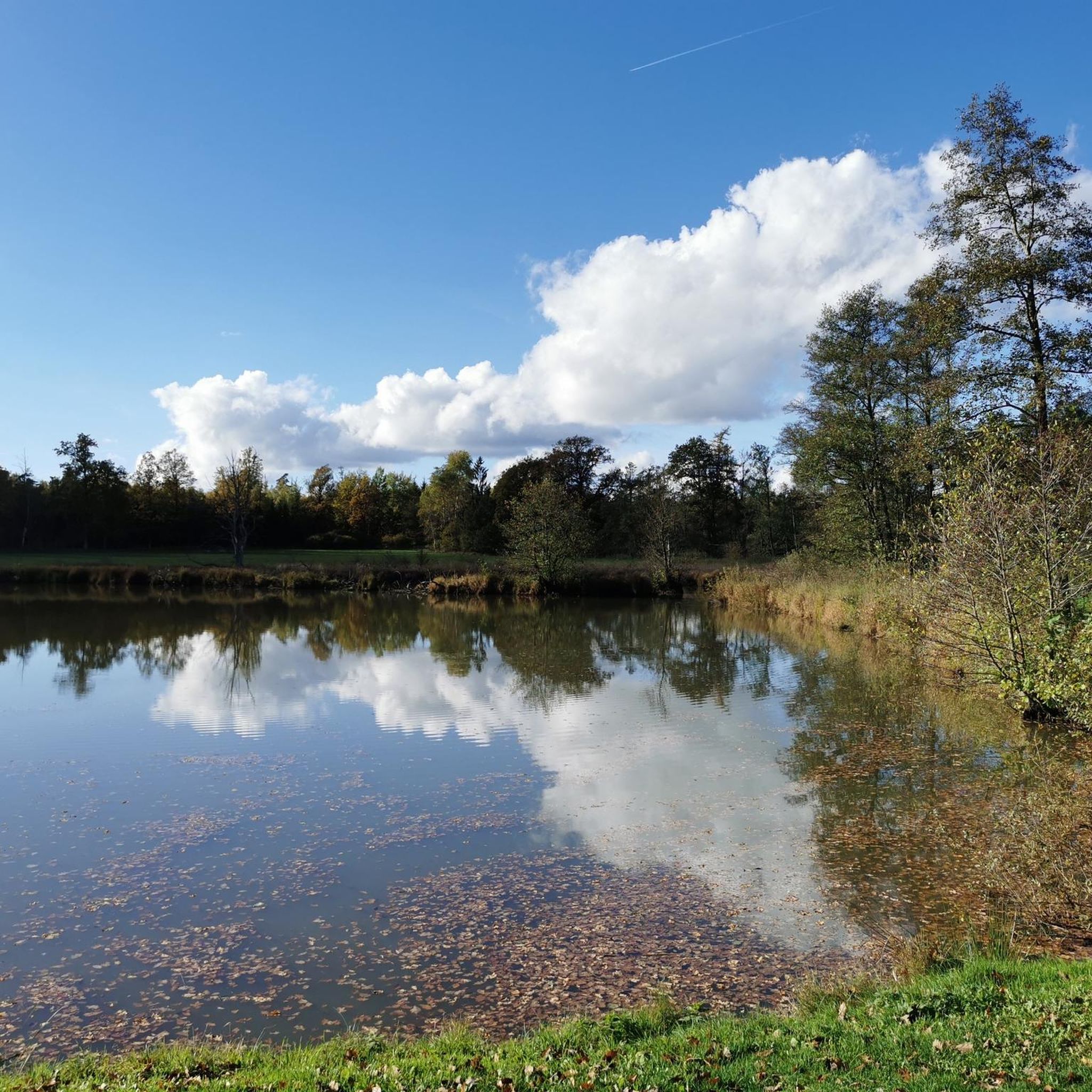
Stausee Stockmühle Nature Reserve
Highlight (Segment) • Lake
Translated by Google •
Tip by

Jagst Spring
Highlight • River
Translated by Google •
Tip by

Sign up now to discover places like this
Get recommendations on the best single tracks, peaks, & plenty of other exciting outdoor places.
Römerpark Ruffenhofen
Highlight • Historical Site
Translated by Google •
Tip by

Longest Wooden Bench in Germany
Highlight • Monument
Wooden bench in the world.
Translated by Google •
Tip by

Mucken Pond
Highlight • Lake
Translated by Google •
Tip by

Sign up for free to discover even more natural monuments around Tannhausen.
Already have an account?
Start today with a free account
Your next adventure awaits.
Tips from the Community

Beautifully situated pond in a quiet location
0
0

There is no water in the summer months
3
0

The world's longest bench made from a single trunk! Apprentices from the Ellwangen Forestry Office used a chainsaw to craft the world's longest bench from a Douglas fir tree over 130 years old. The fir tree was an impressive 48 meters tall and weighed 8.4 tons. A suitable trunk section was used to create a bench measuring exactly 30 meters and 22 centimeters.
5
0

This labyrinth is not an ancient building structure. It was built as part of an international work camp in July 2009 in the Römerpark and is intended for relaxation.
2
0
Since 2020 you can also visit a Roman-style garden in the park. Together with the rear facade of a Roman strip house, a view of the Roman vicus of Ruffenhofen is possible. The facade was built in cooperation with the Jugendbauhütte Regensburg and presented for the first time with the Roman kitchen garden at the Wassertrüdingen State Garden Show 2019. Smaller excavations were carried out at the end of the 19th century by Wilhelm Kohl, route commissioner of the Reich Limes Commission. His published results formed the current state of research until the late 1970s. Since then, aerial archeology has been able to contribute new insights into the Limes fort, its structure and the surrounding camp village (vicus). With the help of geophysical prospections by the Bavarian State Office for Monument Preservation, an overall plan of the facility was created. In the summer of 2005, the association carried out another excavation in the area of the fort wall. Source: Wikipedia
3
0
At the foot of the hill there is a replica of the fort (mini fort) on a scale of 1:10.
2
0

The park is freely accessible. The actual fort has been made visible again today with bushes and markings. The mini fort is a nasty trap. It impressively shows what it looked like here 1800 years ago. Unfortunately it's very impressive from far away, but it gets smaller and smaller from close up. 😄
3
0

https://limeseum.de/de/der-roemerpark The Roman Park is freely accessible and free of charge.
11
0
Frequently Asked Questions
What types of natural monuments can I explore in Tannhausen?
Tannhausen's natural monuments primarily consist of ecologically significant sites and venerable individual trees. You can find unique habitats like wet and fen meadows, which are among Central Europe's most species-rich biotopes. Additionally, there are protected ancient oak trees, notable for their age and ecological roles. The region also features several lakes designated as natural monuments, such as Lake Stockmühl and Mucken Pond.
Are there family-friendly natural monuments in Tannhausen?
Yes, several natural monuments in Tannhausen are suitable for families. For instance, Stausee Stockmühle Nature Reserve and Lake Stockmühl are popular spots. The Jagst Spring area is also nicely laid out with a barbecue area and benches, making it a good place for children. Even the unique Longest Wooden Bench in Germany is considered family-friendly.
What kind of wildlife can I observe at Tannhausen's natural monuments?
The wet and fen meadows, like the Baronenweiher areas, are crucial habitats for numerous animal species, particularly ground-nesting birds and a variety of insects. The lakes, such as Stausee Stockmühle Nature Reserve and Lake Stockmühl, are supraregionally important resting and breeding areas for many endangered bird species, including mallards, coots, crested and pygmy divers, and various ducks. The ancient oak trees also support a wide range of specialized organisms like insects, fungi, and birds.
What is the significance of the fen meadows in Tannhausen?
The fen meadows, such as Baronenweiher mit Streuwiese and Streuwiese mit Wasserlauf, are among the most species-rich biotopes in Central Europe. They are characterized by diverse grasses, sedges, and herbaceous plants, thriving in groundwater-influenced soils. These meadows are vital as breeding grounds and habitats for numerous rare animal species, especially ground-nesting birds and insects. They also play a role in climate protection through carbon sequestration and are crucial for maintaining the region's natural character.
Are there hiking or walking trails near the natural monuments?
Yes, the natural monuments in Tannhausen are often integrated into local trail networks. You can find various walking and hiking paths that allow you to explore these sites. For example, the area around Stausee Stockmühle Nature Reserve offers beautiful bike paths suitable for families and hikers. You can find numerous routes, including easy walking trails and more challenging hikes, by exploring the hiking guides for Tannhausen.
What outdoor activities can I do near Tannhausen's natural monuments?
Beyond visiting the monuments themselves, the region around Tannhausen offers a variety of outdoor activities. You can find numerous cycling routes, including touring bicycle routes like the 'Dinkelsbühl Old Town loop'. There are also MTB trails and road cycling routes that pass through the scenic landscapes surrounding these natural sites.
What do visitors enjoy most about the natural monuments in Tannhausen?
Visitors frequently appreciate the tranquility and natural beauty of these sites. Many highlight the quiet atmosphere at places like Stausee Stockmühle Nature Reserve and Mucken Pond, noting them as ideal spots for rest and relaxation. The opportunity to observe diverse birdlife and the unique experience of seeing the Longest Wooden Bench in Germany are also popular points of interest.
Are there any unique or unusual natural monuments in Tannhausen?
Yes, Tannhausen is home to the Longest Wooden Bench in Germany, which is also listed in the Guinness Book of Records. Crafted from a single Douglas fir trunk, this impressive man-made monument is designated as a natural monument due to its connection to the forest and its unique construction from a natural material. It offers a distinctive resting spot within a forest setting.
What is the best time to visit the natural monuments in Tannhausen?
The best time to visit largely depends on your interests. Spring and summer offer lush greenery and the highest chance of observing diverse plant and insect life in the fen meadows, as well as active birdlife around the lakes. Autumn provides beautiful foliage, while winter can offer tranquil, snow-covered landscapes, though some areas might be less accessible. Note that the Jagst Spring can sometimes dry up during hot summer months.
Where can I find the source of the Jagst River?
The source of the Jagst River, known as Jagst Spring, is one of the natural monuments in Tannhausen. It's a beautifully laid out area with benches and a barbecue spot, offering a peaceful place to visit. While the spring can occasionally be dry during prolonged hot periods, it remains a significant natural landmark.
What makes the ancient oak trees in Tannhausen important?
The ancient oak trees, such as the '1 Eiche am Baronenweiher' and '2 Eichen bei Bergheim', are protected natural monuments due to their age, impressive size, and ecological significance. These venerable trees serve as living historical markers and provide unique microhabitats that support a wide range of specialized organisms, including various insects, fungi, and birds, contributing significantly to local biodiversity.
Most popular routes around Tannhausen
Most popular attractions around Tannhausen

Get inspired with the komoot mobile app


Explore more
Extend your search for the best caves by checking out these guides of the top ones around Tannhausen:
