Top 20 Natural Monuments around Wiesmoor
Best natural monuments around Wiesmoor are situated within East Frisia, Germany, offering insights into its distinctive moorland landscape. This region features significant natural attractions and ecological sites. Visitors can explore areas that highlight both preserved ecosystems and ongoing renaturation projects. The natural monuments around Wiesmoor provide opportunities to connect with the local environment.
Best natural monuments around Wiesmoor
- The most popular natural monument is Douglas fir avenue Upjever and swamp moor Dose, a forest that includes a historic forest…
Last updated: July 8, 2026
Douglas fir avenue Upjever and swamp moor Dose
Highlight • Forest
Translated by Google •
Tip by

Neudorfer Moor Observation Tower
Highlight • Viewpoint
Translated by Google •
Tip by

Sign up now to discover places like this
Get recommendations on the best single tracks, peaks, & plenty of other exciting outdoor places.
Sign up for free
Stapeler Moor
Highlight • Natural
Translated by Google •
Tip by

Hasselt Water Park
Highlight • Natural Monument
In 2001, after intensive planning, we were able to open our water park directly at the Hasselt waterworks. In a 7,000 m2 large, naturally designed area, we offer …
Translated by Google •
Tip by

Bagbander Tief
Highlight • River
Translated by Google •
Tip by

Sign up for free to discover even more natural monuments around Wiesmoor.
Sign up for free
Already have an account?
Start today with a free account
Your next adventure awaits.
Login or Signup
Popular around Wiesmoor
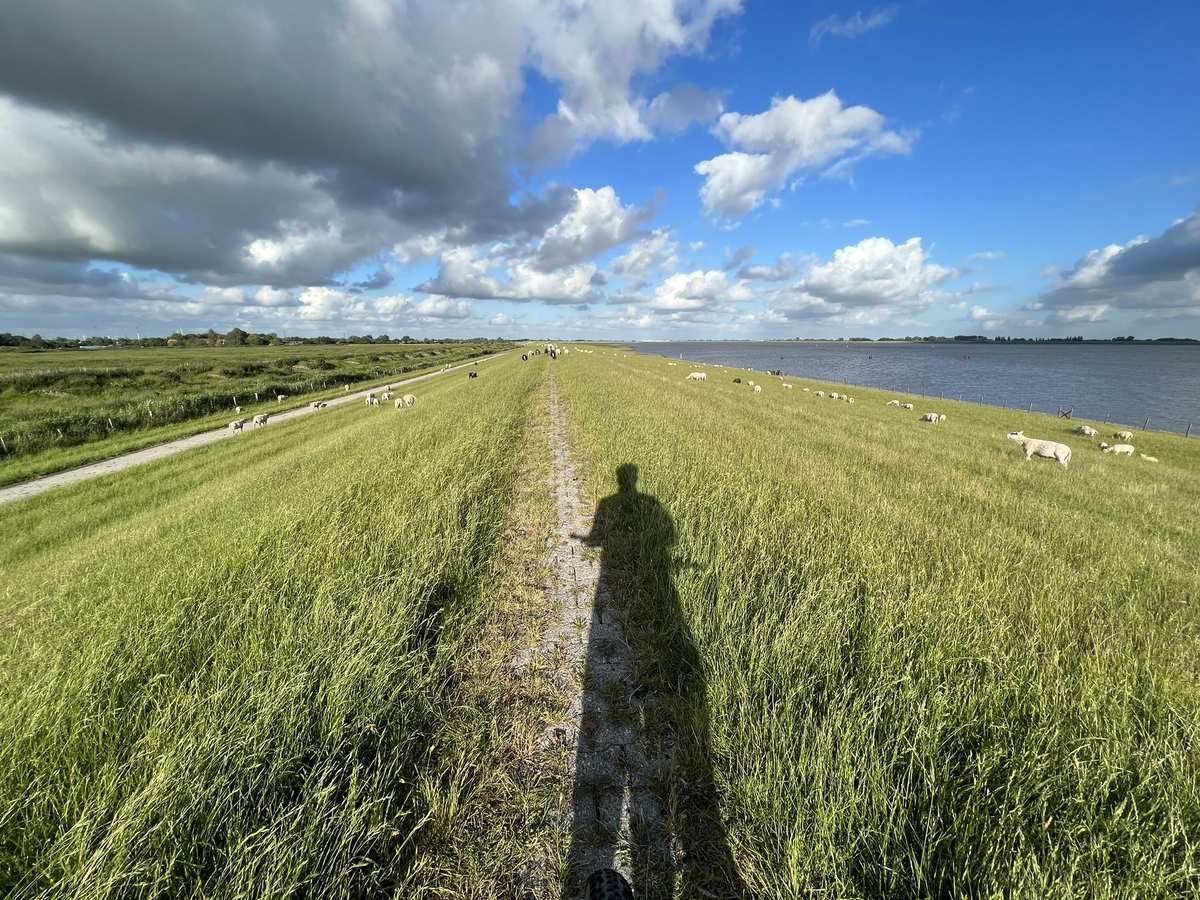
Cycling through East Frisia in Germany – Frisian Army Trail
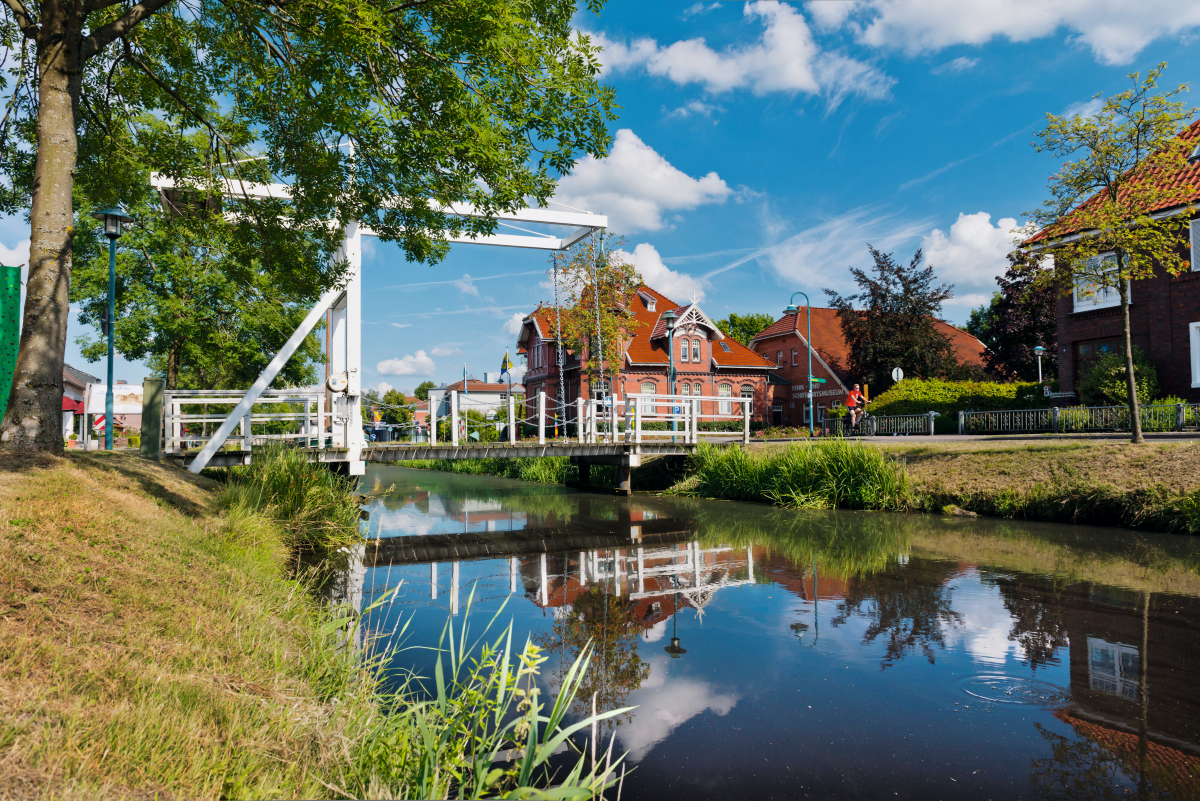
German Fehnroute – cycle Tour through the unique Fehn region

Moorland and nautical history – cycling the Fehn Route in Germany
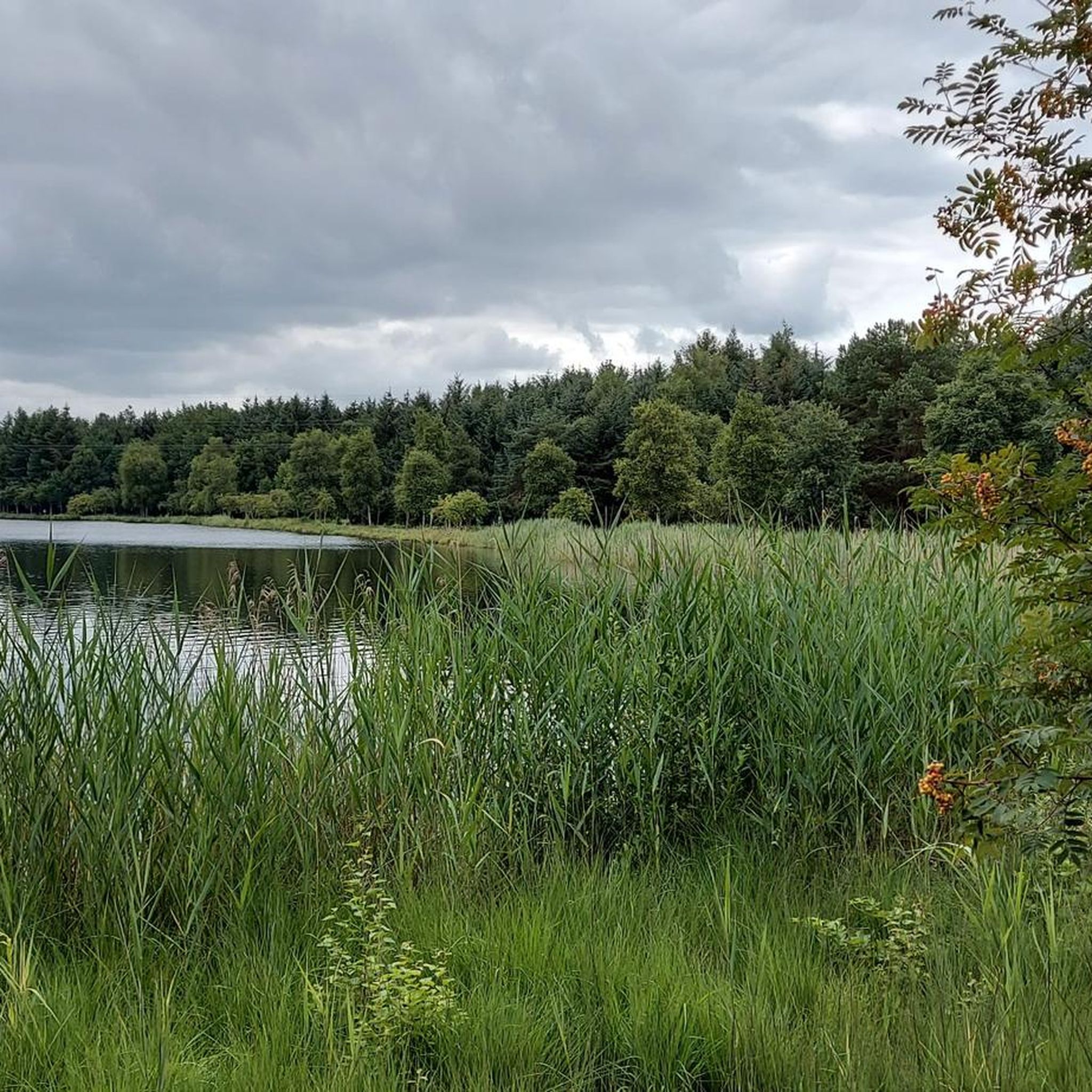
Cycling around Wiesmoor
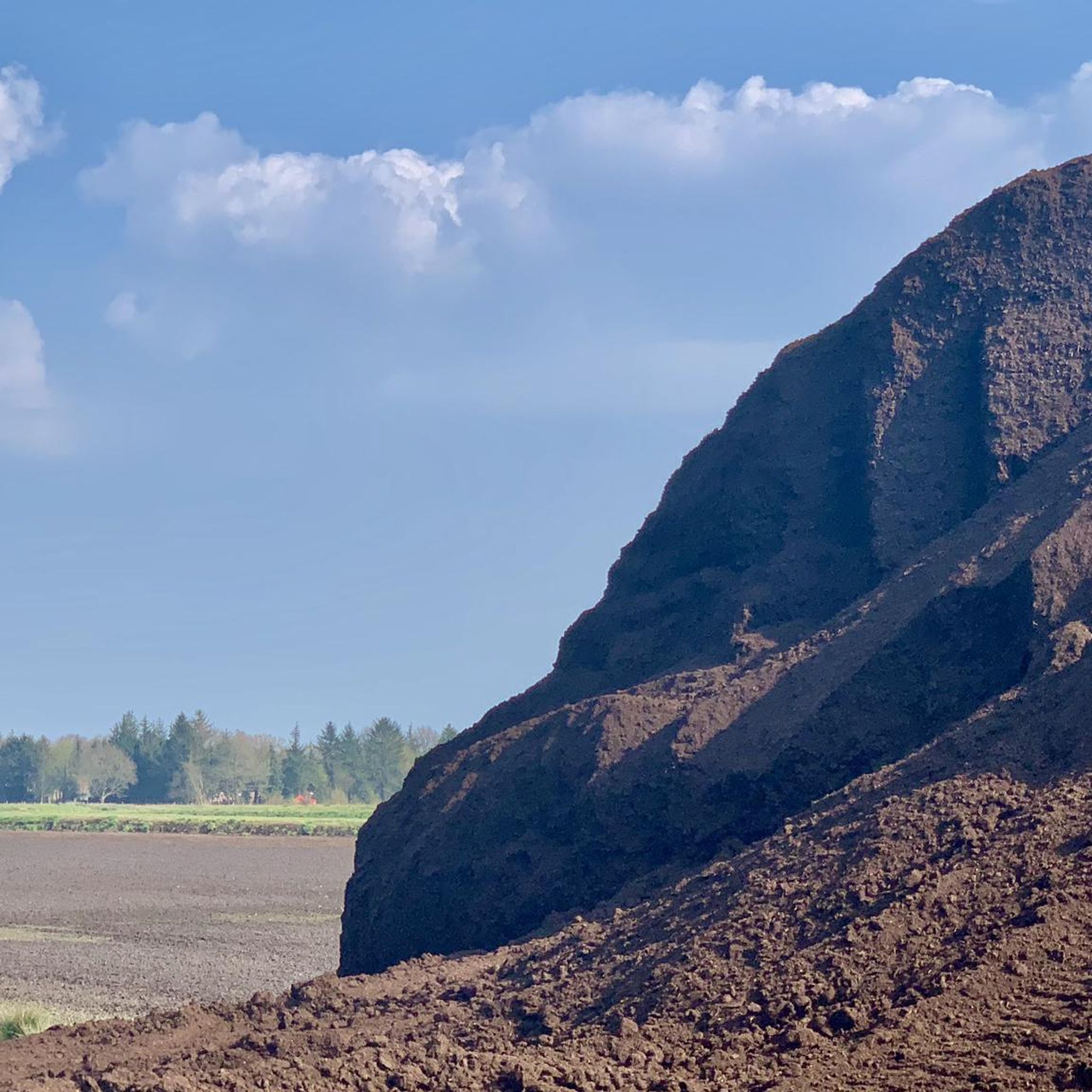
Hiking around Wiesmoor
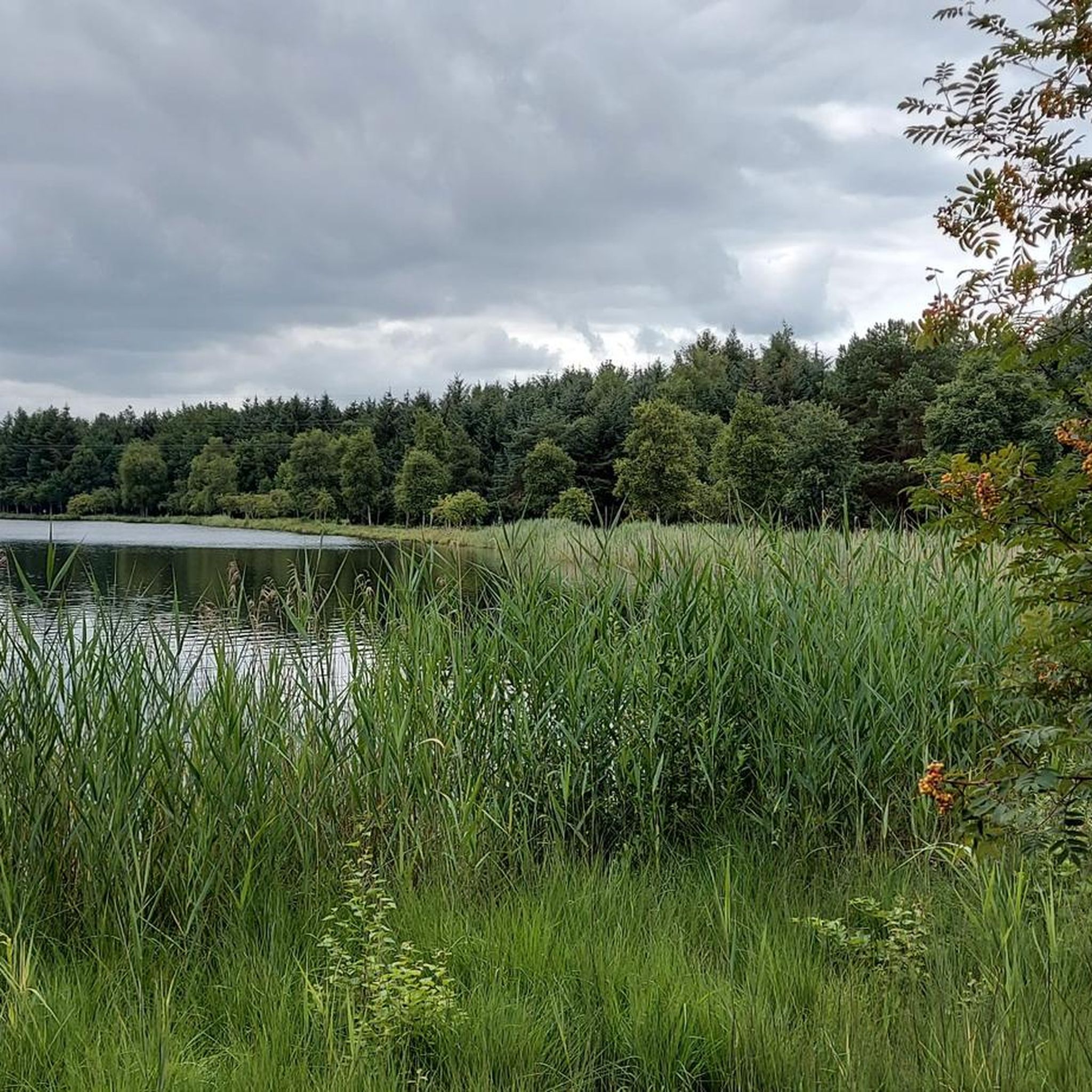
Running Trails around Wiesmoor
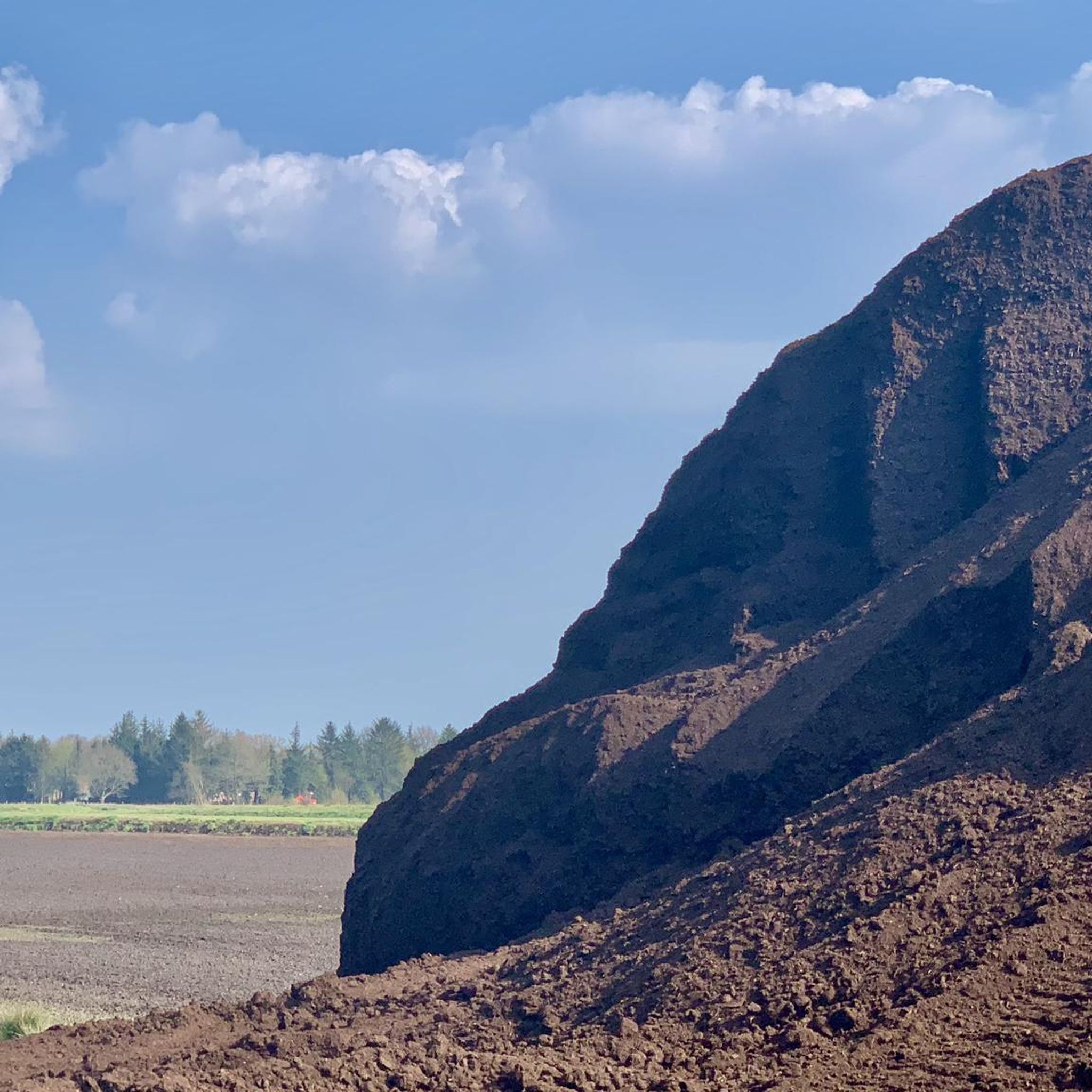
Road Cycling Routes around Wiesmoor
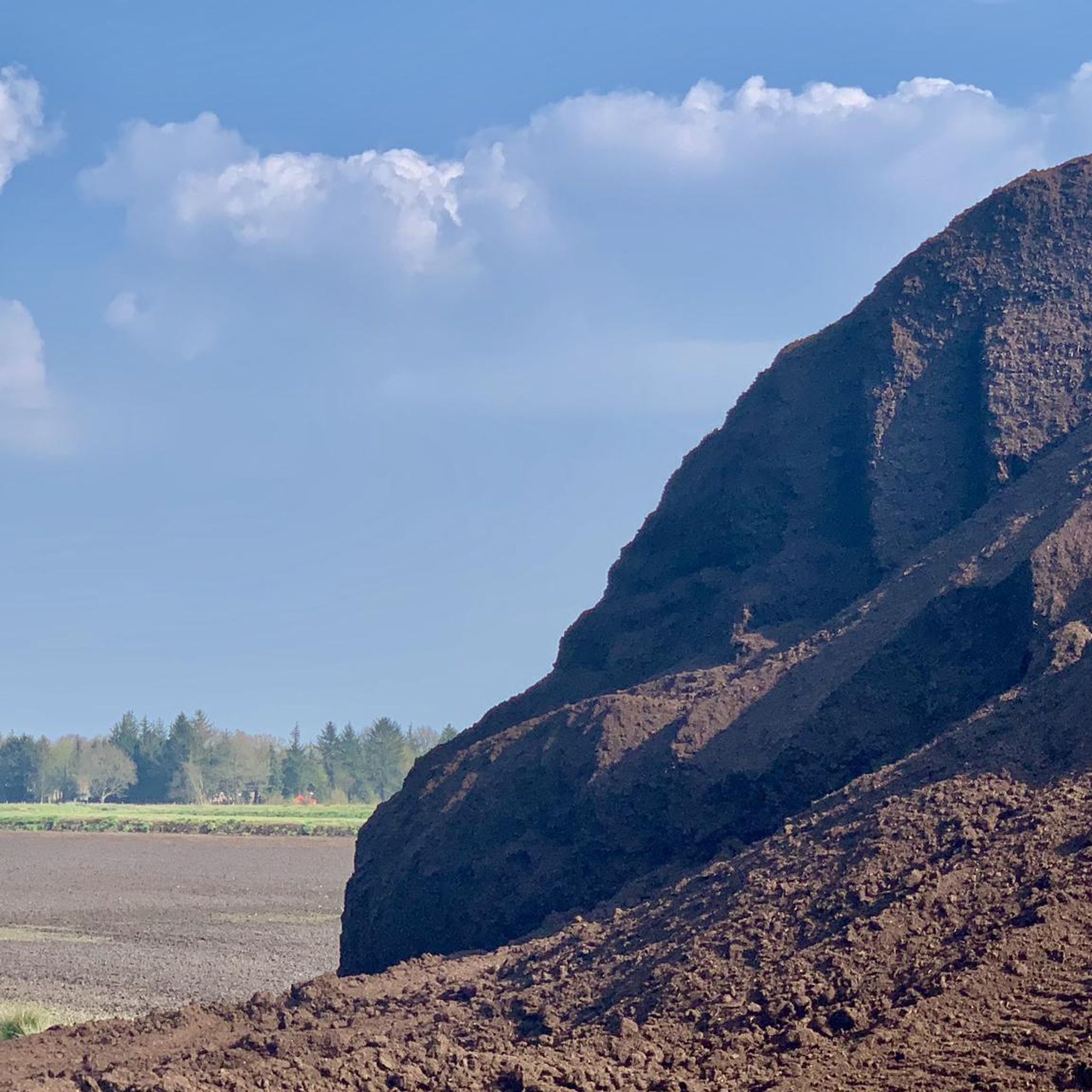
MTB Trails around Wiesmoor

Gravel biking around Wiesmoor
Other adventures around Wiesmoor


Tips from the Community

It's nice cycling here, sections along the dike and directly by the canal
0
0

Very beautiful forest. It's really fun to ride through the forest. I can only recommend it 👍
0
0

At this point you will find a nice rest area.
1
0

The waterlogged areas at the Bagbander Tief near the mouth of the Sautel Canal provide a habitat for numerous animal and plant species thanks to their rich structural diversity. In addition to the water, you'll find tall herbaceous vegetation, reed beds, and woody vegetation, which provide breeding and feeding habitats for rare species such as the wood sandpiper, the kingfisher, and the banded demoiselle. Source: Sign at the rest area
1
0
The Stapeler Moor, with its nearly 2-kilometer-long peatland discovery trail, is definitely worth a visit. When we were there, we were alone, and the trail was easily navigable by bicycle. Until 1964, the peat extracted here was used to heat the power plant in Wiesmoor. With the end of the power plant era, peat extraction in Uplengen continued and was primarily used in horticulture. Extraction finally ceased in 1998. The Stapeler Moor is now a strictly protected nature reserve and is undergoing extensive renaturalization. The extracted peat areas have been rewetted, and rushes and sphagnum mosses are once again thriving in the former cuttings. It will take centuries for a fully intact moor to re-emerge. Along the peatland discovery trail, information panels provide comprehensive information about the moor and its flora and fauna. It was a shame that the observation tower was closed; it's probably showing its age and is in a state of disrepair. ... Update March 2026: The dilapidated viewing platform has been demolished and a new observation tower has been built. I think it will be opened soon.
1
0

Very nice paths. The direct route through the forest is the shorter connecting route to some of the nearby villages.
3
0

The Neudorfer Moor is a nature reserve in the Lower Saxony municipality of Uplengen in the Leer district. The nature reserve, designated NSG WE 114, is 350 hectares in size. The area has been a nature reserve since October 8, 1983. The responsible lower nature conservation authority is the Leer district. The nature reserve is located in the north of the municipality of Uplengen on the border with the municipality of Wiesmoor. The area protects the remains of a raised bog which, like the nature reserves of Lengener Meer, Stapeler Moor, Spolsener Moor and Herrenmoor a few kilometers further east, is one of the formerly extensive East Frisian central moors. The moor, where peat mining used to take place, is being renaturalized. A small part of the nature reserve is used as agricultural grassland. The area is drained via the Riesmeerschloot and the Nordgeorgsfehnkanal to the Jümme. There is a viewing platform in the east of the nature reserve.
4
1

A nice opportunity for a break on the benches and from the tower you have a super beautiful view of the nature reserve
4
1
Frequently Asked Questions
What unique natural features can I explore around Wiesmoor?
The region around Wiesmoor is characterized by its distinctive moorland landscape. You can explore areas like the Stapeler Moor, a prominent nature reserve undergoing renaturation, featuring diverse moorland flora and fauna. Another unique feature is the Bagbander Tief, a river known for its remarkably natural, meandering course, which provides a vital habitat for numerous species.
Are there family-friendly natural monuments or activities in the area?
Yes, several natural monuments around Wiesmoor are suitable for families. The Neudorfer Moor Observation Tower offers a great spot for birdwatching and a short break. The Stapeler Moor features a 1.6-kilometer-long peat discovery trail with educational display boards, perfect for an engaging walk. Additionally, the Ottermeer, though artificial, provides a sandy beach for swimming and water sports, surrounded by circular hiking trails.
Where can I observe wildlife near Wiesmoor's natural monuments?
For wildlife observation, the Stapeler Moor is home to moor frogs and various dragonfly species. The Bagbander Tief is an excellent spot to see rare species like the common sandpiper, kingfisher, and banded demoiselle due to its rich structural diversity. The Neudorfer Moor Observation Tower is specifically designed for observing many different species of birds within the nature reserve.
What kind of hiking trails can I find near these natural monuments?
You'll find a variety of hiking trails. The Stapeler Moor offers a 1.6 km peat discovery trail. The Ottermeer has circular hiking trails around the lake. For more options, you can explore the many routes available in the Hiking around Wiesmoor guide, which includes trails like the 'Ottermeer Beach – Ottermeer Harbor loop' and the 'Nature Trail by the Pond – Forest kindergarten loop'.
Are there opportunities for cycling near the natural monuments?
Absolutely. The region is well-suited for cycling. For example, the Douglas fir avenue Upjever and swamp moor Dose features nice bike paths through the forest. You can find numerous cycling routes in the Cycling around Wiesmoor guide, with options like the 'Wiesmoor Lock – Otter Lake loop' and the 'Ihlow Monastery Site – Ems-Jade Canal loop'.
What is the best time of year to visit the natural monuments around Wiesmoor?
The natural monuments around Wiesmoor, particularly the moorland areas, are beautiful to visit during spring and summer when the flora is in full bloom, and wildlife is most active. Autumn also offers picturesque landscapes with changing colors. For outdoor activities like hiking and cycling, the milder temperatures of spring and early autumn are often ideal.
Can I find viewpoints to get a panoramic view of the landscape?
Yes, there are excellent viewpoints. The Neudorfer Moor Observation Tower provides a great vantage point over the rewetting area, perfect for birdwatching. The Stapeler Moor also features an observation tower offering panoramic views of the renaturalized moorland landscape.
What is the <a href="https://www.komoot.com/highlight/3691228" target="_blank" rel="noopener">Douglas fir avenue Upjever and swamp moor Dose</a>?
This natural monument is a significant area comprising two sub-areas: the historic Upjever forest and the Sumpfmoor Dose, a partially mined raised bog protected as a nature reserve. It contains several important biotope types, including beech forests, oak forests, and moor forests, making it a valuable site for ecological preservation and a pleasant area for walking or cycling.
Are there any natural monuments that are also recreational areas?
Yes, the Ottermeer is a significant local recreation area. Created from former peat extraction sites, this 13-hectare lake offers a sandy beach for swimming and water sports like surfing and kayaking. It's surrounded by circular hiking trails and also has a camping and bungalow park nearby, making it ideal for both nature appreciation and leisure activities.
What makes the <a href="https://www.komoot.com/highlight/1161039" target="_blank" rel="noopener">Bagbander Tief</a> special?
The Bagbander Tief is a 17.41-kilometer-long river distinguished by its remarkably natural, meandering course, which is unique in East Frisia. Its rich structural diversity, with varied vegetation and reed beds, provides a crucial habitat for numerous animal and plant species, making it a picturesque and ecologically important area for quiet walks and wildlife observation.
What kind of historical context can I find at these natural sites?
While primarily natural, some sites offer historical insights. For instance, the Stapeler Moor's peat discovery trail includes a reconstructed ancient boardwalk, illustrating how the impassable moor was traversed thousands of years ago. The Douglas fir avenue Upjever and swamp moor Dose includes the Upjever forest, a historic forest site created in the 16th century.
Is there a water park among the natural monuments?
Yes, the Hasselt Water Park is a beautifully designed area that combines natural elements with educational insights into water supply history and technology. It features models, display boards, and interactive elements, making it an engaging experience for all ages to learn about water in a natural setting.
Most popular routes around Wiesmoor
Most popular attractions around Wiesmoor

Get inspired with the komoot mobile app


Explore more
Extend your search for the best caves by checking out these guides of the top ones around Wiesmoor:
