Top 20 Natural Monuments around Kosel
Best natural monuments around Kosel are found within a landscape shaped by the Schlei, a 38 km long fjord of the Baltic Sea. The region features a diverse natural environment, including coastal areas, forests, and unique aquatic habitats. This area offers a mix of natural geological formations and protected ecosystems. The natural monuments provide opportunities to explore varied terrain types and notable natural features.
Best natural monuments around Kosel
- The most popular natural monuments is View of the Schlei near…
Last updated: May 11, 2026
View of the Schlei near Lindaunis
Highlight • Viewpoint
Translated by Google •
Tip by

Steep coast of the Eckernförde Bay
Highlight • Gorge
Translated by Google •
Tip by

Sign up now to discover places like this
Get recommendations on the best single tracks, peaks, & plenty of other exciting outdoor places.
Sign up for free
Eroded riverbank at Schlei Nature Park
Highlight (Segment) • Natural
Translated by Google •
Tip by

Ancient hornbeam with exposed roots near Haithabu Museum
Highlight • Natural Monument
Translated by Google •
Tip by

View of the Große Breite at Weseby
Highlight (Segment) • Viewpoint
Translated by Google •
Tip by

Sign up for free to discover even more natural monuments around Kosel.
Sign up for free
Already have an account?
Start today with a free account
Your next adventure awaits.
Login or Signup
Popular around Kosel
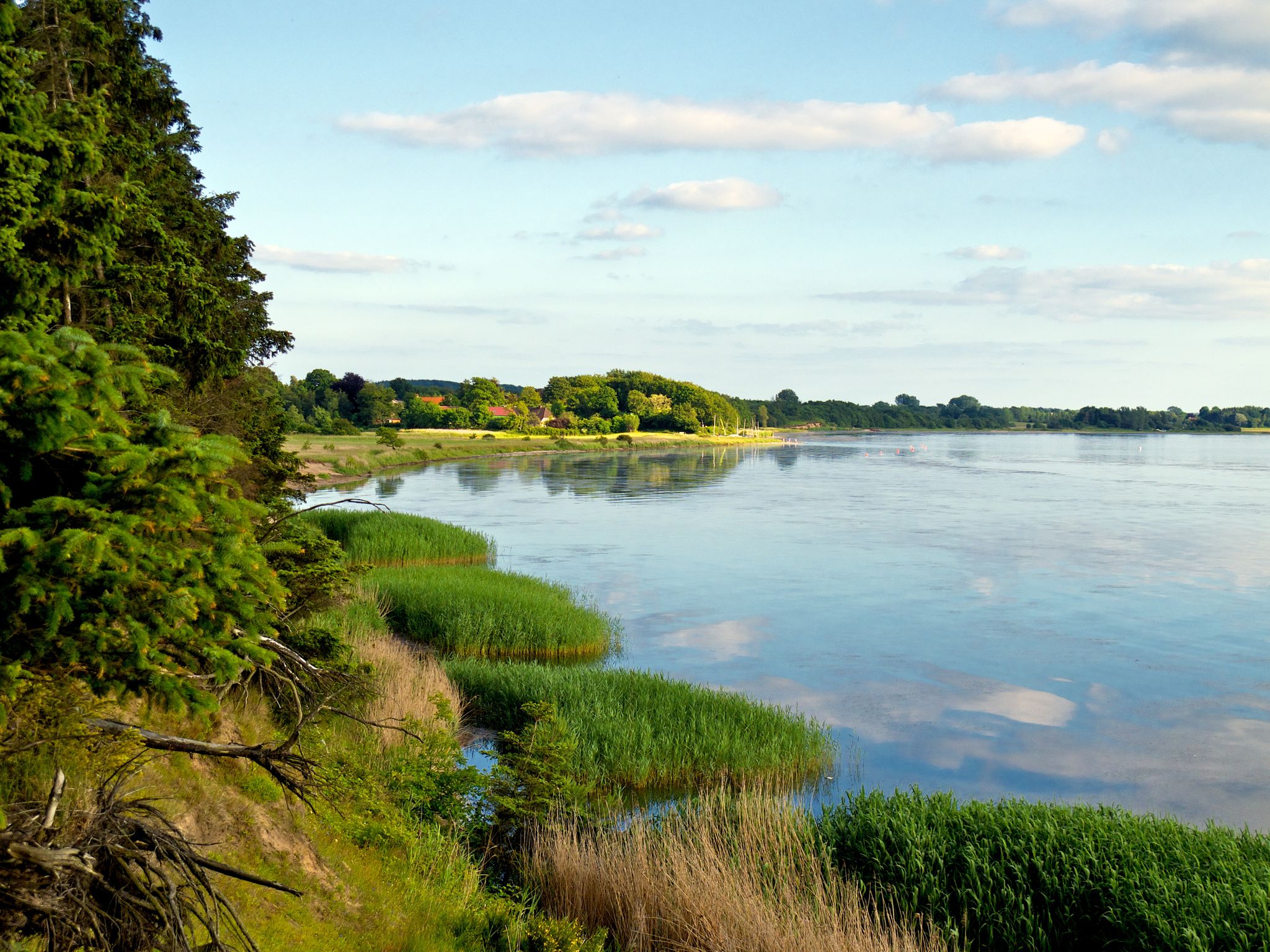
The National Natural Landscapes in Schleswig-Holstein
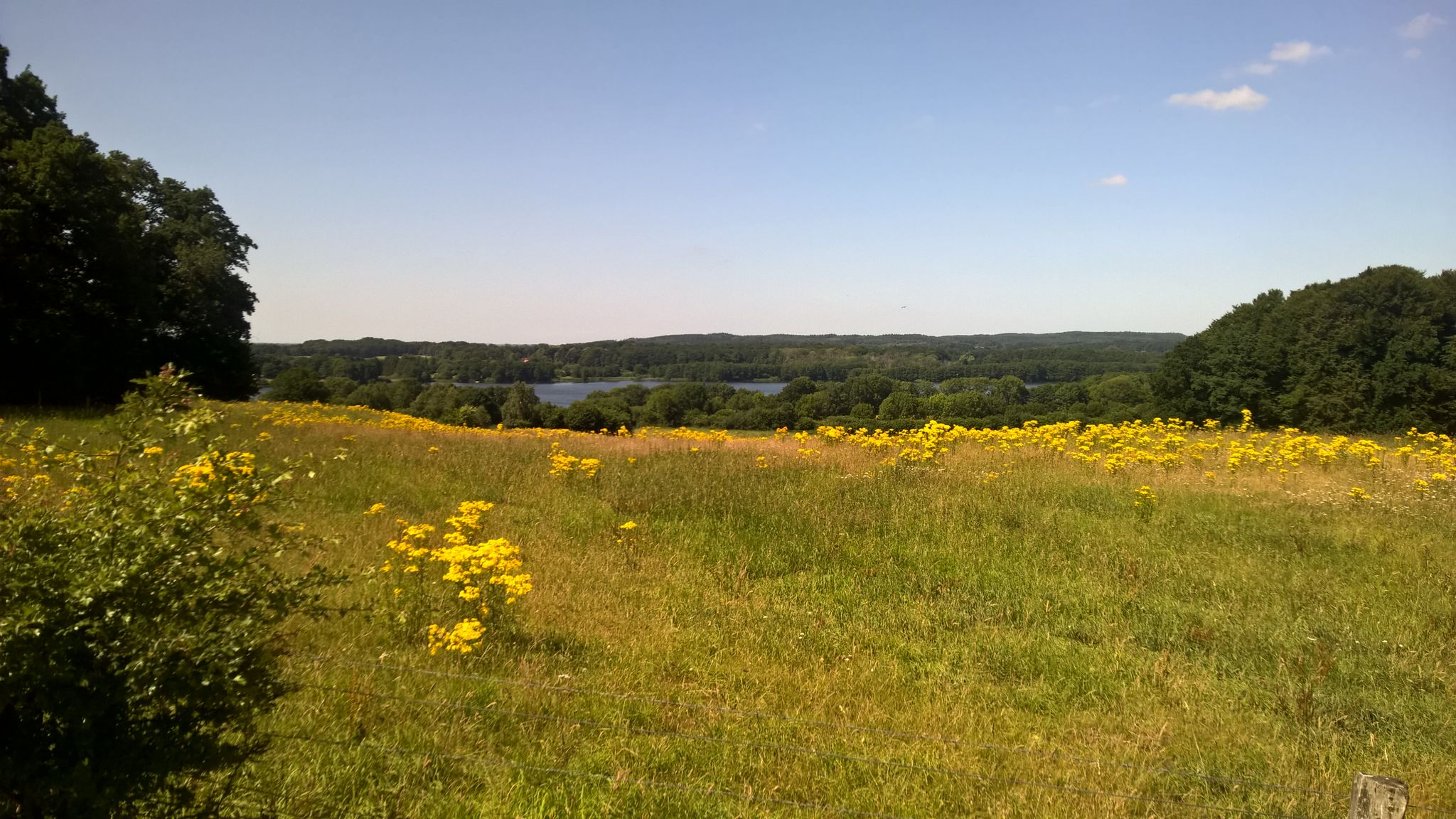
Germany’s blossoming inland — marsh, lakes and fjords in spring
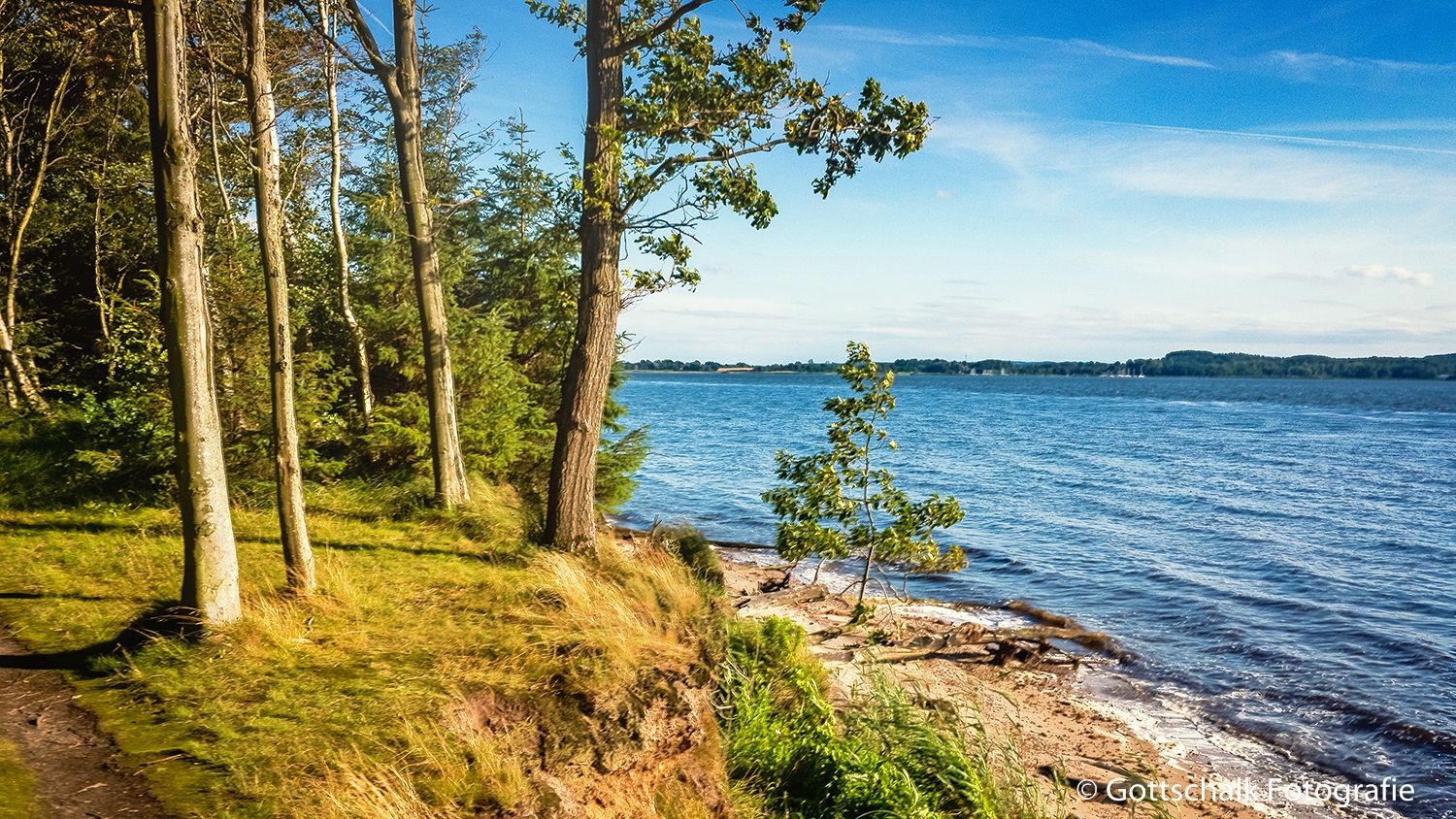
In ten days on Nature park trail through the hinterland
Germany’s golden inland – hike marsh, lakes and fjords in autumn
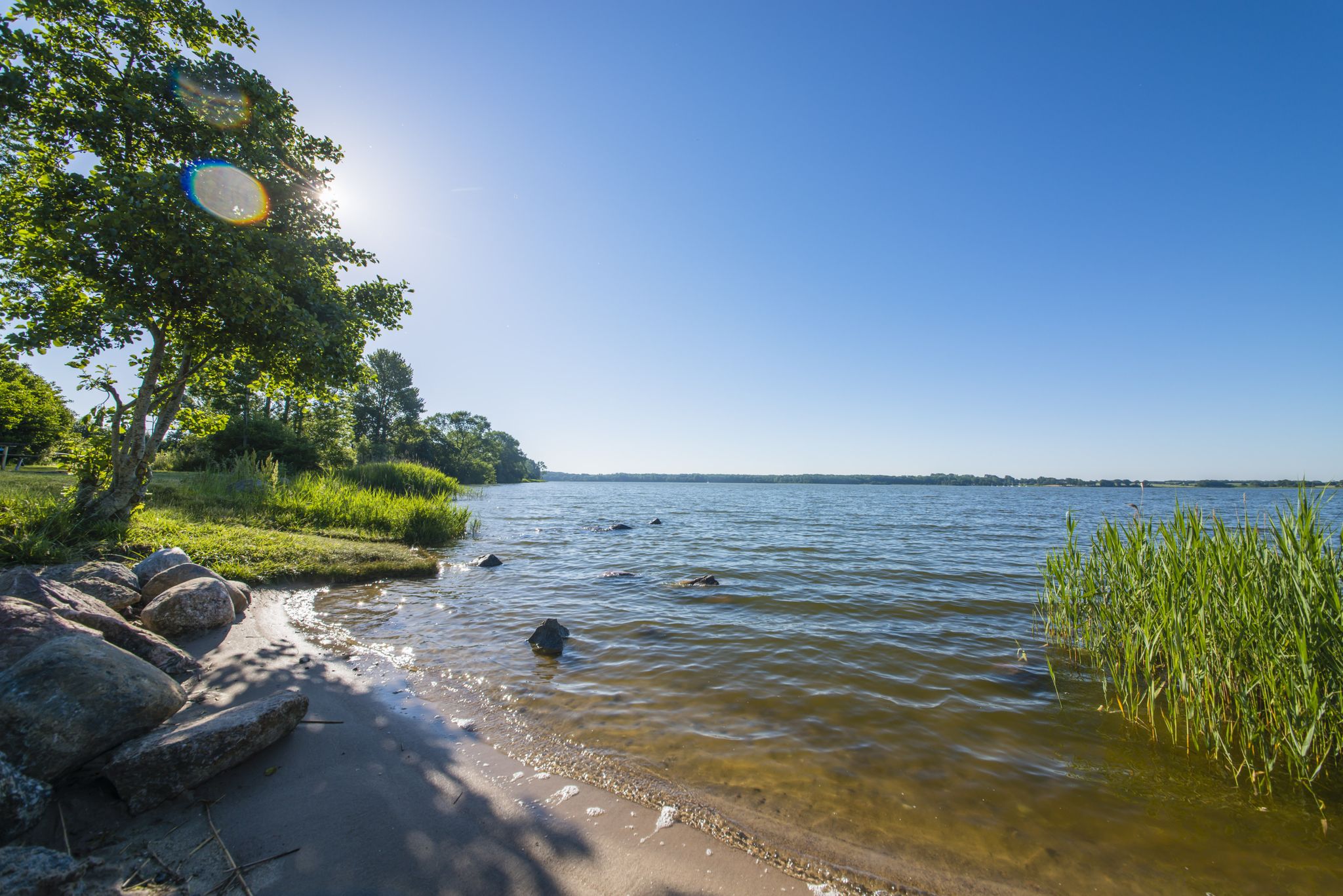
The journey is the destination – hikes along the River Schlei in Germany
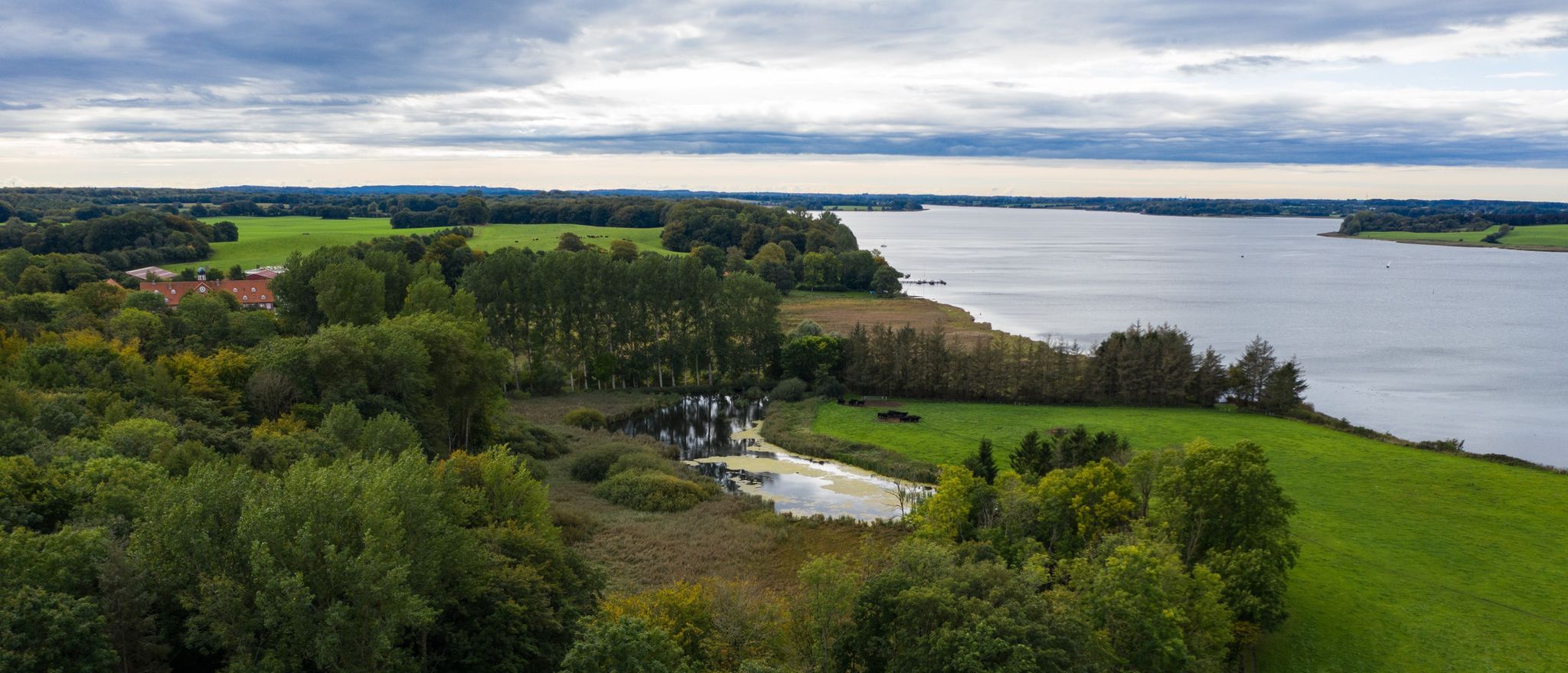
Wandern an der Schlei
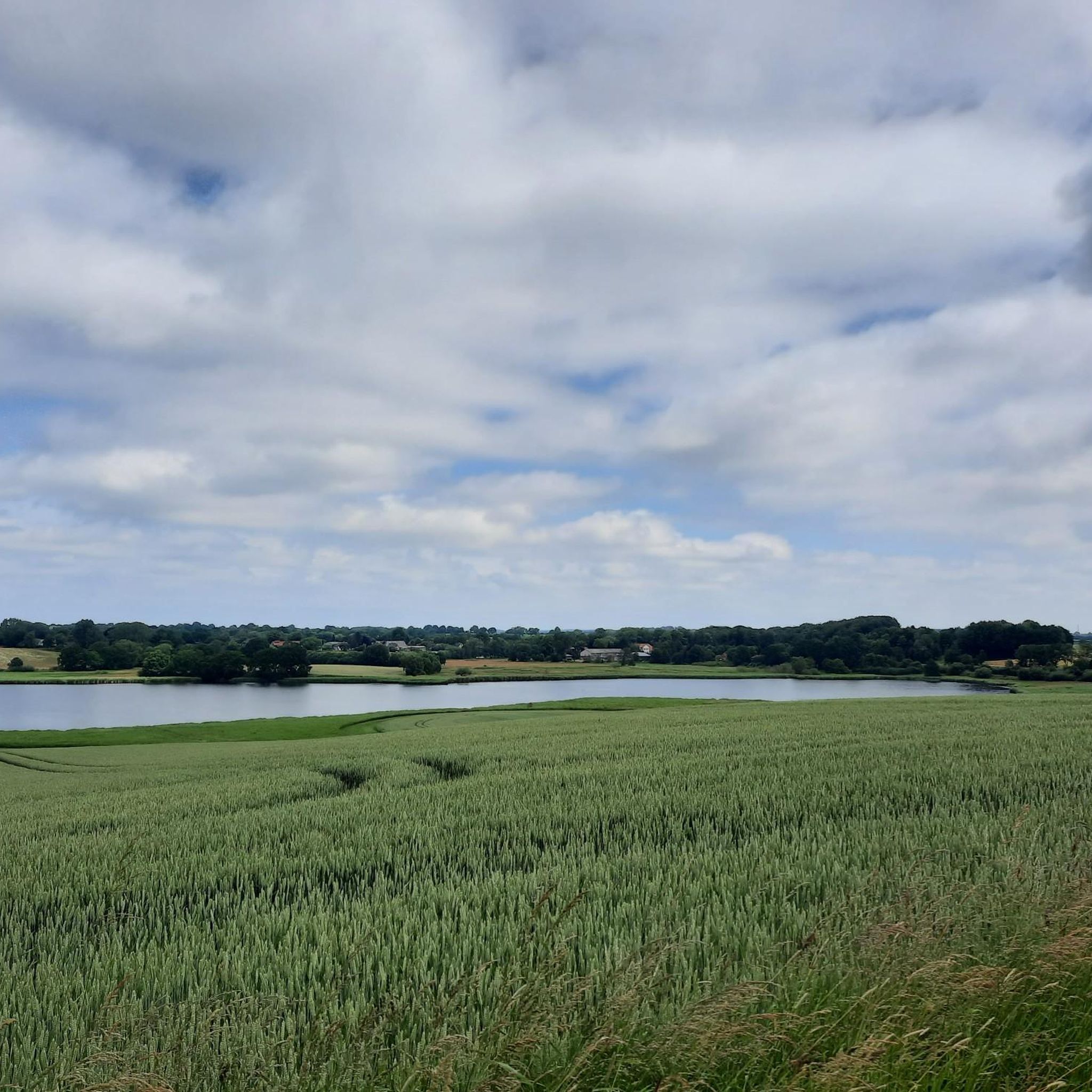
Hiking around Kosel
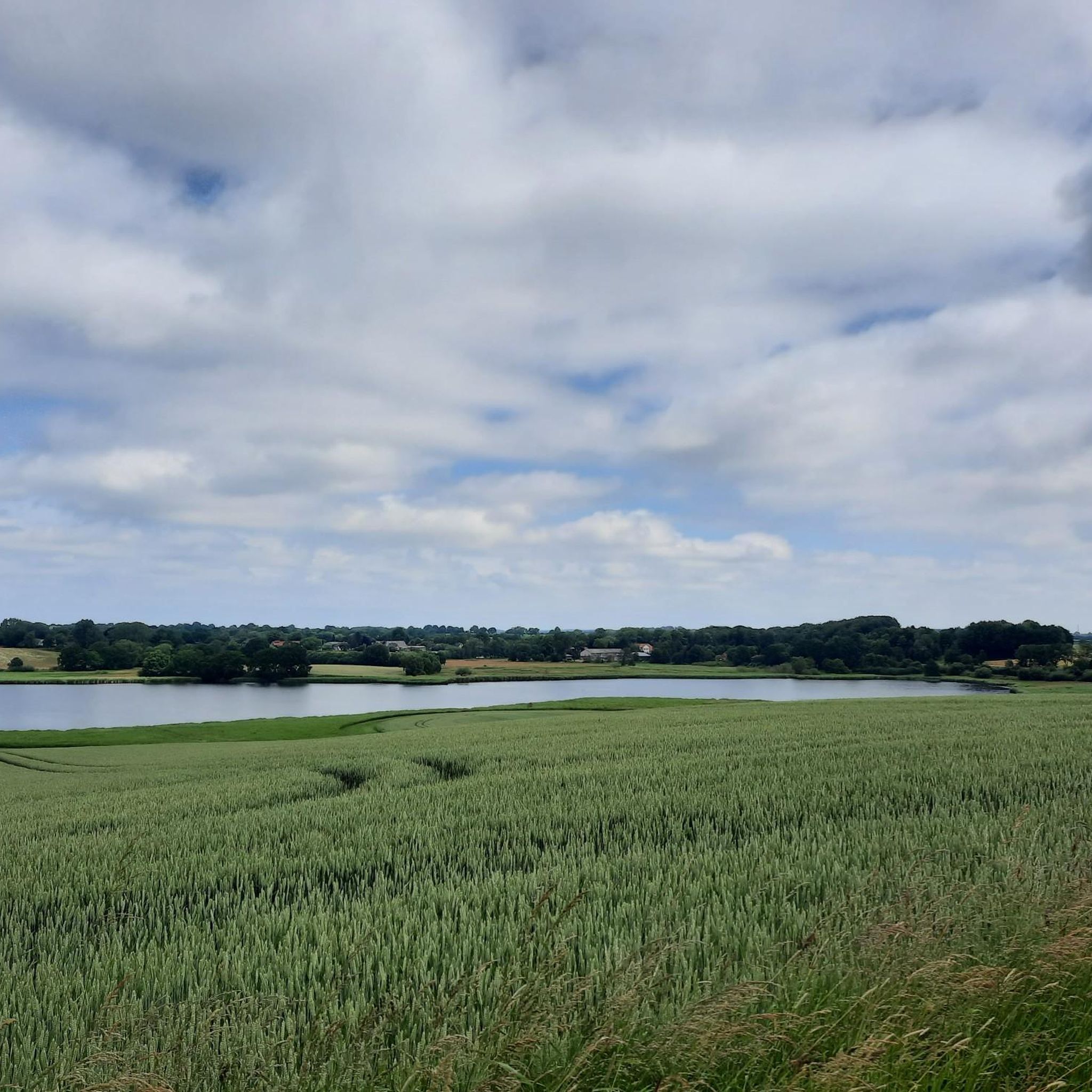
Cycling around Kosel
Running Trails around Kosel
Road Cycling Routes around Kosel
Other adventures around Kosel


Tips from the Community

The Schlei Nature Park is the northernmost of its kind in Germany. The Schlei region is a true natural paradise and home to numerous animal and plant species. With a unique mix of freshwater, brackish, and saltwater habitats, embedded in a diverse cultural landscape, it offers extraordinary diversity. The cultural landscape of the Schlei has been significantly shaped by the people who live and farm here. Today, the Schlei separates two very different landscapes: Angeln and Schwansen. The hilly landscape of Angeln is particularly characterized by small-scale agriculture and a dense hedgerow structure. The nature park was established in 2008 and covers an area of 500 square kilometers. You can find more information here: https://nationale-naturlandschaften.de/gebiete/naturpark-schlei-2.
1
0

It is beautiful here
4
1

It has now happened: large sections of the path, which ran directly along the edge, have collapsed, taking numerous trees with them. Part of it has been cordoned off with barrier tape – which is now quite damaged. A narrow alternative path runs alongside the original one. It is very sad and frightening, but walkable – however, definitely not recommended for strollers or people with mobility impairments!
5
1
Of course, you are not allowed to enter the nature reserve, so the first photos posted here are not (anymore) possible. Instead, you go through the forest, which is also OK.
0
0

The Schlei always offers cyclists new views.
3
0

Nice view of the Schlei.
3
0

A really wonderful place to hike.
0
2

Wonderfully quiet area for cycling. You can really enjoy nature. Although sometimes the tree roots under the asphalt make themselves felt. Of course, only for short sections
4
0
Frequently Asked Questions
What natural features can I explore around Kosel?
The Kosel region, shaped by the Schlei fjord, offers a diverse natural environment. You can explore coastal areas, forests, and unique aquatic habitats. Notable features include the View of the Schlei near Lindaunis, which provides perspectives of the Baltic Sea's longest fjord, and the Eroded riverbank at Schlei Nature Park, showcasing the dynamics of a break-off edge exposed to wind and waves.
Are there family-friendly natural monuments in the Kosel area?
Yes, several natural monuments around Kosel are suitable for families. The View of the Schlei near Lindaunis is a family-friendly viewpoint. Another great option is the Ancient hornbeam with exposed roots near Haithabu Museum, which is particularly engaging for children as they can crawl through its root system and climb on it.
What kind of hiking trails can I find near Kosel's natural monuments?
The Kosel area offers a variety of hiking trails that allow you to explore its natural monuments. You can find routes that lead through beech forests along the coast, such as those near the Steep coast of the Eckernförde Bay. There are also trails within the Schlei Nature Park, offering insights into diverse ecosystems. For more detailed hiking options, you can explore the Hiking around Kosel guide.
What do visitors enjoy most about the natural monuments around Kosel?
Visitors particularly appreciate the stunning panoramic views, especially from spots like the View of the Schlei near Lindaunis and the View of the Große Breite at Weseby. The unique geological formations, like the eroded riverbank, and the opportunity to immerse oneself in diverse natural landscapes, from coastal cliffs to ancient forests, are also highly valued.
Are there any unique or hidden natural monuments worth discovering in Kosel?
Beyond the well-known spots, the region offers unique natural formations. The Ancient hornbeam with exposed roots near Haithabu Museum is a mystical tree with an extraordinary growth pattern. Additionally, the Wildfrauenloch (Wild Women's Cave) in the Kusel area offers a blend of natural geological formation and captivating local legends, making it an intriguing spot for those who enjoy folklore and exploring natural caves.
What is the best time to visit the natural monuments around Kosel?
The natural monuments around Kosel can be enjoyed throughout the year, with each season offering a different experience. Spring and autumn are ideal for hiking, with pleasant temperatures and vibrant foliage. Summer allows for water activities on the Schlei and enjoying the coastal areas. The Potzberg Tower, offering panoramic views, is accessible from March to October.
Can I find viewpoints that offer extensive natural panoramas in the Kosel region?
Yes, the Kosel region is known for its excellent viewpoints. The View of the Schlei near Lindaunis and the View of the Große Breite at Weseby offer expansive vistas of the Schlei fjord. For a broader perspective, the Potzberg Tower, situated on the Potzberg mountain, provides a wonderful panoramic view of the surrounding natural landscape.
What kind of wildlife can I spot in the natural monuments around Kosel?
The diverse habitats around Kosel, particularly within the Schlei Nature Park and areas like the Wartekopf Nature Reserve, support a variety of wildlife. The Wartekopf Nature Reserve is home to warm and dry-loving plant and animal species, such as the brown fire butterfly and numerous woodpecker species. The unique mix of freshwater, brackish, and saltwater habitats in the Schlei region also makes it a natural paradise for various animal and plant species.
Are there opportunities for cycling near the natural monuments?
Absolutely. The region around Kosel is well-suited for cycling, with routes that take you past many natural monuments and scenic views. You can find road cycling routes that offer views of the Schlei and connect various points of interest. For detailed cycling options, refer to the Road Cycling Routes around Kosel guide and the MTB Trails around Kosel guide.
What is the Schlei Nature Park and what does it offer?
The Schlei Nature Park is Germany's northernmost nature park, established in 2008 and covering 500 square kilometers. It's a true natural paradise with a unique mix of freshwater, brackish, and saltwater habitats. It offers extraordinary biodiversity and is home to numerous animal and plant species. Within the park, you can find natural features like the Eroded riverbank at Schlei Nature Park, providing insight into dynamic natural processes.
Are there any natural monuments with historical or legendary significance?
Yes, the Wildfrauenloch (Wild Women's Cave) in the Kusel area is a natural rock cave steeped in local folklore. Legends suggest that a woman of unusual size and ferocity lived there, armed with a crooked dagger and a club. A circular path leads visitors past this intriguing site, offering a blend of natural geology and captivating local history.
Most popular attractions around Kosel

Get inspired with the komoot mobile app


Explore more
Extend your search for the best caves by checking out these guides of the top ones around Kosel:
