Top 13 Natural Monuments around Bargstall
Best natural monuments around Bargstall are primarily shaped by the Eider River and the surrounding Schleswig-Holstein landscape. This region features wetlands, marshes, and diverse natural habitats crucial for various plant and animal species. The area offers opportunities to experience natural beauty and ecological significance, with the Eider River being a central geographical feature.
Best natural monuments around Bargstall
- The most popular natural monuments is Observation Platform at Fockbeker Moor, a viewpoint that offers views of the Fockbeker Moor. From…
Last updated: April 26, 2026
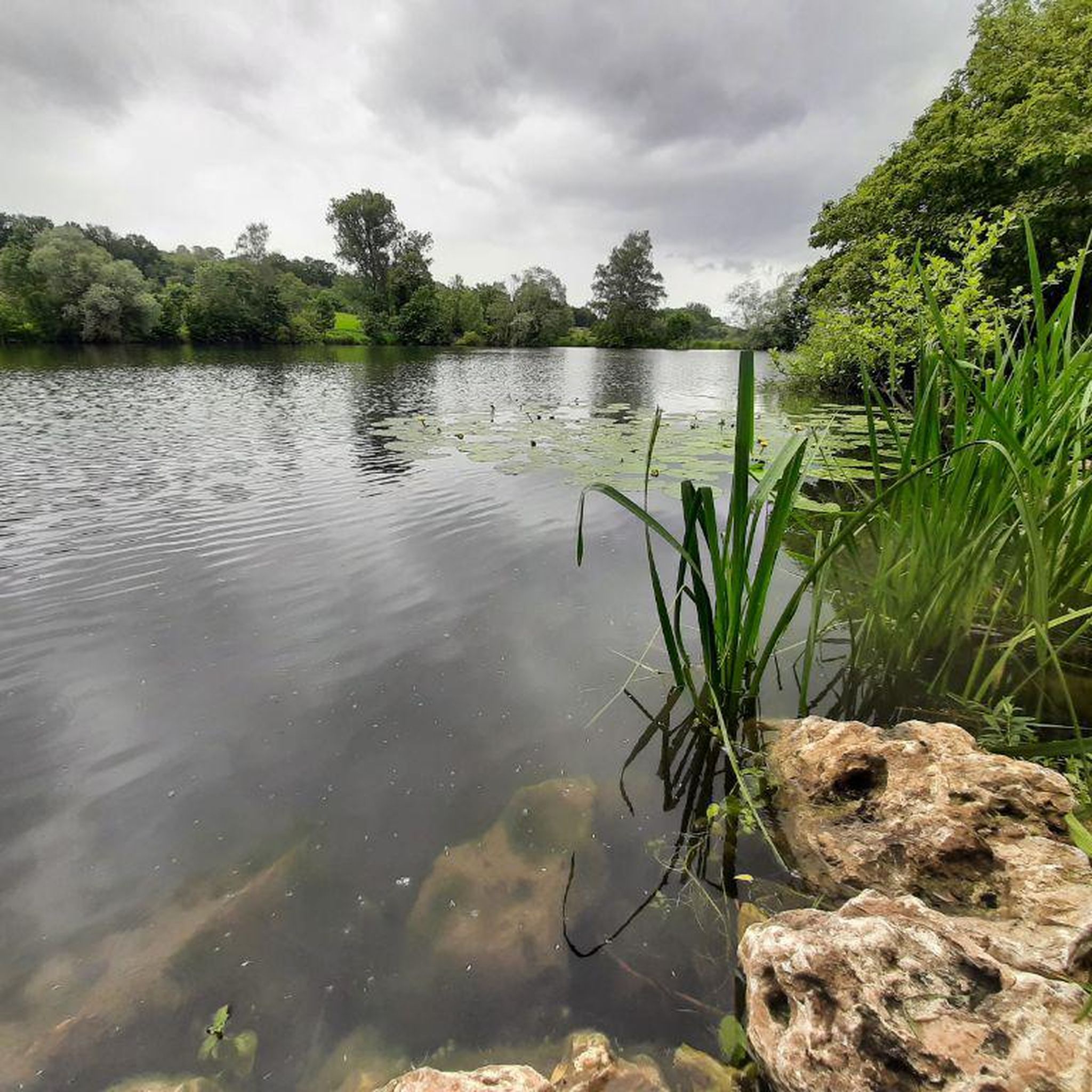
Hohner Lake
Highlight • Lake
Translated by Google •
Tip by

Observation Platform at Fockbeker Moor
Highlight • Viewpoint
Be sure to take binoculars with you.
Translated by Google •
Tip by

Sign up now to discover places like this
Get recommendations on the best single tracks, peaks, & plenty of other exciting outdoor places.
Sign up for free
Dellstedter Birkwildmoor Nature Reserve
Highlight • Natural Monument
Translated by Google •
Tip by

Fockbeker Moor Nature Reserve
Highlight • Natural
which has spread over a shallow depression over the past 2,500 years. The raised bog peat largely covers the water-retaining mineral subsoil.
Translated by Google •
Tip by
Eidertal Escarpment: Pahlhude to Dörpling-Hohenlieth
Highlight • Natural Monument
Translated by Google •
Tip by
Sign up for free to discover even more natural monuments around Bargstall.
Sign up for free
Already have an account?
Start today with a free account
Your next adventure awaits.
Login or Signup
Tips from the Community


The moor covers an area of approximately 379 hectares. Peat extraction and drainage have significantly altered the moor. However, it wasn't only the extraction of fuel peat that caused large areas of the moor to disappear, but also its conversion to arable land and grassland. Restoration measures have been carried out since 1980, including closing the drainage ditches within the moor.
4
0

Be careful, the paths are soft and wet even during prolonged dry periods!
0
0

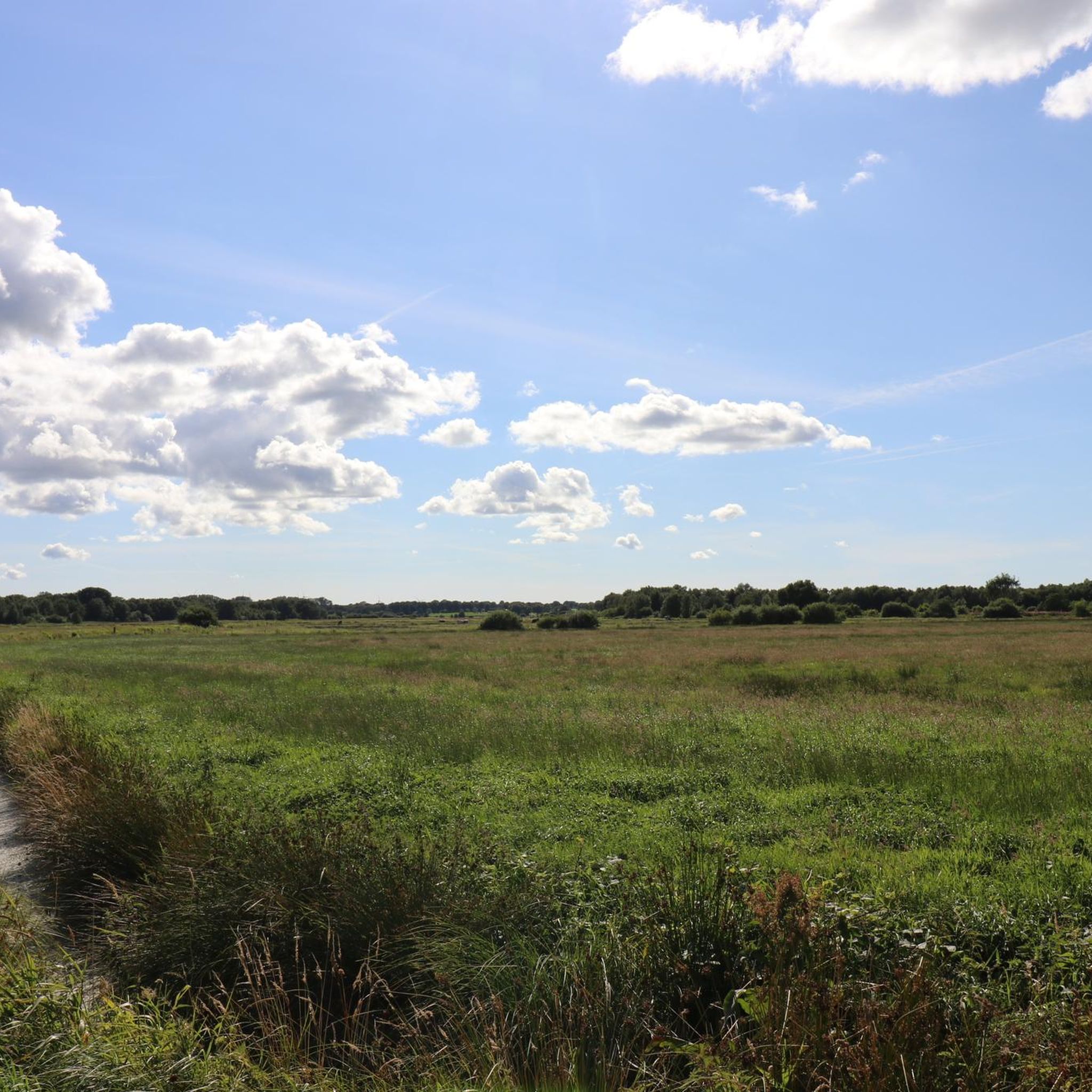
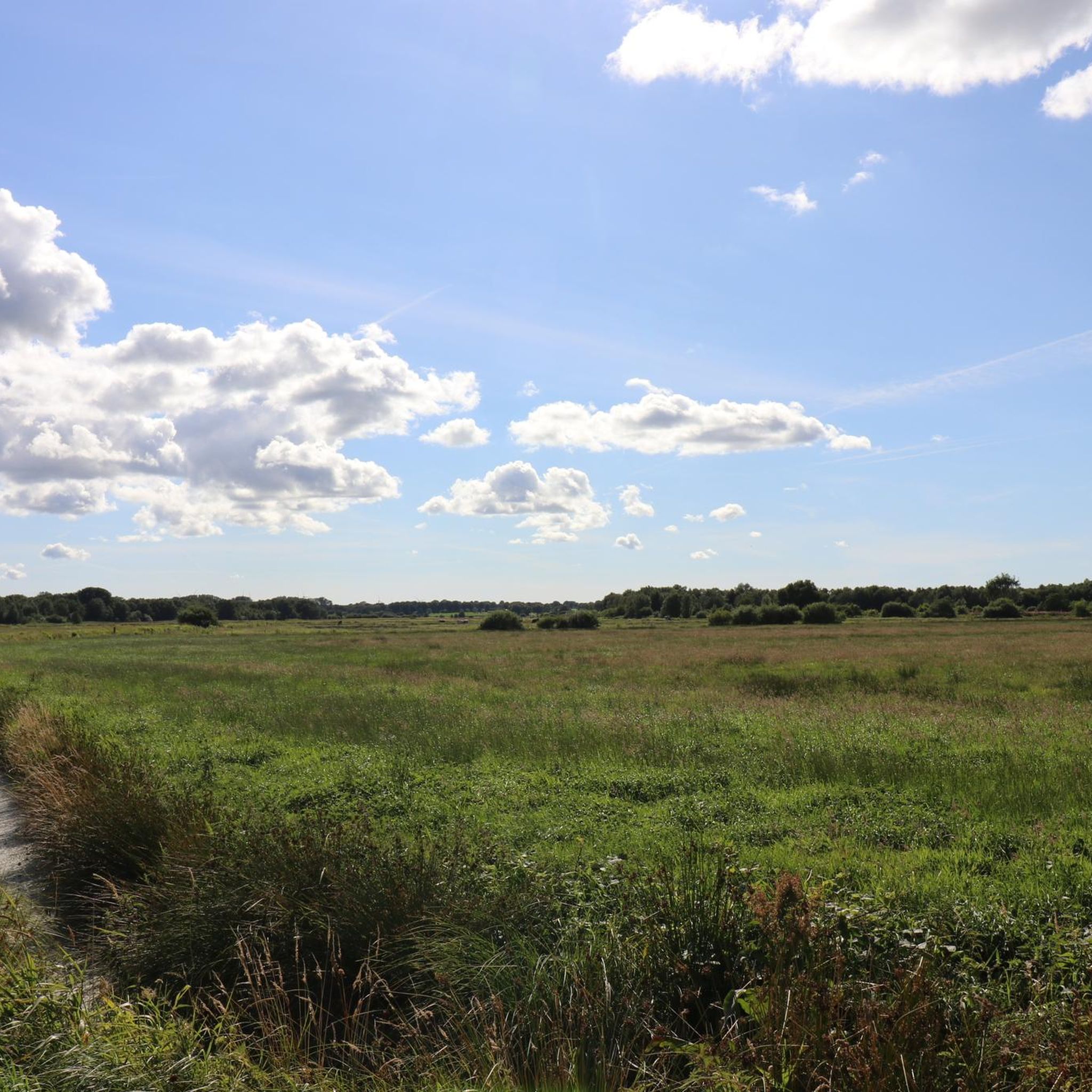
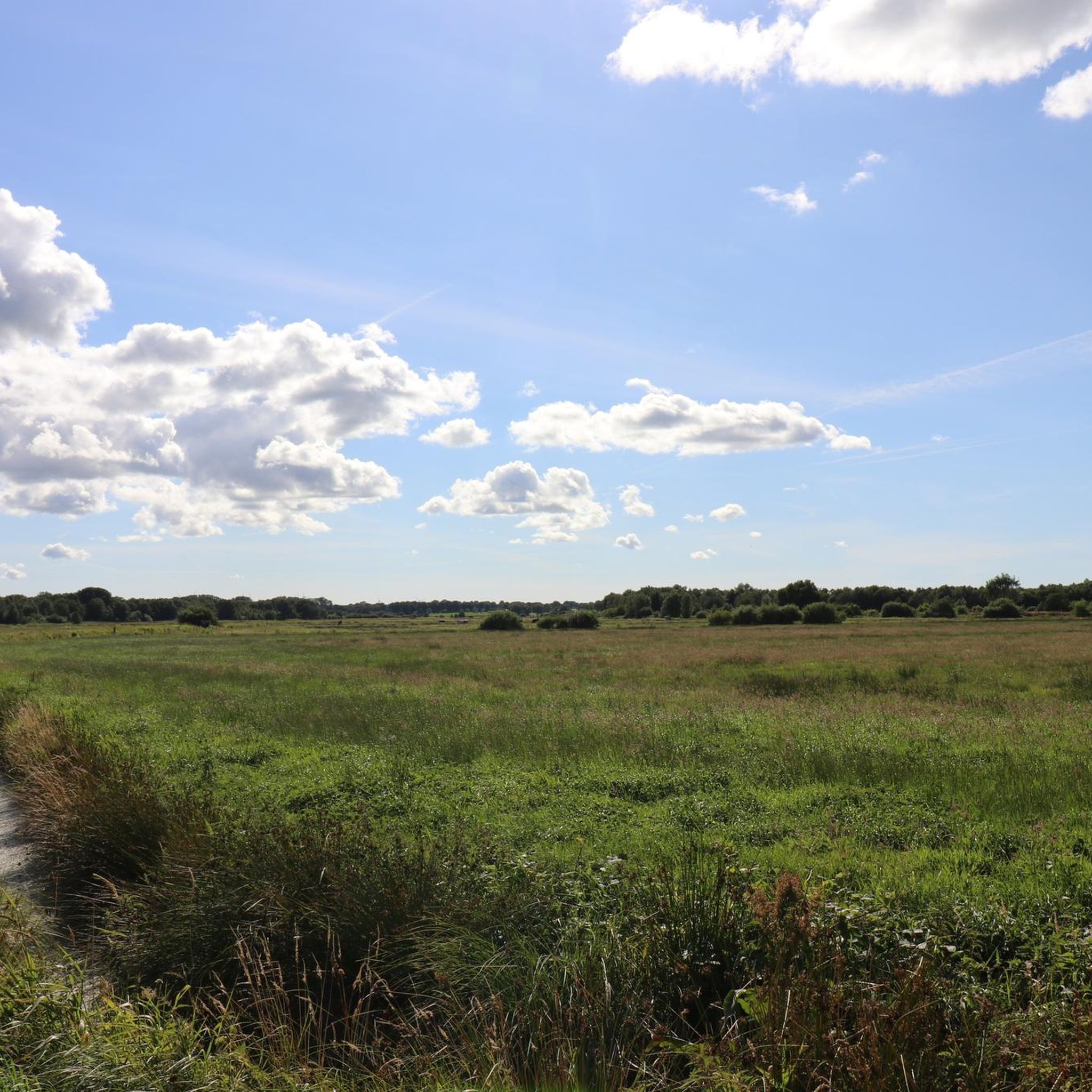
From the slightly elevated viewing platform, the Fockbek Moor and its inhabitants can be discovered.
0
0

The Fockbek Moor, northwest of Rendsburg, is the remnant of a former extensive heath and moor landscape. The now rewetted and regenerating moor has flora typical of raised moors: round-leaved sundew, rosemary heath, white beak sedge, cranberry, and cotton grass.
5
0
The view from the observation windows of the Fockbek Moor is significantly restricted in late summer due to vegetation. Be sure to take binoculars with you.
5
0

Just enjoy and do nothing
2
0

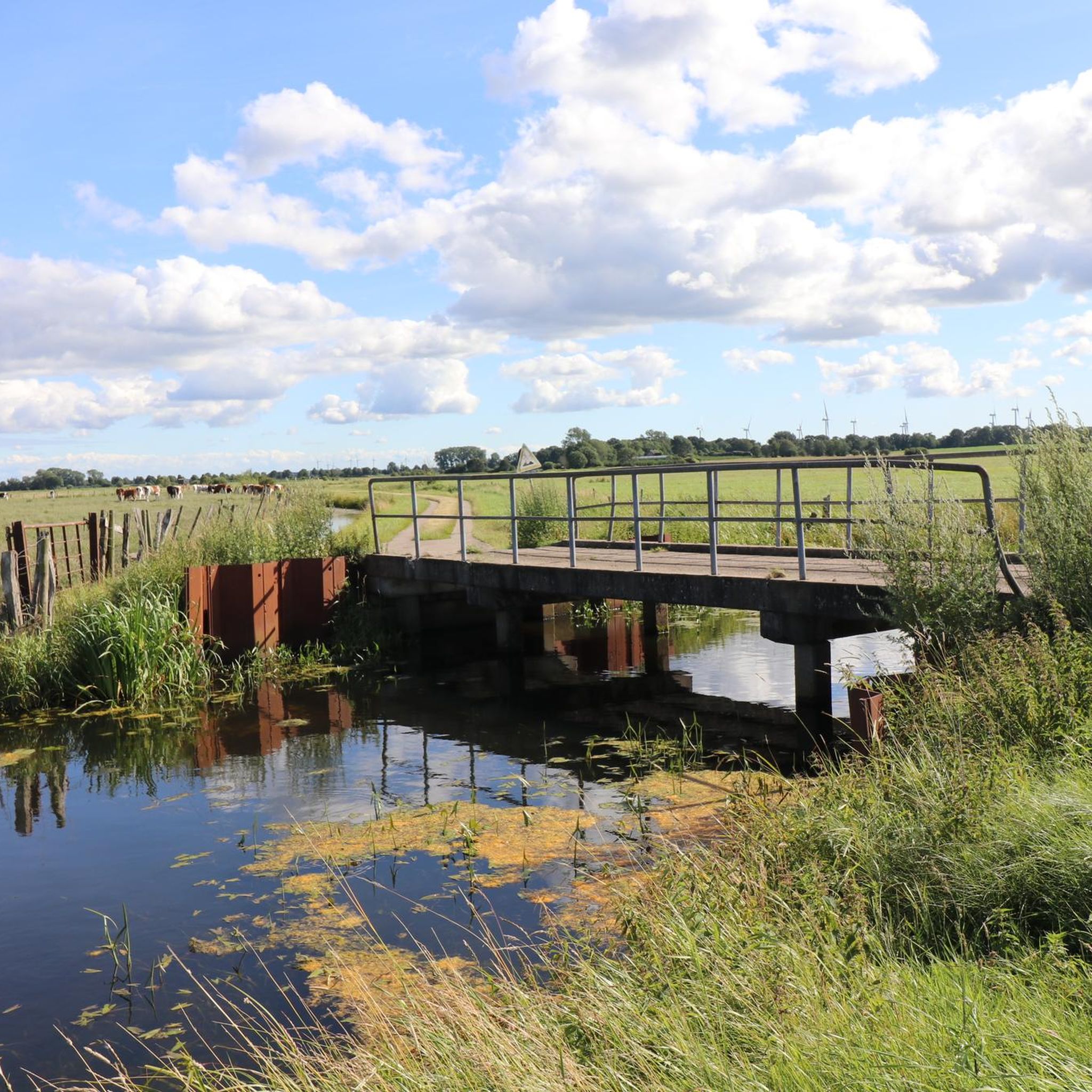
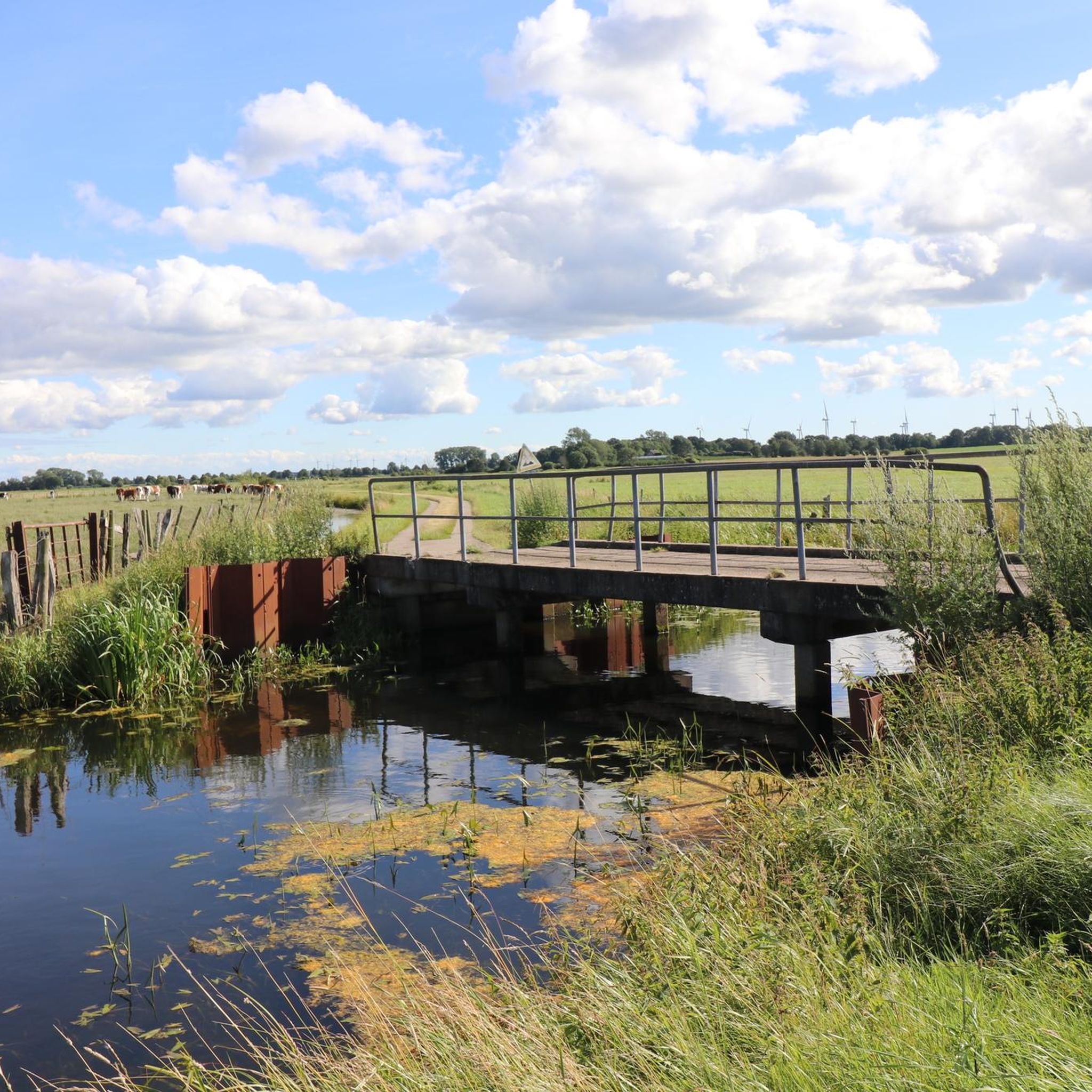
Magnificent view over the fields and the steep edge of the Dithmarschen Altmoräne, which was formed in the last ice age.
2
0
Frequently Asked Questions
What kind of natural landscapes can I expect to see around Bargstall?
The natural landscapes around Bargstall are primarily shaped by the Eider River and the surrounding Schleswig-Holstein region. You'll find diverse environments including wetlands, marshes, moors, and river landscapes. These areas are crucial habitats for various plant and animal species, offering a rich ecological experience.
Are there family-friendly natural monuments to visit near Bargstall?
Yes, several natural monuments around Bargstall are suitable for families. The Hohner Lake, the Observation Platform at Fockbeker Moor, and the Fockbeker Moor Nature Reserve are all categorized as family-friendly. The Eidertal Escarpment also offers an engaging experience for all ages with its geological history.
What kind of wildlife can be observed in the natural monuments around Bargstall?
The region is rich in wildlife, especially around the Eider River and its associated wetlands and moors. At Hohner Lake, you might spot the white-tailed eagle and other endangered animal species. The moors, such as Dellstedter Birkwildmoor Nature Reserve and Fockbeker Moor Nature Reserve, are home to moor frogs, adders, snipe, and curlews, along with unique plant communities like cotton grass and bell heather. The Observation Platform at Fockbeker Moor is an excellent spot for birdwatching.
What outdoor activities can I do near these natural monuments?
The area around Bargstall and its natural monuments offers numerous outdoor activities. You can enjoy cycling, horseback riding, and hiking along well-signposted trails that traverse diverse landscapes. Canoe touring is also popular on the Eider River. For specific routes, you can explore Running Trails around Bargstall, Gravel biking around Bargstall, and Road Cycling Routes around Bargstall.
What is the best time to visit the natural monuments around Bargstall?
The Eider River and its surrounding areas are beautiful year-round. However, for birdwatching, spring and autumn are particularly rewarding due to migratory birds. Late summer might see vegetation restricting views from observation platforms, so binoculars are recommended. Generally, warmer months are ideal for cycling, hiking, and canoeing, while winter offers a different, serene experience for those interested in winter hiking.
Are there any historical or geological points of interest among the natural monuments?
Yes, the Eidertal Escarpment: Pahlhude to Dörpling-Hohenlieth is a significant geological feature. It was formed by meltwater during the last Ice Age, creating a steep edge on the Dithmarscher Altmoräne. This area also has historical relevance, as clay mined here was used for brick production in the late 19th and early 20th centuries, shipped via the Eider River.
Where can I find a good viewpoint to observe the natural surroundings?
The Observation Platform at Fockbeker Moor offers excellent views of the Fockbeker Moor and its diverse bird species. Additionally, the Eidertal Escarpment provides magnificent views over fields and the steep edge of the Dithmarschen Altmoräne.
What makes Hohner Lake a unique natural monument?
Hohner Lake is considered the last remaining shallow-water geest lake in the Eider-Treene-Sorge lowlands. It is part of a large nature reserve and serves as a crucial habitat and floodplain for endangered animal and plant species, including the white-tailed eagle. An old train station nearby even houses an exhibition about the lake's biotope.
What are the conservation efforts like for the moors in the region?
Intensive conservation efforts are in place for the moors around Bargstall. For instance, the Fockbeker Moor Nature Reserve, a relatively young raised bog, has seen significant work by volunteer conservationists to preserve and re-establish typical plant and animal communities. It has been a protected area since 2002 and is part of the Europe-wide NATURA 2000 network. Similarly, the Dellstedter Birkwildmoor Nature Reserve is recognized as one of the most important raised moors in the Eider-Treene-Sorge region.
Can I find information about the Eider River's significance?
The Eider River is the longest river in Schleswig-Holstein and is central to the region's natural character. It flows for 188 kilometers, featuring a wide estuary with tidal flats and brackish water, and its banks are characterized by crucial wetlands and marshes. Historically, it was vital for trade and transportation and served as a border. You can learn more about its features and significance on Wikipedia.
What do visitors enjoy most about the natural monuments around Bargstall?
Visitors appreciate the diverse natural environments, from tranquil lakes and expansive moors to the scenic river landscapes. The opportunity for birdwatching, observing unique flora and fauna, and engaging in outdoor activities like hiking and cycling are highly valued. The blend of natural beauty, ecological significance, and historical context, such as the Ice Age formations at the Eidertal Escarpment, makes the region particularly appealing.
Most popular routes around Bargstall
Most popular attractions around Bargstall

Get inspired with the komoot mobile app


Explore more
Extend your search for the best caves by checking out these guides of the top ones around Bargstall:
