Top 19 Natural Monuments around Wülknitz
Natural monuments around Wülknitz are found within the district of Meißen in Saxony, a region characterized by its varied natural landscapes. The area encompasses a mix of forests, historical sites, and cultivated gardens that contribute to its natural appeal. While specific natural monuments directly within the municipality are not extensively documented, the broader region offers various natural features. These sites provide opportunities to explore the local environment and its historical connections.
Best natural monuments around Wülknitz
- The most popular natural…
Last updated: October 11, 2026
Zabeltitz Baroque Garden
Highlight • Natural Monument
Translated by Google •
Tip by

Heideberg Tower on Heidehöhe
Highlight • Viewpoint
Translated by Google •
Tip by

Sign up now to discover places like this
Get recommendations on the best single tracks, peaks, & plenty of other exciting outdoor places.
Burgwall Kosilenzien
Highlight • Historical Site
Translated by Google •
Tip by

Gohrischheide Observation Tower
Highlight • Viewpoint
Translated by Google •
Tip by

Confluence of the Pulsnitz and Schwarze Elster
Highlight • River
Translated by Google •
Tip by

Sign up for free to discover even more natural monuments around Wülknitz.
Already have an account?
Start today with a free account
Your next adventure awaits.

Tips from the Community

The Pulsnitz is a tributary of the Black Elster River. It rises near Ohorn, not far from the small town of Pulsnitz in Saxony, and flows through the towns of Pulsnitz, Königsbrück, and Ortrand. The Pulsnitz flows through the Königsbrück and Krakau Heath, where the Königsbrück military training area was located between 1906 and 1992, and where the market town of Krakau existed until 1938. After approximately 60 kilometers, it now flows into the Black Elster near Elsterwerda. However, its original mouth, and thus the border between Saxony and Brandenburg, was located after the village of Tettau. This formed the historical tripoint of the Margraviate of Meissen with Upper and Lower Lusatia. https://www.pulsnitztal.de/pulsnitztal.html
0
1

A very special place with a remarkably long history. "During the period between the late Bronze Age and the early Iron Age, a hillfort was built near the site as a refuge or defensive fort. This earthwork was approximately 400 meters in diameter. Later, the hillfort was used by Germanic and Slavic tribes." The site is perfect for a long break or a hearty picnic.
0
0

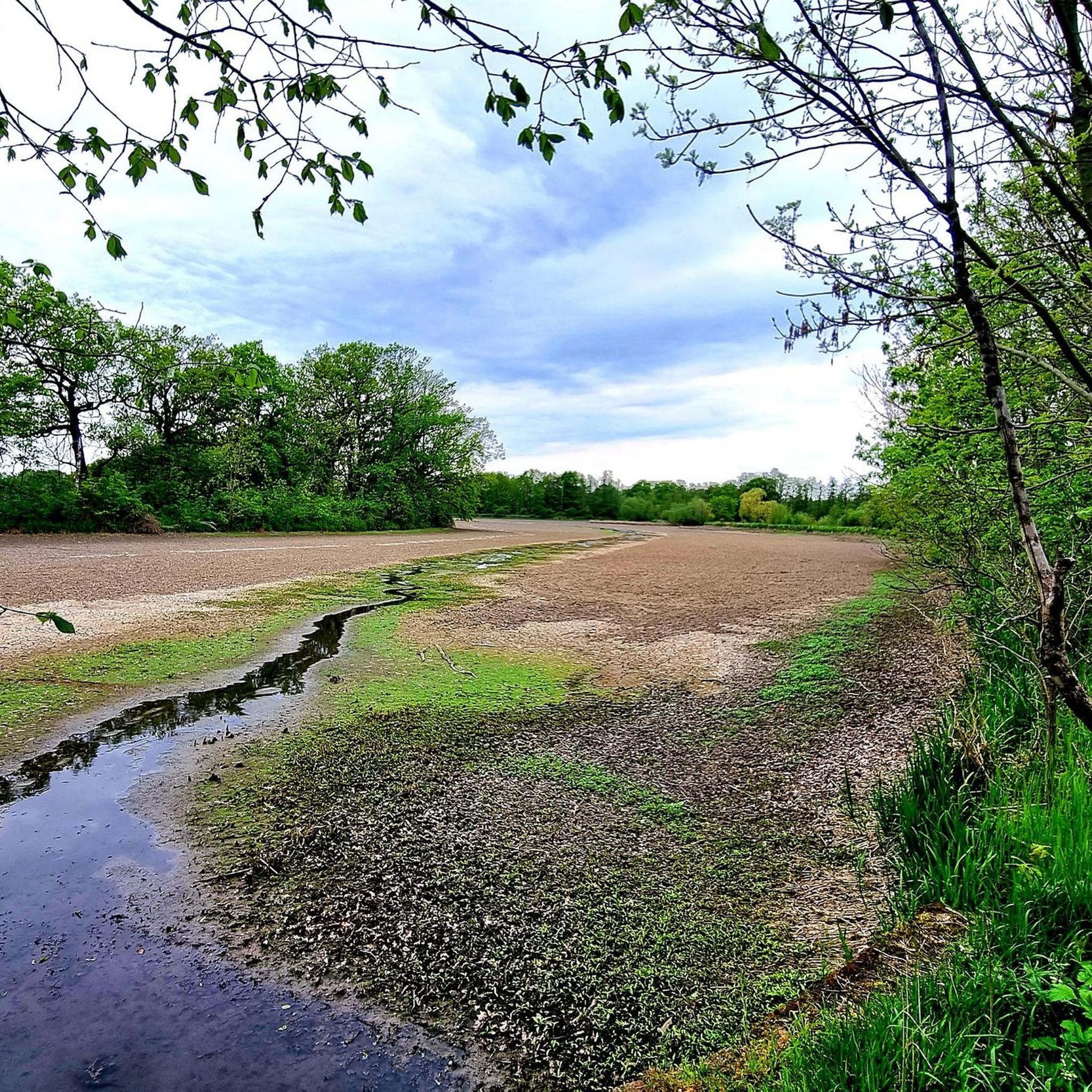
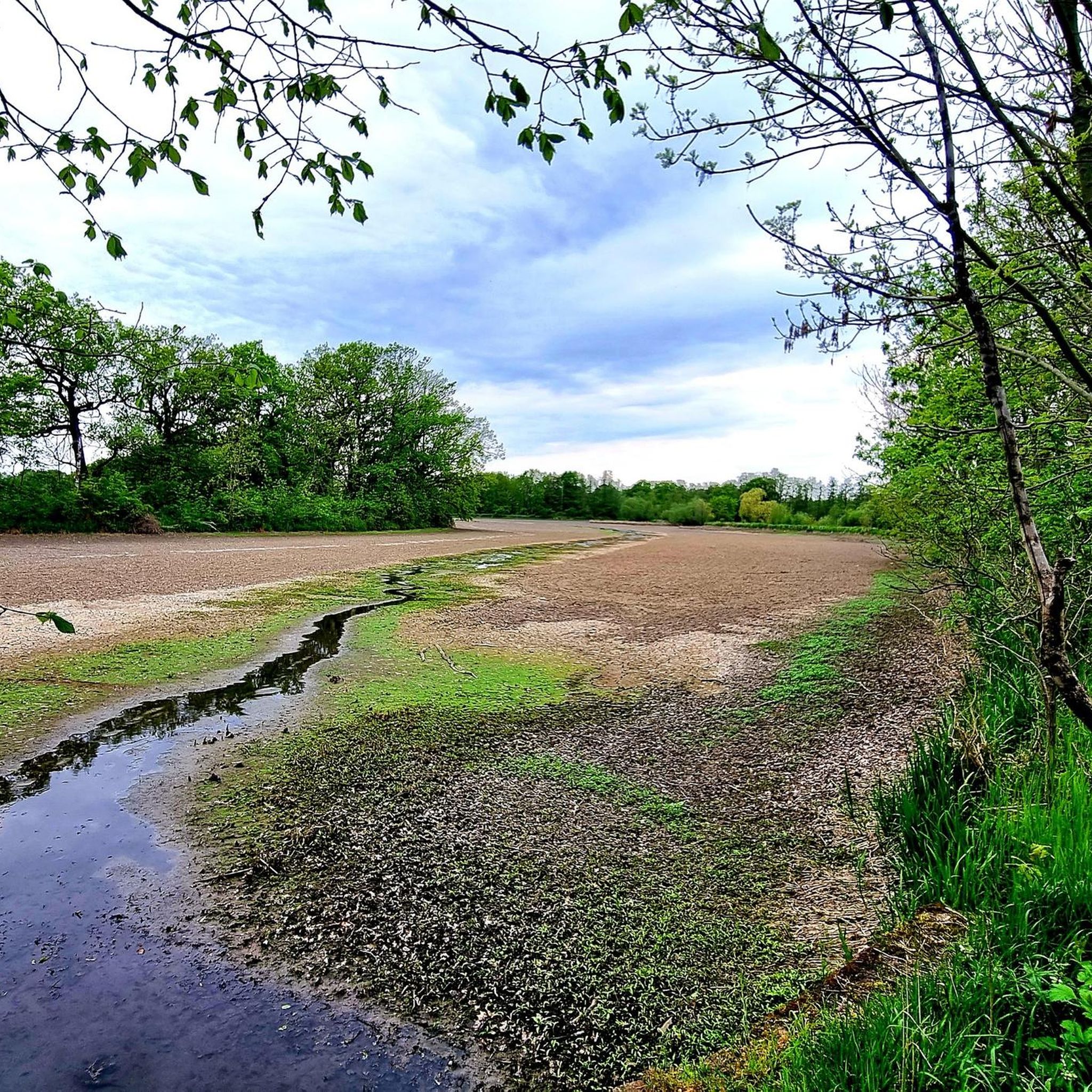
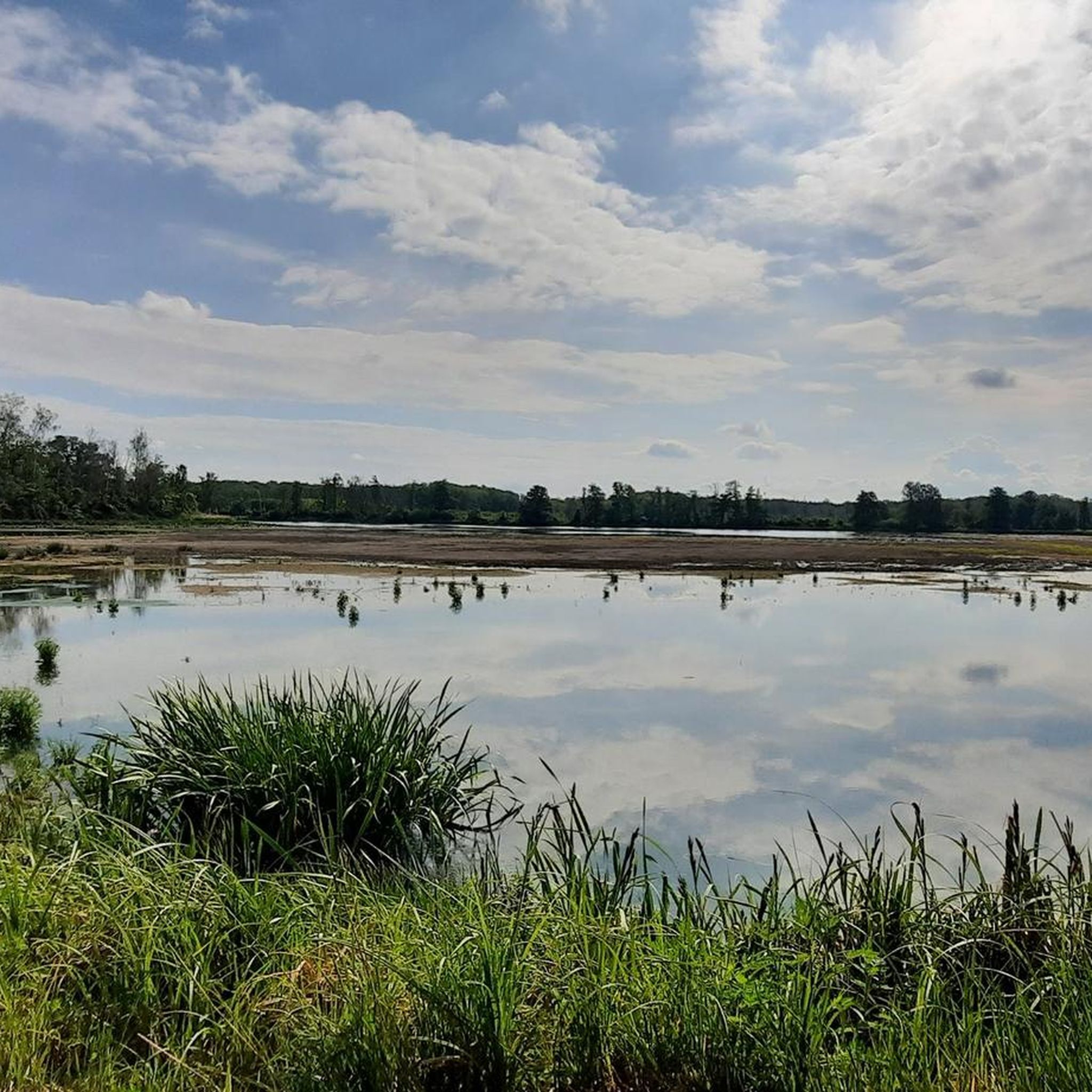
Where water meets water, not only streams but also stories mingle. The Pulsnitz, small and subdued, carries its brownish waters with a certain humility—almost as if to apologize for the disturbance. The Black Elster receives them without many words. It's a crooked kiss in the gentle rain, a confluence without pomp. Wet grass lies on the bank, punctured by molehills. The sky hangs low, as if it wanted to listen. Not a soul in sight. Only the sound of two rivers, which from now on share a common direction. And you yourself, standing there and watching, fall silent—not because it's spectacular here, but because it's enough.
2
1

Beautifully and lovingly designed, the castle wall is worth a visit.
0
0

Today there is a rest area with a lot of information boards worth knowing and small game instructions for kids.
2
0

Confluence of the Pulsnitz and the Black Elster.
2
1


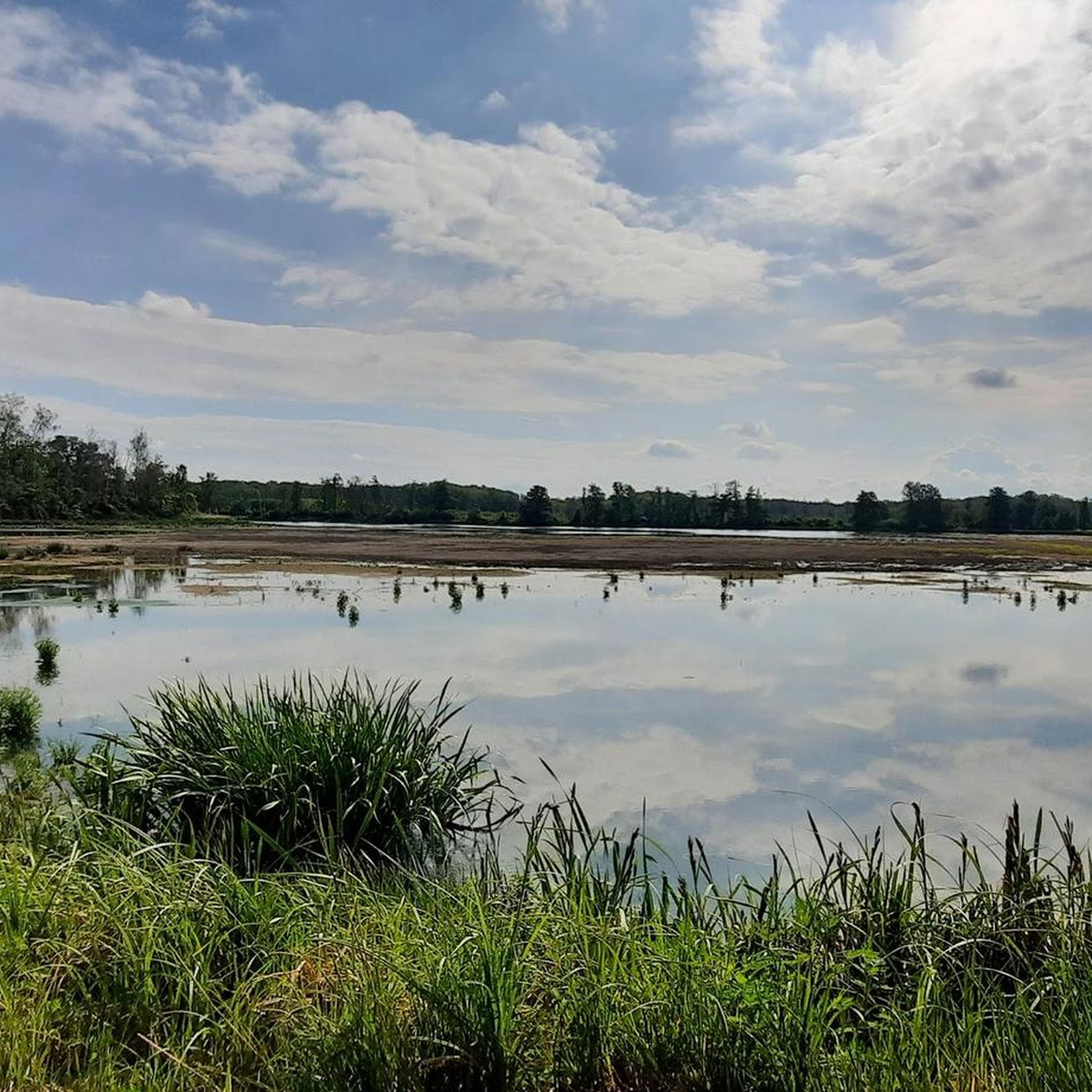
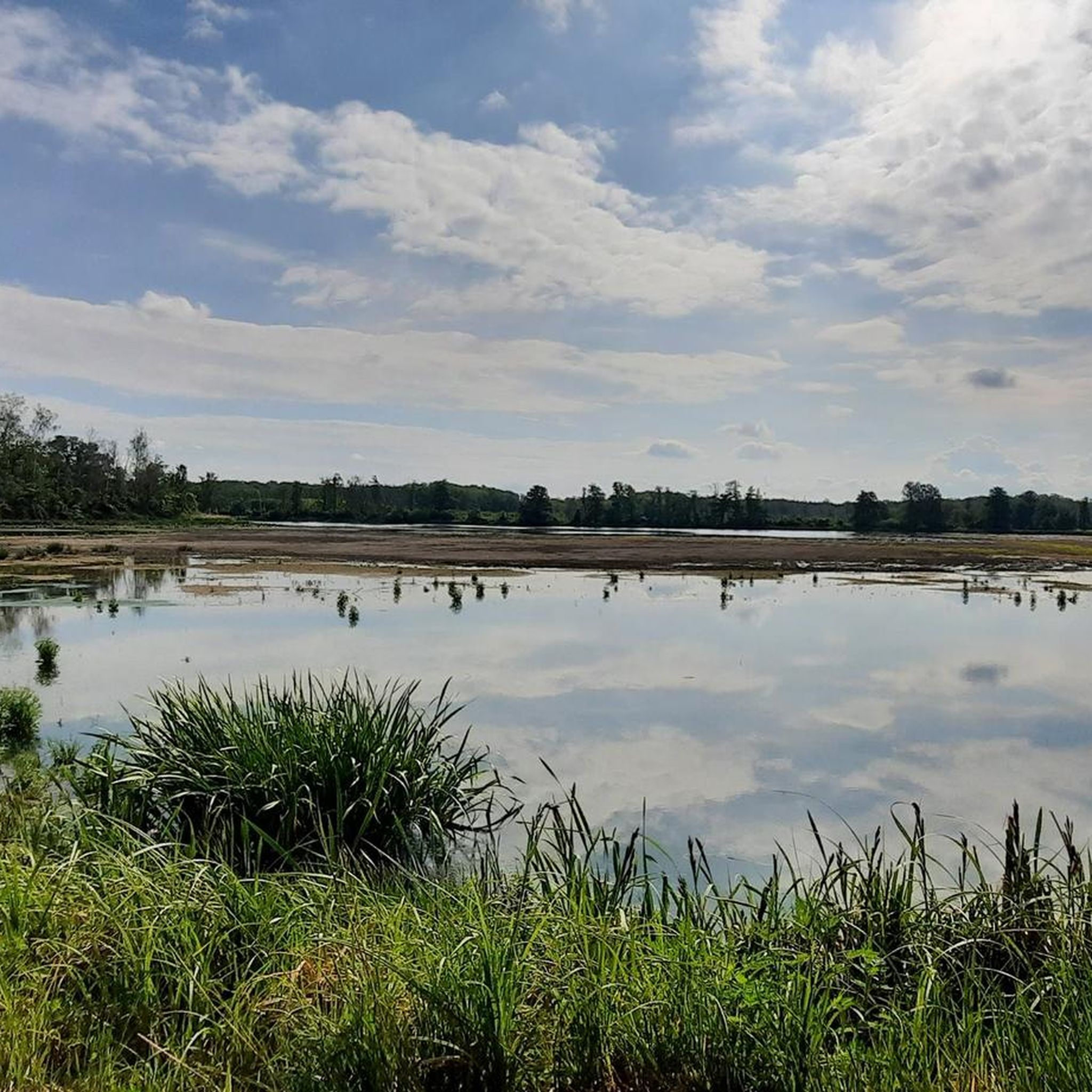
Worth a short stop with a view over the flat landscape.
1
0
Frequently Asked Questions
What are some of the most popular natural monuments to visit around Wülknitz?
Among the highly-rated natural monuments, the Heideberg Tower on Heidehöhe offers extensive views of the surrounding landscape and the Gröden mountains. Another popular spot is the Zabeltitz Baroque Garden, known for its historical design, ponds, and sculptures. Visitors also appreciate Burgwall Kosilenzien, an ancient earth castle site with information boards.
Are there any family-friendly natural monuments in the Wülknitz area?
Yes, several natural monuments are suitable for families. The Zabeltitz Baroque Garden is a beautiful place for a leisurely stroll, with plenty of details to observe and benches for resting. Burgwall Kosilenzien features a rest area and small game instructions for kids, making it an engaging historical site. The Confluence of the Pulsnitz and Schwarze Elster also offers a peaceful natural setting for families to enjoy.
What kind of natural features can I expect to see at these monuments?
The natural monuments around Wülknitz showcase a variety of features. You can find lush forests at the Heideberg Tower on Heidehöhe, offering panoramic views. The Zabeltitz Baroque Garden features meticulously designed ponds and gardens. The Confluence of the Pulsnitz and Schwarze Elster highlights riverine landscapes where two waterways meet. Additionally, the Nixstein, Strehla is a unique rock formation visible in the Elbe riverbed during low water.
Are there historical or cultural sites among the natural monuments?
Absolutely. The Zabeltitz Baroque Garden is a significant historical garden laid out in 1728, modeled on the Park of Versailles. Burgwall Kosilenzien is an ancient earth castle dating from the Late Bronze Age to the Early Iron Age, offering insights into early settlements. Even the Confluence of the Pulsnitz and Schwarze Elster holds historical significance as a former border point.
What outdoor activities, like cycling or mountain biking, can I do near the natural monuments?
The region around Wülknitz offers various cycling opportunities. For road cycling, you can explore routes like the 'View of Riesa on the Horizon loop' or the 'Strehla Ferry – Elbe Bridge at Mühlberg loop'. Mountain bikers can find trails such as the 'Heideberg Trail – Heideberg Tower on Heidehöhe loop' which passes near the Heideberg Tower on Heidehöhe. Gravel biking options are also available, including routes around the Floßkanal Path. You can find more details on these activities in the Road Cycling Routes around Wülknitz, MTB Trails around Wülknitz, and Gravel biking around Wülknitz guides.
Are there hiking trails associated with these natural monuments?
While specific hiking trails directly named after each natural monument are not detailed, many of the cycling routes mentioned above can also be explored on foot, especially the 'Heideberg Trail' near the Heideberg Tower on Heidehöhe. The Nixstein, Strehla is accessible via the Great Mermaid Trail, which is suitable for walkers. For more general hiking options, you can refer to the MTB Trails around Wülknitz guide, as many mountain bike trails are also popular for hiking.
What do visitors enjoy most about the natural monuments in this region?
Visitors frequently praise the stunning panoramic views from the Heideberg Tower on Heidehöhe, noting it's a rewarding climb. The Zabeltitz Baroque Garden is loved for its beautiful details, tranquil ponds, and the opportunity to linger on its many benches. The historical context and peaceful setting of Burgwall Kosilenzien are also highly appreciated, especially the informative boards and rest areas.
Is public transport available to reach these natural monuments?
Specific public transport details for each individual natural monument are not readily available in the provided information. However, Wülknitz is part of the district of Meißen in Saxony, which generally has regional bus and train services. It is advisable to check local public transport schedules for connections to the nearest towns or villages to your desired natural monument.
Are there any natural monuments that are particularly good for photography?
Yes, the Zabeltitz Baroque Garden, with its intricate design, ponds reflecting the palace, and sculptures, offers numerous picturesque photo opportunities. The panoramic views from the Heideberg Tower on Heidehöhe are also excellent for landscape photography, especially on clear days when parts of the Elbsandsteingebirge can be seen. The unique rock formation of Nixstein, Strehla, visible only at low tide, presents an interesting subject.
Can I bring my dog to the natural monuments around Wülknitz?
While specific leash requirements for every natural monument are not detailed, generally, dogs are welcome in many outdoor areas in Saxony, often on a leash. For example, the open spaces around Burgwall Kosilenzien and the trails leading to the Heideberg Tower on Heidehöhe are typically dog-friendly. It's always best to keep dogs on a leash to protect wildlife and ensure a pleasant experience for all visitors.
What is the best time of year to visit the natural monuments in Wülknitz?
The best time to visit largely depends on your preferred activities. Spring and autumn offer pleasant temperatures for exploring the Zabeltitz Baroque Garden and hiking to viewpoints like the Heideberg Tower on Heidehöhe. Summer is ideal for enjoying the longer daylight hours and outdoor activities, though it can be warmer. Winter can offer a unique, serene experience, especially in forested areas, but some paths might be less accessible.
Are there any viewpoints among the natural monuments?
Yes, the Heideberg Tower on Heidehöhe is a prominent viewpoint, offering extensive panoramic views over the Gröden mountains and beyond. The Confluence of the Pulsnitz and Schwarze Elster also provides a quiet spot to observe the natural meeting of two rivers.
Most popular routes around Wülknitz
Most popular attractions around Wülknitz

Get inspired with the komoot mobile app


Explore more
Extend your search for the best caves by checking out these guides of the top ones around Wülknitz:
