Top 20 Natural Monuments around Lommatzsch
Best natural monuments around Lommatzsch offer insights into the region's natural history and provide scenic beauty within the Central Saxon Loess Hills. This area features unique geological formations, including siliceous intrusive rock and loess deposits, contributing to diverse habitats. The landscape is characterized by valleys and dry slopes, which host a variety of flora and fauna. These natural sites are recognized for their ecological importance and offer opportunities to experience the natural environment.
Best natural monuments around Lommatzsch
- The most…
Last updated: October 11, 2026
Diesbar-Seußlitz Castle
Highlight • Castle
Translated by Google •
Tip by

Proschwitz Vineyards above the Bennokanzel
Highlight • Viewpoint
Translated by Google •
Tip by

Sign up now to discover places like this
Get recommendations on the best single tracks, peaks, & plenty of other exciting outdoor places.
Götterfelsen with the Afraner Cross and view over the Triebisch Valley
Highlight • Natural Monument
Translated by Google •
Tip by

Translated by Google •
Tip by

Heidengräber (quartz blocks)
Highlight • Natural Monument
Sign up for free to discover even more natural monuments around Lommatzsch.
Already have an account?
Start today with a free account
Your next adventure awaits.
Tips from the Community

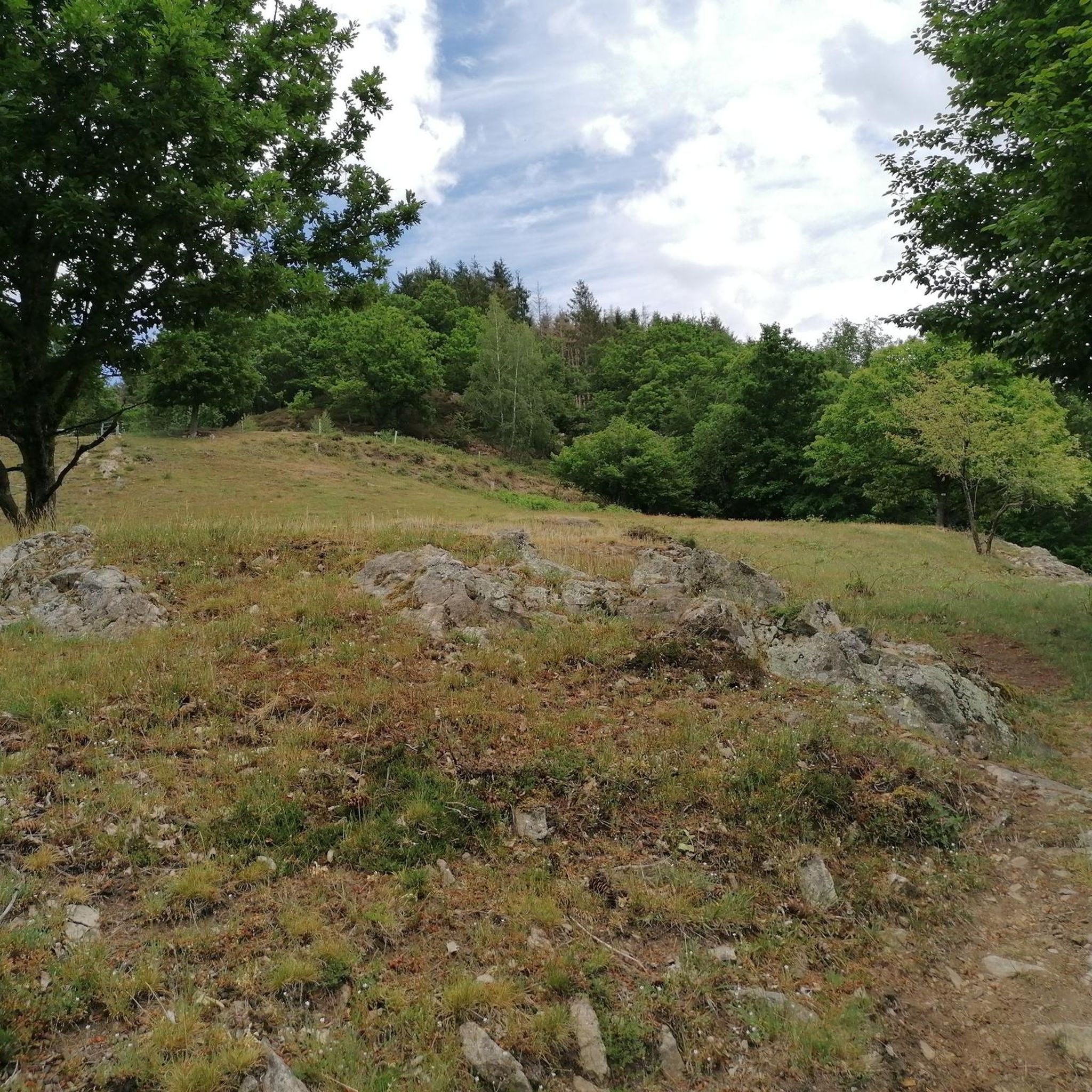
Given the name, you'd expect something different. According to the information board: "These stone blocks are remnants of the Ice Age. They are made of quartz and belong to a vein in the Meissen Granodiorite Massif. (Granodiorite = a plutonic rock containing silica.) Since the 19th century, they have been called "Heathengräber" (heathen graves). Secret meetings and gatherings took place here during various periods."
0
1

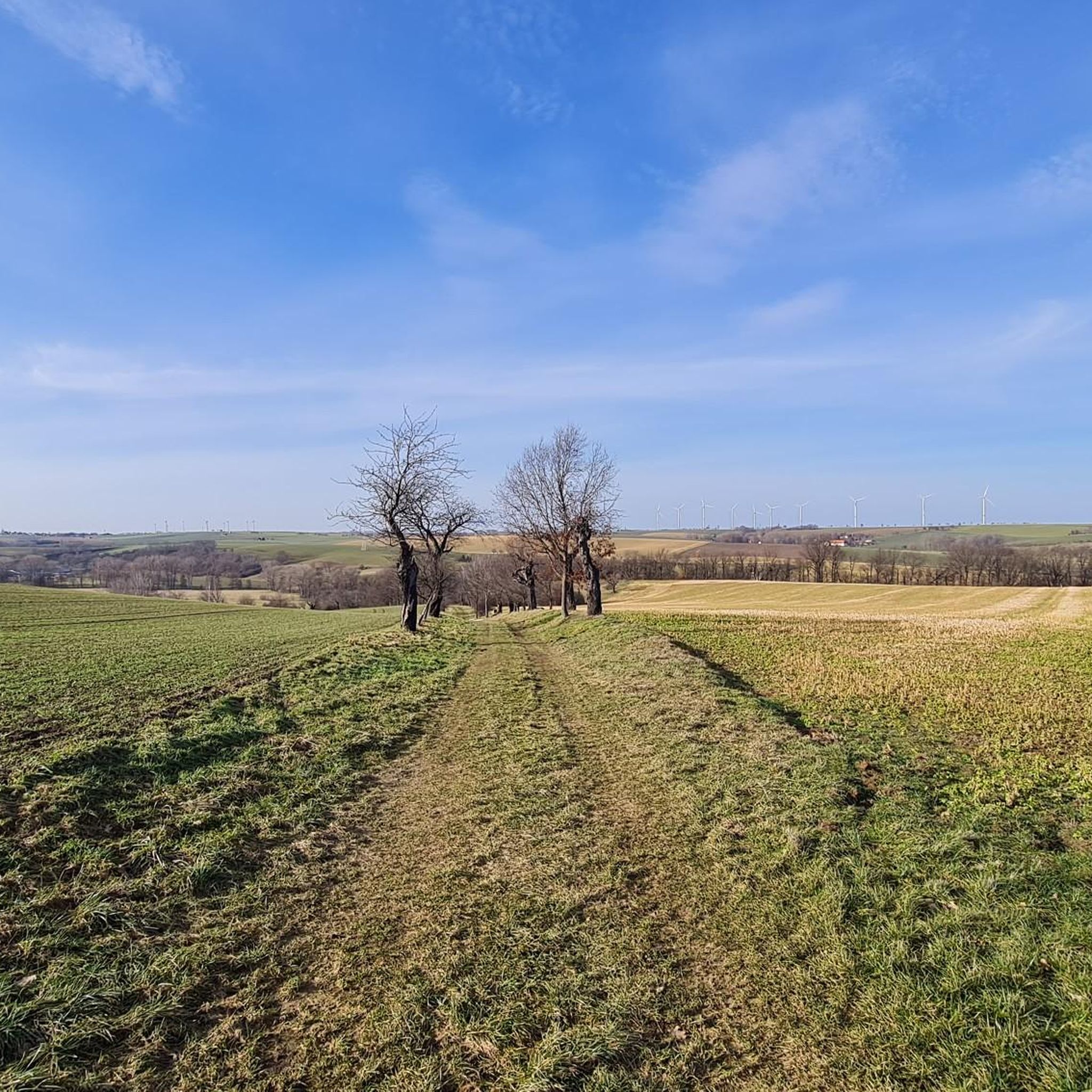
Most beautiful wine view Saxony 2016, always worth a view to come here
2
0

In the middle of the forest, on the Raupenbergweg, are the remains of the "heathen stones" dating back to the Ice Age. However, these stones are wrongly called heathen graves. They are simply blocks of vein quartz from the Meissen granite massif. They are meant to remind us of the numerous megalithic graves, the discovery of which was made by the teacher and local historian Kurt Schöne. According to the sign, however, secret meetings and gatherings also took place here... for whatever reason...
0
1

Interesting little place in the middle of the Golkwald, the magic of the stones is unbroken, so you can easily imagine that secret meetings used to take place here.
0
1

From the Porschwitz vineyards you have a beautiful panoramic view towards the cathedral
3
1

Beautiful facility, especially in autumn and winter when the sun is shining.
3
1

Beautiful castle with park and restaurant. It's worth stopping.
3
0
Frequently Asked Questions
What unique geological features can I explore among the natural monuments near Lommatzsch?
The region around Lommatzsch is characterized by its unique geology, including areas of Meissen monzonite and Upper Carboniferous volcanites. You can observe these features at sites like the Heidengräber (quartz blocks), which are remnants of the Ice Age made of quartz, offering a glimpse into the area's ancient geological past.
Are there any natural monuments with historical significance in the Lommatzsch area?
Yes, several natural monuments in the Lommatzsch area hold historical significance. For instance, the Götterfelsen with the Afraner Cross and view over the Triebisch Valley features an iron summit cross erected in 1843, commemorating the founding of the St. Afra State School. Additionally, the Wetterhöhe Summit Cross and Triangulation Station is a well-kept technical monument from the 19th century, part of the Royal Saxon Triangulation network.
What kind of viewpoints can I find among the natural monuments around Lommatzsch?
The natural monuments offer several stunning viewpoints. You can enjoy panoramic vistas from the Saxony’s Most Beautiful Wine View 2020 – View of the Elbe Valley from the Seußlitz Castle Vineyards, which provides views over the vineyards into the Elbe Valley. Another excellent spot is the View of Böser Bruder from the Elbe Cycle Path, offering picturesque scenery of the Elbe's breakthrough valley.
Are there family-friendly natural monuments or activities suitable for children near Lommatzsch?
Many natural monuments around Lommatzsch are suitable for families. The Saxony’s Most Beautiful Wine View 2020 – View of the Elbe Valley from the Seußlitz Castle Vineyards is marked as family-friendly, offering beautiful views that can be enjoyed by all ages. Similarly, the Wetterhöhe Summit Cross and Triangulation Station and the View of Böser Bruder from the Elbe Cycle Path are also noted as family-friendly, providing accessible natural beauty and historical context.
What outdoor activities can I do near the natural monuments around Lommatzsch?
The area around Lommatzsch offers various outdoor activities. You can find numerous running trails, such as the 'Lehmgrube loop from Lommatzsch' (4.87 km, easy), or explore road cycling routes like the 'View of Albrechtsburg Castle – Triebischtal Valley loop from Großholz' (61.76 km, moderate). For gravel biking, consider the 'Jahna Riverside Path – Fish Ladder on the Jahna loop from Riesa' (30.80 km, easy). You can find more details on these and other routes in the respective guides: Running Trails around Lommatzsch, Road Cycling Routes around Lommatzsch, and Gravel biking around Lommatzsch.
What is the best time of year to visit the natural monuments in Lommatzsch?
The natural monuments around Lommatzsch are beautiful throughout the year, but spring and autumn are particularly recommended. In spring, the dry slopes of the 'Trockenhänge südöstlich Lommatzsch' nature reserve burst with rare wildflowers like the Pasque flower. Autumn offers vibrant foliage and pleasant temperatures for hiking and exploring the scenic valleys and viewpoints.
Are there any specific nature reserves or protected areas near Lommatzsch known for their biodiversity?
Yes, the 'Trockenhänge südöstlich Lommatzsch' (Dry slopes southeast of Lommatzsch) is a significant nature reserve. This area is renowned for its unique and diverse flora and fauna, particularly its semi-dry and dry grasslands. It hosts rare and endangered plant species, including the Pasque flower and Purple mullein, making it an ecologically important site in Saxony.
What do visitors enjoy most about the natural monuments around Lommatzsch?
Visitors frequently praise the stunning views and the tranquility of the natural monuments. Many appreciate the historical context, such as the summit crosses and triangulation stations, which offer a blend of natural beauty and cultural heritage. The opportunity to linger and enjoy the peaceful atmosphere, especially at viewpoints overlooking the Elbe Valley or Triebisch Valley, is often highlighted.
Can I find any 'Lutherlinden' or similar historical trees in the Lommatzsch region?
While specific details are limited, the 'Lutherlinde in Churschütz' is noted as a significant natural monument near Lommatzsch. Luther lime trees are typically very old and impressive, planted to commemorate Martin Luther, and serve as living historical markers. Their age and association with historical events make them culturally and naturally significant features in the landscape.
Are there opportunities for circular walks around the natural monuments near Lommatzsch?
Yes, the landscape of valleys and dry slopes around Lommatzsch is ideal for circular walks. While specific named circular routes for natural monuments aren't detailed here, the general terrain and interconnected paths within areas like the 'Trockenhänge südöstlich Lommatzsch' nature reserve lend themselves well to creating your own loops, allowing you to experience the scenic beauty and diverse habitats.
What kind of terrain can I expect when visiting the natural monuments around Lommatzsch?
The terrain around Lommatzsch is varied, characterized by the Central Saxon Loess Hills. You can expect a mix of valleys and dry slopes, with some areas featuring siliceous intrusive rock and loess deposits. Paths can range from gentle slopes to steeper sections, especially when accessing viewpoints or traversing the dry grasslands of the nature reserves.
Most popular routes around Lommatzsch
Most popular attractions around Lommatzsch

Get inspired with the komoot mobile app


Explore more
Extend your search for the best caves by checking out these guides of the top ones around Lommatzsch:
