Top 20 Natural Monuments around Hasselroth
Best natural monuments around Hasselroth are found within the Spessart region, offering diverse natural attractions for outdoor enthusiasts. The area features significant natural sites and features, including expansive nature reserves and venerable arboreal landmarks. Its landscape provides numerous opportunities for hiking and connecting with nature. Hasselroth is an appealing destination for those seeking natural beauty and outdoor activities.
Best natural monuments around Hasselroth
- The most popular natural monuments is Ludwig Tower (Hahnenkamm), a viewpoint that offers panoramic views. This…
Last updated: June 24, 2026
Ludwig Tower (Hahnenkamm)
Highlight • Viewpoint
Translated by Google •
Tip by

Kinzig Floodplains
Highlight • River
Translated by Google •
Tip by

Sign up now to discover places like this
Get recommendations on the best single tracks, peaks, & plenty of other exciting outdoor places.
Sign up for free
Barbarossa Spring
Highlight • Natural Monument
Translated by Google •
Tip by

Hanau-Wolfgang Forestry Office and Giant Sequoia
Highlight • Historical Site
Translated by Google •
Tip by

Gondel Pond, Horbach
Highlight • Lake
Translated by Google •
Tip by

Sign up for free to discover even more natural monuments around Hasselroth.
Sign up for free
Already have an account?
Start today with a free account
Your next adventure awaits.
Login or Signup
Popular around Hasselroth
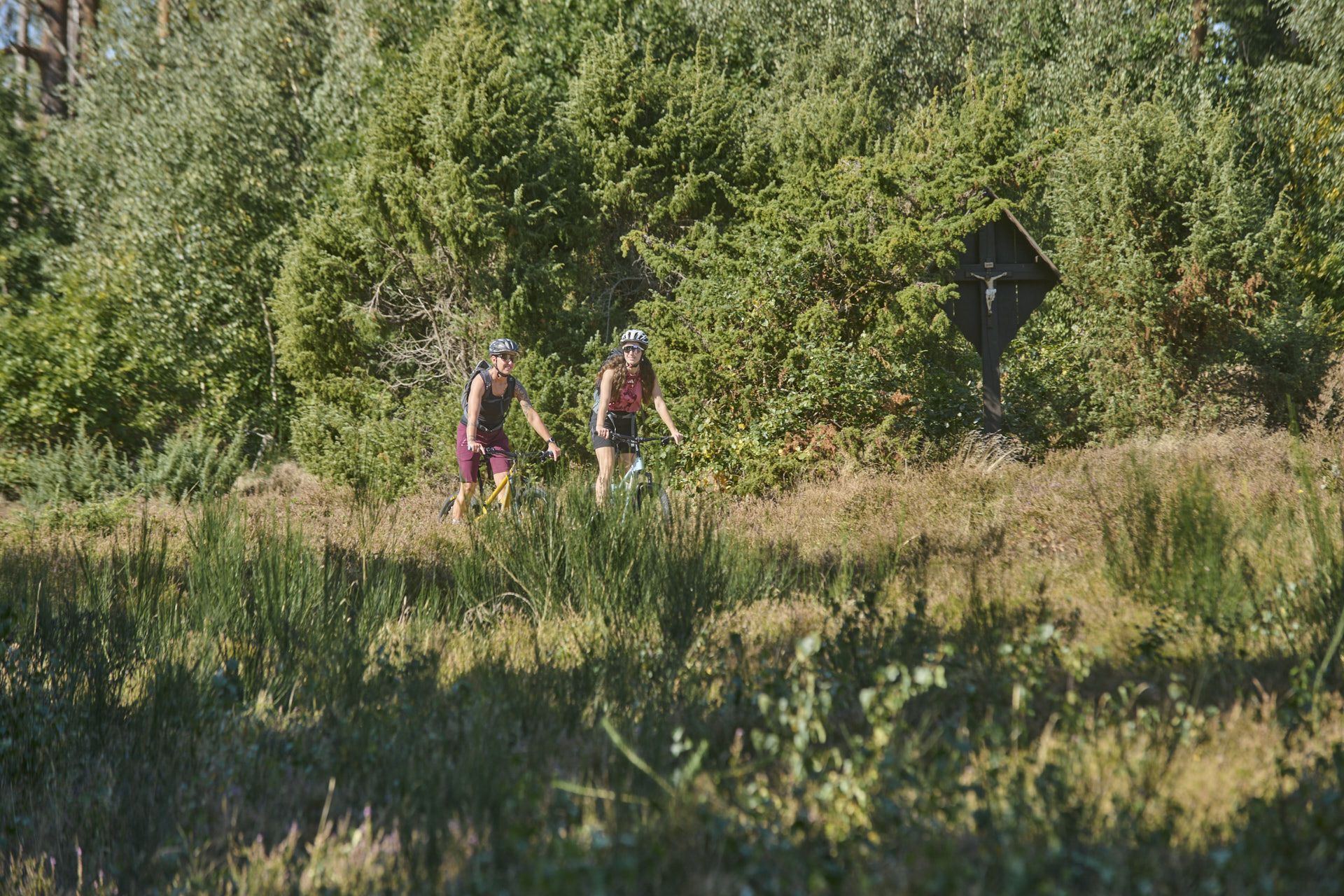
Nature, trails and local cuisine – MTB in the Spessart
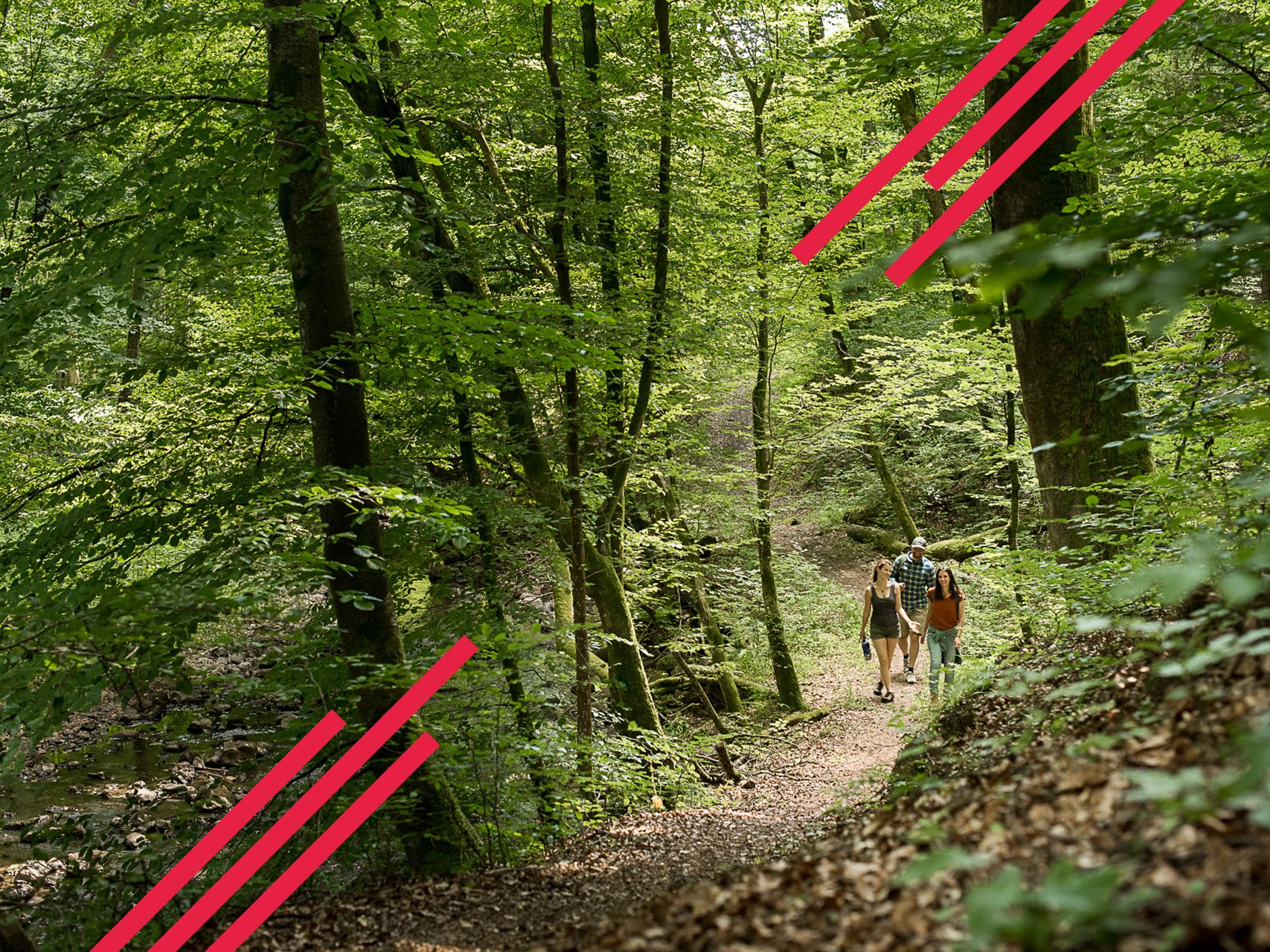
Relaxed hiking in the Spessart – short trails of discovery
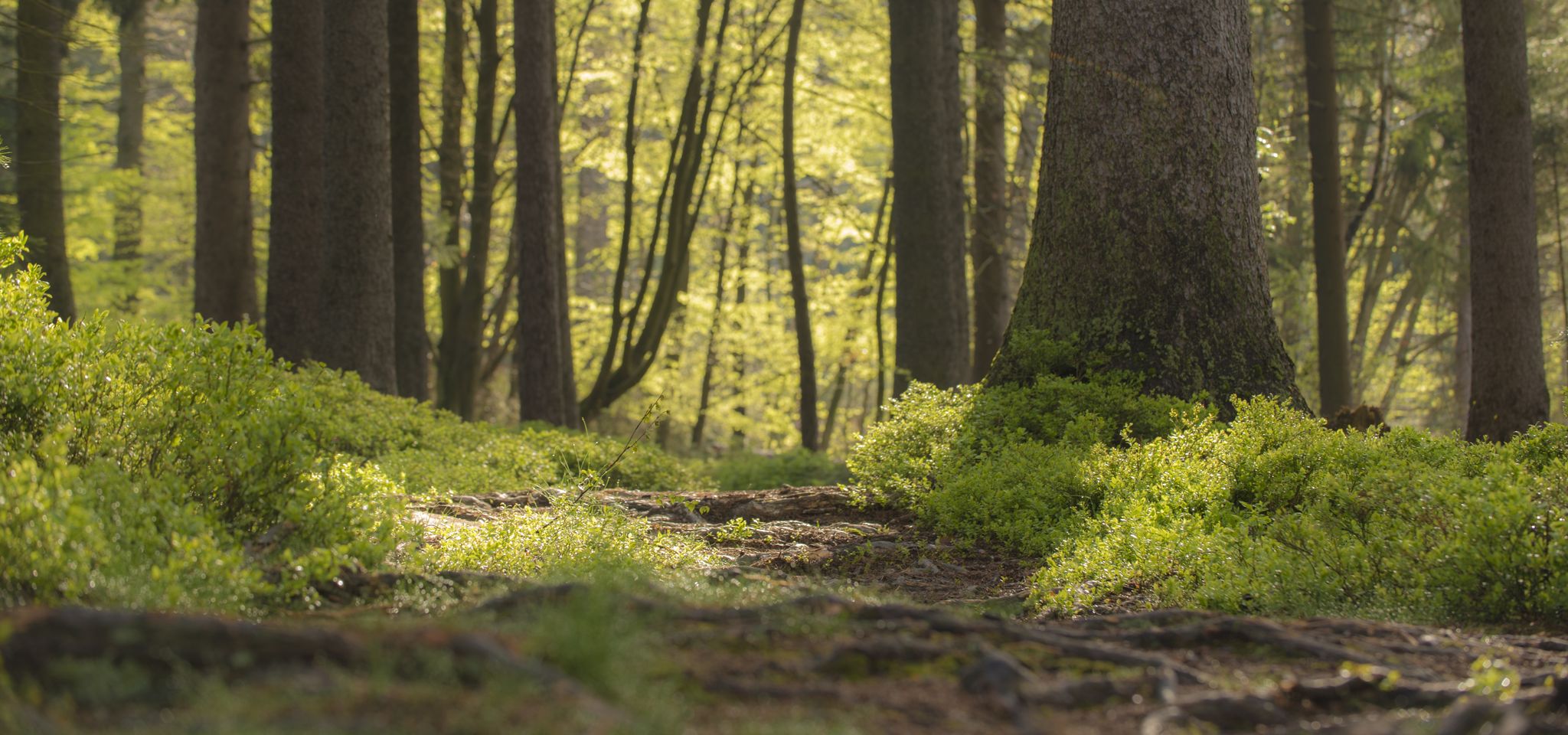
Mountain biking in the Spessart – Awesome trails in Germany
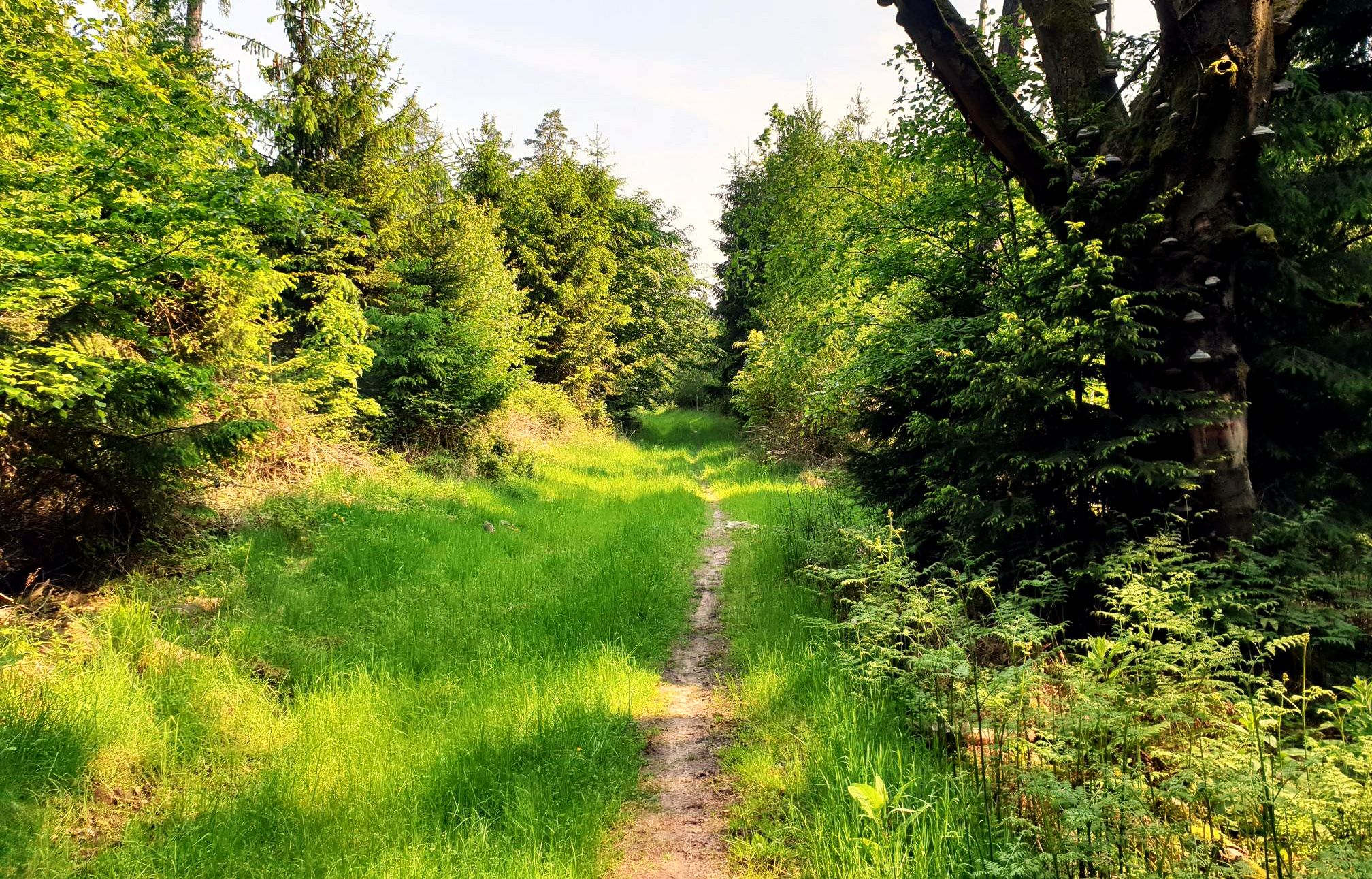
Mountain biking in the Spessart – Awesome trails in Germany
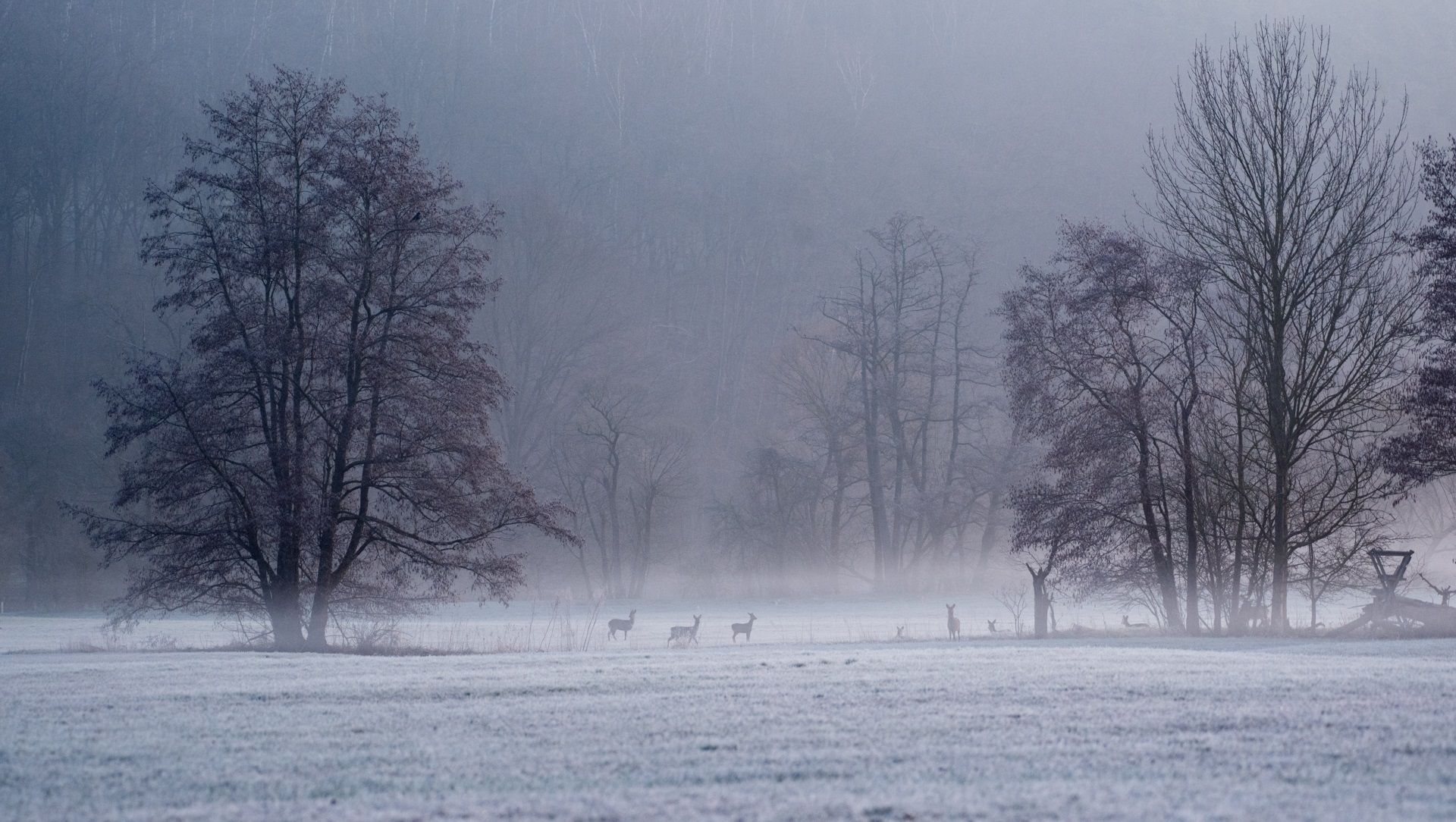
Die schönsten Winterwanderungen im Spessart
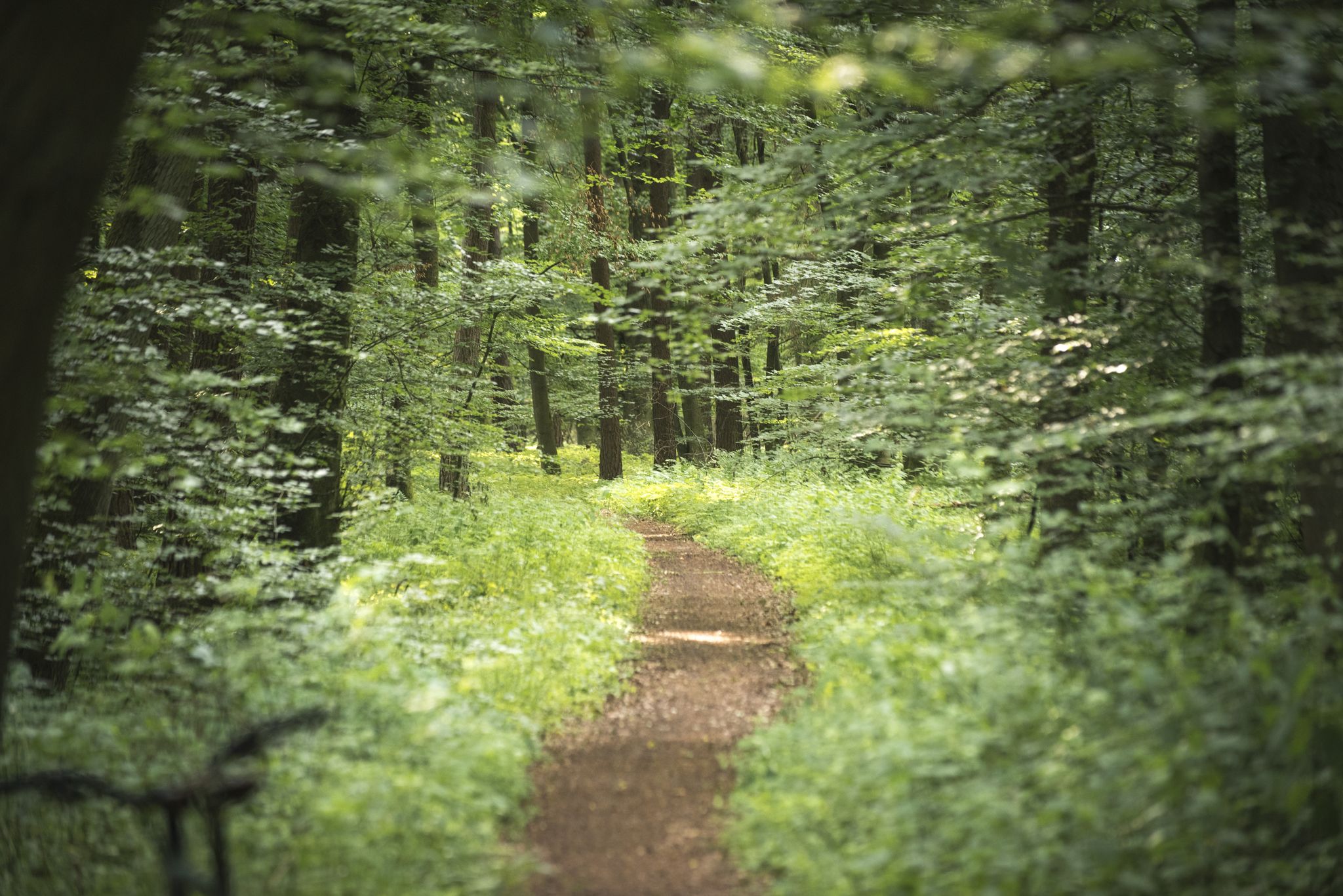
Die schönsten Premium-Spazierwanderwege im Hessischen Spessart
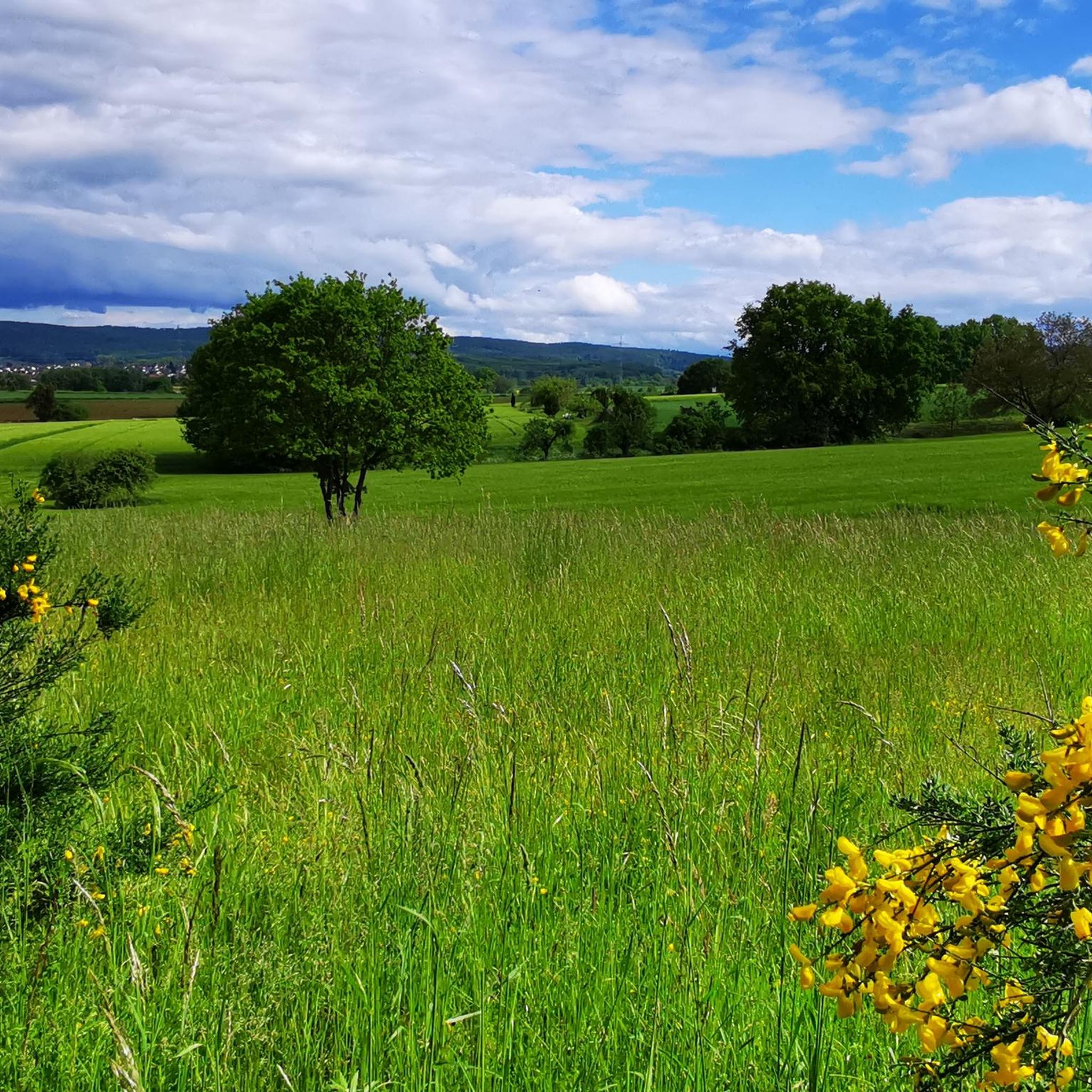
Hiking around Hasselroth
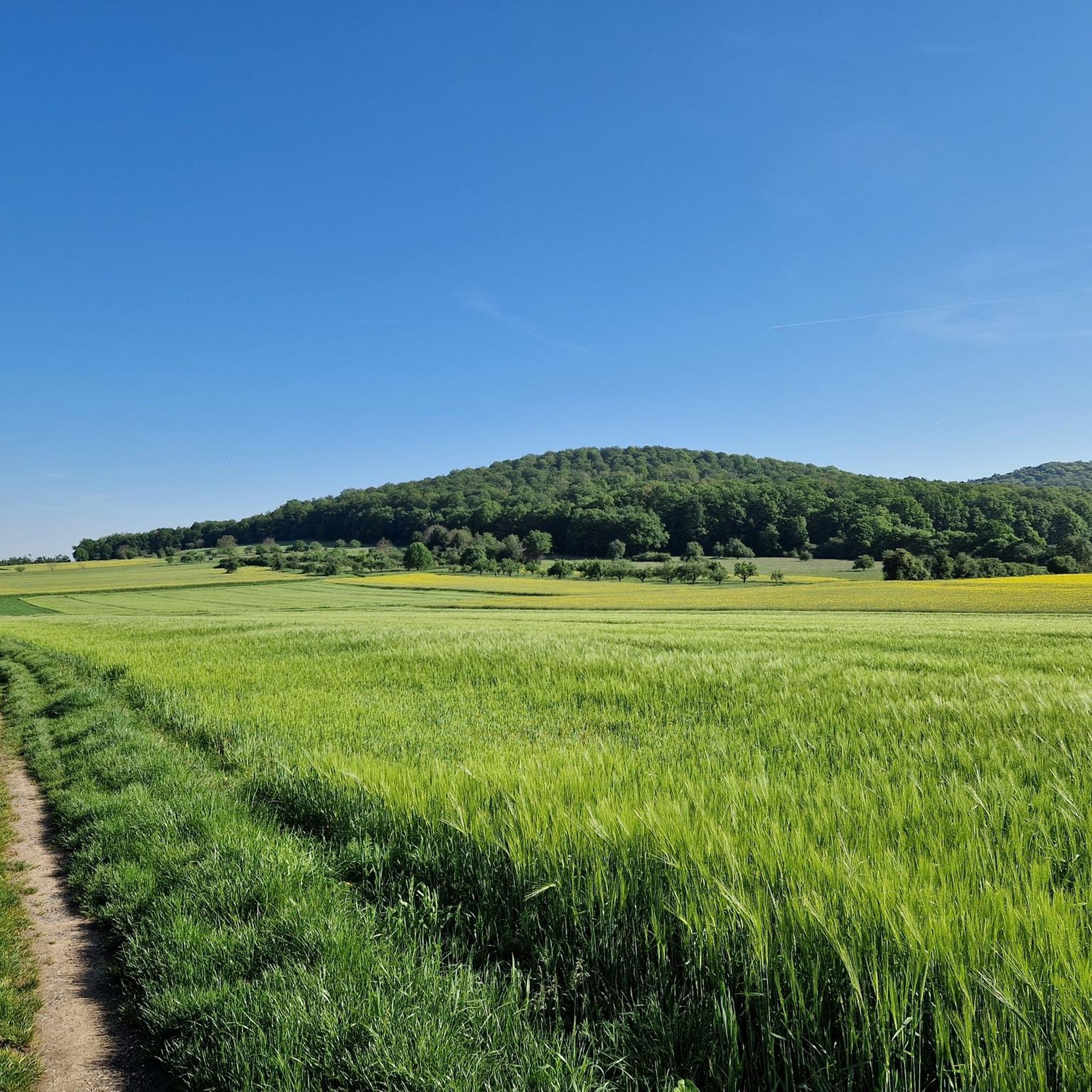
Cycling around Hasselroth
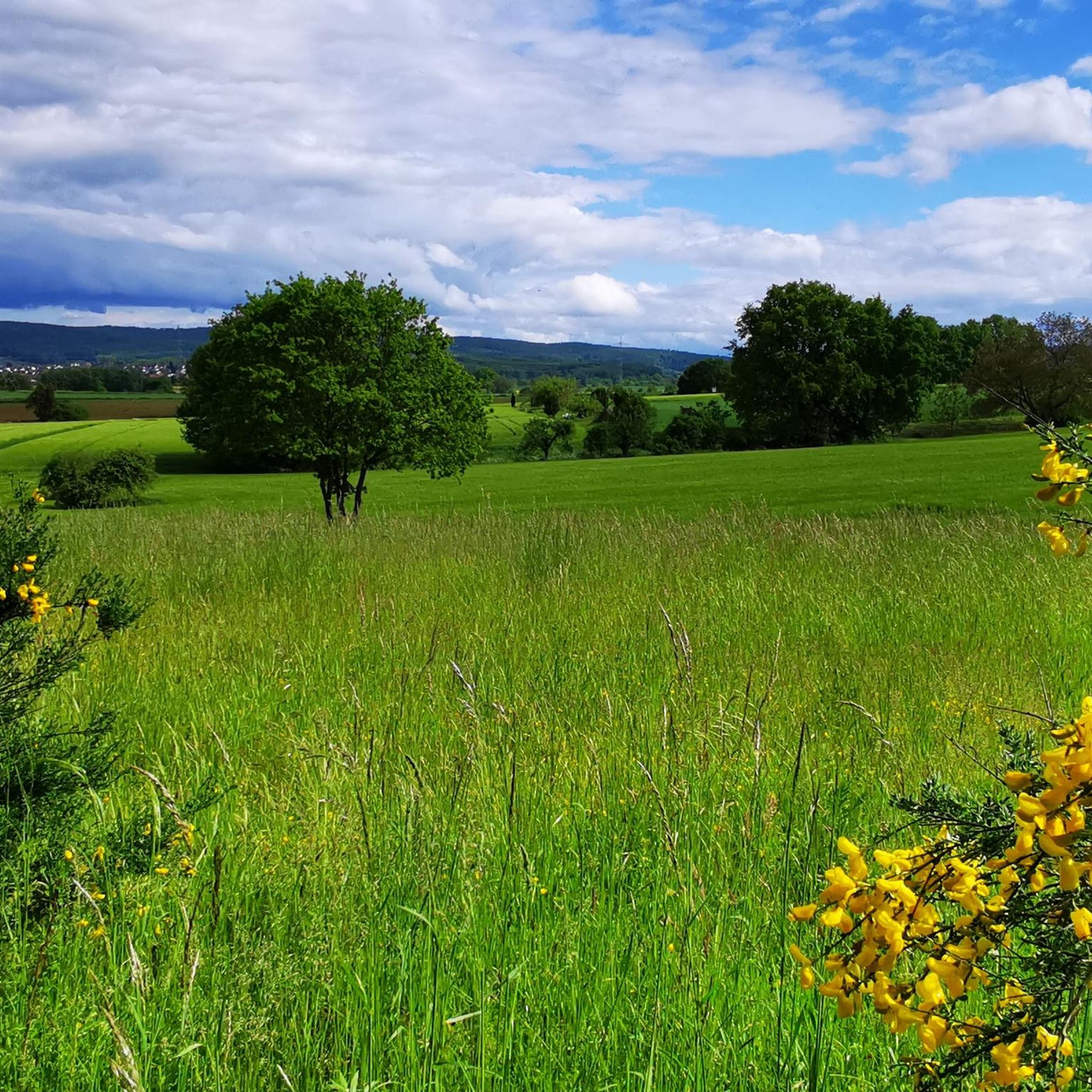
MTB Trails around Hasselroth
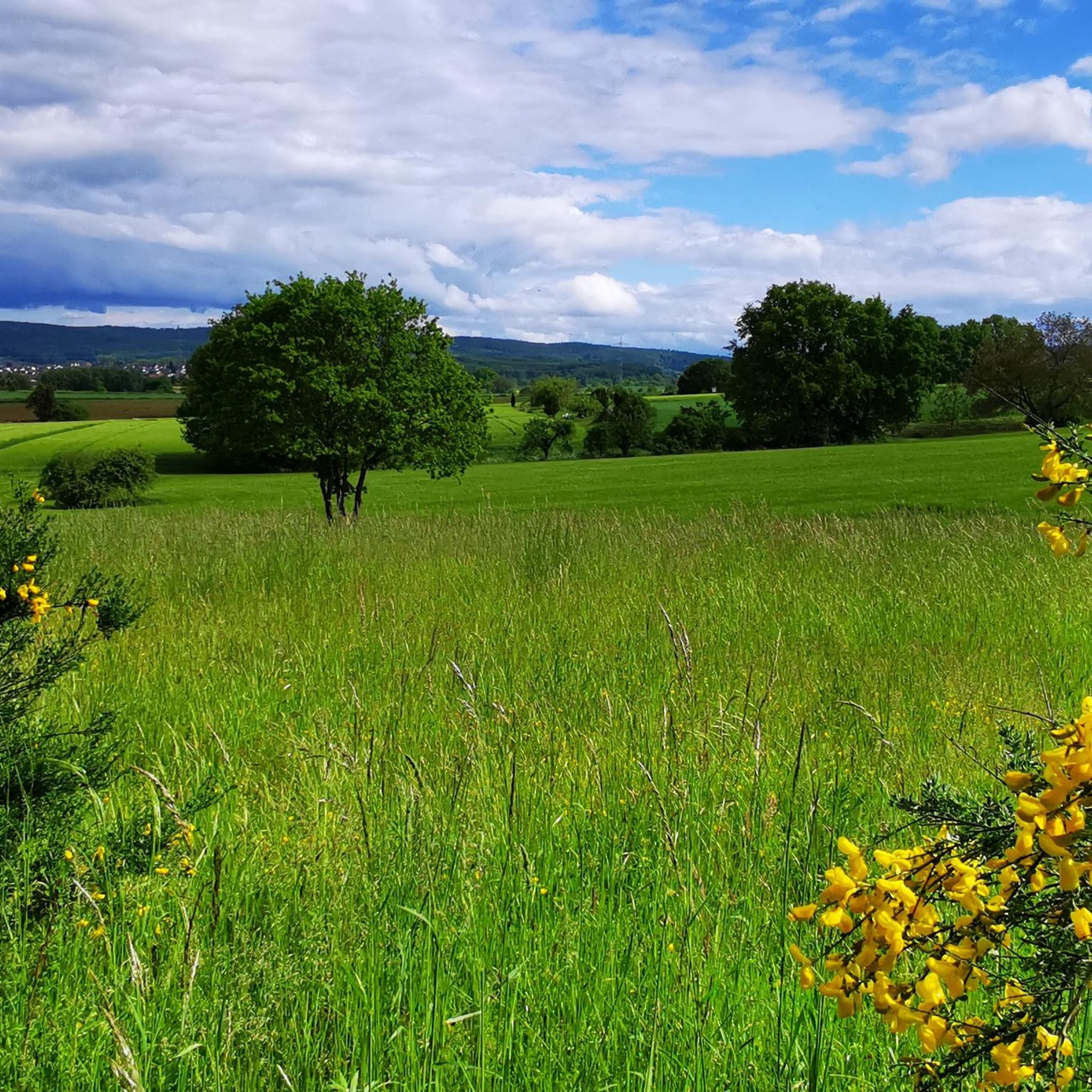
Road Cycling Routes around Hasselroth
Other adventures around Hasselroth

Tips from the Community

Even invites you to swim on hot days ;)
1
0

The Kinzig is a river approximately 86 kilometers long. It rises in Sterbfritz, flows southwest through the Main-Kinzig district of Hesse, and flows into the Main from the right in Hanau. The Kinzig is a second-order river in low mountain ranges. It overcomes an elevation of 301 meters and has a bed gradient of 3.5 per thousand. The Kinzig's catchment area covers 1,058 square kilometers, and the calculated mean discharge (MQ) at the mouth of the Kinzig is 10.97 cubic meters per second. The Kinzig was first documented in 796 as "iuxta fluvium Kincihen." In 815, the name was written as "Chinzicha," around 900 as "Kincicha"/"Kinzicham," in 1364 as "Kinzige," in 1584 as "Kintzig," in 1607 as "Bintz," in 1681 as "Kintz," in 1716 as "Kins," in 1769 as "Kinzing," and in 1802 as "Kinzig." In the river's headwaters, there was the now-defunct village of Kinzig, mentioned in 815 as "Chirizichheimero." The village and river were often confused by monastery scribes at that time with "Chizzicha" (now Bad Kissingen), both of which were described as being located in the Saalegau. The name presumably derives from the ancient Celtic *ku̯anti̯o- meaning "flat hill, valley." The name was therefore derived from the mountainous region from which the Kinzig flows. Source: Wikipedia
2
0

At the Gondola Pond you can observe many birds 🐦 during the day.
4
0


It is a great place to cycle all year round.
3
0

Beautiful buildings from the old days in public ownership combined with contemporary farm buildings
14
0

The Kinzig is also used by the brave (not just children) to cool down. Very romantic.
4
0
Frequently Asked Questions
What are some highly-rated natural monuments to visit around Hasselroth?
Visitors frequently praise the Ludwig Tower (Hahnenkamm) for its panoramic views. Another popular spot is the Barbarossa Spring, known for its historical significance and the great trails surrounding it. The tranquil Gondel Pond, Horbach is also a favorite for its serene forest setting.
What types of natural features can I expect to see in Hasselroth's natural monuments?
The natural monuments around Hasselroth offer a diverse range of features. You can find expansive viewpoints like the Ludwig Tower (Hahnenkamm), historical springs such as the Barbarossa Spring, and serene forest lakes like Gondel Pond, Horbach. The region also features river landscapes at the Kinzig Floodplains and impressive trees like the Giant Sequoia near the Hanau-Wolfgang Forestry Office.
Are there family-friendly natural monuments in the Hasselroth area?
Yes, many natural monuments in Hasselroth are suitable for families. The Ludwig Tower (Hahnenkamm), Kinzig Floodplains, Barbarossa Spring, Hanau-Wolfgang Forestry Office and Giant Sequoia, and Gondel Pond, Horbach are all categorized as family-friendly, offering enjoyable experiences for all ages.
What historical or cultural sites are integrated with the natural monuments?
The Ludwig Tower (Hahnenkamm) is a historical viewpoint with a mountain inn nearby. The Barbarossa Spring is named after Friedrich I, Barbarossa, who reportedly visited it during hunting expeditions. Additionally, the Hanau-Wolfgang Forestry Office and Giant Sequoia features beautiful old buildings alongside the impressive tree.
Are there hiking trails near the natural monuments in Hasselroth?
Absolutely. The region is rich with hiking opportunities. You can find great trails around the Barbarossa Spring and the Gondel Pond, Horbach serves as a starting point for various routes. For more options, explore the hiking guide for Hasselroth, which includes routes like the Hasselroth Cultural Trail and paths through the Hässeler Weiher Nature Reserve.
What outdoor activities can I do near these natural monuments?
Beyond hiking, the area around Hasselroth's natural monuments offers various outdoor activities. You can explore gravel biking routes, such as those found in the gravel biking guide, or discover mountain biking trails, detailed in the MTB trails guide for Hasselroth. The Kinzig Floodplains are ideal for flat terrain walks and nature observation.
Is there a natural monument that is wheelchair accessible?
Yes, the area around the Hanau-Wolfgang Forestry Office and Giant Sequoia is noted as wheelchair accessible, making it a suitable option for visitors with mobility needs.
What is the best season to visit the natural monuments in Hasselroth?
Hasselroth's natural monuments are enjoyable throughout the year, but each season offers a unique experience. Spring brings blooming flora, while summer is ideal for longer hikes and enjoying the lakes. Autumn showcases vibrant fall foliage, and even winter offers tranquil, crisp walks, especially around forested areas like the Hässeler Weiher Nature Reserve.
Where can I find parking when visiting natural monuments in Hasselroth?
Parking is available at several locations. For instance, the Hanau-Wolfgang Forestry Office and Giant Sequoia has designated parking facilities. Many trailheads and popular natural sites also offer parking options, often indicated locally.
What do visitors enjoy most about the natural monuments in Hasselroth?
Visitors particularly enjoy the panoramic views from spots like the Ludwig Tower (Hahnenkamm) and the tranquil, idyllic settings of places like the Gondel Pond, Horbach. The historical context of sites like the Barbarossa Spring and the opportunity for birdwatching at the Vogelschutz-Monument am Heiligenkopf also receive high praise.
Are there any specific natural reserves or protected areas to explore?
Yes, the Hässeler Weiher Nature Reserve, located north of Neuenhasslau, is an expansive 11-hectare area perfect for hiking and enjoying the serene natural surroundings. Additionally, the Vogelschutz-Monument am Heiligenkopf is a protected site dedicated to avian conservation, offering opportunities for birdwatching and appreciating local biodiversity.
Can I bring my dog to the natural monuments and trails?
Many natural areas and trails around Hasselroth are dog-friendly. It's generally recommended to keep dogs on a leash, especially in nature reserves and near wildlife. Always ensure to clean up after your pet to maintain the natural beauty for all visitors.
Most popular routes around Hasselroth
Most popular attractions around Hasselroth

Get inspired with the komoot mobile app


Explore more
Extend your search for the best caves by checking out these guides of the top ones around Hasselroth:
