Top 20 Natural Monuments around Freigericht
Best natural monuments around Freigericht offer diverse landscapes for exploration. The region, situated in Hessen, features a mix of forests, river valleys, and unique geological formations. Visitors can discover notable natural landmarks such as ancient trees, scenic gorges, and historical quarries. These sites provide opportunities for outdoor activities and a connection to the area's natural heritage.
Best natural monuments around Freigericht
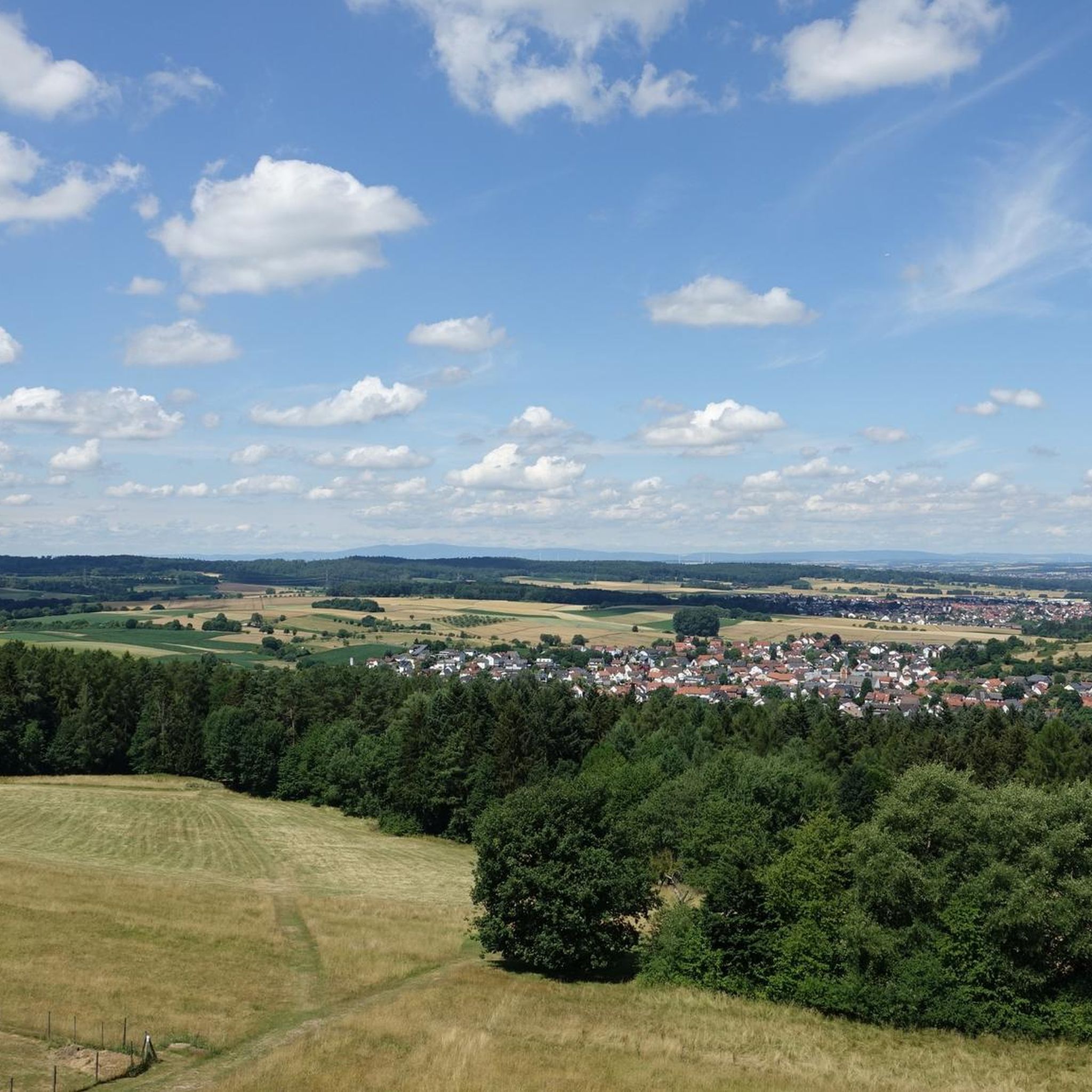
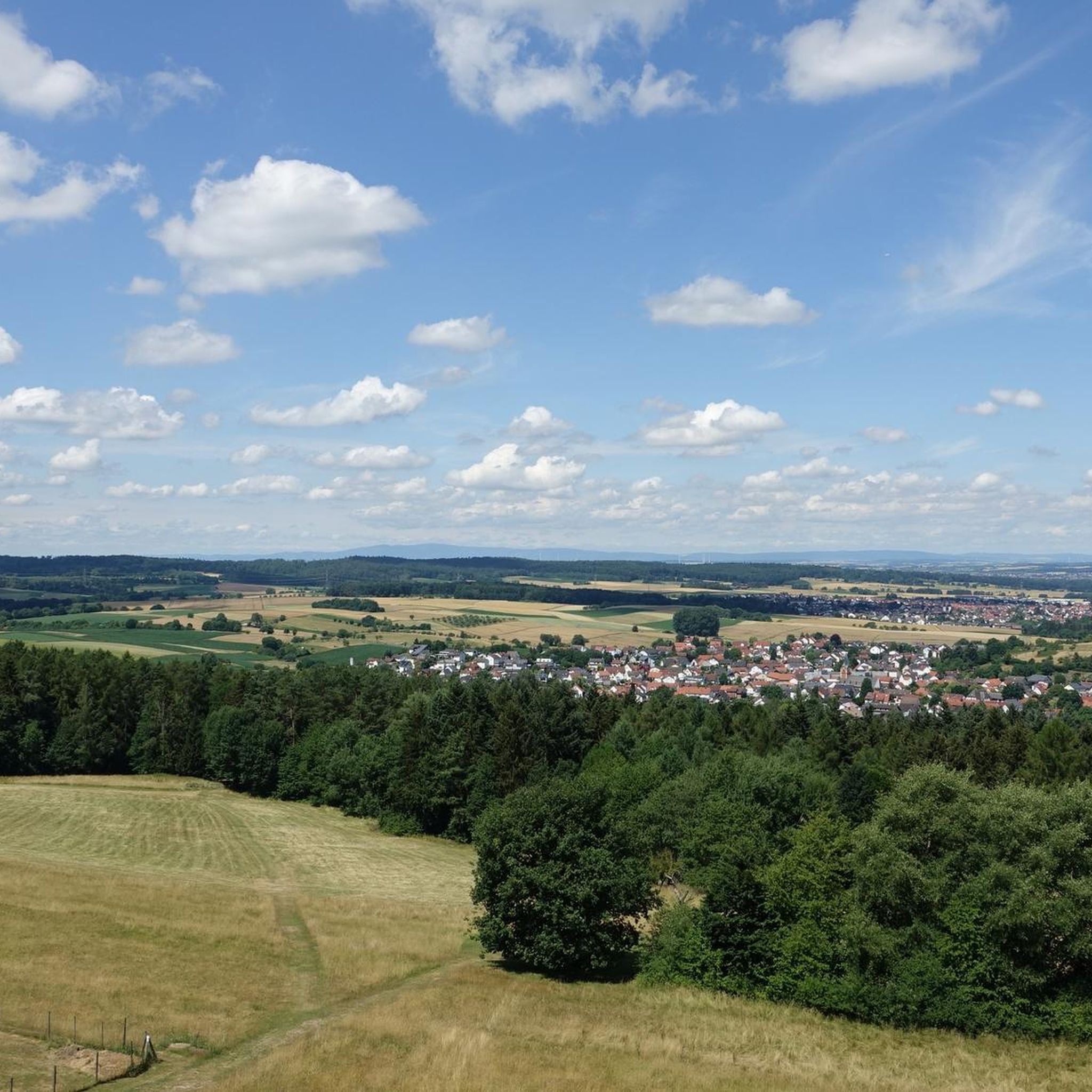
- The most popular natural monuments is Ludwig Tower (Hahnenkamm), a viewpoint that offers panoramic views. From the tower,…
Last updated: June 24, 2026
Ludwig Tower (Hahnenkamm)
Highlight • Viewpoint
Translated by Google •
Tip by

Rückersbach Gorge
Highlight (Segment) • Gorge
Translated by Google •
Tip by

Sign up now to discover places like this
Get recommendations on the best single tracks, peaks, & plenty of other exciting outdoor places.
Sign up for free
Kinzig Floodplains
Highlight • River
Translated by Google •
Tip by

Barbarossa Spring
Highlight • Natural Monument
Translated by Google •
Tip by

Lowest point in Bavaria
Highlight • Natural Monument
Translated by Google •
Tip by

Sign up for free to discover even more natural monuments around Freigericht.
Sign up for free
Already have an account?
Start today with a free account
Your next adventure awaits.
Login or Signup
Popular around Freigericht
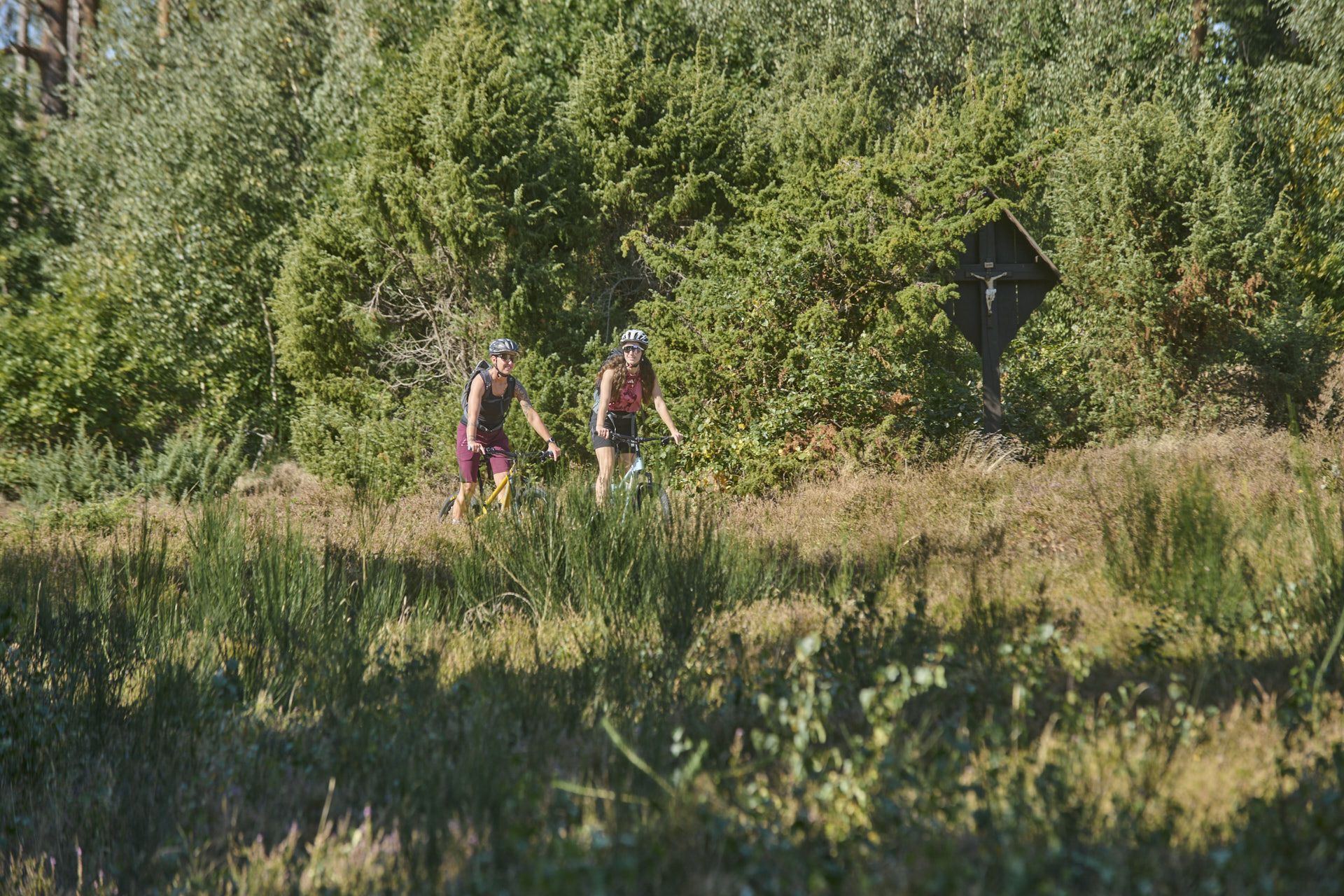
Nature, trails and local cuisine – MTB in the Spessart
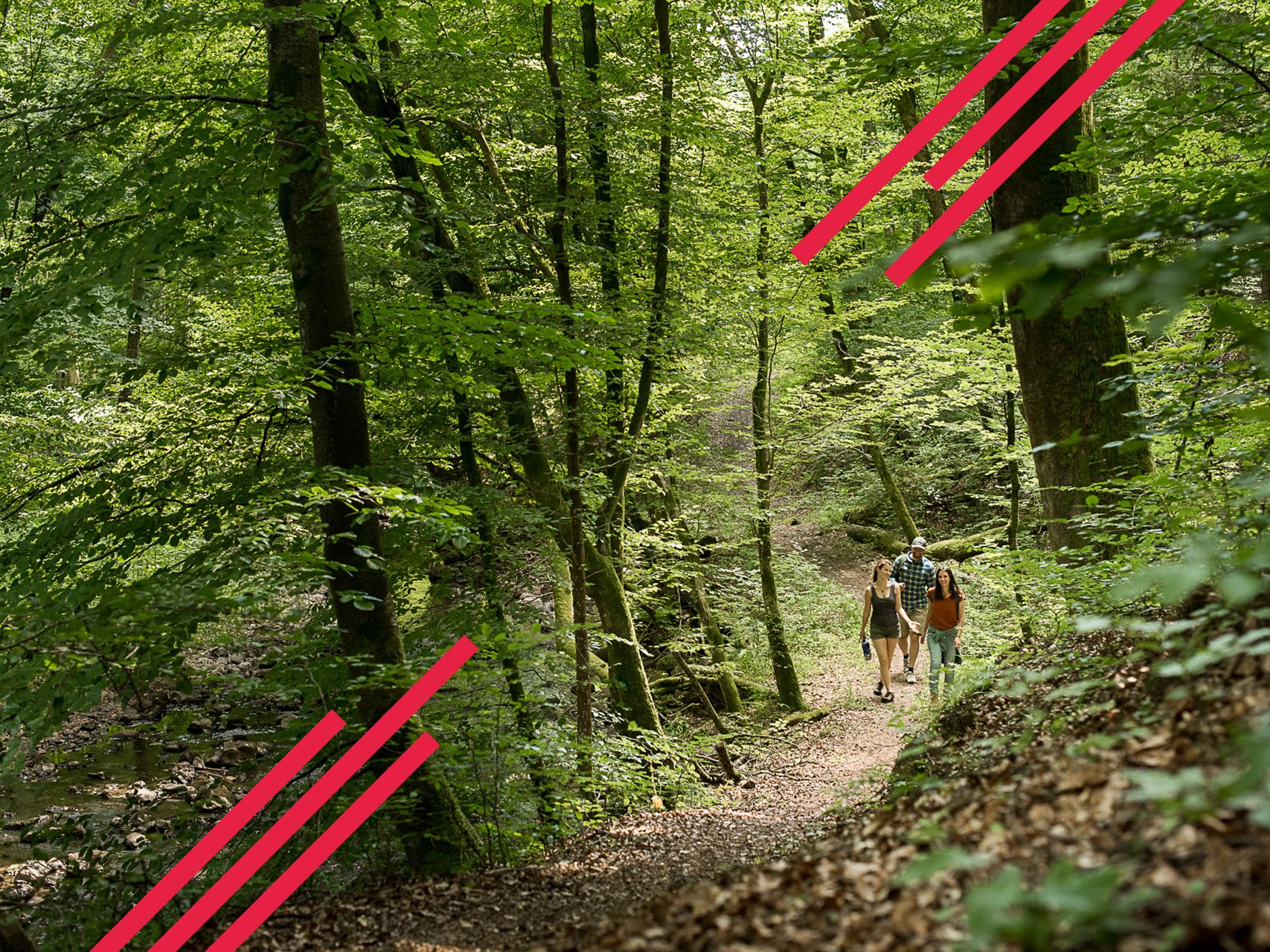
Relaxed hiking in the Spessart – short trails of discovery
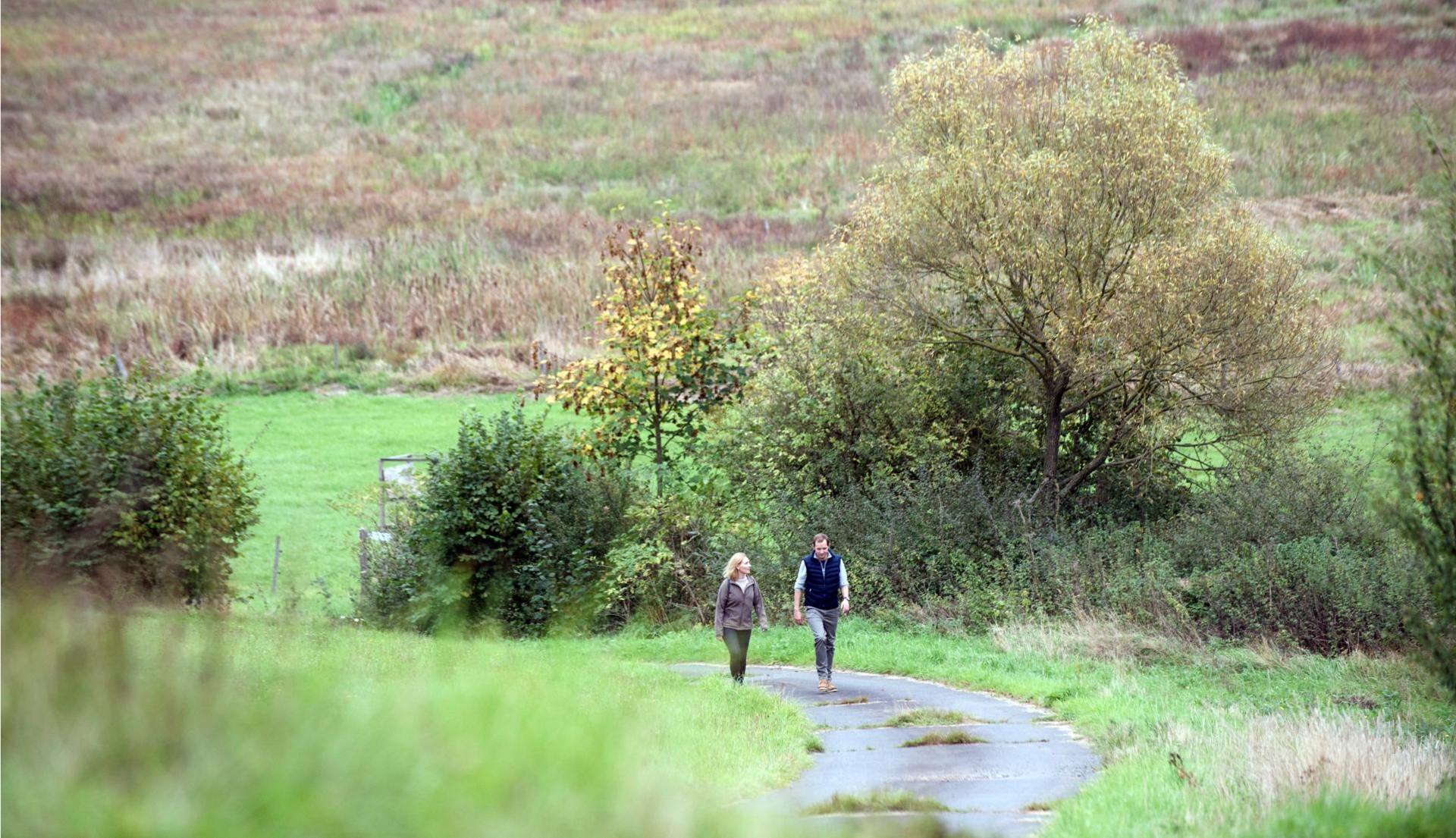
Pleasure hiking in the Spessart: trails that taste as good as they look
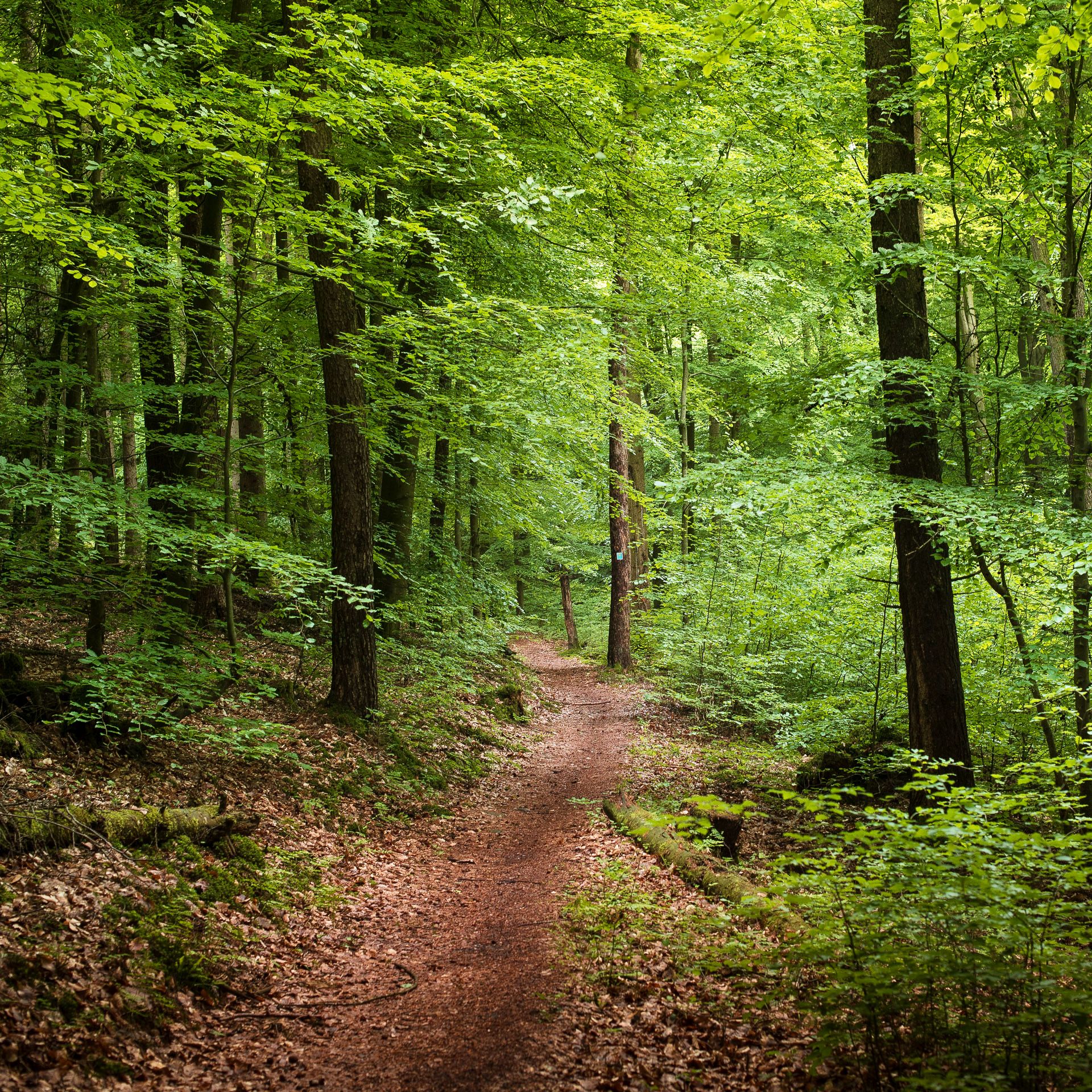
Endless forests, flowing trails – MTB in Germany’s Spessart region
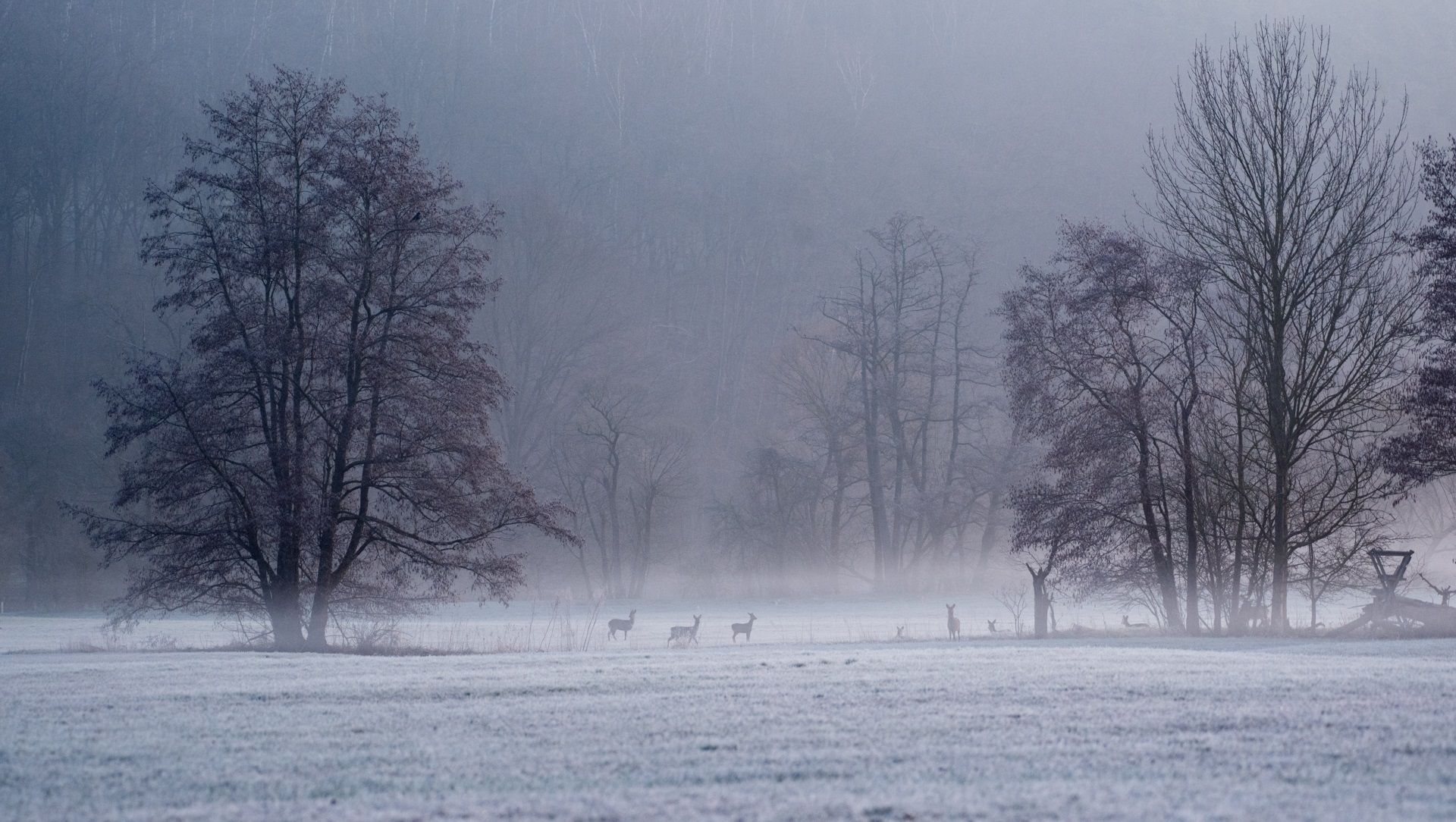
Die schönsten Winterwanderungen im Spessart
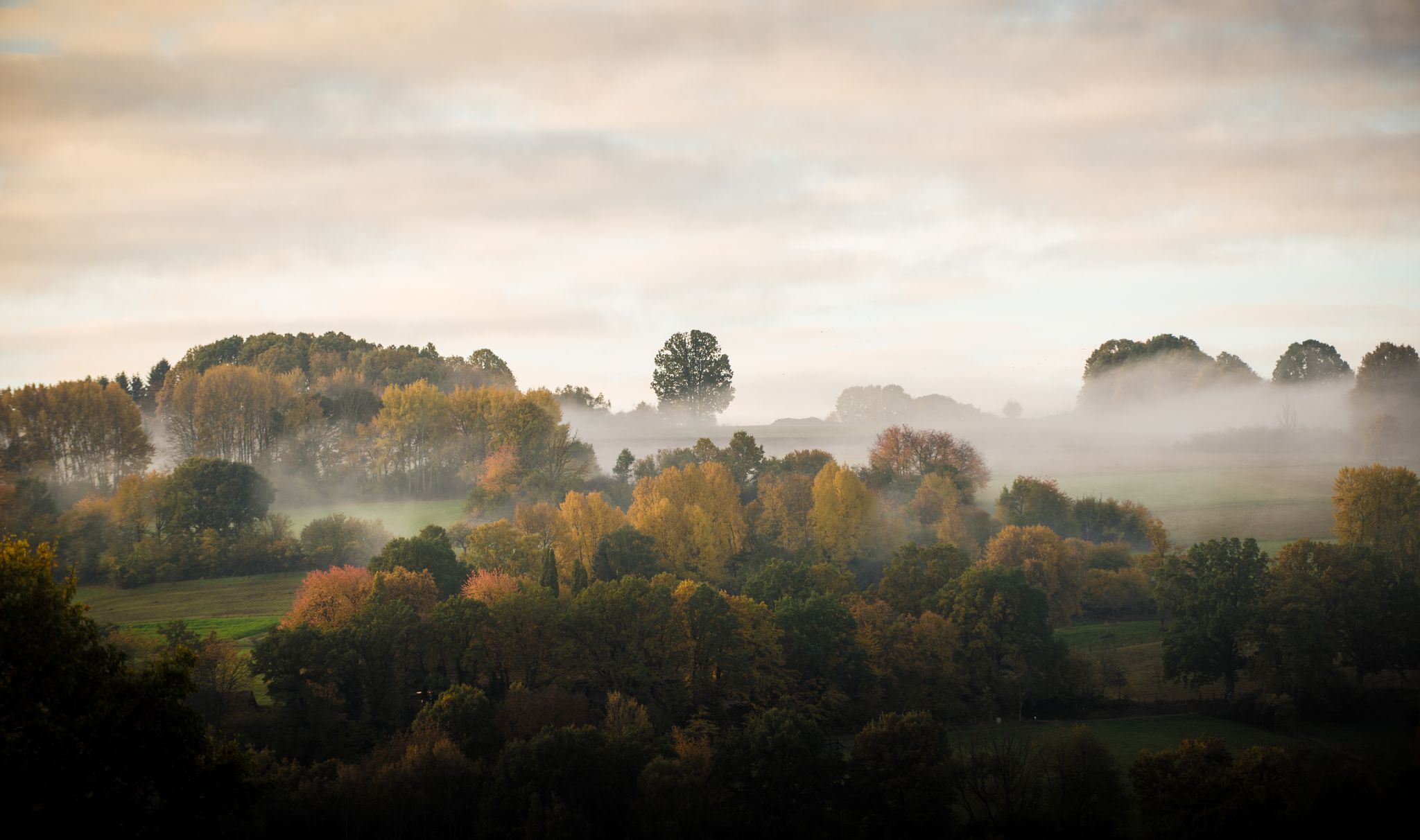
Die schönsten Herbstwanderungen im Spessart
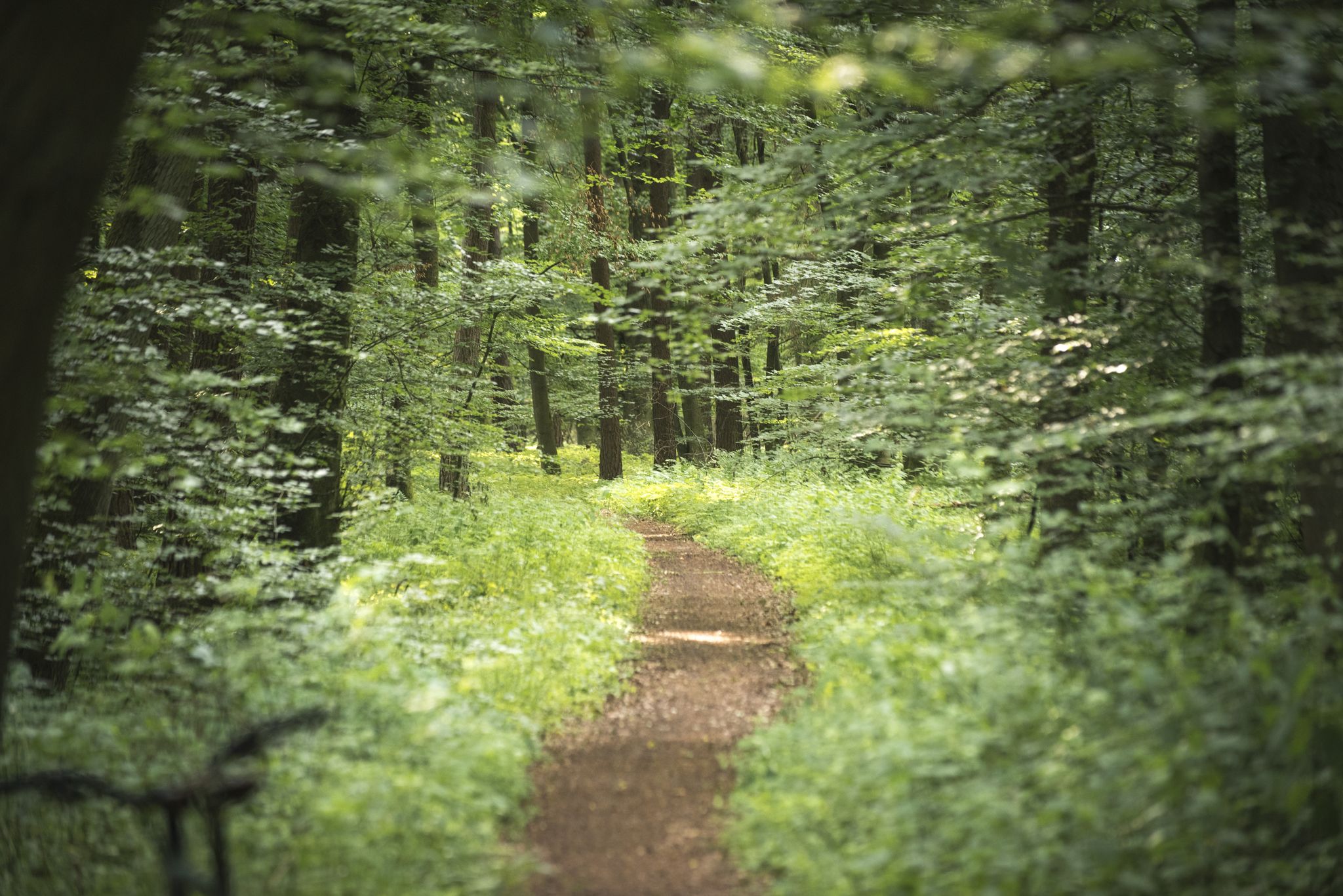
Die schönsten Premium-Spazierwanderwege im Hessischen Spessart
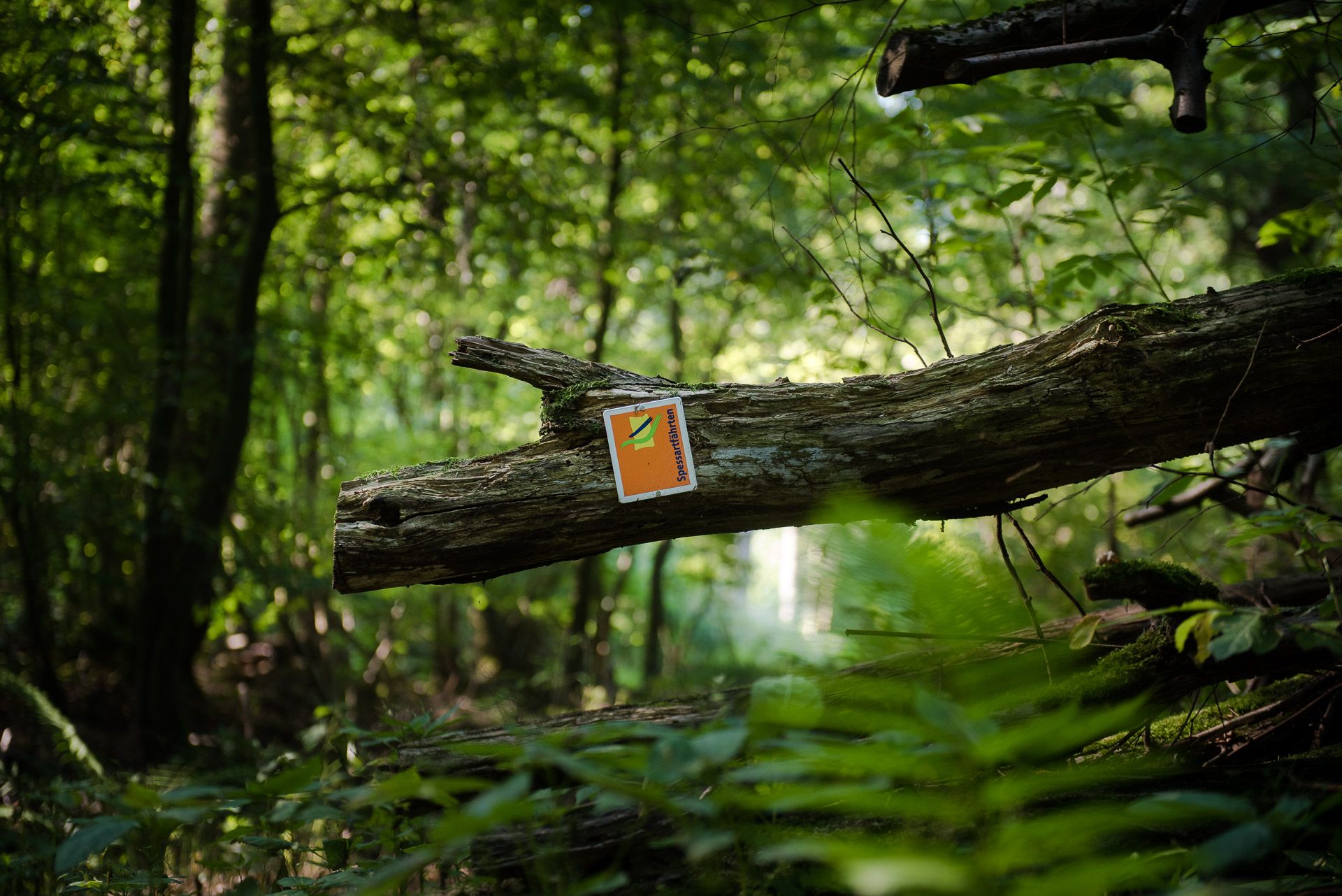
Die Spessartfährten: Sanfte Tageswanderungen durch den hessischen Spessart
Hiking around Freigericht
Cycling around Freigericht
Other adventures around Freigericht

Tips from the Community

Even invites you to swim on hot days ;)
1
0

The Kinzig is a river approximately 86 kilometers long. It rises in Sterbfritz, flows southwest through the Main-Kinzig district of Hesse, and flows into the Main from the right in Hanau. The Kinzig is a second-order river in low mountain ranges. It overcomes an elevation of 301 meters and has a bed gradient of 3.5 per thousand. The Kinzig's catchment area covers 1,058 square kilometers, and the calculated mean discharge (MQ) at the mouth of the Kinzig is 10.97 cubic meters per second. The Kinzig was first documented in 796 as "iuxta fluvium Kincihen." In 815, the name was written as "Chinzicha," around 900 as "Kincicha"/"Kinzicham," in 1364 as "Kinzige," in 1584 as "Kintzig," in 1607 as "Bintz," in 1681 as "Kintz," in 1716 as "Kins," in 1769 as "Kinzing," and in 1802 as "Kinzig." In the river's headwaters, there was the now-defunct village of Kinzig, mentioned in 815 as "Chirizichheimero." The village and river were often confused by monastery scribes at that time with "Chizzicha" (now Bad Kissingen), both of which were described as being located in the Saalegau. The name presumably derives from the ancient Celtic *ku̯anti̯o- meaning "flat hill, valley." The name was therefore derived from the mountainous region from which the Kinzig flows. Source: Wikipedia
2
0

It is a great place to cycle all year round.
3
0

The Kinzig is also used by the brave (not just children) to cool down. Very romantic.
4
0

When the Kinzig floods, especially in winter, the R3 can sometimes be impassable due to flooding.
4
0

There are still a few meters until the Kahl actually flows into the Main.
6
0

very flat terrain with a lot of nature
4
0

The Kinzig sometimes provides idyllic moments along the R3 despite the A66
4
0
Frequently Asked Questions
What are some unique natural monuments to explore in Freigericht?
Freigericht offers a diverse range of natural monuments. You can visit the impressive Ludwig Tower (Hahnenkamm), which provides panoramic views of the surrounding area. Another unique site is the Rückersbach Gorge, known for its beautiful route through the forest with the sound of the Rückers-Bach. Don't miss the Barbarossa Spring, a small source with historical connections to Friedrich I, Barbarossa, located in a basin on the edge of a forest lake.
Are there any natural monuments in Freigericht that are particularly family-friendly?
Yes, several natural monuments are suitable for families. The Kinzig Floodplains offer very flat terrain with plenty of nature, ideal for easy walks. The Lowest point in Bavaria is also considered family-friendly and wheelchair accessible, offering a unique geographical marker. Additionally, the Barbarossa Spring area has great trails that are enjoyable for all ages.
What kind of geological features can I explore among Freigericht's natural monuments?
Freigericht features interesting geological formations. The Rückersbach Gorge showcases a natural cut through the landscape. In Horbach, you can find a small quarry west of the Mariengrotte, which exposes geological strata and offers a unique setting. The Mariengrotte itself was built into a former quarry, blending natural rock features with cultural significance.
Are there any historical natural monuments in the Freigericht region?
Yes, the Barbarossa Spring has historical significance, named after Friedrich I, Barbarossa, who reportedly stopped there during hunting expeditions. The small quarry west of the Mariengrotte in Horbach also holds historical context, as the Mariengrotte was constructed in a former quarry after WWII as a gesture of gratitude.
What outdoor activities can I do near these natural monuments?
The area around Freigericht is excellent for various outdoor activities. You can find numerous cycling routes, such as those listed in the Cycling around Freigericht guide. For more challenging rides, explore the Road Cycling Routes around Freigericht or the MTB Trails around Freigericht. Many natural monuments, like the Rückersbach Gorge, are integrated into beautiful hiking trails.
Are there notable trees or forests to see among Freigericht's natural monuments?
Absolutely. In Somborn, you can find a significant 'Feldeiche' (Field Oak), known for its robust growth and expansive crown, standing as a prominent landmark. Also in Somborn, at Hof Trages, there are three impressive 'Roßkastanien' (Horse Chestnuts), valued for their aesthetic appeal, especially during their spring bloom and autumn colors. The region generally features a mix of forests, offering scenic routes and natural beauty.
What do visitors enjoy most about the natural monuments in Freigericht?
Visitors frequently praise the panoramic views from spots like the Ludwig Tower (Hahnenkamm). The tranquil and scenic routes through places like the Rückersbach Gorge are also highly appreciated. Many enjoy the sense of permanence and natural beauty offered by ancient trees, and the unique combination of natural settings with historical context, such as at the Mariengrotte.
What is the best time of year to visit the natural monuments in Freigericht?
The natural monuments in Freigericht can be enjoyed year-round, but each season offers a different experience. Spring (April-May) is ideal for seeing the Horse Chestnuts at Hof Trages in full bloom and enjoying fresh greenery. Summer provides lush landscapes and pleasant conditions for hiking and cycling. Autumn brings vibrant fall foliage, particularly beautiful in forested areas. Even winter can offer serene, crisp views, especially from viewpoints like the Ludwig Tower.
Are there any natural monuments with good viewpoints in Freigericht?
Yes, the Ludwig Tower (Hahnenkamm) is a prime location for extensive panoramic views of the surrounding area. The Rückersbach Gorge also offers scenic viewpoints along its route. Additionally, the Kinzig Floodplains provide open vistas of the natural landscape.
Can I find amenities like cafes or accommodation near the natural monuments?
While specific amenities vary by location, many natural monuments are situated within or near villages and towns where you can find cafes, restaurants, and accommodation. For example, the area around Hof Trages, home to the Horse Chestnuts, is a historic estate that may offer local services. For specific routes, such as those through the Rückersbach Gorge, you might find refreshments in nearby villages like Rückersbach.
Are there natural monuments in Freigericht that are particularly easy to access or suitable for beginners?
For easy access and beginner-friendly exploration, consider the Kinzig Floodplains, which feature very flat terrain. The Lowest point in Bavaria is also easily accessible and offers a unique, gentle experience. These sites are great for leisurely strolls and those seeking less strenuous outdoor activities.
Are there any natural monuments related to water features in Freigericht?
Yes, the Rückersbach Gorge is defined by the splashing Rückers-Bach. The Kinzig Floodplains highlight the Kinzig River and its surrounding wetlands. Furthermore, the Barbarossa Spring is a small source located near a forest lake, offering a tranquil water-related natural monument.
Most popular routes around Freigericht
Most popular attractions around Freigericht

Get inspired with the komoot mobile app


Explore more
Extend your search for the best caves by checking out these guides of the top ones around Freigericht:
