Top 20 Natural Monuments around Nüsttal
Best natural monuments around Nüsttal are found in this municipality within the eastern Hessian district of Fulda. The region's landscape is shaped by the Hessisches Bergland and the Rhön, showcasing significant natural beauty and geological history. Visitors can explore a variety of protected natural features, including ancient trees and volcanic formations. These monuments offer insights into the area's dynamic past and diverse ecosystems.
Best natural monuments around Nüsttal
- The most popular natural monument is Milseburg Summit and Crucifixion Group,…
Last updated: October 11, 2026
Milseburg Summit and Crucifixion Group
Highlight • Summit
Translated by Google •
Tip by

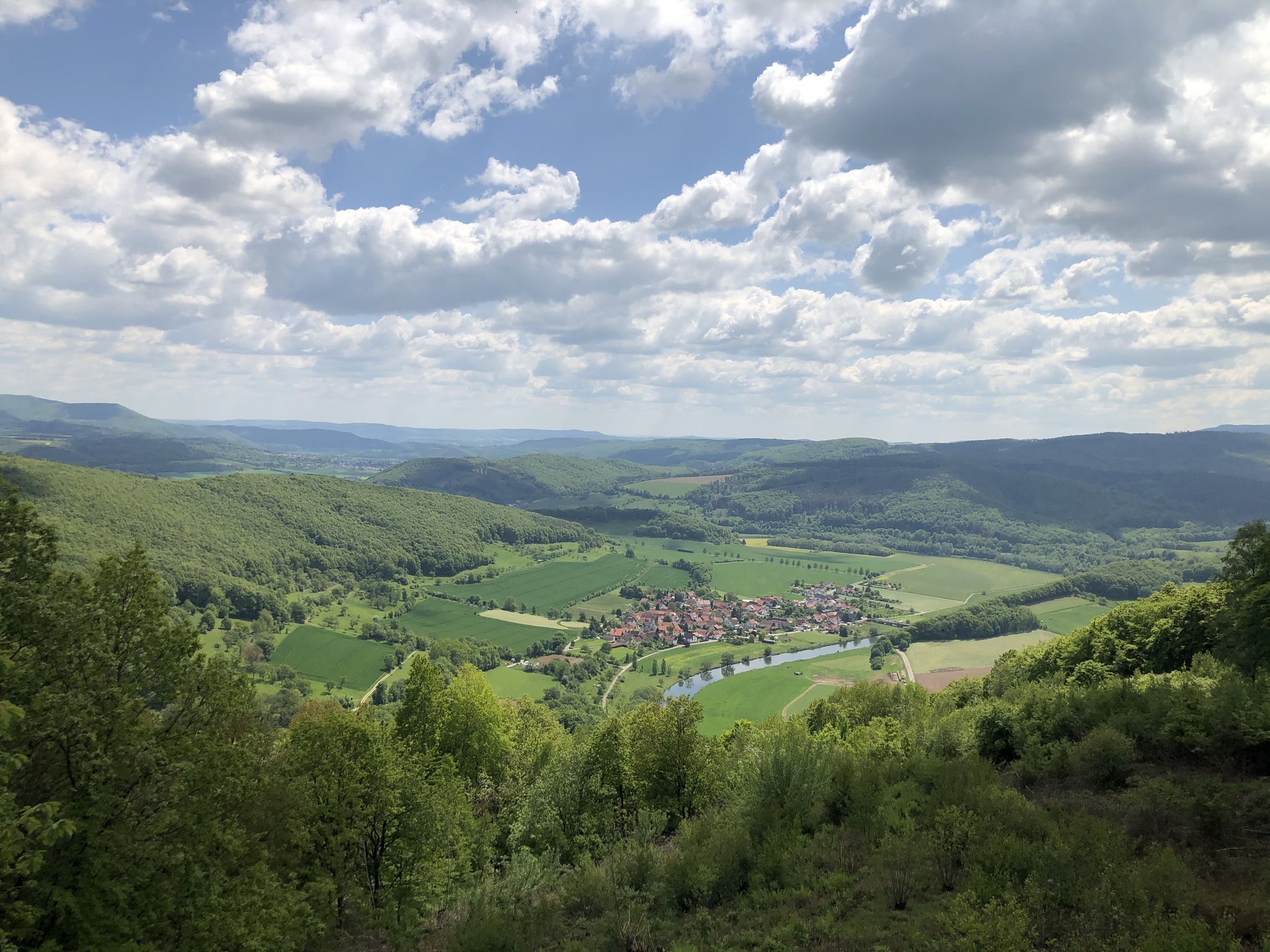
Haunetalsperre
Highlight • Lake
Translated by Google •
Tip by

Sign up now to discover places like this
Get recommendations on the best single tracks, peaks, & plenty of other exciting outdoor places.
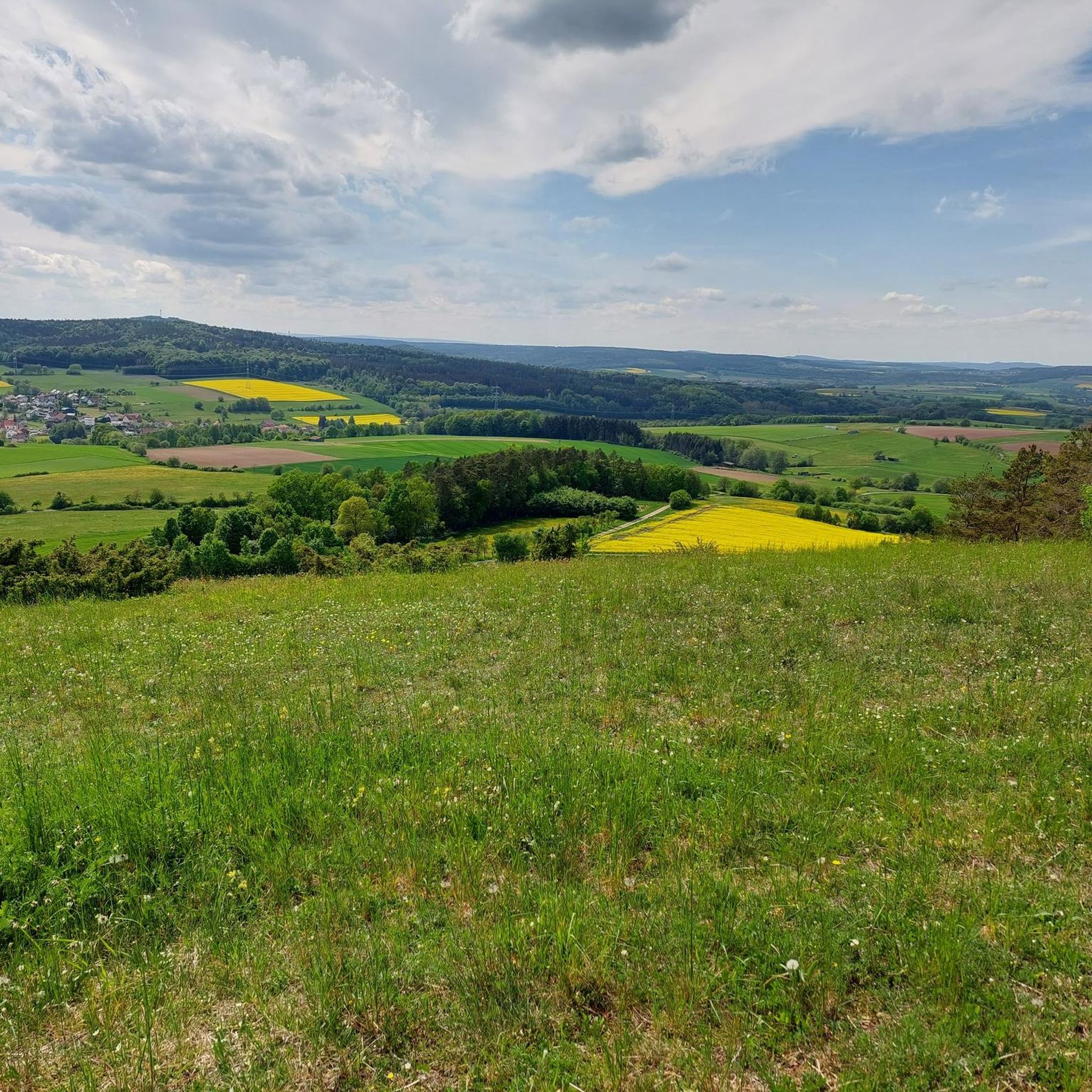
Buchschirmberg Viewing Platform
Highlight • Viewpoint
Translated by Google •
Tip by

Ulmenstein Basalt Lake
Highlight • Lake
Translated by Google •
Tip by

Milseburg Hut
Highlight • Mountain Hut
Translated by Google •
Tip by
Sign up for free to discover even more natural monuments around Nüsttal.
Already have an account?
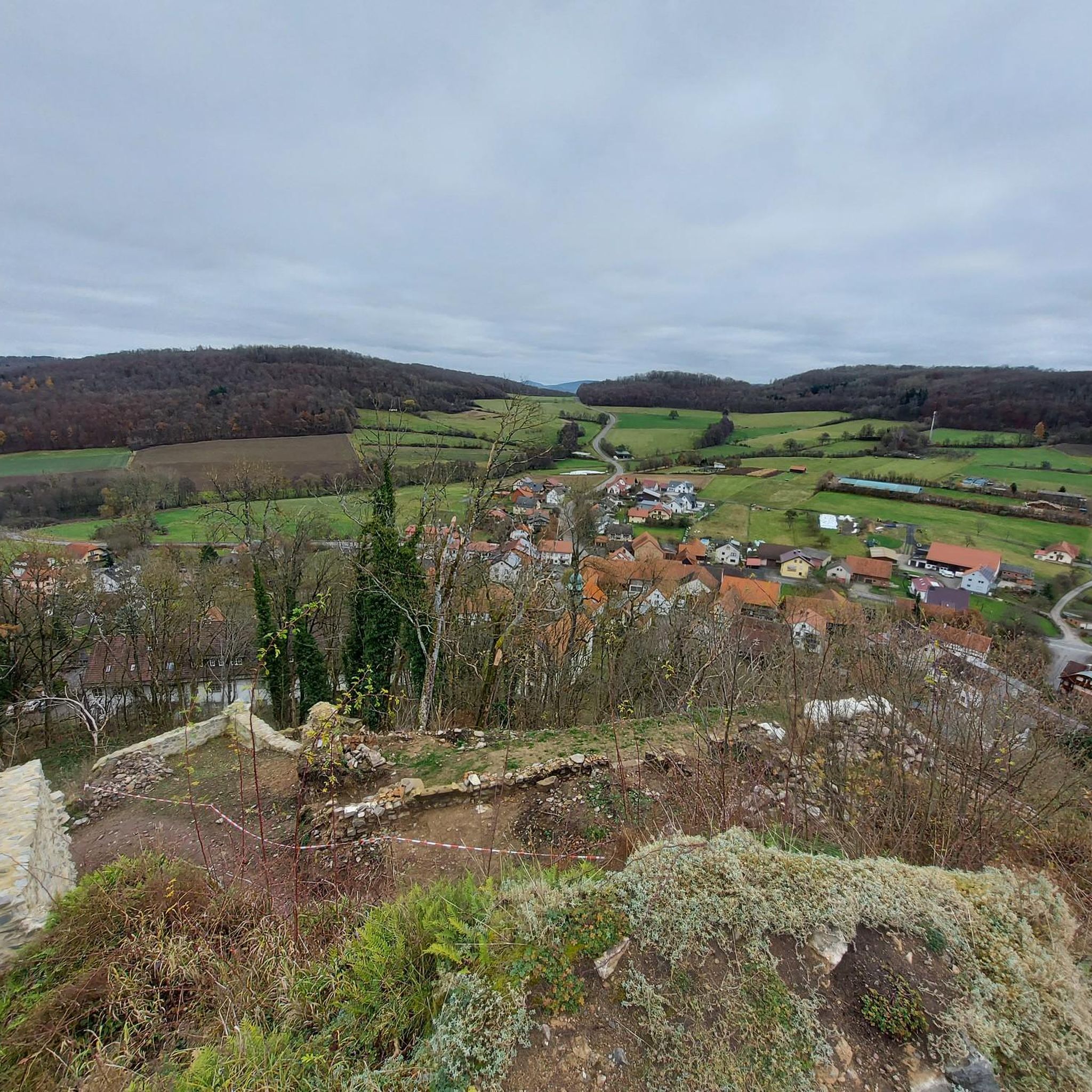
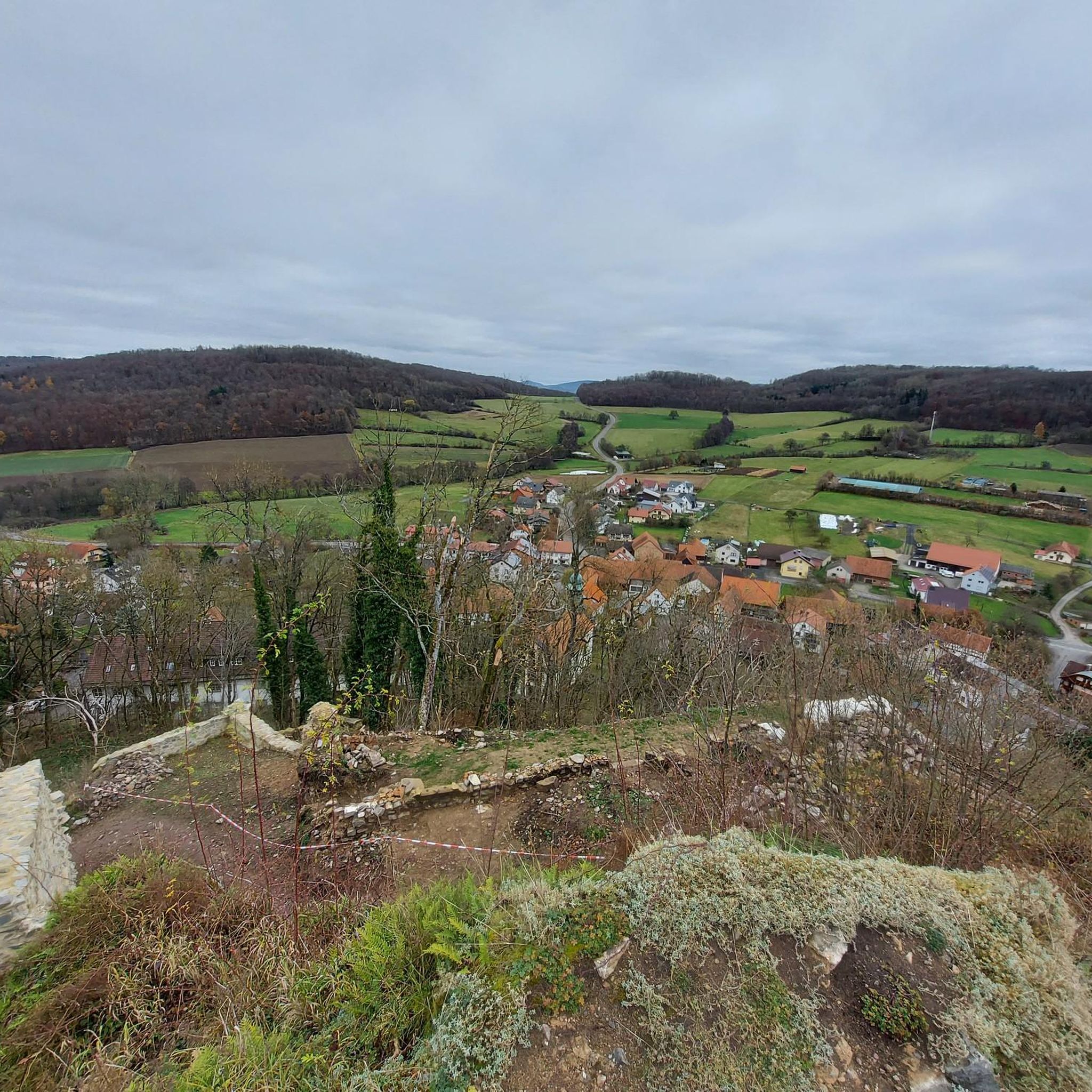
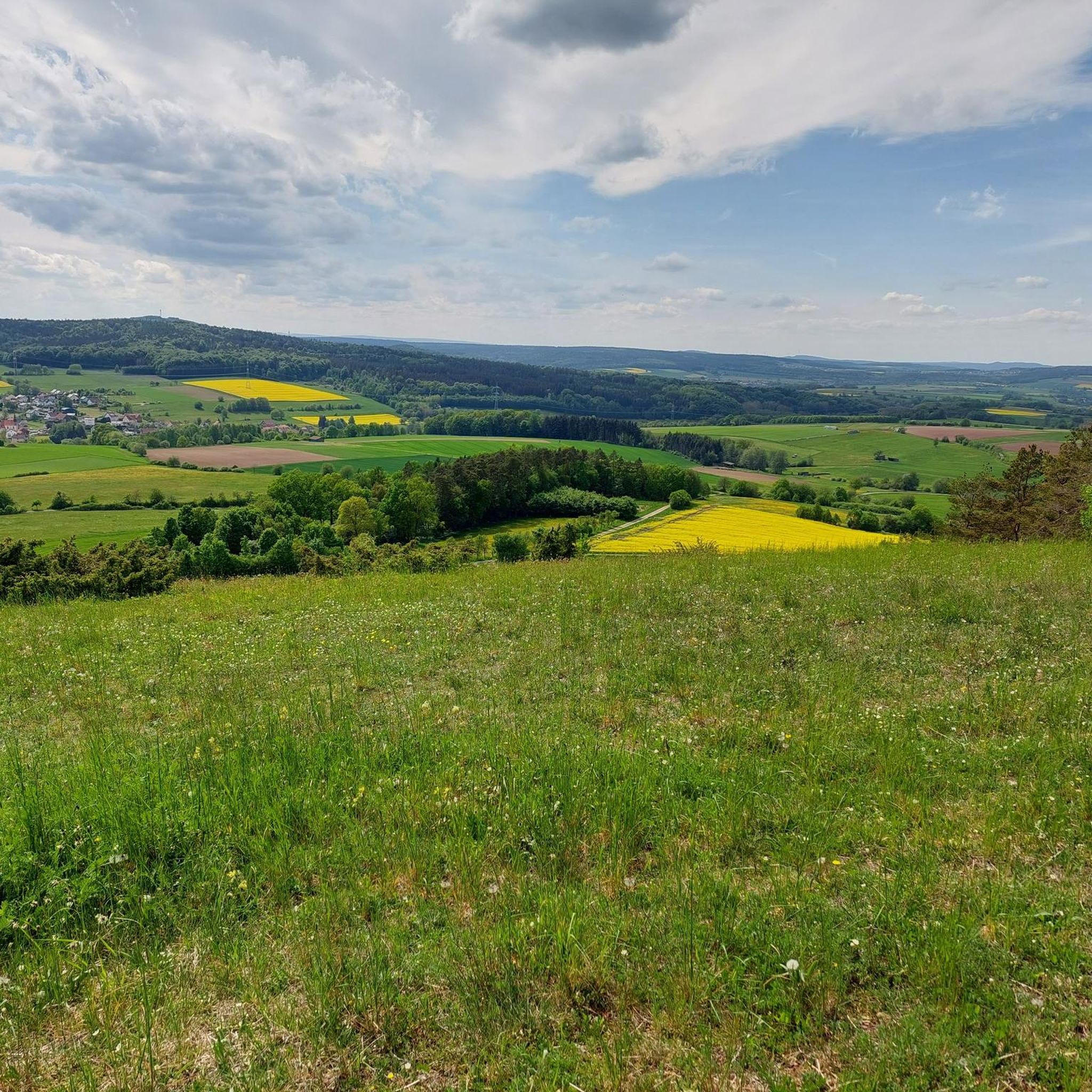
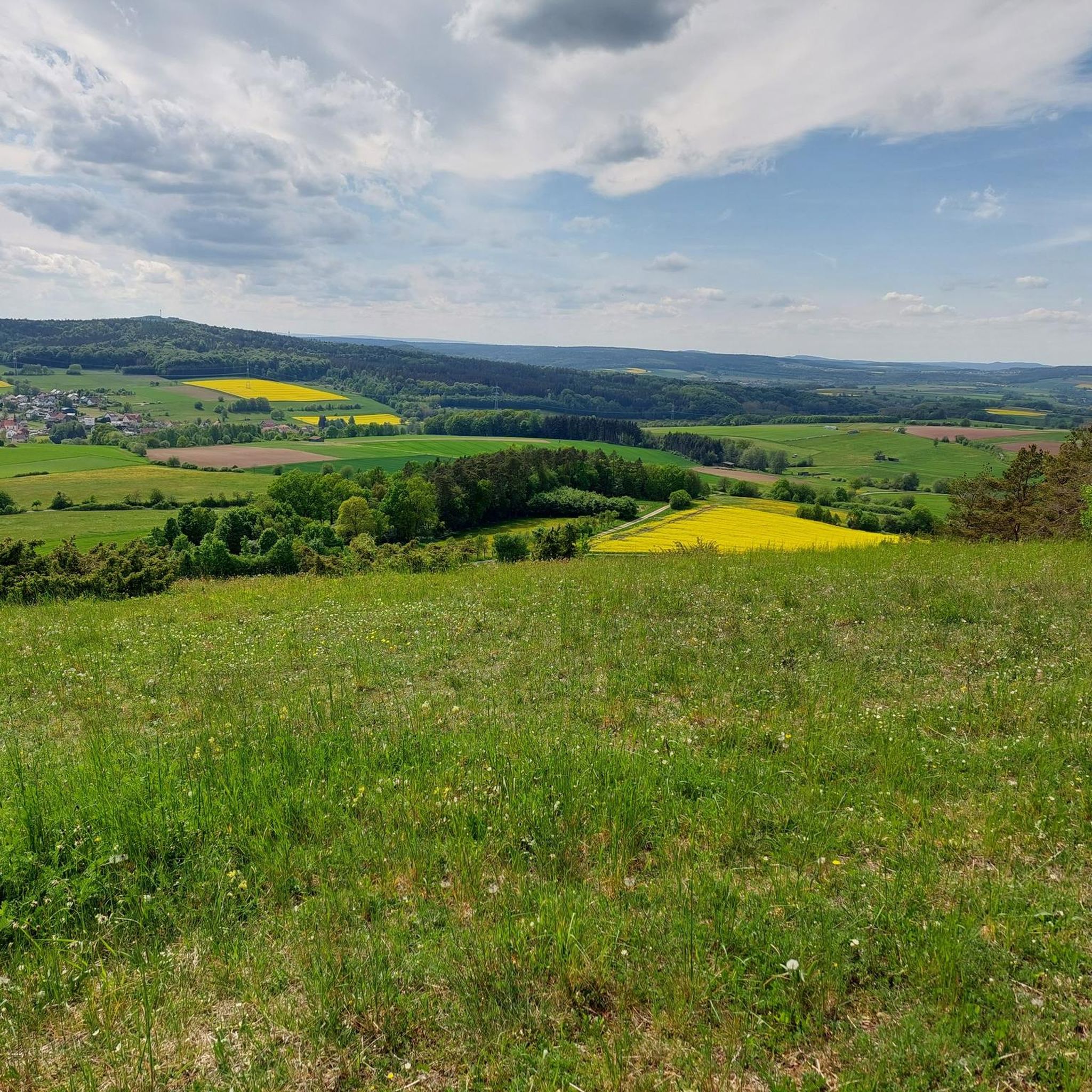


Tips from the Community

A very idyllic spot. Benches and a shelter invite you to take a long rest.
1
0

Basalt used to be mined here. Now it's a lovely place to relax, have a picnic or rest. There's plenty of parking with tables.
6
0

The Haune Dam of the Haune Water Association is a small dam and reservoir and at the same time a flood retention basin on the Haune near the village of Marbach in the eastern Hessian district of Fulda and belongs to the catchment area of the Weser source river Fulda.
3
0

A paradise for those seeking peace and quiet, nature lovers and mountain lake enthusiasts. The basalt lake "Ulmenstein" lies between Hofaschenbach and Mackenzell and is up to 15 metres deep. You can walk around the lake on hiking trails. On the south side there is a barbecue area with seating, a fire pit, a barbecue hut, a shelter and a beautiful view of the lake. A shelter for hikers and cyclists has been built on the north side. In recent years, the Mackenzeller brass choir "Tonica" has given many concerts here at Ulmenstein. Up until 1908, a 70-metre-high basalt dome stood out where the lake is today. This was gradually dismantled and transported on rails via Mackenzell to Nüst and then on to Holland. Up to 270 miners were employed here at the time. After the 70 meters above ground had been removed, the miners set to work up to 30 meters underground to bring basalt columns to light. Around 1928, water broke in and further mining was no longer possible or profitable. Over the decades, today's basalt lake developed in the depths of the quarry due to springs and fissure water. Source: RhönTravel
3
0

Simply beautiful, the perfect place for a long break :)
2
0

Very nice location and bird watching
4
0
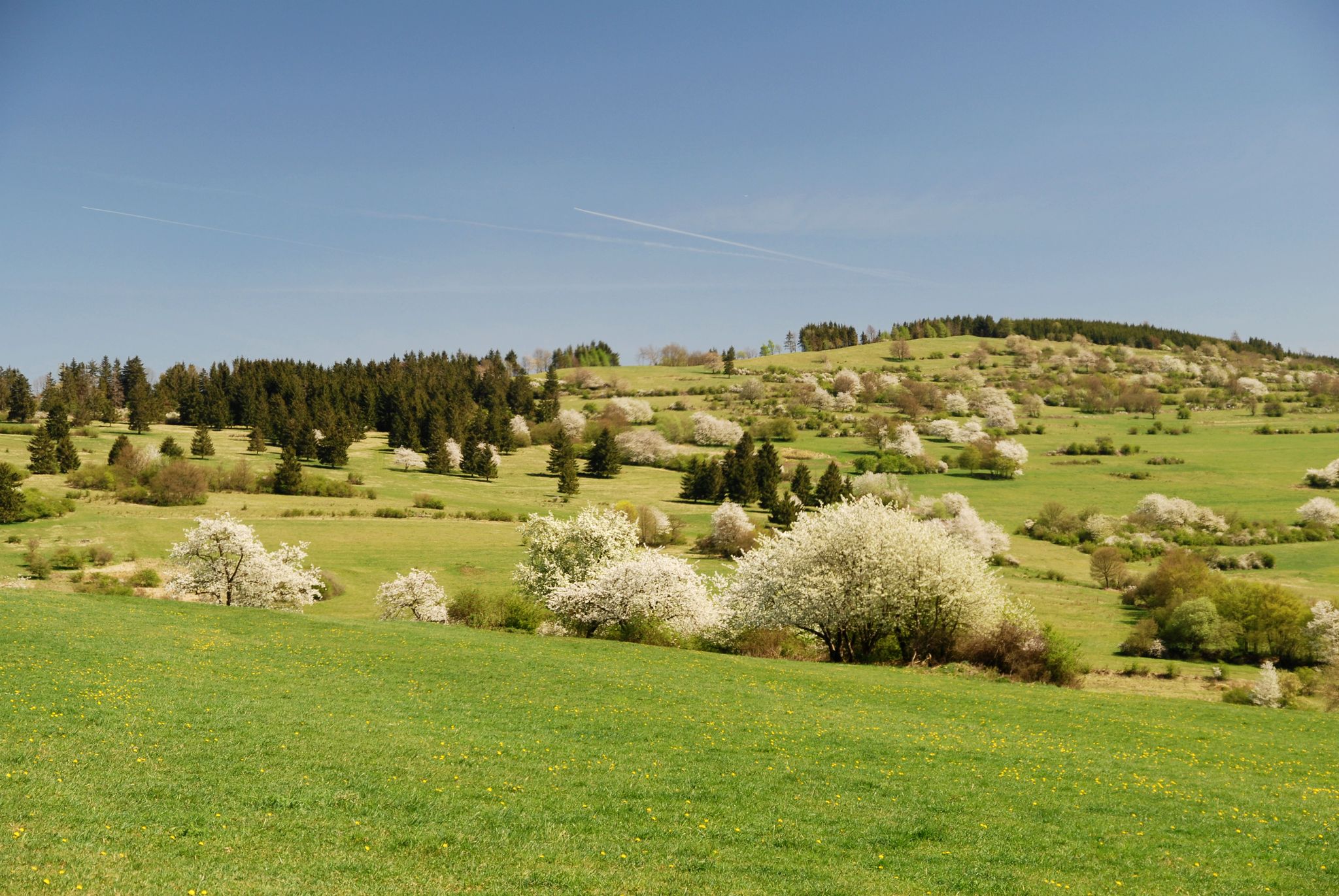
Land of the Open Distances with Window on the Universe.
12
1
Interesting information about the Rhöndistel, which occurs frequently here.
10
1
Frequently Asked Questions
What types of natural monuments can I explore in Nüsttal?
Nüsttal is home to a diverse range of natural monuments, primarily featuring ancient trees and significant geological formations. You can find impressive oak, lime, hornbeam, and beech trees, some of which are centuries old. The region's volcanic past is evident in geological features like basalt breakthroughs and knolls, such as the Basaltdurchbruch „Großer Stein“ in Gotthards and the Basaltkuppe „Schwarzehauck“ in Morles.
Are there any natural monuments in Nüsttal that are particularly family-friendly?
Yes, several natural monuments in Nüsttal are well-suited for families. The Haunetalsperre (Haune Reservoir) offers a circular path and facilities for recreational activities, making it an oasis for peace and relaxation. Similarly, the Ulmenstein Basalt Lake is a lovely spot for relaxation, picnicking, and hiking, with plenty of parking and tables available.
What are some of the most popular natural monuments to visit in Nüsttal?
Among the most popular natural monuments, the Milseburg Summit and Crucifixion Group stands out as a summit with a visible crucifixion group and old brickwork, offering scenic views. The Ulmenstein Basalt Lake is also highly regarded for its serene atmosphere and Rhön views. Additionally, the Haunetalsperre is cherished for its tranquil environment and recreational opportunities.
Can I find hiking trails near the natural monuments in Nüsttal?
Absolutely. Nüsttal offers numerous hiking opportunities that allow you to explore its natural monuments. For instance, you can find various running trails around Nüsttal, including routes like 'Rocky Steep Trail – In the Ried loop from Hofaschenbach' or 'Jungfernbörnchen Pond loop from Hofaschenbach'. You can discover more options on the Running Trails around Nüsttal guide.
Are there any dog-friendly trails or areas around Nüsttal's natural monuments?
Yes, Nüsttal is generally welcoming for visitors with dogs. The Haunestausee (Haune Reservoir) is specifically noted as dog-friendly, with beautiful, paved paths around the reservoir that can be circled and explored. Many natural areas and trails in the region are suitable for walks with your canine companion.
What geological features are prominent among Nüsttal's natural monuments?
Nüsttal's geology is characterized by its volcanic past, making basalt formations particularly prominent. Key geological monuments include the Basaltdurchbruch „Großer Stein“ in Gotthards, which showcases distinctive rock structures from ancient lava flows, and the Basaltkuppe „Schwarzehauck“ in Morles, another exposed volcanic feature. These sites offer insights into the Earth's dynamic history in the Hessisches Bergland and Rhön regions.
What is the best time of year to visit the natural monuments in Nüsttal?
The natural monuments in Nüsttal can be enjoyed throughout the year, each season offering a unique experience. Spring brings lush greenery and blooming flora, while summer is ideal for picnicking and longer hikes. Autumn transforms the landscape with vibrant foliage, especially around the ancient trees. Even winter offers a serene beauty, with opportunities for quiet walks amidst snow-dusted scenery.
Are there options for cycling near the natural monuments in Nüsttal?
Yes, Nüsttal provides excellent opportunities for cycling. You can find various road cycling routes, such as the 'Kappmühle Mackenzell – Quiet side road Silges–Rimmels loop from Nüsttal', which is an easy ride. For mountain biking enthusiasts, there are trails like 'Kappmühle Mackenzell – Gotthards Stone Fountain loop from Nüsttal'. More details can be found in the Road Cycling Routes around Nüsttal guide and the MTB Trails around Nüsttal guide.
What do visitors particularly enjoy about the natural monuments in Nüsttal?
Visitors frequently praise the tranquility and natural beauty of the area. Many appreciate the scenic views, especially from spots like the Buchschirmberg Viewing Platform, which offers vistas of the Wasserkuppe and Milseburg. The opportunity for relaxation, picnicking, and connecting with nature, as well as observing diverse wildlife like gray herons at the Haunestausee, are also highly valued.
Are there any historical or cultural aspects associated with Nüsttal's natural monuments?
Many of Nüsttal's natural monuments, particularly the ancient trees, hold historical significance. Village lime trees, like the Dorflinde in Gotthards, often served as central gathering points in communities, symbolizing continuity and tradition. The Milseburg Summit also features a crucifixion group and old brickwork, hinting at its historical and religious importance as a landmark.
Where can I find information about parking near Nüsttal's natural monuments?
For specific natural monuments like the Ulmenstein Basalt Lake, there is plenty of parking available, often with tables for picnicking. Generally, parking options are available near popular natural attractions and trailheads throughout Nüsttal, making them accessible for visitors.
Most popular routes around Nüsttal
Most popular attractions around Nüsttal

Get inspired with the komoot mobile app


Explore more
Extend your search for the best caves by checking out these guides of the top ones around Nüsttal:
