Top 20 Natural Monuments around Lütjensee
Best natural monuments around Lütjensee are found within the Stormarnsche Schweiz region, part of the Drei-Seenplatte. This area features diverse landscapes including lakes, moorlands, and forests, offering significant ecological value. Lütjensee, the eponymous lake, is a central natural feature known for its wide views and recreational opportunities. The region provides varied terrain for outdoor activities, making it appealing for nature enthusiasts.
Best natural monuments around Lütjensee
- The most popular natural monuments is Langer Otto Observation Tower (Hahnheide Conservation Area),…
Last updated: August 18, 2026
Langer Otto Observation Tower (Hahnheide Conservation Area)
Highlight • Viewpoint
Translated by Google •
Tip by

Billetal Nature Reserve
Highlight • Forest
Translated by Google •
Tip by

Sign up now to discover places like this
Get recommendations on the best single tracks, peaks, & plenty of other exciting outdoor places.
Sign up for free
Höltigbaum Nature Reserve
Highlight • Natural Monument
Translated by Google •
Tip by

Arnesvelde Castle Ruins
Highlight • Historical Site
Tip by

Kranika Moorland
Highlight • Natural
Translated by Google •
Tip by
Sign up for free to discover even more natural monuments around Lütjensee.
Sign up for free
Already have an account?
Start today with a free account
Your next adventure awaits.
Login or Signup
Other adventures around Lütjensee

Tips from the Community

The Billetal nature reserve is located on the western edge of the Sachsenwald forest. Numerous, truly idyllic hiking trails meander along the river, which is cool even in summer. The Bille provides a habitat for brown trout and grayling. Surrounded by alluvial forests, wet meadows and tall herbaceous meadows, the area is home to numerous plant and animal species. The old beech forests along the valley slopes are particularly beautiful.
1
1
Beautiful wetland not far from the protected Kranika moorland. Once a large peat mining area, the landscape is now becoming more and more peaceful. Rare amphibians and native snake species find their habitat here.
2
0

We were unlucky that the path we had chosen led us into the wet moor and we couldn't continue. You can see that clearly on our tour. But many paths lead to the same goal :)
1
0

Beautiful area with great paths...
9
0

Beautiful moorland near Gröhnwohld
3
0

Here you can hike wonderfully. Good natural paths are soft but also many roots make the path interesting. A lot of nature a feast for the eyes
3
0

The most beautiful section in one of the most beautiful forests in the Hamburg area. The forest floor is nice and soft, the path varied when the sun is shining, there is a damn nice light here.
3
0
Frequently Asked Questions
What are some of the most significant natural features to explore around Lütjensee?
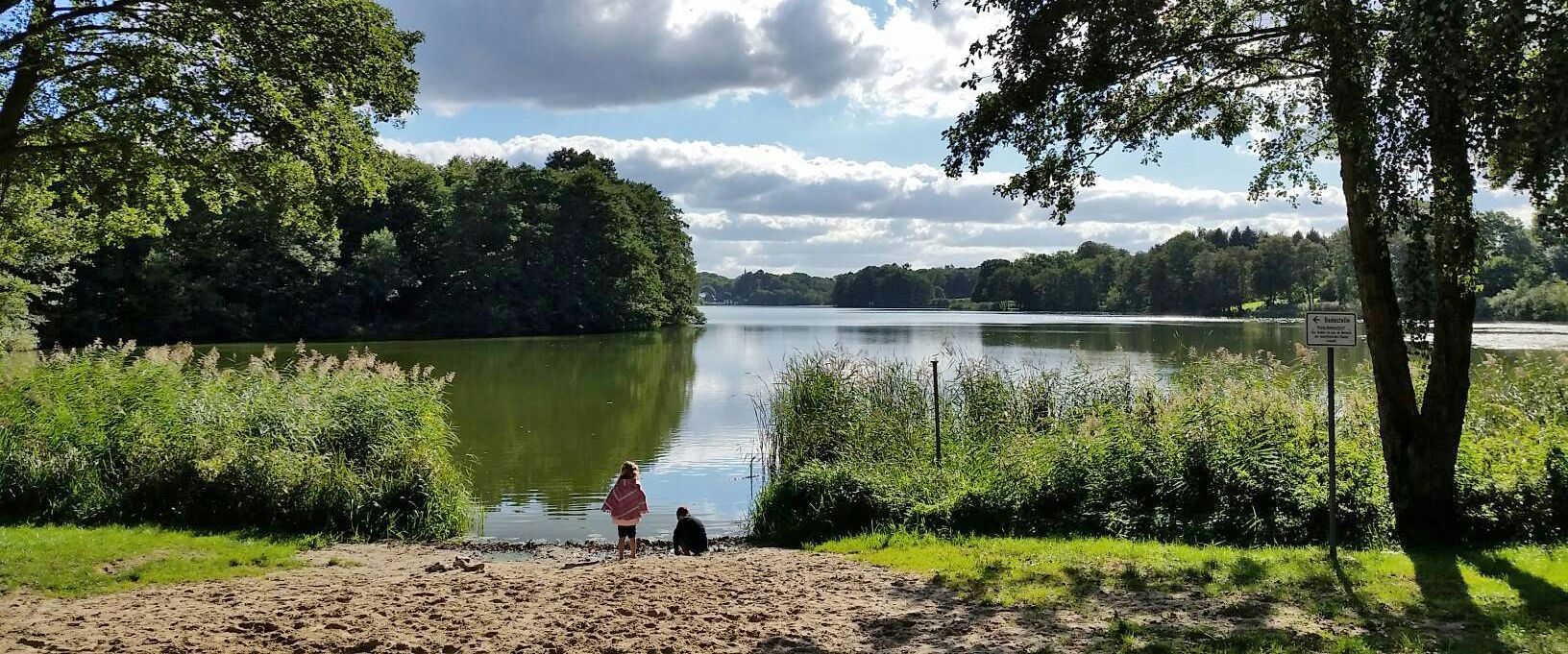
Beyond the well-known highlights, the region offers several significant natural features. The Lütjensee itself is a central attraction, known for its wide views and the Nordstrand bathing area. Close by, the Kranika Moor Nature Reserve spans 96 hectares, providing a vital habitat for rare plants and animals with well-maintained hiking trails. The broader Drei-Seenplatte (Three-Lake Region), encompassing Lütjensee, Großensee, and Mönchsteich, offers diverse landscapes of serene lakes, moorlands, and forests for extensive exploration.
Are there family-friendly natural monuments around Lütjensee?
Yes, several natural monuments are suitable for families. The Langer Otto Observation Tower (Hahnheide Conservation Area) is listed as family-friendly, offering an exciting climb and panoramic views. The Höltigbaum Nature Reserve is also family-friendly, with extensive areas to explore and opportunities to see Galloway cattle, sheep, or goats grazing.
Where can I find panoramic views of the Lütjensee region?
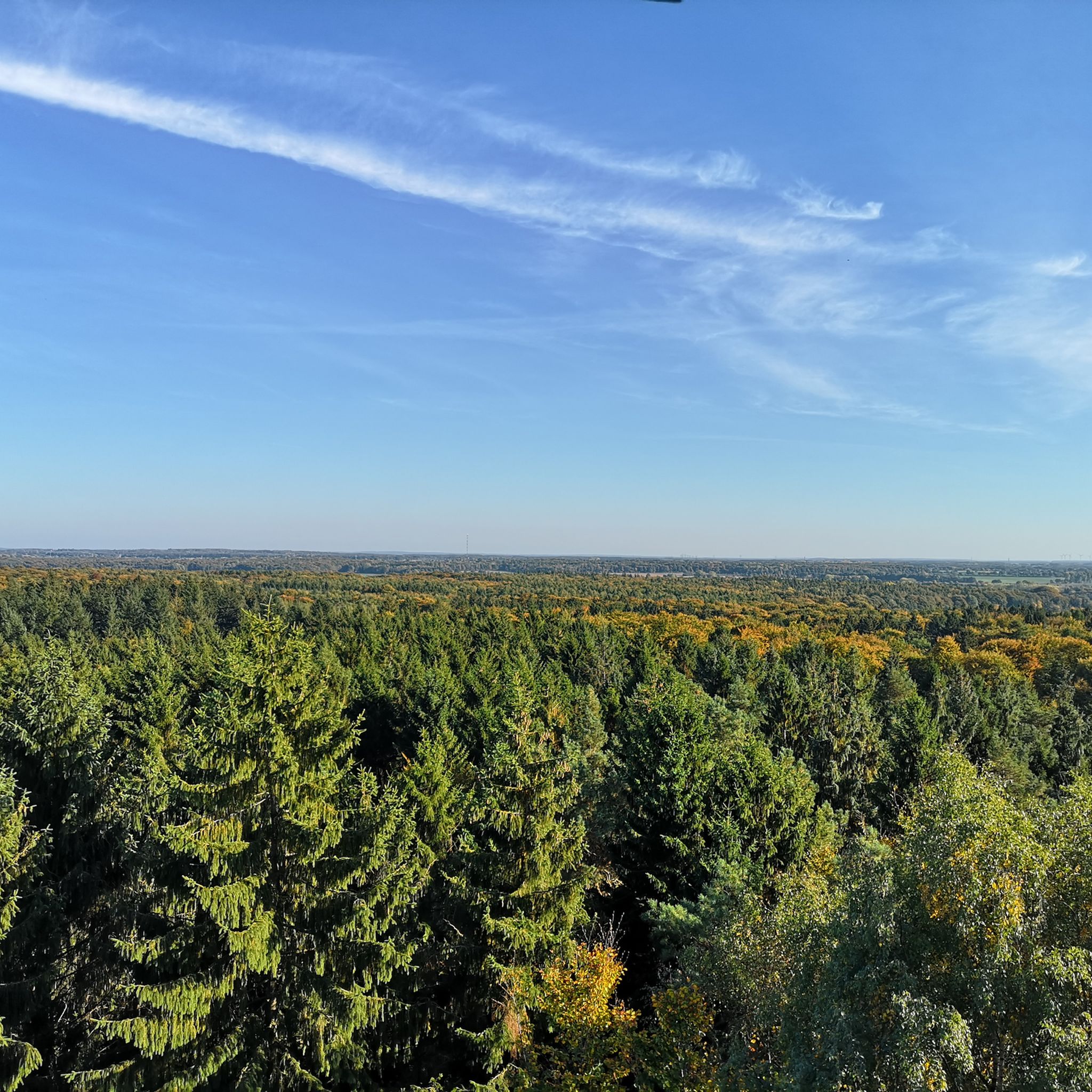
For impressive panoramic views, head to the Langer Otto Observation Tower (Hahnheide Conservation Area). This 27-meter-high tower stands atop the 99-meter-high Großer Hahnheider Berg, offering expansive vistas across the Stormarn Switzerland region. On clear days, you might even spot the Hamburg TV tower in the distance.
What kind of outdoor activities can I do near these natural monuments?
The area around Lütjensee is excellent for various outdoor activities. You can enjoy hiking and cycling along the shores of Lütjensee and through the Kranika Moor. For more structured routes, there are numerous running, road cycling, and mountain biking trails. For example, you can find various running routes, including an easy 4.8 km loop around Lake Lütjensee, or moderate road cycling and MTB trails. Explore more options on the Running Trails around Lütjensee, Road Cycling Routes around Lütjensee, and MTB Trails around Lütjensee guide pages.
Are there historical sites among the natural monuments?
Yes, the region combines natural beauty with historical significance. The Arnesvelde Castle Ruins are a notable example. While little remains of the original castle today, the site features impressive earthworks and tells the story of a significant administrative seat from the late Middle Ages, integrated into the natural landscape near the Hopfenbach.
What makes the Billetal Nature Reserve special?
The Billetal Nature Reserve is a beautiful forest area characterized by the meandering Bille river. It's known for its idyllic hiking trails that wind through alluvial forests and wet meadows, providing a rich habitat for diverse plant and animal species, including brown trout and grayling. The old beech forests along the valley slopes are particularly scenic.
What is the best time of year to visit the natural monuments around Lütjensee?
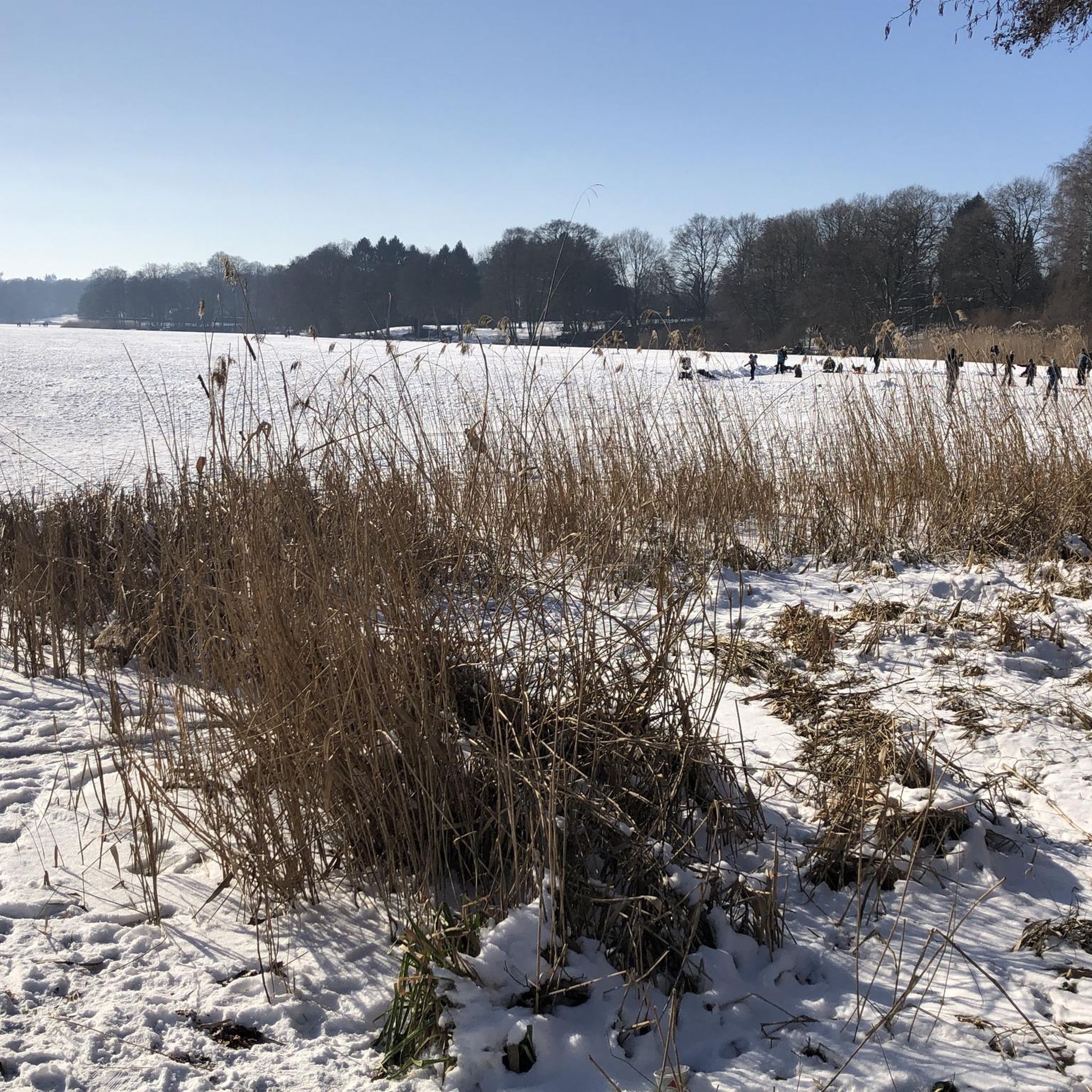
The natural monuments around Lütjensee offer beauty throughout the year. Spring and summer are ideal for swimming at Lütjensee's Nordstrand and enjoying lush greenery. Autumn brings vibrant colors to the forests, perfect for hiking. Even in winter, the serene landscapes of the lakes and moorlands can be tranquil and picturesque, especially for quiet walks.
Can I find boardwalks or accessible paths in the nature reserves?
Yes, the region features some accessible paths. For instance, the Boardwalk in the Stellmoor-Ahrensburger Tunnel Valley offers a unique way to experience the natural environment. This area, sometimes described as the 'North German Everglades,' provides a distinct perspective on the landscape, though it can be shaky even in dry weather.
What do visitors enjoy most about the natural monuments in this area?
Visitors frequently appreciate the diverse and tranquil natural experiences. The panoramic views from the Langer Otto Observation Tower are highly praised. The idyllic hiking trails along the Bille river in the Billetal Nature Reserve are also a favorite. Many enjoy the varied terrain and rich biodiversity of areas like the Höltigbaum Nature Reserve, where they can observe rare plants, insects, and grazing animals.
Are there opportunities for wild swimming near Lütjensee's natural monuments?
The eponymous Lütjensee is a popular spot for swimming. Its Nordstrand bathing area on the northern shore provides free access, making it a great option for those looking to enjoy a refreshing dip in a natural setting.
How long should I plan for a visit to the natural monuments around Lütjensee?
The duration of your visit can vary greatly depending on your interests. A quick stop at a viewpoint like the Langer Otto Observation Tower might take an hour. However, to fully explore areas like the Kranika Moor Nature Reserve or the Höltigbaum Nature Reserve with their extensive trail networks, you could easily spend half a day or even a full day hiking and observing nature.
Are the natural monuments around Lütjensee dog-friendly?
Many natural areas around Lütjensee are suitable for walks with dogs. However, in protected areas like the Höltigbaum Nature Reserve, it is important to keep dogs on a leash to protect wildlife and grazing animals. Always check local signage for specific rules regarding pets in nature reserves.
Most popular routes around Lütjensee
Most popular attractions around Lütjensee

Get inspired with the komoot mobile app


Explore more
Extend your search for the best caves by checking out these guides of the top ones around Lütjensee:
