Top 20 Natural Monuments around Dielheim
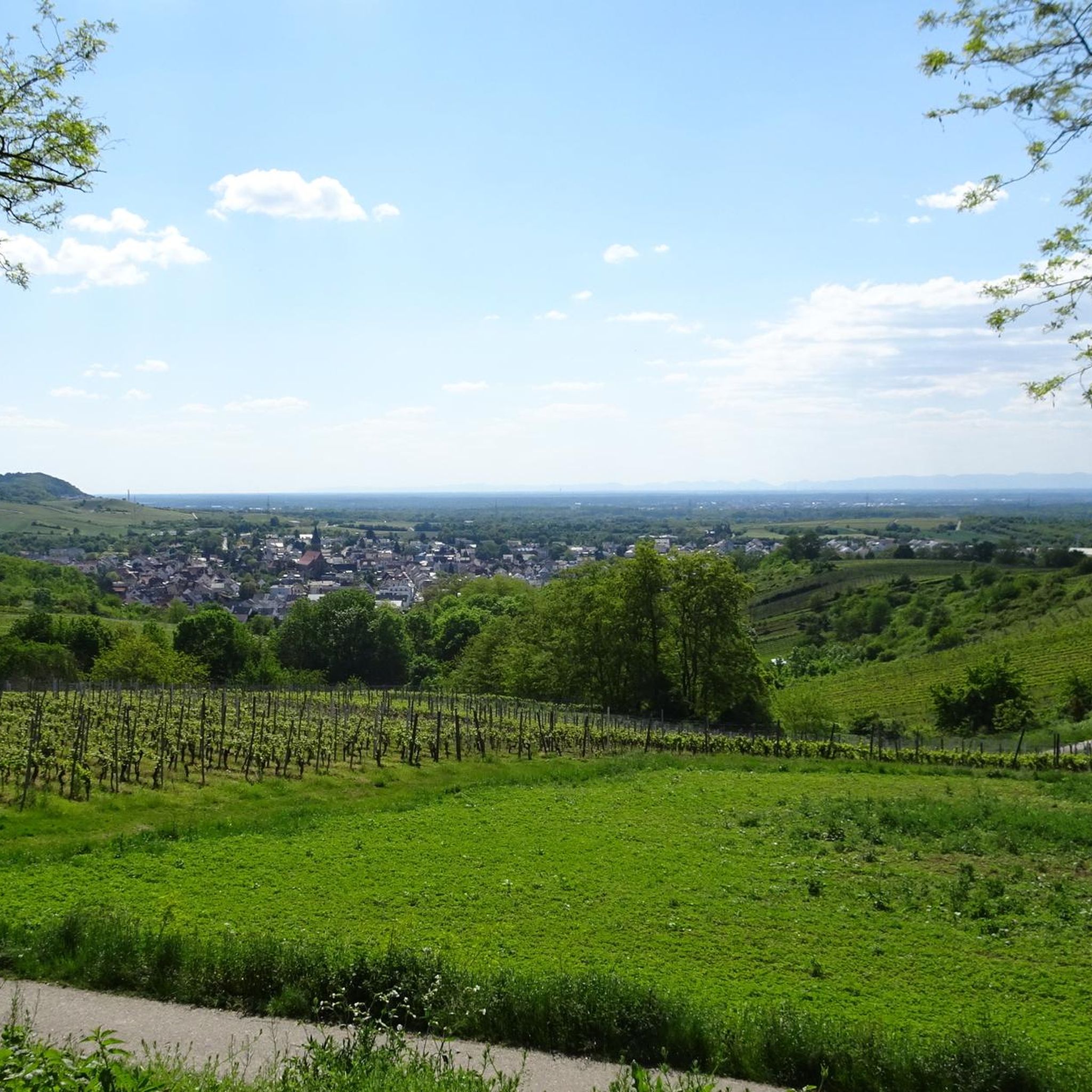
Natural monuments around Dielheim, a municipality in the Rhine-Neckar district of Baden-Württemberg, Germany, offer diverse natural experiences. The area is characterized by its location within the Leimbach stream's floodplains and surrounding landscapes. Significant natural features include wetlands, forests, and unique geological formations. These sites provide opportunities for observing varied ecosystems and natural beauty.
Best natural monuments around Dielheim
- The most popular natural monuments is Weiße Hohle, a gorge that features impressive loess walls. Walking through this ravine creates a…
Last updated: October 11, 2026
Angelbachtal Castle Park
Highlight • Natural Monument
Translated by Google •
Tip by

Walldorf Stork Meadow
Highlight • Natural
Translated by Google •
Tip by

Sign up now to discover places like this
Get recommendations on the best single tracks, peaks, & plenty of other exciting outdoor places.
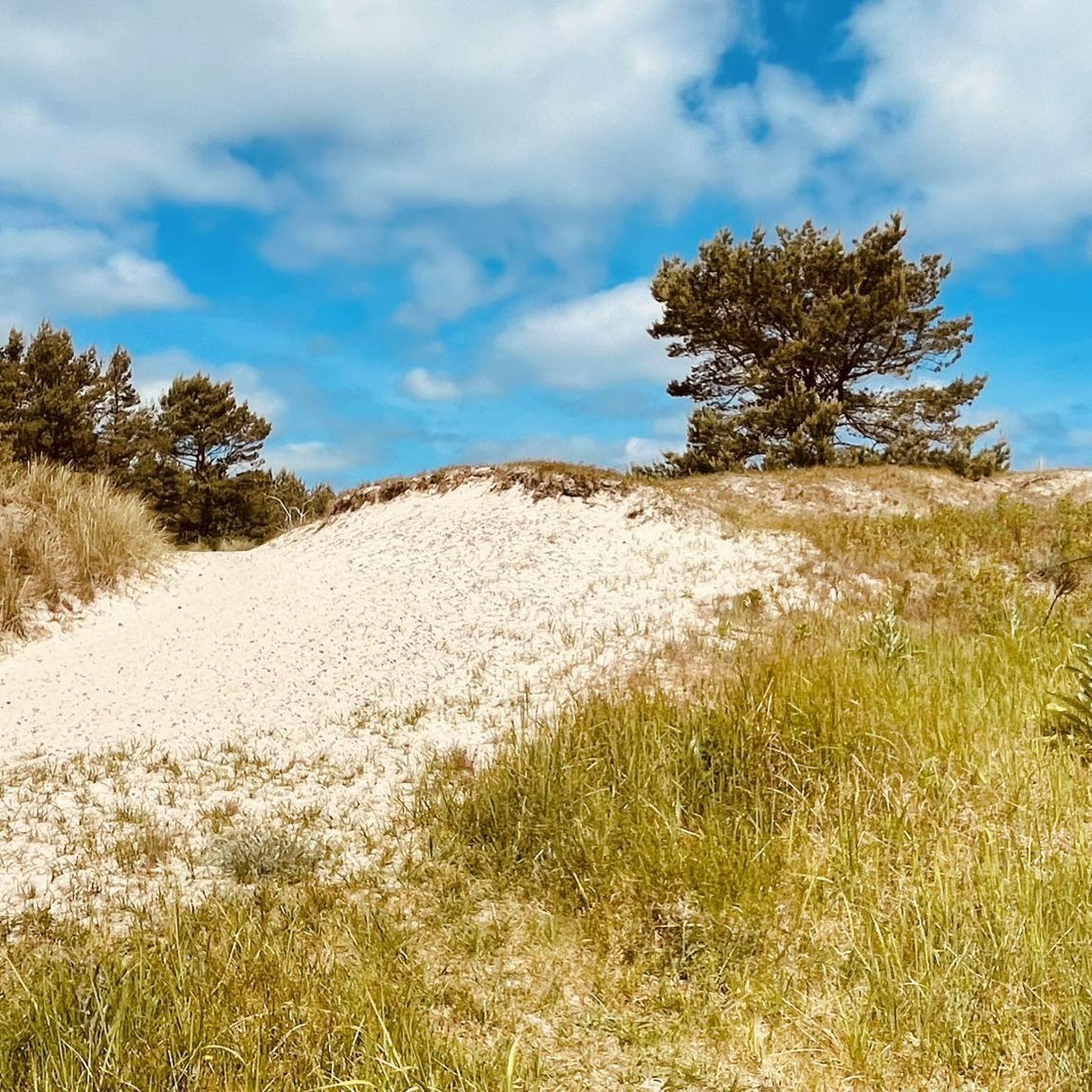
Inland dune in the Schwetzinger Hardt
Highlight • Natural Monument
Translated by Google •
Tip by

Weiße Hohle
Highlight (Segment) • Gorge
If you want to witness the natural spectacle and come out of the corner, you should just drop by here every few months.
Translated by Google •
Tip by

Steinsberg Castle
Highlight • Castle
Translated by Google •
Tip by

Sign up for free to discover even more natural monuments around Dielheim.
Already have an account?
Start today with a free account
Your next adventure awaits.
Tips from the Community

Very beautiful area, flat for cycling for the whole family, pure nature.....
1
0

One does not expect
1
0

Always surprising to see a large sand dune that is neither on a coast nor in a desert
3
0

An absolutely exciting natural event
3
0

They have been uncovered again, now you can see them better again because they also border directly on the bike path.
3
0
Very nicely laid out castle park with plenty to see from sculptures to the lake, the castle itself, just enjoy the peace and quiet.
2
0

The castle park is very nicely laid out. Sculptures by the artist Görtz can be admired there. It is particularly beautiful at Whitsun during the Festival of Lights.
3
0
Despite the fact that I'm from the area, I didn't know the inland dune and only noticed it when it was uncovered.
7
0
Frequently Asked Questions
What unique natural features can I explore around Dielheim?
Dielheim offers a variety of unique natural features. You can explore the impressive loess walls of Weiße Hohle, which create a tunnel-like experience. Another highlight is the Inland dune in the Schwetzinger Hardt, a protected biotope with fine sand resembling a seashore. The region also features the extensive Naturschutzgebiet Sauerwiesen-Fuchsloch, known for its diverse wetlands, wet meadows, and alder bruch forests.
Are there any significant nature reserves near Dielheim?
Yes, the most significant nature reserve directly impacting Dielheim is the Naturschutzgebiet Sauerwiesen-Fuchsloch. This extensive area, partly within Dielheim, covers approximately 61 hectares and is characterized by its natural floodplains, diverse wetland vegetation, alder bruch forests, and the Leimbach stream. It's a vital habitat for many animal and plant species.
What kind of wildlife can I expect to see in the natural monuments?
The Naturschutzgebiet Sauerwiesen-Fuchsloch is known for its rich biodiversity, providing a habitat for a wide array of rare and endangered animal and plant species. You can also observe storks at the Walldorf Stork Meadow, where nesting towers have been established to support their presence.
Are there family-friendly natural monuments around Dielheim?
Many natural monuments around Dielheim are suitable for families. The Weiße Hohle gorge and the Inland dune in the Schwetzinger Hardt are both listed as family-friendly. Additionally, Angelbachtal Castle Park, with its beautiful old trees and moated castle, offers a pleasant outing for all ages.
What outdoor activities can I do near these natural monuments?
The area around Dielheim offers various outdoor activities. You can enjoy cycling along the Leimbach stream within the Naturschutzgebiet Sauerwiesen-Fuchsloch. For more structured routes, consider exploring the many options for gravel biking, general cycling, or road cycling, with routes like the 'Rest Area at Leimbach Canal – Gänseliesel Fountain loop' starting from Dielheim.
Are there hiking trails near the natural monuments?
Yes, there are several hiking opportunities. The Three Oaks highlight serves as a good starting point for many trails around the Königstuhl. The Naturschutzgebiet Sauerwiesen-Fuchsloch can also be explored on foot, allowing visitors to immerse themselves in its natural beauty. For more detailed routes, you can find various trails in the gravel biking and cycling guides for the Dielheim region, many of which are suitable for walking.
Where can I park when visiting the natural monuments?
For some natural monuments, parking is readily available. For instance, Three Oaks is known as a hiking car park and a good starting point for trails. For other locations, street parking or designated visitor parking might be available nearby, but it's always advisable to check local signage.
How can I reach the natural monuments by public transport?
Public transport options are available for some sites. The Three Oaks highlight is easily accessible by bus, with a bus stop conveniently located there. For other natural monuments, local bus services might connect to nearby towns or villages, requiring a short walk to the specific site.
What is the best time to visit the natural monuments around Dielheim?
The natural monuments around Dielheim can be enjoyed throughout the year, but each season offers a different experience. Spring and summer are ideal for observing the rich biodiversity and lush vegetation, especially in wetland areas like the Naturschutzgebiet Sauerwiesen-Fuchsloch. Autumn brings beautiful foliage to the forests and parks, while a visit in winter can offer a tranquil, serene atmosphere, particularly in areas like Weiße Hohle.
What do visitors enjoy most about the natural monuments in Dielheim?
Visitors particularly appreciate the natural spectacle and unique geological formations. Many find the height of the loess walls at Weiße Hohle impressive, creating a tunnel-like feeling. The Inland dune in the Schwetzinger Hardt is also highly regarded for its fine sand, reminiscent of a seashore. The beautiful old trees and serene atmosphere of Angelbachtal Castle Park are also frequently praised.
Are there any castle parks among the natural monuments?
Yes, the Angelbachtal Castle Park is a notable natural monument. It surrounds a moated castle and is cherished for its valuable old trees, offering a blend of natural beauty and historical charm.
Can I find places to rest or have a picnic near the natural monuments?
While specific picnic areas aren't detailed for every monument, many natural settings like Angelbachtal Castle Park or the open areas within the Naturschutzgebiet Sauerwiesen-Fuchsloch offer pleasant spots for a break. The Three Oaks highlight is also a popular junction with a hut, making it a good spot to rest during a hike.
Most popular routes around Dielheim
Most popular attractions around Dielheim

Get inspired with the komoot mobile app


Explore more
Extend your search for the best caves by checking out these guides of the top ones around Dielheim:
