Top 20 Lakes around Dalpe
Best lakes around Dalpe are found in the Ticino canton of Switzerland, with Dalpe serving as a gateway to several picturesque alpine lakes. The region is characterized by its mountainous terrain, offering access to the Piora Valley and its cluster of serene waters. Dalpe is closely associated with a notable "Four Lake Hike," providing diverse hiking experiences. The area features high plateaus, colorful valleys, and waterfalls, making it a destination for exploring natural features.
Best lakes around Dalpe
- The most…
Last updated: June 24, 2026
Froda Waterfall
Highlight • Waterfall
Tip by

Lukmanier Pass
Highlight • Mountain Pass
Translated by Google •
Tip by

Sign up now to discover places like this
Get recommendations on the best single tracks, peaks, & plenty of other exciting outdoor places.
Sign up for free
Lake Ritom
Highlight • Lake
Translated by Google •
Tip by

Lukmanier Pass summit
Highlight • Mountain Pass
When the Disentis monastery was founded around 720, the Lukmanier Pass, which could be crossed without great difficulty and was also considerably lower than the other passes in …
Translated by Google •
Tip by

Lake Tremorgio
Highlight • Lake
Translated by Google •
Tip by

Sign up for free to discover even more lakes around Dalpe.
Sign up for free
Already have an account?
Start today with a free account
Your next adventure awaits.
Login or Signup
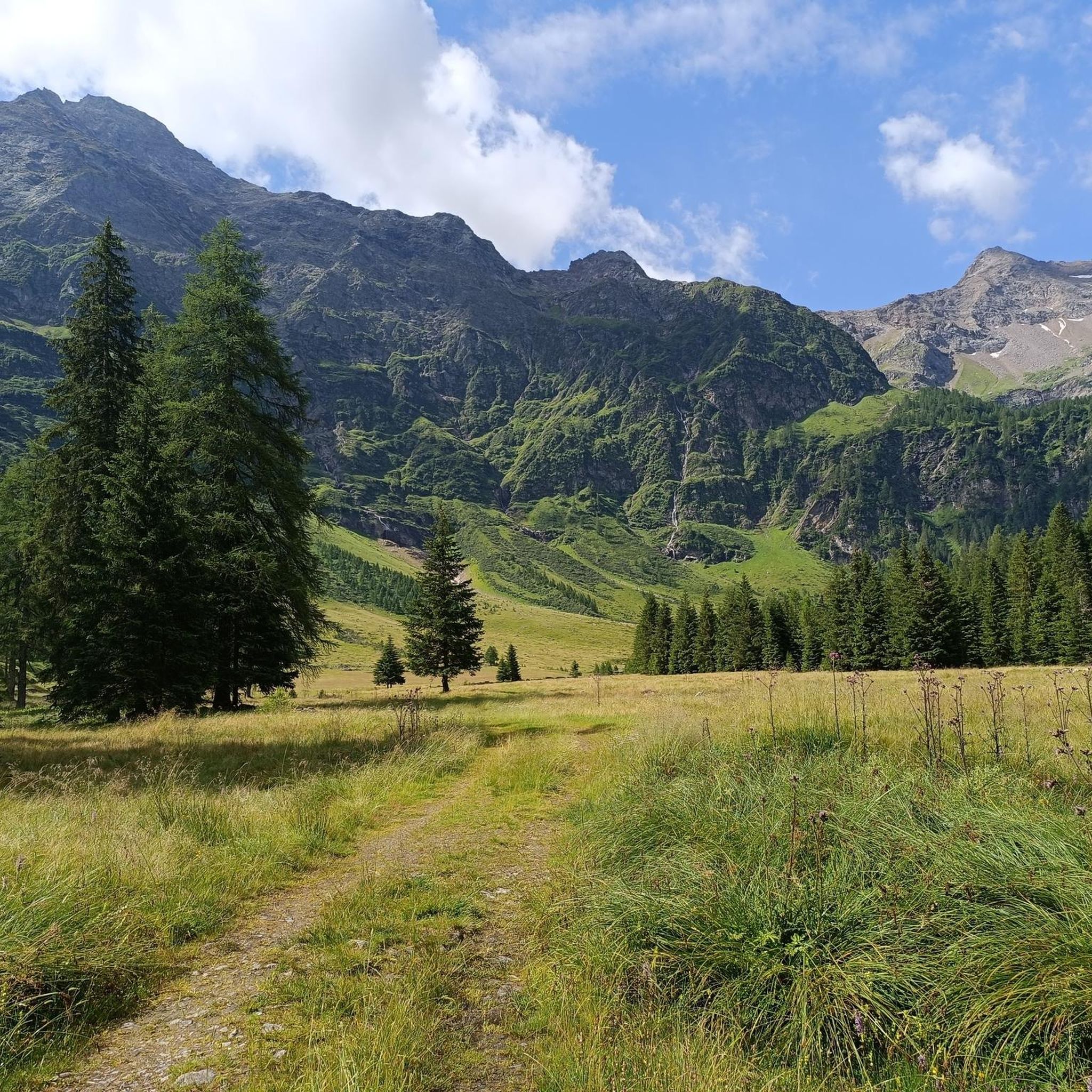
Tips from the Community

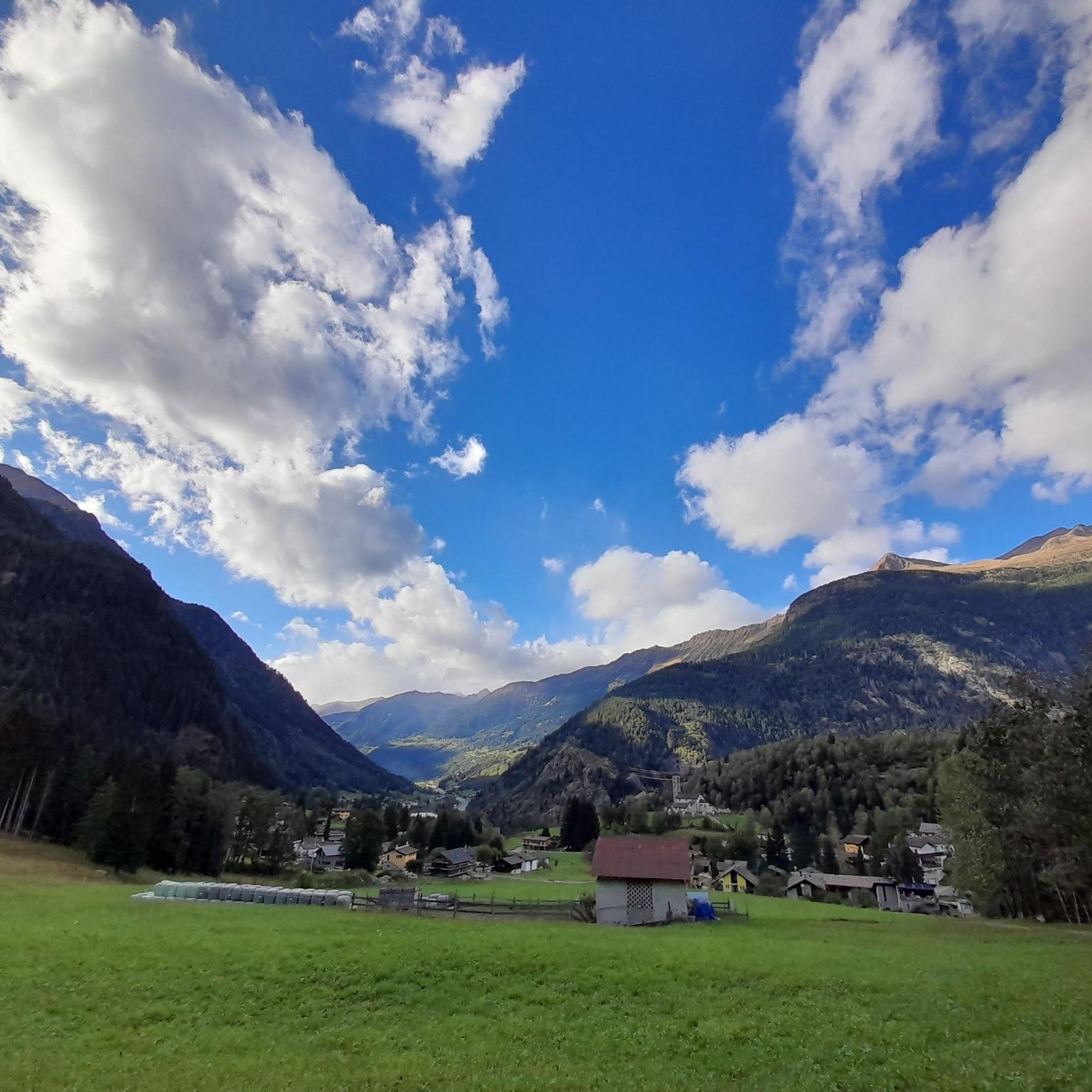
Scenic pass that is opened all year round (closes at 6pm in winter). There is hardly any traffic which makes cycling very nice and plenty of opportunities to take pictures. We crossed the pass in early May when there was still plenty of snow up there. The change in scenery where it was all green at Disentis and slowly turning white as we climbed higher... and very quickly turned to green as we rolled down on the south side to Biasca was breathtaking.
0
1

The Lucomagno is one of the most famous Alpine passes in Switzerland. It is located between the cantons of Ticino and Grisons, at an altitude of 1,926 meters. The name seems to derive from the Latin "locus magnus", meaning "large, open place". It is often tackled in the professional race of the Tour of Switzerland.
3
0

An almost magical lake ... a dream to photograph from above early in the morning
2
0

Lukmanier Pass When the Disentis monastery was founded around 720, the Lukmanier Pass, which could be crossed without great difficulty and was also considerably lower than the other passes in the Alps, became very important. During the Staufer period, it was considered the most important north-south connection to Italy. However, it quickly lost this role to the Gotthard and Splügen passes. In 1374, the Disentis monastery built the "Hospezi S. Maria" with a chapel on the top of the pass. Both had to make way for the construction of the reservoir in 1964. The new hospice at the current location was inaugurated on August 1, 1965 and the chapel in 1967. The Lukmanier Pass played an important role in the choice of the route of an Alpine railway at times, because the planners assumed that it would be possible to build it without an expensive summit tunnel. In 1869, however, the decision was made in favor of the Gotthard railway. Between 1872 and 1877, a modern road was built over the Lukmanier. With the construction of the "Lai da Sontga Maria" reservoir in the 1960s, the road on the Graubünden side had to be relocated to a gallery. The importance of a supra-regional transport axis ended with the opening of the motorway tunnel through the Gotthard. Tourism in the Surselva began to suffer greatly as a result, especially as the pass was closed during the winter from 1980 onwards. On the initiative of the municipality of Disentis and the Surselva mountain railways in particular, the "Pro Lucmagn" association was founded, which has been responsible for ensuring that the Lukmanier pass remains open for as long as possible in winter since 2005. The canton, district, municipalities and tourism in both Graubünden and Ticino provide the finances. The five-year trial phase was positive. This project has been secured for the long term since 2011. Clearly to the benefit of tourism in the Surselva as well as in the Blenio Valley. Text / Source: Interest Group for Alpine Passes IAP, PO Box 11, 6491 Realp https://www.alpen-paesse.ch/de/alpenpaesse/lukmanierpass/
12
2

The Lukmanier Pass is located at almost 2,000 m above sea level between the Swiss cantons of Ticino and Grisons. It can be reached by crossing the Blenio valley which is the sunniest of the Swiss ones, therefore called "Valle del Sole".
1
0

Fantastically beautiful location and nature, a place to dream.
2
0

Beautifully situated reservoir above Piotta
1
0

The lake was pretty empty in the summer of 2022
1
0
Frequently Asked Questions
What are the main lake areas to explore around Dalpe?
The primary lake areas near Dalpe include the lakes accessible via the challenging 'Four Lake Hike' (such as Lago Tremorgio, Lago di Leit, and Lago di Morghirolo) and the Piora Valley, which is home to Lake Ritom, Lago di Tom, and Lago Cadagno. Each area offers distinct alpine beauty and hiking experiences.
How can I reach Lago Tremorgio?
Lago Tremorgio is easily accessible via a comfortable aerial cable car from Rodi-Fiesso, which takes you almost 1000 meters up in just five minutes. From the mountain station, it's a short walk to the lake. The cable car operates daily from June to mid-October, weather permitting. You can also reach it on foot from Dalpe as part of longer hikes. For more information, you can visit Wikipedia's page on Tremorgio Lake.
Are there family-friendly lake experiences near Dalpe?
Yes, Lake Tremorgio is considered family-friendly, especially due to its accessibility via cable car. The large grassy areas around the lake are ideal for picnicking and relaxation. Additionally, the educational trail along the eastern shore of Lake Ritom offers insights into the valley's geology, flora, and fauna, making it suitable for families.
What kind of natural features can I expect to see around the lakes?
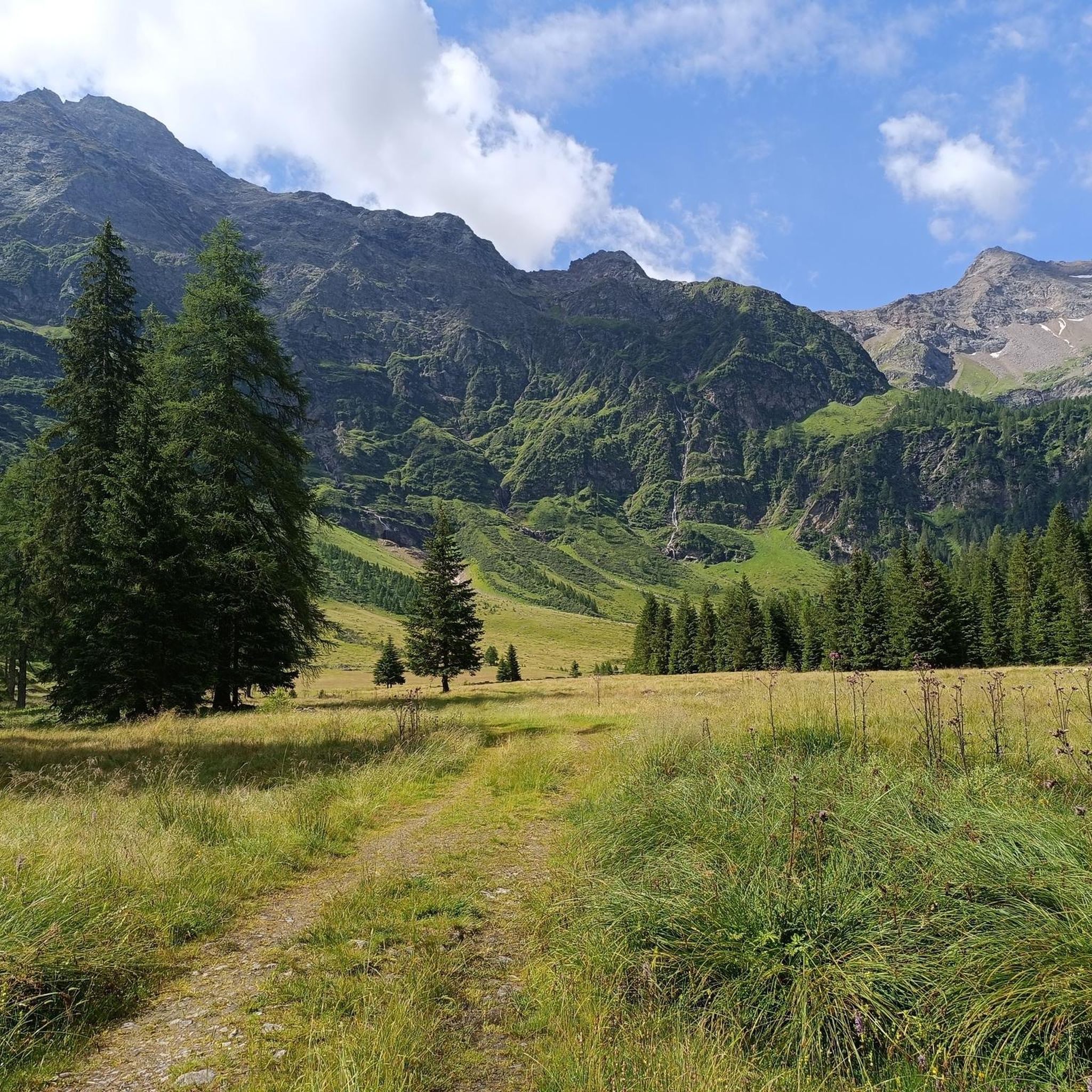
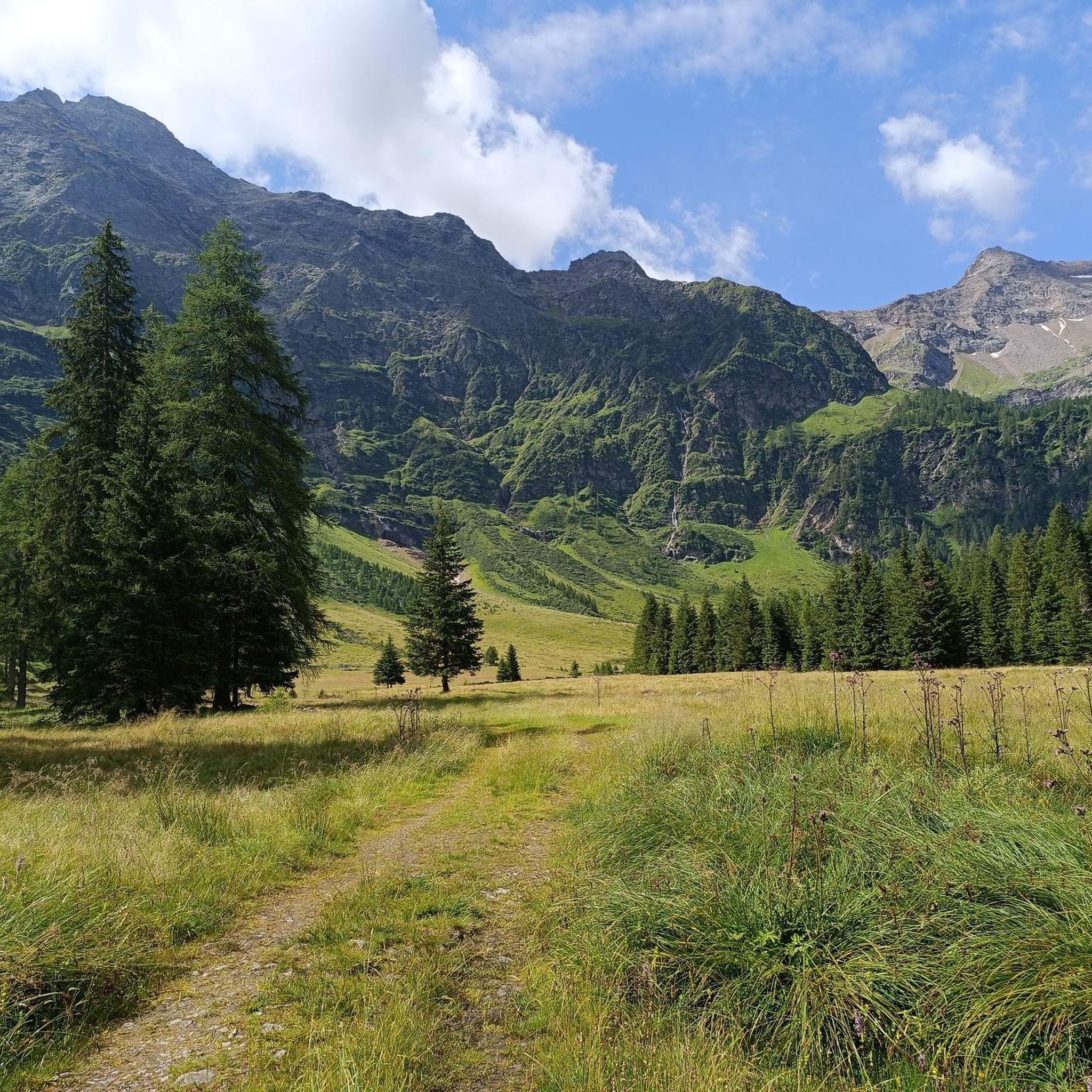
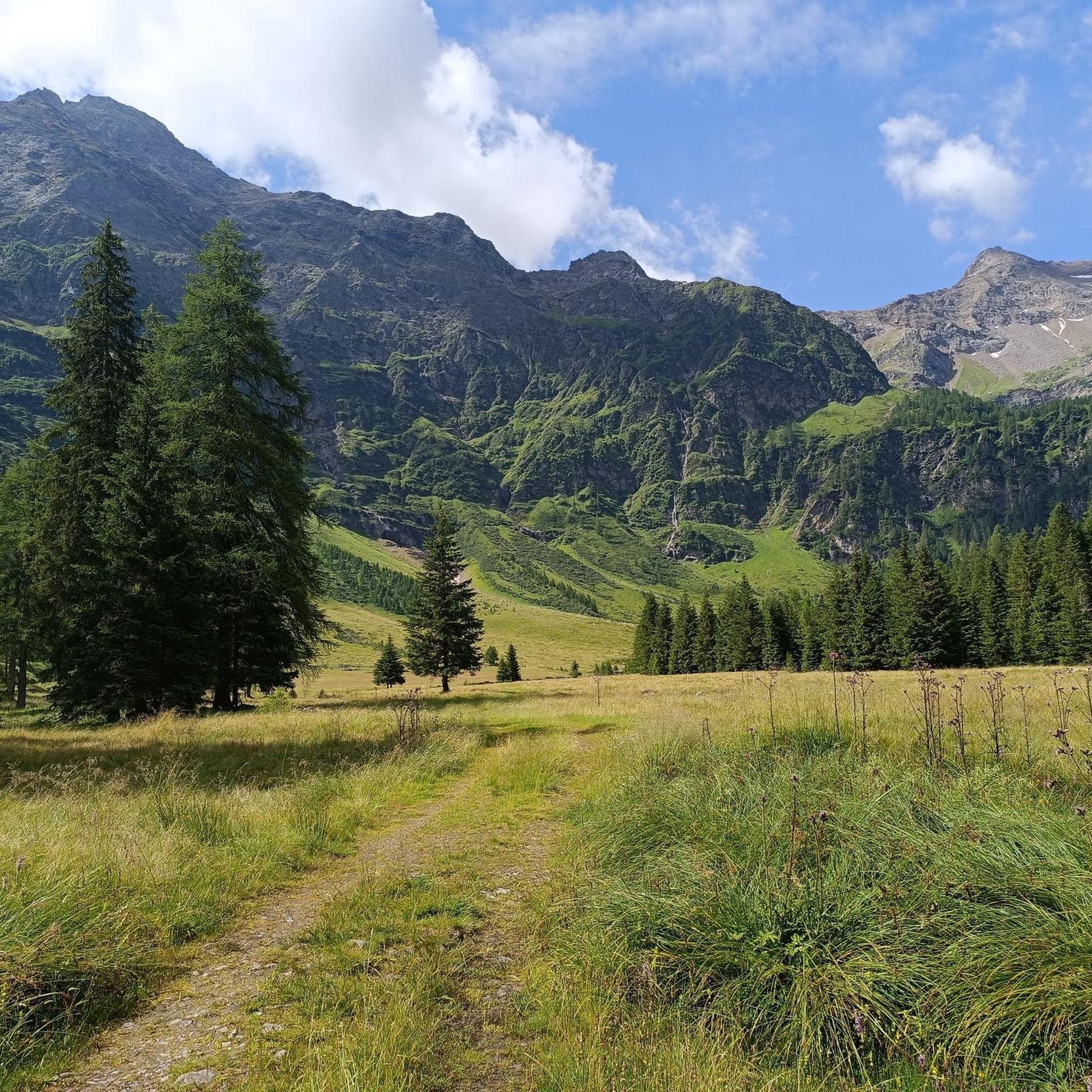
The lakes around Dalpe are set in stunning alpine environments, featuring waterfalls, rivers, high plateaus, and colorful valleys. You'll encounter rugged mountainous landscapes, deep cerulean waters, and vibrant wildflowers, especially around the Piora Valley lakes. The area is known for its untouched nature and breathtaking views.
What is the 'Dalpe Four Lake Hike' and how difficult is it?
The 'Dalpe Four Lake Hike' is a challenging 16 km one-way trek starting from the Rodi-Tremorgio cable car and ending in Dalpe. It typically takes about 6.5 hours of walking time and encompasses spectacular alpine lakes like Lago di Leit and Lago di Morghirolo. It is classified as challenging (T3 Swiss trail rating) and requires good fitness and sure-footedness due to narrow footpaths and rocky sections.
Can I combine a lake visit with other outdoor activities?
Absolutely. The region offers various outdoor activities. For hiking, you can explore routes like the 'Tour of the Huts and Lakes of Val Piumogna' or the 'Leìt Hut – Leit Lake loop from Dalpe'. You can find more hiking options on the Hiking around Dalpe guide. For running, consider routes such as 'Lago di Tremorgio e Passo Venett – loop run from Prato Leventina' available on the Running Trails around Dalpe guide. Road cycling routes, like those around Lukmanier Pass, are also popular, as detailed in the Road Cycling Routes around Dalpe guide.
What is special about the Piora Valley lakes?
The Piora Valley, accessible by the steep Ritom funicular, is a 'paradise of alpine water mirrors'. It features Lake Ritom, the largest mountain reservoir in Ticino, with an educational trail. Lago di Tom is a jewel-like lake with cobalt waters, and Lago Cadagno is known for its proximity to Alpe Cadagno, where famous Piora cheese is produced. The valley offers moderately difficult hikes through breathtaking landscapes.
When is the best time to visit the lakes around Dalpe?
The best time to visit the alpine lakes around Dalpe is generally from June to mid-October, when the cable cars are operational and hiking trails are clear of snow. This period allows for comfortable exploration of the high alpine meadows, vibrant wildflowers, and serene waters. Early fall also offers stunning colors, particularly around Lago di Morghirolo.
Are there any cultural or historical points of interest near the lakes?
While the lakes themselves are primarily natural attractions, the broader region has historical significance. The Lukmanier Pass, for example, was historically an important north-south connection through the Alps. The pass summit also features a hospice and chapel, reflecting its past role. The Piora Valley is also known for its traditional Piora cheese production.
What do visitors enjoy most about the lakes around Dalpe?
Visitors frequently praise the stunning alpine scenery, the tranquility of the mountain lakes, and the diverse hiking opportunities. The accessibility of Lake Tremorgio via cable car is a highlight for many, while the challenging 'Four Lake Hike' and the untouched nature of the Piora Valley are highly valued by experienced hikers. The region's natural beauty is often described as 'idyllic' and a 'paradise'.
Are there opportunities for wild swimming in the lakes?
While the region's lakes are beautiful and inviting, especially Lago di Morghirolo with its deep cerulean waters, they are alpine lakes and thus the water can be quite cold, even in summer. Some visitors express a desire to swim, but it's generally for the very brave due to the low temperatures. There are no specific designated wild swimming spots mentioned, so exercise caution and be prepared for cold water.
Are there mountain huts or places to eat near the lakes?
Yes, along the more challenging trails like the 'Dalpe Four Lake Hike', you will find mountain huts that offer food, water, and WC facilities. Near Lake Tremorgio, there is a hut just a few minutes' walk from the cable car mountain station. In the Piora Valley, a renovated hut near Lago Cadagno offers local products, including the famous Piora cheese.
Most popular attractions around Dalpe

Get inspired with the komoot mobile app


Explore more
Still not found your perfect lake around Dalpe? Check out the guides of these regions to see even more beautiful places.
