Top 20 Natural Monuments around Poyenberg
Natural monuments around Poyenberg are found within the Naturpark Aukrug in Schleswig-Holstein, Germany. This region features diverse landscapes, including moraines, extensive woods, heathland, and numerous ponds. The area is characterized by forest-rich river and meadow areas, providing habitats for various plant and animal species. Poyenberg serves as a base for exploring the broader Naturpark Aukrug, which encompasses several natural attractions.
Best natural monuments around Poyenberg
- The most popular natural monument is View from Boxberg, a viewpoint and summit that…
Last updated: August 18, 2026
Lübsche Trade – Old trade route Lübeck–Tønder
Highlight • Trail
Translated by Google •
Tip by

View from Boxberg
Highlight • Viewpoint
Translated by Google •
Tip by

Sign up now to discover places like this
Get recommendations on the best single tracks, peaks, & plenty of other exciting outdoor places.
Sign up for free
Lohmühlenteich
Highlight • Lake
Translated by Google •
Tip by

Tönsheider Forest Nature Reserve
Highlight • Forest
Translated by Google •
Tip by

Heck cattle in Naturpark Aukrug
Highlight • Natural Monument
Translated by Google •
Tip by

Sign up for free to discover even more natural monuments around Poyenberg.
Sign up for free
Already have an account?
Start today with a free account
Your next adventure awaits.
Login or Signup
Tips from the Community

Here, where the signs "Spülfeld" stand, the camp's feces were dumped until the Rieselfelder were completed. Where the new building stands, there was a pumping station from 1906 that pumped the wastewater from the military camp to the Rieselfelder.
0
0

The Aukrug Nature Park is a 380-square-kilometer nature park located in the center of the German federal state of Schleswig-Holstein, in the Holstein region. From its founding until 2013, it was managed by a joint association of both districts, which transferred management to the Aukrug Nature Park Association in 2014.
0
0

The Lübeck Trade was an important trade route in the Middle Ages that connected the cities of Lübeck and Hamburg. Several memorial stones along this route commemorate its historical importance.
0
0
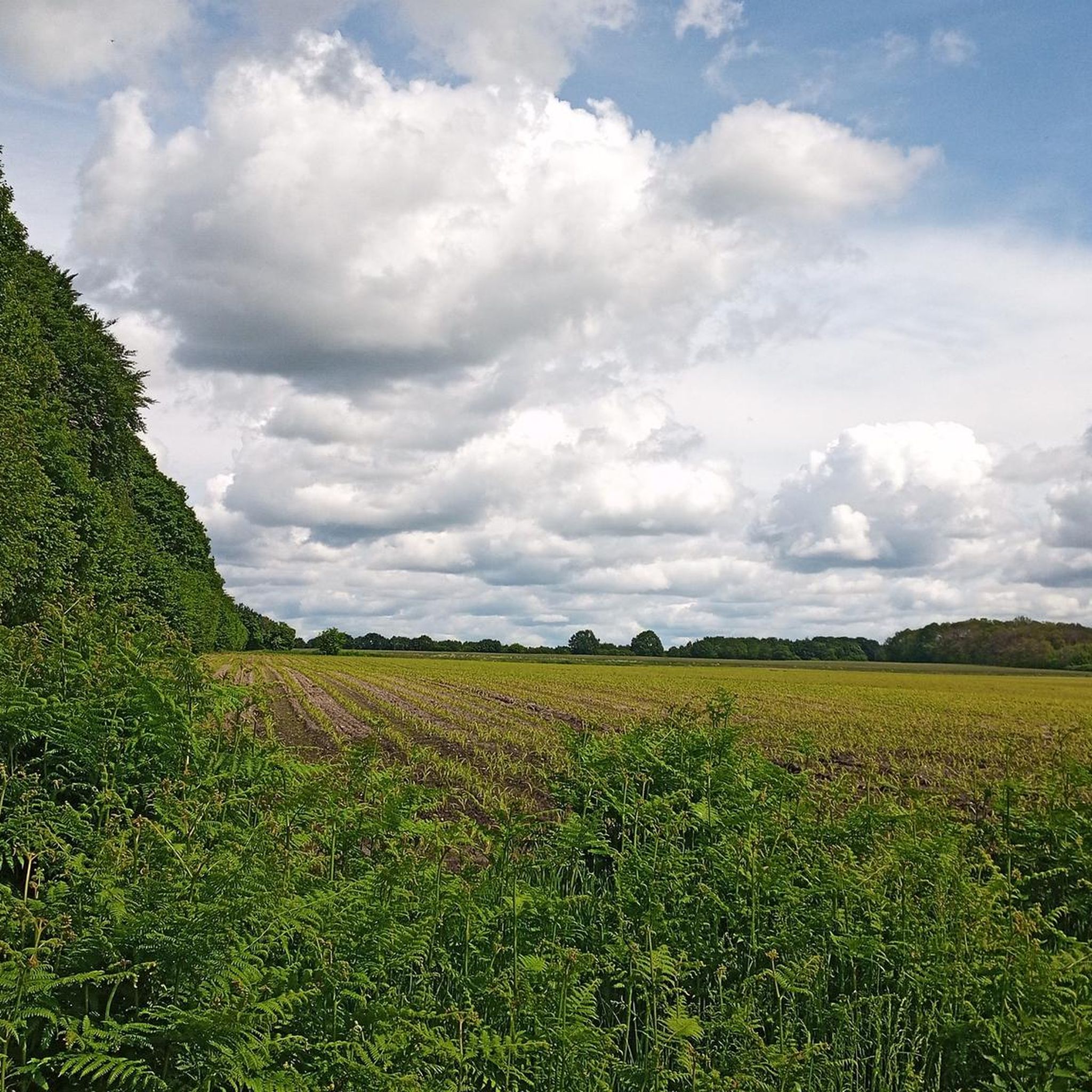
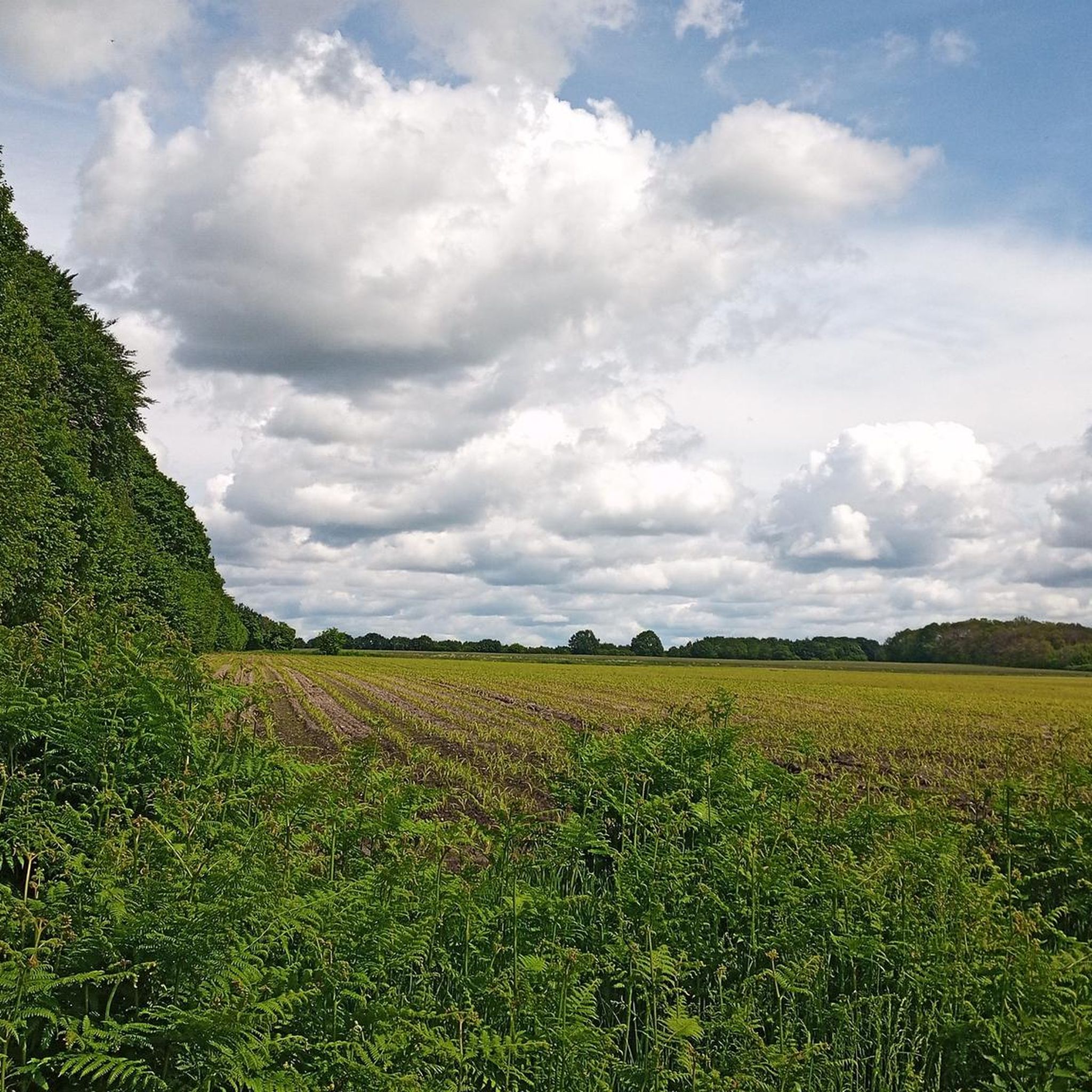
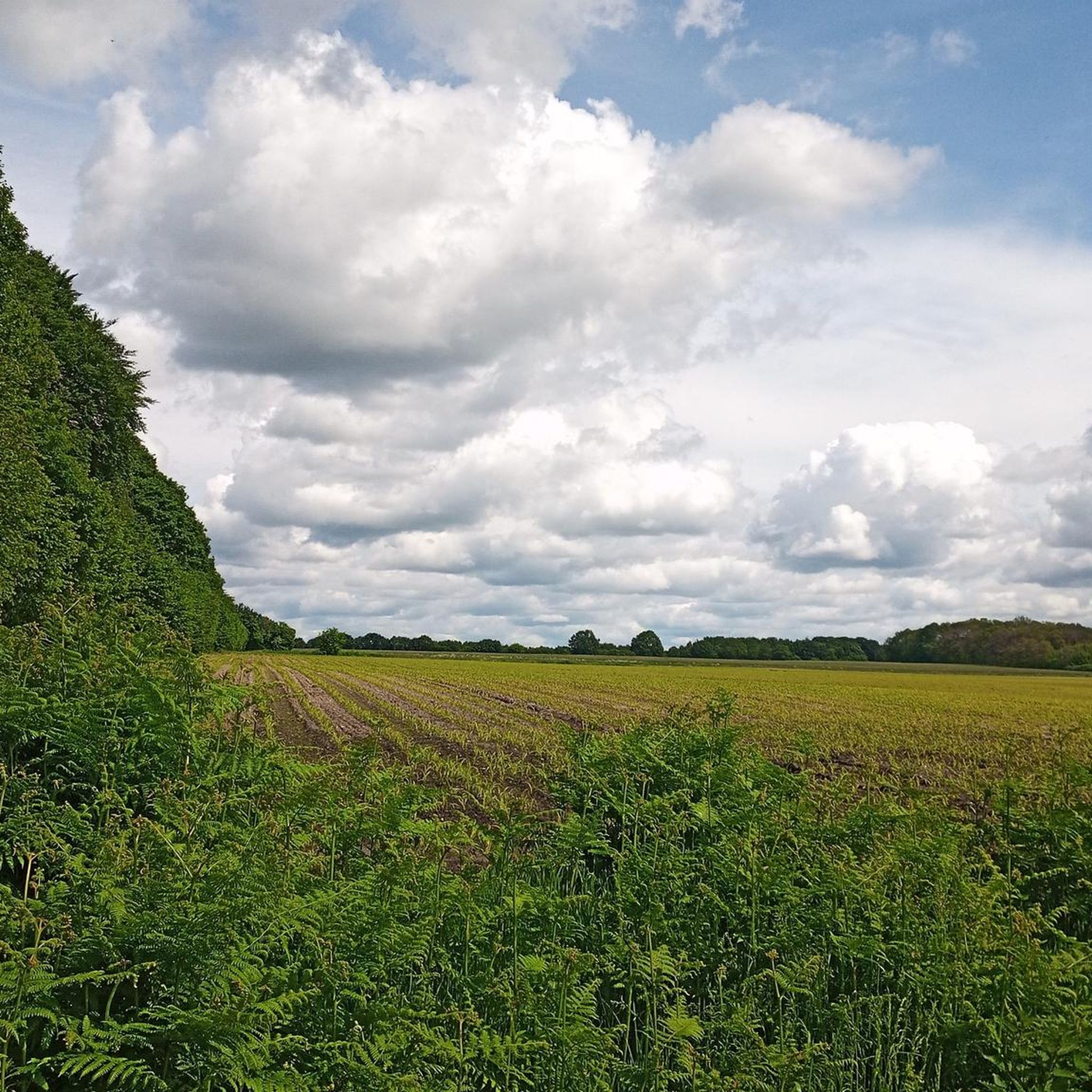
At 76.8 meters, the Boxberg is not the highest elevation in the Aukrug Nature Park, but it is one of the few moraine peaks in central Holstein that deserves the name "mountain." The Itzespitze, at 83.4 meters, is even higher than the Boxberg. Today, only a few beech trees grow on the grounds of the Boxberg recreational forest. If you want to learn more about the Aukrug Nature Park and its origins, visit: https://nationale-naturlandschaften.de/gebiete/naturpark-aukrug.
4
0

There were no Heck cattle to be seen today.
1
0

While we can no longer imagine our landscape without the road network that cuts through everything, we may well ask ourselves at this point: When and for what purpose did all this come about? Why did people want and need to get from A to B at certain times? Peaceful trade is definitely preferable to warlike reasons.
1
0

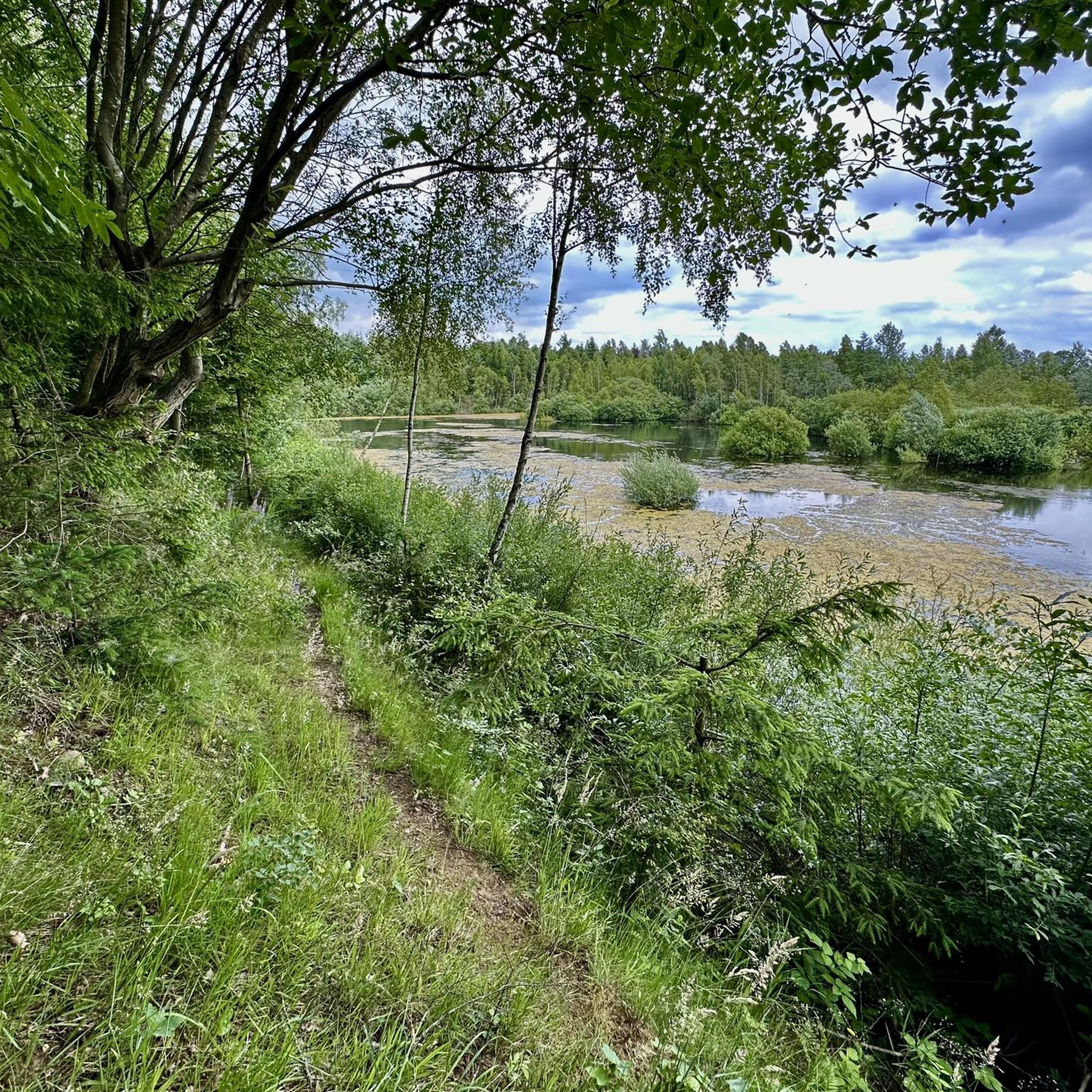
The pond was drained and the Sellbek stream was given a new bed. The stream now meanders through the former pond bed. (May 2024)
0
0
The spirited Heck cattle from ERNA e. V. are very similar to the extinct Ur. But no matter their origin, the calves are just too cute and anyone who finds the animals should definitely spend a few minutes with them. However, you can never predict exactly which pasture they are on or whether they are within sight.
2
0
Frequently Asked Questions
What are some popular natural monuments to visit around Poyenberg?
Visitors frequently enjoy the View from Boxberg, which offers expansive views from one of the highest points in the Aukrug Nature Park. Another favorite is Lohmühlenteich, a lake with recreational facilities and a pleasant path around it.
Are there any historical natural monuments in the area?
Yes, you can explore the Lübsche Trade – Old trade route Lübeck–Tønder. This historical trail was a medieval trade route and is noted for its significance and passage through forested areas, offering a blend of nature and history.
What kind of outdoor activities can I do near the natural monuments?
The area around Poyenberg, within the Naturpark Aukrug, is excellent for various outdoor activities. You can find numerous hiking trails, including moderate loops around the Aukrug Fish Ponds. There are also many cycling routes, such as the moderate tour from Poyenberg to the Stör River, and challenging gravel biking trails around Boxberg.
Are there family-friendly natural monuments or activities in the region?
Absolutely. The Lohmühlenteich is a great option, offering a swimming pond, a large lawn, and a playground. The View from Boxberg and the Tönsheider Forest Nature Reserve are also considered family-friendly, providing opportunities for walks and enjoying nature together.
What natural features can I expect to see in the Aukrug Nature Park?
The Naturpark Aukrug is characterized by diverse landscapes. You'll encounter moraines, extensive woods, heathland, and numerous ponds. Key features include forest-rich river and meadow areas, and important rivers like the Stör and Bünzau. The park also features higher points like the Boxberg and Itzespitze, offering panoramic views.
What is the best time of year to visit the natural monuments around Poyenberg?
The natural monuments around Poyenberg can be enjoyed throughout the year. For example, the path around Lohmühlenteich is beautiful in every season. Spring and summer are ideal for lush greenery and outdoor activities, while autumn offers vibrant foliage. Even in winter, the serene landscapes can be quite picturesque.
Where can I observe wildlife in the Naturpark Aukrug?
The diverse landscapes of the Naturpark Aukrug, including its forests, heathland, and renatured river areas, provide habitats for many endangered animal species. Keep an eye out for the black stork, eagle owl, various bat species, red kite, common spadefoot toad, and alpine newt, especially in protected areas like the Tönsheider Forest Nature Reserve and along the Stör and Bünzau rivers.
Are there any places to rest or get refreshments near the natural monuments?
Yes, near the View from Boxberg, you can find a café "Am Boxberg" with a beer garden, perfect for a break after your walk. The Lohmühlenteich also has a small snack bar available. Additionally, the Rest area with information board at the Rantzau provides benches with a beautiful view for a peaceful stop.
What makes the Tönsheider Forest Nature Reserve special?
The Tönsheider Forest Nature Reserve is a significant protected area within the Aukrug Nature Park. It features near-natural terminal moraine forests interspersed with grasslands, heaths, and streams. Notably, some old bunkers within the reserve have been converted into shelters for bats, highlighting its importance for wildlife conservation.
Can I find viewpoints with panoramic scenery in the area?
Definitely. The View from Boxberg is a prominent viewpoint, offering wonderful vistas of the surrounding heathland and landscape. At almost 77 meters, it's one of the higher moraine peaks in central Holstein. The Itzespitze, at 83.4 meters, is even higher and also provides excellent vantage points.
What is the significance of the rivers in the Naturpark Aukrug?
The rivers are crucial to the natural beauty and ecology of the Naturpark Aukrug. The Stör and its tributaries, along with the smaller Bünzau and its feeder streams, are the most important waterways. These river and meadow areas are often renatured, providing vital habitats for diverse flora and fauna and offering picturesque spots for observation, such as the Rest area with information board at the Rantzau.
Most popular routes around Poyenberg
Most popular attractions around Poyenberg

Get inspired with the komoot mobile app


Explore more
Extend your search for the best caves by checking out these guides of the top ones around Poyenberg:
