Top 20 Natural Monuments around Grasberg
Best natural monuments around Grasberg include a diverse range of natural features in Lower Saxony, Germany. The region is characterized by wetland meadows, rivers, and lakes, offering varied natural landscapes. These areas provide habitats for diverse flora and fauna, including significant bird species. The landscape also features cultural elements, reflecting historical land use.
Best natural monuments around Grasberg
- The most popular natural monuments is Broad Water, a lake known as the "wet triangle" due to its many streams and…
Last updated: October 11, 2026
New Wümme Bridge in Lilienthal
Highlight • Bridge
Translated by Google •
Tip by

Borgfelder Wümmewiesen Nature Reserve
Highlight • Natural Monument
Translated by Google •
Tip by

Sign up now to discover places like this
Get recommendations on the best single tracks, peaks, & plenty of other exciting outdoor places.
Fischerhude Wümme Lowlands Nature Reserve
Highlight • Natural Monument
Translated by Google •
Tip by

Broad Water
Highlight • Lake
Translated by Google •
Tip by

Western Hollerland Nature Reserve
Highlight • Natural Monument
Hollerland originally referred to a cultural landscape in the north and east of Bremen that was reclaimed by Dutch settlers in the 12th century (the …
Translated by Google •
Tip by

Sign up for free to discover even more natural monuments around Grasberg.
Already have an account?
Start today with a free account
Your next adventure awaits.

Other adventures around Grasberg

Tips from the Community

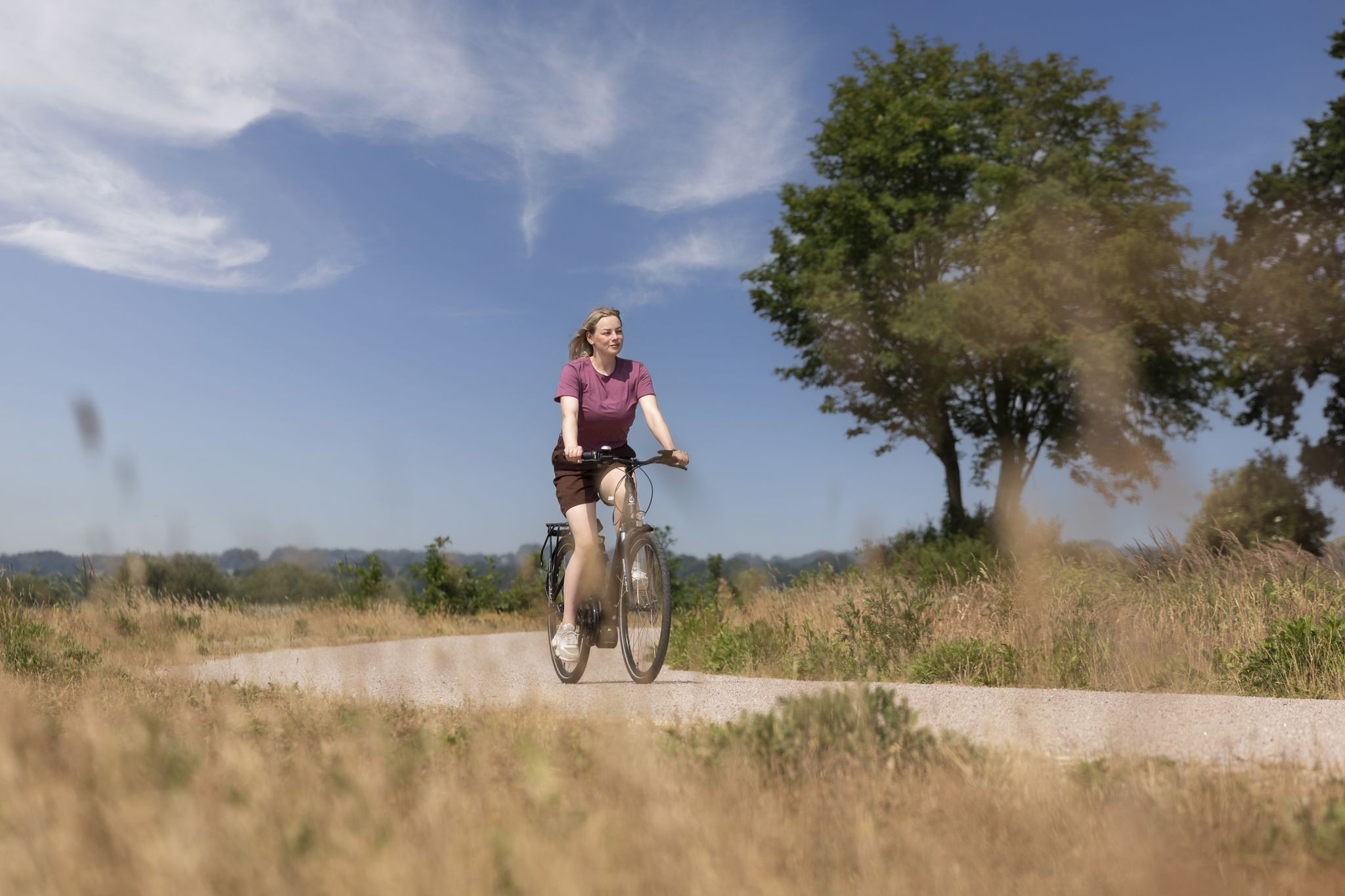
Nice to ride the bike!
4
0

Hopp's Holler rocks.
1
0

The Wümme is a 121-kilometer-long river in northern Germany that flows through the federal states of Lower Saxony and Bremen. Its source is in the Lüneburg Heath, and it eventually flows into the Lesum, which in turn flows into the Weser. The Wümme partially marks the border between Lower Saxony and Bremen and is the main tributary of the Lesum. Together with the Lesum, the Wümme reaches a total length of 131.2 kilometers. The Wümme flows through several towns and villages, including Lauenbrück, Scheeßel, Rotenburg an der Wümme, Ottersberg, Fischerhude, Lilienthal and Bremen. It is known for its clean water quality and the picturesque landscapes along its course, which are characterized by wide meadows and floodplains.
3
0
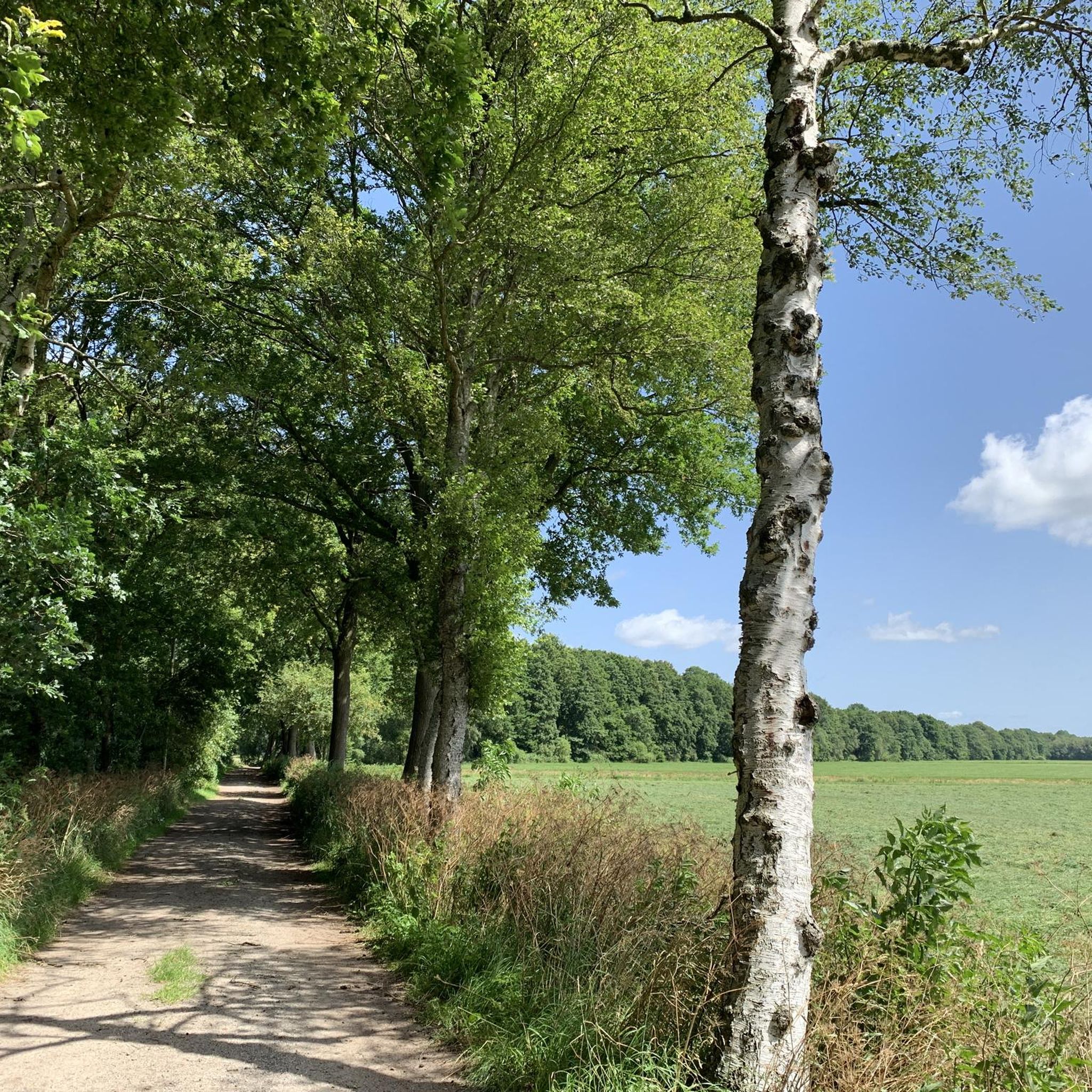
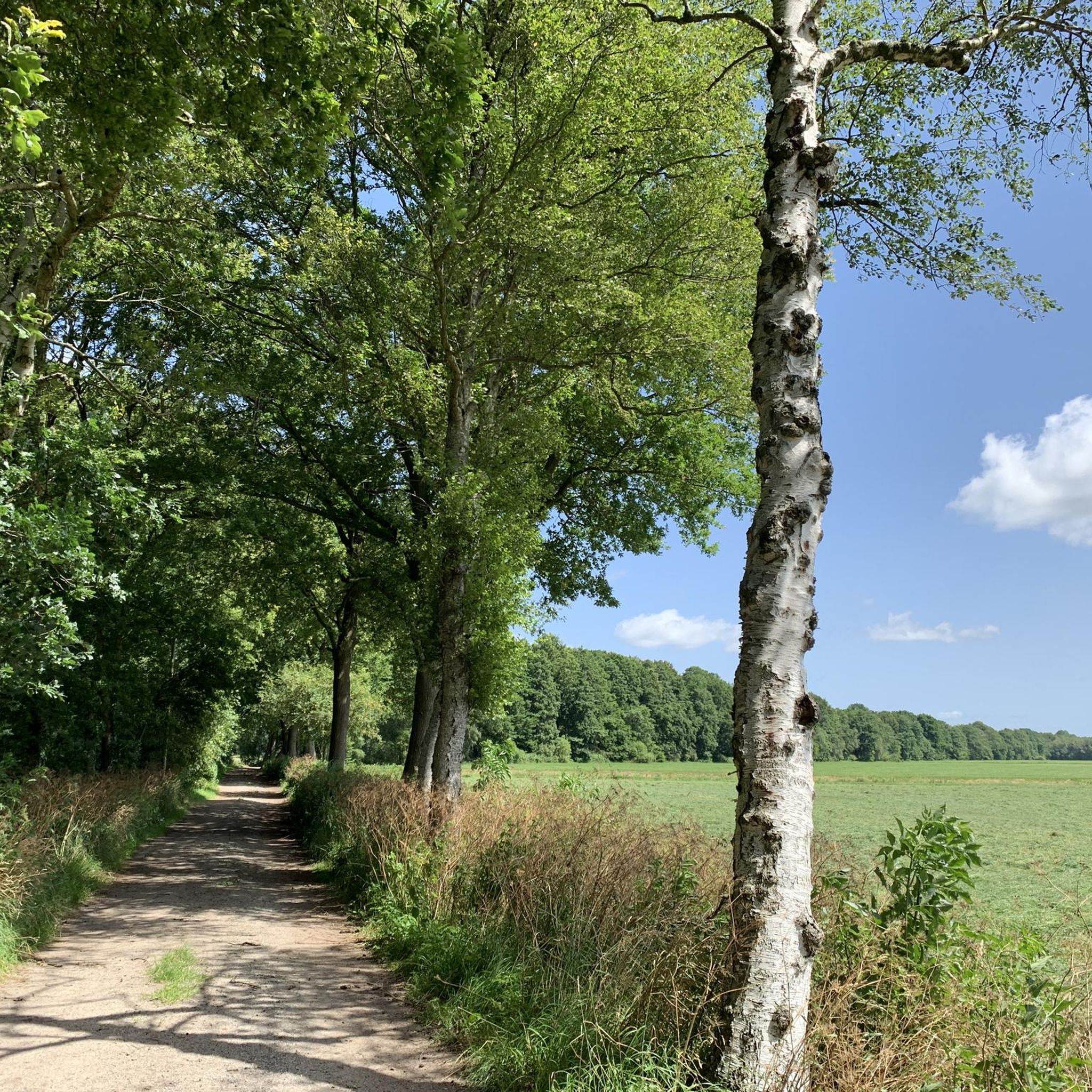
The Western Hollerland is a nature reserve in Bremen that offers a fascinating mix of cultural and natural history. Originally reclaimed by Dutch settlers in the 12th century, the area has changed significantly over the centuries. Today it covers an area of 293 hectares and is known for its diverse flora and fauna, which are preserved through intensive protection measures. A particular highlight of the Western Hollerland is the varied landscape, which is ideal for hiking and cycling. The paths lead through open green spaces, wet meadows and along watercourses, which give the area its characteristic charm. A popular route is the Jan Weiners hiking trail, which winds through the reserve and offers wonderful views of the surrounding nature. Despite its proximity to the A27 motorway, the Hollerland offers quiet and idyllic walks, especially along the Kuhgrabenweg. The area is an important refuge for numerous animal and plant species, and there are well-signposted trails that lead nature lovers through this diverse landscape.
3
0

Telescopeium Lilienthal Observatory
3
0

Small idyllic river, flows into the Lesum, then further into the Weser and North Sea.
4
0

Nice view of the Wümme.
3
0
Frequently Asked Questions
Are there family-friendly natural monuments around Grasberg?
Yes, several natural monuments are suitable for families. The New Wümme Bridge in Lilienthal is close to town and offers easy access. The Borgfelder Wümmewiesen Nature Reserve and Western Hollerland Nature Reserve both feature well-maintained paths ideal for walks and cycling with children. Broad Water, with its many streams and lakes, is also a great spot for a family outing.
Can I bring my dog to the natural monuments near Grasberg?
Yes, the Borgfelder Wümmewiesen Nature Reserve is noted as dog-friendly, offering plenty of space for walks. When visiting any nature reserve, it's always recommended to keep dogs on a leash to protect local wildlife and ensure a pleasant experience for all visitors.
What hiking opportunities are available near Grasberg's natural monuments?
The region offers various hiking opportunities. The Western Hollerland Nature Reserve has well-signposted trails, including the Jan Weiners hiking trail, which provides scenic views. For more options, you can explore the hiking routes around Grasberg, which include easy walks like the Wörpe Bridge loop or the Tarmstedter Moor Nature Trail.
Are there cycling routes through the natural monuments around Grasberg?
Absolutely. The Borgfelder Wümmewiesen Nature Reserve is excellent for cycling with well-developed bike paths up to 30 km. The Fischerhude Wümme Lowlands Nature Reserve also offers well-developed routes connecting Bremen and Fischerhude. You can find more cycling options in the Road Cycling Routes around Grasberg guide or the MTB Trails around Grasberg guide.
What kind of wildlife can I expect to see in the natural monuments around Grasberg?
The natural monuments, especially the wetland areas, are rich in wildlife. The Borgfelder Wümmewiesen Nature Reserve is a significant breeding, resting, and wintering ground for diverse bird species, including endangered ones like the corncrake, Northern Lapwing, and Eurasian Curlew. Broad Water is also known for its many bird species.
When is the best time to visit the natural monuments around Grasberg?
The best time depends on your interests. Spring and summer are ideal for enjoying the lush flora, such as marsh marigolds, and observing breeding birds. Autumn offers beautiful colors, while winter transforms the Wümmewiesen into a unique flooded landscape, sometimes even freezing over for ice-skating, and provides opportunities for spotting wintering birds.
What are the natural monuments like in winter around Grasberg?
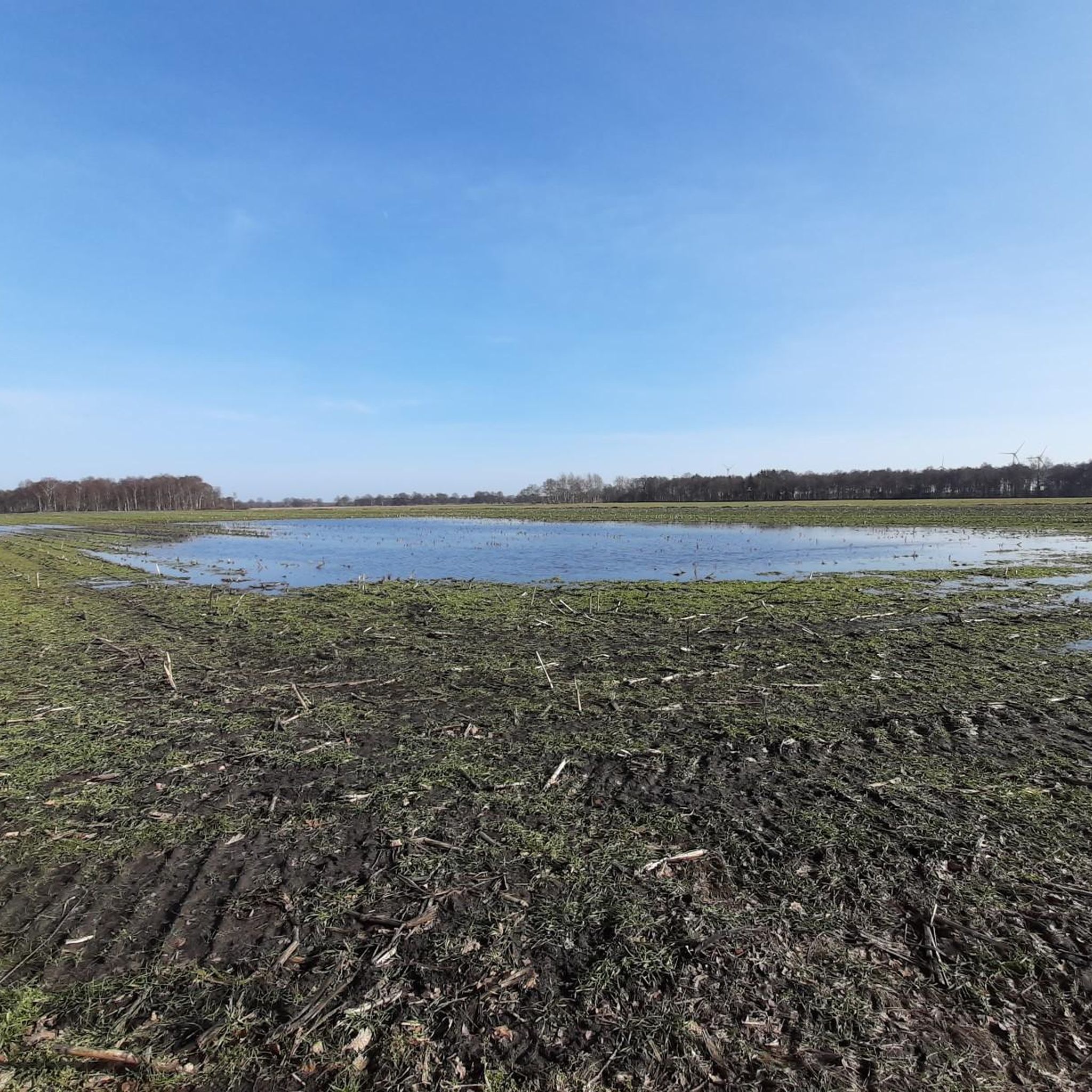
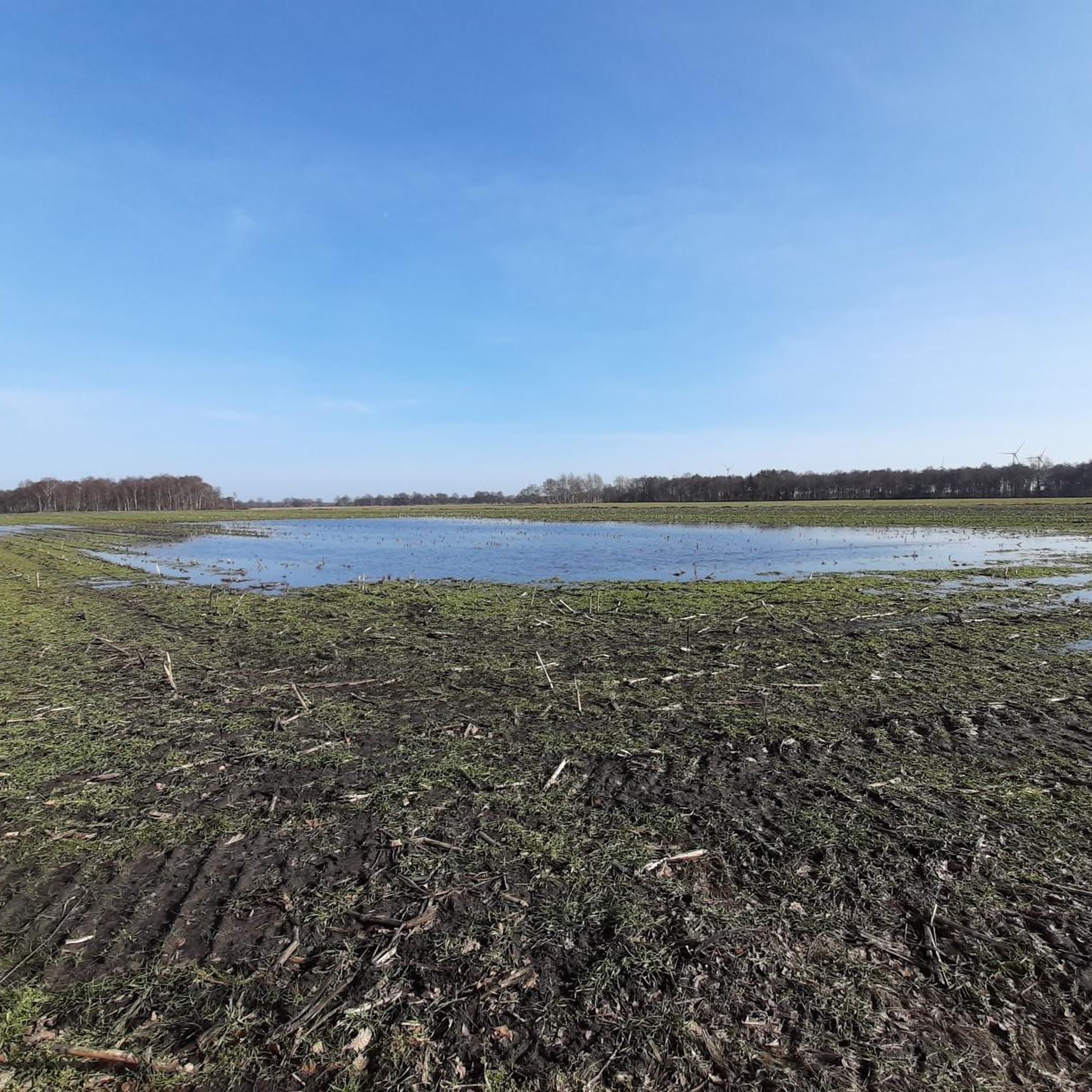
In winter, the Borgfelder Wümmewiesen Nature Reserve frequently floods, creating a dynamic 'lake district.' On very cold days, the area can freeze, offering unique opportunities for ice-skating. It's also an important wintering ground for many bird species, making it a great time for birdwatching.
Do any natural monuments near Grasberg have historical significance?
Yes, the Western Hollerland Nature Reserve has a rich cultural and natural history. It was originally reclaimed by Dutch settlers in the 12th century during the 'Holler colonization,' demonstrating a long interaction between human activity and nature.
Where can I find viewpoints to observe the natural landscapes?
Several natural monuments offer excellent viewpoints. The New Wümme Bridge in Lilienthal provides views over the Wümme river. In the Borgfelder Wümmewiesen Nature Reserve, there are observation points and a lookout tower on the Hollerdeich for birdwatching. Broad Water and the Western Hollerland Nature Reserve also offer scenic spots.
What are the main natural features protected in the Grasberg area?
The natural monuments around Grasberg primarily protect expansive wetland meadows, significant rivers like the Wümme, and various lakes. These areas are characterized by extensive grasslands, numerous ditches, and small bodies of water, providing vital habitats for diverse flora and fauna.
Are there cafes or pubs near the natural monuments for refreshments?
While specific cafes or pubs directly within the nature reserves are limited, the natural monuments are generally accessible from nearby towns and villages like Grasberg, Lilienthal, and Fischerhude, where you can find various options for refreshments and meals.
What do visitors enjoy most about the natural monuments around Grasberg?
Visitors appreciate the peaceful and secluded landscapes, the opportunity to escape city life, and the diverse natural beauty. Many enjoy the well-maintained paths for cycling and walking, the rich birdlife, and the unique seasonal transformations, especially the flooded meadows in winter. The blend of natural and cultural history, as seen in areas like the Western Hollerland Nature Reserve, is also highly valued.
Most popular routes around Grasberg
Most popular attractions around Grasberg

Get inspired with the komoot mobile app


Explore more
Extend your search for the best caves by checking out these guides of the top ones around Grasberg:
