Top 20 Natural Monuments around Rockenberg
Best natural monuments around Rockenberg include diverse natural areas shaped by the Wetter River and surrounding hills. The region features several nature reserves, offering ecological significance and scenic beauty. Visitors can explore a landscape characterized by rolling hills, riverine environments, and protected habitats. These natural features provide opportunities for outdoor activities and nature observation.
Best natural monuments around Rockenberg
- The most popular natural monuments is Wölfersheimer See, a lake that was formed by lignite mining and is the largest…
Last updated: August 18, 2026
Wölfersheimer See
Highlight • Lake
It lies at the center of the two cycling routes (north and south) of the Wetterau Lake District. Further information:
wetterauer-seenplatte.de/pages/radfahren.php
Translated by Google •
Tip by

Rosenpark Dräger
Highlight • Natural
Translated by Google •
Tip by

Sign up now to discover places like this
Get recommendations on the best single tracks, peaks, & plenty of other exciting outdoor places.
Sign up for free
Graduation Tower II, Bad Nauheim
Highlight • Monument
Translated by Google •
Tip by
Wölfersheimer Lake
Highlight • Lake
nice tip!?
But - - you write that under pictures and under the highlight Wölfersheimer See, which, like the Trais Horloffer / Inheidener See, is also part of the …
Translated by Google •
Tip by

Die Hölle – Marsh Turtle Habitat (Kölsterwiesen near Rockenberg)
Highlight • Lake
Translated by Google •
Tip by
Sign up for free to discover even more natural monuments around Rockenberg.
Sign up for free
Already have an account?
Start today with a free account
Your next adventure awaits.
Login or Signup

Other adventures around Rockenberg

Tips from the Community

Lake Wölfersheim is the largest in the Wetterau Lake District. It was formed from a former open-cast lignite mine.
2
0

You can walk around the lake, although you won't see any water for part of the trail. However, there's a lot to do at Wölfersheimer See...a great playground, soccer golf, and soon, mini golf.
1
0

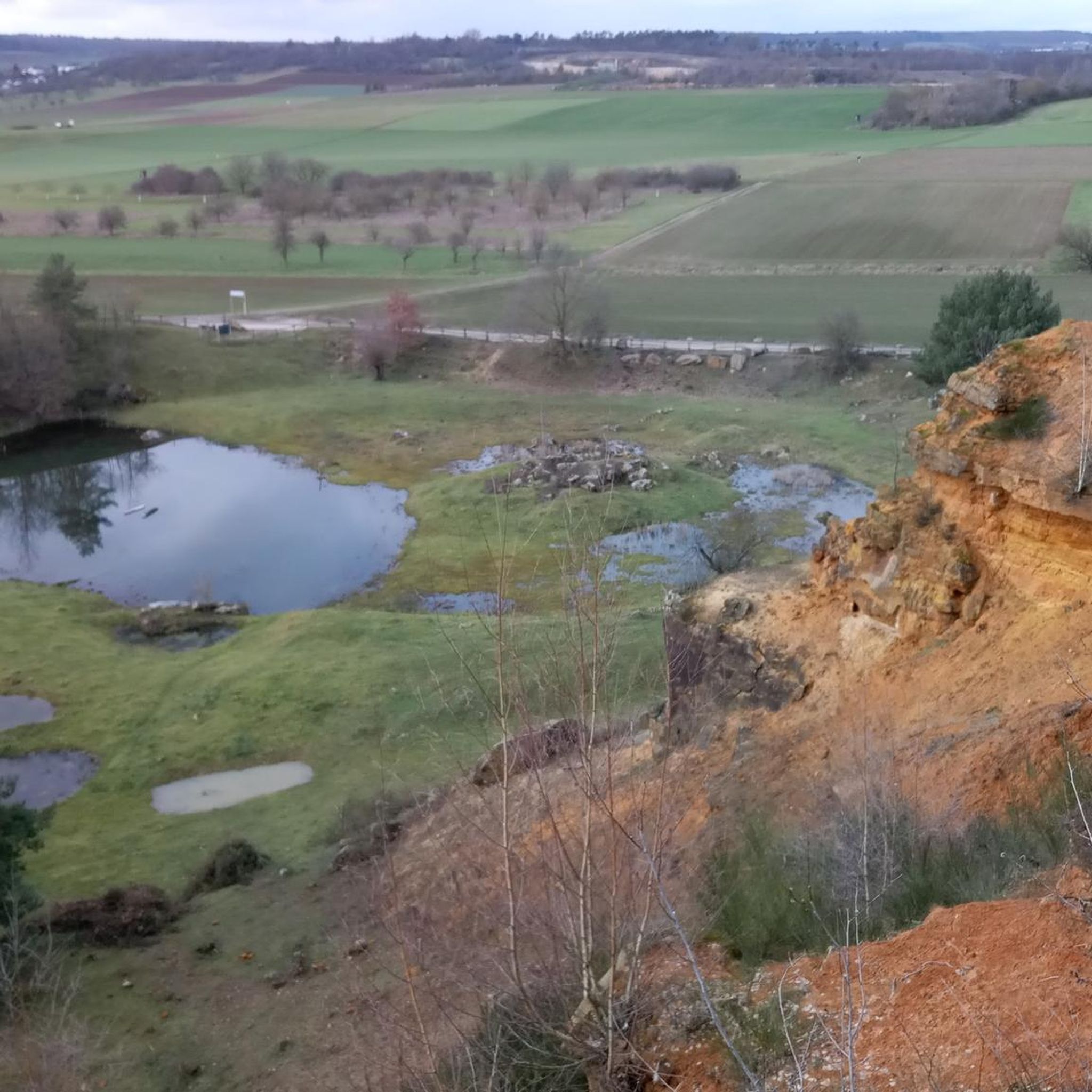
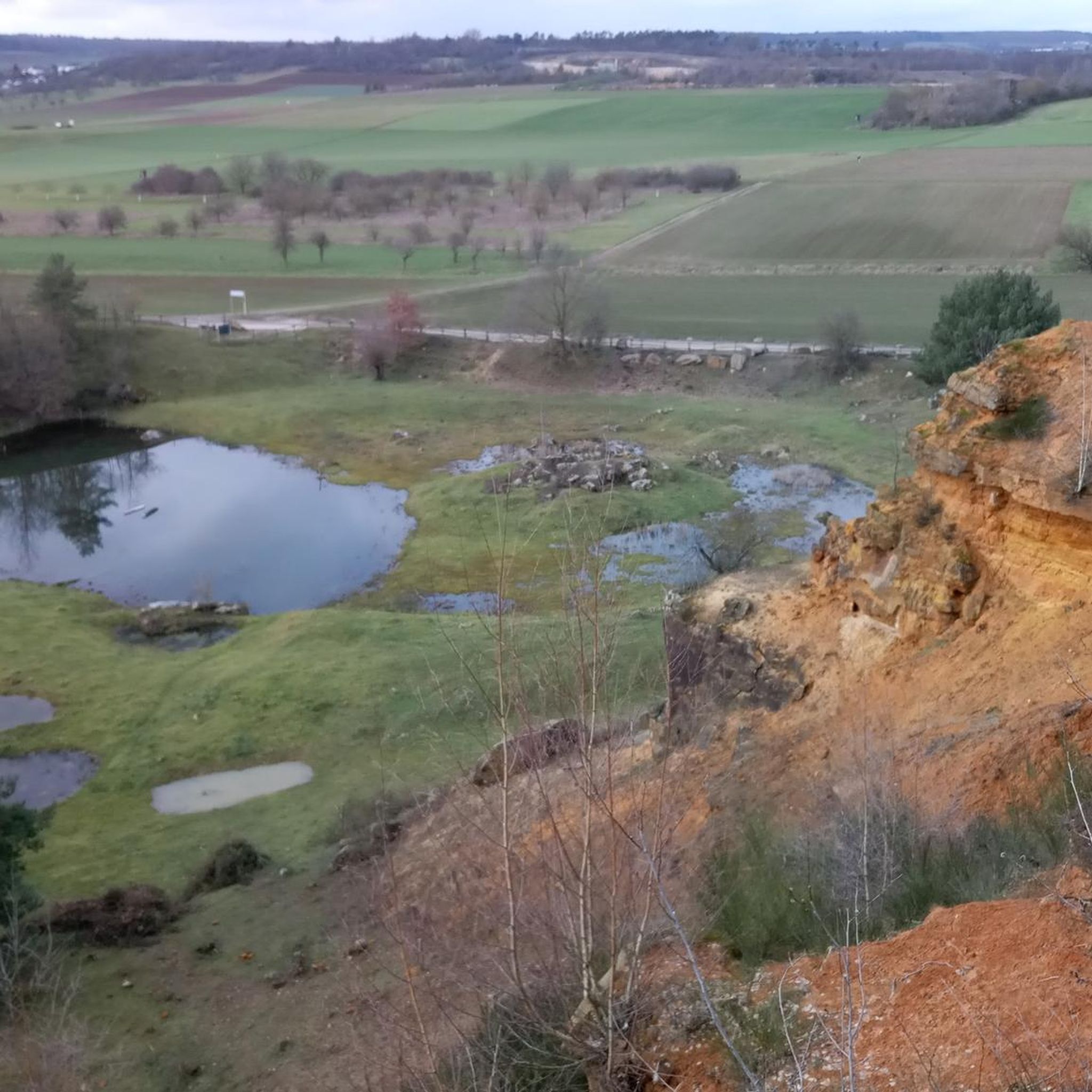
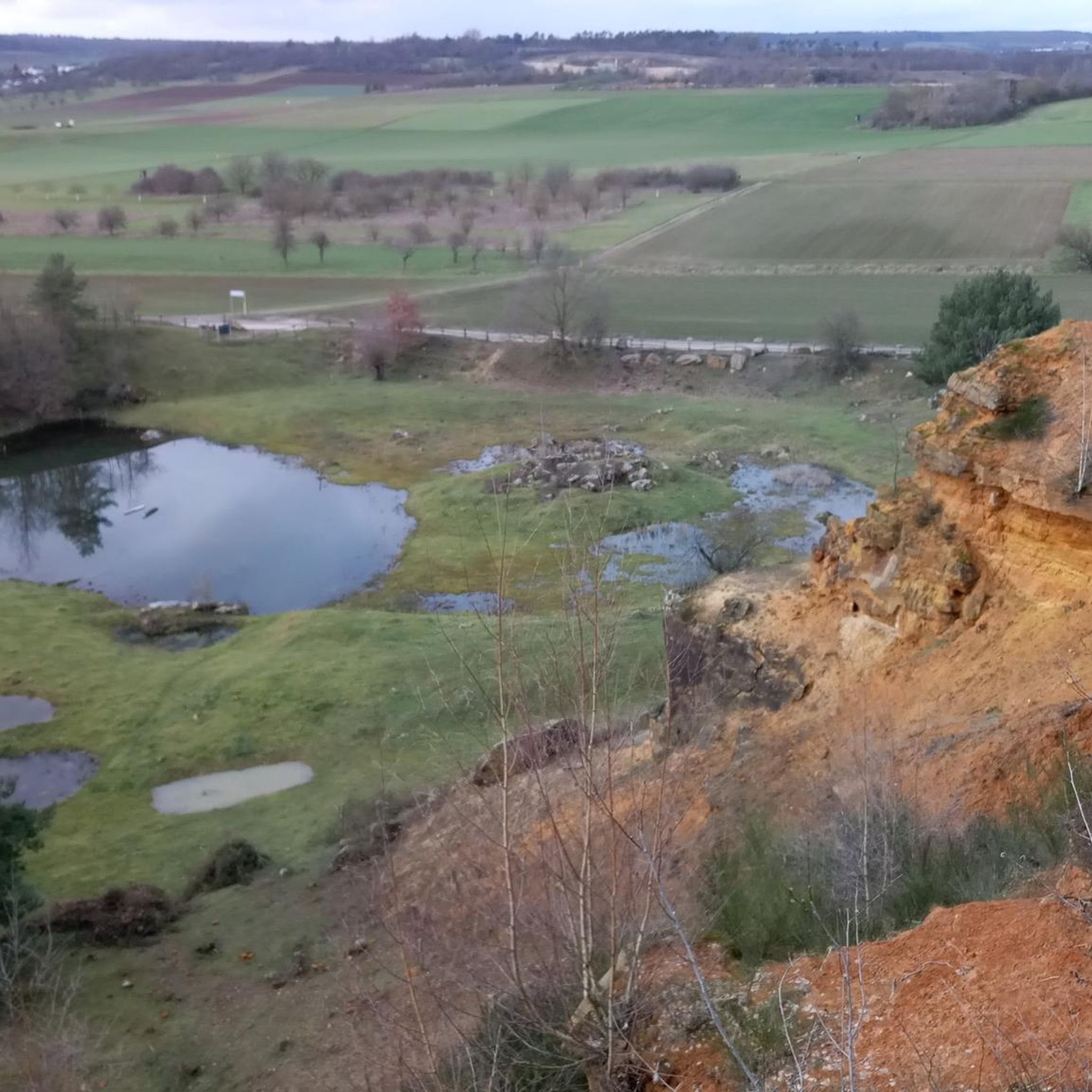
Formerly a quarry, I often drive past on our ✅🚲 tours and always hope to see a turtle 🚲Greetings from the Wetterau... Simone & Michael🙋🏻🙋♂️
5
0
We often ride along the cycle path, but unfortunately have never seen a turtle
8
0

Very beautiful, spacious pond.
5
0

Origin from the Wölfersheim opencast mine From 1937, the Braunkohlen-Schwel-Kraftwerk Hessen-Frankfurt AG (HEFRAG), a subsidiary of the Preußische Elektrizitäts AG (PREAG), operated several brown coal opencast mines in the Wetterau lignite mining area to supply the Wölfersheim opencast power plant. One of the first of these was the Wölfersheim opencast mine, right next to the power plant. After the fields there had been mined out in 1943, they were partially filled with waste and the area was recultivated. This left several remaining holes, which filled with groundwater over time. In addition to the largest, the Wölfersheimer See with 37 hectares, there are two smaller lakes a few hundred meters further east (Schwelteich in the Schwelteich nature reserve of Echzell) and to the north (Heldteich). Overall, the water areas take up less than half of the former open-cast mine.
7
0
The Wölfersheimer See is a lake east of the Hesse town of Wölfersheim. At almost 40 hectares, the lake is the largest in the Wetterau. It was created as an opencast mine residue lake after the closure of the Wölfersheim lignite opencast mine. It was later used as a cooling pond for the Wölfersheim power plant. Today it serves as a natural area, as a sailing area, as a fishing area and for local recreation. Swimming is prohibited. The lake (2023) no longer contains oxygen from a depth of two and a half meters; According to the State Office for Nature Conservation, Environment and Geology, the phosphate content is 15 to 20 times higher than is acceptable for inland water.
7
0

Just go in and let yourself be carried away into the world of rose scents. The visit is free.
3
0
Frequently Asked Questions
What types of natural features can I expect to see around Rockenberg?
Rockenberg offers a diverse natural landscape, including several nature reserves like the Hölle von Rockenberg and Klosterwiesen, which protect significant ecological areas. You'll find riverine environments along the Wetter River, rolling hills, and lakes formed from former lignite mining, such as Wölfersheimer See and Sachsensee (St. Barbara Lake). The region is also on the edge of the Taunus Mountains, providing varied terrain.
Are there any unique geological features in the Rockenberg area?
Yes, the region has some interesting geological aspects. On the northern edge of Rockenberg, there's a sand pit known for containing unique baryte sand roses. Additionally, the nature reserve around Die Hölle – Marsh Turtle Habitat features structures and quartzite banks created by past sand mining, offering a glimpse into the area's geological history.
What kind of wildlife might I encounter in Rockenberg's natural monuments?
The nature reserves around Rockenberg are crucial for biodiversity. In areas like Die Hölle – Marsh Turtle Habitat, you might find diverse flora and fauna, including marsh turtles, toads, and kingfishers. Special cattle species, such as Scottish Highlands, are also known to graze in these protected environments, helping maintain the landscape.
Are there family-friendly natural monuments around Rockenberg?
Absolutely. Many natural monuments in the area are suitable for families. Wölfersheimer See offers opportunities for relaxation and nature observation, though swimming is not permitted. Rosenpark Dräger is a beautiful garden with diverse rose collections and tranquil spots. The Weir on the Wetter in the Gottesacker Valley provides a quiet place for rest by the river. These spots are generally accessible and enjoyable for all ages.
What outdoor activities can I do near these natural monuments?
The natural monuments around Rockenberg are excellent starting points for various outdoor activities. You can enjoy hiking on trails like the 'Münzenberg Gallows – Old Bridge over the Wetter River loop,' which takes about 3 hours and 37 minutes. Cycling is popular, especially around Wölfersheimer See, which is central to the Wetterau Lake District's cycling routes. Canoeing on the Wetter River is also an option in summer. For more detailed routes, explore the hiking, cycling, and running guides for Rockenberg.
Are there hiking trails near Rockenberg's natural monuments?
Yes, Rockenberg offers a variety of hiking trails that often pass by or through natural monuments. For instance, you can find moderate hikes like the 'Münzenberg Gallows – Old Bridge over the Wetter River loop' or easier options such as the 'Hell of Rockenberg loop.' The area around Sachsensee (St. Barbara Lake) is also ideal for hiking. You can find more hiking options in the hiking guide for Rockenberg.
What do visitors enjoy most about Rockenberg's natural monuments?
Visitors particularly appreciate the serene and untouched beauty of places like the Weir on the Wetter in the Gottesacker Valley, which offers a quiet spot for rest. The unique rose collection at Rosenpark Dräger is a highlight for many, not just rose lovers. The peaceful atmosphere and opportunities for nature observation at Wölfersheimer See are also highly valued.
Is it possible to visit Rockenberg's natural monuments using public transport?
While specific public transport connections directly to every natural monument might vary, Rockenberg itself is accessible. From there, some natural areas might be reachable by local bus services or within walking/cycling distance. It's advisable to check local transport schedules for specific routes to your desired natural monument.
Are there any permits required to visit nature reserves around Rockenberg?
Generally, no special permits are required for public access to nature reserves like Hölle von Rockenberg or Klosterwiesen for hiking and nature observation. However, visitors are expected to respect conservation rules, such as staying on marked paths, not disturbing wildlife, and refraining from picking plants. Specific activities like scientific research or large events might require permits.
What is the best time of year to visit the natural monuments in Rockenberg?
The natural monuments around Rockenberg can be enjoyed throughout the year, each season offering a different charm. Spring and summer are ideal for experiencing the full bloom at Rosenpark Dräger and for activities like canoeing on the Wetter River. Autumn brings beautiful foliage to the rolling hills, while winter offers tranquil, crisp walks, though some paths might be muddy or icy. Always check local weather conditions before your visit.
Are there any natural monuments around Rockenberg that are suitable for dog walking?
Many natural areas and trails around Rockenberg are dog-friendly, provided dogs are kept on a leash, especially within nature reserves to protect wildlife. The paths around lakes like Wölfersheimer See and the trails along the Wetter River are generally suitable for walks with dogs. Always ensure to clean up after your pet.
Are there any viewpoints offering scenic panoramas of the Rockenberg surroundings?
Yes, the rolling hills around Rockenberg and its position on the edge of the Taunus Mountains provide several picturesque viewpoints. Many of the natural monuments themselves, such as Wölfersheimer See, Rosenpark Dräger, and Sachsensee (St. Barbara Lake), offer lovely views of the surrounding countryside and natural features.
Most popular routes around Rockenberg
Most popular attractions around Rockenberg

Get inspired with the komoot mobile app


Explore more
Extend your search for the best caves by checking out these guides of the top ones around Rockenberg:
