Top 13 Natural Monuments around Kühlenthal
Best natural monuments around Kühlenthal are found within the Augsburg-Westliche Wälder Nature Park, a significant natural area in central Swabia. This region features a hilly and wooded landscape, with approximately 45% covered by dense forests. Numerous streams dissect the hills, contributing to a diverse geological formation. The area offers extensive opportunities for outdoor activities, including marked cycling paths and hiking trails.
Best natural monuments around Kühlenthal
- The most popular natural monument is Confluence of Lechkanal and Lech, a river…
Last updated: October 11, 2026
Taglilienfeld Nature Monument
Highlight • Natural Monument
Translated by Google •
Tip by

Swabian Danube Valley Nature Reserve
Highlight • Natural Monument
Translated by Google •
Tip by

Sign up now to discover places like this
Get recommendations on the best single tracks, peaks, & plenty of other exciting outdoor places.
Confluence of Lechkanal and Lech
Highlight • River
Translated by Google •
Tip by

Gallows Oaks Mertingen
Highlight • Natural Monument
See also here:
commons.wikimedia.org/wiki/Category:Mertingen_Galgeneichen
Translated by Google •
Tip by

Schmutteraue Nature Reserve
Highlight • Natural Monument
Translated by Google •
Tip by

Sign up for free to discover even more natural monuments around Kühlenthal.
Already have an account?
Start today with a free account
Your next adventure awaits.
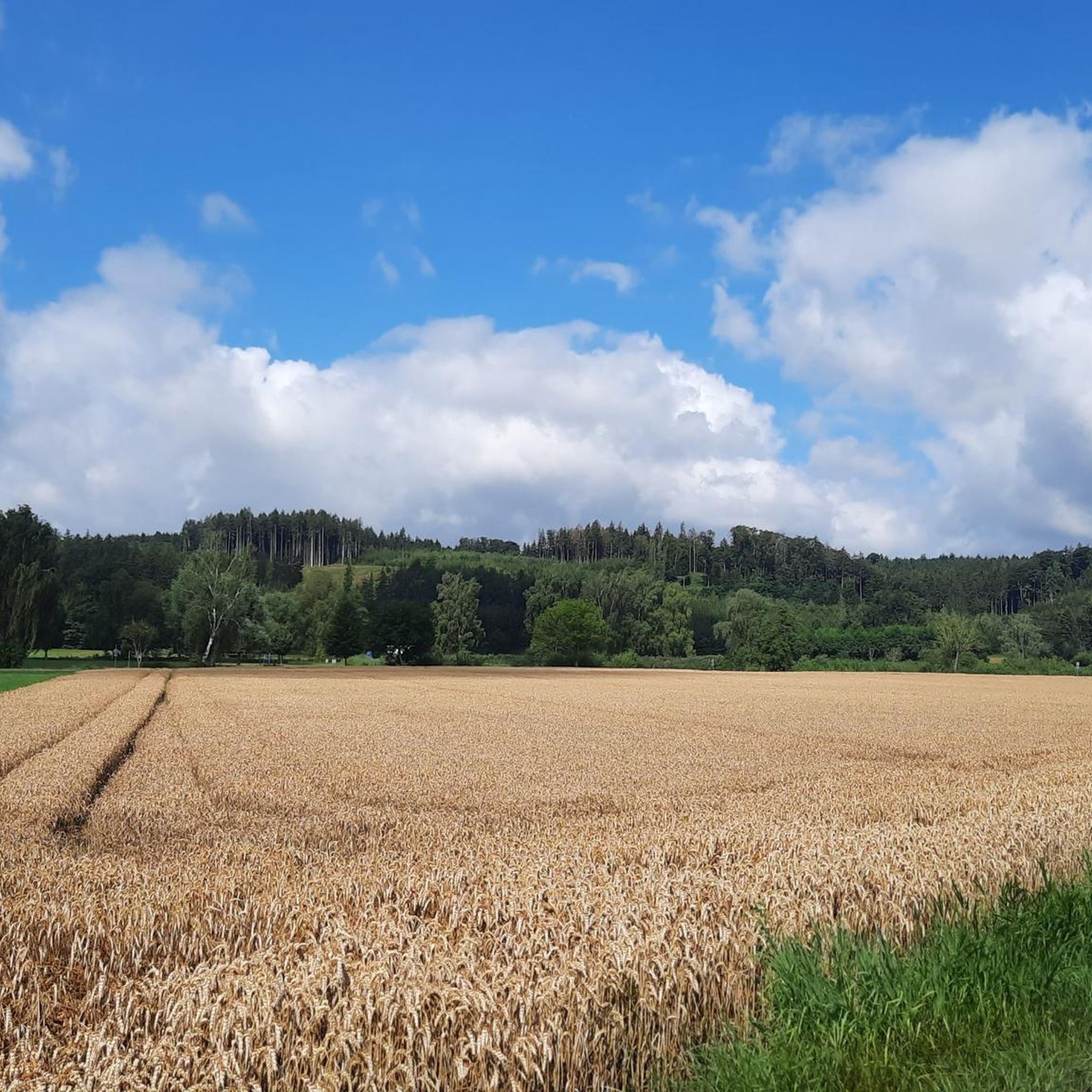
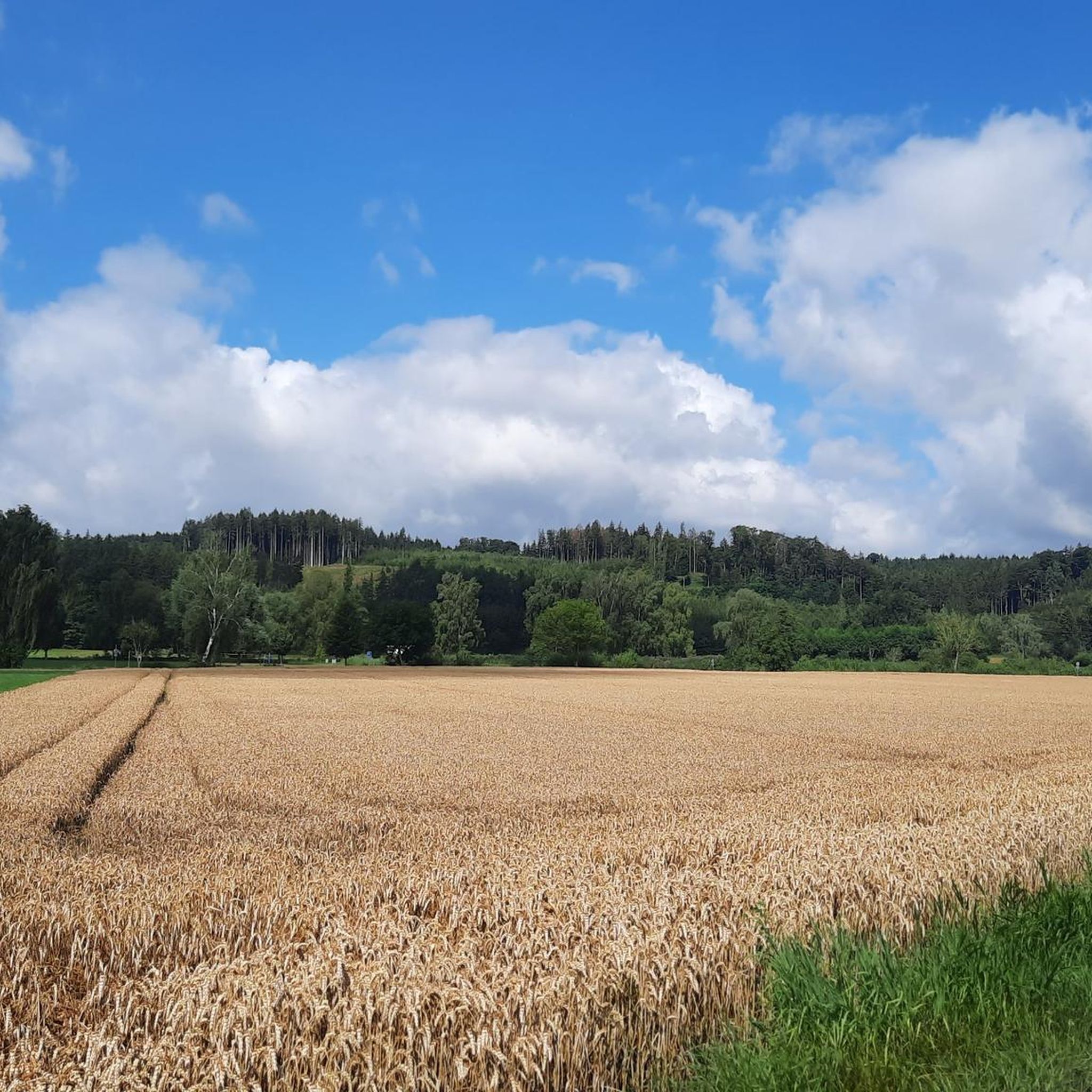
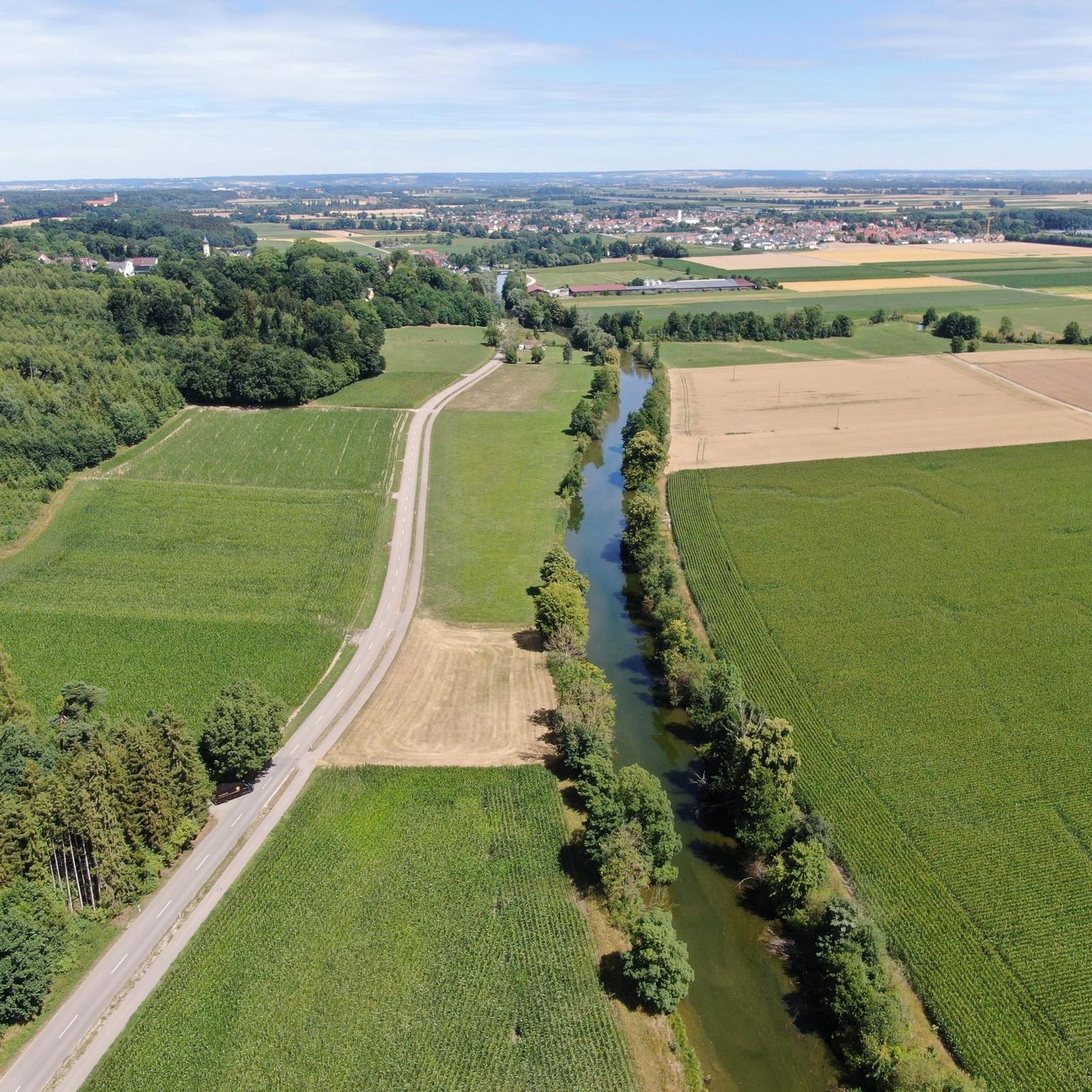
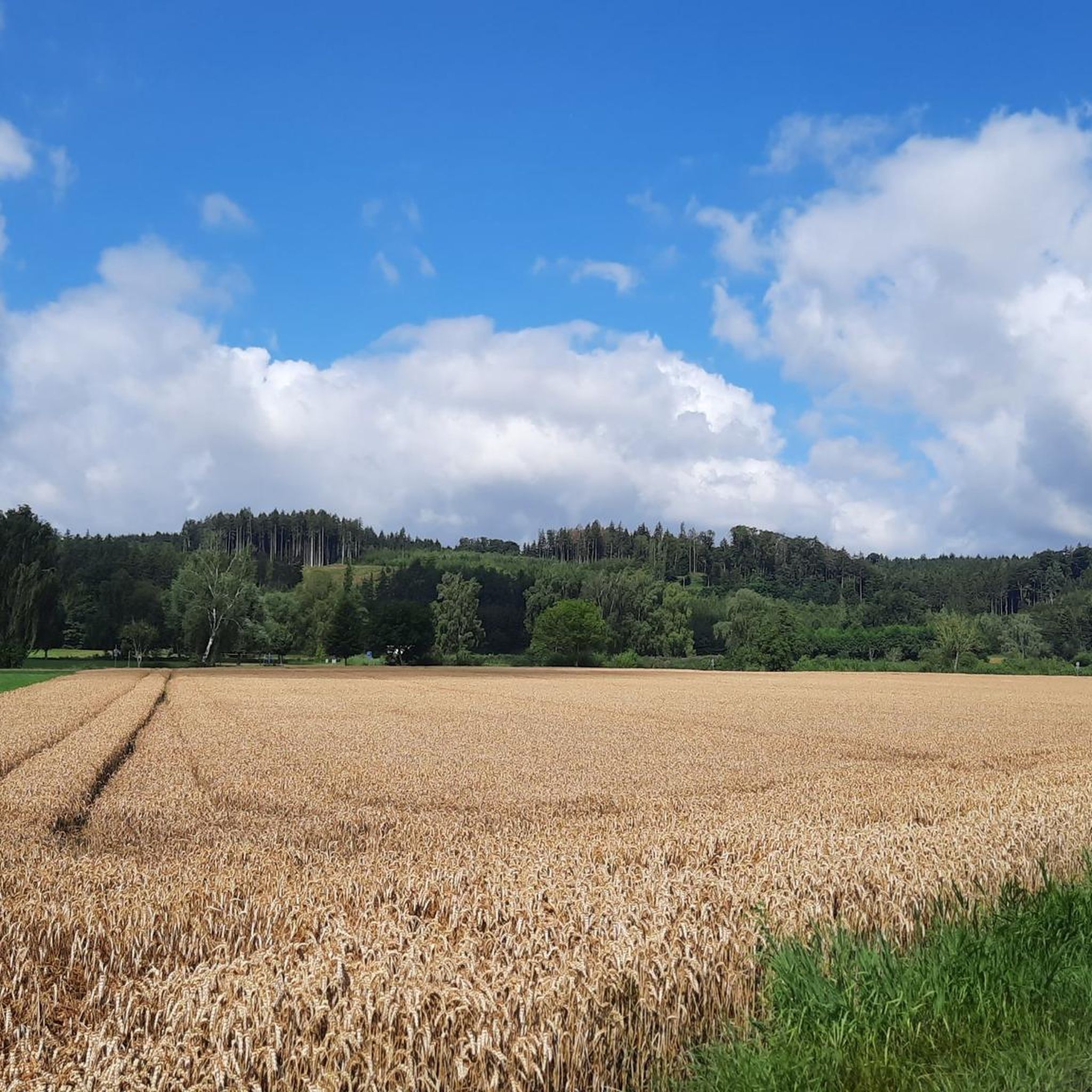
Tips from the Community


The daylily field near St. Stephan is the largest daylily field in Europe. Daylilies and other orchid species bloom every June. The biotope borders the Lech floodplain forest. Picking is strictly prohibited!
0
0

The DAYLILY FIELD is part of the Lech floodplain forest with its natural growth of trees and shrubs. The floodplain forest is to be preserved as a vegetation bridge between the Alps and the Jura, as climate protection and as a landscape element of the Lech plain. The Lech once had its bed with its widely branched arms at the level of the daylily field. The NATURAL MONUMENT "DAYLILY FIELD" was placed under protection in 1982. The purpose of the protection is to preserve the characteristic remaining area of the original Lech floodplain landscape and to protect the existing plants. The existing, mostly rare plants here include the daylily, as well as the bumblebee orchid, the spider orchid, various types of hagwort, the lady's slipper, the Turk's cap lily, the lemon balm, the flax, the Siberian iris, the daphne and the laserwort. The tendrils of the clematis are also typical of the floodplain forest. The daylily (scientific name from the Greek "Hemerocallis lilio-asphodelus" - which corresponds to the German translation "day beauty") blooms in June. The plant is not native to Central Europe, but to the Mediterranean countries and southeastern Europe. However, it was naturalized in Germany centuries ago. The individual flower usually only opens for one Day. There are up to 8 flowers on one stem, which bloom on consecutive days. The LILY MEADOW with a closed population of thousands of plants is now a botanical treasure and can be described as unique in Central Europe. The property has been owned by the Swabian Natural Science Association since 1930. The annual maintenance is carried out by the "Friends of Nature" e.V. St. Stephan association.
1
0

along the Lech on the dam, wonderful.
1
0

Anton Rieger, well explained 👏🏻 Greetings Marcus
2
0

Former place of execution with old trees. Unfortunately, there is no corresponding display board with explanations.
0
0

Very small but fine 😊
13
0

Nice and, above all, quiet place! 20m further in the direction of the street there are flowers to pick yourself 🌷🌹 🌸
1
0
Frequently Asked Questions
What unique natural features can I discover around Kühlenthal?
The region around Kühlenthal, primarily within the Augsburg-Westliche Wälder Nature Park, offers a diverse landscape. You can find the Taglilienfeld Nature Monument, which is Europe's largest daylily field, showcasing golden yellow flowers and various orchids in June. Another notable feature is the Confluence of Lechkanal and Lech, a serene spot offering views towards the Ellgau power plant. The area is characterized by its hilly and wooded terrain, with numerous streams dissecting the landscape.
Are there any historical natural monuments in the area?
Yes, the Gallows Oaks Mertingen is a natural monument with significant historical context. This site was historically a place of execution for serious crimes in the former Reichsvogtei Werd, now Donauwörth. Despite its somber past, it's considered a beautiful and peaceful place to visit today.
Which natural monuments are suitable for families?
Several natural monuments around Kühlenthal are family-friendly. The Taglilienfeld Nature Monument is a wonderful place for families to explore unique flora. The Schmutteraue Nature Reserve is also noted as family-friendly, offering scenic viewpoints along the river. Additionally, the Confluence of Lechkanal and Lech provides a calm environment suitable for a family outing.
What kind of outdoor activities can I do near Kühlenthal's natural monuments?
The region offers extensive opportunities for outdoor activities. You can enjoy hiking on trails like the 'Heilig-Kreuz Chapel Bierweg – Wayside cross with bench loop' or the 'Kühlenthaler Lake loop'. For running, there are routes such as the 'Wheat Field Near Gablingen – Schmutter River loop'. Road cycling enthusiasts can explore routes like the 'View of Scherneck Castle – Asphalt Cycle Path (Bach) loop'. You can find more details on these activities and routes in the hiking guide, running guide, and road cycling guide for Kühlenthal.
Is there a specific natural monument within Kühlenthal itself?
Yes, within Kühlenthal, there is a specifically designated natural monument: 1 Linde (Linden tree) in Anzenhof. This individual linden tree is located near the Xaver Kratzer Chapel and is recognized for its significance, likely due to its age, size, or historical association.
What is the best time of year to visit the natural monuments around Kühlenthal?
The best time to visit depends on your interests. For instance, the Taglilienfeld Nature Monument is particularly stunning in June when the daylilies are in full bloom, alongside various types of orchids. Generally, spring and summer offer pleasant weather for hiking and cycling, while the autumn foliage can also be very picturesque.
Are there opportunities for hiking near these natural monuments?
Absolutely. The Augsburg-Westliche Wälder Nature Park, where Kühlenthal is located, boasts approximately 1000 kilometers of hiking trails. You can find routes like the 'Heilig-Kreuz Chapel Bierweg – Wayside cross with bench loop' (7.6 km, easy) or the 'Forest Trail Near Kühlental – Schmutter Bridge loop' (10.5 km, moderate). These trails wind through forests, along river valleys, and past charming villages. More hiking options are available in the hiking guide for Kühlenthal.
Can I find viewpoints among the natural monuments?
Yes, several natural monuments offer scenic viewpoints. The Confluence of Lechkanal and Lech provides a beautiful view towards the Ellgau power plant. The Schmutteraue Nature Reserve is also known for its scenic viewpoints along the river. Additionally, the Swabian Danube Valley Nature Reserve offers picturesque views and a unique sculpture path.
What makes the Taglilienfeld Nature Monument special?
The Taglilienfeld Nature Monument is unique because it is the largest daylily field in Europe. Every June, it transforms into a spectacular display of golden yellow flowers. Beyond daylilies, the biotope area also hosts various types of orchids and is directly adjacent to an alluvial forest of the Lech, offering a rare glimpse into an original Central European landscape. It's a botanical treasure and has been under protection since 1982.
What is the Augsburg-Westliche Wälder Nature Park, and how does it relate to Kühlenthal?
The Augsburg-Westliche Wälder Nature Park is an expansive natural area covering approximately 1200 square kilometers, and it's the only nature park in central Swabia. Kühlenthal is primarily situated within this park. The park defines much of Kühlenthal's natural landscape, characterized by its hilly, wooded terrain and numerous streams. It serves as a vital recreational area and ecological sanctuary, offering extensive trails and a peaceful escape.
Are there any dog-friendly natural monuments or trails?
While specific natural monuments may have their own rules, the Augsburg-Westliche Wälder Nature Park generally welcomes dogs on its extensive network of hiking and running trails, provided they are kept on a leash. Many of the natural areas, including the wooded paths and riverbanks, are suitable for walks with your dog. Always ensure to follow local regulations and clean up after your pet.
What geological features are present in the region?
The landscape around Kühlenthal, within the Augsburg-Westliche Wälder Nature Park, is characterized by gentle, hilly terrain dissected by numerous streams. This geological formation is the result of processes spanning the last two million years. The park is bordered by the Wertach and Schmutter rivers in the east, the Mindel in the west, and the Danube valley in the north, contributing to its diverse hydrological and topographical features.
Are the natural monuments around Kühlenthal accessible by public transport?
While the region is well-suited for outdoor activities, direct public transport access to every specific natural monument might be limited. It's advisable to check local bus schedules or consider a combination of public transport to nearby towns and then walking or cycling to reach the more secluded natural monuments. Parking is generally available near popular trailheads and attractions within the nature park.
Most popular routes around Kühlenthal
Most popular attractions around Kühlenthal

Get inspired with the komoot mobile app


Explore more
Extend your search for the best caves by checking out these guides of the top ones around Kühlenthal:
