Top 20 Natural Monuments around Tensbüttel-Röst
Natural monuments around Tensbüttel-Röst are characterized by diverse landscapes within the Dithmarschen region of Schleswig-Holstein, Germany. The area features a mix of fertile marshes, bogs, and geestland with forests and streams, reflecting its geological history shaped by ancient glaciers. Its proximity to the North Sea coast and the UNESCO World Heritage Wadden Sea further defines its natural appeal. This region offers a variety of natural landmarks and features for exploration.
Best natural monuments around Tensbüttel-Röst
- The most popular natural monuments…
Last updated: October 11, 2026
Battlefield of Hemmingstedt
Highlight • Historical Site
Translated by Google •
Tip by

Exposed roots of the ancient beech in the Gieselau Valley
Highlight • Natural Monument
Translated by Google •
Tip by

Sign up now to discover places like this
Get recommendations on the best single tracks, peaks, & plenty of other exciting outdoor places.
Five-Finger Linden
Highlight • Natural Monument
Beautiful forest to hike and cycle. He also has a lot to offer historically.
Translated by Google •
Tip by

Moor pools in the Ostroher-Süderholmer Moor
Highlight • Natural
Translated by Google •
Tip by

Heidberg in the Welmbüttel District Forest
Highlight • Natural Monument
Translated by Google •
Tip by

Sign up for free to discover even more natural monuments around Tensbüttel-Röst.
Already have an account?
Start today with a free account
Your next adventure awaits.


Tips from the Community

A little further south! But the Beech Gate has fallen here.
0
0

The tree is still in the place where it belongs. In a beautiful beech forest. With small wooden benches all around. Beautiful, quiet hiking trails.
0
0


A small place to rest with a beautiful view over the hollows.
0
0

The Scottish Highlanders are a peaceful breed of cattle. Everything is very slow and they don't fixate on them with their eyes. Then they get very curious. I also really liked the view of the birch forest. It may be that I'm spoiled at the moment. So I have to "earn" a hike's stars. The water areas are visited by anglers, and they drive right up to them in their cars. There are also too many tractors driving too fast on the supply routes.
5
0
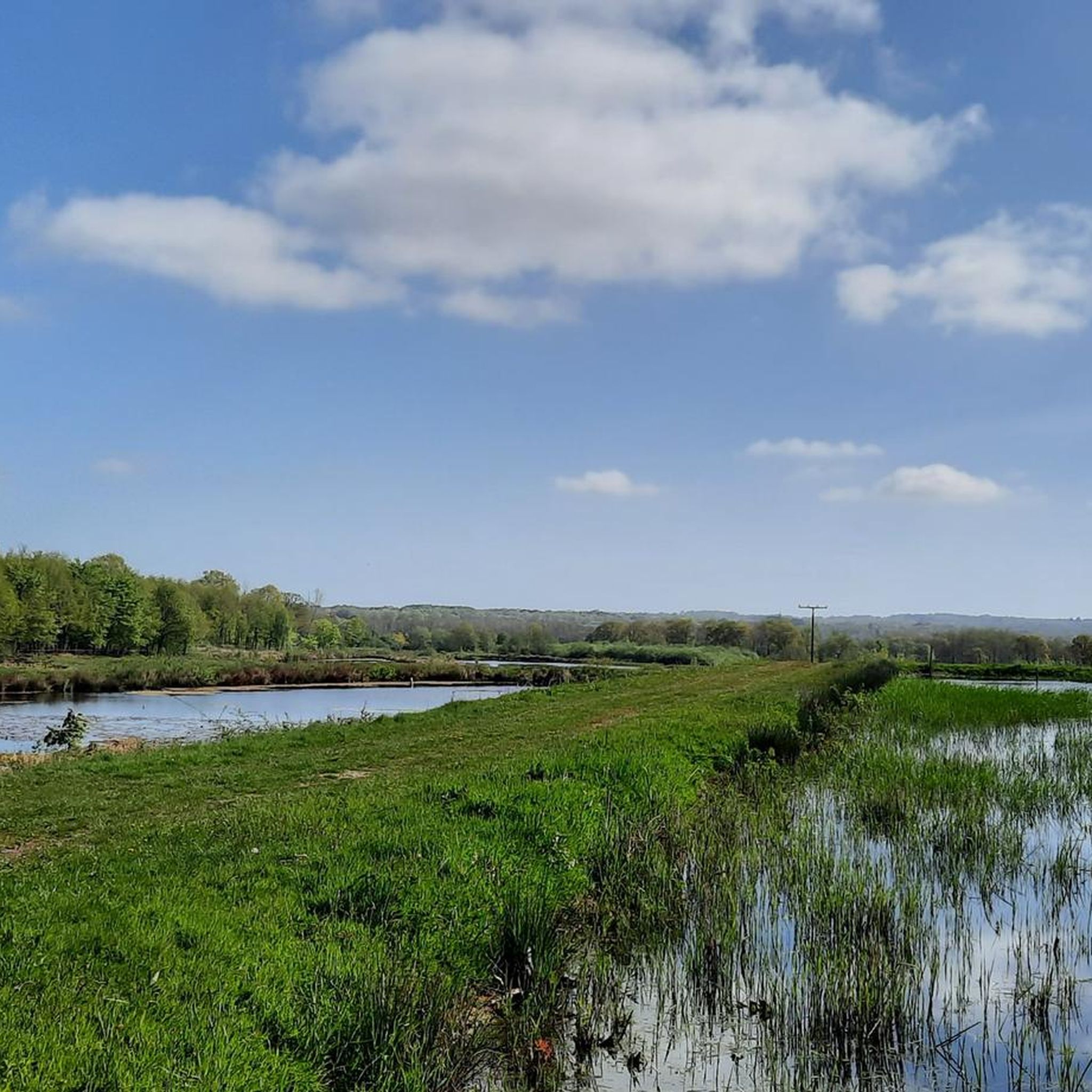
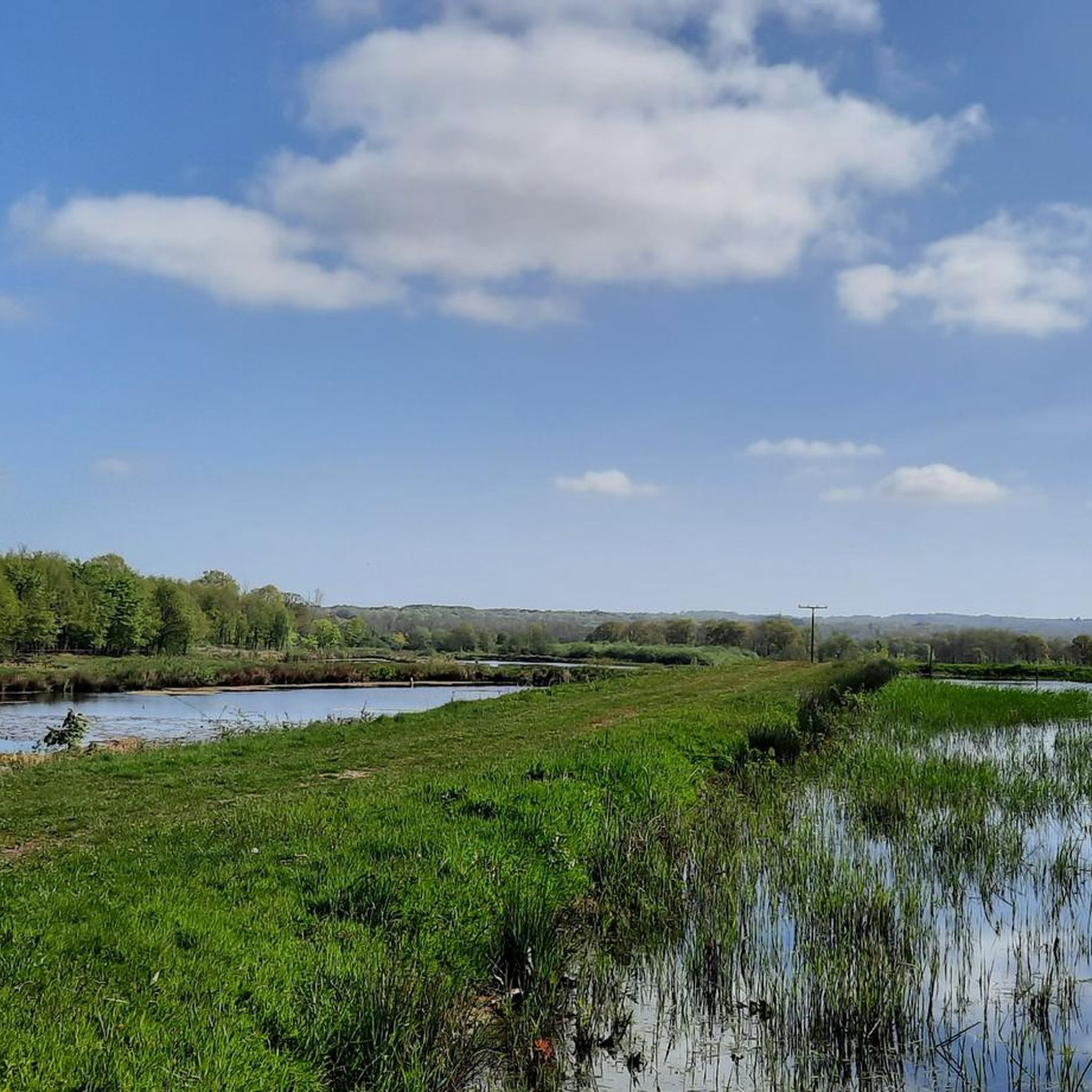
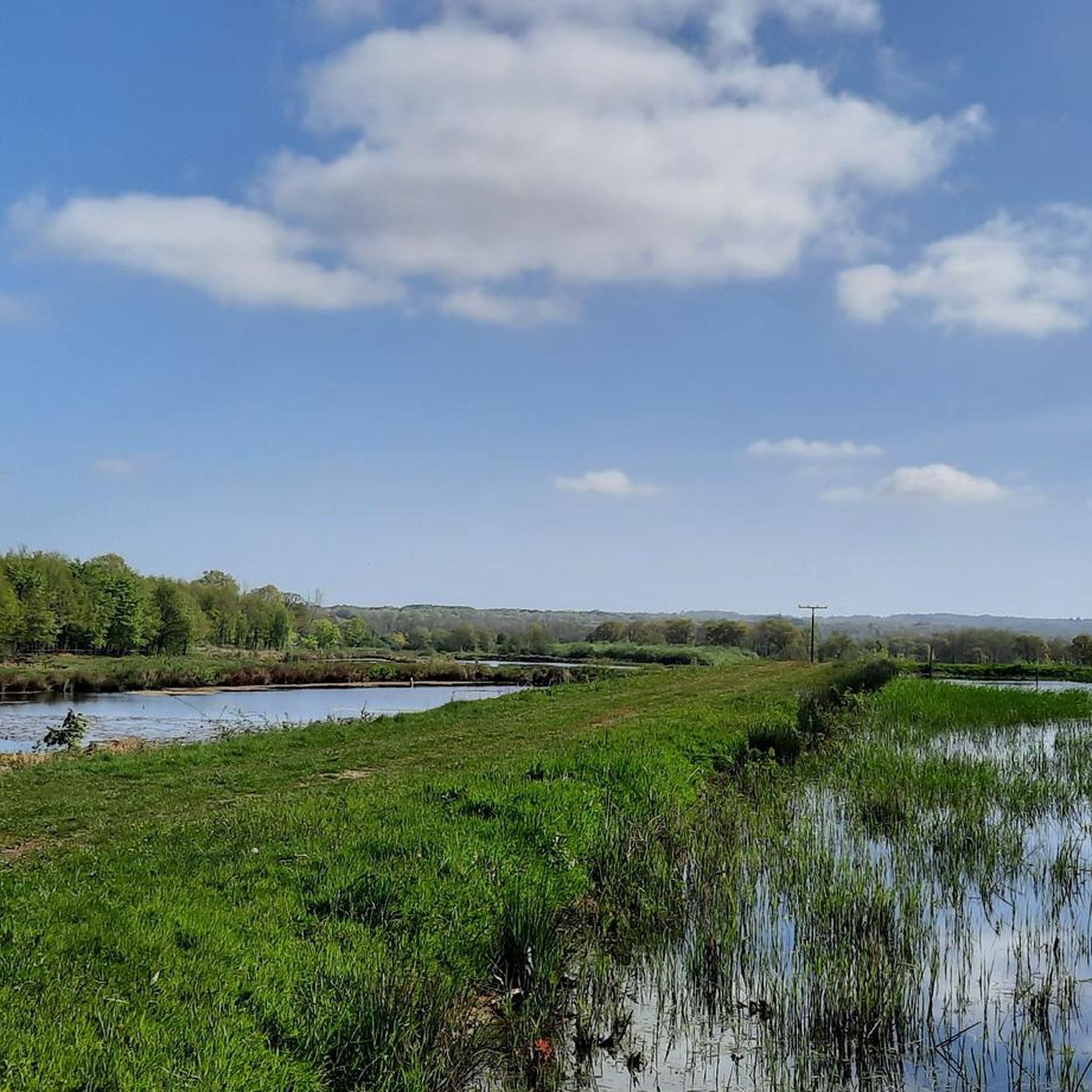
Today, the landscape is characterized by a mosaic of water areas used for sport fishing, between agricultural grassland areas. The area, which is crossed by a network of paths, also includes reed beds and fen-like wet meadows.
5
0
Since 1972, the moor in the valley of the upper Broklandsau northeast of Heide has been designated a protected area covering an area of 283 hectares.
5
0
After the Second World War, peat was mined here on a large scale to a depth of six metres. This is how the peat pits, which are today's water surfaces, were created.
5
0
Frequently Asked Questions
What unique natural features can I explore around Tensbüttel-Röst?
Tensbüttel-Röst offers a diverse landscape shaped by ancient glaciers and its proximity to the North Sea. You can explore significant glacial erratics like the Harkestein, vast woodlands such as the Riesewohld Forest, and unique bog environments like the "Weißes Moor." The region also features picturesque streams like the Wiembek and coastal dike paths offering views of the UNESCO World Heritage Wadden Sea.
Are there any historical natural monuments in the region?
Yes, the region combines natural beauty with historical significance. You can visit the Battlefield of Hemmingstedt, where the elevation itself is considered a national monument, commemorating a significant historical event. Another ancient site is the Dellbrücker Chamber Megalithic Tomb, a nearly 5000-year-old Stone Age cairn.
What is the best time of year to visit the natural monuments around Tensbüttel-Röst?
The natural monuments around Tensbüttel-Röst can be enjoyed year-round, but each season offers a different experience. Spring brings blooming flora to the forests and bogs, while summer is ideal for coastal walks and longer hikes. Autumn showcases vibrant foliage in areas like the Riesewohld Forest, and winter can offer serene, crisp walks, especially along the dikes or through the woodlands, though some paths might be muddy.
Are the natural monuments around Tensbüttel-Röst suitable for families with children?
Many natural monuments in the area are family-friendly. For instance, the Exposed roots of the ancient beech in the Gieselau Valley is a popular spot for children to discover. The Moor pools in the Ostroher-Süderholmer Moor also offer an interesting landscape for exploration. Easy walking paths are available, and the diverse natural settings provide engaging experiences for all ages.
Can I bring my dog to the natural monuments in Tensbüttel-Röst?
Generally, dogs are welcome on trails and in natural areas around Tensbüttel-Röst, provided they are kept on a leash, especially in protected areas or near wildlife. Specific rules may apply in certain nature reserves, so it's always best to check local signage. The extensive forests and dike paths offer great opportunities for walks with your canine companion.
What kind of outdoor activities can I do near the natural monuments?
The region around Tensbüttel-Röst is excellent for various outdoor activities. You can enjoy gravel biking on routes like those found in the Gravel biking around Tensbüttel-Röst guide, or explore running trails, with options available in the Running Trails around Tensbüttel-Röst guide. Mountain biking is also popular, with trails detailed in the MTB Trails around Tensbüttel-Röst guide.
Are there specific hiking trails that lead to these natural monuments?
Yes, many natural monuments are integrated into hiking routes. For example, the Harkestein Glacial Erratic is often included in loops like the "Forest path – Harkestein Glacial Erratic loop." The Riesewohld Forest has trails such as the "Riesewohld – Wiembek Stream Forest Path loop" that allow you to explore its depths. These paths provide scenic walks through varied terrain.
Where can I find easy walks among the natural monuments?
For easier walks, consider the paths around the Moor pools in the Ostroher-Süderholmer Moor, which offer a network of paths through a unique landscape. The coastal dike paths also provide relatively flat and accessible routes with expansive views. Many forest trails, particularly those following the Wiembek Stream, are also suitable for leisurely strolls.
What are the "Moor pools in the Ostroher-Süderholmer Moor" and what makes them special?
The Moor pools in the Ostroher-Süderholmer Moor are a unique landscape feature created after World War II when peat was mined to a depth of six meters. These former peat pits have since filled with water, forming a mosaic of water areas amidst agricultural grassland, reed beds, and wet meadows. It's a protected area known for its distinct ecosystem and is popular for sport fishing.
Where can I find parking when visiting these natural monuments?
Parking availability varies by location. For popular natural monuments and trailheads, designated parking areas are often available. For example, when visiting the Harkestein Glacial Erratic or exploring the Riesewohld Forest, you'll typically find parking at the start of major hiking loops. It's advisable to check specific trail information or local maps for precise parking locations before your visit.
Are there cafes or restaurants near the natural monuments for refreshments?
While some natural monuments are in more secluded areas, you can find cafes, pubs, and restaurants in nearby villages and towns, including Tensbüttel-Röst itself and surrounding communities like Albersdorf or Meldorf. These establishments offer opportunities for refreshments and meals after your explorations. It's a good idea to plan your route to include stops in these villages.
How long does it typically take to explore some of the natural monuments?
The time required to explore varies greatly depending on the monument and your chosen activity. A visit to a single highlight like the Five-Finger Linden or the Dellbrücker Chamber Megalithic Tomb might take 30 minutes to an hour. Longer hikes through the Riesewohld Forest or along the coastal dikes can range from a couple of hours to a full day, depending on the length of the trail you choose.
Most popular routes around Tensbüttel-Röst
Most popular attractions around Tensbüttel-Röst

Get inspired with the komoot mobile app


Explore more
Extend your search for the best caves by checking out these guides of the top ones around Tensbüttel-Röst:
