Top 20 Natural Monuments around Sarzbüttel
Best natural monuments around Sarzbüttel are found within a landscape characterized by a geest ridge, forests, and expansive moorland lowlands. The region actively protects its natural landscapes, including the Ehemaliger Fuhlensee nature reserve, which preserves diverse ecosystems. Sarzbüttel is located in the Dithmarschen district, which features 12 designated nature reserves covering approximately 4,076 hectares. These protected areas offer opportunities for observing local wildlife and plant species in undisturbed natural environments.
Best natural monuments around Sarzbüttel
- The most popular natural monuments…
Last updated: June 24, 2026
Battlefield of Hemmingstedt
Highlight • Historical Site
Translated by Google •
Tip by

Exposed roots of the ancient beech in the Gieselau Valley
Highlight • Natural Monument
Translated by Google •
Tip by

Sign up now to discover places like this
Get recommendations on the best single tracks, peaks, & plenty of other exciting outdoor places.
Sign up for free
Five-Finger Linden
Highlight • Natural Monument
Beautiful forest to hike and cycle. He also has a lot to offer historically.
Translated by Google •
Tip by

Moor pools in the Ostroher-Süderholmer Moor
Highlight • Natural
Translated by Google •
Tip by

Heidberg in the Welmbüttel District Forest
Highlight • Natural Monument
Translated by Google •
Tip by

Sign up for free to discover even more natural monuments around Sarzbüttel.
Sign up for free
Already have an account?
Start today with a free account
Your next adventure awaits.
Login or Signup
Tips from the Community

A little further south! But the Beech Gate has fallen here.
0
0

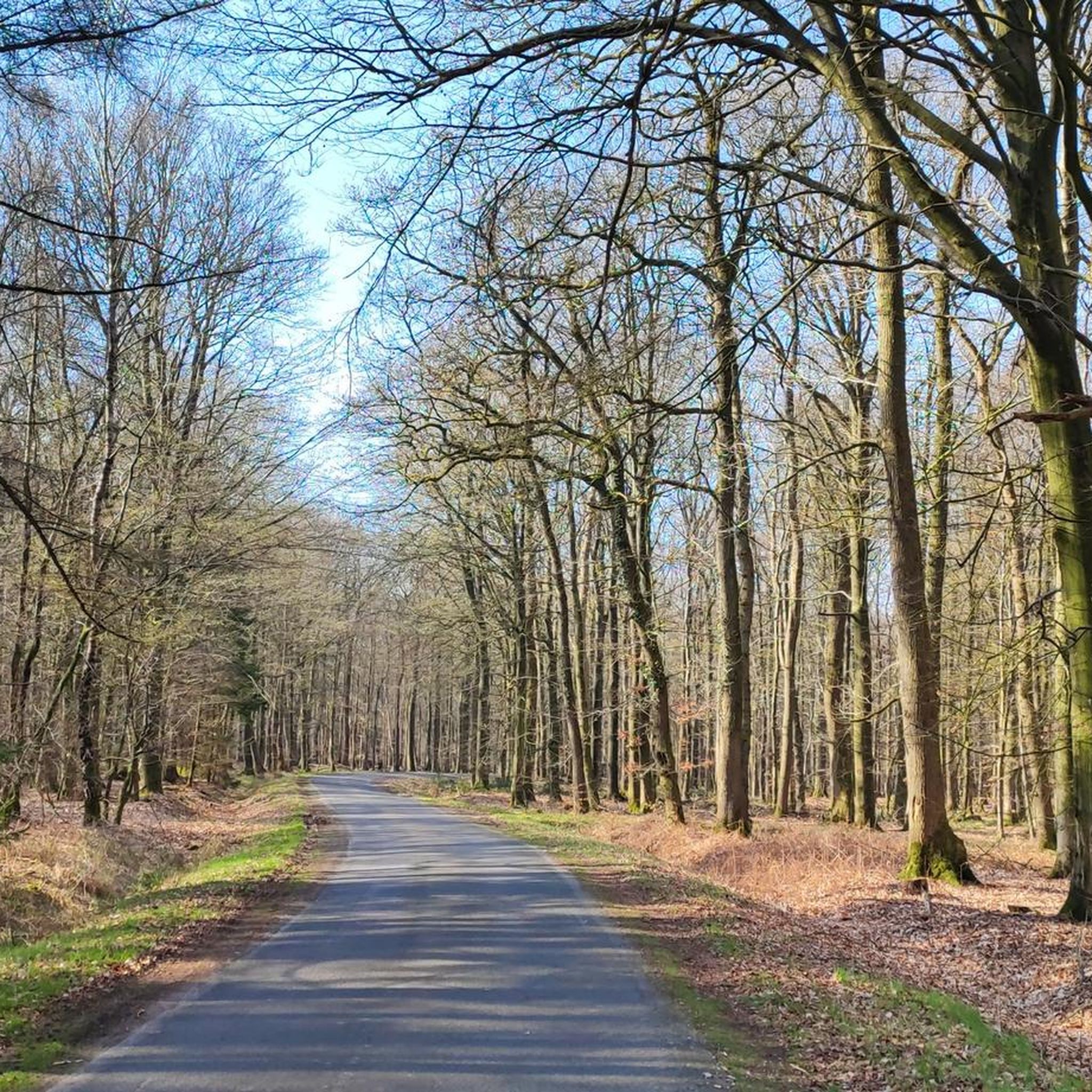
The tree is still in the place where it belongs. In a beautiful beech forest. With small wooden benches all around. Beautiful, quiet hiking trails.
0
0


A small place to rest with a beautiful view over the hollows.
0
0

The Scottish Highlanders are a peaceful breed of cattle. Everything is very slow and they don't fixate on them with their eyes. Then they get very curious. I also really liked the view of the birch forest. It may be that I'm spoiled at the moment. So I have to "earn" a hike's stars. The water areas are visited by anglers, and they drive right up to them in their cars. There are also too many tractors driving too fast on the supply routes.
5
0
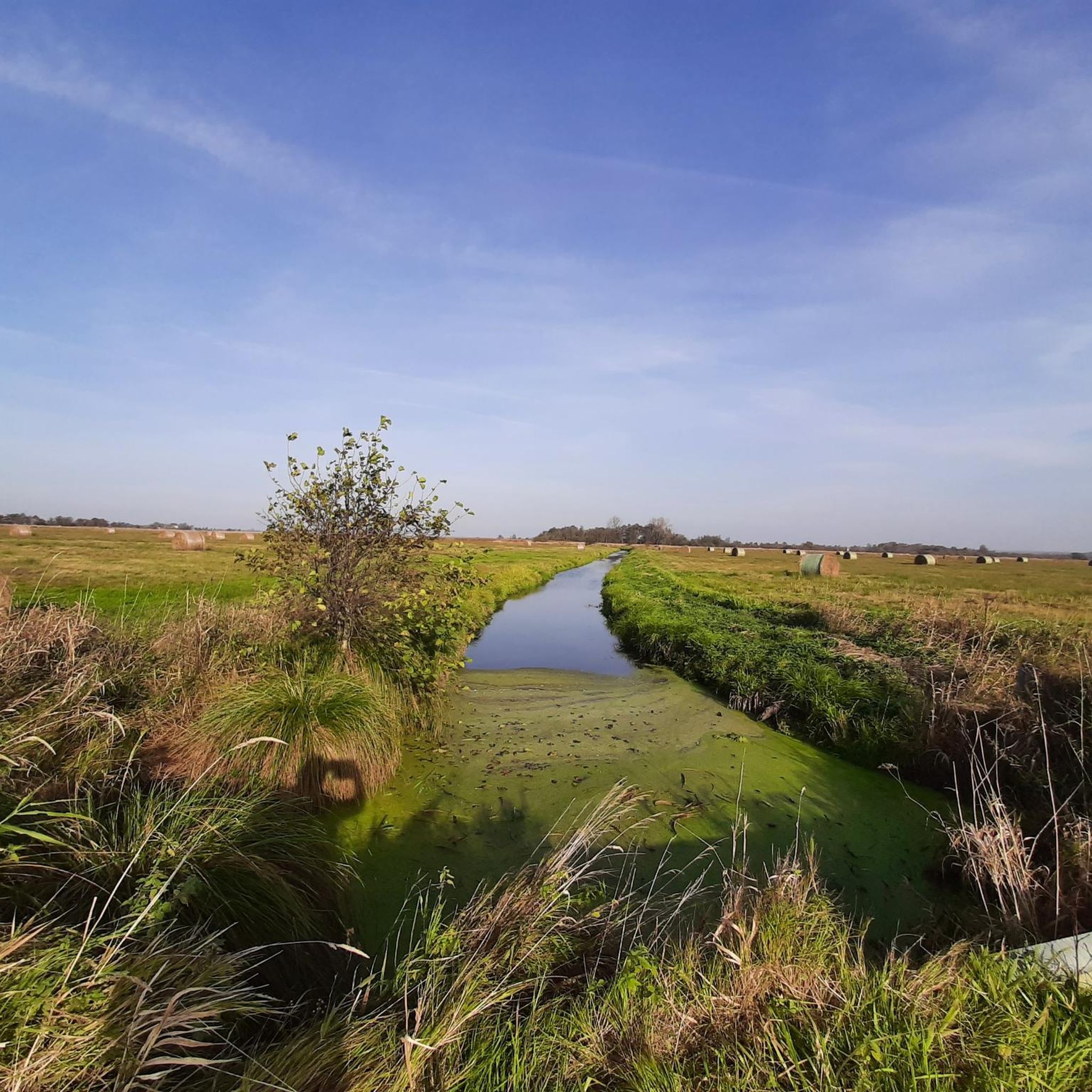
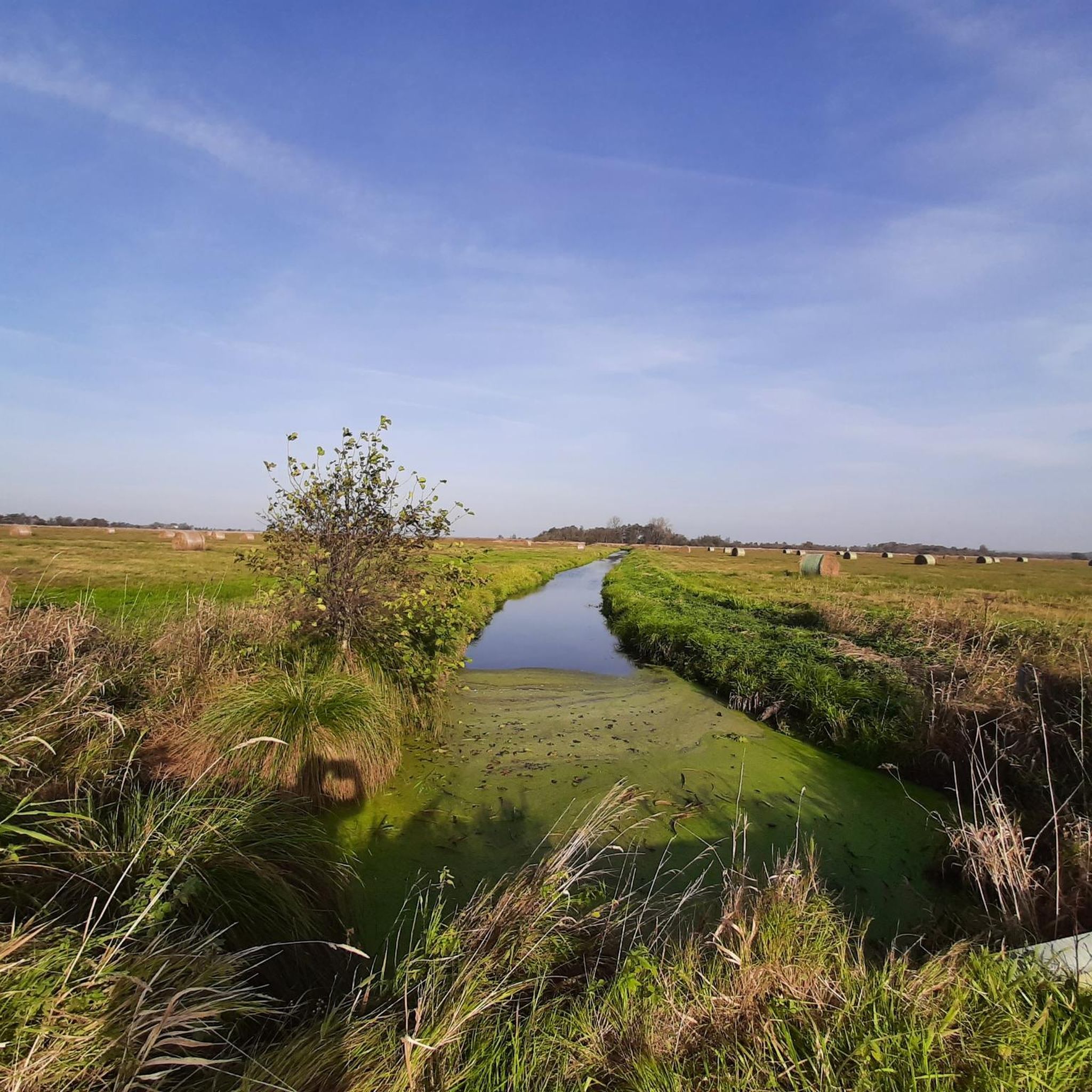
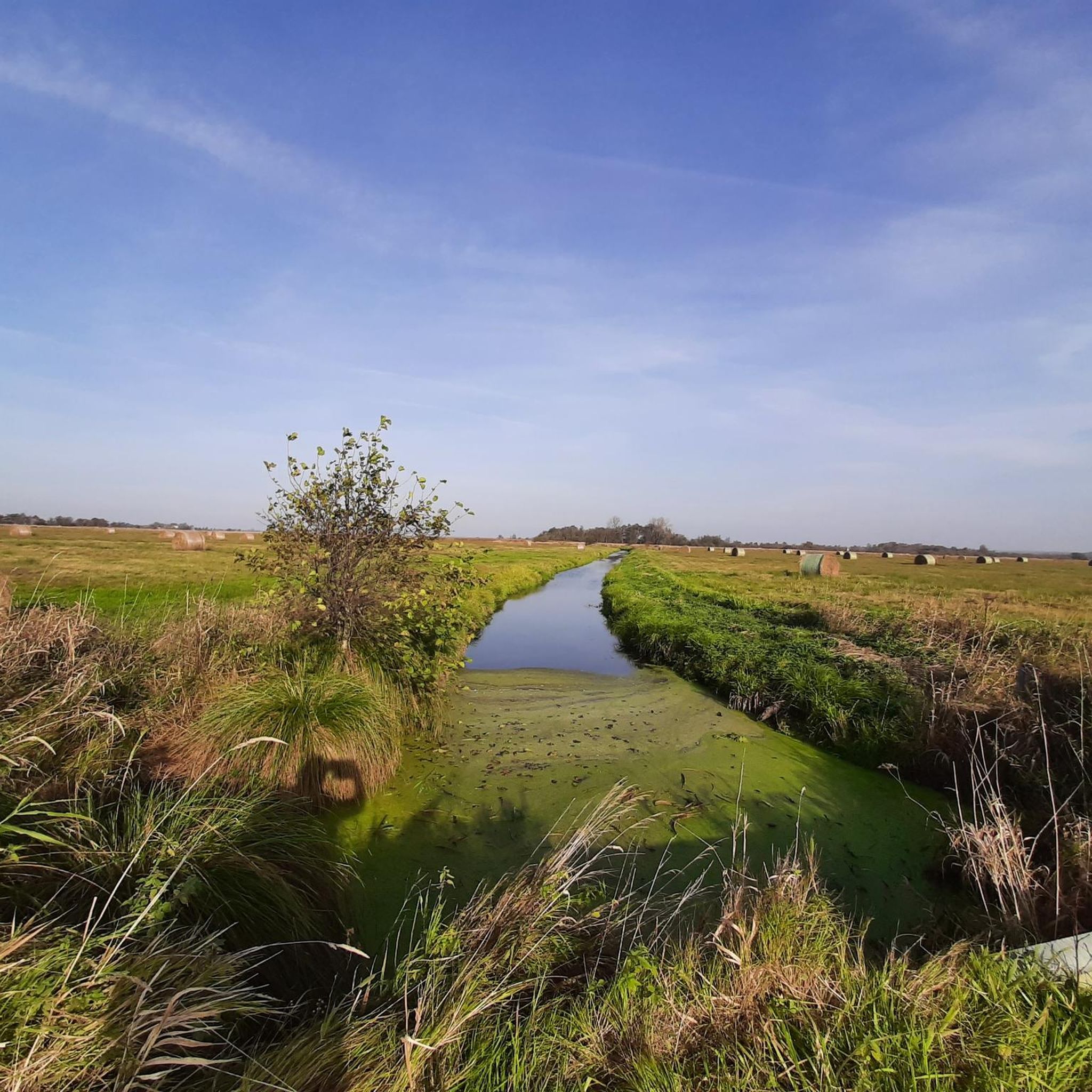
Today, the landscape is characterized by a mosaic of water areas used for sport fishing, between agricultural grassland areas. The area, which is crossed by a network of paths, also includes reed beds and fen-like wet meadows.
5
0
Since 1972, the moor in the valley of the upper Broklandsau northeast of Heide has been designated a protected area covering an area of 283 hectares.
5
0
After the Second World War, peat was mined here on a large scale to a depth of six metres. This is how the peat pits, which are today's water surfaces, were created.
5
0
Frequently Asked Questions
What types of natural monuments can I explore around Sarzbüttel?
The region around Sarzbüttel offers a diverse range of natural monuments, including ancient trees, expansive moorlands, and protected ecological areas. You can discover unique tree formations like the Five-Finger Linden, which has five trunks grown together, or the impressive Exposed roots of the ancient beech in the Gieselau Valley. The landscape also features wetlands and former peat mining areas that have transformed into scenic water surfaces, such as the Moor pools in the Ostroher-Süderholmer Moor.
Are there family-friendly natural monuments to visit near Sarzbüttel?
Yes, several natural monuments around Sarzbüttel are suitable for families. The Exposed roots of the ancient beech in the Gieselau Valley is a popular discovery spot for children. The Moor pools in the Ostroher-Süderholmer Moor also offer family-friendly exploration opportunities within its network of paths. Additionally, the Dellbrücker Chamber Megalithic Tomb, a nearly 5000-year-old Stone Age site, can be an interesting historical natural monument for families.
What kind of wildlife can I expect to see in the natural areas around Sarzbüttel?
The natural reserves around Sarzbüttel, such as the Ehemaliger Fuhlensee nature reserve and the broader Dithmarschen district's protected areas, are vital retreats for rare species of plants and animals. While specific details on every species are not available, these undisturbed environments offer opportunities for quiet observation of local wildlife and diverse plant species in their natural habitats. Moorlands and wetlands, like the Moor pools in the Ostroher-Süderholmer Moor, are particularly rich in biodiversity.
Are there hiking trails near the natural monuments in Sarzbüttel?
Yes, the region offers numerous hiking opportunities. You can find various trails that lead through or near natural monuments. For example, the Gieselau Valley, home to the Exposed roots of the ancient beech, features beautiful circular hiking trails. You can explore more options for walking and hiking in the area by visiting the Hiking around Sarzbüttel guide, which includes routes like the 'Wiembek Stream Forest Path – Riesewohld loop'.
What is the best time of year to visit the natural monuments around Sarzbüttel?
The natural monuments around Sarzbüttel can be enjoyed throughout the year, each season offering a different experience. Spring brings blooming flora, while summer provides lush greenery. Autumn is ideal for vibrant colors, especially in forested areas like the Riesewohld where the Five-Finger Linden stands. Even in winter, the quiet landscapes offer a unique charm for walks, particularly in protected moorland areas.
Are there any historical sites that are also considered natural monuments in the area?
Yes, some sites blend natural features with historical significance. The Dellbrücker Chamber Megalithic Tomb is a prime example, being a nearly 5000-year-old Stone Age burial site that is also recognized as a natural monument. While primarily a historical site, the Battlefield of Hemmingstedt is also categorized as a natural monument, offering a viewpoint within a historically significant landscape.
What are some popular outdoor activities near Sarzbüttel's natural monuments?
Beyond exploring the natural monuments themselves, the area around Sarzbüttel is excellent for various outdoor activities. You can find numerous routes for hiking, cycling, and running. The Gieselau Valley, for instance, is popular for walks, and the wider Dithmarschen district offers extensive trails through its nature reserves and moorlands.
Can I find easy walking trails suitable for beginners or those seeking a relaxed stroll?
Absolutely. Many of the trails in the nature reserves and around the natural monuments are suitable for easy walks. For example, the network of paths within the Moor pools in the Ostroher-Süderholmer Moor is generally accessible. The Hiking around Sarzbüttel guide lists several easy routes, such as the 'Wiembek Stream Forest Path – Riesewohld loop' and the 'Noorsgraben – Sarzbüttel Fine Cheese Dairy loop'.
What makes the Ehemaliger Fuhlensee nature reserve significant?
The Ehemaliger Fuhlensee nature reserve is highly significant due to its designation as a 'Naturschutzgebiet,' indicating a high level of protection for its ecological value. It aims to preserve, develop, and restore biotopes and communities of wild animals and plants, many of which are rare or unique. Visitors can experience a relatively undisturbed natural environment, making it a crucial area for nature conservation and quiet observation of local flora and fauna.
Are there any viewpoints to enjoy the natural landscape around Sarzbüttel?
Yes, several natural monuments and nearby areas offer scenic viewpoints. The Exposed roots of the ancient beech in the Gieselau Valley is considered a viewpoint, offering a unique perspective within the valley. The Battlefield of Hemmingstedt also provides an elevated spot with views of the surrounding landscape. Additionally, the Moor pools in the Ostroher-Süderholmer Moor offer picturesque views of the water surfaces and wetlands.
What do visitors particularly appreciate about the natural monuments in Sarzbüttel?
Visitors to Sarzbüttel's natural monuments often appreciate the tranquility and the opportunity to connect with nature. They enjoy the unique natural formations, such as the ancient trees and the diverse ecosystems of the moorlands. The protected areas offer a sense of undisturbed wilderness, making them ideal for quiet contemplation, nature observation, and family outings. The community has shared many photos and given numerous upvotes, highlighting the beauty and appeal of these sites.
Are there any circular walks available that include natural monuments?
Yes, the region is well-suited for circular walks. The Gieselau Valley, where the Exposed roots of the ancient beech are located, is known for its beautiful circular hiking trails. Many routes listed in the Hiking around Sarzbüttel guide are circular, allowing you to start and end at the same point while exploring the natural beauty of the area.
Most popular attractions around Sarzbüttel

Get inspired with the komoot mobile app


Explore more
Extend your search for the best caves by checking out these guides of the top ones around Sarzbüttel:
