Top 20 Natural Monuments around Högersdorf
Best natural monuments around Högersdorf are situated within the broader Kreis Segeberg district in Schleswig-Holstein, Germany. This region features diverse natural landscapes, including forests, lakes, and meadows. While Högersdorf itself is a municipality, the surrounding area offers several notable natural features. These locations provide opportunities for recreation and exploration, showcasing the ecological significance of the region.
Best natural monuments around Högersdorf
- The most popular natural monuments is Kalkberg, Bad Segeberg, a natural monument that lost significant height and mass…
Last updated: July 8, 2026
Kalkberg, Bad Segeberg
Highlight • Natural Monument
The view in good weather is fantastic.
And it is the only rock mountain in the big circle! The next one should be in the Harz …
Translated by Google •
Tip by

Lake Ihl
Highlight • Lake
Translated by Google •
Tip by

Sign up now to discover places like this
Get recommendations on the best single tracks, peaks, & plenty of other exciting outdoor places.
Sign up for free
Wittenborn Heath Nature Reserve
Highlight • Natural Monument
Translated by Google •
Tip by

Rönne estuary and stone bridge at Großer Segeberger See
Highlight • Bridge
Translated by Google •
Tip by

Nütschau Redoubt
Highlight • Historical Site
Translated by Google •
Tip by

Sign up for free to discover even more natural monuments around Högersdorf.
Sign up for free
Already have an account?
Start today with a free account
Your next adventure awaits.
Login or Signup
Tips from the Community

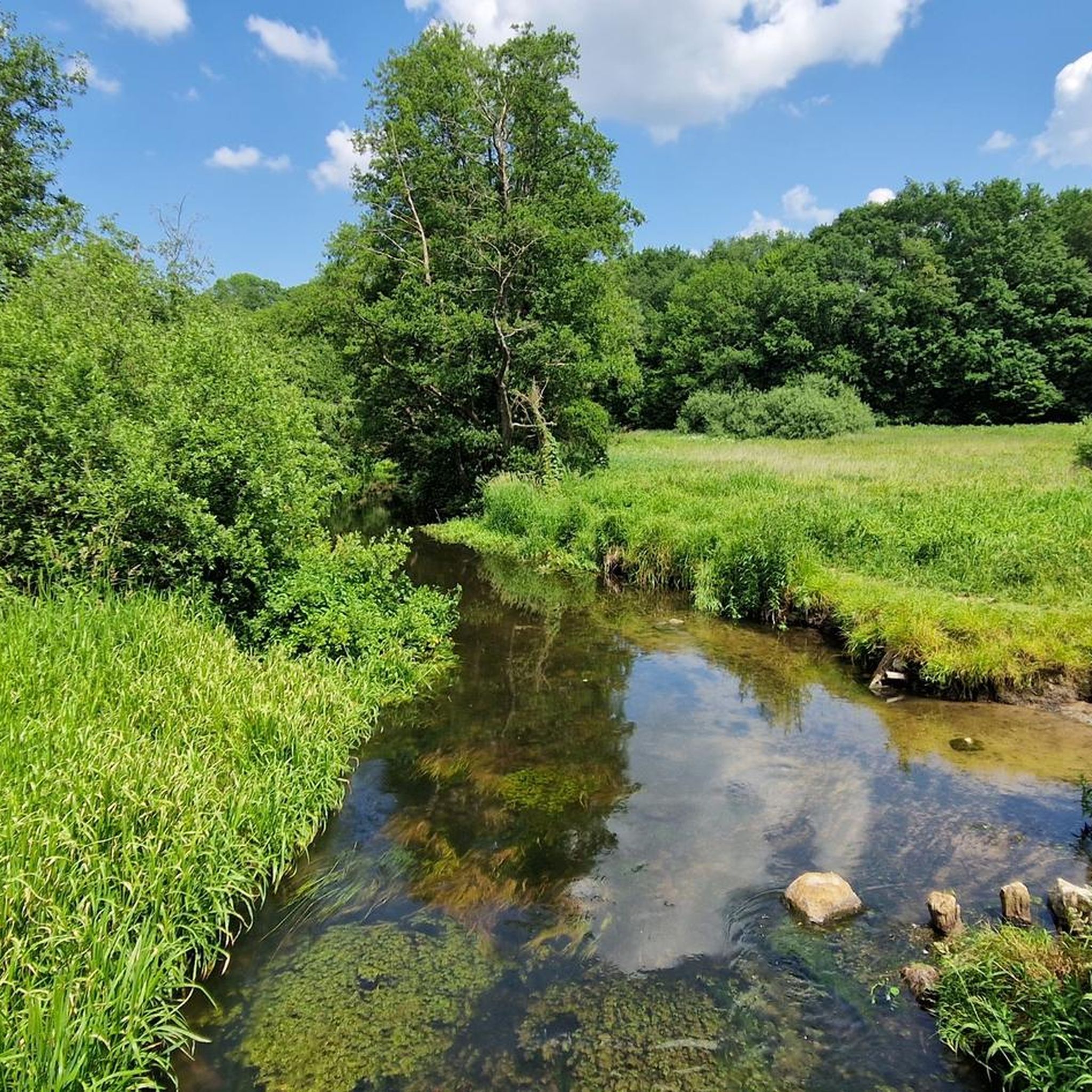
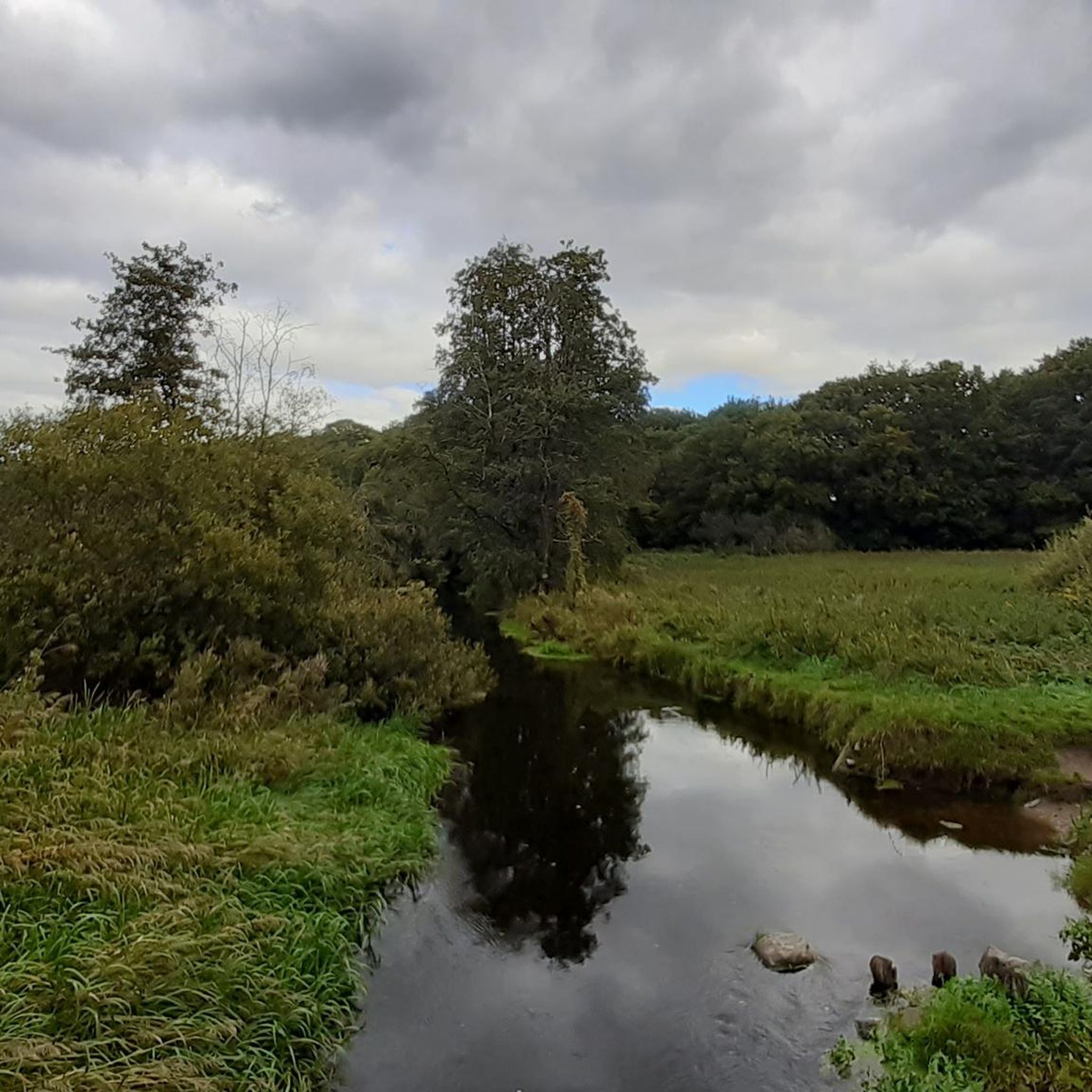
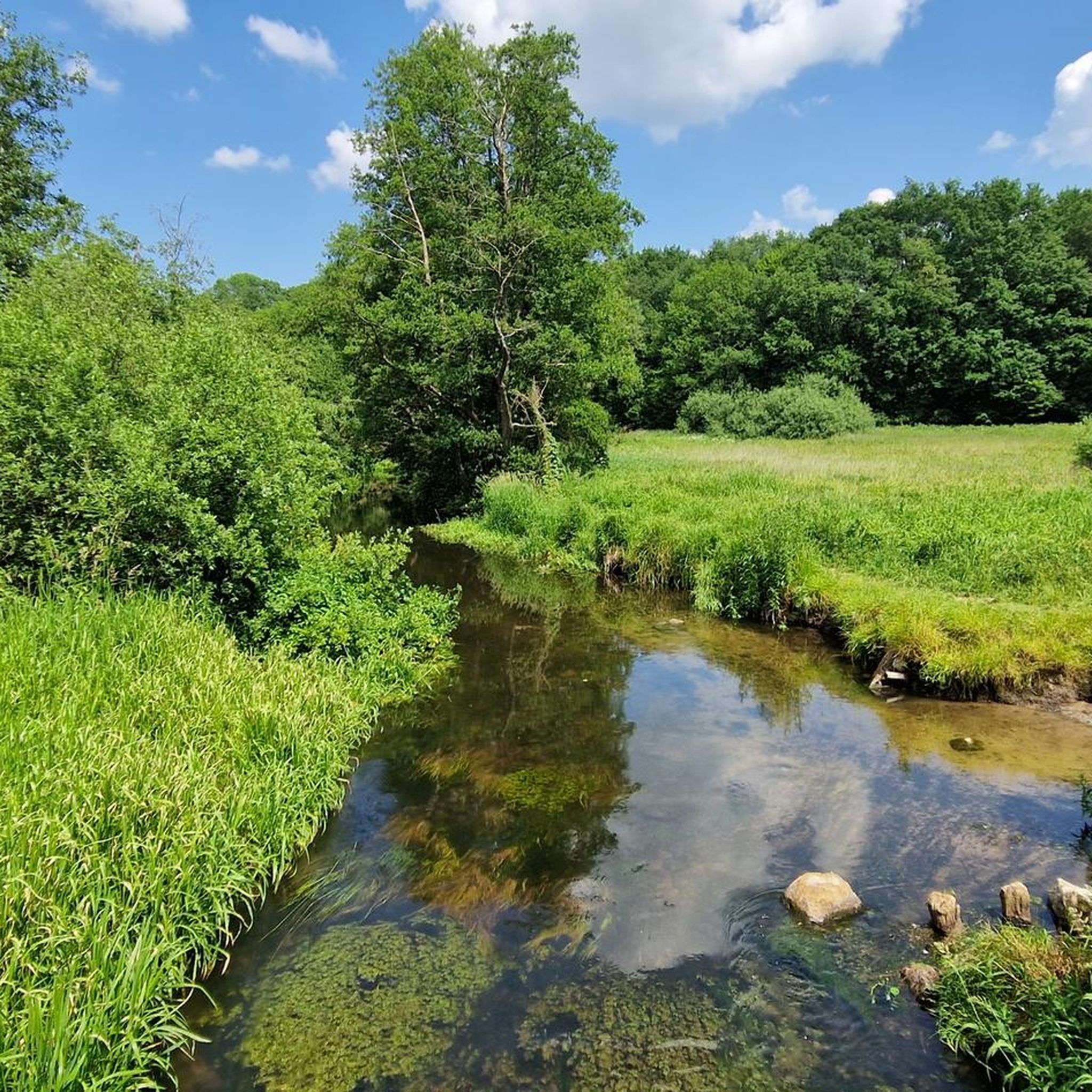
A beautiful, naturally preserved area.
0
0

The ramparts can still be seen in the forest here. Around 830, a refuge was built on the Trave River, surrounded and secured by an earthen rampart, the Nütschau Schanze. As part of the Carolingian border fortifications, it was intended to protect the Limes Saxoniae between the Elbe and Kiel Fjord. This Saxon Wall separated the western, Germanic part of the country from the Slavic eastern part. https://de.wikipedia.org/wiki/Priorat_St._Ansgar_(N%C3%BCtschau)
0
0


The Wittenborner Heide nature reserve remained nutrient-poor and unfertilized due to its previous use as a military training area. This resulted in a diverse landscape of heathland, moors and sparse forests that provide a habitat for many species. You can hike through a very beautiful landscape that is always worth a visit.
3
0

Enjoy this 8.5-kilometer circular trail near Bad Segeberg, Schleswig-Holstein. The route is generally classified as moderate and can be ...
12
1

The Ihlsee is located in the northwestern part of the district town of Bad Segeberg on the northern edge of the Kleinniendorf district and is part of the designated Ihlsee and Ihlwald nature reserve. The origin of the lake has not been fully investigated. Either the depression was formed after the Ice Age due to dead ice or it was created as a sinkhole by the collapse of a cave in the Segeberg salt dome. Today the lake has an area of around 29 hectares and stretches 450 m from north to south and around 850 m from west to east; the shore is 2.25 km long. Along with the Bültsee and the Garrensee, the lake is one of the few nutrient-poor lakes in Schleswig-Holstein. The lake is located in a depression and has no inflow. It is fed only by groundwater and inflowing surface water (precipitation). To the north of the bathing area is the outflow that connects the lake to the Great Segeberg Lake. The lake can be walked around, but there is no path along the lake. There is a bathing area on the eastern shore that has existed for decades. The bathing water quality is regularly monitored and in recent years has been rated as very good to good. There is a residential area on the northern shore. On the western and southern sides, the Ihlwald, a swamp forest, dominates the shoreline. From 1911 to 1961, there was a Kiel-Segeberg narrow-gauge railway station at Ihlsee, the tracks of which were removed in 1962. The Ihlsee was declared a nature reserve in 1950 because of its special features. The lake is a particularly nutrient-poor body of water, which gives rise to rare flora. Today, the lake is part of the Ihlsee and Ihlwald nature reserve and has been part of the Natura 2000 protected area network since 2006. https://de.wikipedia.org/wiki/Ihlsee
2
0

Around 830, a refuge was built on the Trave, surrounded and secured by an earthen rampart, the Nütschau Schanze. As part of the Carolingian border fortifications, it was intended to protect the Limes Saxoniae between the Elbe and the Kiel Fjord. This Saxon rampart separated the western, Germanic part from the Slavic eastern part of the country. (Source: Wikipedia)
0
0

Frequently Asked Questions
What types of natural monuments can I explore around Högersdorf?
The region around Högersdorf, within the broader Kreis Segeberg district, offers a diverse range of natural monuments. You can find geological formations like Kalkberg, Bad Segeberg, serene lakes such as Lake Ihl, and expansive protected areas like the Wittenborn Heath Nature Reserve. The area is characterized by forests, lakes, and heathlands.
Are there any family-friendly natural monuments in the area?
Yes, several natural monuments around Högersdorf are suitable for families. Kalkberg, Bad Segeberg, offers great views and is often combined with a visit to the nearby bat center. Lake Ihl and the Wittenborn Heath Nature Reserve provide opportunities for walks and experiencing nature. The Rönne estuary and stone bridge at Großer Segeberger See is also a pleasant spot for a family outing.
What outdoor activities can I do near these natural monuments?
The natural monuments around Högersdorf are excellent starting points for various outdoor activities. You can find numerous routes for mountain biking, cycling, and running. For instance, explore the 'View of Großer Segeberger Lake' MTB routes or the 'Klein Rönnau Water Mill' cycling route. You can find detailed routes and guides for these activities on the MTB Trails around Högersdorf, Cycling around Högersdorf, and Running Trails around Högersdorf guide pages.
What makes Kalkberg, Bad Segeberg, a significant natural monument?
Kalkberg, Bad Segeberg, is a unique geological formation that lost significant height and mass due to anhydrite or gypsum mining. Despite this, it offers fantastic views of Bad Segeberg and the surrounding area, including Lake Segeberg. It's considered the only rock mountain in a wide radius, with the next similar formation being in the Harz mountains.
Can I observe wildlife near the natural monuments?
Yes, the region's nature reserves and lakes provide habitats for various wildlife. Notably, the Noctalis Bat Centre Bad Segeberg, located near Kalkberg, offers a unique opportunity to learn about and observe bats, especially during their active season. The Ihlsee and Ihlwald nature reserve also supports rare flora and fauna due to its nutrient-poor lake environment.
Are there any historical or cultural sites associated with the natural monuments?
The Kalkberg, Bad Segeberg, has a rich history, once home to the Siegesburg castle destroyed in 1644. It's also famous for its open-air stage and the Karl May plays. The Noctalis Bat Centre is housed in a cave that was discovered in 1913 and has historical ties to the area's mining past.
What is the best time of year to visit the natural monuments around Högersdorf?
The natural monuments around Högersdorf can be enjoyed throughout the year, with each season offering a different experience. Spring and summer are ideal for hiking, cycling, and enjoying the lakes, while autumn brings beautiful foliage to the forests and heathlands. Winter offers a quiet, serene landscape, though some facilities like the bat caves might be closed for bat hibernation.
Are there any easy walking trails near the natural monuments for beginners?
Yes, there are several easy walking options. The path along the Großer Segeberger See offers beautiful views and is generally flat. The Wittenborn Heath Nature Reserve also provides gentle paths suitable for relaxing walks. For specific easy routes, you can check the Running Trails around Högersdorf guide, which includes shorter, less strenuous options.
What are some notable natural features beyond the main highlights?
Beyond the prominent highlights, the broader Kreis Segeberg region features diverse natural landscapes. The Rönne estuary and stone bridge at Großer Segeberger See offers scenic lake views. The region also includes other nature reserves such as Naturschutzgebiet Wittenborner Heide, Kiebitzholmer Moor Und Trentmoor, and Naturschutzgebiet Seedorfer See Und Umgebung, which are worth exploring for their ecological significance.
What do visitors particularly enjoy about the natural monuments in this region?
Visitors frequently praise the stunning views, especially from Kalkberg, Bad Segeberg, on a clear day. The tranquility and natural beauty of areas like Wittenborn Heath Nature Reserve are also highly appreciated for relaxing walks. The unique ecological features of Lake Ihl and the educational experience at the Noctalis Bat Centre are also popular among the komoot community.
Are there options for dog-friendly walks near the natural monuments?
Many of the natural areas around Högersdorf are suitable for walks with dogs, provided they are kept on a leash, especially within nature reserves to protect wildlife. Areas like the Wittenborn Heath Nature Reserve and trails around the lakes offer good opportunities. Always check local signage for specific regulations regarding dogs in protected areas.
Is there parking available at the natural monuments?
Parking availability varies by location. For popular spots like Kalkberg, Bad Segeberg, and the nearby Noctalis Bat Centre, there are usually designated parking areas in Bad Segeberg. For nature reserves and lakes, parking might be available at trailheads or nearby access points. It's advisable to check specific location details before your visit.
Most popular routes around Högersdorf
Most popular attractions around Högersdorf

Get inspired with the komoot mobile app


Explore more
Extend your search for the best caves by checking out these guides of the top ones around Högersdorf:
