Top 20 Natural Monuments around Schwarzenberg/Erzgebirge
Best natural monuments around Schwarzenberg/Erzgebirge are found within the scenic Ore Mountains, offering a blend of natural features and historical significance. The region is characterized by its mountainous landscape and unique geological formations. Schwarzenberg/Erzgebirge itself hosts several recognized natural monuments that reflect both the area's natural beauty and cultural heritage. These sites provide insights into the local environment and past traditions.
Best natural monuments around Schwarzenberg/Erzgebirge
- The most popular natural monuments is Blauenthal Waterfall, a waterfall that is the…
Last updated: July 8, 2026
Fichtelberghaus Restaurant & Hotel
Highlight • Restaurant
Translated by Google •
Tip by

Fichtelberg Peace Bell
Highlight • Monument
Translated by Google •
Tip by

Sign up now to discover places like this
Get recommendations on the best single tracks, peaks, & plenty of other exciting outdoor places.
Sign up for free
Blauenthal Waterfall
Highlight • Waterfall
"After the First World War, the owner of the Toellische paper factory had a new …
Translated by Google •
Tip by

Fichtelberg
Highlight • Summit
Translated by Google •
Tip by

Božídarské Rašeliniště Boardwalk
Highlight (Segment) • Trail
Translated by Google •
Tip by

Sign up for free to discover even more natural monuments around Schwarzenberg/Erzgebirge.
Sign up for free
Already have an account?
Start today with a free account
Your next adventure awaits.
Login or Signup
Popular around Schwarzenberg/Erzgebirge
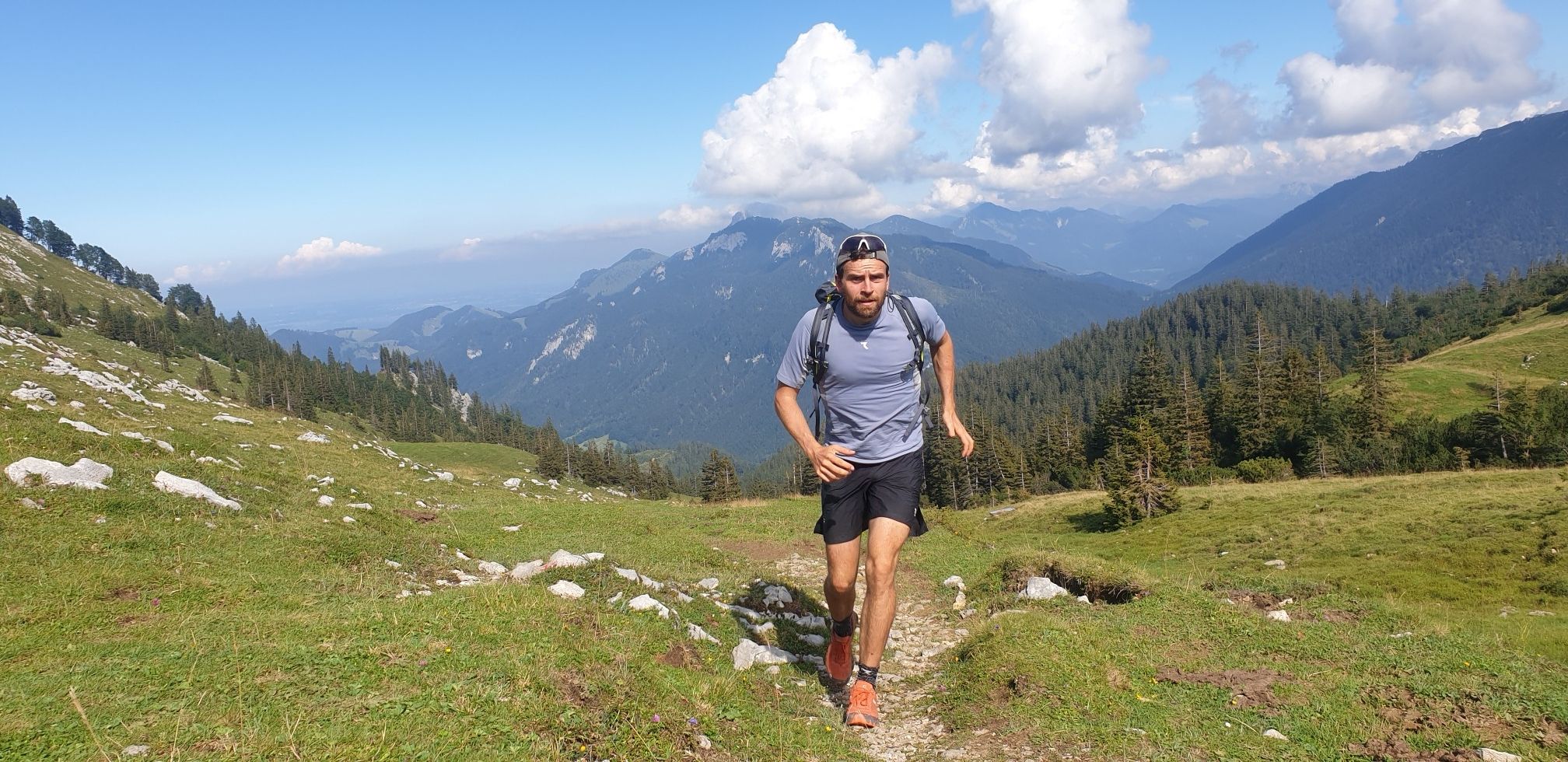
Triathlon around Germany
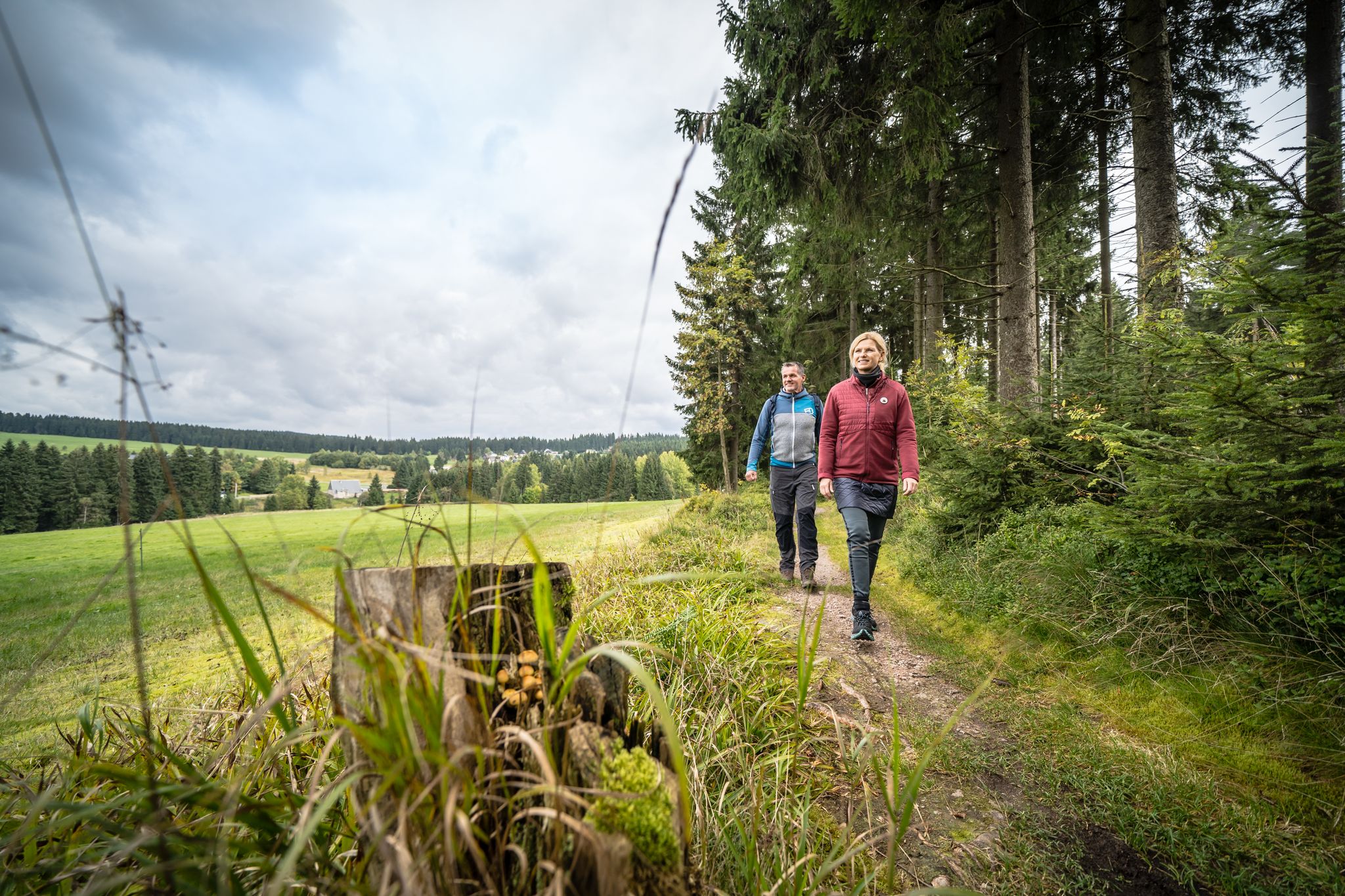
Hiking with heart in the Ore Mountains
Wonderful Silberberg – Day Tours to the Digital Hiking Badge with SummitLynx
Weekend tours in the Ore Mountains
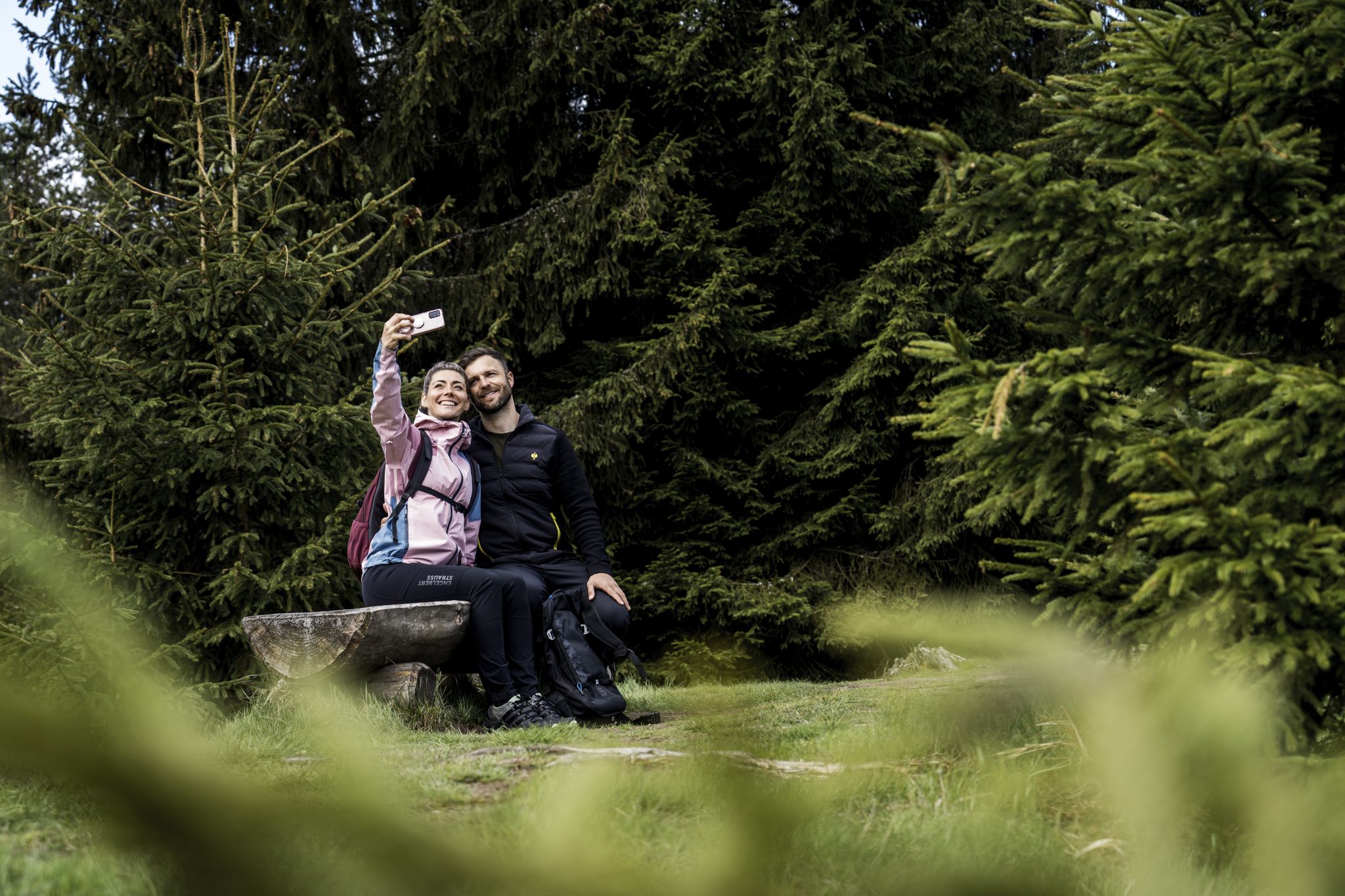
Digitale Wandernadel
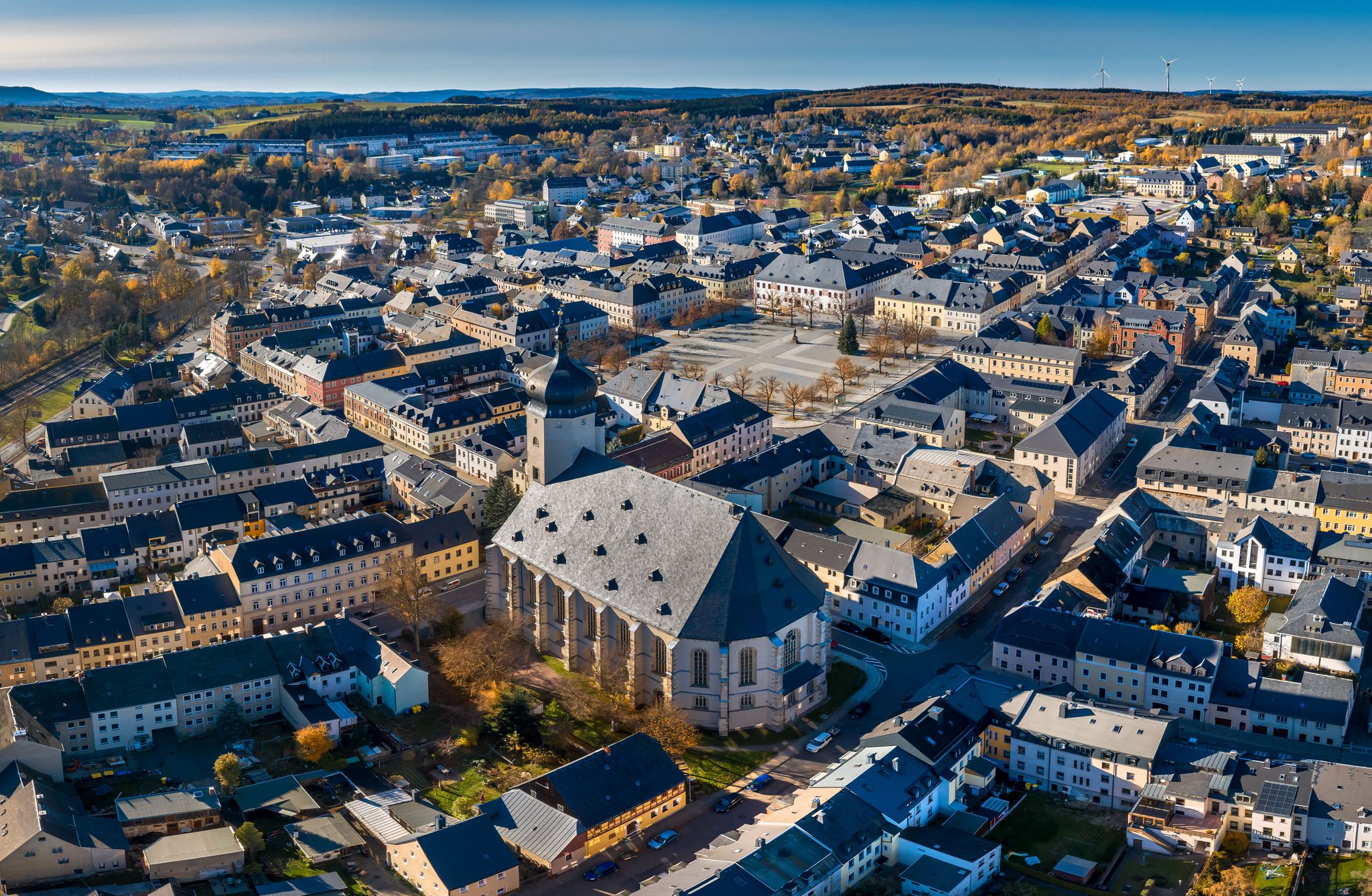
Wandertouren - "Glück Auf" im Welterbe
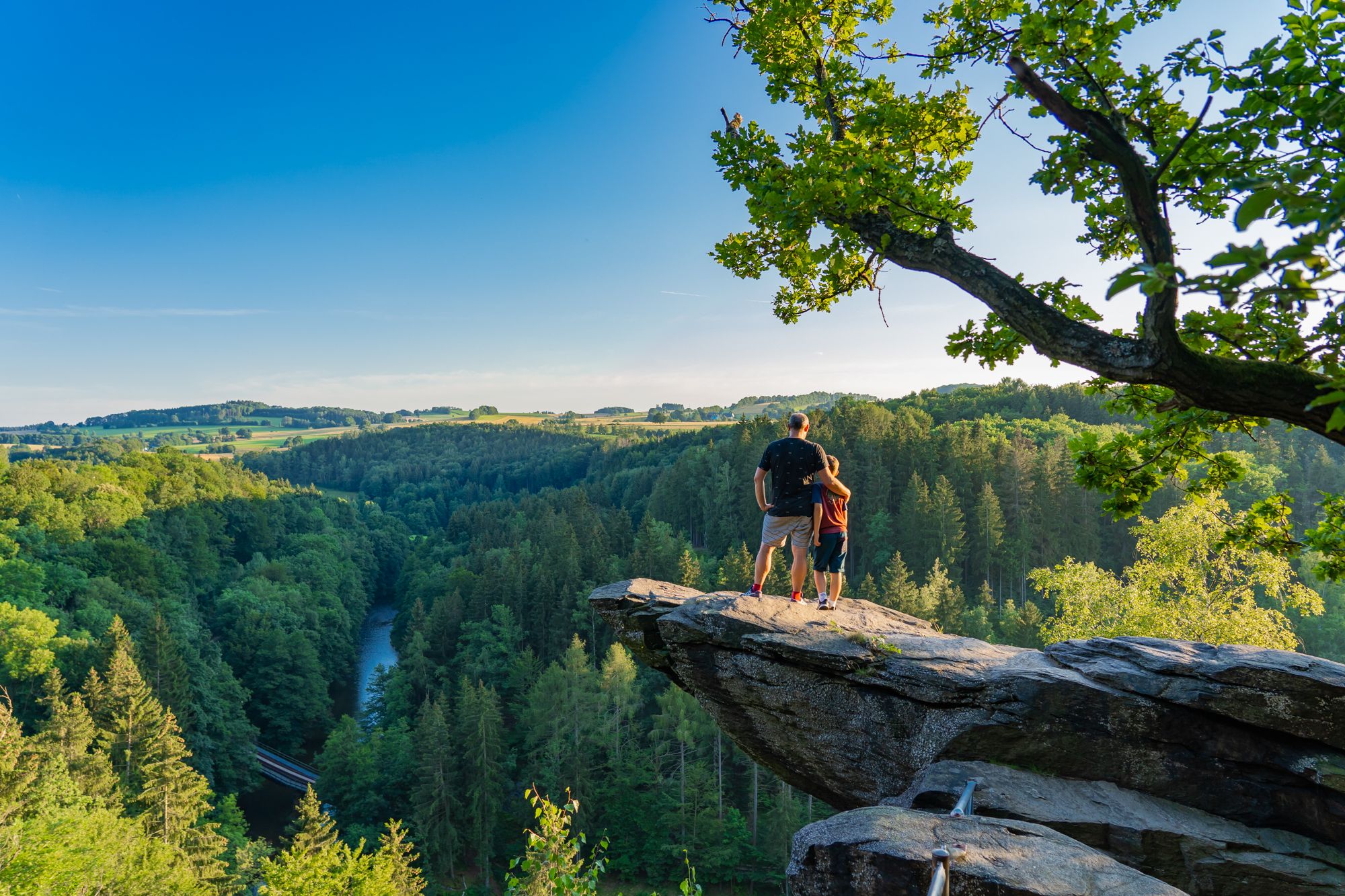
Wandertouren - Gipfelglück
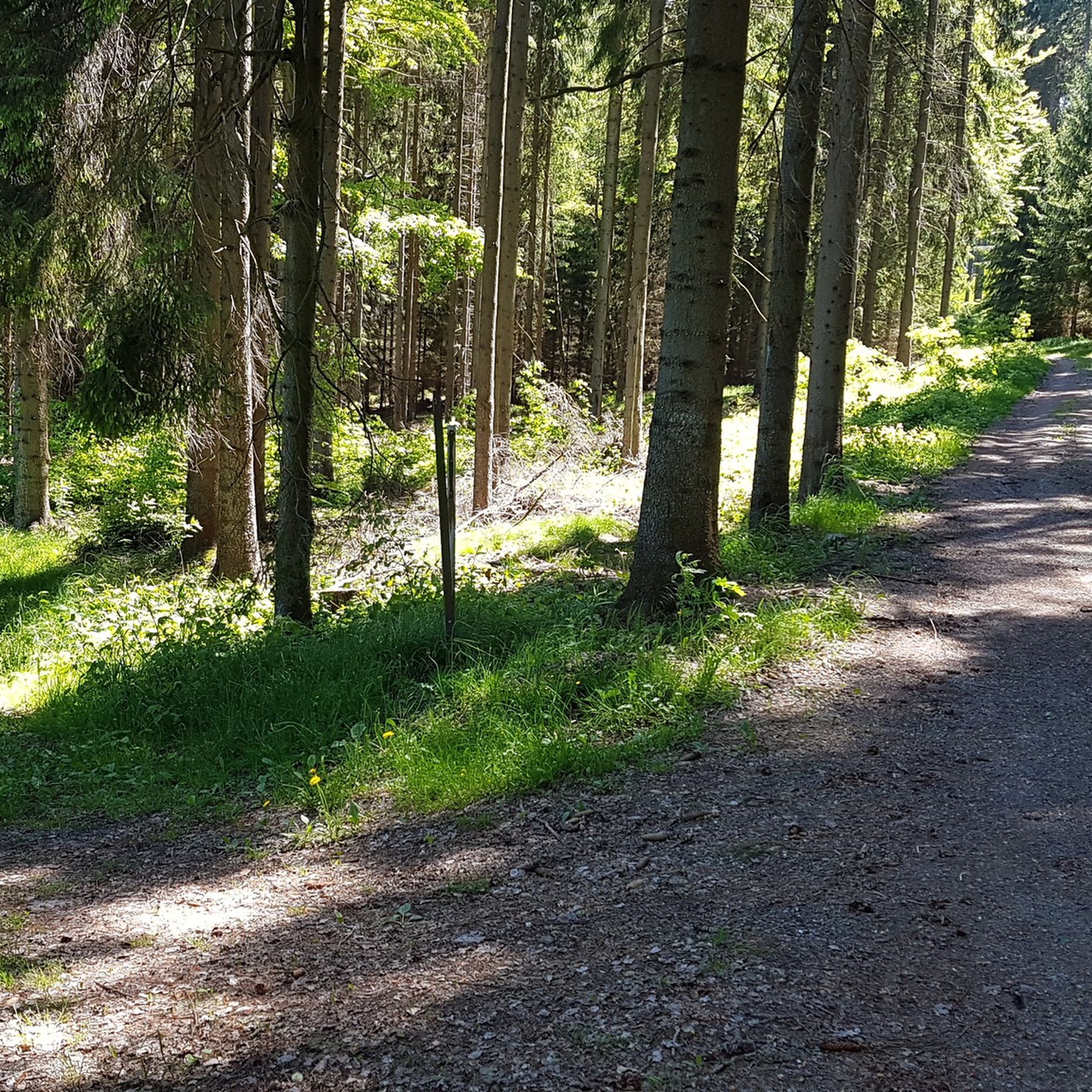
Hiking around Schwarzenberg/Erzgebirge
Cycling around Schwarzenberg/Erzgebirge
MTB Trails around Schwarzenberg/Erzgebirge
Other adventures around Schwarzenberg/Erzgebirge


Tips from the Community

The Fichtelberg near Oberwiesenthal in the Erzgebirge district is, at 1214.79 m above sea level, the highest mountain in Saxony. It was also the highest mountain in East Germany (GDR). Together with the nearby Klínovec (Keilberg; 1243.7 m above sea level) on the Czech side, it forms the most important winter sports center in the Erzgebirge. Source and further information: https://de.m.wikipedia.org/wiki/Fichtelberg_(Erzgebirge)
3
0

The large peace bell on the Fichtelberg had to remain silent for six months in 2024. Stone throwing in May 2022 had so badly damaged the bell that its sound suffered. It was decided to stop ringing it and replace it with a new one. The old bell rang for the last time on Easter Monday 2024. Just in time for the mountain service on German Unity Day on October 3, the new bell was officially rung for the first time in the fall of 2024. The idea of using a peace bell to commemorate the peaceful revolution of 1989 in the GDR and German reunification in 1990 came from watchman Gerd Schlesinger and night watchman Jörg Eller from the Ore Mountains town of Schwarzenberg. The bell was also intended to be heard in neighboring Czechia and thus ring for a united Europe. The cast steel bell, already ninety years old at the time, was rung for the first time in 2010. The new bell was cast in Innsbruck by the Grassmayr company. At 2,700 kilograms, it is about 1,100 kilograms heavier than the old bell.
17
1
Since 1977, a 3.2-kilometer-long nature trail on wooden planks has led through the Božídarské rašeliniště peat bog nature reserve. It features twelve stations with information panels. The 11.61-square-kilometer area has been protected since 1965. It encompasses a series of raised bogs with spruce, pine, Scots pine, dwarf birch, heaths, and meadows. A carnivorous plant characteristic of peat bogs, the round-leaved sundew, also grows here. The largest peat bog in the Ore Mountains lies at an elevation of 940 to 1116 meters; its specific mountain climate creates challenging conditions for animals and plants.
13
2


The Fichtelberg near Oberwiesenthal in the Erzgebirge district is, at 1214.79 m above sea level, the highest mountain in Saxony. It was also the highest mountain in East Germany (GDR). Together with the nearby Klínovec (Keilberg; 1243.7 m above sea level) on the Czech side, it forms the most important winter sports center in the Erzgebirge. Source and further information: https://de.m.wikipedia.org/wiki/Fichtelberg_(Erzgebirge)
3
2

There is usually a lot going on here. It is worth visiting not only in winter.
3
1

One of the most beautiful waterfalls I know 😍. If you continue the hike to the right, you can see the waterfall from above 😊.
14
2
Frequently Asked Questions
What unique natural features can I explore around Schwarzenberg/Erzgebirge?
The region offers a diverse range of natural features. You can discover the impressive Blauenthal Waterfall, which is the highest in Saxony, or explore the unique ecosystem of the Božídarské Rašeliniště Boardwalk, a peat bog nature reserve. Another fascinating site is the Eispinge (Ice Pit), a gorge created by mining activity that often retains ice until late summer.
Are there any historical natural monuments in Schwarzenberg/Erzgebirge?
Yes, Schwarzenberg/Erzgebirge is home to several natural monuments with significant historical ties. The Königseiche (King's Oak) on the Unterer Markt was planted in 1818 to commemorate King Friedrich August the Just. Another notable site is the Geleitete Linde (Guided Lime Tree), a unique two-tiered tree at an old court place, showcasing traditional tree shaping and cultural history. Additionally, the Alte Lindenbaumreihe (Old Row of Lime Trees) in Bermsgrün has been protected since 1973, forming an important part of the local landscape.
Are there family-friendly natural monuments to visit in the area?
Absolutely! The Božídarské Rašeliniště Boardwalk is an excellent choice for families, offering a 3.2-kilometer nature trail on wooden planks with information panels about the unique ecosystem. The Blauenthal Waterfall is also generally considered family-friendly and a beautiful spot for a visit.
What kind of landscapes can I expect to see at the natural monuments?
You can expect a variety of landscapes. The region features impressive waterfalls like the Blauenthal Waterfall, unique peat bog ecosystems at the Božídarské Rašeliniště Boardwalk, and geological formations such as the Eispinge (Ice Pit). Beyond these, you'll find ancient trees like the Königseiche and the Guided Lime Tree, as well as the broader mountainous landscape of the Ore Mountains, exemplified by the Fichtelberg summit.
What outdoor activities can I do near these natural monuments?
The area around Schwarzenberg/Erzgebirge is perfect for outdoor enthusiasts. You can find numerous hiking trails, including easy options like those listed in the Easy hikes around Schwarzenberg/Erzgebirge guide. For cyclists, there are various routes for road cycling and touring, detailed in guides such as Road Cycling Routes around Schwarzenberg/Erzgebirge and Cycling around Schwarzenberg/Erzgebirge.
Are there hiking trails near these natural monuments?
Yes, there are many hiking opportunities. For instance, you can find easy hikes like the 'Hirschenstein – Slate Mosaic House loop' or the 'Rest Area at Ratsbach – View towards Lauter loop' near Schwarzenberg/Erzgebirge. More options are available in the Easy hikes around Schwarzenberg/Erzgebirge guide, allowing you to explore the natural beauty of the region on foot.
What do visitors enjoy most about the natural monuments in Schwarzenberg/Erzgebirge?
Visitors frequently praise the unique natural beauty and historical significance of the sites. For example, the Blauenthal Waterfall is often described as 'very pretty' and 'definitely worth a visit.' The Božídarské Rašeliniště Boardwalk is appreciated for its 'beautifully laid out wooden walkway' and 'many interesting displays about nature and the environment.' The Eispinge (Ice Pit) is noted for its fascinating characteristic of retaining ice even in summer.
Can I find viewpoints among the natural monuments?
Yes, several natural monuments offer excellent viewpoints. The Fichtelberg, as the highest mountain in Saxony, provides expansive views of the surrounding Ore Mountains. While primarily a man-made monument, the Fichtelberg Peace Bell is located on the Fichtelberg plateau and also offers a great vantage point.
Are there any natural monuments related to mining history?
Yes, the Eispinge (Ice Pit) is a direct result of historical mining activity. This gorge was created by the mining of the Georg ore vein, making it a unique natural monument that showcases the region's rich mining heritage and its impact on the landscape.
What is the significance of the Fichtelberg in the region?
The Fichtelberg is the highest mountain in Saxony, standing at 1214.79 meters above sea level. It's a prominent natural landmark and, together with the nearby Klínovec, forms a significant winter sports center in the Erzgebirge. It offers stunning views and is a popular destination for both nature lovers and active visitors.
Is there a natural monument that is particularly unique or unusual?
The Geleitete Linde (Guided Lime Tree) in Schwarzenberg is quite unique. It's a two-tiered summer lime tree, possibly referred to as a 'split lime tree,' located at an old court place. Its distinctive 'guided' form suggests centuries of human cultivation and shaping, making it a fascinating example of traditional tree artistry and a living piece of cultural history.
Most popular routes around Schwarzenberg/Erzgebirge
Most popular attractions around Schwarzenberg/Erzgebirge

Get inspired with the komoot mobile app


Explore more
Extend your search for the best caves by checking out these guides of the top ones around Schwarzenberg/Erzgebirge:
