Top 20 Natural Monuments around Hirz-Maulsbach
Best natural monuments around Hirz-Maulsbach are found within the Westerwald-Sieg region of Germany, characterized by hills, meadows, and dense woodlands. The area features the meandering Hirzbach and Maulsbach watercourses, contributing to its diverse natural landscape. This region offers a blend of historical intrigue and scenic beauty, with natural features often intertwined with cultural significance. Visitors can explore various natural monuments that highlight the area's geological and ecological characteristics.
Best natural monuments around Hirz-Maulsbach
- The most popular natural monuments is Wied…
Last updated: October 11, 2026
Wied Valley
Highlight • River
Translated by Google •
Tip by

Siegaue Floodplain Nature Reserve, Herchen
Highlight • River
Translated by Google •
Tip by

Sign up now to discover places like this
Get recommendations on the best single tracks, peaks, & plenty of other exciting outdoor places.
Healing Spring (Windeck-Ohmbach)
Highlight • Natural Monument
Translated by Google •
Tip by

Hölderstein via ferrata
Highlight (Segment) • Climb
Translated by Google •
Tip by

Grenzbachtal Nature Reserve
Highlight • Forest
Translated by Google •
Tip by

Sign up for free to discover even more natural monuments around Hirz-Maulsbach.
Already have an account?
Start today with a free account
Your next adventure awaits.
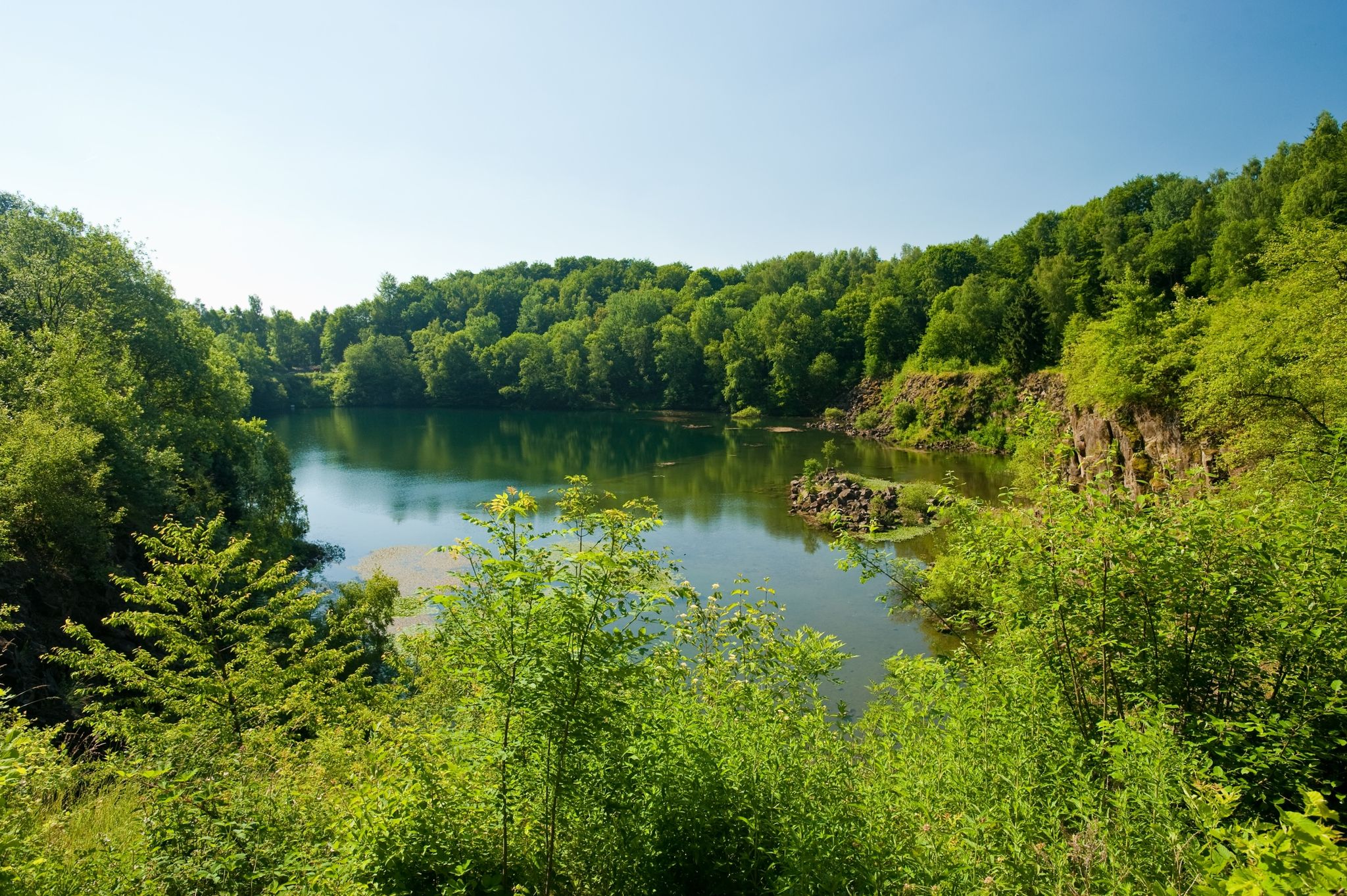
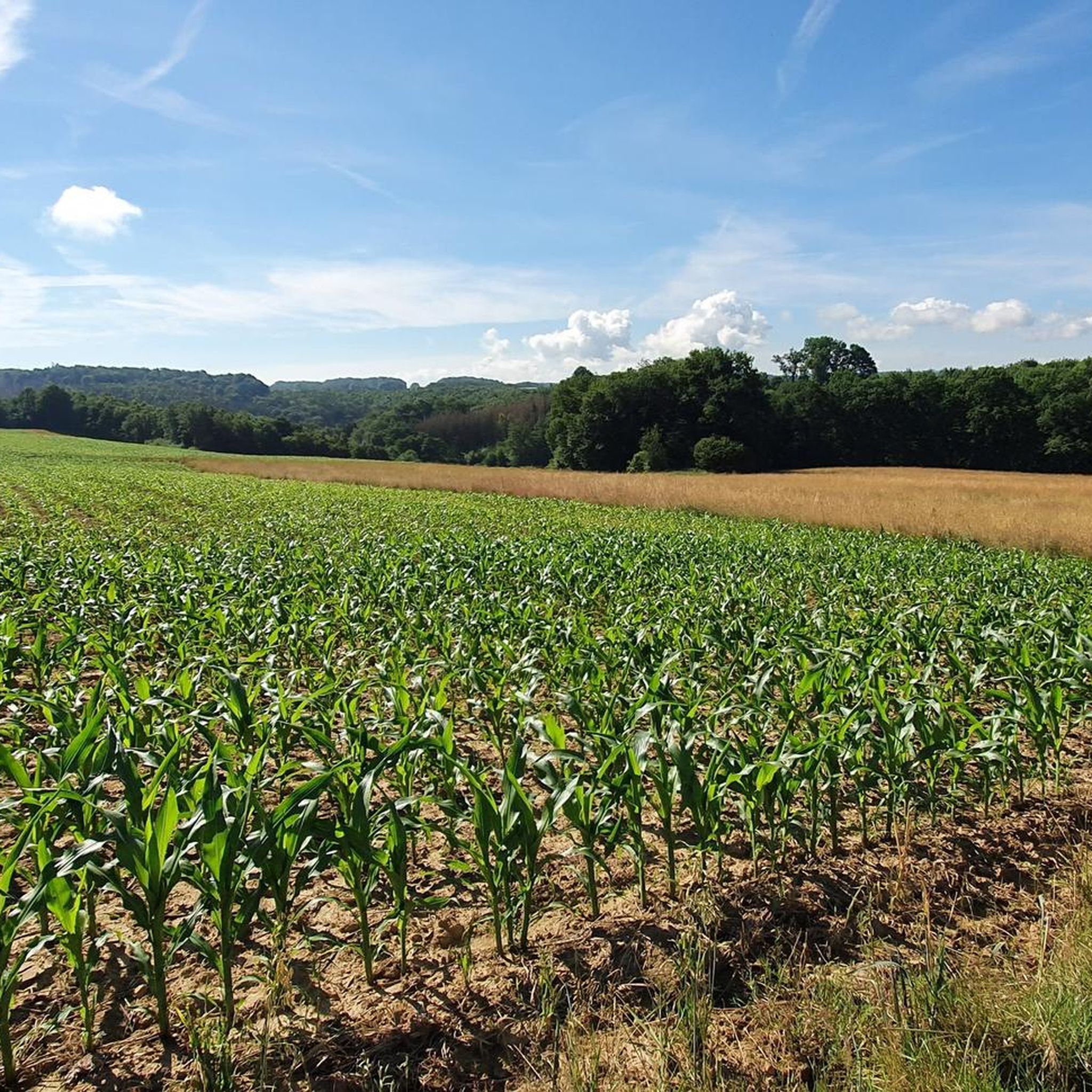
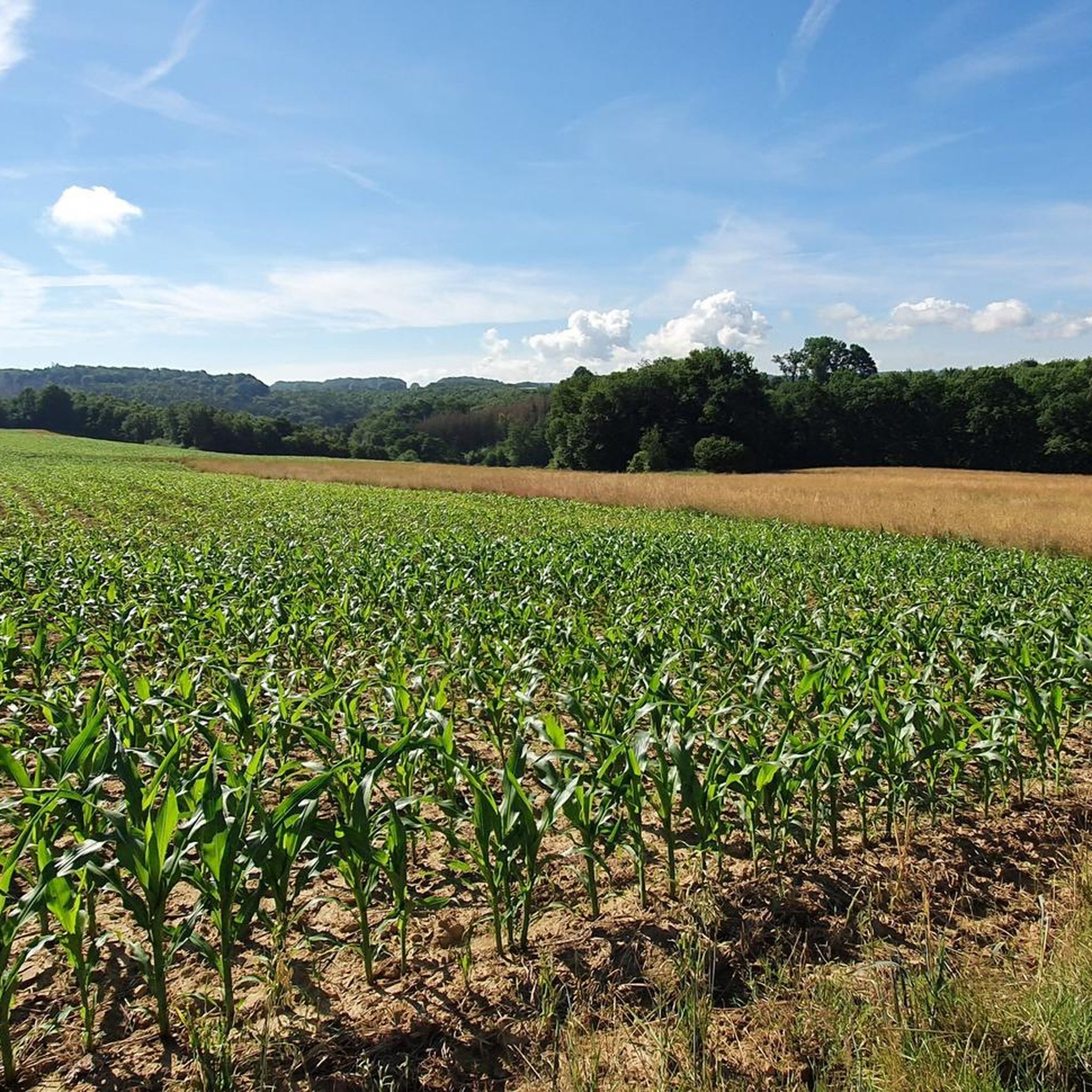
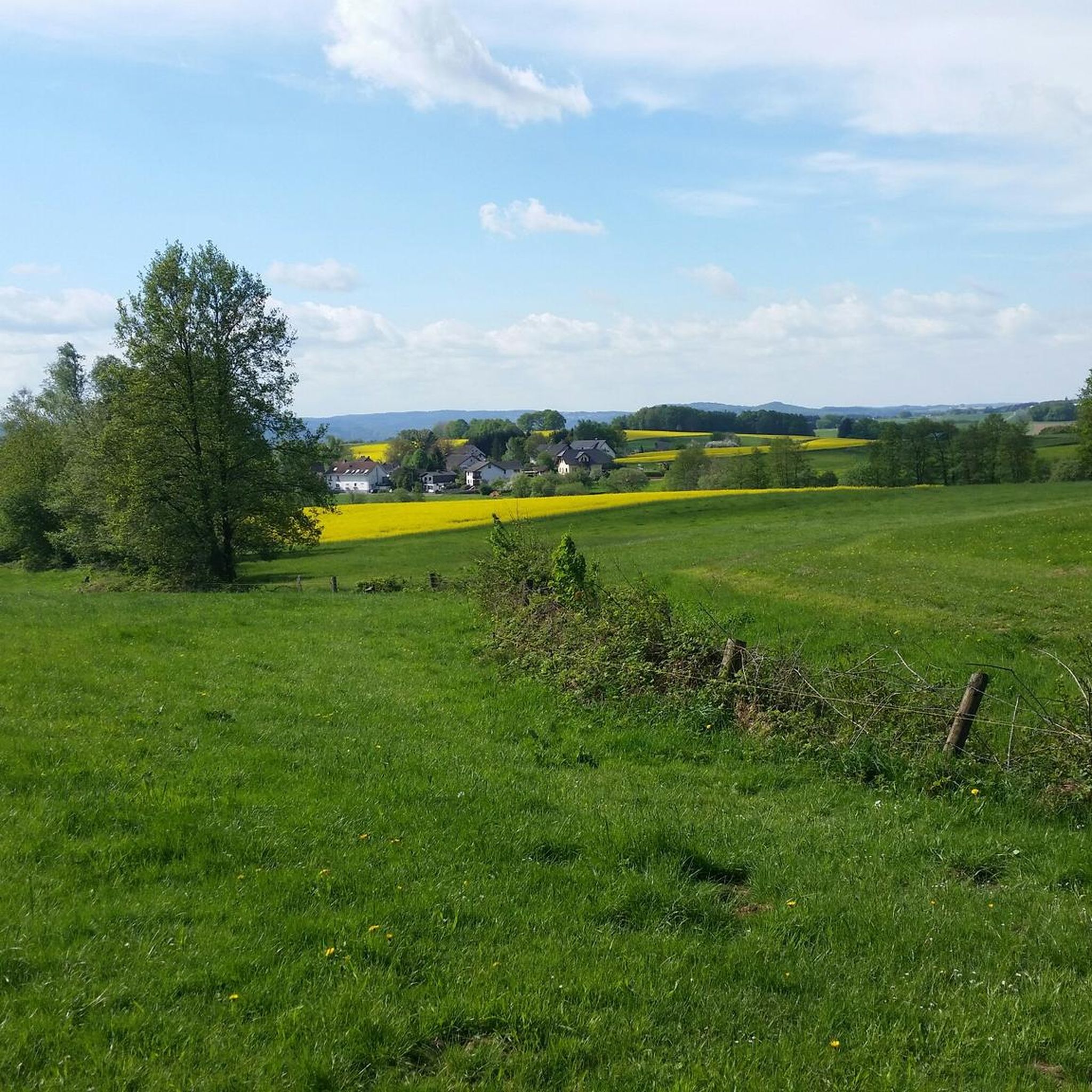
Other adventures around Hirz-Maulsbach

Tips from the Community

Impressive landscape - beautiful and great for shaking off all stress.
0
0

Joseph von Eichendorff: WANDERLIED „From the ground to the peaks, as far as one can see, it is now blooming in all the treetops, now the hike begins. The springs from the ravines, the stream on the green plain, the larks high in the air, the poet fresh ahead.“
1
0

The Siegsteig from Herchen station, including the Künstlerweg, has obviously been closed for years due to windthrow. It is also not passable!!
1
0

A small highlight in Rhineland-Palatinate. The almost continuous cycle path is really great.
0
0


A worthwhile sight at any time of year. However, the paths must not be left.
2
0


Beautiful surroundings and wonderful nature!
2
0
Frequently Asked Questions
What unique natural monuments can I explore in Hirz-Maulsbach?
Beyond the well-known spots, Hirz-Maulsbach is home to the intriguing Motte Broichhausen, a natural monument zone featuring the remnants of a medieval tower hill castle with its castle hill, ramparts, and moat. Another significant site is the Peace Oak (Friedenseiche), a majestic and historically symbolic tree near the Hirzbach, recognized for its impressive size and community care.
Are there natural monuments with historical significance in the area?
Yes, several. The Motte Broichhausen offers a blend of medieval history and nature, being the site of a former castle. The Peace Oak is not only a natural wonder but also a symbol of peace planted after WWII. Additionally, the Healing Spring (Windeck-Ohmbach) is a natural monument with historical markers and tales of healing.
What kind of natural features can I expect to see around Hirz-Maulsbach?
The region is characterized by picturesque hills, sprawling meadows, and dense woodlands. You'll find meandering watercourses like the Hirzbach and Maulsbach, as well as wild streams and beech forests. Specific natural monuments include river valleys like the Wied Valley, floodplains such as the Siegaue Floodplain Nature Reserve, Herchen, and various forested areas like the Grenzbachtal Nature Reserve.
Are there family-friendly natural monuments or trails in Hirz-Maulsbach?
Absolutely. The Healing Spring (Windeck-Ohmbach) is a great spot for families, offering a peaceful retreat with benches. The Siegaue Floodplain Nature Reserve, Herchen, with its flowering meadows and old trees, provides a tranquil setting suitable for all ages. The Grenzbachtal Nature Reserve also features well-prepared paths ideal for family walks.
What outdoor activities can I do near the natural monuments?
The area around Hirz-Maulsbach is excellent for various outdoor activities. You can enjoy hiking on trails like the 'View of the Hirzbach Valley loop' or 'Hirzbach Village Square – Bench with a view of Wiedtal loop'. Cycling routes, such as the 'Wied Valley – Wied Suspension Bridge loop', offer scenic rides. For runners, there are several loops like the 'Running loop from Hirz-Maulsbach'. You can find more details on these activities in the hiking, cycling, and running guides for Hirz-Maulsbach.
Are there challenging trails or unique experiences for experienced hikers?
Yes, for those seeking a challenge, the Hölderstein via ferrata is a unique experience. It's the only via ferrata on the WesterwaldSteig, offering a 300-meter route with an 80-meter altitude difference, utilizing cramps, stirrups, pegs, ladders, and a bridge. Please note it may be closed during breeding season.
When is the best time to visit the natural monuments in Hirz-Maulsbach?
The natural monuments are beautiful year-round. Spring brings flowering meadows, especially in areas like the Siegaue Floodplain Nature Reserve. Summer is ideal for longer hikes and enjoying the lush greenery. Autumn offers vibrant foliage in the woodlands, and even winter can provide serene, quiet routes, though some trails like the Hölderstein via ferrata might have seasonal closures.
What do visitors enjoy most about the natural monuments in Hirz-Maulsbach?
Visitors frequently appreciate the tranquility and natural beauty, especially along the quiet routes of the Wied Valley. The historical elements, such as those found at the Healing Spring, also add a unique dimension. Many enjoy the well-maintained paths in places like the Grenzbachtal Nature Reserve, making for pleasant outdoor experiences.
Are there any natural monuments suitable for a quiet break or reflection?
The Healing Spring (Windeck-Ohmbach) offers a pretty retreat with benches, perfect for rest and reflection. Similarly, the Siegaue Floodplain Nature Reserve, Herchen, provides a tranquil setting with benches and tables, ideal for a peaceful break amidst nature.
Can I find viewpoints or scenic spots among the natural monuments?
Yes, many natural monuments offer scenic views. The Wied Valley is known for its picturesque landscapes. The Hölderstein via ferrata, while challenging, rewards climbers with excellent viewpoints. The general landscape around Hirz-Maulsbach, with its diverse terrain and watercourses, also provides numerous picturesque vistas.
What should I wear when visiting the natural monuments and trails?
For most trails and natural monuments, comfortable walking or hiking shoes are recommended, especially if you plan to explore the varied terrain. Layered clothing is advisable to adapt to changing weather conditions. If attempting the Hölderstein via ferrata, appropriate climbing equipment is essential.
Most popular routes around Hirz-Maulsbach
Most popular attractions around Hirz-Maulsbach

Get inspired with the komoot mobile app


Explore more
Extend your search for the best caves by checking out these guides of the top ones around Hirz-Maulsbach:
