Top 20 Natural Monuments around Trappenkamp
Best natural monuments around Trappenkamp are found within Schleswig-Holstein, Germany, offering diverse outdoor experiences. The region provides access to significant natural areas, including the ErlebnisWald Trappenkamp and several lakes and nature parks. These locations feature a blend of wildlife observation, active recreation, and environmental education. The landscape is characterized by forests, lakes, and unique ecosystems, making it suitable for exploration.
Best natural monuments around Trappenkamp
- The most popular natural monuments is Kattholz Oak, a natural monument described as one…
Last updated: June 24, 2026
Lake Ihl
Highlight • Lake
Translated by Google •
Tip by

Kattholz Oak
Highlight • Natural Monument
Translated by Google •
Tip by

Sign up now to discover places like this
Get recommendations on the best single tracks, peaks, & plenty of other exciting outdoor places.
Sign up for free
Tarbeker Moor
Highlight • Natural
Translated by Google •
Tip by

Viert Assembly Stone Bornhöved
Highlight • Monument
Translated by Google •
Tip by

Middle Trave Nature Experience
Highlight (Segment) • River
Status: February 10, 2022 10:15 a.m.
It flows around the World Heritage Old Town Island of Lübeck and carries huge …
Translated by Google •
Tip by

Sign up for free to discover even more natural monuments around Trappenkamp.
Sign up for free
Already have an account?
Start today with a free account
Your next adventure awaits.
Login or Signup
Tips from the Community

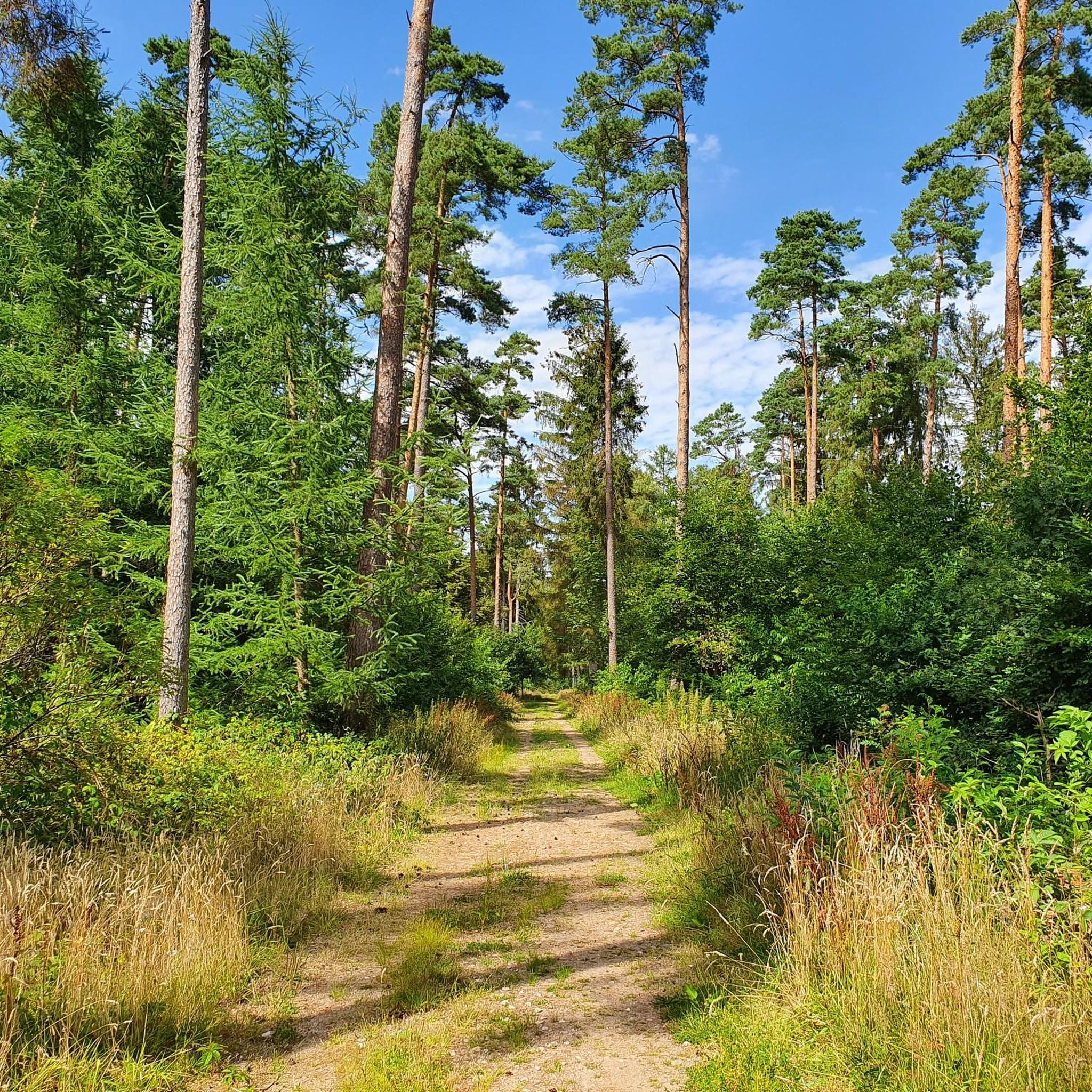
As part of the Holstein Switzerland Nature Park, the Tarbek Moor with its special charm is a popular excursion destination that gives you a variety of impressions. With its diverse composition of ponds and vegetation-free peat banks, it offers undisturbed insights into a mysterious-looking habitat. A moor birch forest borders dark ponds surrounded by snakeroot, dead birch trees in water-filled peat pits rise picturesquely into the sky and fields of waving cotton grass are reminiscent of images from Nordic legends. In the 131-hectare area, which was previously used as a peat extraction area, remnants of this use can still be seen today and carefree cycling and hiking from the Tarbek Moor to the Ihlsee in Bad Segeberg is possible both along former routes that have been preserved to this day and along the railway embankment that connected Bad Segeberg, Bornhöved and Kiel until 1960. https://www.blunkerbach-sh.de/tarbeker-moor
3
0

The Trave: Through Holstein from the source to the mouth Status: February 10, 2022 10:15 a.m. It flows around the World Heritage Old Town Island of Lübeck and carries huge ferries at the mouth: the Trave. A river trip from the source near Eutin to Travemünde on the Baltic Sea. At the end it is wide and deep, mighty ferries use it on their way to the open Baltic Sea: the Trave. But before the river flows into the sea near Travemünde, it is a good 120 kilometers behind it. Actually, the water would not have to travel far from the source to the Baltic Sea. It is only around ten kilometers from the small town of Gießelrade south of Eutin to the Baltic coast. Trave flows through Wardersee and becomes navigable Canoeist on the Trave. © NDR Photo: Robert Tschuschke The Trave is a popular area for canoeists. After the Wardersee flow, it is navigable. But the Trave does not choose the shortest route, but winds its way between meadows and fields, initially to the southwest.
1
0
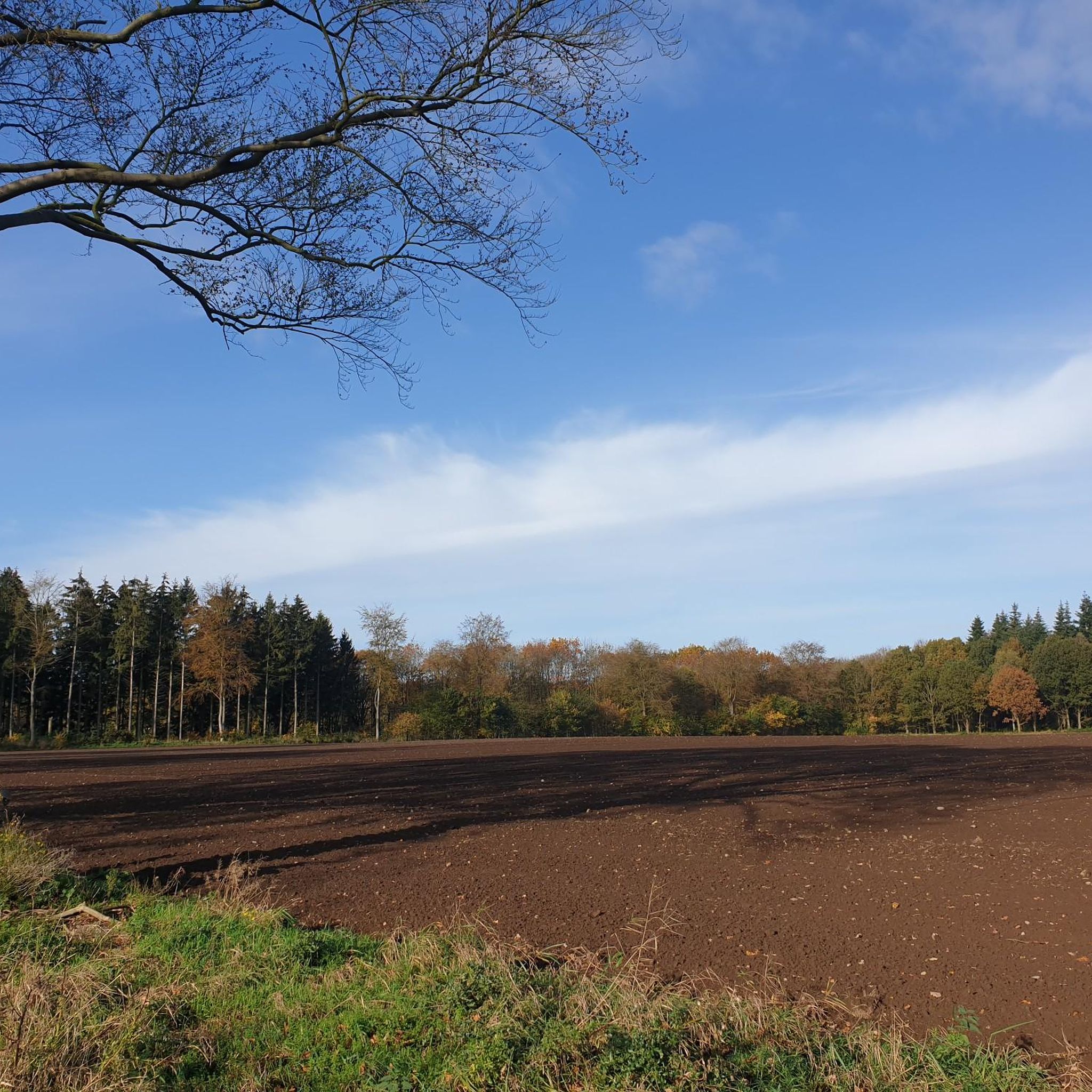
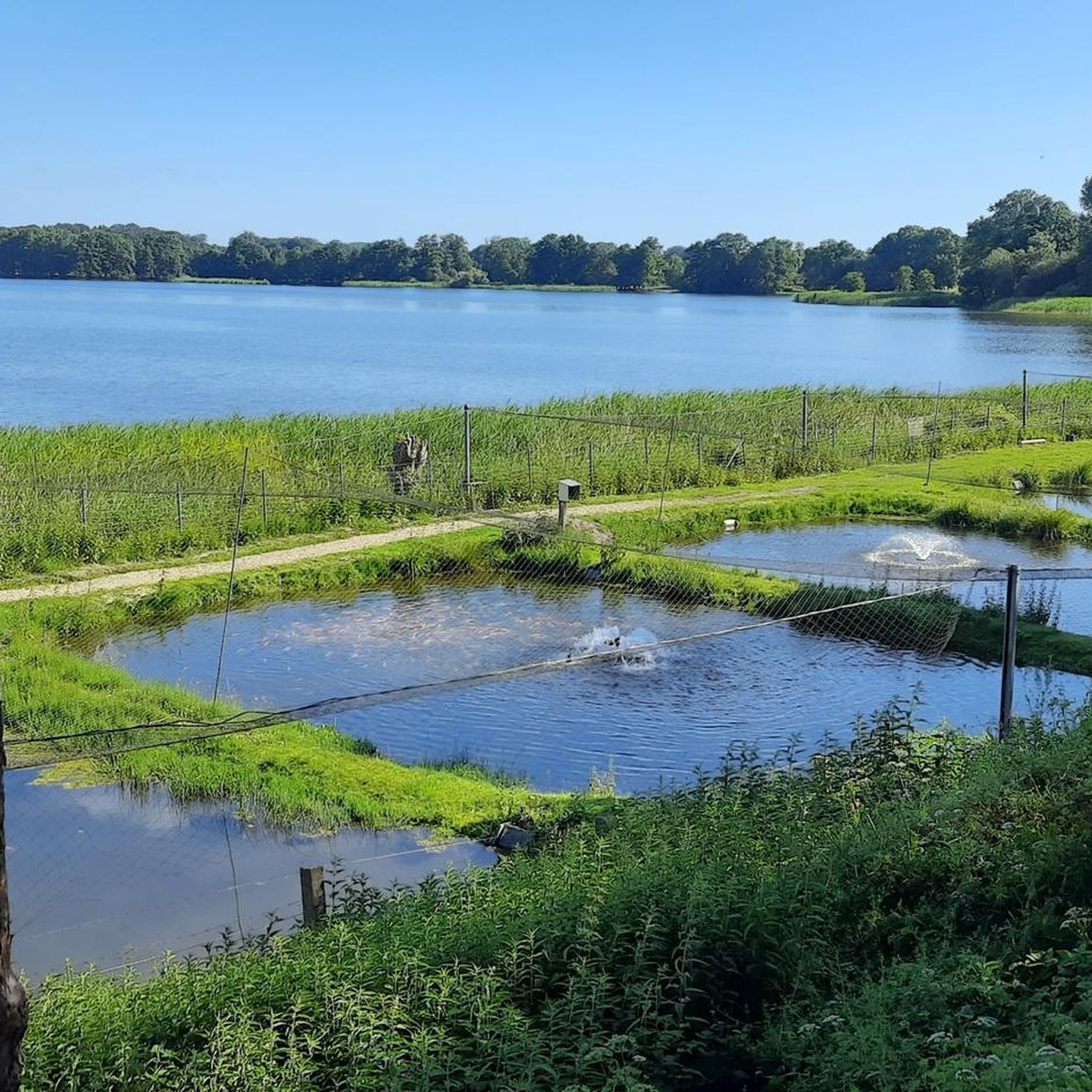
The Ihlsee is located in the northwestern part of the district town of Bad Segeberg on the northern edge of the Kleinniendorf district and is part of the designated Ihlsee and Ihlwald nature reserve. The origin of the lake has not been fully investigated. Either the depression was formed after the Ice Age due to dead ice or it was created as a sinkhole by the collapse of a cave in the Segeberg salt dome. Today the lake has an area of around 29 hectares and stretches 450 m from north to south and around 850 m from west to east; the shore is 2.25 km long. Along with the Bültsee and the Garrensee, the lake is one of the few nutrient-poor lakes in Schleswig-Holstein. The lake is located in a depression and has no inflow. It is fed only by groundwater and inflowing surface water (precipitation). To the north of the bathing area is the outflow that connects the lake to the Great Segeberg Lake. The lake can be walked around, but there is no path along the lake. There is a bathing area on the eastern shore that has existed for decades. The bathing water quality is regularly monitored and in recent years has been rated as very good to good. There is a residential area on the northern shore. On the western and southern sides, the Ihlwald, a swamp forest, dominates the shoreline. From 1911 to 1961, there was a Kiel-Segeberg narrow-gauge railway station at Ihlsee, the tracks of which were removed in 1962. The Ihlsee was declared a nature reserve in 1950 because of its special features. The lake is a particularly nutrient-poor body of water, which gives rise to rare flora. Today, the lake is part of the Ihlsee and Ihlwald nature reserve and has been part of the Natura 2000 protected area network since 2006. https://de.wikipedia.org/wiki/Ihlsee
2
0

The Tarbek Moor can be walked around in 1 hour. ... if it didn't offer so many beautiful moments to pause and take a break.
4
0
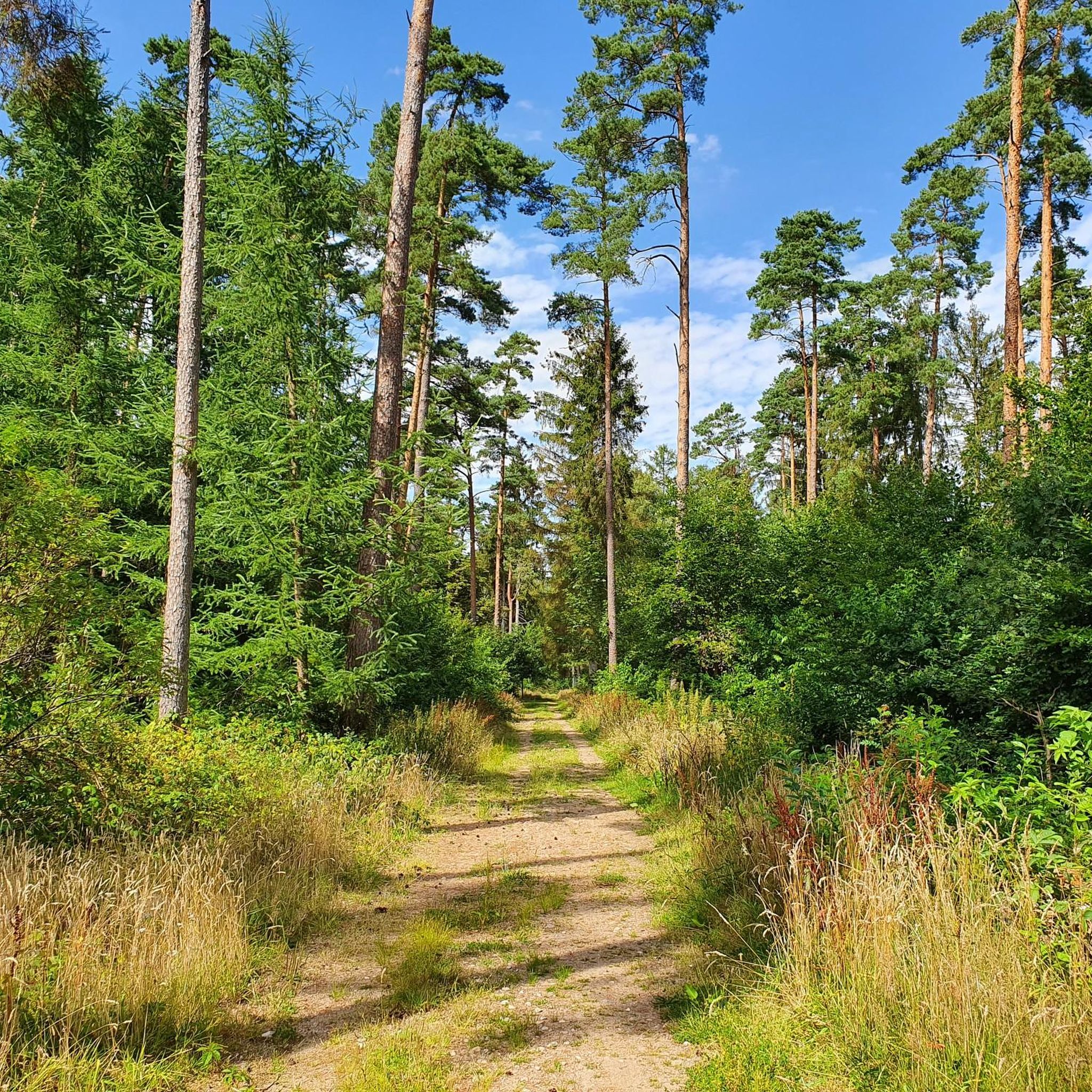
Here is a memorial stone for the assembly area and a picnic area overlooking the lake.
3
0

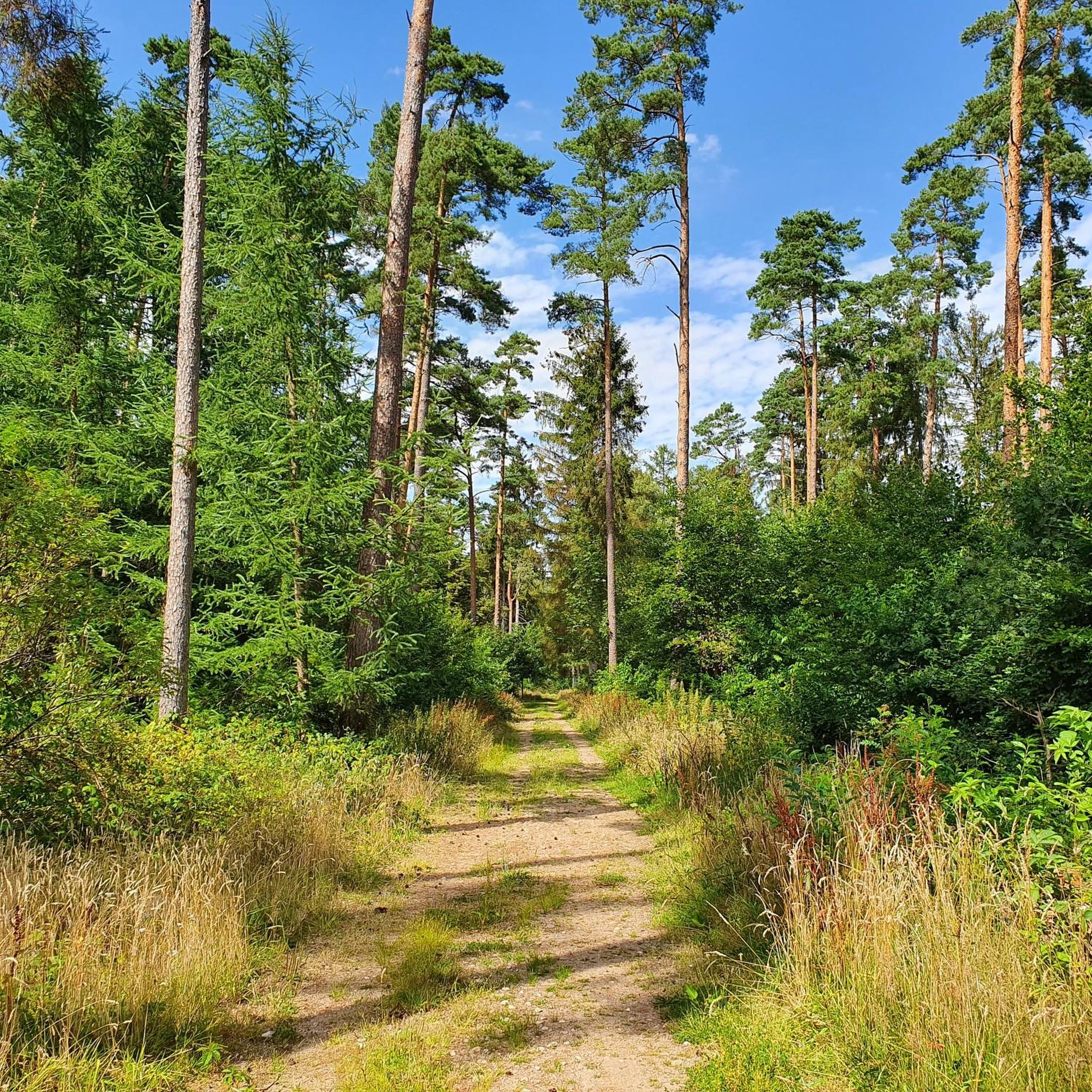
On a nice dirt road you suddenly come across this old oak tree and wonder how old it is.
5
0

It is variously described as the thickest oak in Germany and is therefore one of the most well-known oaks of all. It has the enormous trunk circumference due to large trunk outgrowths. The trunk is said to have gotten this thickening from the repeated eating of young twigs by grazing cattle. The main base then reacted with strong scab formation and flooding. It is said to have lost its crown towards the end of the 19th century down to a height of 6 m. To date, the oak has slowly regenerated and formed a new top branch and side branches. In the 1970s, young people set fires in the trunk, which severely damaged the oak. You can still see the blackened interior. It is one of the fastest growing oaks, which is why an age of 300 years or more would theoretically be possible given the rapid annual growth. If this development continues, it could soon be the strongest oak in Germany, since it is only 8 cm apart from the alder oak.
9
1

Here at Schmalensee and Belauer See, the Holstein knights met in the late Middle Ages to conclude contracts and settle disputes.
0
0
Frequently Asked Questions
What are the most significant natural monuments to visit near Trappenkamp?
The region around Trappenkamp offers several notable natural monuments. You can explore the impressive Kattholz Oak, known for its enormous trunk circumference, or discover the unique ecosystem of Tarbeker Moor, where you might spot cranes and otters. Another highlight is Lake Ihl, a particularly nutrient-poor body of water supporting rare flora, part of a designated nature reserve.
Are there family-friendly natural attractions around Trappenkamp?
Yes, the area is very family-friendly. The ErlebnisWald Trappenkamp, just 2 km away, is a major draw. It features wild animal enclosures with boars and deer, large playgrounds, and a falconry with flight demonstrations. Many natural monuments like the Kattholz Oak, Tarbeker Moor, and Lake Ihl are also suitable for family outings.
What kind of wildlife can I expect to see in the natural monuments around Trappenkamp?
The natural areas offer diverse wildlife viewing opportunities. At Tarbeker Moor, you might spot cranes, otters, and even sea eagles. The ErlebnisWald Trappenkamp has dedicated enclosures for wild boars and deer, with daily wild boar feedings. The Stocksee, a nearby idyllic lake, is also an important resting and moulting area for various bird species.
Are there hiking trails near the natural monuments around Trappenkamp?
Yes, the region is excellent for hiking. The running trails around Trappenkamp guide offers various routes, including a 10 km loop from Trappenkamp that passes by the Grabhügel Gönnebek. The Tarbeker Moor can be walked around in about an hour, offering many beautiful moments to pause. Naturpark Westensee also provides extensive forests perfect for long hikes.
What are the best natural features to explore besides specific monuments?
Beyond individual monuments, the region boasts several beautiful natural features. The Naturpark Westensee is characterized by extensive forests and small lakes, ideal for picnics. The Stocksee, part of Holstein Switzerland, offers an idyllic setting with forests, meadows, and rolling hills, popular for swimming, paddling, and cycling. The Middle Trave Nature Experience highlights the Trave river, which winds through meadows and fields, offering scenic views.
Can I cycle or mountain bike near the natural monuments?
Absolutely. The area provides numerous cycling and mountain biking opportunities. You can find various routes in the Cycling around Trappenkamp guide, including an easy 20 km loop from Trappenkamp to Schierensee (Wankendorf) and the Rest Area at Bornhöveder See. For mountain biking, the MTB Trails around Trappenkamp guide features moderate routes like the 48 km Tarbeker Moor – Holmweg loop from Trappenkamp.
What historical sites are located near the natural monuments?
While primarily focused on natural beauty, the region does have historical points of interest. The Viert Assembly Stone Bornhöved is a significant historical site that served as a meeting place for all of Holstein until the 15th century. It offers an interesting glimpse into the region's past.
Is there a place for swimming or water activities near Trappenkamp's natural monuments?
Yes, Lake Ihl has a bathing area on its eastern shore with regularly monitored, very good water quality. The Stocksee is also a popular spot for swimming and paddling, featuring a significant bathing area. These lakes provide refreshing options for water activities during warmer months.
What is the best time of year to visit the natural monuments around Trappenkamp?
The natural monuments around Trappenkamp are beautiful year-round. Spring and summer are ideal for enjoying the lush greenery, wildlife, and water activities. Autumn offers stunning foliage, while winter provides a tranquil, often snowy, landscape for quiet walks. The ErlebnisWald Trappenkamp is open throughout the year, with special events like wild boar feedings daily.
Are there any natural monuments that are particularly good for birdwatching?
Yes, the Stocksee is known as an important resting and moulting area for various bird species, making it an excellent spot for birdwatching. Additionally, at Tarbeker Moor, visitors have reported seeing cranes and even sea eagles, offering unique opportunities for bird enthusiasts.
What makes the Kattholz Oak a special natural monument?
The Kattholz Oak is considered one of the most well-known oaks in Germany due to its enormous trunk circumference, which is a result of large outgrowths. Despite past damage, including the loss of its crown and fires in its trunk, it has slowly regenerated, forming new branches. It's also noted for being one of the fastest-growing oaks, potentially becoming the strongest in Germany.
How accessible is Lake Ihl, and what can I expect when visiting?
Lake Ihl is located northwest of Bad Segeberg and is part of a designated nature reserve. While there's a bathing area on the eastern shore, it's important to note that there isn't a continuous path directly along the entire lake due to private property and the surrounding Ihlwald swamp forest. It's a particularly nutrient-poor body of water, supporting rare flora, making it ecologically significant.
Most popular routes around Trappenkamp
Most popular attractions around Trappenkamp

Get inspired with the komoot mobile app


Explore more
Extend your search for the best caves by checking out these guides of the top ones around Trappenkamp:
