Top 20 Natural Monuments around Ravenstein
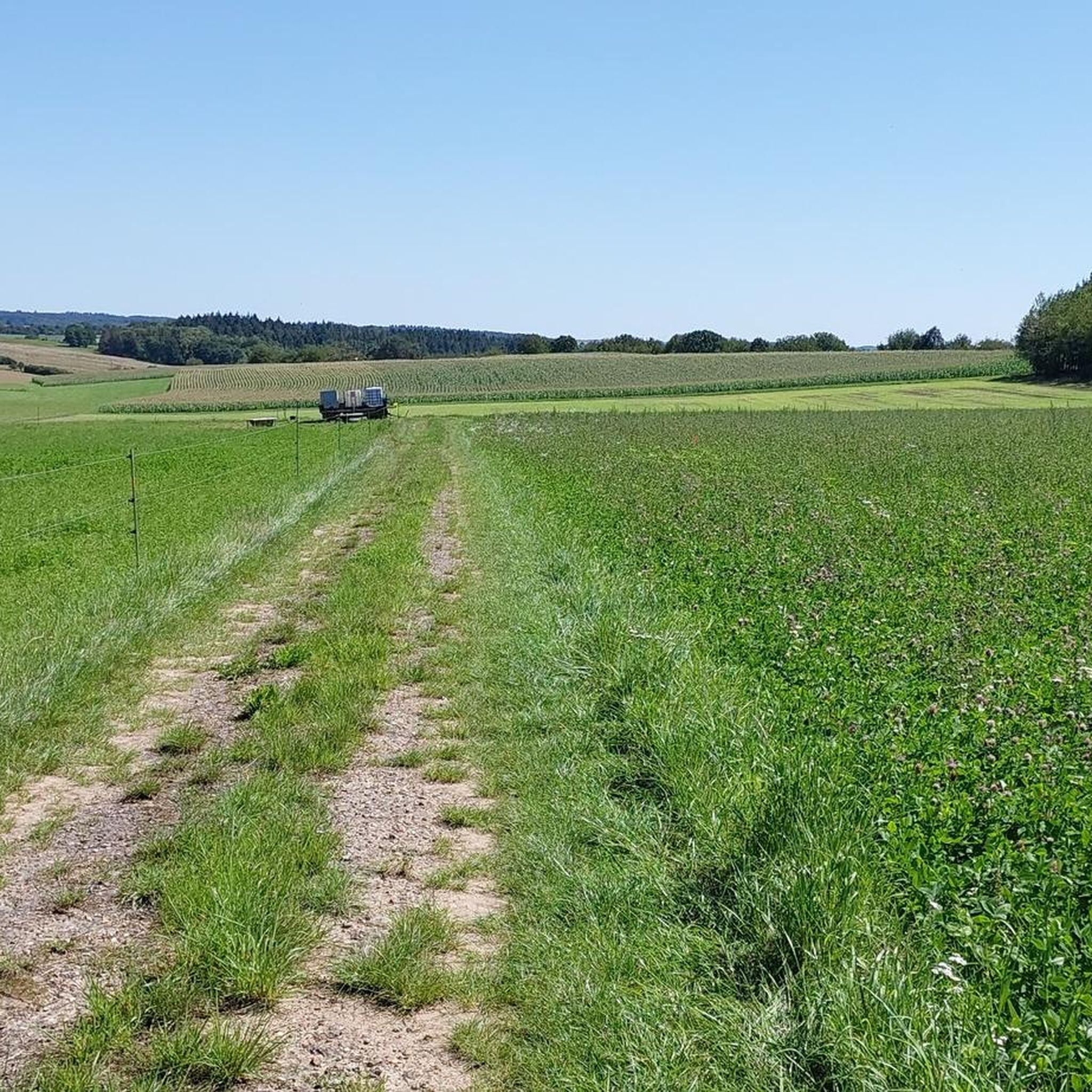
Natural monuments around Ravenstein are characterized by diverse landscapes within the Neckartal-Odenwald Nature Park. The region features rolling hills, idyllic valleys, and dense forests, shaped by the Jagst river. This topography provides a setting for outdoor activities and scenic views. It offers a tranquil environment for nature exploration.
Best natural monuments around Ravenstein
- The most popular natural monuments is Neusaß Pilgrimage Church and the Heiligenbrünnle (Holy Spring), a religious building that is a destination for numerous pilgrims. Its simple…
Last updated: June 24, 2026
Neusaß Pilgrimage Church and the Heiligenbrünnle (Holy Spring)
Highlight • Religious Site
Translated by Google •
Tip by

Neusaß Lime Tree
Highlight • Natural Monument
Translated by Google •
Tip by
Sign up now to discover places like this
Get recommendations on the best single tracks, peaks, & plenty of other exciting outdoor places.
Sign up for free
Marian Grotto with Holy Spring
Highlight • Religious Site
Translated by Google •
Tip by
Excavation by Shinroku Shimokawa (Sculpture Cycle Route Osterburken)
Highlight • Monument
Translated by Google •
Tip by

Sculpture Park Seckach
Highlight • Structure
Translated by Google •
Tip by

Sign up for free to discover even more natural monuments around Ravenstein.
Sign up for free
Already have an account?
Start today with a free account
Your next adventure awaits.
Login or Signup
Tips from the Community

Lime tree with a massive, arched trunk and pronounced root flares. The tree is said to have originated from three closely planted lime trees that grew together over time. At sacred sites, such as near pilgrimage churches, three trees were often planted close together as a symbol of the Christian Trinity. The trunk opening was stabilized with iron bars. Its current age is estimated to be approx. 500 years.
7
0
North of the pilgrimage church is the Heiligenbrünnlein. It was refitted in 1667. The spring emerges in a "grotto" where a Madonna statue is located. A stone is embedded in the ceiling. By touching the stone and eyes with water from the spring and reciting the prayer: "Maria hilf, dass ich besser sehen kann" (Mary, help me to see better), the water is attributed a healing effect. Neusaß lies lonely and idyllic on the heights of Schöntal between meadows and fields. Nearby are several fish ponds of the monastery. Immediately next to it is the forester's lodge (Forsthaus).
5
0
A linden tree, a forester's lodge, and a chapel form Neusaß above Schöntal Monastery. Historical speculations, stories, and tales give the place its very own significance. It cannot be precisely determined when a chapel has existed in Neusaß. As stated in a booklet on the history of the place, the first reference to a pilgrimage dates back to the year 1395. The chapel itself shows late Gothic features. The pilgrimage tradition has endured to this day.
3
0

Amazing sculpture park - a must-see when you're here.
0
0

The linden tree is considered a symbol of steadfastness, patriotism, and spiritual strength – and is an integral part of the local pilgrimage tradition. It plays a silent but significant role, especially in Marian festivals and processions.
9
0
Originally built in the 15th century, it was later remodeled in the Baroque style. The church is a destination for numerous pilgrims, especially on the Feast of the Nativity of Mary. Its simple interior exudes tranquility, with a miraculous image of the Virgin Mary as its centerpiece.
11
0
The grotto commemorates the apparitions of Lourdes and is dedicated to the Virgin Mary. A small spring emerges from the rock, to which devout visitors attribute healing or blessing powers. A statue of the Virgin Mary watches over the site, often surrounded by candles, flowers, and silent prayers.
8
0
Shinroku Shimokawa's sculpture "Excavation" is a fascinating work of art on the Sculpture Cycle Path in Osterburken. It consists of a 16-ton granite stone half-buried in the earth. What's special about this sculpture is that visitors can get involved: Near the stone, there's a tool station with shovels, spades, and brushes for continuing the "excavation." The goal, however, is not a scientific excavation, but rather a "pleasurable search for the hidden." The process and imagination of the viewer are the focus, and everyone can become part of the artwork, either mentally or practically. In his work, Shimokawa combines the materiality of the stone with the idea of participation, creating a unique experience.
9
0
Frequently Asked Questions
What kind of natural monuments can I expect to find around Ravenstein?
The natural monuments around Ravenstein are primarily characterized by the diverse landscapes of the Neckartal-Odenwald Nature Park. You'll find rolling hills, idyllic valleys, dense forests, and meadows shaped by the Jagst river. Many sites combine natural beauty with historical or cultural significance, such as ancient trees and religious sites integrated into the natural environment.
Are there any historically significant natural monuments in the area?
Yes, several natural monuments around Ravenstein hold historical significance. For instance, the Neusaß Pilgrimage Church and the Heiligenbrünnle (Holy Spring), originally built in the 15th century, is a destination for pilgrims. Nearby, the Neusaß Lime Tree, estimated to be 300 to 500 years old, is a symbol of steadfastness and plays a role in local traditions. Additionally, the Hollow Oak Shrine near Eberstal is a centuries-old oak tree that serves as a special place of worship in nature.
What unique natural features are there to explore near Ravenstein?
Beyond the general scenic beauty of the Neckartal-Odenwald Nature Park, you can explore specific unique natural features. The ancient Neusaß Lime Tree is a remarkable natural monument due to its age and size. The Hollow Oak Shrine is another unique natural feature, where a centuries-old oak with a hollow trunk houses a Madonna figure, creating a spiritual natural setting.
Are there any natural monuments that combine art and nature?
Yes, the region offers natural monuments that blend art with the natural landscape. The Sculpture Park Seckach features various art installations integrated into a natural setting. Another example is the Excavation by Shinroku Shimokawa, a fascinating 16-ton granite sculpture on the Sculpture Cycle Route in Osterburken, where visitors are invited to participate in its 'excavation'.
Are the natural monuments around Ravenstein suitable for families?
Many of the natural monuments around Ravenstein are family-friendly. Sites like the Neusaß Pilgrimage Church and the Heiligenbrünnle (Holy Spring), the Neusaß Lime Tree, and the Sculpture Park Seckach are all categorized as suitable for families, offering accessible and engaging experiences for all ages.
What outdoor activities can I do near these natural monuments?
The region around Ravenstein, particularly within the Neckartal-Odenwald Nature Park, is excellent for various outdoor activities. You can find numerous well-marked hiking trails that allow you to immerse yourself in the diverse landscapes. For cyclists, there are extensive options for road cycling routes, MTB trails, and gravel biking, offering routes of varying difficulties through scenic valleys and forests.
Are there hiking trails near the natural monuments?
Yes, there are numerous hiking trails in the vicinity of the natural monuments. For example, the Neusaß Lime Tree is located with hiking trails into the Jagsttal in its immediate vicinity. The broader Neckartal-Odenwald Nature Park offers a network of trails, providing opportunities for scenic walks and more challenging hikes. You can explore various cycling and hiking guides for the Ravenstein area to find suitable routes.
What is the best time to visit the natural monuments around Ravenstein?
The best time to visit the natural monuments around Ravenstein largely depends on your preferred activities. Spring and autumn offer pleasant temperatures for hiking and cycling, with blooming landscapes or vibrant fall foliage. Summer is ideal for enjoying the lush green meadows and forests, though it can be warmer. The region's natural beauty can be appreciated year-round, with each season offering a different charm.
What do visitors enjoy most about the natural monuments in Ravenstein?
Visitors particularly enjoy the tranquil and serene setting provided by the natural monuments and the surrounding Neckartal-Odenwald Nature Park. The combination of diverse landscapes, well-maintained trails, and the integration of historical and artistic elements within nature creates a unique experience. The ancient trees, like the Neusaß Lime Tree and the Hollow Oak Shrine, are often highlighted for their spiritual and historical ambiance, while the Sculpture Park Seckach is praised for its interesting art installations.
Are there viewpoints offering scenic vistas of the natural landscape?
Yes, the rolling hills and idyllic valleys of the Ravenstein area provide numerous opportunities for scenic views. While specific named viewpoints for every natural monument aren't always listed, the general topography of the Neckartal-Odenwald Nature Park ensures breathtaking views of the surrounding landscape, especially along hiking trails. The Neusaß Lime Tree is also noted as a viewpoint.
Are there any hidden gems among the natural monuments in Ravenstein?
While the main natural monuments are well-regarded, the overall charm of Ravenstein lies in its cohesive natural landscape. Exploring the less-traveled paths within the Neckartal-Odenwald Nature Park can reveal quiet spots and picturesque views. The Hollow Oak Shrine, though known, offers a uniquely intimate and spiritual experience that feels like a hidden discovery for many visitors.
Most popular routes around Ravenstein
Most popular attractions around Ravenstein

Get inspired with the komoot mobile app


Explore more
Extend your search for the best caves by checking out these guides of the top ones around Ravenstein:
