Top 4 Mountain Passes around Burkardroth
Best mountain passes around Burkardroth are found within the Rhön Mountains, a low mountain range characterized by rolling hills, volcanic origins, and expansive plateaus. This region, recognized as a UNESCO Biosphere Reserve, offers numerous elevated points and scenic routes. While not featuring high-altitude passes typical of the Alps, the area provides experiences akin to traversing a pass through its diverse terrain. The landscape includes dense forests, open meadows, and unique natural habitats.
Best mountain passes around Burkardroth
- The most popular…
Last updated: July 8, 2026
Guckas Pass
Highlight • Mountain Pass
Translated by Google •
Tip by

Schwedenschanze
Highlight • Parking
Translated by Google •
Tip by

Sign up now to discover places like this
Get recommendations on the best single tracks, peaks, & plenty of other exciting outdoor places.
Sign up for free
Ascent to Guckaspass
Highlight • Mountain Pass
Translated by Google •
Tip by

Schwedenschanze Pass (Hessian-Bavarian Border)
Highlight • Mountain Pass
Translated by Google •
Tip by

Start today with a free account
Your next adventure awaits.
Login or Signup
Popular around Burkardroth
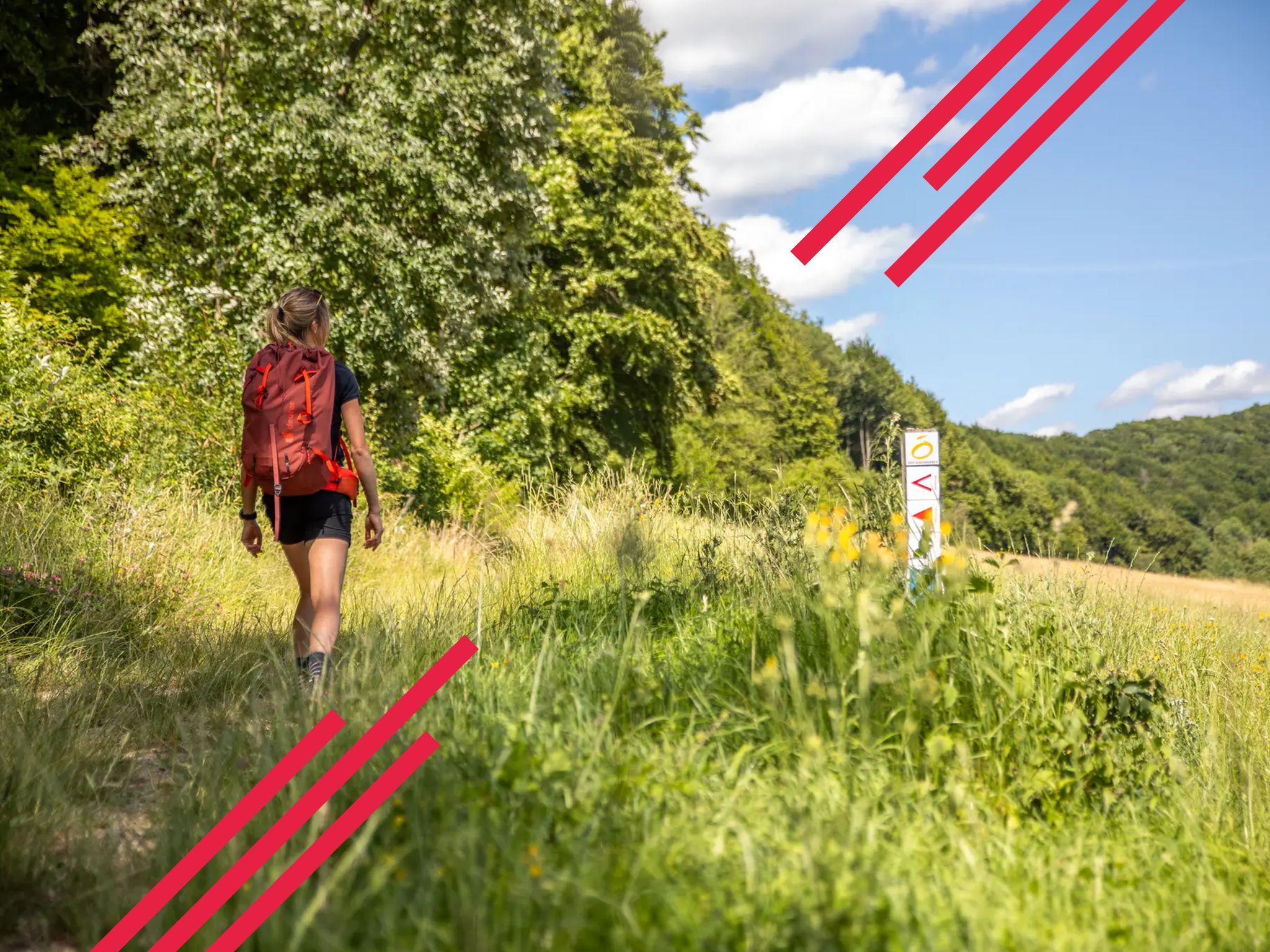
Stages of the HOCHRHÖNER Premium Hiking Trail
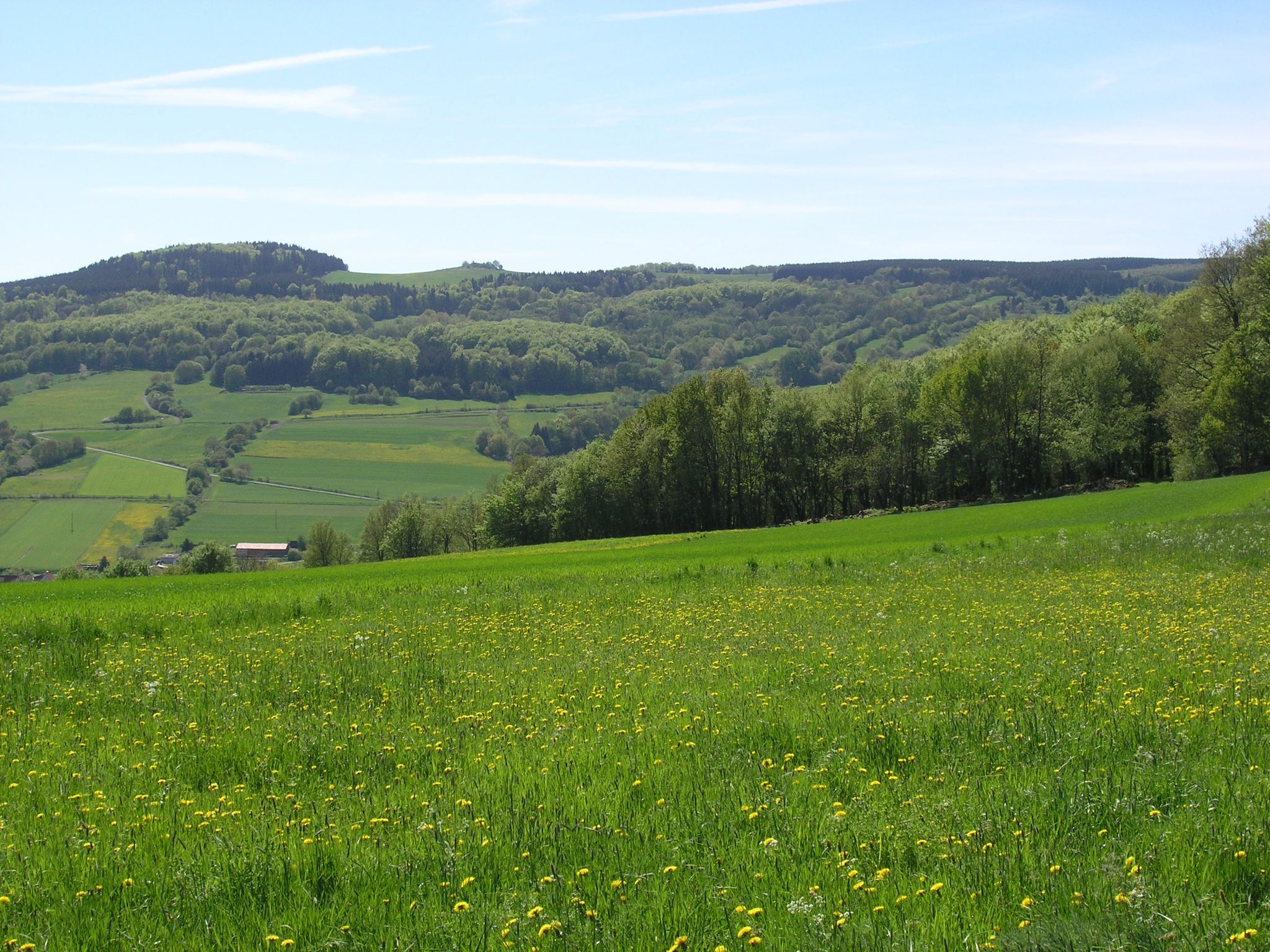
Extra tours South - Excellent premium hiking trails of the Rhön
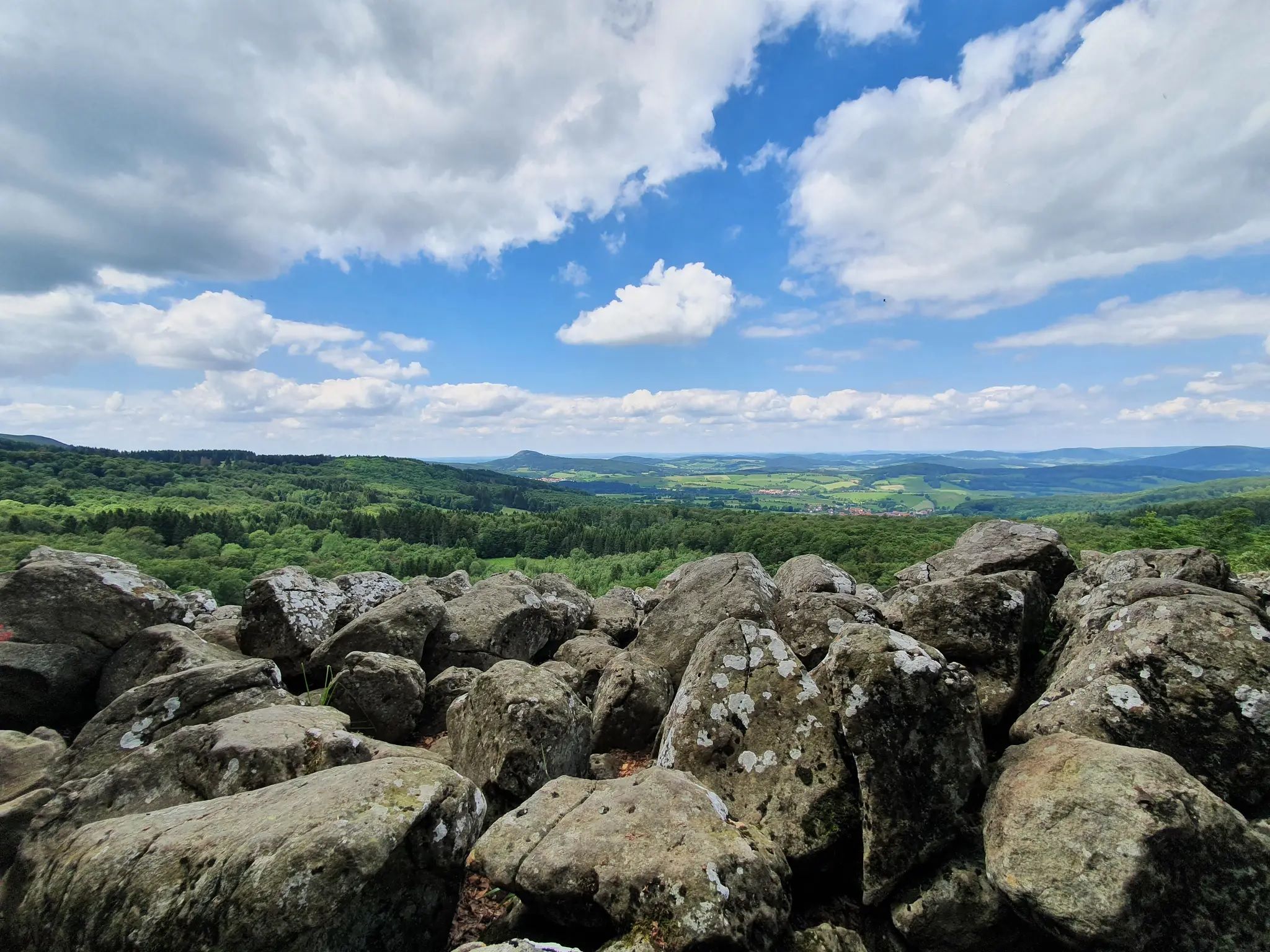
Discover Rhön - Half-day tours through the biosphere reserve
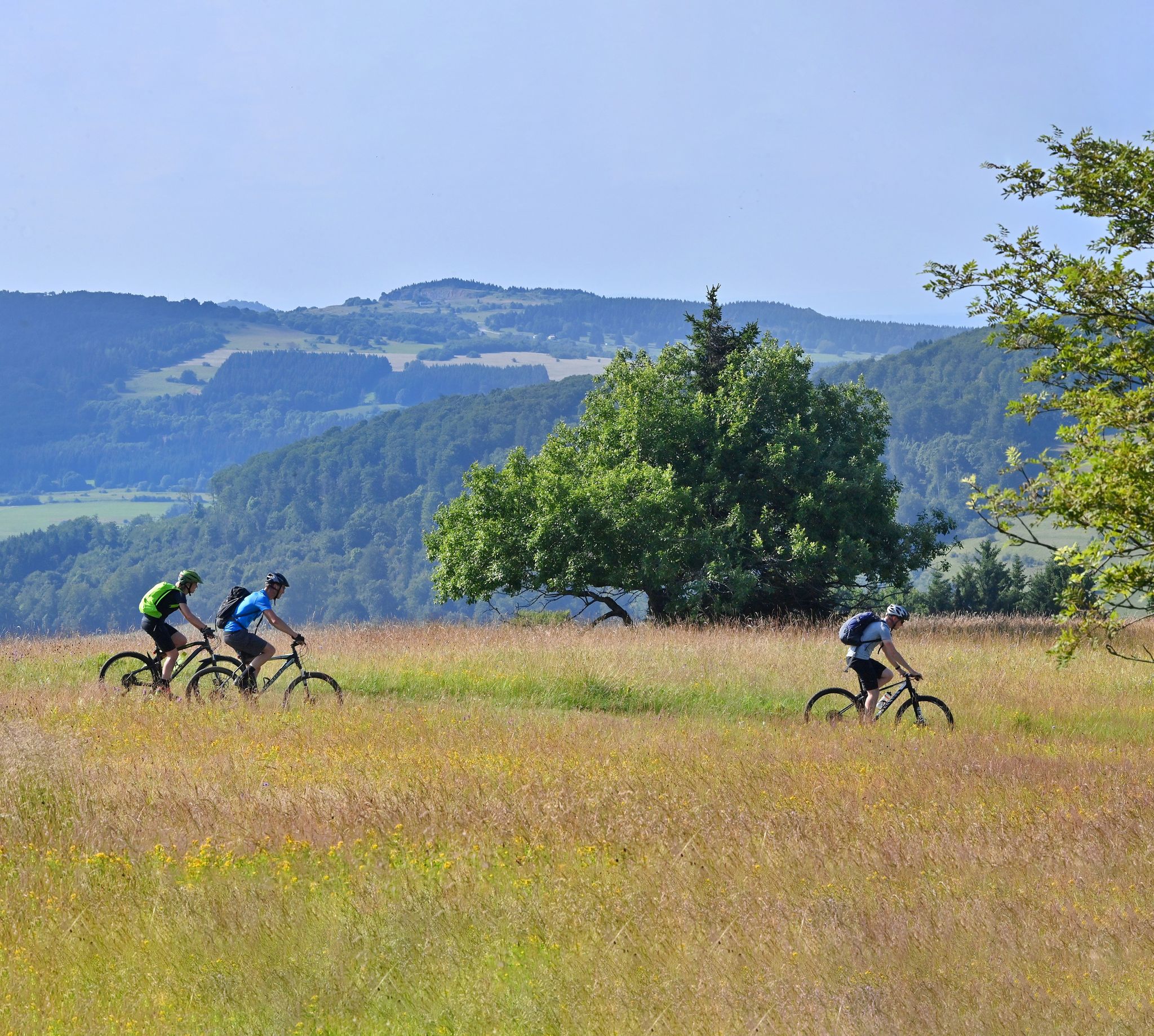
Mountain bike routes in the Rhön
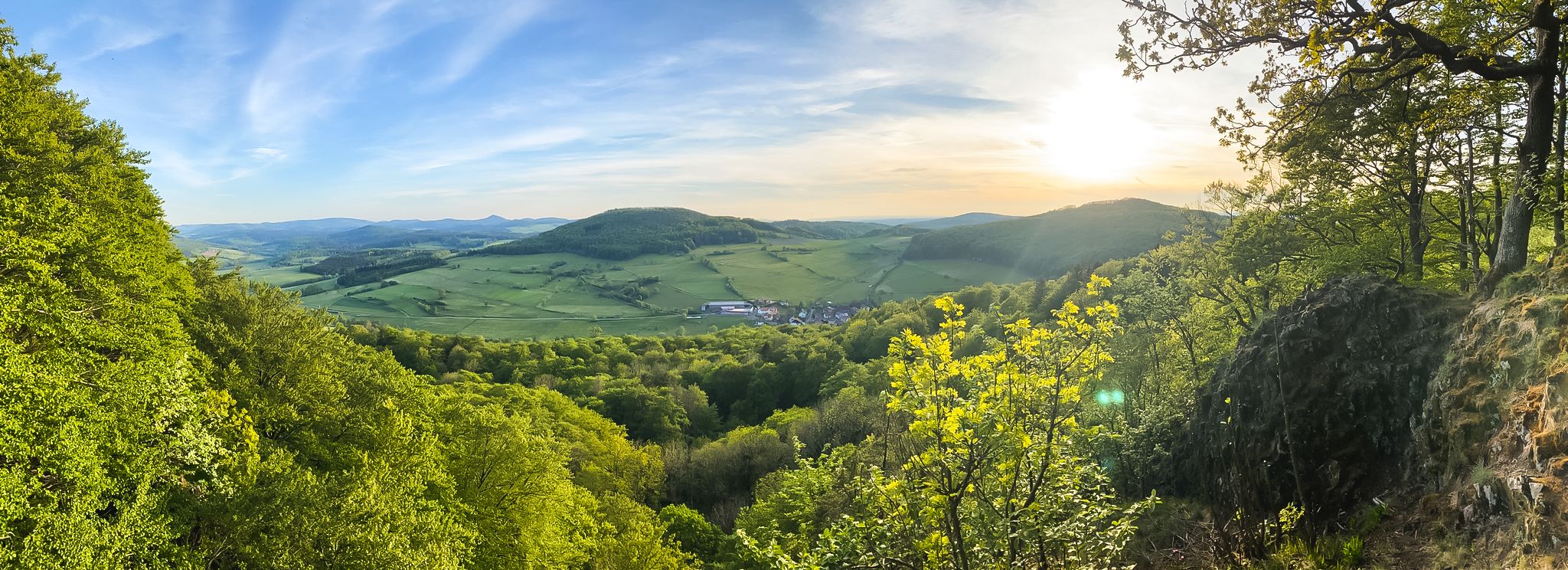
Hike Germany’s Rhön Mountains on the Hochrhöner Trail
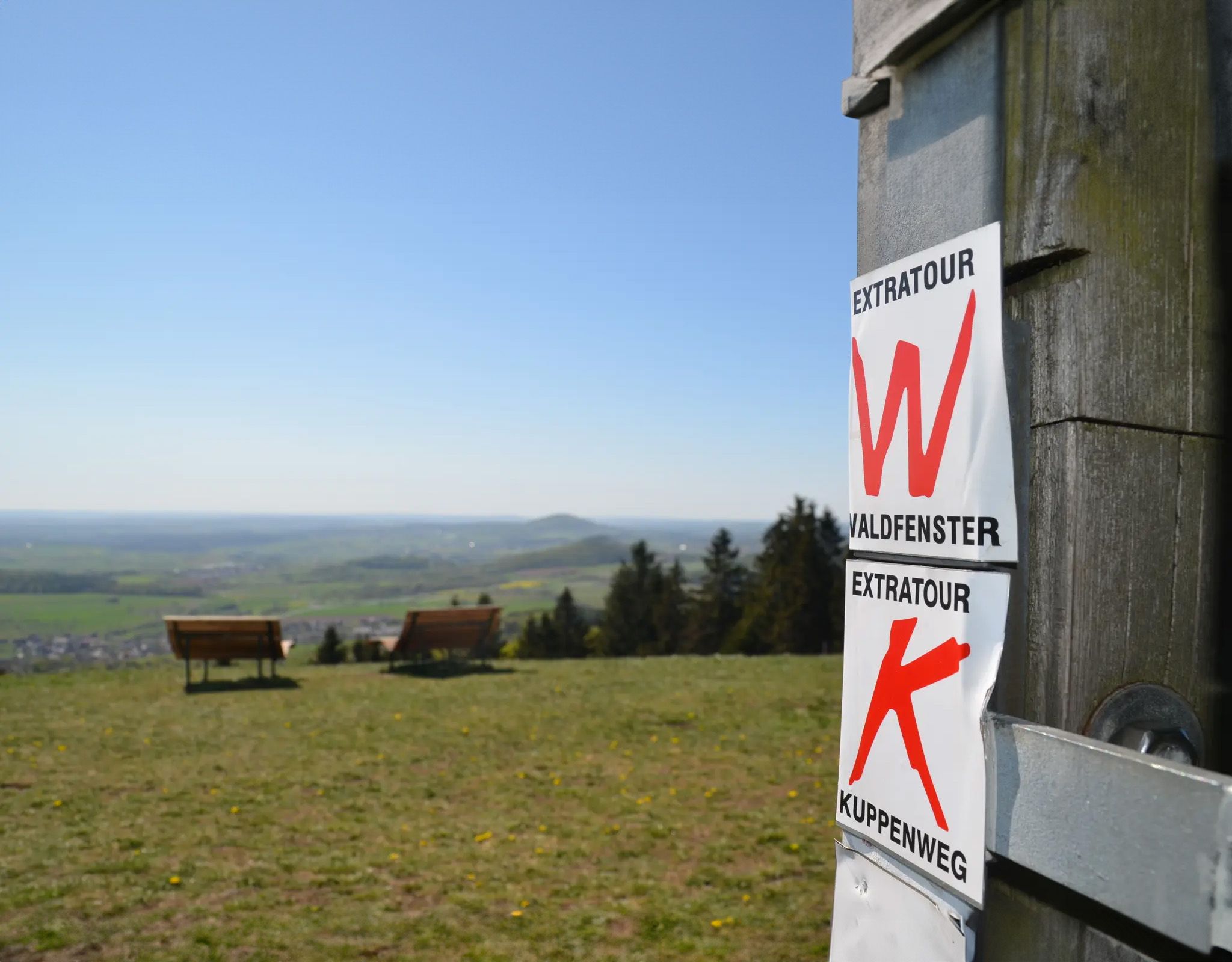
Hiking in the Rhön Mountains where nature and history combine
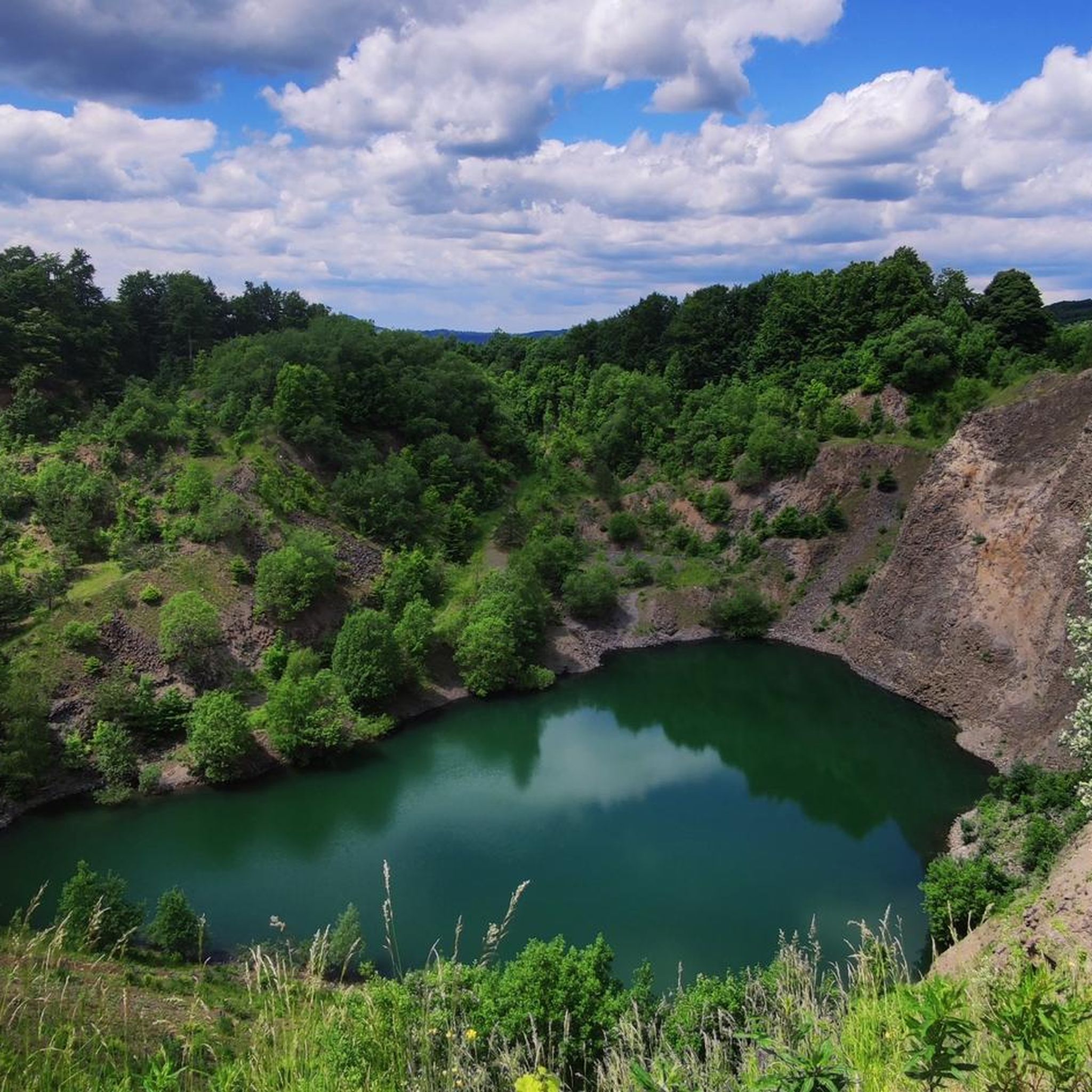
Hiking around Burkardroth
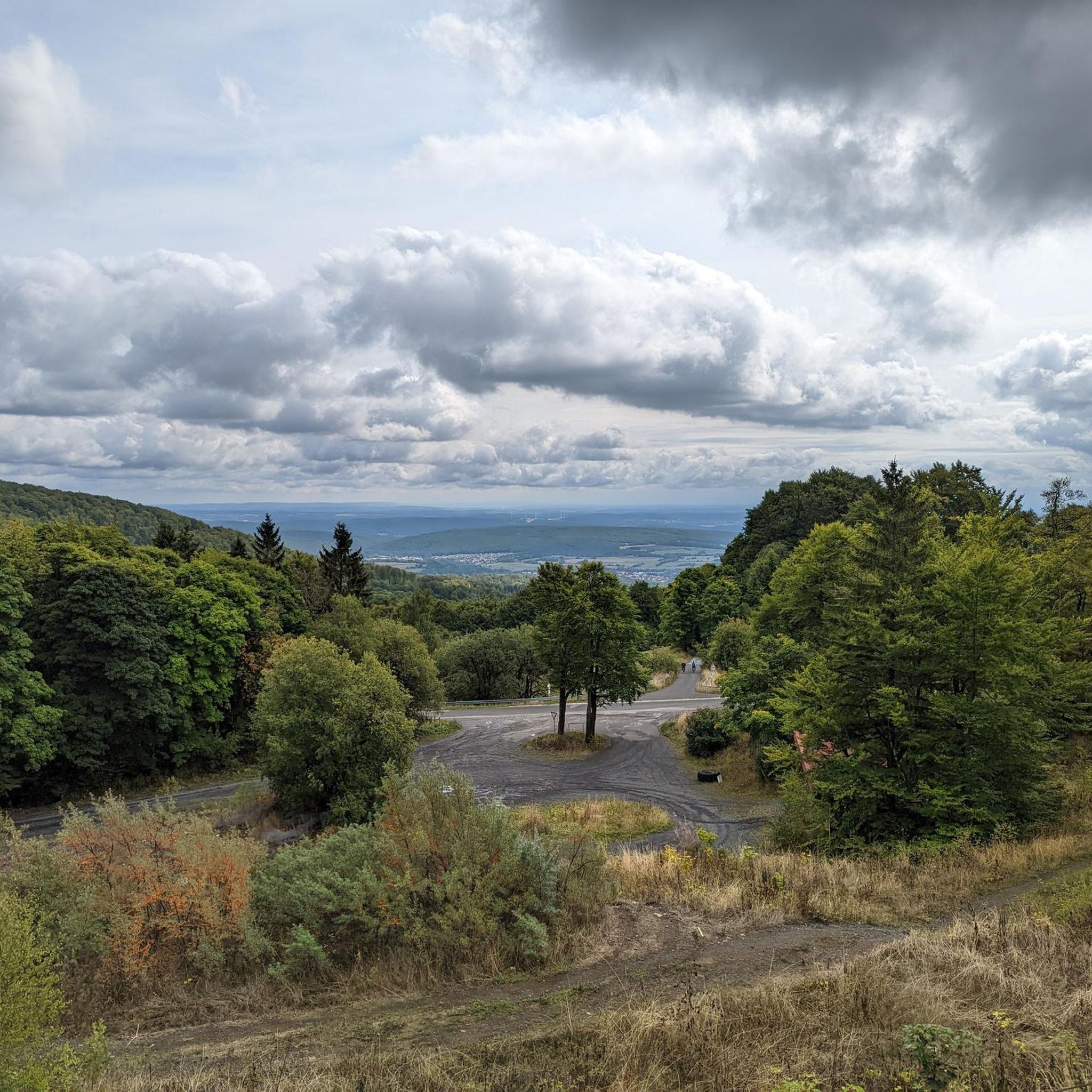
MTB Trails around Burkardroth
Cycling around Burkardroth
Road Cycling Routes around Burkardroth
Other adventures around Burkardroth


Tips from the Community

It's quite steep here, especially from the Fulda direction. Those who dare can also take the main road.
1
0

The Guckapass - named after the nearby 750 meter high mountain "Kleiner Guckas" - is located at an altitude of about 630 meters. The climb with an average gradient of 8% is easy to manage. The ST2267 is well developed, there is some traffic, so some caution is required.
3
0
Here it is a short and sweet climb up to the Schwedenschanze on the Hessian-Bavarian border.
1
0
The Guckapass - named after the nearby 750 meter high mountain "Kleiner Guckas" - is located at an altitude of about 630 meters. The climb with an average gradient of 8% is easy to manage. The ST2267 is well developed, there is some traffic, so some caution is required.
1
0

Beautiful, quiet section with, as in many places in the Rhön, great views and a pleasant, fairly even climb with little traffic.
0
0

Formerly a restaurant. Today it serves as a parking lot for nearby excursion destinations.
1
0

Unfortunately, the restaurant at Schwedenschanze is closed. But there are parking spaces and a bus stop here: a great starting point for hikes to Simmelsberg, Himmeldunk, Rockenstein,...
5
0

The buildings on the Schwedenschanze were once an inn with a hotel business. You can no longer stop here today. But the Schwedenschanze is still an interesting place. Here is the apex of the pass road between Gersfeld and Bischofsheim and thus also between the rivers Fulda and Brend (source very close). The Fulda flows over the Weser directly to the North Sea. The Brend takes the route via the Franconian Saale, Main and Rhine. Since the German-Austrian War of 1866, the border between Hesse and Bavaria has also run near the Schwedenschanze.
5
0
Frequently Asked Questions
What are some of the most scenic mountain passes around Burkardroth?
While the Rhön Mountains feature rolling hills rather than dramatic high-altitude passes, several elevated points offer stunning views. Notable options include Guckas Pass, known for its old beech trees and wet forest habitats, and Kreuzbergsattel, a natural monument offering panoramic vistas. The Schwedenschanze Pass (Hessian-Bavarian Border) also provides a challenging climb with rewarding views.
What kind of natural features can I expect to see when visiting mountain passes in the Rhön?
The Rhön Mountains, a UNESCO Biosphere Reserve, are characterized by diverse natural beauty. You'll encounter dense forests, open meadows, and unique high-altitude ecosystems. Areas like Guckas Pass are home to old stands of beech trees and wet forest habitats, supporting a rich variety of species. The region is often called the 'Land of Open Vistas' due to its far-reaching panoramic views.
Are there any historical or cultural sites near the mountain passes around Burkardroth?
Yes, the region offers cultural and historical insights. For instance, the Schwedenschanze, located on the pass road between Gersfeld and Bischofsheim, is a historical site that once housed an inn and marks the border between Hesse and Bavaria since 1866. Further afield, the Kreuzberg mountain (near Kreuzbergsattel) is known as the 'Holy Mountain of Franconia' and hosts a Franciscan monastery with its own brewery.
What outdoor activities can I do near these mountain passes?
The Rhön Mountains are a paradise for outdoor enthusiasts. You can enjoy extensive hiking, mountain biking, and e-biking. The region boasts over 6,000 km of marked hiking trails, including premium routes like the 'Hochrhöner'. For specific routes, you can explore options like those found in the Mountain Hikes around Burkardroth guide or the MTB Trails around Burkardroth guide.
Are there family-friendly options for exploring the mountain passes near Burkardroth?
Yes, the Rhön offers various options suitable for families. While some ascents can be challenging, many trails traverse gentler terrain. The Schwedenschanze highlight is noted as family-friendly, offering parking and serving as a starting point for various excursions. When planning, look for trails with moderate difficulty and consider the length to ensure it suits all family members.
What is the best time of year to visit the mountain passes in the Rhön?
The Rhön Mountains are beautiful year-round, but the best time for hiking and cycling around the passes is typically from spring to autumn (April to October). During these months, the weather is generally milder, and the trails are more accessible. Spring brings blooming meadows, summer offers lush greenery, and autumn showcases vibrant fall foliage. Winter can be picturesque but may involve snow and ice, making some routes more challenging.
What are the typical gradients or difficulty levels of the mountain passes in this area?
The mountain passes in the Rhön, being part of a low mountain range, generally feature moderate gradients. For example, the climb to Guckas Pass has an average gradient of 8%, which is considered manageable. However, some sections, like parts of the Schwedenschanze Pass (Hessian-Bavarian Border), can be quite steep. It's always advisable to check specific route details for elevation profiles.
Where can I find parking near the mountain passes?
Parking is generally available at popular starting points for trails and near key highlights. For instance, the Schwedenschanze highlight explicitly mentions parking spaces, making it a convenient starting point for hikes to nearby destinations like Simmelsberg or Himmeldunk.
What makes the Rhön Mountains a special place to visit?
The Rhön Mountains are special due to their designation as a UNESCO Biosphere Reserve, protecting unique ecosystems and diverse flora and fauna. The region's volcanic origins contribute to its distinctive landscape of rolling hills and expansive plateaus, offering breathtaking panoramic views often referred to as the 'Land of Open Vistas'. Beyond nature, it also boasts a rich cultural heritage, including traditional villages and historical sites.
Are there specific rules or restrictions to be aware of in the Rhön Biosphere Reserve?
Yes, as a UNESCO Biosphere Reserve, certain areas, particularly core zones like those near Guckas Pass, have strict path restrictions to protect sensitive flora and fauna. Hiking, mountain biking, or cycling is only permitted on designated paths. It's crucial to stick to these marked trails and only ride bikes on official MTB trails or cycle paths to help preserve the natural environment.
What do visitors enjoy most about the mountain passes and elevated areas around Burkardroth?
Visitors frequently praise the stunning panoramic views across the Rhön's rolling hills and forests. The quiet and consistent climbs, often with minimal traffic, are also highly appreciated, as noted for the Ascent to Guckaspass. The diverse natural beauty, from ancient beech forests to open meadows, and the opportunity for peaceful outdoor activities contribute significantly to the positive experience.
Can I find routes for gravel biking in the area?
Yes, the Rhön Mountains offer excellent opportunities for gravel biking. The varied terrain, including forest paths and less-trafficked roads, is well-suited for this activity. You can find numerous routes in guides such as the Gravel biking around Burkardroth guide, which features routes of varying distances and difficulty levels.
Most popular routes around Burkardroth
Most popular attractions around Burkardroth

Get inspired with the komoot mobile app


Explore more
See even more epic mountain passes by checking out these guides around Burkardroth:
