Top 20 Natural Monuments around Wartmannsroth
Best natural monuments around Wartmannsroth are situated within the picturesque hills and green forests of the Bavarian Rhön Nature Park. This region, located in the district of Bad Kissingen, offers a variety of natural attractions. Its diverse landscapes, including river valleys, extensive forests, and notable geological features, provide numerous opportunities for outdoor exploration. The area is characterized by its undulating terrain, grain fields, and lush greenery.
Best natural monuments around Wartmannsroth
- The most popular natural monuments is Franconian Saale Riverside…
Last updated: October 11, 2026
Franconian Saale Riverside Cycle Path
Highlight (Segment) • Cycleway
One was not welcome in the Hurzfurt, the section across the street was very ugly and dangerous on top of that. …
Translated by Google •
Tip by

Bad Brückenau Spa Park
Highlight • Natural Monument
Translated by Google •
Tip by

Sign up now to discover places like this
Get recommendations on the best single tracks, peaks, & plenty of other exciting outdoor places.
Trettstein Waterfall
Highlight • Waterfall
Translated by Google •
Tip by

Sodenberg Basalt Crater
Highlight • Natural Monument
Translated by Google •
Tip by

Linden arbor below the Fürstenhof
Highlight • Structure
Translated by Google •
Tip by

Sign up for free to discover even more natural monuments around Wartmannsroth.
Already have an account?
Start today with a free account
Your next adventure awaits.
Popular around Wartmannsroth
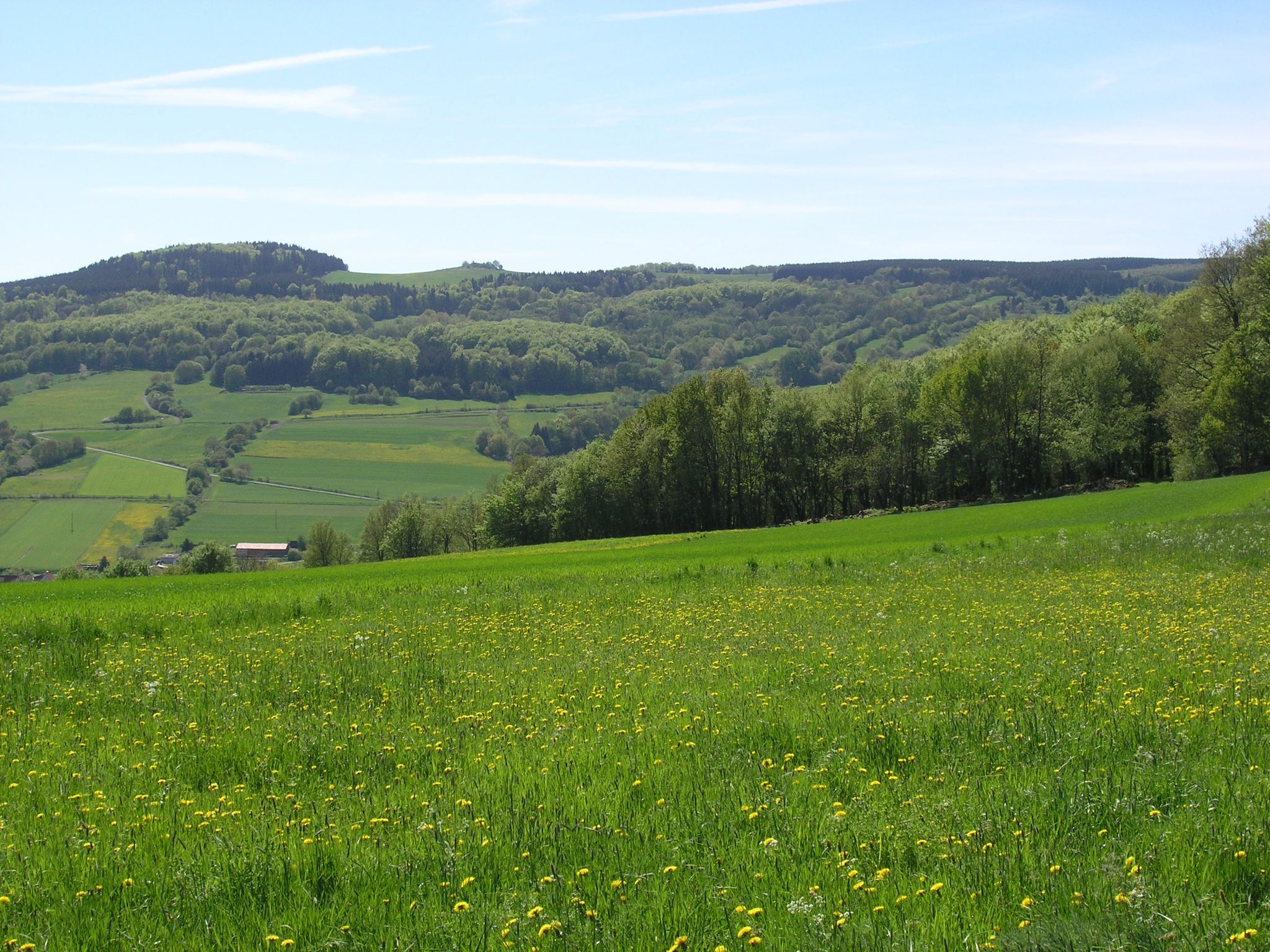
Extra tours South - Excellent premium hiking trails of the Rhön
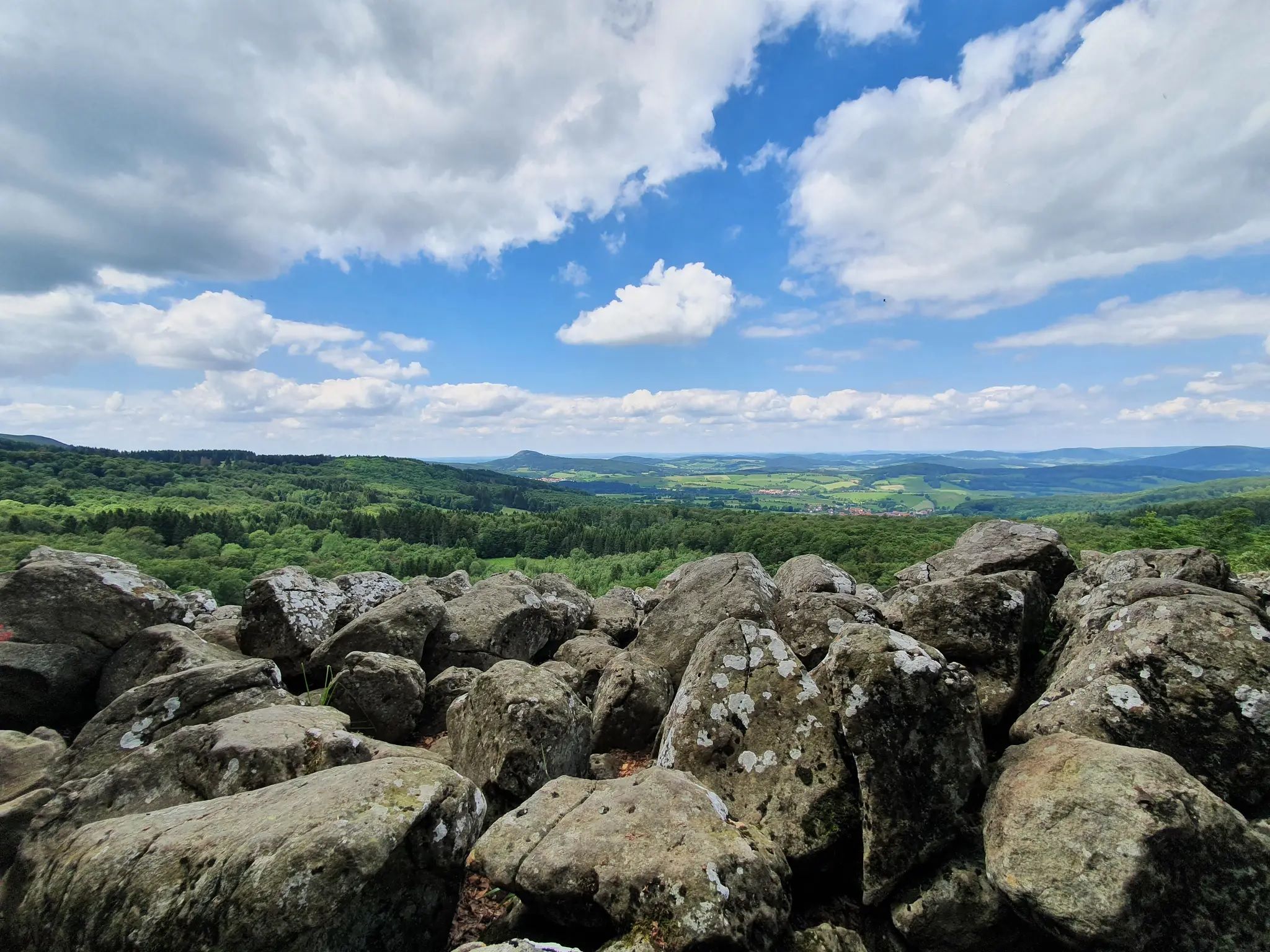
Discover Rhön - Half-day tours through the biosphere reserve
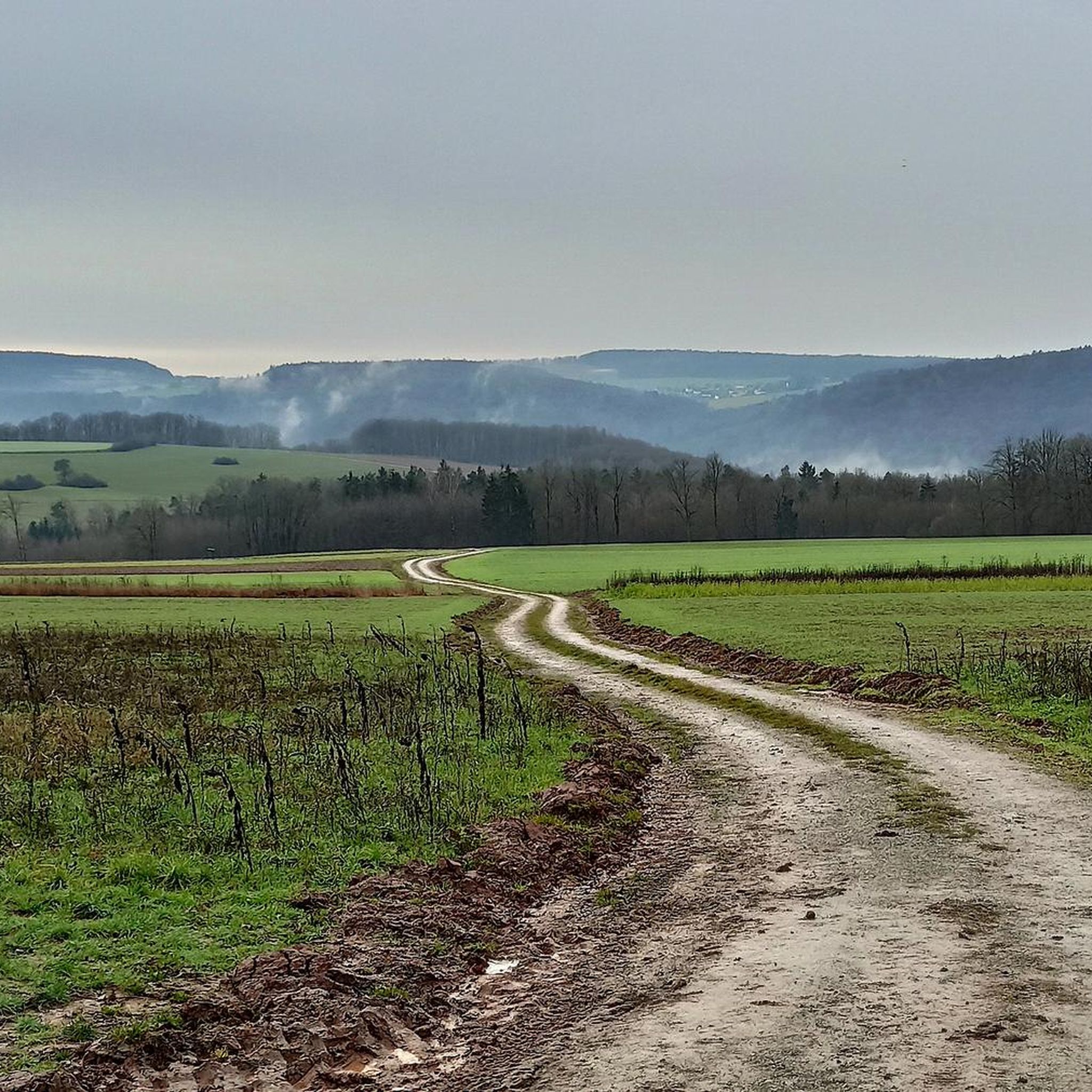
Hiking around Wartmannsroth
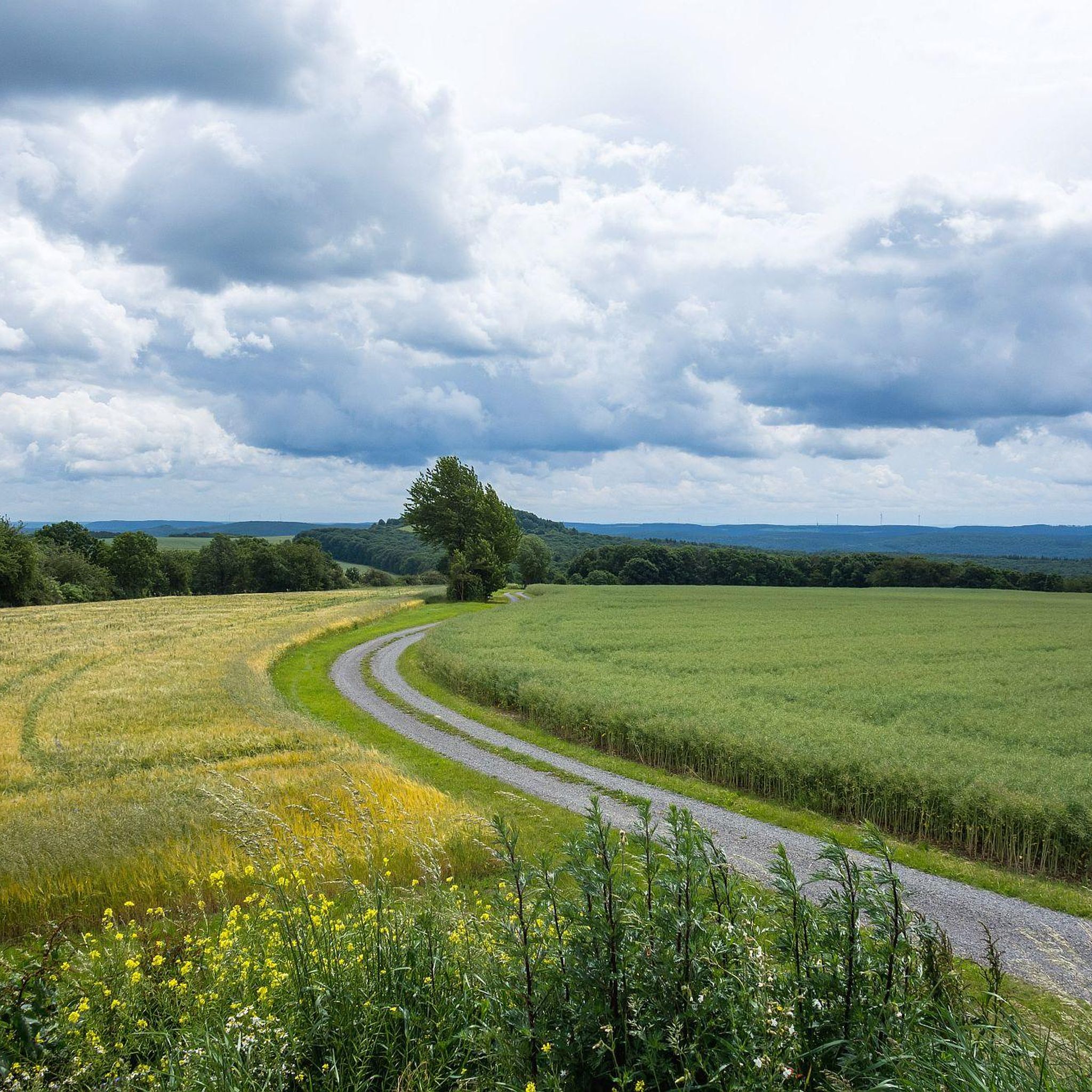
Cycling around Wartmannsroth
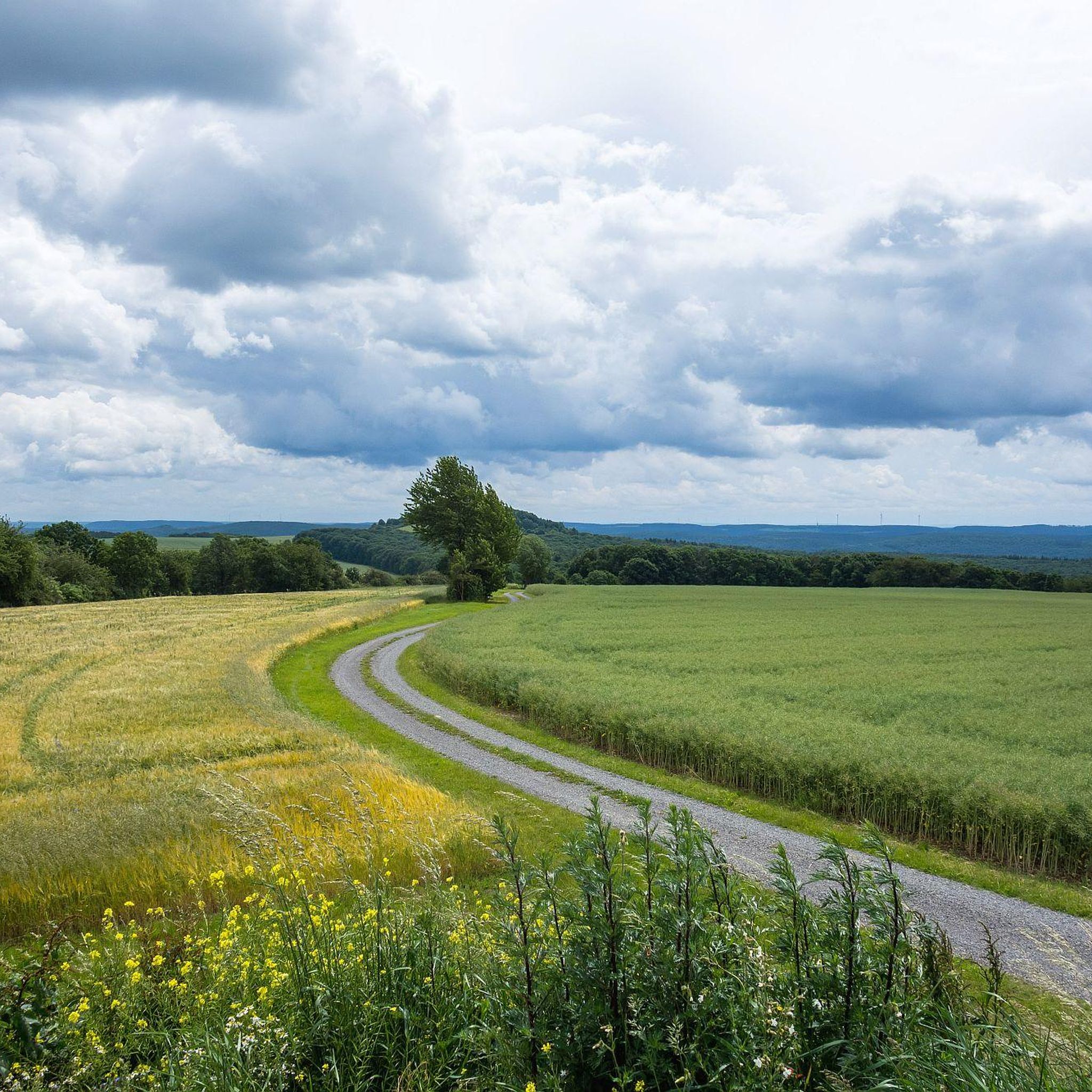
MTB Trails around Wartmannsroth
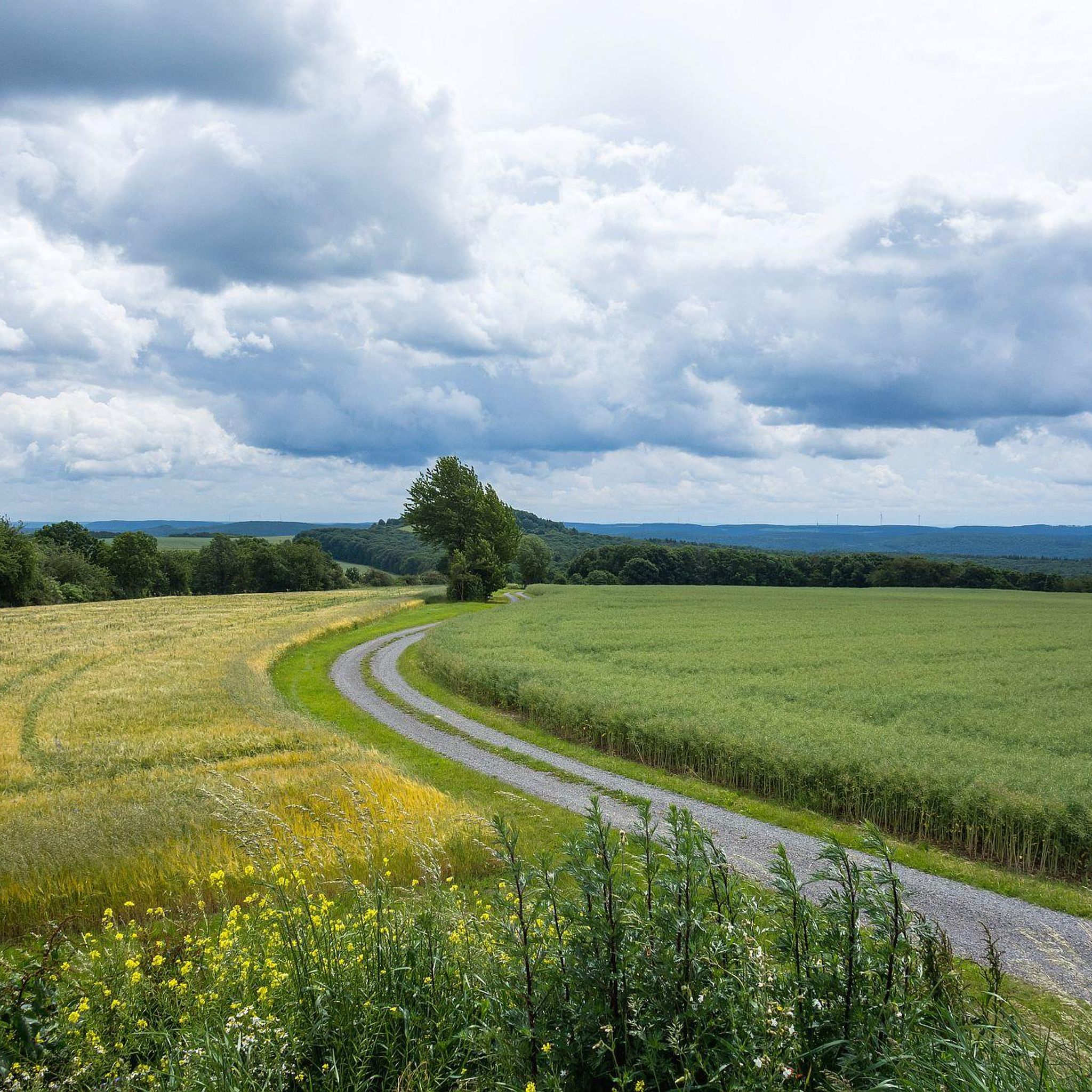
Road Cycling Routes around Wartmannsroth
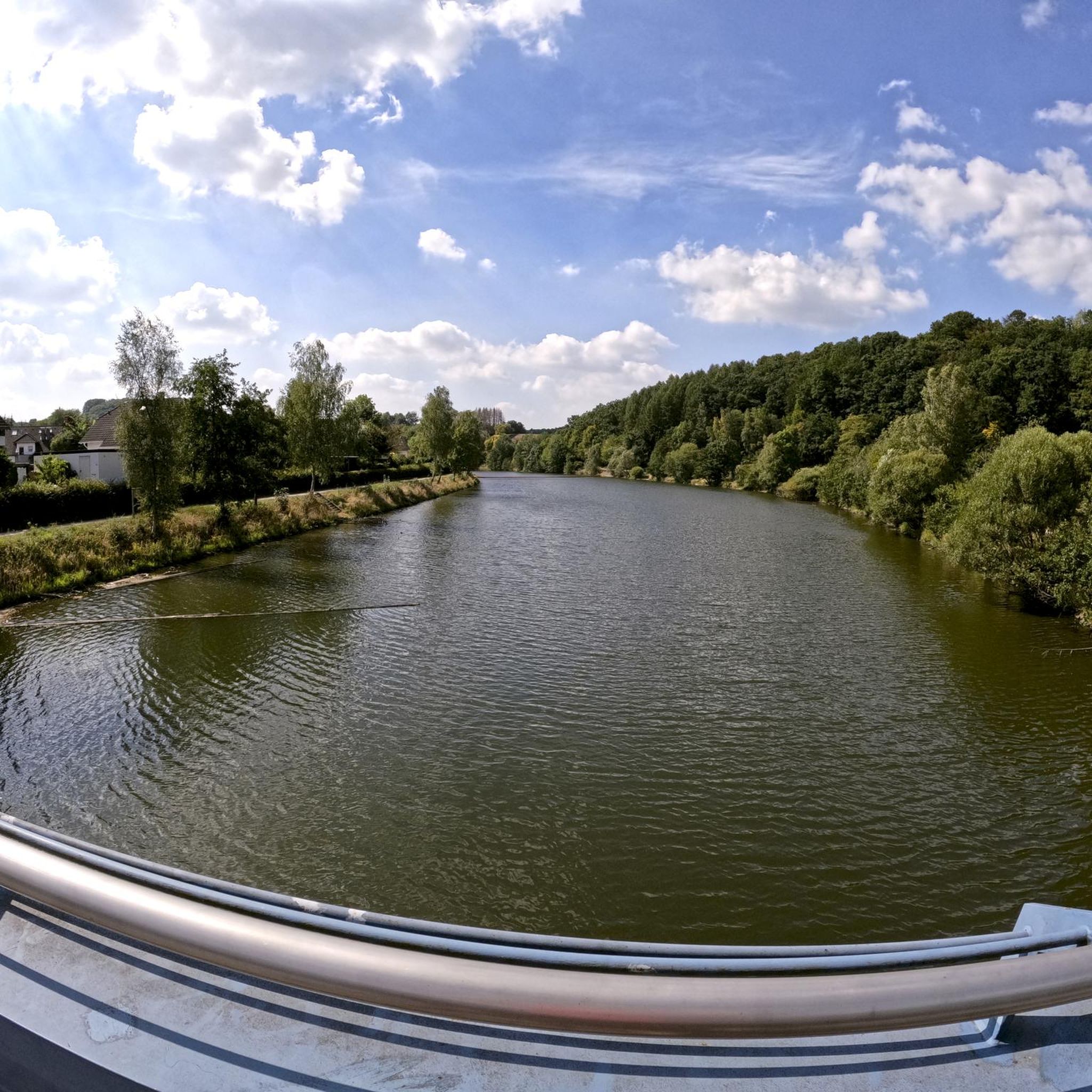
Gravel biking around Wartmannsroth
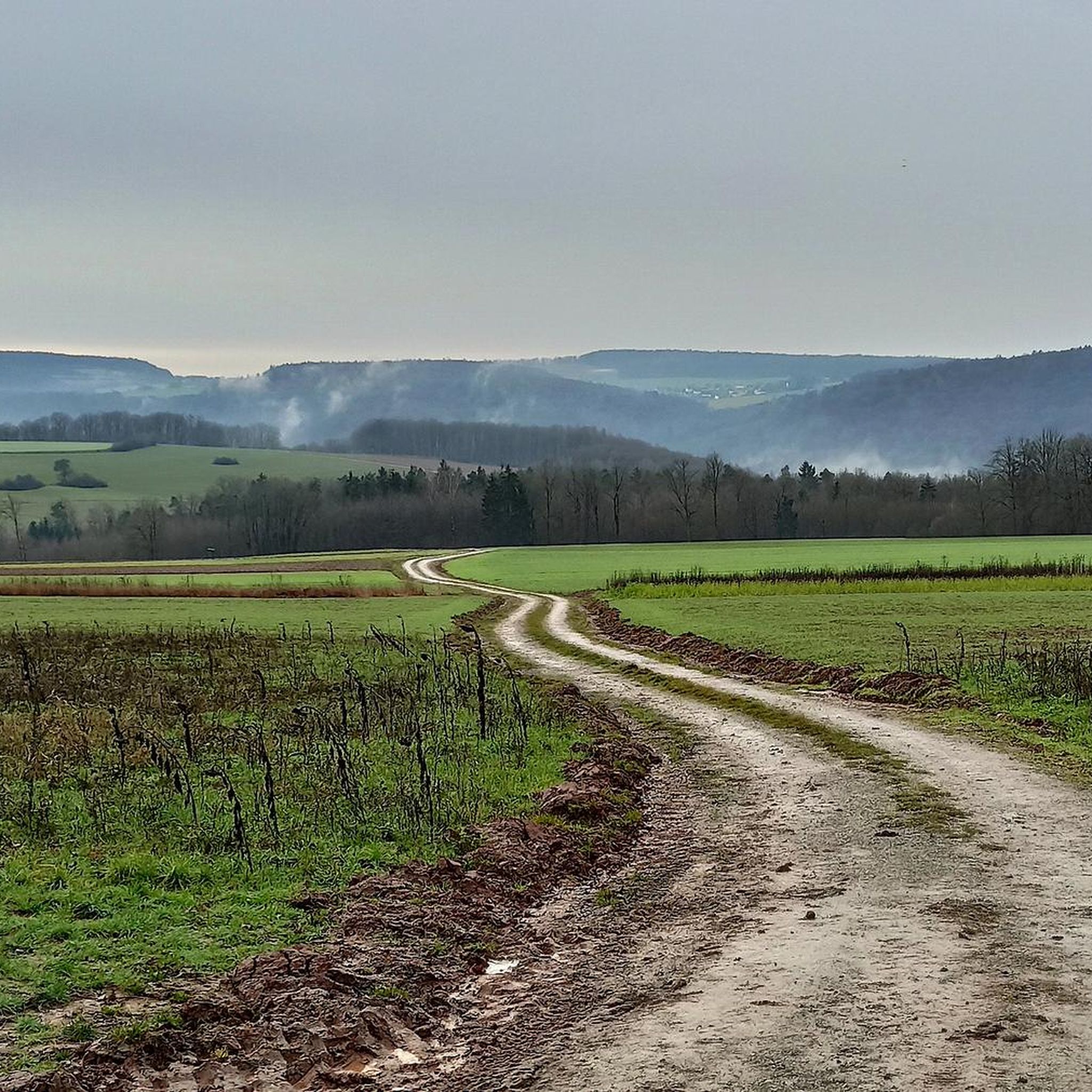
Running Trails around Wartmannsroth

Tips from the Community

This pergola has grown beautifully.
6
0

This park is a jewel of beauty and is definitely recommended. And also steeped in history. It was built by the grandfather of King Louis II, also King Louis I. In association with Lola Montez
0
0

Long arcade that is rarely found today.
2
1

Very well maintained and sophisticated looking facility, worthwhile.
7
0

2. Today's plantings are based on the structure of the historical model in terms of new planting and care. The chestnut trees on the avenue are cut strictly in a box shape, and the lime tree arcade below the Fürstenhof also corresponds to the historical specifications. Old and rare trees can be admired in the park, including a "thousand-year-old oak" near the herb garden with a circumference of seven meters[1], as well as the ginkgo tree, the cucumber magnolia and the "oak-leaved hornbeam" (a mutation). Around 60 tree species are listed in the tree register created in 1992. Source:https://de.m.wikipedia.org/wiki/Staatsbad_Br%C3%BCckenau
11
0
1. In 1747, the Ticino Andrea Gallasini, court architect to the Prince Abbots of Fulda, designed a strictly symmetrically arranged garden, the main feature of which was the central axis, which still extends across the state spa today. Over the course of time, additions were made to the building ensemble, particularly by King Ludwig I. This also involved enlargements of the gardens. The baroque gardens were partially converted into an English garden. Despite many changing garden trends, the structure has been preserved to this day and is a defining feature of the park. In contrast to the unspoiled nature of the surrounding meadows and forests, it gives the ensemble a special charm. Source:https://de.m.wikipedia.org/wiki/Staatsbad_Br%C3%BCckenau
12
0

The arcade with its strict geometric alignment and the surrounding French gardens are reminiscent of the Baroque period, when the Prince's Court was a secondary residence of the Prince-Bishops of Fulda. This was the origin of the state spa facilities, which were later expanded to their current size.
4
0
The origins of the spa park (more correctly the castle park) go back to the designs of the court architect Andrea Gallasini. According to these plans, a French garden was created between 1747 and 1749 for the prince abbots/prince-bishops of Fulda. After the dissolution of the Fulda monastery and the new borders during and after the Napoleonic era, the Brückenau office became part of the Kingdom of Bavaria in 1816. The Bavarian King Ludwig I, who reigned until 1848, used the site as a summer residence. During this time, numerous buildings flanking the park were built, such as the Kursaal building and the Badhotel.
6
0
Frequently Asked Questions
What natural features can I explore around Wartmannsroth?
Wartmannsroth, situated within the Bavarian Rhön Nature Park, offers a variety of natural features. You can discover water-themed attractions like the Trettstein Waterfall, the Eidenbach stream, and the Waizenbach Gorge. The romantic Schondra Valley provides lush greenery and forest paths, while geological interests include the Sodenberg Basalt Crater, remnants of a former volcano. The region also features extensive grain fields and tranquil water lily ponds.
Are there family-friendly natural monuments in the area?
Yes, several natural monuments around Wartmannsroth are suitable for families. The Franconian Saale Riverside Cycle Path is a leisurely option, and the Bad Brückenau Spa Park offers historical significance and beautiful gardens for all ages. The Trettstein Waterfall is also noted as family-friendly, with idyllic paths around it. Additionally, the Linden arbor below the Fürstenhof provides a pleasant, shaded walk.
What kind of historical natural monuments can I visit?
You can explore natural monuments with historical significance, such as the Bad Brückenau Spa Park, which features a symmetrically arranged garden with old and rare trees, including a 'thousand-year-old oak' and a ginkgo tree. The Sodenberg Basalt Crater is another historical site, allowing visitors to observe the remnants of a volcano where basalt was once mined until 1958.
What outdoor activities can I do near these natural monuments?
The region around Wartmannsroth is ideal for various outdoor activities. You can enjoy hiking, cycling, and mountain biking. For specific hiking routes, especially around water features, explore the Waterfall hikes around Wartmannsroth. Cyclists can find numerous options, including the Road Cycling Routes around Wartmannsroth and general Cycling around Wartmannsroth guides.
Are there any accessible natural monuments for visitors with mobility needs?
The Bad Brückenau Spa Park is noted as being wheelchair accessible, offering a chance to enjoy its historical gardens and impressive trees. It provides a pleasant experience for visitors with mobility needs.
What is the best time of year to visit the natural monuments around Wartmannsroth?
The natural monuments around Wartmannsroth are beautiful throughout the year. Spring and autumn offer pleasant temperatures for hiking and cycling, with vibrant foliage or blooming nature. Summer is ideal for enjoying the water features and lush greenery. Even in winter, the landscape can be picturesque, though some paths might be less accessible.
Where can I find scenic views or viewpoints?
The region offers several spots with scenic views. The mountain bike routes often highlight areas with panoramic vistas, and the Sodenberg Basalt Crater provides a viewpoint where you can still discern the former volcano. The Trettstein Waterfall area also offers picturesque views within the forest.
Are there specific hiking trails to explore the natural monuments?
Yes, there are dedicated hiking trails. The Trettstein Waterfall, Eidenbach, and Waizenbach Gorge are part of a popular hiking route. You can find various options, including easy and moderate trails, by exploring the Waterfall hikes around Wartmannsroth guide, which features routes like the 'Trail to Trettstein Waterfall'.
What makes the Franconian Saale Riverside Cycle Path special?
The Franconian Saale Riverside Cycle Path is a popular cycle way known for its leisurely experience along the Saale river. It was specifically designed to improve cycling access and offers an image of calm, with benches and tables available for breaks. The Saale river is often dammed, contributing to its tranquil atmosphere.
What do visitors enjoy most about the natural monuments in Wartmannsroth?
Visitors particularly enjoy the diverse landscapes and the sense of tranquility. The idyllic paths around the Trettstein Waterfall are highly appreciated, as is the historical charm and natural beauty of the Bad Brückenau Spa Park. The peaceful atmosphere of the Franconian Saale Riverside Cycle Path also receives positive feedback.
Can I bring my dog to the natural monuments?
While specific dog-friendly designations aren't always listed for every monument, the general nature of the Bavarian Rhön Nature Park and its extensive hiking trails, like those around the Trettstein Waterfall and in the Schondra Valley, are typically welcoming to dogs on a leash. Always ensure to follow local regulations and clean up after your pet.
Are there any geological points of interest?
Yes, the region has notable geological features. The Sodenberg Basalt Crater is a prime example, showcasing the remnants of a volcano where basalt was once mined. Additionally, the presence of a basalt lake mentioned in local mountain bike routes suggests further geological interest in the area.
Most popular routes around Wartmannsroth
Most popular attractions around Wartmannsroth

Get inspired with the komoot mobile app


Explore more
Extend your search for the best caves by checking out these guides of the top ones around Wartmannsroth:
