Top 20 Natural Monuments around Fuchsstadt
Best natural monuments around Fuchsstadt are found within a landscape shaped by the Franconian Saale valley and the foothills of the Bavarian Rhön Mountains. This region offers significant natural attractions for those interested in geology, scenic landscapes, and outdoor activities. The area features diverse natural formations, including volcanic remnants and riverine environments. Visitors can explore a variety of natural monuments that highlight the geological and ecological characteristics of the region.
Best natural monuments around Fuchsstadt
- The most popular natural monuments…
Last updated: October 11, 2026
Homburg Castle Ruins
Highlight • Castle
Translated by Google •
Tip by

Sodenberg Basalt Crater
Highlight • Natural Monument
Translated by Google •
Tip by

Sign up now to discover places like this
Get recommendations on the best single tracks, peaks, & plenty of other exciting outdoor places.
Maria im Weinberg Chapel
Highlight • Religious Site
Translated by Google •
Tip by

Homburg Castle Ruins Nature Reserve
Highlight (Segment) • Castle
Translated by Google •
Tip by
Singletrail Above Machtilshausen
Highlight (Segment) • Trail
Please be careful with wide handlebars, there are a few bottlenecks.
Translated by Google •
Tip by

Sign up for free to discover even more natural monuments around Fuchsstadt.
Already have an account?
Start today with a free account
Your next adventure awaits.
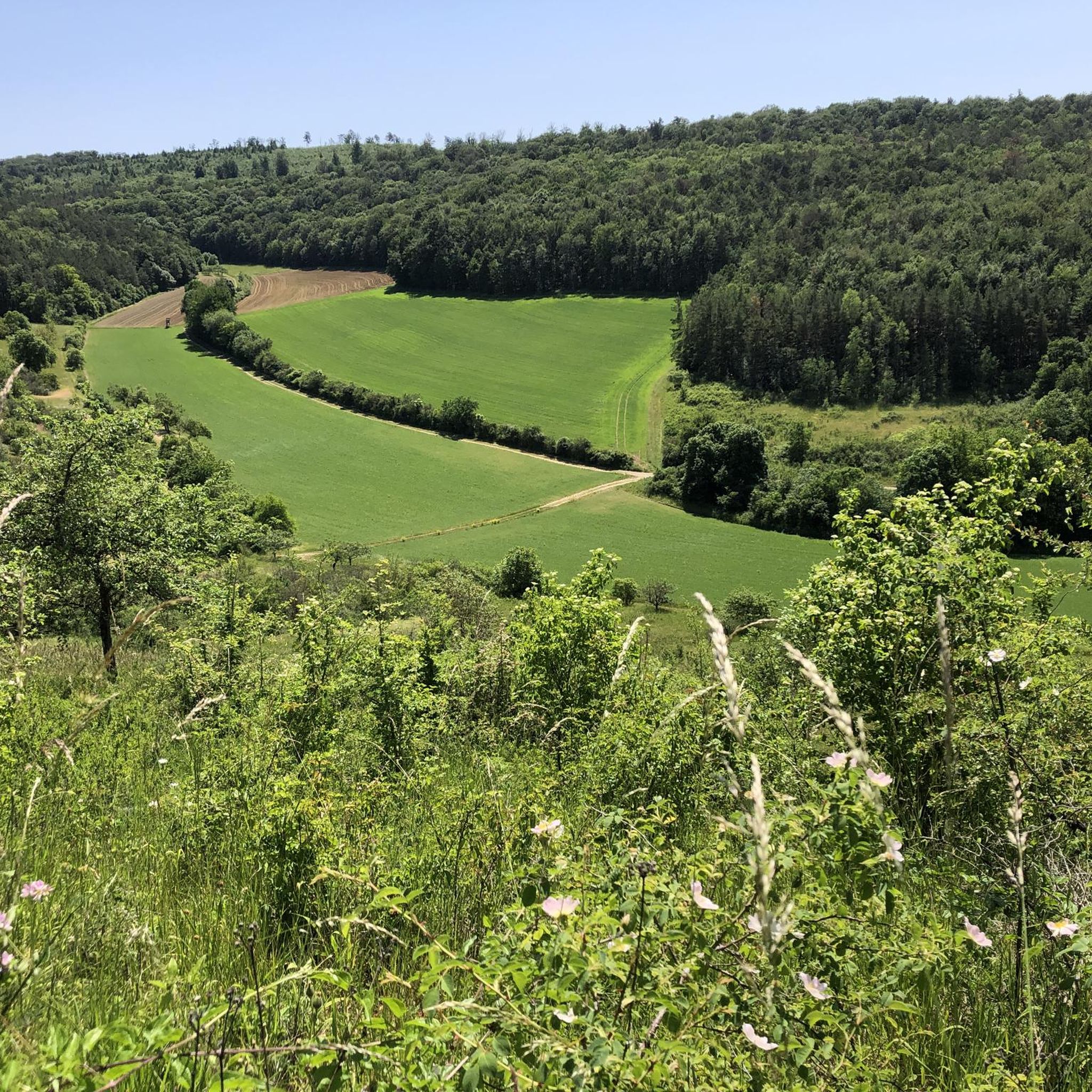
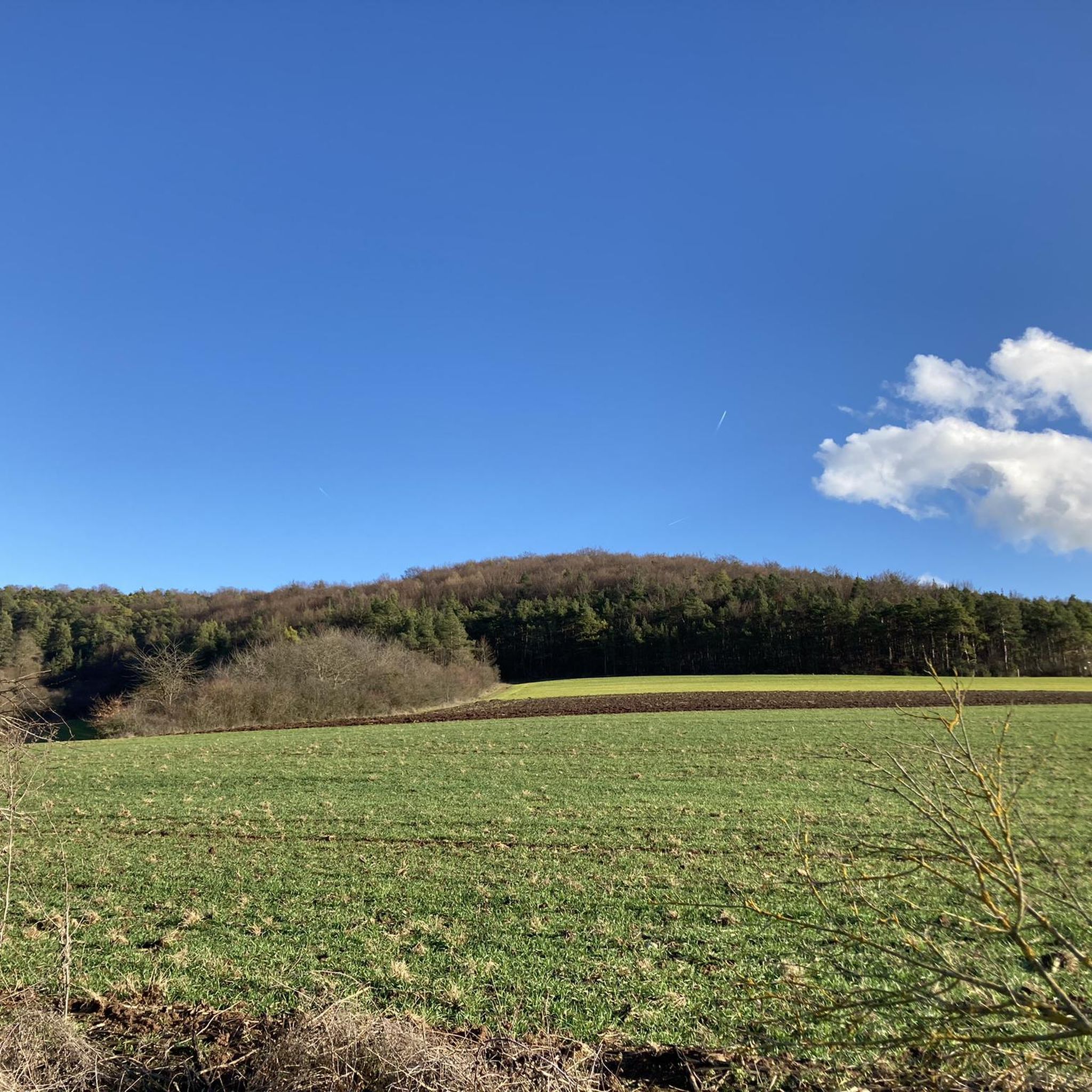
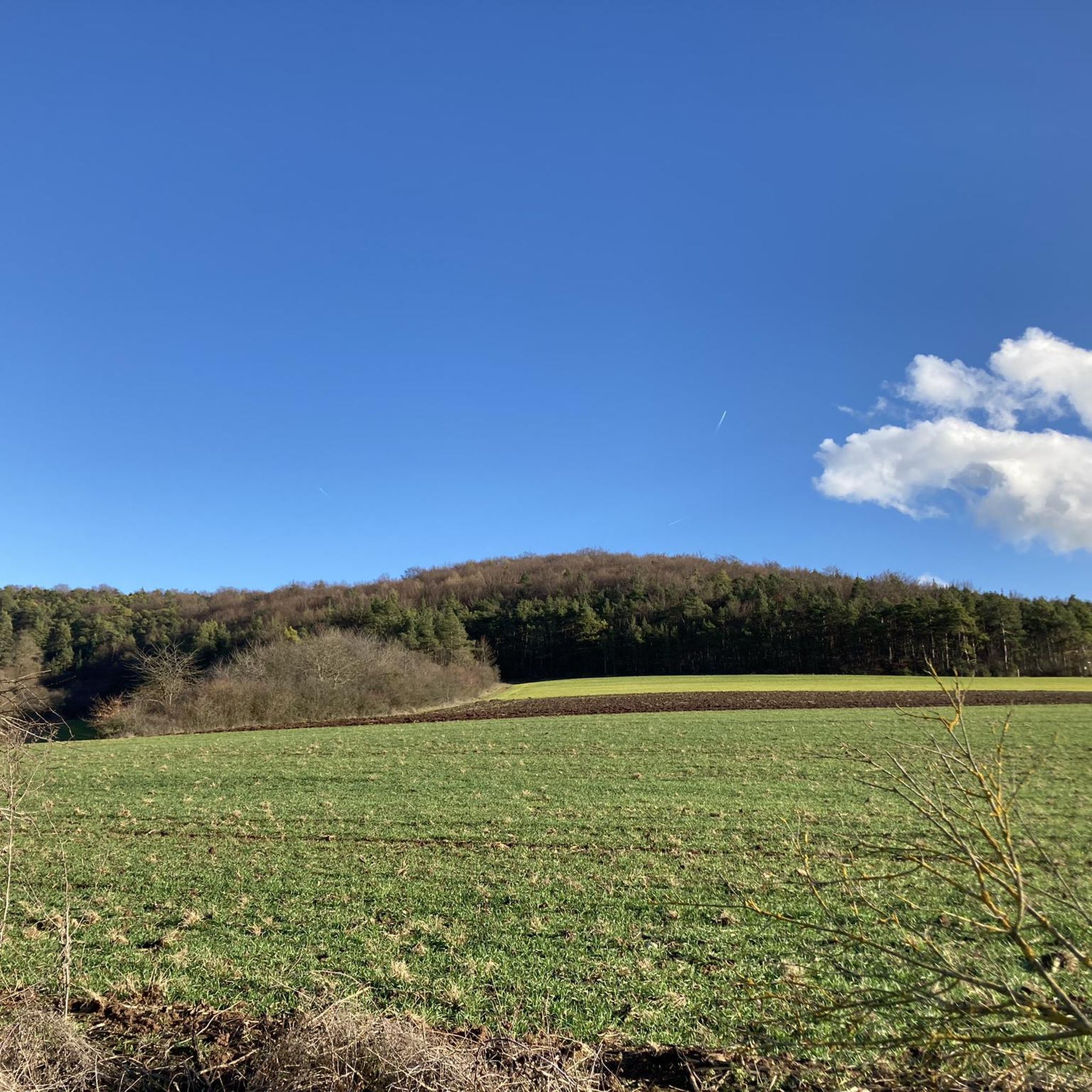
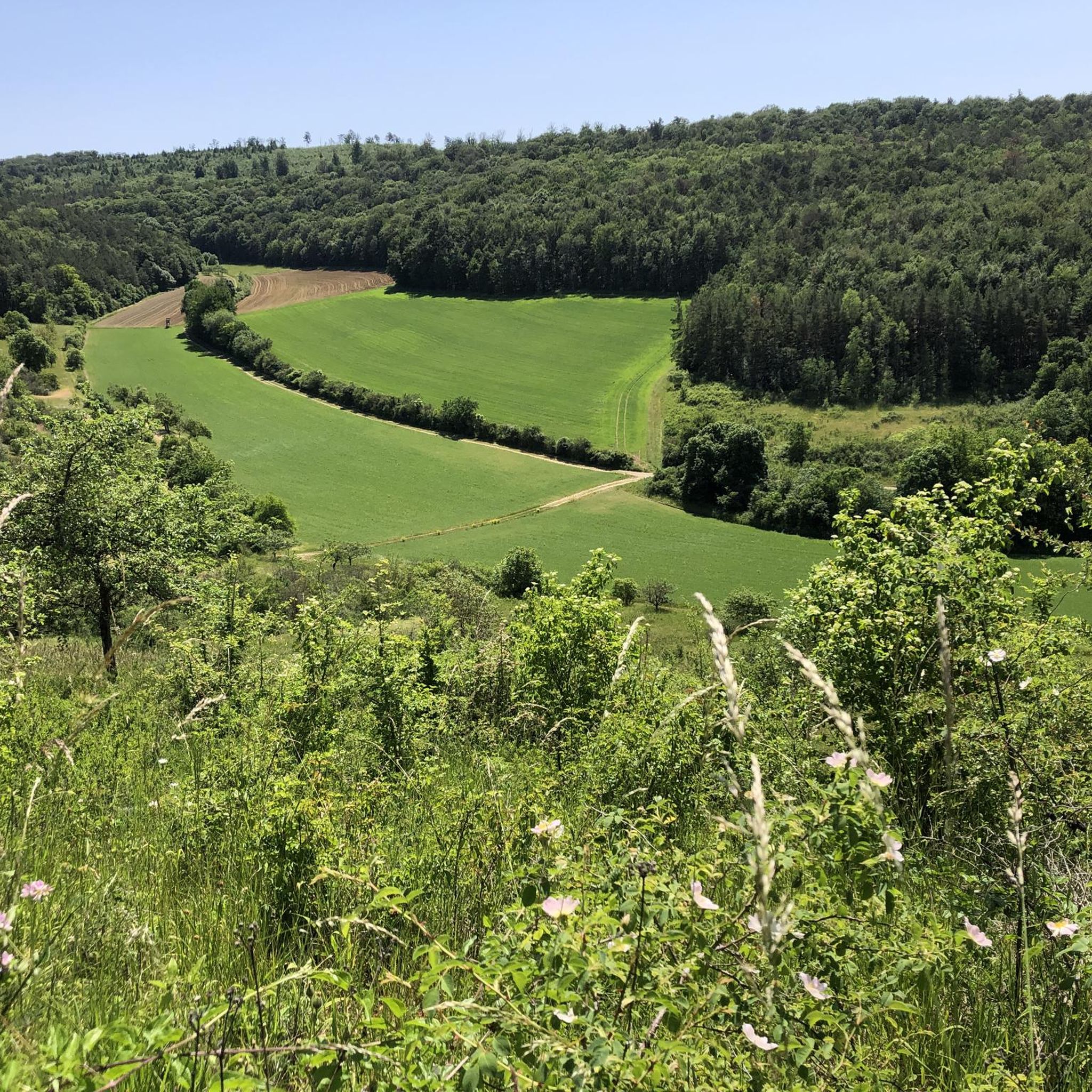
Tips from the Community

There are many plants to discover here, a lovely excursion around the castle ruins.
0
0

The castle ruins are always worth a visit, there is also a Homburg Festival.
4
0
A very beautiful chapel with the opportunity to take a rest, there are tables and benches. Beautiful view of the vineyards.
6
0

The Homburg (also Homburg o.d. Wern, formerly Hohenberg o.d. Wern) is the ruin of a hilltop castle at 300 m above sea level near Gössenheim in the Lower Franconian district of Main-Spessart. It is considered one of the largest castle ruins in Franconia. The castle was built by the Lords of Homburg (also of Hohenburg) as ministerials of the Würzburg diocese. The first lord of the castle mentioned in documents was Dietrich von Hohenberg in 1170. According to tradition, the castle was founded between 1028 and 1031 by Reinhard von Hohenberg from Burg Adolphsbühl, a son of Arnold von Hohenstein, who emigrated from the Lahn to Franconia in 1008. However, this cannot be proven and was probably invented later. The castle was located in the border area of the Bishopric of Würzburg, the Counts of Rieneck, the Counts of Henneberg and the Imperial Abbey of Fulda. Between 1223 and 1225, the family provided a bishop of Würzburg, Dietrich von Homburg. Dietrich von Hohenberg died in 1381 as the last of his family without a male heir. This ended the Reinhard line. His daughter Christine and her husband Konrad IV von Bickenbach were the sole heirs of all Hohenberg property. Hohenburg thus fell to the House of Bickenbach, which had its seat at Clingenburg. All of the goods of the former Hohenberg estate were sold in 1469 by the House of Bickenbach to the Bishopric of Würzburg in the form of Prince-Bishop Rudolf II von Scherenberg, Duke of Franconia. In 1492, Homburg became the official seat of the Homburg an der Werren district and received a bailiff. The outer bailey with the Zwinger dates from the early Gothic period (around 1235) and was extended in the Zwinger area from 1470 onwards. In 1525 the castle survived the Peasants' War unscathed; but in 1680 there was a fire in the manor house. This marked the beginning of the gradual decay of the buildings. Source: Wikipedia
3
0

OMG - what an awesome trail is this!!!
1
0

Beautiful castle ruins with many winding corners
2
0

The flora here is unique. Please don't break it.
3
0
Frequently Asked Questions
What unique geological features can I explore around Fuchsstadt?
The region around Fuchsstadt is notable for its geological formations. A prominent example is the Sodenberg Basalt Crater, a remnant of an extinct volcanic cone offering insights into the area's volcanic past. Additionally, the Franconian Saale river valley features striking shell limestone cliffs, showcasing different geological layers.
Are there natural monuments around Fuchsstadt suitable for families?
Yes, several natural monuments are family-friendly. The Maria im Weinberg Chapel and St. Michael's Chapel (Frankenbrunn) are both designated as family-friendly and offer pleasant spots for a break with scenic views.
Where can I find the best panoramic views of the natural landscape?
For breathtaking panoramic views, consider visiting the Sodenberg Basalt Crater. From its summit, you can see across the High Rhön ranges, the Kreuzberg, and even as far as the Hassberge and Steigerwald. The Homburg Castle Ruins also provide excellent vantage points over the surrounding protected landscape.
What kind of historical natural monuments can be found in the area?
The region blends natural beauty with history. The Homburg Castle Ruins, a castle and natural monument dating back to 1008, offers a glimpse into medieval times amidst a protected natural setting. The Sodenberg Basalt Crater also has historical significance, with basalt mining operations until 1958.
What outdoor activities can I do near these natural monuments?
The area around Fuchsstadt is ideal for various outdoor activities. You can explore numerous cycling routes, including easy and difficult options, or embark on gravel biking adventures. For mountain biking enthusiasts, there are dedicated MTB trails. Find more details on routes like the 'Old Saale Bridge, Elfershausen – Saale Bridge, Westheim loop' or 'Singletrail Above Machtilshausen – Machtilshausen Lime Kiln loop' in the cycling, gravel biking, and MTB guides for Fuchsstadt.
Are there specific hiking trails that highlight the natural monuments?
Yes, the region offers trails that lead directly to or past significant natural monuments. The Singletrail Above Machtilshausen is a popular natural monument and trail through a forest, noted for its unique terrain. Many routes also incorporate the Homburg Castle Ruins and the Sodenberg Basalt Crater, providing both natural beauty and historical context.
What is the best time of year to visit the natural monuments around Fuchsstadt?
Spring is particularly rewarding, especially around the Sodenberg, where you can witness diverse flora such as Märzenbecher, Adonisröschen, and Küchenschellen in bloom. The pleasant weather during spring and early autumn also makes it ideal for hiking and enjoying the panoramic views.
What do visitors enjoy most about the natural monuments in this region?
Visitors frequently praise the impressive views from locations like the Homburg Castle Ruins and the Sodenberg Basalt Crater. The unique geological formations, the diverse flora, and the peaceful atmosphere of places like the Maria im Weinberg Chapel are also highly appreciated. The blend of nature, history, and opportunities for active exploration makes the region a favorite.
Can I find any hidden natural gems or less-known spots?
While not explicitly 'hidden,' the St. Michael's Chapel (Frankenbrunn) is a beautiful spot with two mighty linden trees designated as natural monuments. It's an exceptional place that offers tranquility and historical significance, often described as an insider tip by those who discover it.
Are there opportunities for wildlife or plant spotting?
The area around the Sodenberg is known for its diverse flora, including Märzenbecher, Adonisröschen, and Küchenschellen, especially in spring. While specific wildlife spotting opportunities aren't highlighted, the natural and protected landscapes of the Franconian Saale valley and the Rhön foothills provide habitats for various local species.
What are the typical terrain and difficulty levels for trails near these natural monuments?
The terrain varies, from the unique ground of the Singletrail Above Machtilshausen to the ascent required for the Sodenberg Basalt Crater. You'll find a mix of intermediate and challenging paths, with some easy options available, particularly along the Franconian Saale river. Always check specific route details for elevation and difficulty before heading out.
Is it possible to visit these natural monuments using public transport?
While specific public transport connections directly to every natural monument might be limited, Fuchsstadt itself is accessible. From there, local buses or a combination of public transport and walking may allow access to some sites. For more remote locations like the Sodenberg, a car or a longer hike might be necessary.
Most popular routes around Fuchsstadt
Most popular attractions around Fuchsstadt

Get inspired with the komoot mobile app


Explore more
Extend your search for the best caves by checking out these guides of the top ones around Fuchsstadt:
